What Changes When Several Cruise Ships Visit the Same Port?
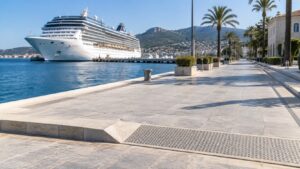
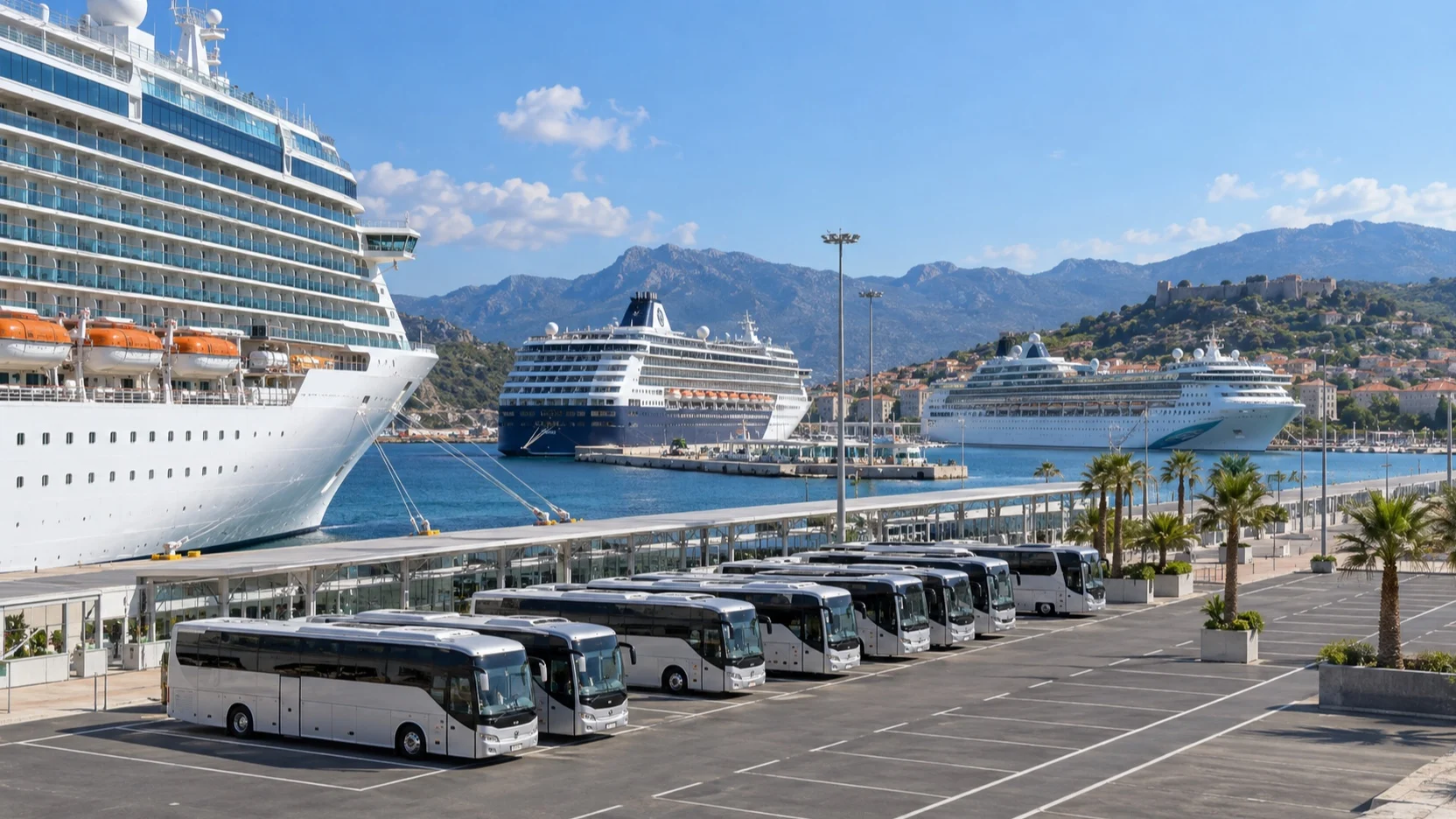
When several cruise ships visit the same port, the day changes long before you reach the famous attraction. Gangways, port shuttles, tender docks, taxis, buses, ticket lines, restaurants, and accessible vehicles all absorb passengers at roughly the same time.
The number of ships is only the first clue. Vessel size, passenger estimates, berth locations, tendering, arrival overlap, departure times, and the destination’s narrowest bottleneck determine whether the port feels lively or overwhelmed.
Quick Facts
- Best crowd measure: Overlapping passenger capacity, not ship count alone.
- First bottleneck: Gangways, security, port shuttles, tenders, and taxi dispatch.
- Most fragile ports: Tender destinations and places with one cable car, road, rail line, or landing point.
- Best independent tactic: Reserve one priority and choose a second activity that uses a different route.
- Best timing tactic: Move before the largest wave, follow behind it, or reverse the usual route.
- Accessibility warning: Adapted vehicles and low-walking tours can sell out before general tours.
- Restaurant tactic: Reserve lunch or eat outside the standard noon rush.
- Return rule: Add time for road congestion, tender queues, port security, and the pier walk.
What actually changes on a multi-ship day
A port does not become uniformly busy. Pressure concentrates wherever many itineraries share the same gate, vehicle queue, scenic road, ferry, station, elevator, museum entrance, or beach access.
This is useful because you do not need to avoid the entire destination. You need to identify the day’s narrowest points and design a route that does not depend on all of them at peak time.
The ship and terminal
Several vessels may release passengers within the same hour, and each ship may also have many tours assembling at once. Elevators, gangways, security lanes, shuttle buses, and dispatch areas can slow before anyone reaches town.
Separate berths create separate experiences. One ship may dock beside the center while another uses an industrial terminal that requires a shuttle, so advice written for a neighboring vessel can be completely wrong for yours.
Tenders and water shuttles
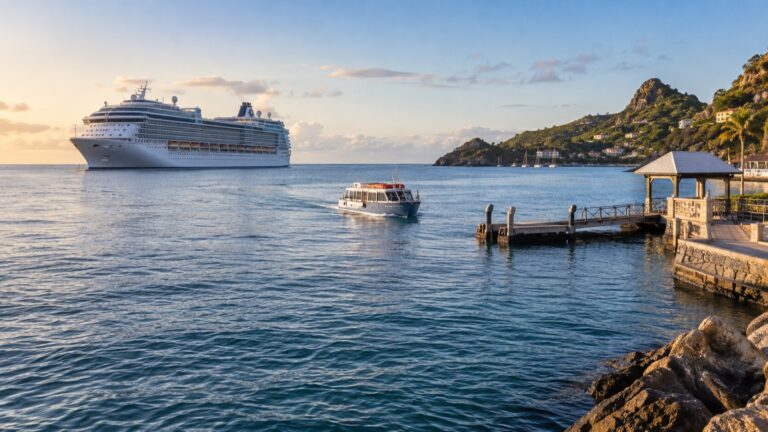
Tender ports have limited landing space and a finite number of boats. Weather, sea state, ship priority systems, and the size of the arrival wave affect when independent passengers actually reach shore.
Do not book a tight meeting based on the printed arrival time. The useful start of your day is when you step onto the pier, while the useful end must allow for the tender queue and crossing back.
Roads and public transportation
Tour buses leave in clusters and converge on the same scenic roads, drop-off zones, and parking lots. A taxi rank that looks well supplied at 8:00 can be empty after several thousand guests disembark.
Public buses, trains, and ferries continue to serve residents and overnight visitors. Cruise passengers add demand to a system that was not created solely for them, and popular departures may fill.
Attractions and restaurants
Timed attractions may sell out, while untimed sites develop long security or ticket lines. The most photographed viewpoint can be busy even when the rest of the town remains pleasant.
Restaurants near the standard tour route receive the same lunch wave. Service slows, walk-in tables disappear, and travelers with dietary or seating needs lose the flexibility they expected.
How to read an official cruise schedule
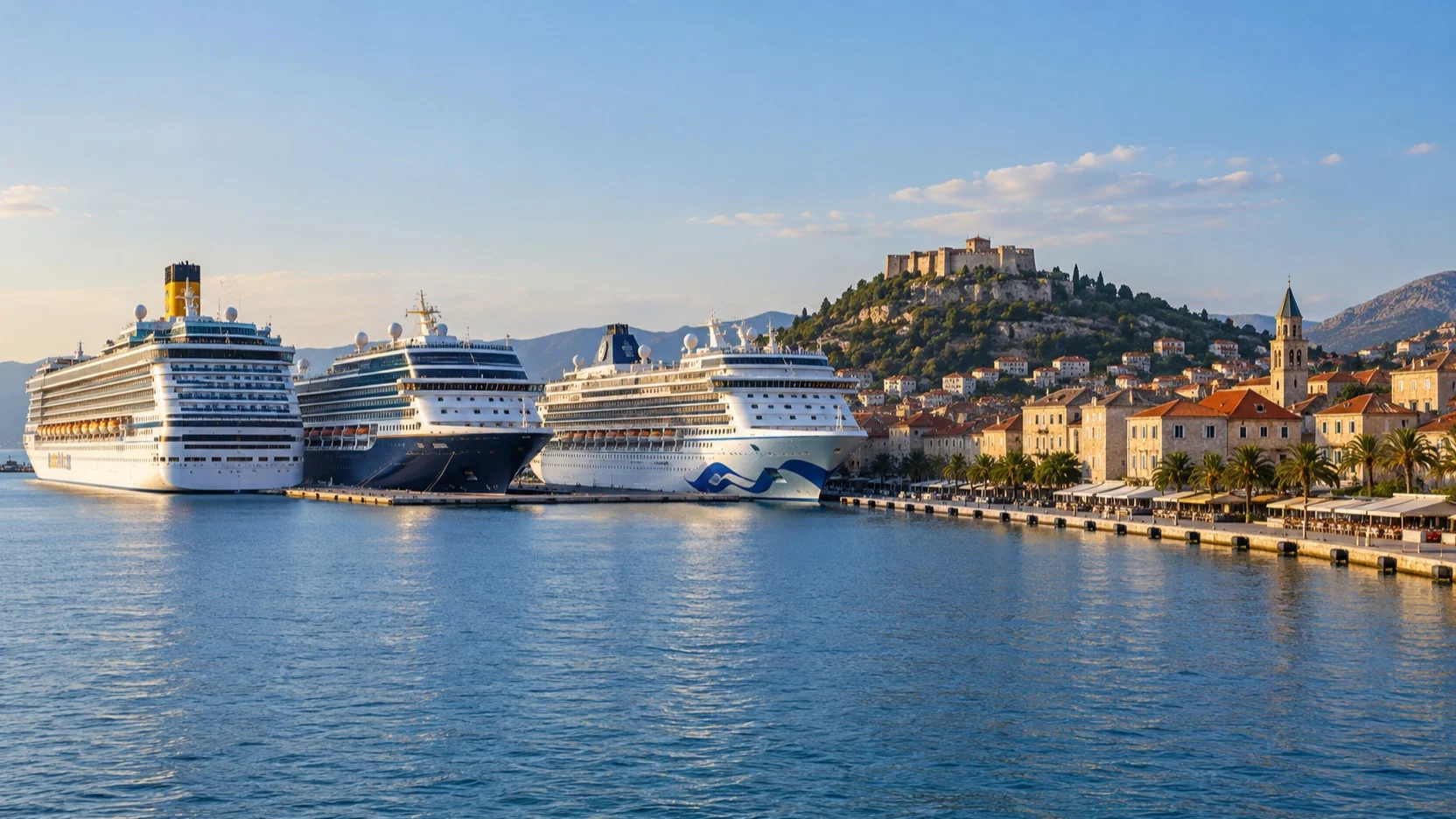
Start with the official port or harbor schedule when one is available. Record each ship’s planned arrival and departure, passenger estimate or capacity, terminal, berth, and whether it docks or anchors.
Then look for overlap rather than simply adding ships. A vessel leaving before another arrives creates less pressure than three large ships clearing passengers between 7:00 and 9:00.
Passenger estimates are planning ranges, not head counts. Ships may sail below capacity, schedules can change, and not every guest goes ashore, but the estimate still reveals whether local infrastructure may face a large surge.
Check the schedule again near departure and on the morning of the call. Berths, times, weather, and port operations can change after you make the first plan.
Four ways to avoid the biggest wave
Go before it
Leave promptly when the priority attraction opens early and your berth allows a quick exit. This works best with prebooked admission, a known pickup, and no tender uncertainty.
Do not confuse rushing with efficiency. A fragile connection or an attraction that is not yet open can leave you standing outside while the crowd catches up.
Follow behind it
Have coffee, walk a quieter district, or enjoy the ship while the first buses depart. A later start can work beautifully when the call is long and the attraction remains open well past the initial surge.
Protect the return margin before using this strategy. Starting later must not turn the final bus, ferry, cable car, or tender into your only way home.
Reverse the standard route
Visit the farthest village first, begin at the less common entrance, or save the headline viewpoint for later. Reversal works only when transportation, hours, and one-way rules support it.
A local guide can be especially useful here because crowd patterns change with road closures and ship assignments. Ask how the proposed route differs from the standard bus circuit instead of accepting the word private as proof.
Change areas
Choose another neighborhood, beach, museum, island viewpoint, or food district that does not depend on the same bottleneck. This is often the most reliable strategy because it removes the competition instead of trying to outguess it.
The alternative should still be genuinely appealing. A quiet place is not automatically worth your limited port time simply because nobody else booked it.
Santorini shows why capacity matters
Santorini combines tender operations, limited landing points, steep caldera access, road pressure, and concentrated demand in Fira and Oia. Several ships with overlapping calls can challenge each part of that chain.
The Municipal Port Fund of Thira publishes ship arrivals with times and passenger estimates, which makes it possible to see when waves may overlap. Use those numbers as a planning range and verify the current day because allocation can change.
Avoid a tight independent meeting immediately after scheduled arrival because tender release is not instantaneous. On the return, leave enough time for the lower landing, any cable-car or road transfer, the tender queue, and the ride to the ship.
If Oia is the priority, arrange the transport and return before adding wineries, beaches, or a second village. Santorini punishes an itinerary that depends on every transfer running without delay.
Kusadasi and Ephesus
Kusadasi can absorb several ships at its port, but many passengers then converge on the road to Ephesus and the archaeological site’s main visitor areas. The town and coast may remain manageable while the ruins and bus parking become intensely busy.
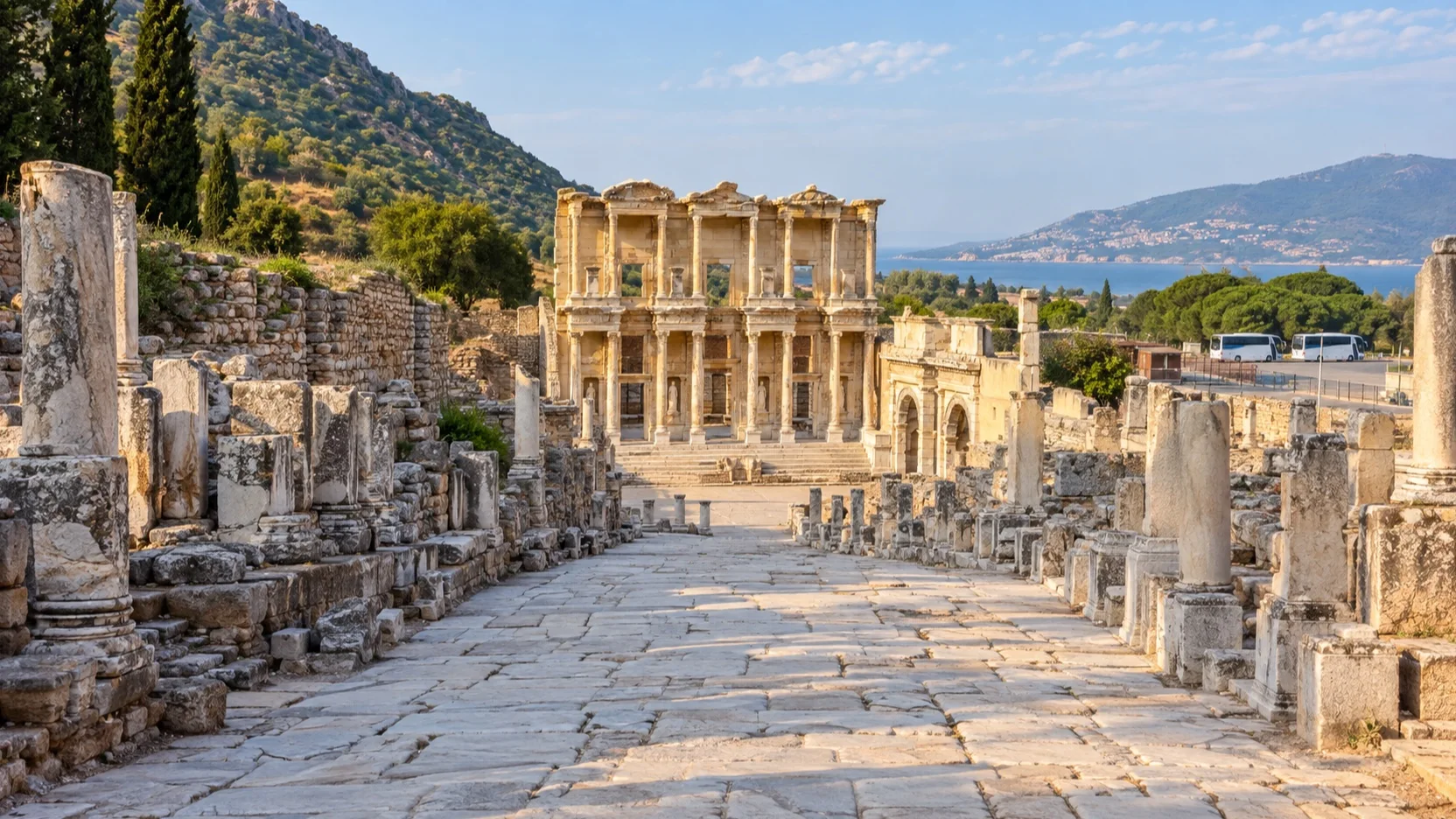
A private guide can shift the route, but no guide controls every bus or ticket line. Confirm the entrance, meeting point, included admission, walking distance, shade plan, and what will change if the site is already crowded.
Travelers staying in Kusadasi can build a pleasant waterfront, market, and meal day that avoids the Ephesus wave. Those who consider the ruins essential should prioritize them and resist adding retail stops that consume cooler, quieter time.
La Spezia and Cinque Terre
La Spezia itself has space, but the rail line and compact Cinque Terre villages create sharp bottlenecks. Multiple ships can add thousands of day visitors to trains, station platforms, village lanes, boats, and popular trails already used by regional travelers.
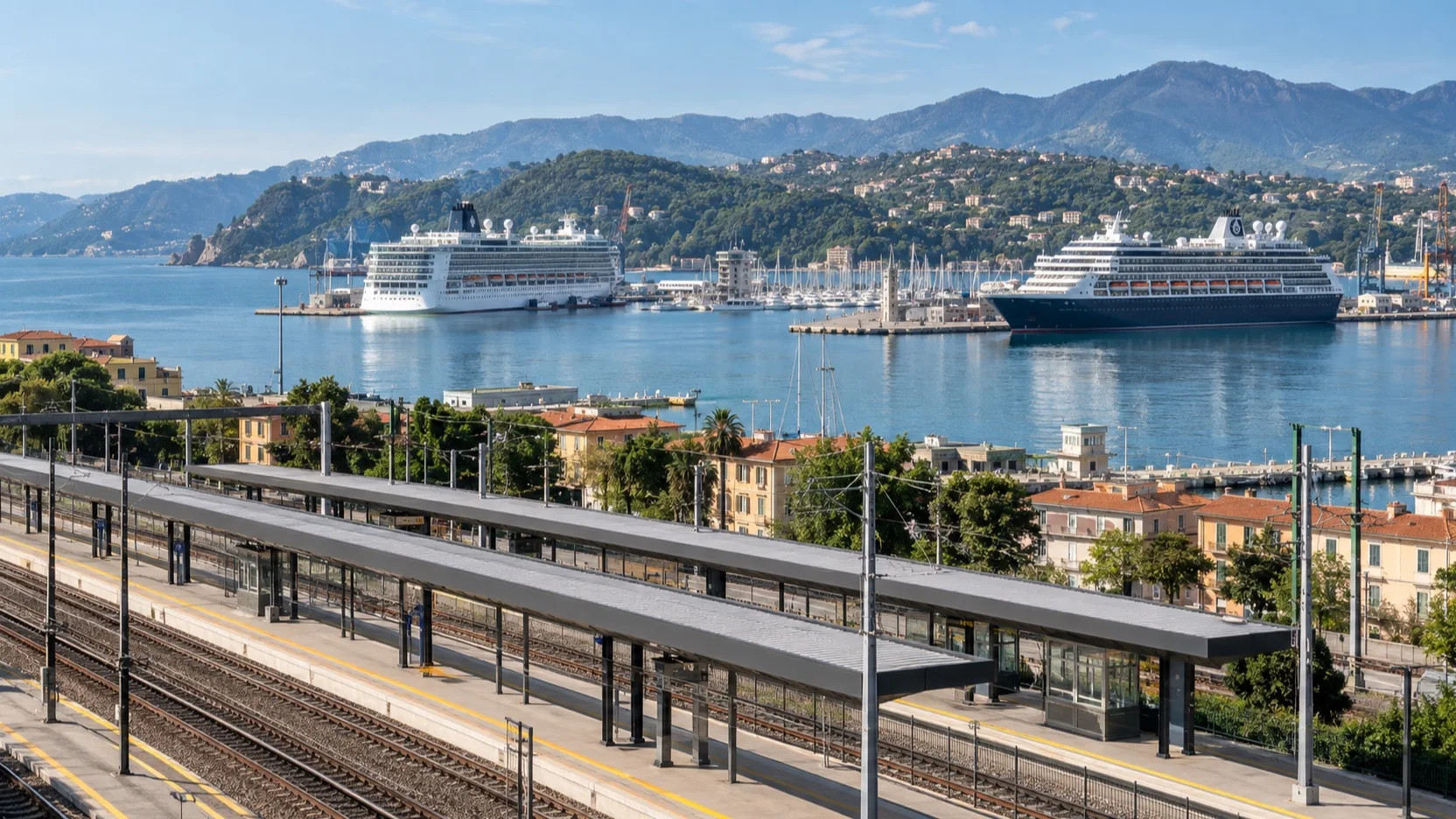
The Cinque Terre National Park publishes current cards, trail information, weather notices, bus details, and access updates. Check it close to the call because one-way rules, heat measures, trail closures, or weather can alter the plan.
Choose two or three villages rather than trying to collect all five. Keep a train-based backup if boats stop, and keep a lower-intensity La Spezia plan if transport crowds or weather make the coast unpleasant.
Never step onto tracks or force a crowded train when doors are closing. Another departure and a smaller itinerary are better than turning a beautiful coast into a safety problem.
Reykjavík spreads crowds differently
Reykjavík has multiple cruise berths and a road network that spreads tours across a wide region. The city may feel comfortable while Golden Circle stops, lagoons, waterfalls, or tour buses experience concentrated demand.
Confirm the terminal because central and outer-harbor arrivals require different first steps. A shuttle, taxi, or tour pickup that suits one berth may not serve another in the same way.
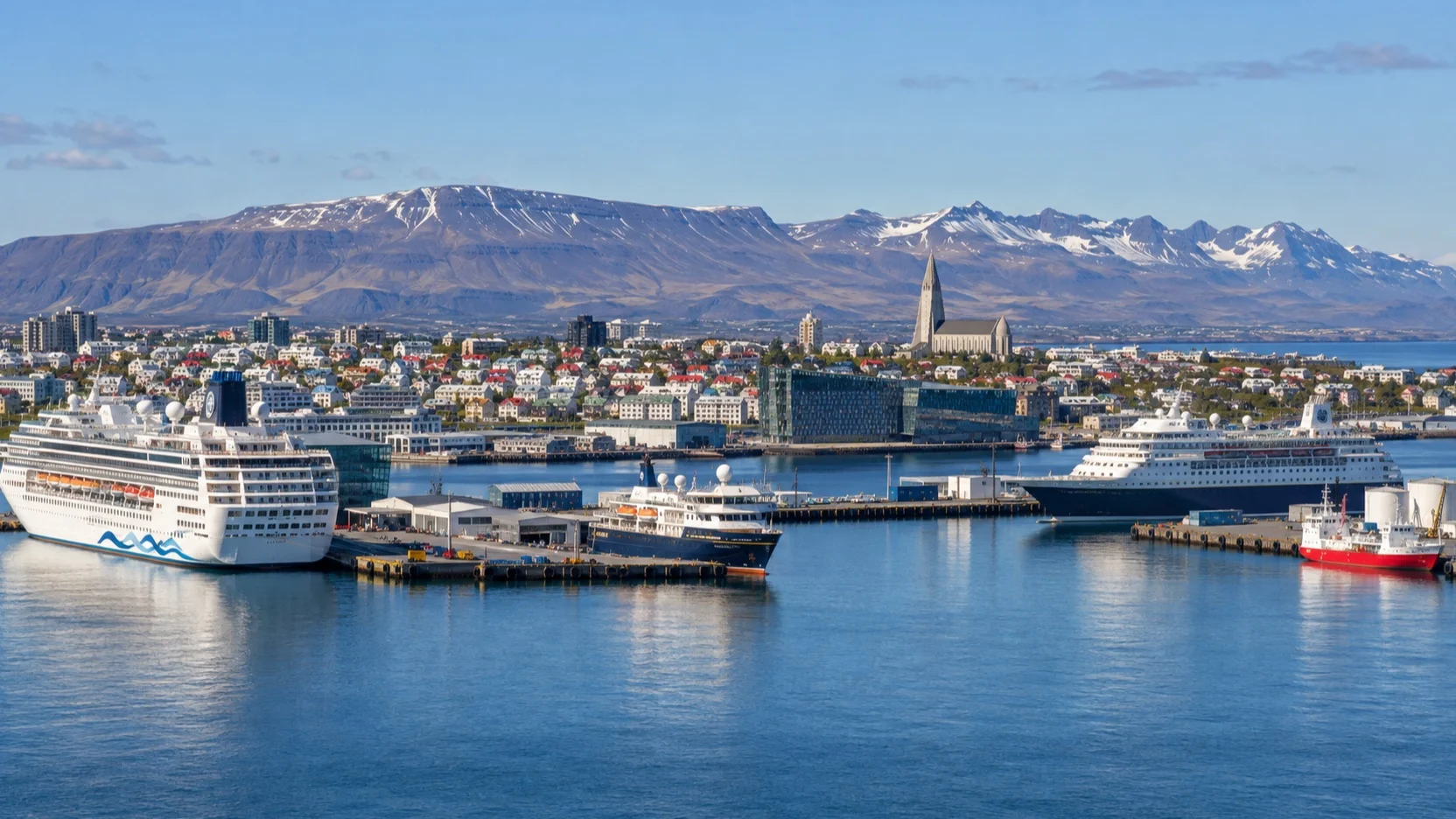
Weather creates a second layer of uncertainty, especially when wind or road conditions affect vehicles. Leave a broad return cushion for any trip far from the harbor and keep a city museum or geothermal pool plan available.
Northern-lights outings are generally an overnight-stay activity rather than a standard daytime cruise call. Treat seasonal marketing separately from what your actual arrival and departure hours permit.
Dubrovnik concentrates pressure at gates
Dubrovnik’s old city is compact, and large arrival waves can concentrate at Pile Gate, the walls, cable-car access, bus stops, and the route from Gruž. The streets a few turns away may feel calmer than the famous entrance.
The Dubrovnik Port Authority publishes arrival notices and port information, which helps identify busy dates. Confirm whether your ship docks at Gruž or uses another arrangement before choosing transportation.
Reserve wall or museum admission when required and consider entering after the first excursion wave. A neighborhood walk, harbor view, or later lunch can absorb time without sending you straight into the largest queue.
Accessibility becomes a capacity issue
Accessible vans, lift-equipped coaches, low-floor taxis, step-free guides, and mobility-friendly tour spaces are limited in many ports. They can sell out even when ordinary buses and walking tours remain available.
Reserve early and provide the device’s dimensions, weight, folding method, and whether the user must remain seated. Confirm the pickup relative to the gangway because a distant dispatch area can use the traveler’s walking capacity before boarding.
Crowds also change elevators, ramps, restrooms, cobbled lanes, and station platforms. A route that is technically step-free may become hard to navigate when every waiting area is full.
Ask what happens if the accessible vehicle is delayed or the attraction reaches capacity. The backup should preserve dignity and comfort rather than leaving the traveler in a line with nowhere to sit.
How transportation choices behave under pressure
Prearranged driver
A driver reserves capacity but does not erase traffic or port-access rules. Get the exact meeting point, vehicle plate or contact, included waiting time, device fit, route priorities, and return target in writing.
Taxi
Taxis work best for one direct destination with a clear return option. On a heavy ship day, agree on a pickup or retain a reliable dispatch contact rather than assuming another vehicle will appear at a remote beach.
Public transportation
Trains and buses can bypass road congestion or lower costs, but platforms and vehicles may fill. Download the current schedule, know the next departure, and avoid a route that leaves only one realistic service back.
Ship excursion
A ship excursion simplifies dispatch and delayed-return responsibility under the cruise line’s terms. It can still spend time in coach queues, large-group loading, attraction lines, and mandatory stops, so compare the actual itinerary.
Build a multi-ship-day itinerary
Choose one priority that benefits from reservation or early movement. Pair it with a flexible area that uses a different road, neighborhood, or transport mode.
Set a decision time before leaving the ship. If tendering, traffic, weather, or a late arrival makes the main plan unsafe, switch immediately to the closer option instead of compressing every stop.
Plan meals outside the main lunch wave or make a reservation that tolerates port delays. Carry water and a snack so hunger does not force you into the busiest restaurant beside the tour-bus stop.
Return before the final surge whenever possible. Several ships with similar departure times can fill taxis, shuttles, security lanes, cable cars, and tender docks all at once.
What not to do
Do not rely on the first third-party schedule you find. Use it for orientation, then verify the official port, cruise line, and attraction information near the sailing.
Do not book separate tickets whose connection times require perfect disembarkation. A delayed berth or tender can make a nonrefundable chain collapse before the day begins.
Do not assume a private tour bypasses traffic, closures, or site limits. Privacy changes the group and flexibility, not the physical capacity of a narrow road or cable car.
Do not add more stops to compensate for crowds. The strongest busy-day plan usually does less, moves at different times, and keeps one attractive backup.
My final recommendation
Check passenger overlap, berth, tender status, and the port’s narrowest bottleneck before choosing the itinerary. Reserve one essential experience, then route the rest of the day away from the largest wave.
Leave early, start later, reverse the standard route, or change areas, but do not stack all four tactics into a complicated plan. The goal is a calmer day with a reliable return, not the satisfaction of outsmarting every other passenger.
Several ships do not ruin a port, but they remove room for vague planning. When you know where capacity becomes scarce, you can spend your time on the destination instead of standing inside its most predictable queue.
How this guide was researched
This guide was checked in September 2026 against current information from the Santorini Port Authority, Cinque Terre National Park, and Dubrovnik Port Authority. Ship calls, passenger estimates, berths, tickets, transportation, weather, and access can change, so verify near your sailing and read our Editorial Policy for sourcing and corrections.
More on this topic: browse every guide on weather, crowds and conditions.