
CRUISE PLANNING
Cruise Weather, Crowds and Conditions
Prepare for rain, heat, rough seas, seasonal closures, and crowded port days before they change your plans.
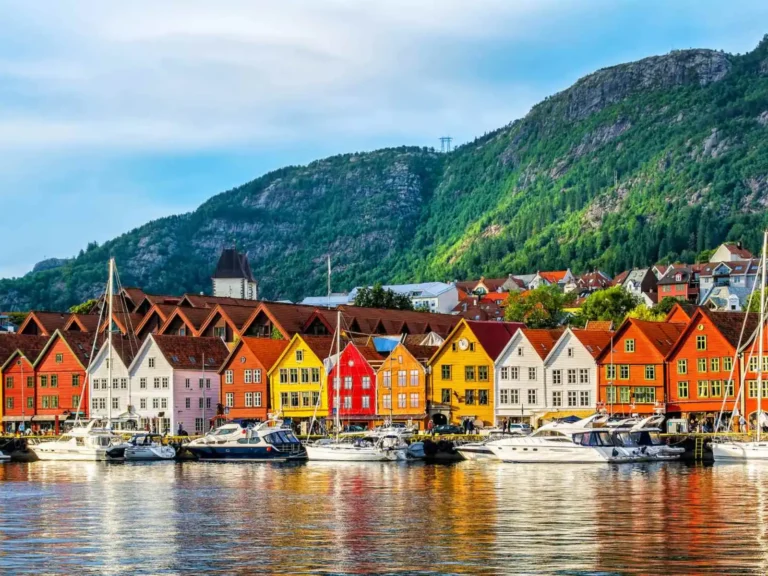
Plan for the Day You Might Actually Get
Weather and crowds can turn a perfect itinerary into an uncomfortable one. A flexible backup plan protects the day without requiring you to predict every detail.
Start With These Questions
What Is the Backup Plan?
Choose an indoor option, a shorter route, or an activity that remains comfortable in poor conditions.
When Are Crowds Worst?
Check ship traffic, arrival waves, major attractions, and whether starting early changes the experience.
What Can Disrupt the Call?
Tender operations, heat, low water, seasonal closures, and rough seas can all reduce usable time.
Planning for the Day You Might Actually Get
Weather does not usually cancel a port day. It changes what the day is worth doing, which is a different problem and a more common one. A beach call in the rain and a museum city in the rain are not the same disappointment, and the fix is having decided in advance what the wet version of the day looks like.
Sea state is the exception, because it does cancel things. Tender operations are the first casualty when the swell picks up, and a tendered port in marginal conditions can be dropped with very little notice. If a port is tendered and the forecast is unsettled, that is the day to keep plans refundable.
Crowding is more predictable than weather and gets far less attention. Several ships in port on the same day changes line lengths, taxi availability, restaurant waits and the character of a small old town completely. Port schedules are usually published in advance, which makes this one of the few variables you can actually plan around.
Heat is now a real constraint in the Mediterranean summer rather than a footnote, and seasonal closures catch people out everywhere. Museums have closing days, small sights close for lunch, and whole towns wind down out of season. A call that lands on the wrong day of the week is a planning problem, not bad luck.
What to Do When Rain Is Forecast for a Cruise Port and How to Plan an Alaska Port Day in Heavy Rain are the practical versions of this, for the two conditions that come up most.
Frequently Asked Questions
How do I find out how many ships are in port?
Most port authorities publish a cruise schedule months ahead, and it is usually the most useful single page you can read before a port day. Two or three ships in a small town changes lines, taxis and restaurant waits substantially.
Will a tender port be canceled in bad weather?
It can be, and the decision is usually made on the morning. Swell matters more than rain or wind on their own. If the forecast is unsettled and the call is tendered, keep the day’s plans refundable.
Latest Guides
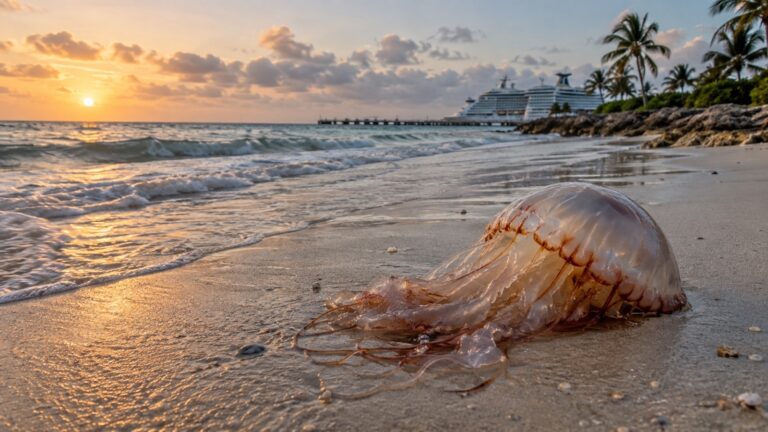
Jellyfish, Stingers and Red Tide: The Beach Days Nature Cancels
Jellyfish, red tide and sea lice close beaches without closing ports. Learn when each hazard shows up, what the purple flag means, and what…
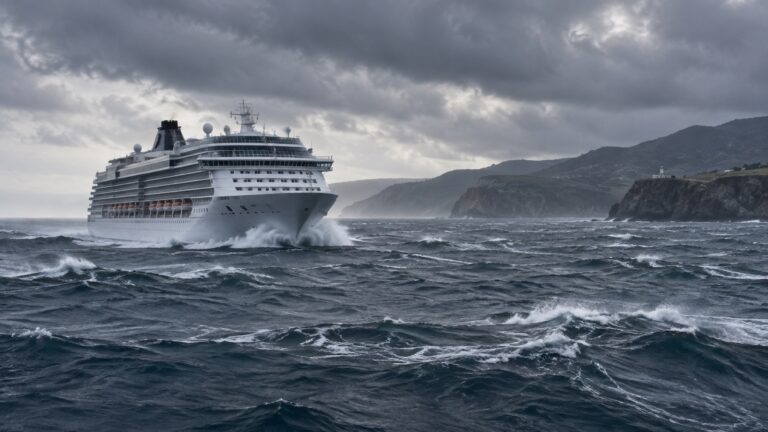
The Roughest Water in Cruising, and How to Sail It Comfortably
Where cruise seas get rough and when, plus the itinerary, cabin, stabilizer and seasickness facts that actually make a bumpy crossing easier to handle.
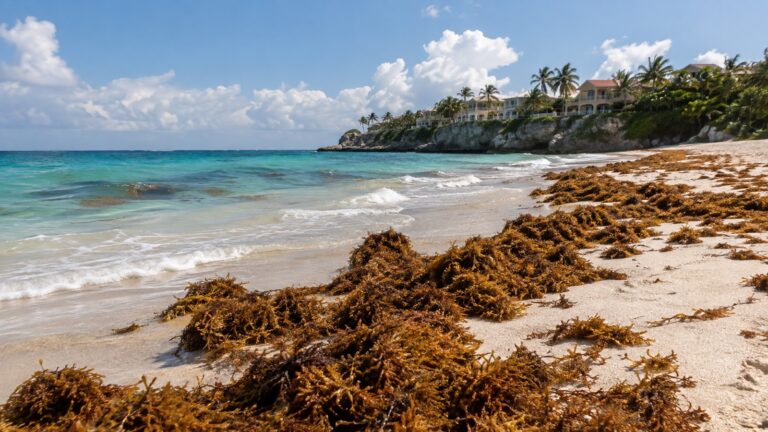
Sargassum Season Month by Month: Which Caribbean Ports Get Hit
Sargassum ruins beach days, not cruises. Here is the month by month season, which Caribbean coasts catch the seaweed, and how to plan your…
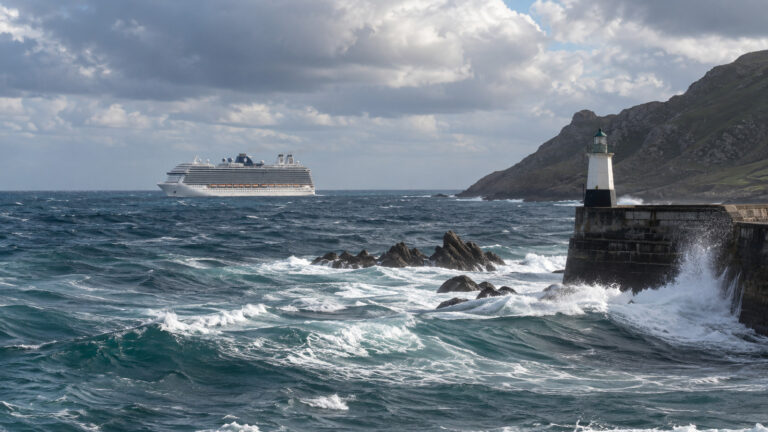
What Cancels a Cruise Port Call: Wind, Swell, Pilots, Tenders, and Gangways
Why wind, swell, current, pilot transfers, tender platforms, moorings, gangways, and port restrictions can delay or cancel a cruise call.
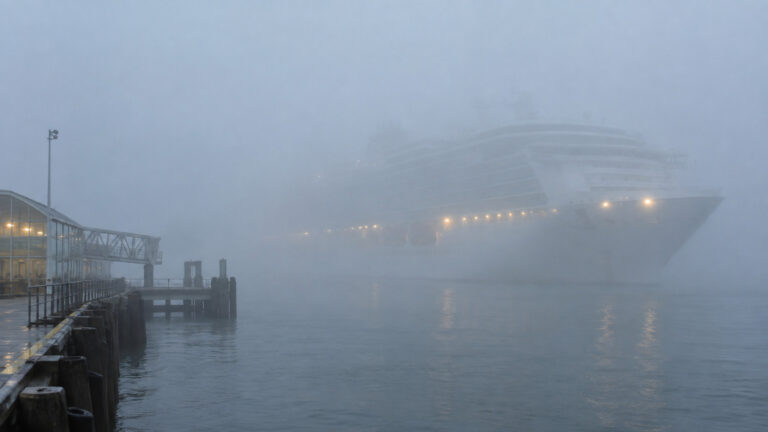
Fog Days on a Cruise: The Delay Nobody Plans For
Fog rarely cancels a cruise port call, it delays it. Here is how suspended pilotage works, which ports it hits, and what it costs…
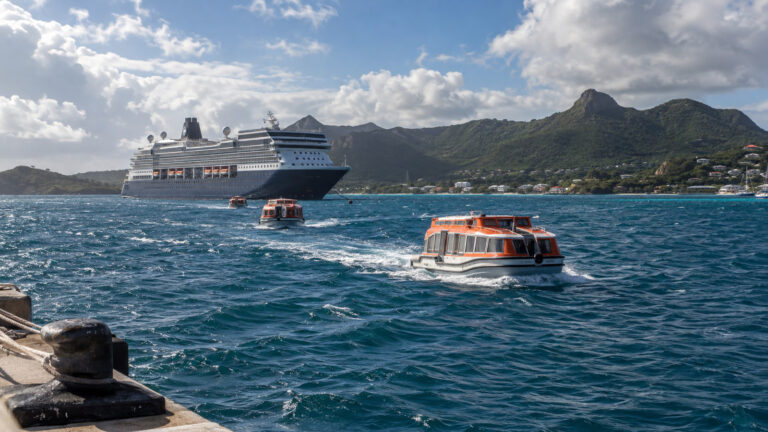
Christmas Winds and Caribbean Tender Days: What to Know
How winter trade-wind spells and distant swell can affect Caribbean tender calls, plus practical forecast, booking, refund, and accessibility checks.
Keep Planning
Use the destination guides to compare indoor sights, transportation, and practical alternatives.