How to Plan an Alaska Port Day When Heavy Rain Is Likely
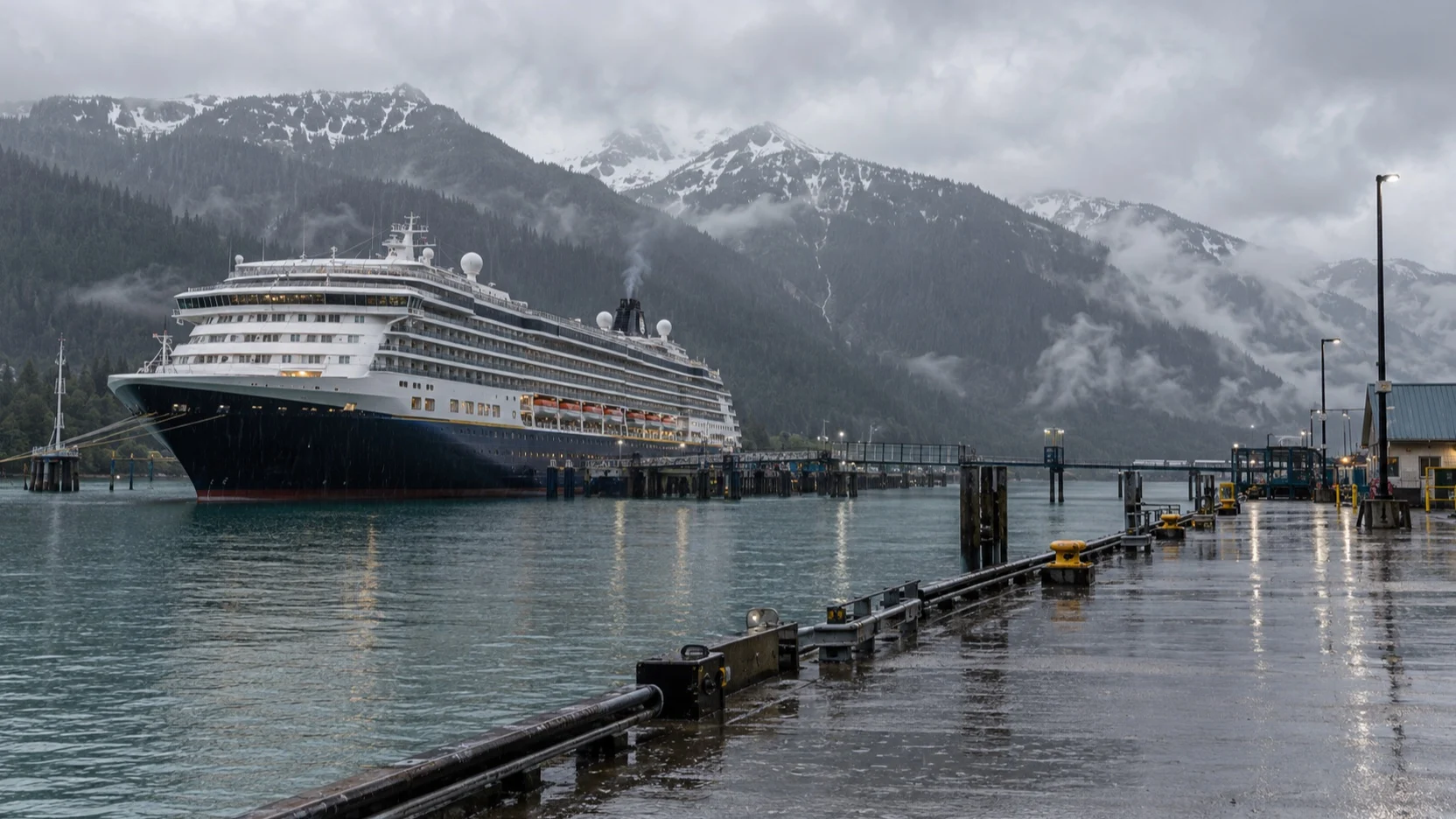
Heavy rain is part of the real Southeast Alaska experience, and it does not automatically ruin a port day. The key is choosing an excursion that still has value when mountains disappear into cloud, outdoor surfaces become slick, and every transfer takes longer.
I would keep whale watching, a covered scenic ride, or a compact town plan in ordinary heavy rain, but reconsider flightseeing, exposed hiking, and any trip whose entire value depends on a distant view. Official warnings, flooding, unsafe wind, and operator cancellations always override the wish to save an itinerary.
Alaska Port Day in Heavy Rain Quick Facts
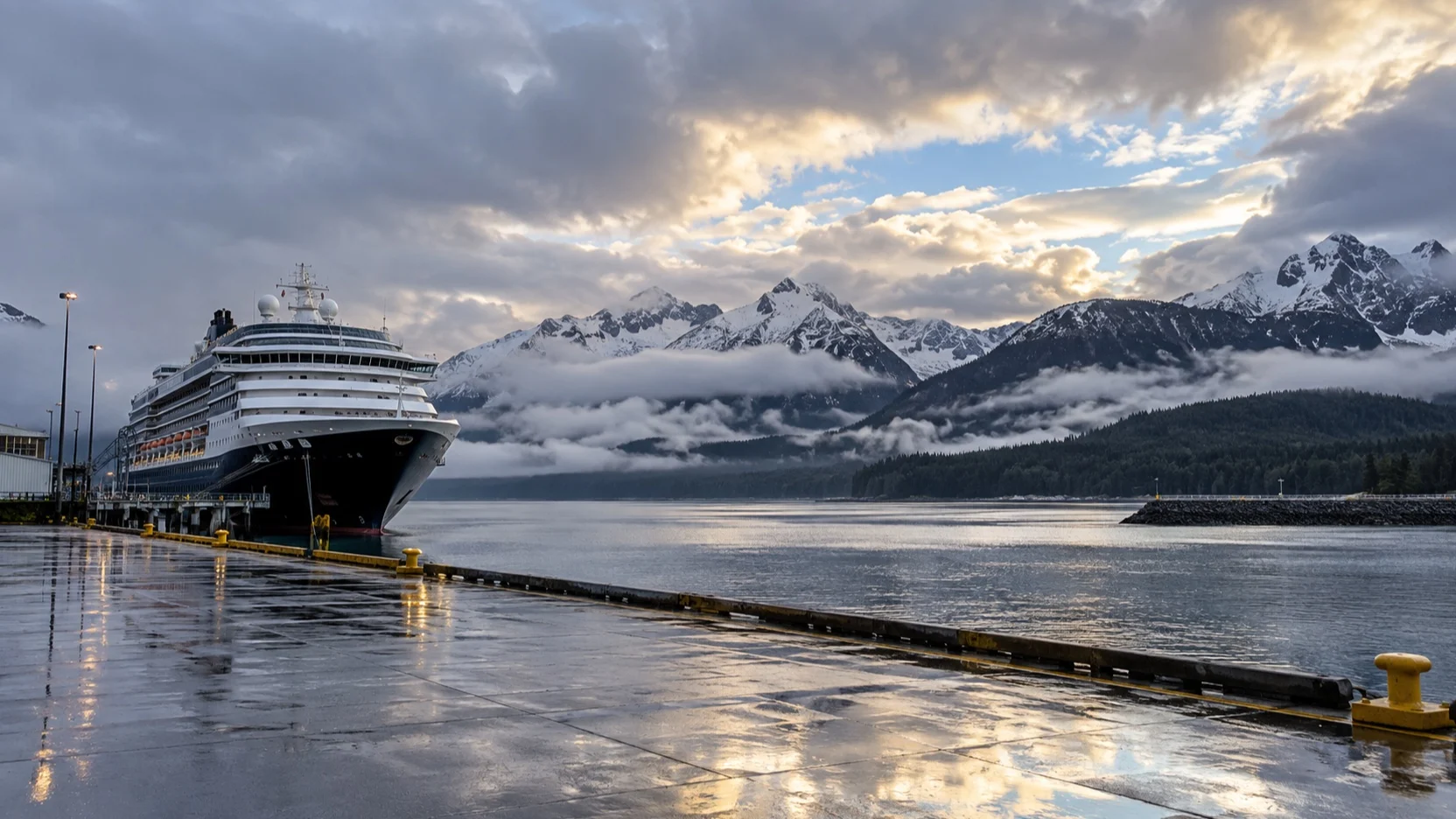
- Best rain-tolerant choices: Whale watching, scenic rail, museums, cultural centers, covered food experiences, and a flexible town walk.
- Most visibility-sensitive: Helicopters, floatplanes, mountaintop views, and excursions built around distant scenery.
- Rain is not the only issue: Wind, marine conditions, low cloud, flooding, and trail closures determine whether an activity can run safely.
- Wear: Waterproof outer layers, warm midlayers, sturdy waterproof footwear, and a brimmed hat.
- Carry: A dry bag or sealed pouches for phones, medication, tickets, and spare socks.
- Return buffer: Add time for slower roads, wet gangways, crowded shuttles, and tender delays.
- Check first: National Weather Service Juneau, Alaska 511, the attraction or land manager, and your tour operator.
- Best backup: One indoor anchor close to the ship plus an optional meal or short waterfront stop.
Heavy Rain Is Not the Same as Dangerous Weather
Southeast Alaska has a wet maritime climate, and tours are designed to operate in rain. A steady downpour mainly affects comfort and visibility, while high wind, rough water, flooding, landslide risk, or lightning can create a safety problem.
Check the hourly forecast and current alerts rather than stopping at a rain percentage. The National Weather Service office in Juneau publishes forecasts, warnings, marine information, hydrology resources, road links, radar, and forecast discussions for Southeast Alaska.
Recheck after arrival because the weather at the cruise berth may differ from conditions at a glacier, mountain pass, or exposed channel. Your captain, tour operator, land manager, and local authorities make operational decisions using information you may not see from the ship.
Whale Watching Can Still Be Worthwhile
Whales do not disappear because it rains, and a boat trip can remain excellent under gray skies. Low cloud may hide the mountain backdrop, but the wildlife search, naturalist commentary, and close coastal scenery can still deliver the core experience.
Wind and sea state matter more than rainfall for comfort and safe operation. Confirm whether the vessel has enough indoor seating, covered viewing space, windows that remain usable in spray, and an outside deck you can reach without standing in an exposed line.
Wear a waterproof shell and protect cameras from spray. Wildlife behavior is never guaranteed, and heavy rain can make distant blows harder to spot, so bring binoculars and listen closely to the crew.
Scenic Rail and Road Tours
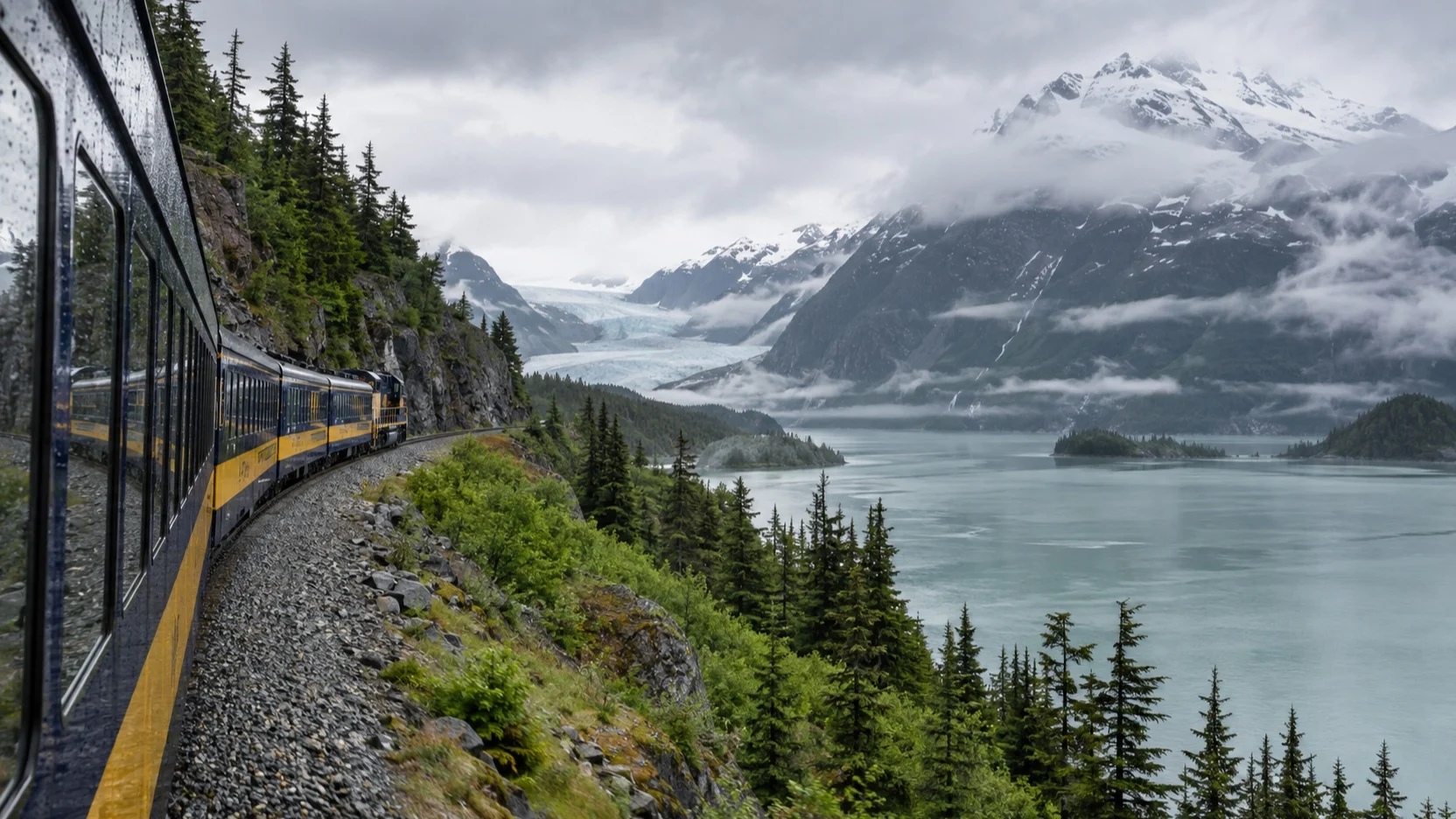
A covered scenic train can be one of the stronger wet-weather choices, especially in Skagway. Rain can add drama to waterfalls and misty valleys, though clouds may erase the highest peaks and wet windows can reduce photography.
Road excursions offer similar tradeoffs. You stay sheltered during the transfer, but fog, standing water, construction, fallen debris, and slower traffic can change the route or reduce time at stops.
Use Alaska 511 for official road conditions, closures, incidents, cameras, and weather information where the route is covered. A tour operator may also shorten or substitute stops when road or visibility conditions make the advertised itinerary impractical.
Flightseeing Is Highly Weather-Dependent
Helicopter and floatplane trips depend on visibility, cloud ceilings, wind, and safe operating conditions, not rain alone. The operator may delay, reroute, or cancel even when your ship remains in port and street-level visibility looks acceptable.
Do not build the rest of the day around money you expect from a cancellation until the operator actually cancels. Read the written policy for weather cancellation, ship delay, missed port, and customer choice before booking.
Keep a backup that requires no advance commitment. A museum, local food stop, waterfront walk, or shopping district can turn a canceled flight into a satisfying day without another frantic reservation.
Glacier Views in Rain and Low Cloud
A glacier visit can still be worthwhile in rain, especially if the route includes interpretation, a visitor center, or a close viewpoint. Low cloud and mist can hide surrounding peaks, while changing water levels or trail conditions may affect access.
At Mendenhall Glacier, check current United States Forest Service information and your transportation arrangements before leaving Juneau. Do not assume public transit provides the same access as a booked shuttle, and verify seasonal visitor rules close to your call.
Waterfall trails can be more powerful and more slippery after prolonged rain. Stay behind barriers, respect closures, and do not enter fast-moving water or climb wet rock for a photograph.
Hiking Requires a Different Risk Check
A forest walk in light or moderate rain can be beautiful, but heavy rain changes footing, stream crossings, temperature, visibility, and pace. Roots, boardwalks, rocks, leaves, and wooden stairs can become extremely slick.
Choose a shorter maintained trail with easy retreat rather than an exposed ridge or remote route. Check current land-manager alerts, tell someone your plan, keep navigation available offline, and turn back before the return buffer becomes tight.
Bear awareness still matters in wet weather. Carry and use bear spray only where permitted, make appropriate noise, secure food, and follow the current guidance for the specific trail or protected area.
Kayaking, Rafting, and Fishing
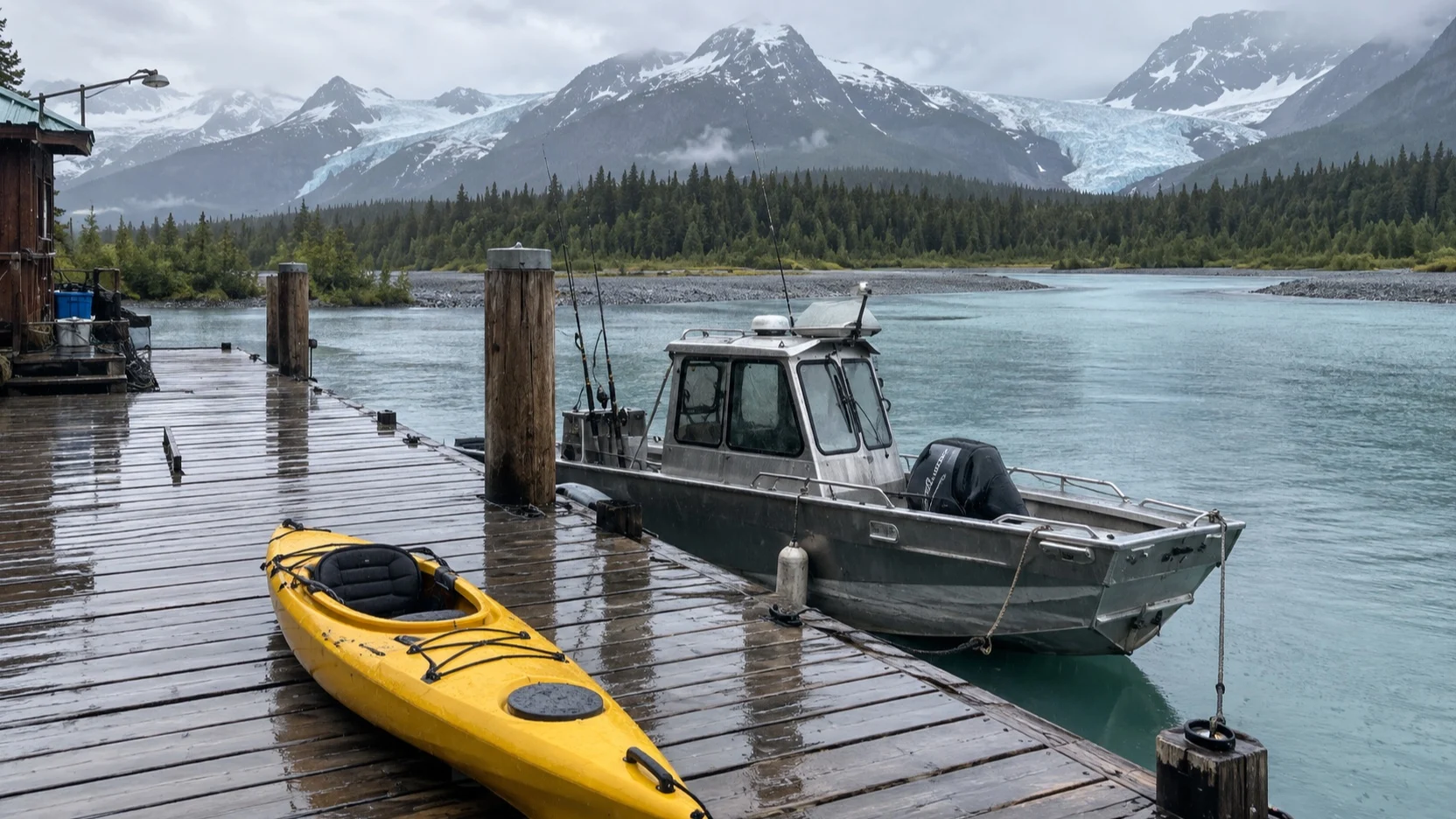
Water-based activities often operate in rain, but wind, current, river level, and cold-water exposure determine whether the trip remains safe. Ask what protective clothing the operator supplies and whether you should bring waterproof gloves or an extra insulating layer.
Fishing can still be productive in wet weather, and covered boats make a major difference in comfort. Confirm the vessel’s shelter, restroom, trip length, and cancellation terms before deciding that rain will not matter.
Do not wear clothing that becomes heavy and cold when soaked. Follow the operator’s flotation-device rules, and keep a completely dry layer sealed for the return.
Port-Specific Backup Ideas
Juneau offers downtown museums, historic sites, galleries, shops, and food within a compact area, although the exact berth can add shuttle or walking time. Keep Mendenhall or Mount Roberts as conditional choices rather than promises when visibility and transport are uncertain.
Ketchikan’s downtown, museums, cultural sites, shops, and covered stops can support a flexible route near the cruise berths. Creek Street is atmospheric in rain, but its wooden surfaces and ramps require extra care.
Skagway’s historic center and museums provide a manageable backup to an exposed hike, while the scenic railway may retain value if it operates. In Sitka, Haines, and Icy Strait Point, choose one cultural or indoor anchor and verify local transportation because options are more limited.
What to Wear for Hours of Rain
Travel Juneau recommends layers, a waterproof outer layer, and sturdy waterproof footwear for its changeable climate. That basic system works throughout Southeast Alaska because it lets you adjust between a cold boat deck, warm vehicle, and wet street.
A jacket should protect your head and close securely at the wrists and neck. Waterproof pants are worth considering for boat trips, hiking, kayaking, or any excursion where you cannot easily step indoors.
Pack spare socks, lightweight gloves, and a dry midlayer in a sealed bag. A brimmed cap under a hood keeps rain off glasses, while an umbrella is often awkward in wind, crowds, gangways, and small boats.
Protect Phones, Cameras, and Essentials
Use a dry bag or reliable waterproof pouches for your phone, ship card, identification, medication, and tickets. Water-resistant fabric is not always enough during hours of steady rain or wind-driven spray.
Carry a lens cloth and keep spare batteries warm and dry. Rain covers help camera bodies, but condensation can form when you move repeatedly between cold outdoor air and heated vehicles.
Accessibility and Wet-Weather Mobility
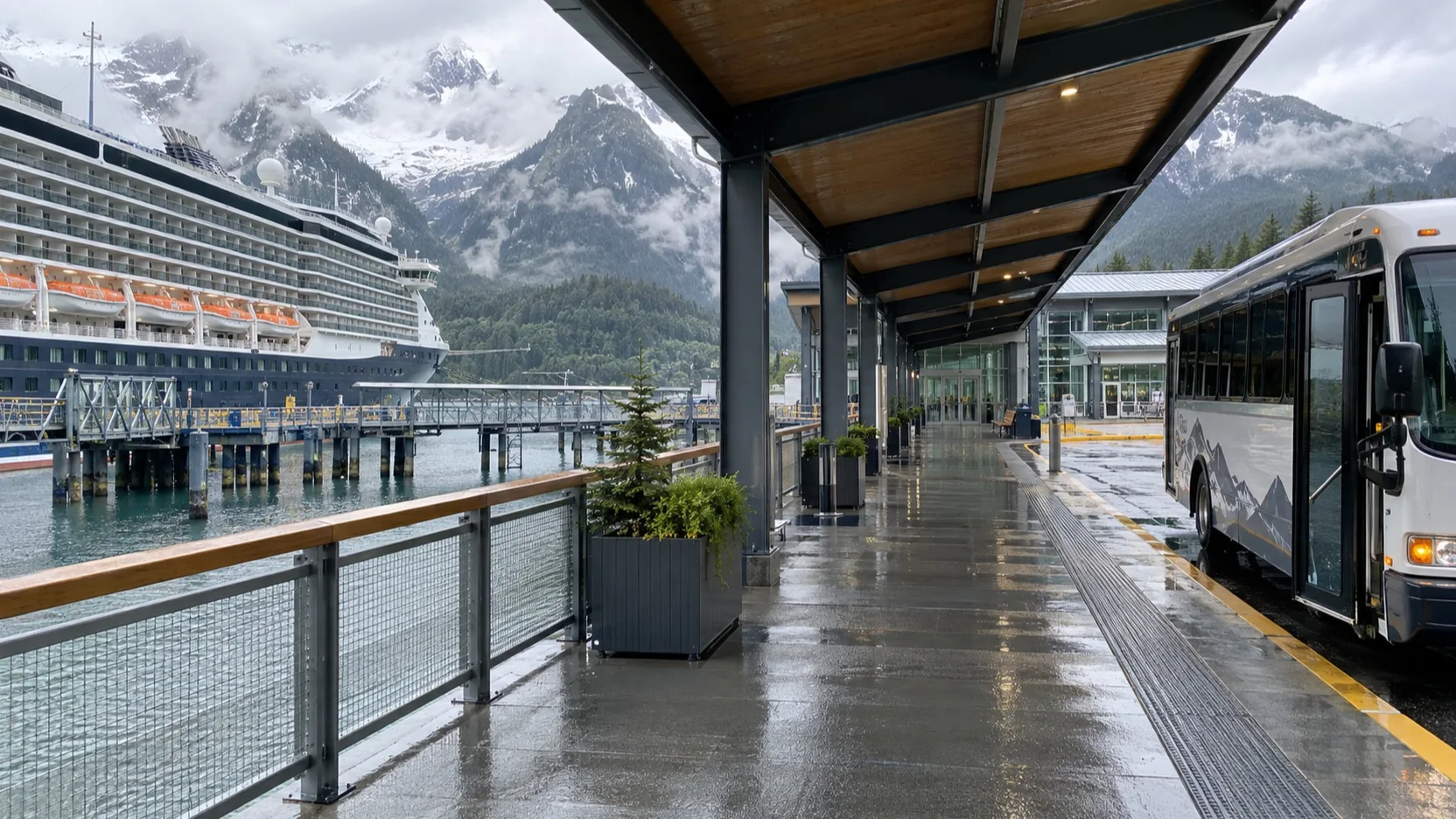
Wet gangways, metal ramps, wooden boardwalks, and vehicle steps can change an otherwise manageable excursion. Ask the cruise line and tour operator about the complete route from the ship to the activity, including shelter at waiting points.
Wheelchair and scooter users should confirm surface conditions, ramp slopes, securement, and whether the equipment can remain dry. Tender access may be restricted when sea conditions make a transfer unsafe, even if the port operates for other passengers.
For limited stamina, choose fewer stops and plan seated indoor breaks. A short distance can take much longer when puddles, slick curbs, crowded sidewalks, and rain gear slow every movement.
Add More Return Time Than Usual
Heavy rain slows traffic, fills shuttles, lengthens boarding, and can move tour drop-off points. Road incidents or temporary closures can also turn a comfortable schedule into a rushed return.
Work backward from the ship’s announced all aboard or last-tender time and choose an earlier return than the final possible option. Keep the final activity near the port and make it easy to drop if the excursion runs late.
Save the terminal name, port-agent contact, ship time, and route offline. A wet touch screen or weak signal should not be the reason you cannot direct a driver back to the correct berth.
When to Stay Onboard
Stay aboard when official warnings, unsafe wind, flooding, landslide risk, or your own health and mobility make the transfer unreasonable. Also consider it when every experience you value depends on views that are completely unavailable and the booking can be changed without loss.
An emptier ship can offer quiet lounges, dining, spa availability, and a comfortable place to watch the landscape change. Check the daily program because open decks and some facilities may close during severe conditions.
Official Planning Resources
Check the National Weather Service Juneau office for Southeast Alaska forecasts, warnings, marine information, and hydrology resources. Use Alaska 511 for official road conditions, incidents, weather information, and closures.
Travel Juneau’s weather and clothing guidance is a useful regional packing reference. Always recheck the land manager, attraction, tour operator, and ship announcements for the exact port and excursion.
Final Thoughts
A strong Alaska rain plan protects the experience that still works and releases the one that no longer does. Choose shelter, waterproof layers, and extra return time, then let current safety information decide when a wet adventure needs to become an indoor day.
More on this topic: browse every guide on weather, crowds and conditions.