Asia Cruise Weather: Monsoons, Typhoons, and the Best Time to Go
There is no single bad-weather season for an Asia cruise. Monsoon rain is a seasonal wind-and-rain pattern, while a tropical cyclone is an individual organized storm with a track, intensity, and forecast that can change.
The practical answer is to match your month to your exact coast, then book a trip you would still enjoy if one port changed. Here is how to choose your timing without treating a climate average like a forecast.
Quick facts
- Western North Pacific tropical cyclones can form in any month, but activity is much higher in late summer and early fall than in winter.
- Japan’s 1991–2020 normal is 25.1 tropical cyclones formed per year, 11.7 approaches to Japan, and 3.0 landfalls.
- A Japan Meteorological Agency “approach” means the cyclone center came within 186 miles of a Japanese weather station, not that a cruise port closed.
- Hong Kong uses tropical cyclone warning signals 1, 3, 8, 9, and 10; Signal 1 means a cyclone is within about 497 miles and may affect the territory.
- Thailand’s Andaman and Gulf coasts do not share identical rainy-season timing, so Phuket and Ko Samui should be checked separately.
- Indonesia describes April through October as generally drier and November through March as wetter for Java and Bali, but calls both seasons relative and notes regional variation.
What monsoon season actually means
A monsoon is a seasonal shift in prevailing winds, not a daily promise of rain. Topography and coastline exposure decide which places receive the heaviest spells, and a wet month can still include usable port days.
Malaysia is a neat reality check. The Malaysian Meteorological Department says the northeast monsoon brings heavy rain to exposed areas such as the peninsula’s east coast, while much of the rest of the peninsula has rainfall peaks around April to May and October to November.
That is why a regional label is too blunt for choosing a sailing. Compare the monthly climate for every headline port, especially when an itinerary crosses from one side of a peninsula to the other.
What typhoon season means for a cruise
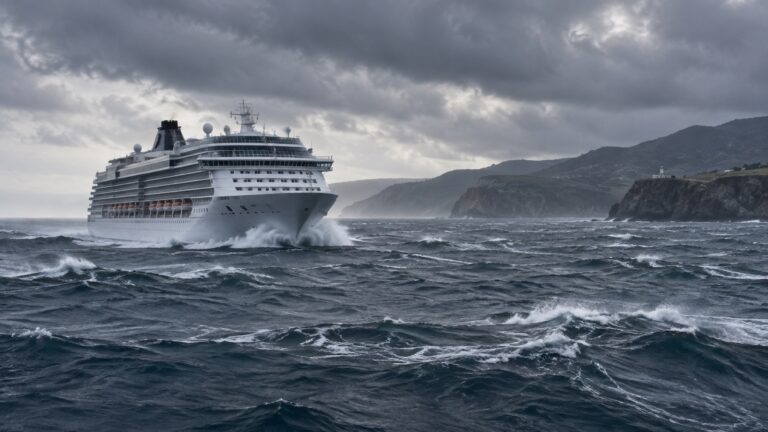
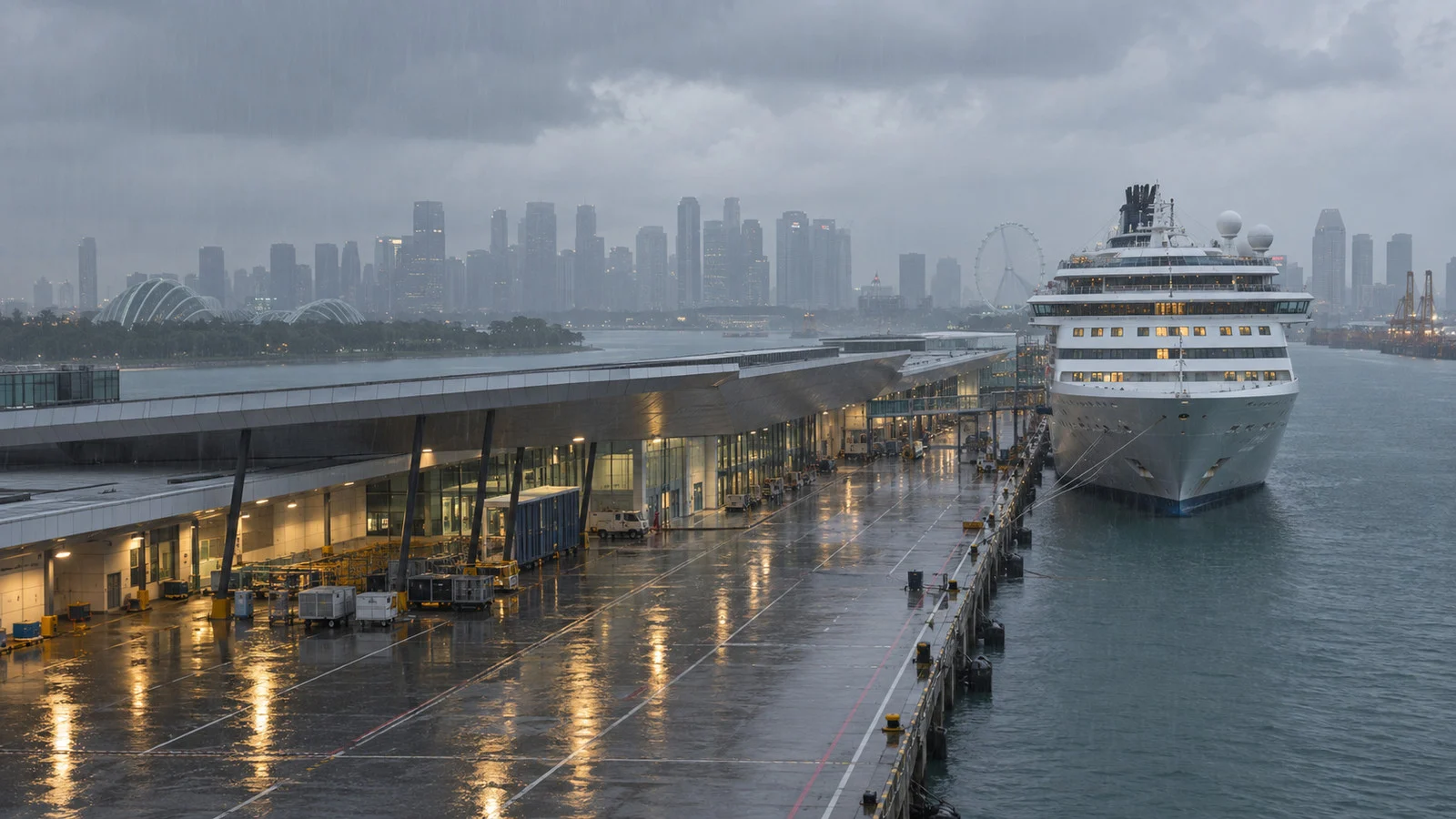
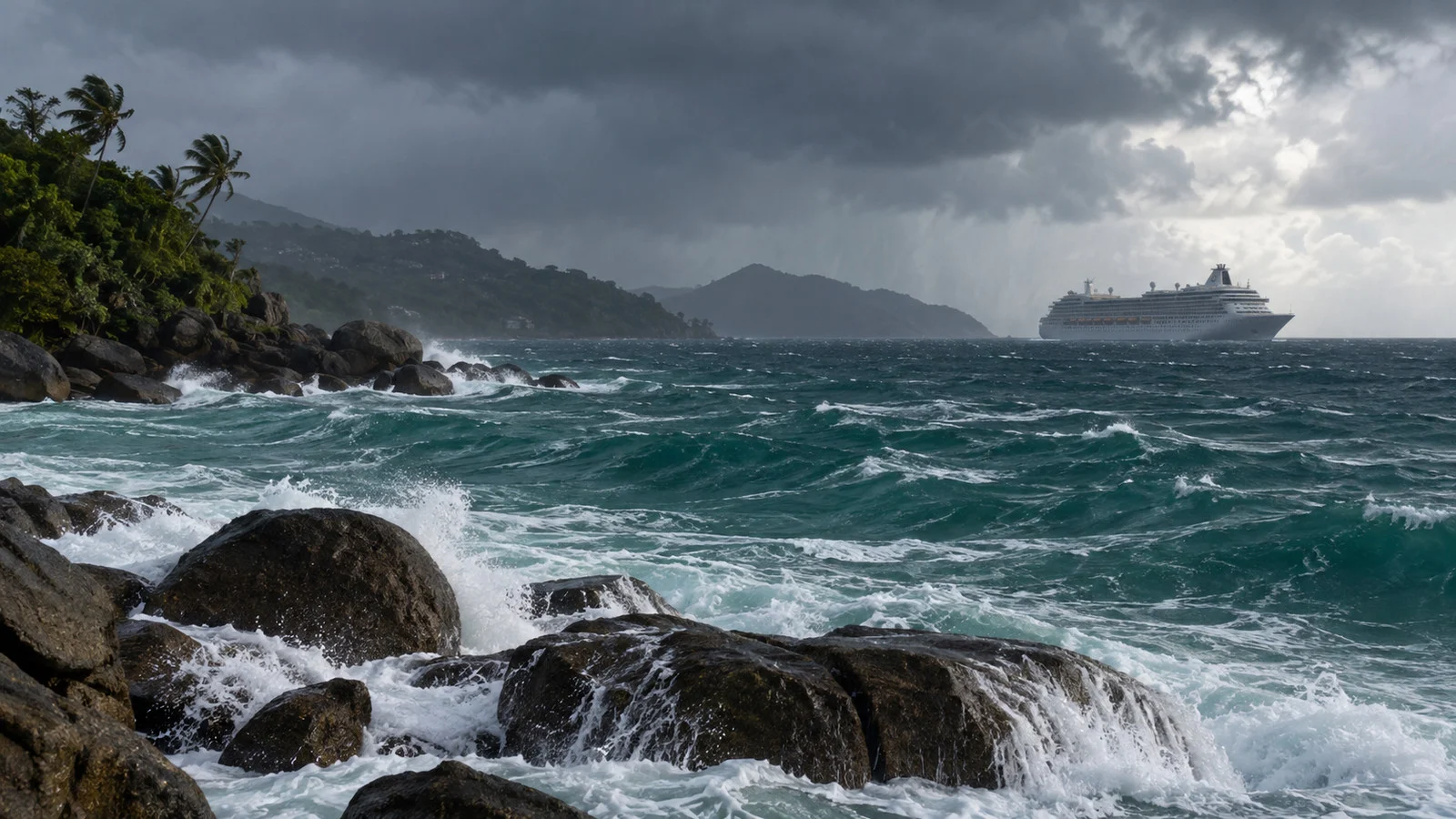
Tropical cyclones are tracked one by one, and their effects extend beyond the center line. Wind, waves, rain, port restrictions, and the ship’s required timing can all matter even without a landfall at your scheduled port.
JMA’s 1991–2020 normals show formation peaking at 5.7 systems in August and 5.0 in September, versus 0.3 in each month from January through March. Those are basin averages, not a prediction that your August cruise will change or your February cruise cannot.
For Japan-heavy routes, spring and late fall generally carry lower historical cyclone frequency than August and September. Choose them if itinerary stability matters most, then weigh cool weather, spring rain, foliage, or blossom crowds with our Japan seasonal timing guide.
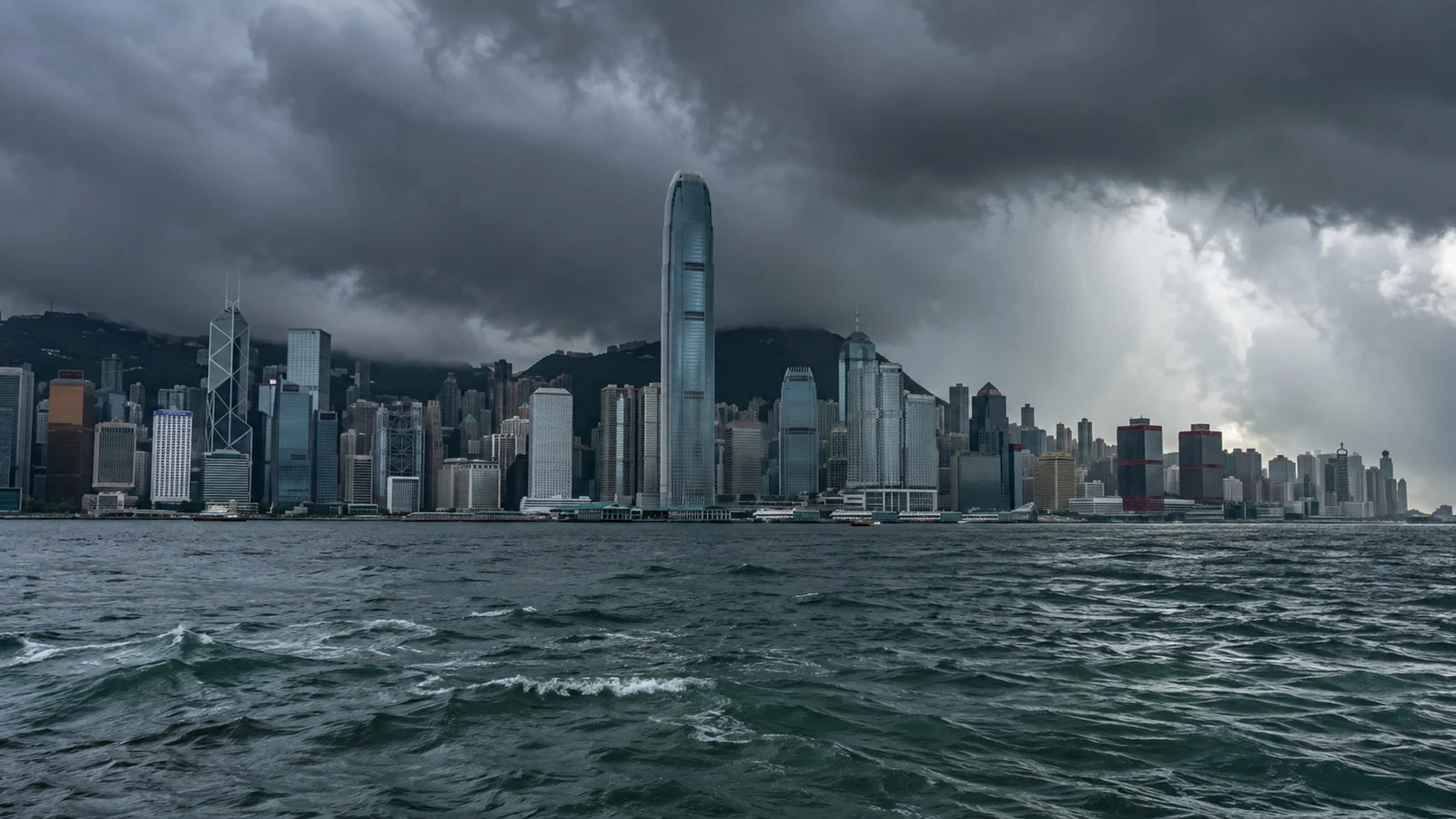
How warnings affect a Hong Kong port day
Hong Kong’s signal number describes the local wind threat, not your ship’s automatic operating decision. The Hong Kong Observatory says Signal 8 covers sustained gale or storm-force winds of 39 to 73 mph, while Signal 10 means hurricane-force sustained winds of at least 73 mph.
At Signal 1, factor the cyclone into your plans and watch official updates because offshore winds may already be stronger. At higher signals, follow the Observatory’s precautions plus your cruise line and terminal instructions rather than assuming a tour, ferry, or transit service will run.
Keep the Hong Kong port guide downloaded, but do not head independently to the terminal until your line confirms where and when to report. A warning can change transport and port operations on a different timetable from the ship.
Thailand: check the coast, not just the country
Phuket sits on the Andaman Sea, while Ko Samui sits in the Gulf of Thailand. Their rainfall patterns differ, so a month that suits one beach call may be a poor shortcut for the other.
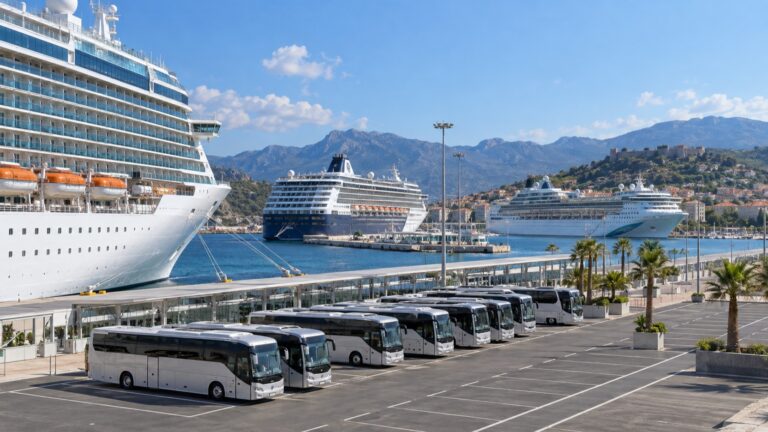
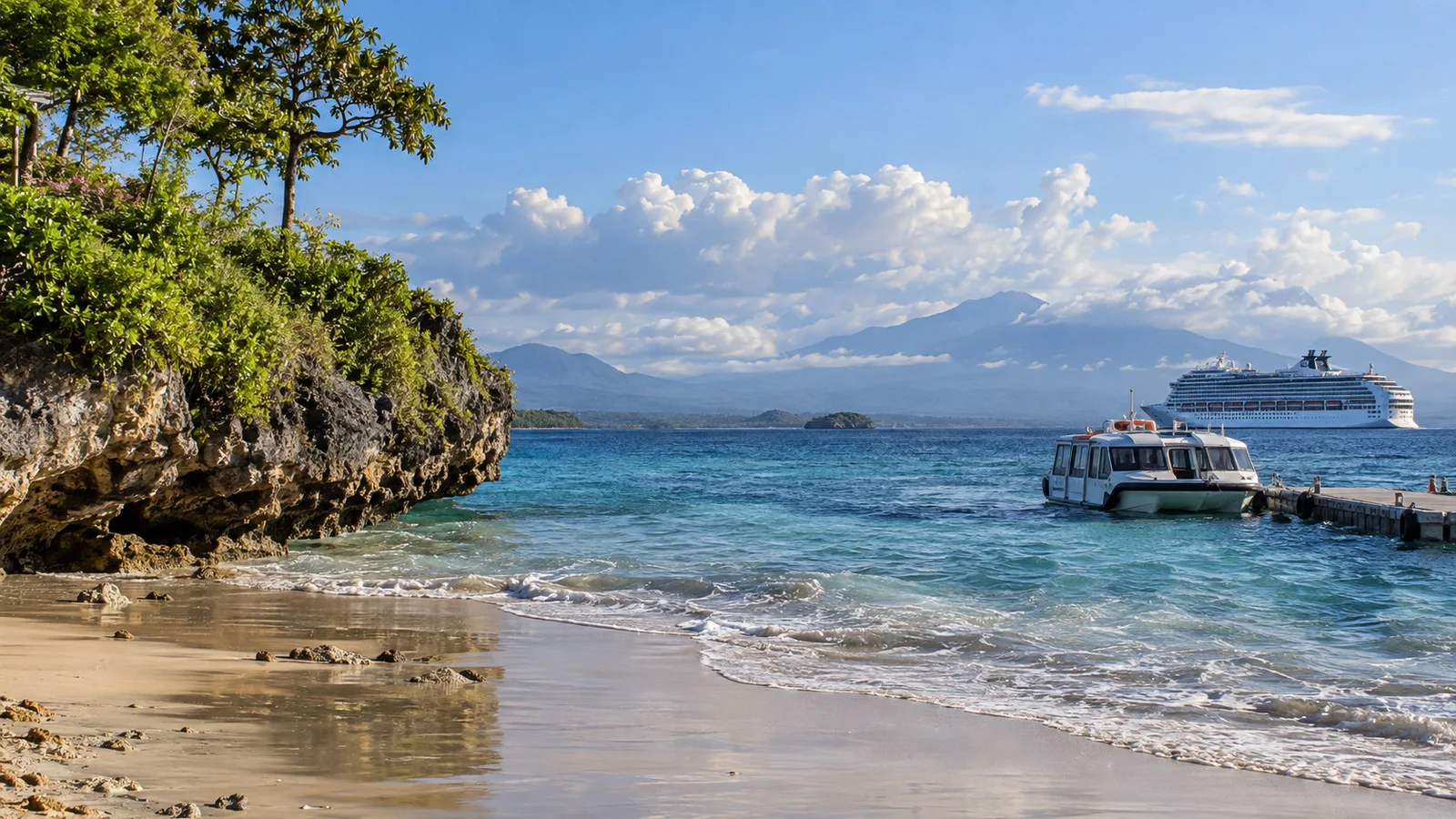
Before booking, compare official monthly rainfall for both ports and check whether each call is scheduled to berth or tender. If snorkeling or a small-boat tour is the whole point, favor the coast’s historically drier months and choose an excursion with a clear weather-cancellation policy.
Southeast Asia route-by-route guidance
Vietnam, the Philippines, and the South China Sea
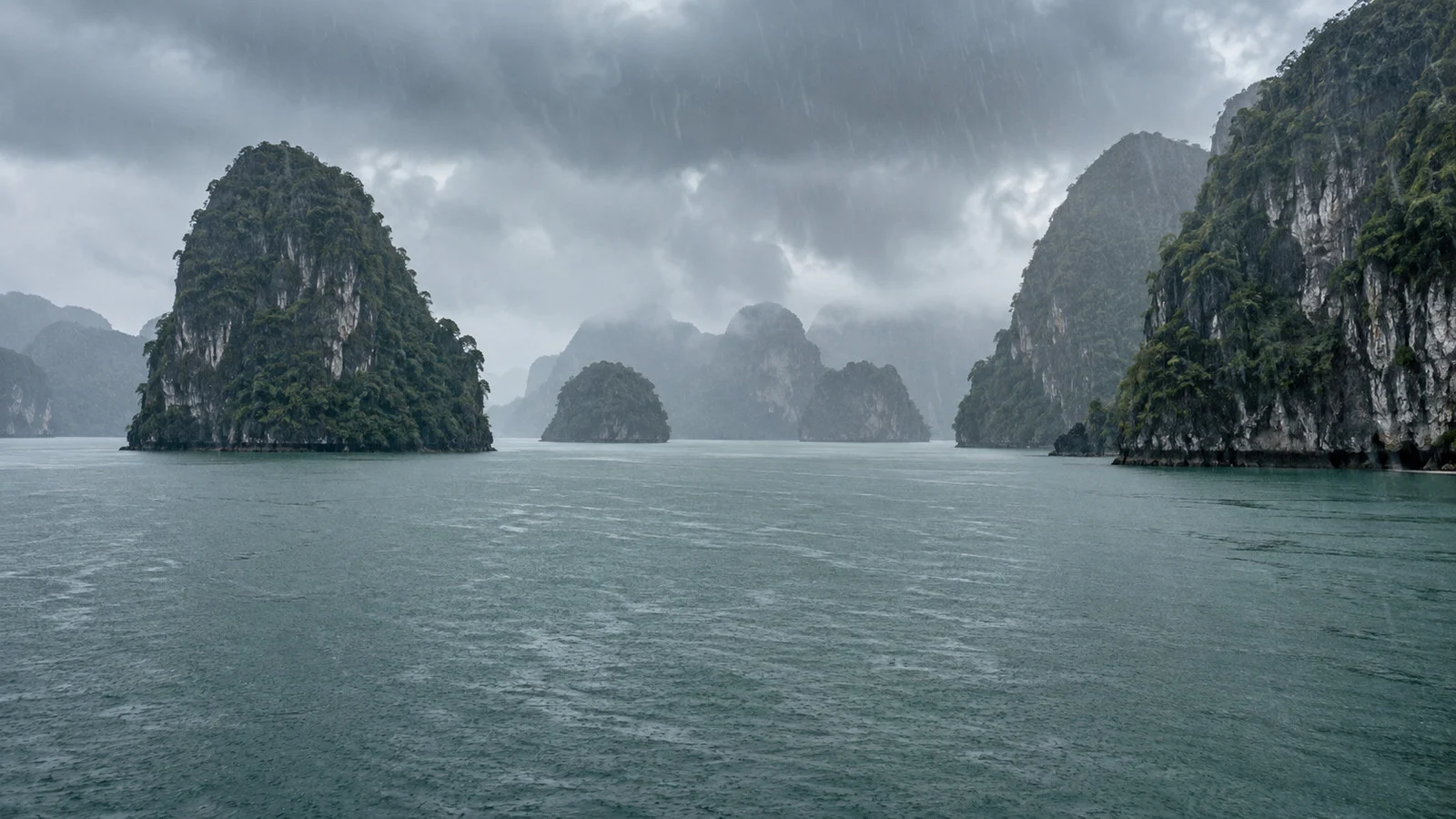
These itineraries can be affected by both monsoon rain and tropical cyclones, but the risk shifts by latitude, coast, and month. Do not transfer Japan’s monthly landfall numbers to Manila, Ha Long Bay, or central Vietnam.
Book for the ports you care about most, then check the responsible national weather agency as departure approaches. If two dream calls require tenders or long small-boat transfers, give itinerary resilience more weight than a modest fare saving.
Singapore and Malaysia
Expect tropical heat, humidity, and rain potential throughout the year, then look at the specific coast. Malaysia’s official climate guidance shows why Penang, Port Klang, and east-coast destinations should not be bundled into one monsoon rule.
Bali and Indonesia
The Indonesian Ministry of Tourism says the dry season is generally April through October and the wetter season November through March in Java and Bali, while stressing that the seasons are relative and regionally variable. That makes the drier period a sensible first filter for a Bali-focused cruise, not a guarantee of sunshine.
When should you book?
If your priority is a Japan, Taiwan, or Hong Kong itinerary with the lowest practical cyclone exposure, start by comparing spring and late-fall departures. If your priority is Thailand or Indonesia, choose by the exact coast and port rather than by the phrase “Asia dry season.”
There is no zero-risk month, and seasonal averages cannot predict one sailing. Our cruise season calendar is a useful shortlist, but the route map should make the final call.
Build a weather-resilient booking
- Read the cruise contract and line policy: Itineraries and arrival times can change. Royal Caribbean’s current FAQ, for example, says weather may require a port cancellation, delay, or substitution and does not promise compensation.
- Protect independent bookings: Choose tours and hotels with written change or cancellation terms, and never assume the line will reimburse a third-party purchase.
- Arrive early for embarkation: A pre-cruise buffer is especially valuable when flights, ferries, or rail links could be disrupted, but choose the number of nights around your route and risk tolerance.
- Pack for rain, not misery: Bring a breathable rain shell, quick-dry shoes, a waterproof phone pouch, and a small dry bag. An umbrella is less useful in strong wind.
- Monitor the right voices: Use the cruise line, port or terminal, and national meteorological agency. Social posts can be fast, but they should not outrank an official bulletin.
If a storm threatens during your cruise
Wait for the line’s confirmed update before rearranging flights, hotels, or tours. A forecast cone shows uncertainty, and a storm’s center line is not a fixed route.
If a tender is suspended or a call is skipped, follow the ship’s instructions and claim only what your contract, provider, or insurer actually covers. Our guides to rough seas and tender decisions and weather-related itinerary changes explain the moving parts.
The bottom line
Choose the route first, then the month. A lower-risk season plus flexible plans is the best recipe for keeping Asia’s weather from bossing around your vacation.
Weather guidance and cruise policies can change. Check the official forecast, warning agency, and your cruise line before acting; see our editorial policy for how we verify these guides.
More on this topic: browse every guide on weather, crowds and conditions.