Extreme Heat on a Cruise: The Gulf, Red Sea and Asia
Extreme heat can turn a perfectly timed port plan into a medical problem faster than most cruisers expect. The Gulf, Red Sea, and tropical Asia combine high temperatures with direct sun, humidity, radiant heat, long walks, or all four.
Plan around exposure and exertion, not bravado. The winning day puts the longest outdoor stop first, builds in cooled breaks, and has a clear point when everyone heads back inside.
The quick facts
- The number to check: use the destination’s official heat warning and, when available, heat index or Wet Bulb Globe Temperature. Air temperature alone misses humidity, sun, wind, and physical effort.
- The heat-index catch: the National Weather Service says heat index values assume shade and light wind. Full sunshine can make conditions feel up to 15 degrees Fahrenheit hotter.
- The emergency signs: confusion, slurred speech, seizures, loss of consciousness, or a very high body temperature can signal heat stroke. Call local emergency services or ship medical immediately and start cooling.
- The early warning signs: headache, nausea, dizziness, weakness, unusual thirst, heavy sweating, or reduced urination can signal heat exhaustion. Stop the activity, move somewhere cool, and get medical help.
- The tropical-Asia pattern: Singapore’s meteorological service reports high, uniform temperatures and high humidity throughout the year. Pick the day for rain and itinerary, then manage heat on every sailing.
- The simplest prevention: move strenuous outdoor activity to the coolest available hours, use shade and air conditioning for breaks, drink water regularly, and stay with your travel partner. No excursion is worth pushing through worsening symptoms.
Heat stroke is an emergency
Heat stroke is the serious one, and it does not always look like dry skin. The CDC lists confusion, altered mental status, slurred speech, loss of consciousness, seizures, very high body temperature, and hot skin with either little sweating or profuse sweating among the warning signs.
Call the local emergency number, alert the guide or port staff, or contact ship medical immediately. Move the person to shade or air conditioning, remove outer clothing, wet the skin or clothing with cool water, apply cold wet cloths or ice to the head, neck, armpits, and groin, circulate air, and stay with them until help arrives.
Do not make a confused, vomiting, seizing, or unconscious person drink. Do not wait for the ship to sail or for a thermometer reading before treating neurological symptoms as an emergency.
Heat exhaustion also needs action
Headache, nausea, dizziness, weakness, irritability, thirst, heavy sweating, elevated temperature, or reduced urination can indicate heat exhaustion. Stop walking immediately and do not leave the person alone.
Move to a cool place, remove unnecessary clothing, cool the head, face, and neck with water or cold compresses, and offer frequent small sips of cool water if the person is fully alert and not vomiting. The CDC advises medical evaluation, so contact the excursion leader, local medical services, or the ship’s medical center instead of trying to finish the tour.
Fainting, dark tea- or cola-colored urine, severe muscle pain, worsening symptoms, or any change in thinking deserves immediate medical care. Those signs can point to something more serious than ordinary fatigue.
Heat index, WBGT, and local warnings
Heat index combines air temperature and relative humidity to estimate how hot conditions feel. The National Weather Service gives 96 degrees Fahrenheit with 65% humidity as a 121-degree heat index.
That useful number still has limits because it assumes shade and light wind. Direct sun, hot pavement or stone, limited airflow, heavy clothing, and exertion can all increase heat stress.
Wet Bulb Globe Temperature, or WBGT, also accounts for wind and solar radiation and is especially useful for active people. If the national weather service publishes WBGT or a heat-stress level, use its recommended activity modifications rather than converting a U.S. chart on your own.
Check the forecast the evening before and again before leaving the ship. A local heat warning outranks historical monthly averages, and a thunderstorm can change humidity and transport without making the day comfortably cool.
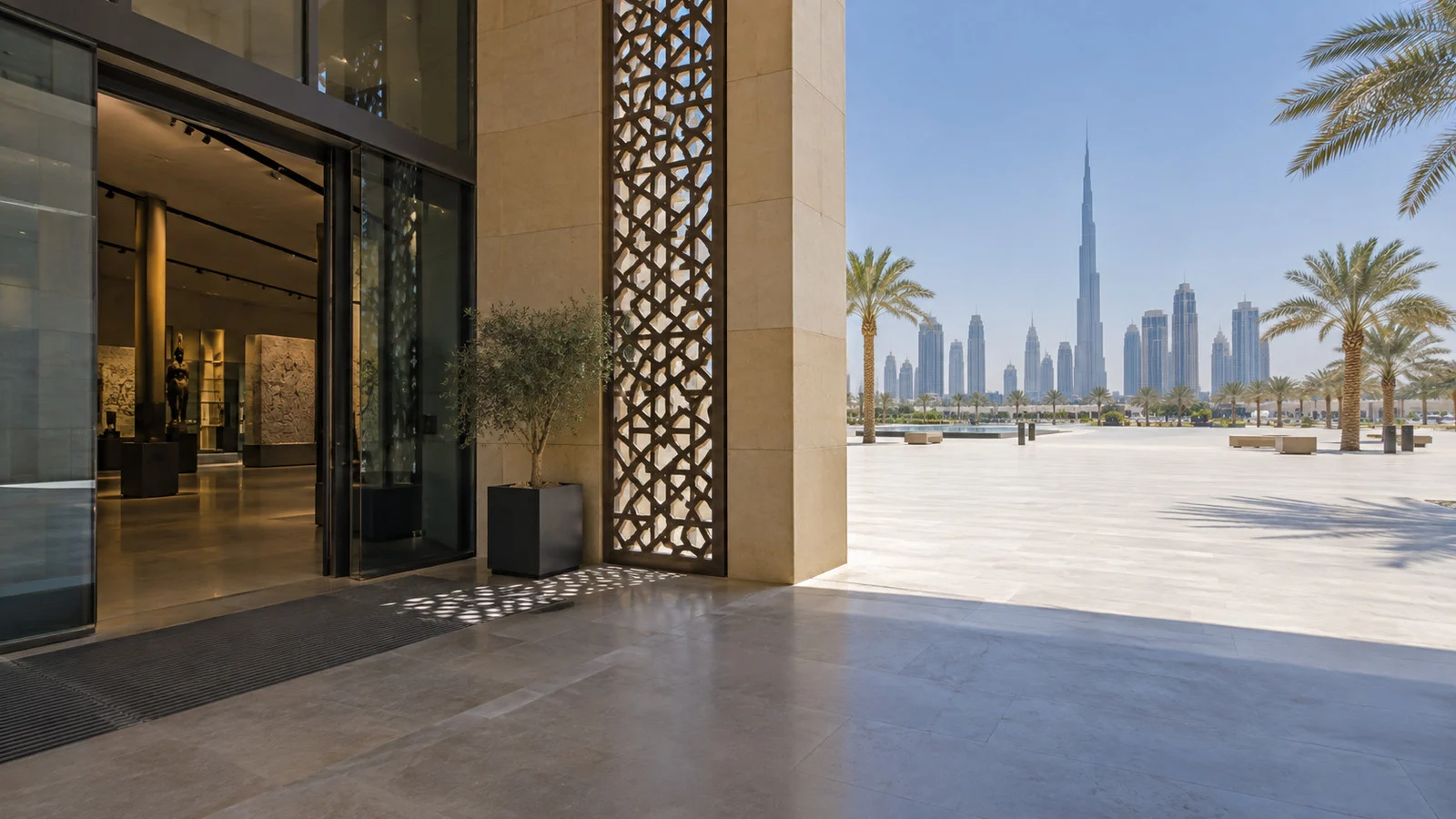
The Gulf: build the day around cooled stops
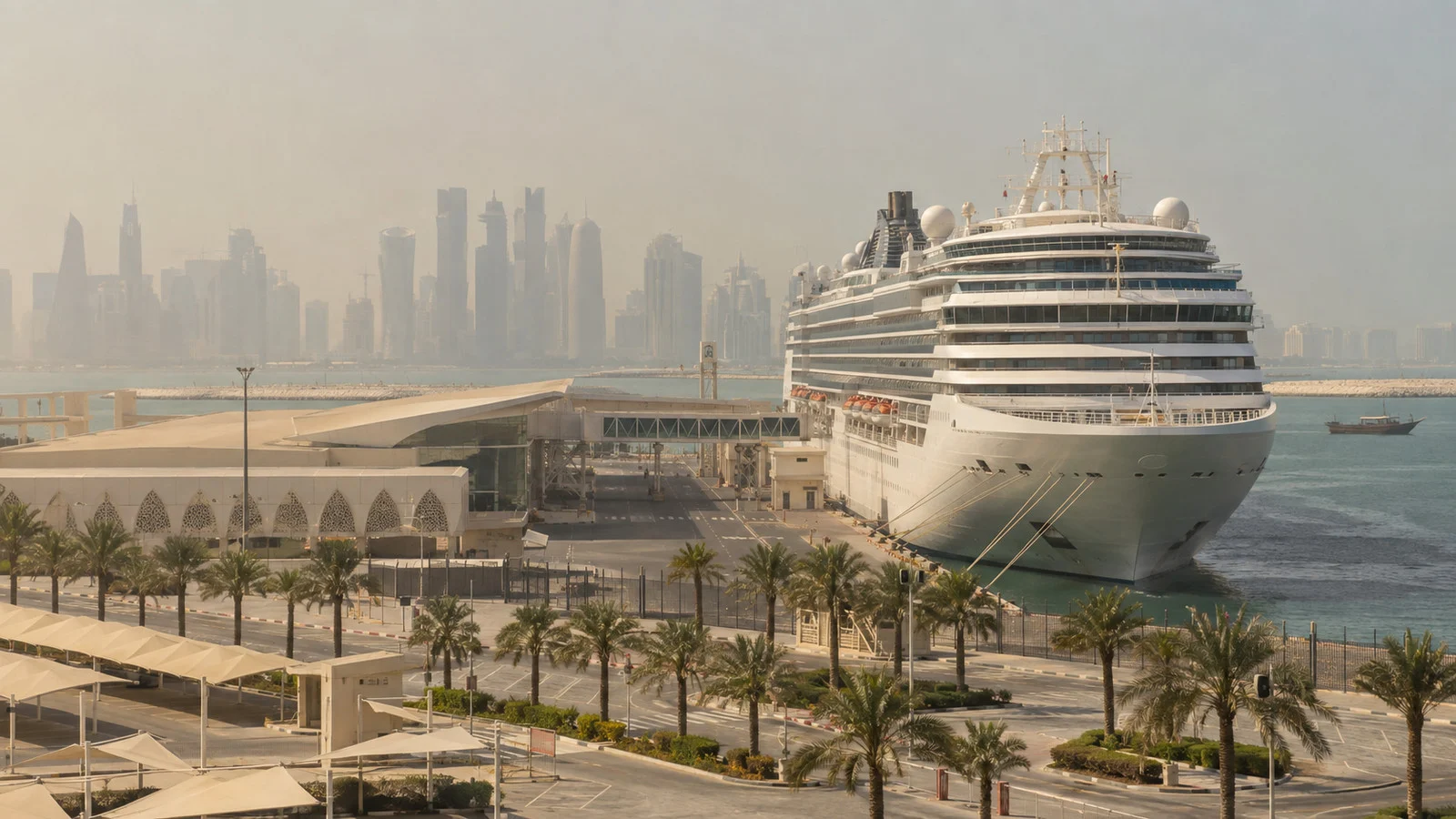
Dubai, Abu Dhabi, Doha, and Muscat cruise schedules tend to cluster in the cooler part of the year, but a sailing date is not a safety guarantee. Check the UAE National Center of Meteorology or the destination’s national weather service for the actual port-day warning.
The UAE’s annual midday-break rule for outdoor workers is useful context, not a medical cutoff for visitors. It restricts specified work under direct sun and in open places during summer afternoons, but heat illness can occur outside those dates and hours.
Put the mosque, fort, waterfront, or walking district first, then use a museum, mall, hotel, vehicle, or the ship as the midday cooling stop. A private car can shorten exposed waits, but confirm that the vehicle will remain available and air-conditioned between stops.
The Sheikh Zayed Grand Mosque is a good example of why exact hours matter. Its official page currently lists 9:00 a.m. to 8:30 p.m. most days, split Friday hours, different Ramadan hours, and advance access-pass booking.
Check those hours again for your date and choose the earliest workable entry when conditions are hot. The Abu Dhabi cruise port guide and Dubai cruise port guide can help you shorten transfers and outdoor waits.
The Red Sea: the excursion can be the exposure
Aqaba, Safaga, Sharm el-Sheikh, and Saudi Red Sea ports can pair intense sun with long transfers and exposed sites. The relevant forecast is the excursion destination, not only the temperature beside the ship.
Petra from Aqaba and Luxor from Safaga can involve hours away from the ship, uneven ground, limited shade, and substantial walking. Before booking, ask for the walking distance, time outdoors, stairs, surface, shade, water availability, restroom access, vehicle cooling, and heat-emergency plan.
Choose a shorter route or vehicle-based alternative when the forecast or a traveler’s health makes the full version a poor fit. A ship excursion may manage return-to-ship timing, but it does not remove heat exposure.
Saudi Arabia, Jordan, and Egypt have their own meteorological services and warning systems. Check the official forecast for the inland site and the hours when you will actually be there.
Southeast Asia: humidity changes the strategy
The Meteorological Service Singapore describes high, uniform temperatures and high humidity year-round. Typical daily maximums are about 88 to 91 degrees Fahrenheit, while humidity commonly exceeds 90% before sunrise and averages about 82% annually.
Shade still matters because it removes direct solar load, but humid air slows sweat evaporation. Use shorter outdoor blocks and more frequent air-conditioned breaks than the thermometer alone might suggest.
Singapore’s official heat-stress service publishes WBGT observations, which are more useful for an active outdoor day than air temperature alone. Check that reading before a garden, zoo, neighborhood, or waterfront plan.
Air-conditioned rail and indoor attractions make a heat-smart Singapore port day very workable. Penang, Phuket, Bali, and Port Klang have different transport and cooling options, so do not copy the Singapore plan without checking the route.
Monsoon season changes rain, cloud cover, lightning, and travel time more than it creates a true cool season. Keep an indoor backup and never shelter from lightning in an open waterfront area.
A safer port-day plan
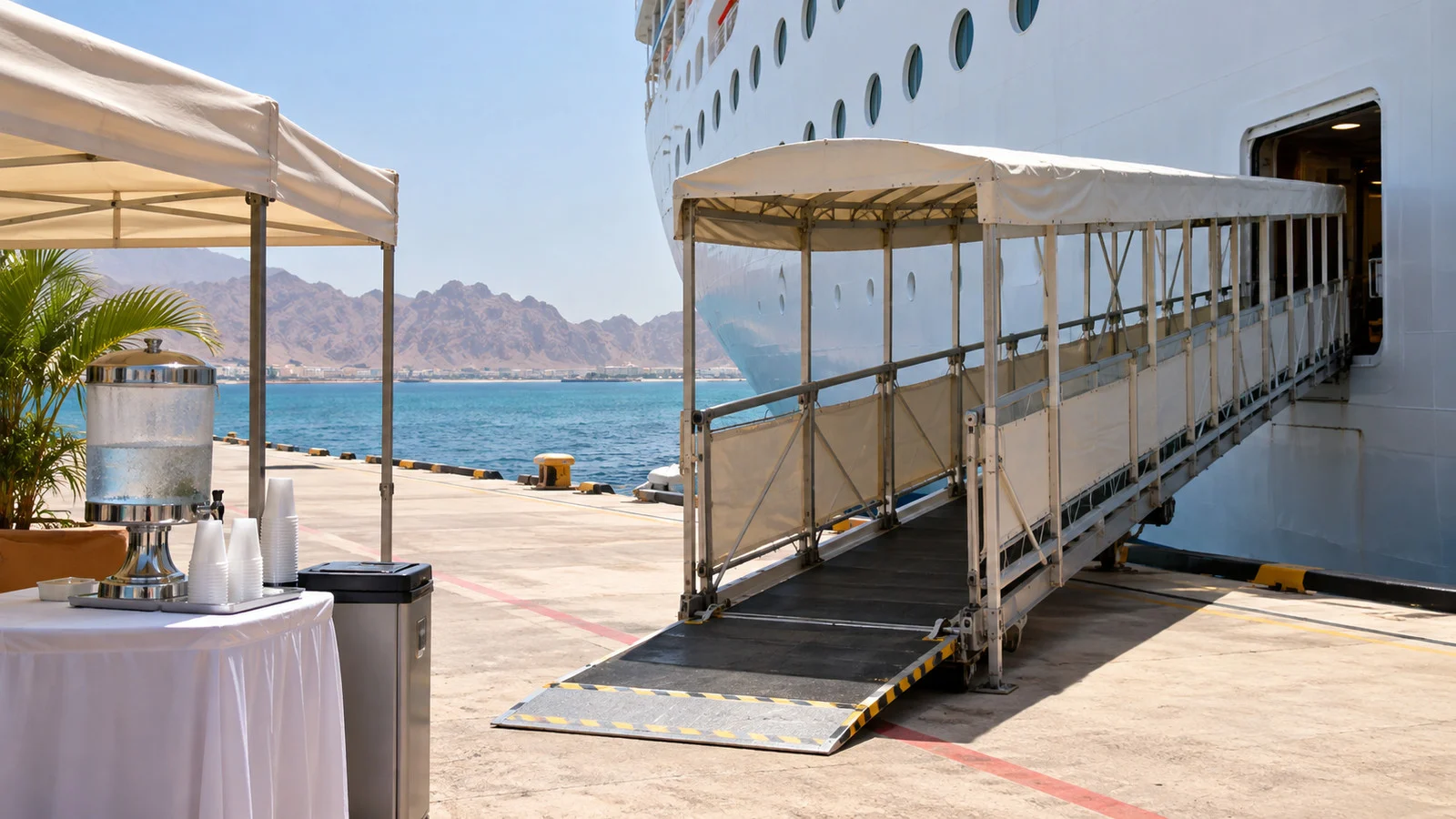
- Start with the current warning: check the official local forecast, heat alert, heat index, or WBGT for the port and any inland excursion.
- Move the hardest stop early: do the longest walk first and schedule a real cooled break before symptoms begin.
- Carry water and drink regularly: refill before leaving the terminal and limit alcohol before and during a hot excursion. Anyone on a fluid or sodium restriction should follow their clinician’s plan instead of generic hydration advice.
- Wear light, loose clothing: use a wide-brimmed hat, sunglasses, and sunscreen, and meet local dress requirements without piling on heavy fabric.
- Stay paired: agree that either person can end the outing at the first sign of illness. Confusion can keep someone from recognizing their own danger.
- Know the exit: save the local emergency number, port-agent contact, ship medical instructions, taxi app, and nearest reliable cooled stop.
A split port day can work beautifully when the ship’s location and gangway hours allow it. Return for lunch and air conditioning, then go back out only if the forecast, energy level, and all-aboard time still make sense.
Who needs a more conservative plan?
Anyone can develop heat illness, including fit adults. Risk can be higher for older adults, young children, pregnant travelers, people with heart, lung, kidney, diabetes, or other chronic conditions, and anyone doing strenuous activity without heat acclimatization.
Some medicines can contribute to dehydration or overheating, and heat can also damage medication stored incorrectly. Ask a clinician or pharmacist about a personal heat plan and storage before travel, but do not stop or change medication on your own.
Tell the cruise line about mobility support before sailing and ask how far the gangway, terminal exit, pickup area, and excursion stops require you to move outdoors. The guide to a port day for someone who cannot walk far is a useful starting point.
Wheelchairs, scooters, dark seats, handrails, and buckles can become painfully hot in direct sun. Check surfaces before skin contact, use shade when parked, and follow the mobility-device manufacturer’s guidance rather than covering batteries or vents.
When should you change or cancel the plan?
Keep it when official warnings are manageable for your group, the hard outdoor section is early, and reliable cooling and return transport are built in. Carrying water is not a substitute for those pieces.
Shorten it when the route has long walks, reflective surfaces, limited shade, or a slow return to air conditioning. Pick the one outdoor sight that matters and drop the filler.
Move indoors when a heat alert escalates, the forecast is worse than expected, or anyone begins the day tired, ill, dehydrated, or unable to tolerate the walk. A museum and a good lunch still count as a port day.
Stop immediately when symptoms start. Do not use a refund policy or fear of disappointing the group as a reason to keep going.
Cruise lines and tour operators may modify or cancel excursions, but there is no universal heat threshold or refund rule. If the operator cancels, follow its notice; if you withdraw, your ticket terms usually control, much as they do when wildfire smoke changes an excursion.
Choosing a sailing season
For Gulf and Red Sea itineraries, cooler-season sailings usually reduce exposure, but compare official climate normals and the specific itinerary rather than relying on a fixed best-month promise. Inland excursions can be much hotter than the coast.
Shoulder-season fares may look tempting because demand and conditions differ. Use the guide to first and last sailings of the season to price the tradeoff without assuming cheaper means comfortable.
Tropical Southeast Asia stays warm and humid through the year, while monsoon patterns change rain and storm risk. Choose the route and season for the full weather picture, then keep the heat plan every month.
Long daylight is not permission to extend exposure. The same pacing principle applies at the opposite climate extreme in the guide to midnight-sun cruise port days.
Quick answers
Is dry heat safer than humid heat?
No. Humidity slows evaporative cooling, while very hot dry air, direct sun, wind, exertion, and dehydration can also be dangerous.
Should you use temperature or heat index?
Use the official local warning first, then heat index or WBGT if available. WBGT is especially helpful for a walking-heavy day because it includes sun and wind.
How much water should you drink?
Drink regularly and do not wait until you feel very thirsty, but one fixed amount is not right for every body or medical condition. Follow clinician guidance if you have fluid, sodium, heart, or kidney restrictions.
Are electrolyte packets necessary?
Not automatically for an ordinary sightseeing day. Water, food, cooling, and reduced exertion matter most, while prolonged heavy sweating or a medical condition calls for individualized advice.
Can you visit the Sheikh Zayed Grand Mosque in hot weather?
Yes, if current hours, entry rules, and your health allow it, but minimize time in the exposed approach and courtyard. Prebook the access pass and favor the coolest available time within the ship’s schedule.
What if someone becomes confused in the heat?
Treat it as a possible heat-stroke emergency, call local emergency services or ship medical, and begin rapid cooling. Stay with the person and do not force fluids if they are not fully alert.
The last word
The safest hot-weather itinerary is not the one with the most water bottles. It is the one that reduces direct exposure, schedules cooled recovery, watches every traveler for symptoms, and can be abandoned without an argument.
The guide to Mediterranean port plans in extreme heat carries the same decision rules into Europe. In the Gulf, Red Sea, and tropical Asia, use them earlier and more often.
How this guide was researched: Heat-health and first-aid advice was checked against current CDC and WHO guidance, while weather claims were checked against the U.S. National Weather Service, Meteorological Service Singapore, and UAE National Center of Meteorology. Port-day details were checked against official attraction, tourism, and terminal sources including Abu Dhabi Ports and Singapore’s cruise terminals, but conditions and medical needs change, so use current local alerts and professional medical advice, and see our Editorial Policy.
More on this topic: browse every guide on weather, crowds and conditions.