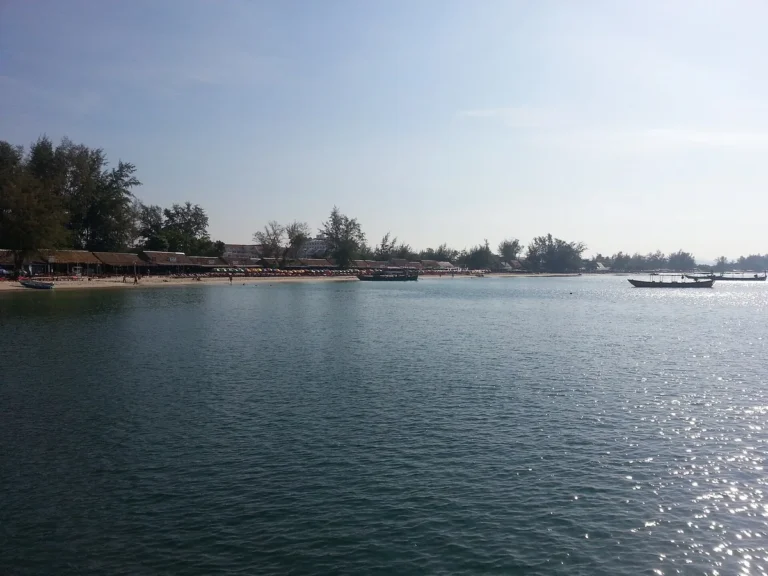
Abu Dhabi Cruise Port: Grand Mosque, Louvre & Day Plans
Abu Dhabi is one of those ports where a good plan makes the day feel spacious. The cruise terminal is modern and straightforward, but the headline sights spread across the city, so choosing one geographic loop matters more than collecting a long list of attractions.
For a first visit, I would build the day around Sheikh Zayed Grand Mosque and either Louvre Abu Dhabi or the Corniche and Qasr Al Watan. That combination gives you architecture, culture, and a sense of the capital without spending the entire call in a taxi.
Quick facts for Abu Dhabi Cruise Port
- Port area: Abu Dhabi Cruise Terminal at Zayed Port, also called Mina Zayed
- Best first visit: Sheikh Zayed Grand Mosque plus one major city or cultural stop
- Closest major cultural district: Saadiyat Island, home to Louvre Abu Dhabi
- Best simple transportation: Metered taxi or a reputable ride service
- Currency: UAE dirham, with cards widely accepted
- Language: Arabic is official and English is widely used in tourism
- Dress: Modest clothing is appropriate, with stricter rules at the Grand Mosque
- Weather: Heat and sun exposure can shape the entire day
Where cruise ships dock in Abu Dhabi
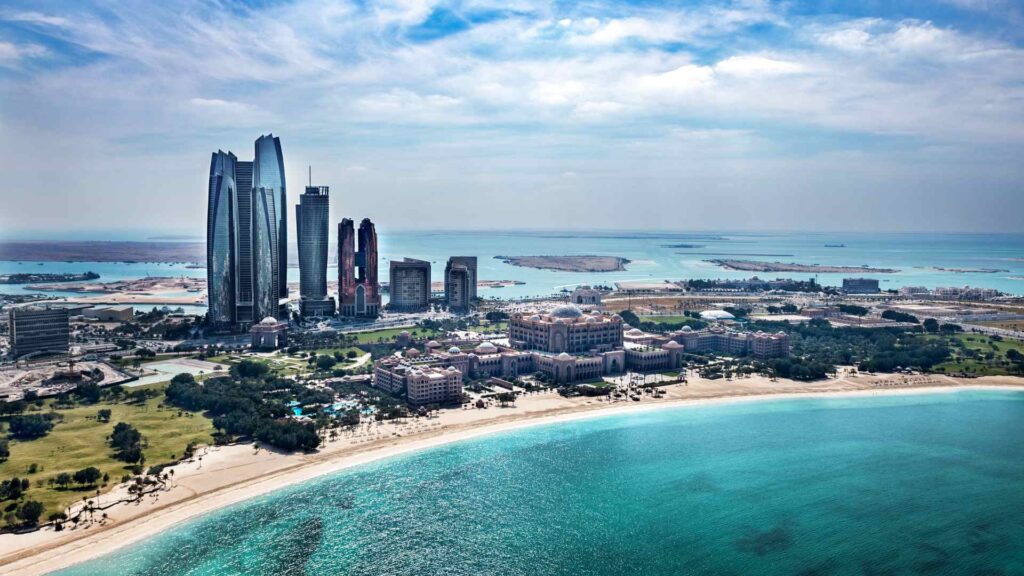
Ships normally use the cruise facilities at Zayed Port on the northeastern side of Abu Dhabi Island. The terminal is close enough to the city for an easy road transfer, but it is not a walk-out gateway to the main landmarks.
Inside the terminal area, expect passenger processing, transportation access, and visitor services that may vary by call. Your cruise line’s daily program should be treated as the final authority for gangway time, all-aboard time, shuttle arrangements, and any port restrictions.
Zayed Port and Mina Zayed refer to the same broad port district, which can confuse map searches. Use the terminal location supplied by the ship rather than a generic destination pin, especially when arranging a return ride.
My quick take on planning the day
Abu Dhabi is long and spread out, with Saadiyat Island and the port toward one side, the Corniche and presidential district farther west, and the Grand Mosque well to the southeast. A route that jumps repeatedly between those zones wastes time and makes traffic feel worse than it needs to.
Choose the Grand Mosque first if it is your nonnegotiable sight, then add one compatible stop according to opening hours and your ship’s schedule. If the call is short, Louvre Abu Dhabi plus a relaxed Corniche stop can be more satisfying than rushing across the entire city.
Getting from the ship into Abu Dhabi
Taxi
A metered taxi is the easiest independent option for most cruise visitors. The official Visit Abu Dhabi transportation guide identifies taxis, buses, and rental services among the city’s ways to get around.
Ask the driver to use the exact attraction entrance, and keep the port location available on your phone for the return. At a busy landmark, use an official taxi rank or the venue’s designated pickup point rather than standing on a fast road.
Ride services and private cars
A reputable ride service or prebooked driver can reduce uncertainty when your day includes several stops. The advantage is not always price; it is the ability to keep the route together and avoid finding a new vehicle after each visit.
Confirm whether waiting time, parking, tolls, and terminal pickup are included. Share the ship name and all-aboard deadline with the driver, but keep your own time buffer because the responsibility for returning remains yours.
Public buses
Public buses can be useful for travelers with a generous schedule and comfort navigating an unfamiliar system. They are less appealing for a short port call because the attractions are spread out and the final walk can be uncomfortable in strong heat.
Use the current official transit tool for routes and fare requirements rather than relying on an old article. A route that works well in winter may feel very different when the same transfer includes a long exposed walk in hotter months.
Cruise excursions
A ship excursion can be a sensible choice when the Grand Mosque is essential or when the call has a tight departure. The ship manages the transportation and return timing, although the pace and time at each stop may be less flexible than an independent day.
Read the description closely for interior entry, dress requirements, walking, meals, and photo stops. “Panoramic” often means viewing from the vehicle or a brief exterior stop rather than a full visit.
Sheikh Zayed Grand Mosque
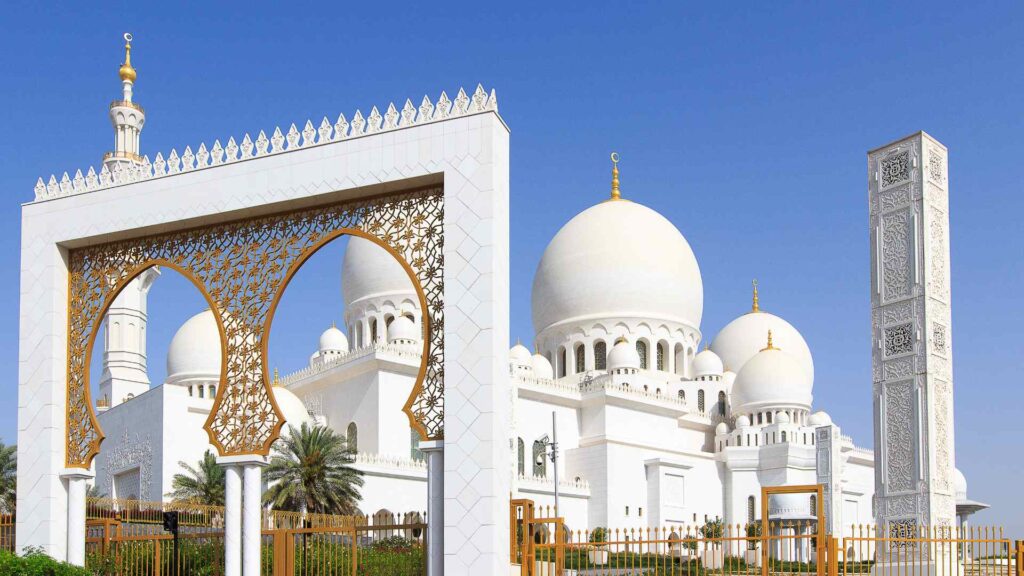
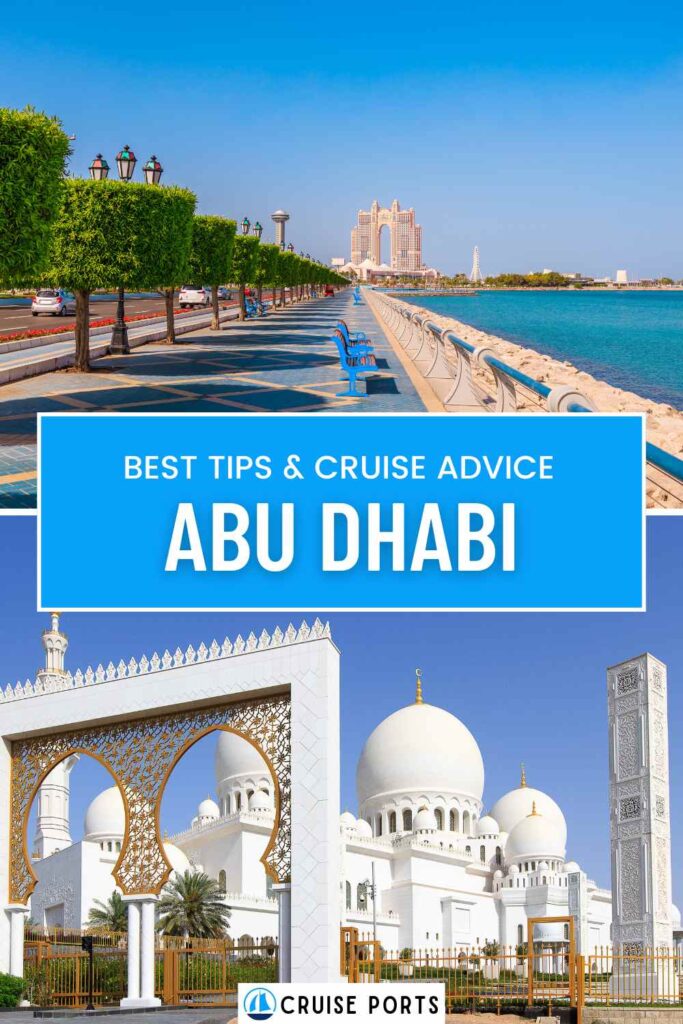
Sheikh Zayed Grand Mosque is the landmark I would prioritize on a first Abu Dhabi visit. Its scale, white marble, reflective pools, courtyards, and intricate decorative work are impressive even for travelers who do not usually plan around religious architecture.
Check the official Sheikh Zayed Grand Mosque visitor guidance before leaving the ship. Visitor access, booking procedures, prayer-related closures, tour availability, and permitted routes can change according to the day and religious calendar.
Dress code
Visitors should arrive in loose, opaque clothing that covers the shoulders and legs, while women should also be prepared to cover their hair. The official illustrated guidance is more useful than a vague promise to “dress modestly,” so review it for your specific outfit.
Do not count on borrowing a garment at the entrance. Carry a lightweight scarf and choose clothing that remains compliant while walking, sitting, and passing through security.
Timing and behavior
The visitor process can include registration, security, a walk through the complex, and time for interpretation. Allow enough space in the day to experience the mosque calmly instead of scheduling another distant attraction immediately afterward.
This remains an active place of worship, so follow staff directions and respect restricted areas. Avoid disruptive poses, intimate gestures, loud conversation, or photographing people without permission.
Friday and religious observances can affect general visitor access, while Ramadan may bring a different daily rhythm. Verify the official schedule for the exact date rather than applying the hours from another traveler’s visit.
Louvre Abu Dhabi
Louvre Abu Dhabi is on Saadiyat Island and is one of the easiest major attractions to pair with the cruise port. The museum’s galleries connect art and material culture across civilizations, while Jean Nouvel’s dome creates a striking architectural experience around the waterfront.
This is not a branch that simply reproduces the Paris museum. Its curatorial story, loans, collection, exhibitions, and architecture are specific to Abu Dhabi, so it rewards more than a quick photo stop.
Book through the official museum site if timed admission is in use, and check the current closing day and gallery schedule. Temporary exhibitions, children’s programming, restaurant hours, and outdoor access may change.
I would allow enough time to see the permanent galleries and walk under the dome without racing. Travelers who love museums can easily make this the main event, while others may combine a focused visit with a short Corniche or heritage stop.
Qasr Al Watan and the western Corniche
Qasr Al Watan offers access to a working presidential palace complex with grand halls and exhibitions about governance, knowledge, and regional heritage. It sits toward the western end of Abu Dhabi Island, far from Louvre Abu Dhabi and the port relative to the scale of a cruise day.
Opening hours are explicitly subject to change, and official events can affect access. Check the palace’s own visitor page on the day and do not make it the final stop without a generous return buffer.
The Corniche creates a natural companion for this side of the city, with landscaped waterfront spaces and long views across the Gulf. Heat and exposed walking can limit how much ground feels enjoyable, so treat it as a scenic pause rather than a required end-to-end walk.
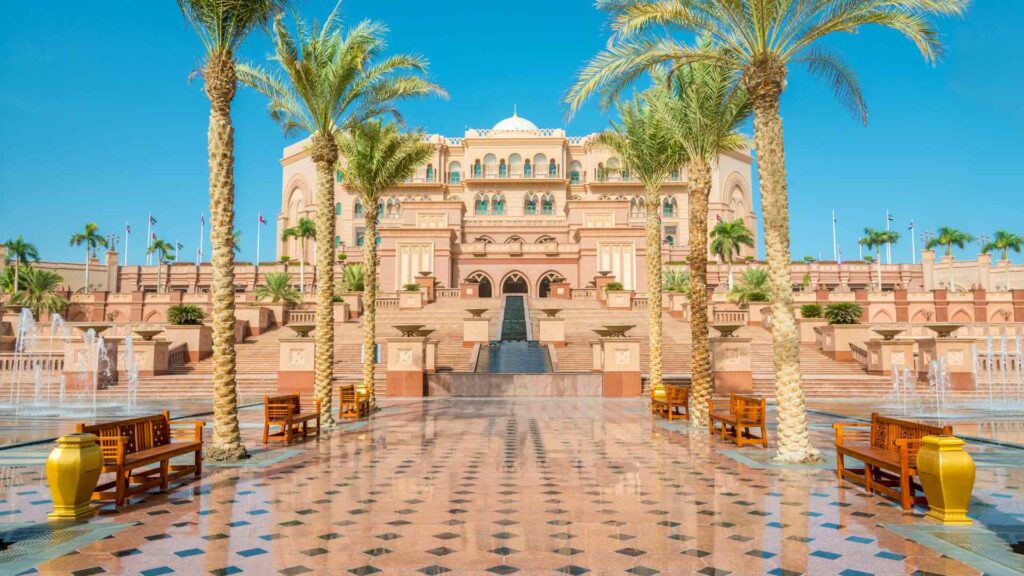
Emirates Palace Mandarin Oriental is nearby and often appears on sightseeing routes, but access to hotel areas depends on current policy, reservations, and security. Do not promise yourself an interior visit based only on a photograph from an older tour.
Heritage and city stops
Qasr Al Hosn
Qasr Al Hosn tells the story of Abu Dhabi through the city’s oldest significant stone building and its surrounding cultural site. It is a strong alternative for travelers who want local history without committing to the longer journey toward the presidential district.
Check the official cultural schedule for exhibitions, workshops, and opening hours. Pairing Qasr Al Hosn with the Corniche or a central meal creates a calmer city-focused day.
Heritage Village
Heritage Village presents a recreated traditional setting near the Breakwater and can fit into a western waterfront route. It is most useful as a short contextual stop rather than a substitute for the city’s deeper museums and historic sites.
Outdoor areas can feel demanding in midday heat. Confirm current access and avoid crossing the city solely for this stop if your schedule is already tight.
Dates, markets, and Mina Zayed
The port district is associated with produce, dates, fish, and traditional commercial activity, though redevelopment can change what is accessible. Ask at the terminal for current nearby options before setting out on foot.
Buy packaged food only when it complies with your ship and next destination’s import rules. A purchase accepted aboard may still face restrictions when you disembark in another country.
Yas Island on a cruise day
Yas Island is home to major attractions such as Ferrari World, Warner Bros World, SeaWorld Yas Island, and Yas Marina Circuit. It lies away from the port and central cultural loop, so it works best as the main purpose of the day rather than an extra stop.
Families should choose one anchor attraction and check its official hours, admission, height rules, and transportation. Trying to combine a full theme park with the Grand Mosque, Louvre Abu Dhabi, and the Corniche usually creates more transit than enjoyment.
A late ship departure can make Yas more realistic, but all-aboard time still controls the plan. Build the return around traffic uncertainty and the time needed to reenter the port.
Three practical Abu Dhabi day plans
First visit with the Grand Mosque
Travel to Sheikh Zayed Grand Mosque early in your independent day, following the confirmed visitor time and dress rules. Continue to either Louvre Abu Dhabi for art and architecture or Qasr Al Watan for a palace-focused afternoon, but not both unless the call is unusually long.
Return to the ship with a substantial buffer and save the Corniche for a short drive or photo stop if time remains. This plan makes the major religious landmark the fixed point and treats everything else as flexible.
Culture without crossing the whole city
Begin at Louvre Abu Dhabi, then continue toward Qasr Al Hosn or a central Corniche stop. Add lunch in a convenient area and return to Zayed Port without traveling all the way to the Grand Mosque.
This is my favorite lower-stress plan for museum lovers and repeat visitors. It keeps the route geographically tighter and leaves room for a slower meal or more time under the Louvre dome.
Family day on Yas Island
Prebook one Yas Island attraction and travel there directly from the port. Keep the rest of the itinerary minimal, since admission, walking, meals, and the drive back can fill most of the call.
Check child height requirements and accessibility before buying nonrefundable tickets. A private transfer or cruise excursion can simplify the long round trip.
Heat, sun, and seasonal planning
Abu Dhabi can be intensely hot, and the temperature reflected in a weather app does not fully describe sun exposure on pale stone or an open waterfront. Carry water, use sun protection, and choose breathable clothing that also respects local standards.
Air conditioning can feel very cool after outdoor heat, so a light layer is useful inside museums and vehicles. Pace the day around indoor stops rather than planning long midday walks between attractions.
Winter cruise months are generally more comfortable, but warm afternoons and strong sun still occur. Sand, haze, rain, or wind can affect views and road conditions, so check the short-term forecast after arrival.
Local customs and practical etiquette
Abu Dhabi is welcoming and internationally oriented, yet visitors should dress and behave respectfully in public spaces. Swimwear belongs at pools and beaches, while malls, museums, religious sites, and government buildings call for more coverage.
Public displays of affection and intoxicated behavior can cause offense or legal trouble. Alcohol should remain within licensed venues, and you should never carry a drink into a public street or transportation vehicle.
Ask before photographing local residents, staff, or worshippers. Avoid photographing government, military, security, and port infrastructure unless permission is clear.
During Ramadan, daytime dining patterns, attraction hours, and the general rhythm of the city may change. Follow current official guidance and behave considerately around people who are fasting.
Accessibility in Abu Dhabi
Modern terminals, museums, hotels, and major attractions often provide step-free routes, but the complete journey still needs verification. A venue can be accessible while the taxi pickup, security path, or outdoor approach remains difficult.
Ask the cruise line about assistance from ship to terminal and ask each attraction about entrances, wheelchairs, restrooms, companion policies, and prayer-related route changes. Confirm that the booked vehicle can carry a folding or rigid wheelchair without separating it from the passenger.
Heat is an accessibility issue as well as a comfort issue. Minimize exposed waiting, schedule indoor breaks, and keep medication protected from extreme temperature.
Money, connectivity, and language
The UAE dirham is the local currency, and cards are widely accepted at major attractions, hotels, and established restaurants. Carry a modest amount of local cash for small purchases or situations where a card terminal is unavailable.
English is widely used across the visitor economy, and attraction signs commonly include English. Save addresses in both map form and written form because a landmark name may have several common spellings.
Port or ship connectivity can be inconsistent once you move away from the terminal. Download the daily program, tickets, maps, and the ship’s emergency contact before leaving.
Common mistakes to avoid
Trying to see every landmark: Abu Dhabi’s attractions are too spread out for a satisfying checklist sprint. Choose one anchor sight and one companion area.
Ignoring the Grand Mosque dress rules: General modest clothing may still fall short of the site’s specific requirements. Review the current illustrated policy and arrive prepared.
Using old opening hours: Religious observances, official functions, seasonal schedules, and special events can affect entry. Recheck the attraction’s official site close to the call.
Underestimating heat: A brief outdoor walk can become the hardest part of the day. Carry water and reduce exposed walking during the hottest period.
Leaving the farthest stop until last: A late visit to the Grand Mosque, Qasr Al Watan, or Yas Island can create return anxiety. Work from the most important distant sight toward a simpler port return.
Frequently asked questions
Can I walk from Abu Dhabi Cruise Terminal to the main sights?
The principal attractions are not concentrated at the cruise terminal, and walking is generally not the practical strategy. Use a taxi, organized excursion, or carefully planned transportation route.
What should I wear to Sheikh Zayed Grand Mosque?
Wear loose, opaque clothing that covers the shoulders and legs, and women should be ready to cover their hair. Check the mosque’s current official illustrated rules because details and visitor procedures can change.
Do I need to reserve the Grand Mosque?
Visitor registration or a confirmed access process may be required depending on current policy. Use the official mosque website for the exact date rather than assuming admission will work on arrival.
Can I visit the Grand Mosque and Louvre Abu Dhabi in one day?
Yes, many port visitors can combine them when the call is long enough and transportation is efficient. Confirm both opening schedules, begin with the less flexible entry, and leave a generous return buffer.
Is Abu Dhabi easy to explore independently?
Yes, especially with taxis and a focused itinerary. The challenge is distance between sights rather than language or a lack of visitor infrastructure.
Is Abu Dhabi the same port as Dubai?
No, they are separate cities and separate cruise ports. A road transfer between them is not a casual addition to a short port day.
How early should I return to the ship?
Follow the all-aboard time in the ship’s current daily program and aim to be back earlier than the final cutoff. Independent travelers should add extra time for traffic, pickup delays, security, and the walk from terminal entrance to gangway.
My bottom line
For a first Abu Dhabi call, I would put Sheikh Zayed Grand Mosque at the center of the day and add either Louvre Abu Dhabi or the western Corniche area. Museum lovers can enjoy a more compact route around Saadiyat Island and the central city, while families can devote the day to one Yas Island attraction.
The winning plan is focused, geographically sensible, and generous with return time. Abu Dhabi rewards travelers who slow down long enough to appreciate the architecture and culture instead of treating the capital as a race between photo stops.
Continue planning with our guide to hotels near Abu Dhabi Cruise Port or compare the experience with our Dubai cruise port guide. Travelers with mobility needs can also use our overview of wheelchair-friendly cruise ports.

How this guide was researched: This guide uses current information from official port, tourism, government, transit, and attraction sources. Port logistics, visitor rules, transportation, opening guidance, and accessibility details were reviewed in September 2026; see our Editorial Policy.