Picton Cruise Port: Marlborough Sounds Guide
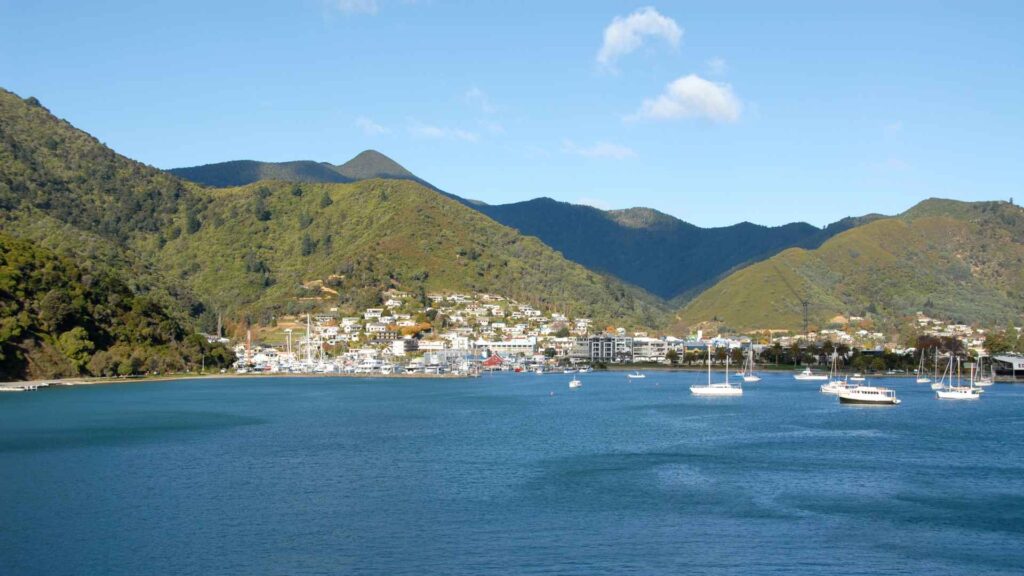
Picton is the kind of cruise port that makes the journey into the destination. Ships glide through the folded green shores of Queen Charlotte Sound before reaching a compact town where boats, walking tracks, wildlife, and Marlborough wine are all within a carefully planned day.
The port is operational rather than ornamental, so passengers may use a controlled shuttle between the berth and town. Once you reach central Picton, the waterfront, museums, cafes, and local tour departures are close enough to explore on foot.
Picton cruise port quick facts
- Location: Picton sits at the head of Queen Charlotte Sound at the top of New Zealand’s South Island.
- Port setup: Cruise ships use secure working port facilities, with shuttle arrangements set for each call.
- Town walkability: Central Picton is compact and walkable after you reach the visitor drop point.
- Best scenic choice: A Marlborough Sounds boat trip or a water taxi paired with a short walk.
- Best inland choice: A guided Marlborough wine tour around Blenheim.
- Currency: New Zealand dollars, with cards widely accepted at established businesses.
- Planning rule: Match boat, track, and winery reservations to the ship’s confirmed shuttle and all aboard times.
Where cruise ships dock in Picton
Picton is part of a busy transport hub handling freight, ferries, smaller vessels, and cruise ships. The exact berth and passenger route depend on port operations, ship size, and the day’s traffic.
Pedestrian movement can be restricted inside the secure port, which is why cruise calls may include a shuttle to central Picton. Listen for the final onboard instructions and note where the return shuttle boards before you begin sightseeing.
The ride into town is short, but queues can form when many guests leave at once. Allow time for the shuttle on the way back rather than treating your arrival at the pickup point as the moment you are safely aboard.
Picton waterfront and town center
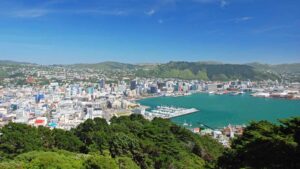
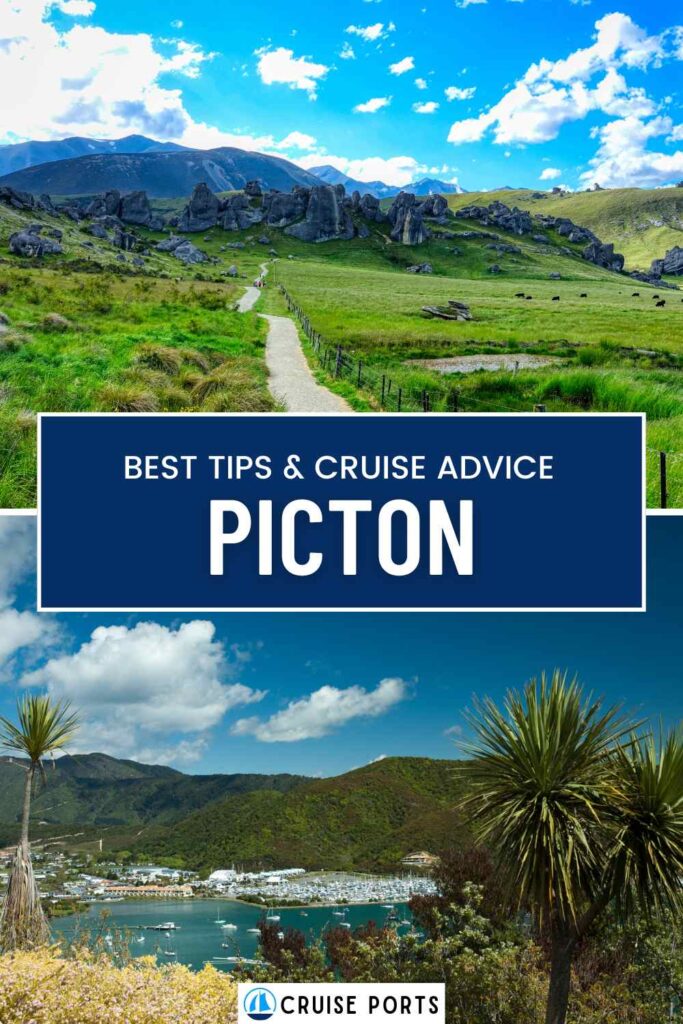
Picton’s central waterfront is small, green, and easy to enjoy without a formal excursion. Marina views, local boats, cafes, shops, and public spaces sit close together, with hills framing the harbor.
The town is an important gateway for ferries crossing Cook Strait as well as vessels heading into the Marlborough Sounds. That mix gives Picton a real working harbor character even when cruise visitors fill the main streets.
A relaxed local day can include the foreshore, a museum, lunch, and a short walk toward Bob’s Bay or another nearby viewpoint. Check trail conditions and your available time before going beyond the easy waterfront paths.
Edwin Fox Maritime Museum
The Edwin Fox Maritime Museum preserves the surviving hull of a nineteenth century sailing ship with a remarkable global story. Exhibits connect migration, trade, military transport, refrigeration, and the realities of life aboard a wooden vessel.
Its location near the waterfront makes it one of the easiest substantial attractions for independent cruise guests. Confirm current hours and accessibility, because the historic hull and viewing route include spaces that differ from a conventional modern museum.
The smaller Picton Heritage and Whaling Museum can add local context when it is open. Seasonal schedules matter in a town where many services expand for summer and contract outside peak periods.

Marlborough Sounds boat trips
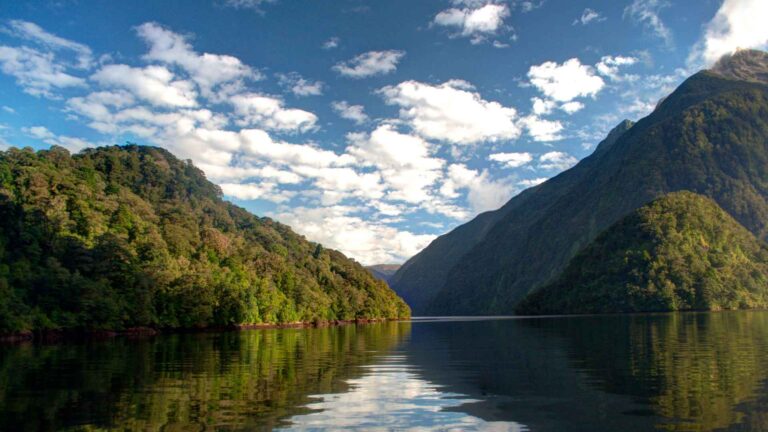
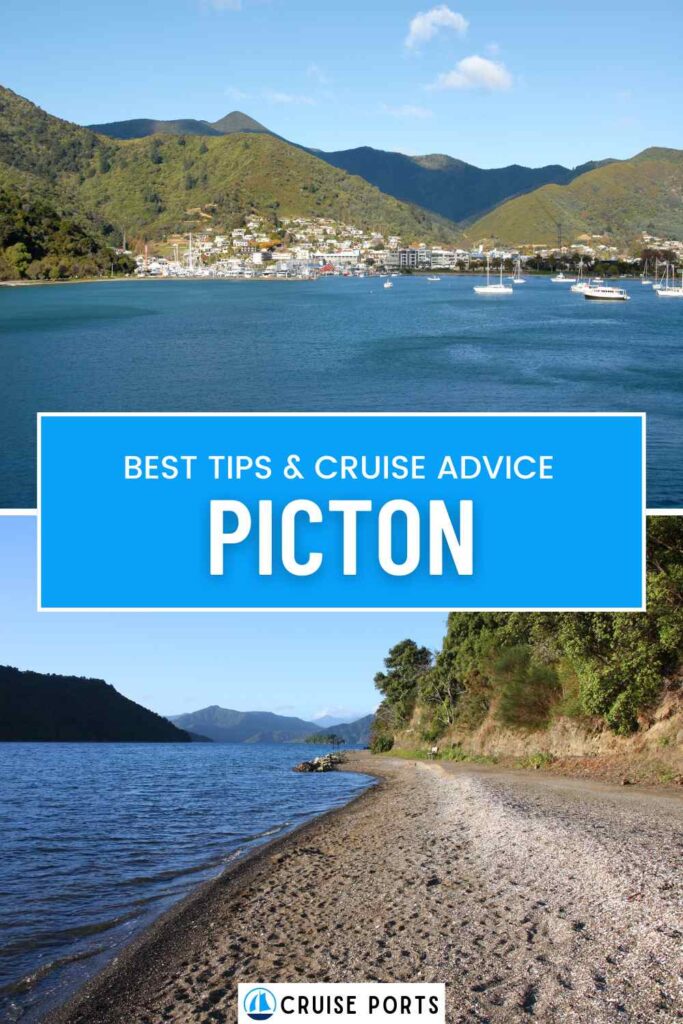
A boat trip is the most natural way to understand Picton’s setting. The Marlborough Sounds form a network of drowned valleys, forested ridges, sheltered bays, islands, small communities, and working marine farms.
Options can include scenic cruises, wildlife trips, mail boat routes, water taxis, and visits near conservation areas. The exact route depends on operator schedules, weather, passenger demand, and which service connects safely with the ship’s day.
Ask whether the boat is enclosed, how much outdoor deck space is available, and whether spray or rough water is likely. A calm harbor beside town does not guarantee the same conditions farther into the sound.
Wildlife sightings are never guaranteed, but the journey itself delivers the scenery. Choose an operator with clear wildlife practices and follow instructions about distance, noise, feeding, and waste.
Queen Charlotte Track
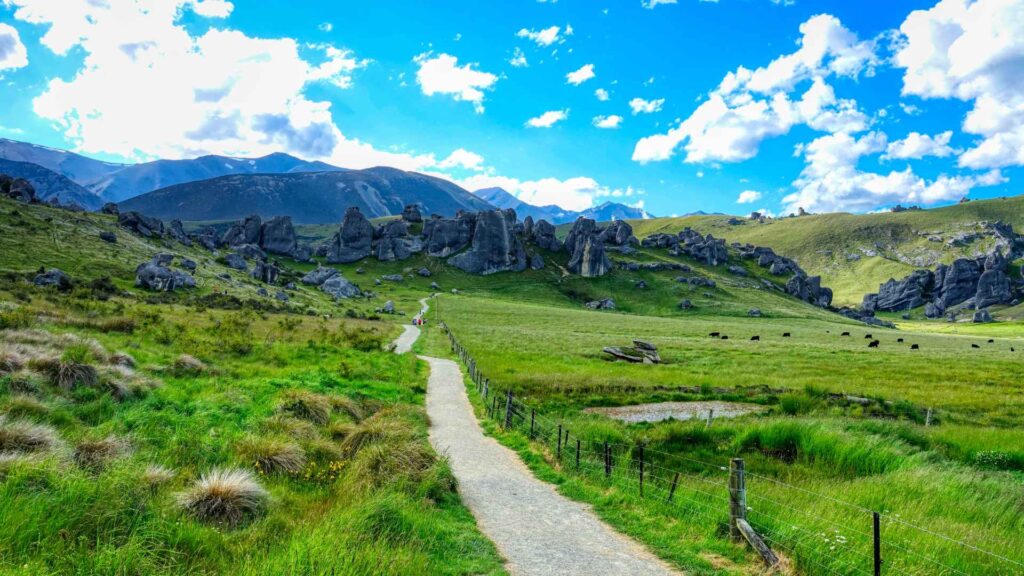
The Queen Charlotte Track is a multiday walking and cycling route through the Marlborough Sounds, not a single attraction beside the cruise terminal. Cruise visitors can still enjoy a short section by arranging a water taxi drop and pickup that fits the port schedule.
Trail sections differ in distance, elevation, shade, surface, and access fees. Use current Department of Conservation and local operator information, then choose a route with more time than your normal walking pace suggests.
A missed water taxi connection can become a missed ship, so independent walkers need a conservative plan and reliable communication. A guided cruise excursion removes much of that timing risk and may provide transportation if conditions change.
Carry water, sun protection, a waterproof layer, and shoes with dependable grip. New Zealand sun can be strong even on a cool day, while exposed ridges may become windy quickly.
Motuara Island and wildlife
Motuara Island is a predator free conservation reserve reached by boat, with native birds and elevated views over the sounds. The island walk includes a climb, natural surfaces, and no guarantee that every species will appear.
Biosecurity is part of the visit because seeds, soil, rodents, and insects can threaten protected islands. Clean footwear and bags before boarding, carry out all rubbish, and follow the operator’s instructions precisely.
Kaipupu Sanctuary is another community conservation project near Picton, also reached by water. Access, guided programs, and landing arrangements need advance confirmation rather than an assumption that a visible peninsula is connected by road.
Marlborough wine country
Blenheim and the Wairau Valley form the center of Marlborough’s famous wine region, particularly known for Sauvignon Blanc. Vineyards, cellar doors, gardens, and restaurants make this the best inland excursion from Picton.
A guided small group tour solves the driving problem and coordinates reservations. Ask how many wineries are actually included, whether tasting fees and lunch are extra, and when the vehicle plans to return to the cruise shuttle point.
Cellar doors have capacity limits, event closures, and seasonal hours, so spontaneous arrivals by a large cruise group may not work. Prebooking is especially important when more than one ship or a regional festival brings extra visitors.
Non drinkers can still enjoy vineyard landscapes and a good regional lunch, but confirm that the tour offers a worthwhile alternative rather than charging only for unused tastings. New Zealand has strict drink driving laws, which is another reason not to combine a rental car with wine sampling.
Omaka Aviation Heritage Centre
The Omaka Aviation Heritage Centre near Blenheim displays historic aircraft in elaborate, cinematic settings. It is a strong alternative for travelers who prefer engineering and storytelling to wine.
The attraction can pair with a short scenic drive or lunch, but combining it with several wineries may rush both experiences. Confirm the current galleries, opening hours, and return transportation before leaving Picton.
Families should check how long younger visitors are likely to engage with the exhibits. The drive inland adds time, so the center works best when aviation is a genuine interest rather than a filler stop.
A realistic Picton port day
For scenery, take a morning cruise into Queen Charlotte Sound and return for lunch beside the marina. Add the Edwin Fox museum if the boat arrives with enough time before the shuttle queue.
For an active day, book a supported short section of the Queen Charlotte Track with water transport included. For wine, dedicate the main part of the call to a reserved Marlborough tour and avoid adding a separate sounds cruise.
Travelers who prefer no schedule can remain in town, explore the foreshore, visit a museum, and choose a local meal. Picton is one of the rare ports where a low key day still feels connected to the destination.
Getting around
Central Picton is best explored on foot after the port shuttle drops passengers. Boat operators and water taxis generally use the waterfront, while regional road tours collect from agreed points in town.
Taxis are limited compared with a major city, especially when a ship arrives. Reserve longer trips in advance and confirm the pickup place, total fare, and plan for tracking a delayed ship.
New Zealand traffic drives on the left, and rural roads can be narrower and slower than visitors expect. A rental car adds navigation and return risk, so it is rarely necessary for a first cruise call.
Public transportation between Picton and regional attractions does not always align with cruise hours. Use a dedicated excursion or transfer for Blenheim wineries, Omaka, or any trail access beyond town.
Food and local flavors
Green shell mussels are closely associated with the Marlborough region and appear on many local menus. Seafood chowder, fish, lamb, seasonal produce, New Zealand cheese, and regional wine are other easy choices.
Tell staff clearly about shellfish allergies and ask how broths or fryers are handled. Waterfront restaurants can fill quickly on cruise days, so eat outside the main rush or reserve when a particular meal matters.
New Zealand dollars are the local currency, and established businesses accept cards widely. Carry a small amount of cash for a minor purchase or temporary connection problem, but most visitors will not need much.
Entry and biosecurity
New Zealand entry requirements vary by passport and itinerary, and many visa waiver travelers need an approved electronic travel authority. Confirm the exact rule through Immigration New Zealand and the cruise line well before embarkation.
Biosecurity rules are strict because food, plants, soil, and animal products can carry pests or disease. Do not take fresh food from the ship unless explicitly permitted, declare anything required, and clean hiking shoes and outdoor equipment before arrival.
The ship will explain the documents and inspections for your call. Follow those instructions even if a previous New Zealand trip used a different arrival process.
Weather and what to wear
Marlborough is known for sunshine, but conditions on the water can still become cool, windy, and wet. Bring layers, a waterproof shell, sun protection, and a hat that will not blow away.
Closed toe shoes suit tracks, boat decks, vineyard paths, and damp marina surfaces. Carry water and reapply sun protection because ultraviolet exposure can be high even through light cloud.
Wind or sea conditions can alter boat routes and arrival times. Keep independent plans flexible and make sure the operator knows you are returning to a cruise ship rather than a local hotel.
Accessibility
Accessibility starts with the gangway and the port shuttle, both of which depend on the ship and berth. Provide the cruise line with your mobility device dimensions and weight, then confirm lift access and securement before sailing.
Picton’s foreshore and central streets offer relatively easy urban surfaces, but grades, curbs, and construction can vary. Museums, boats, water taxis, and winery vehicles each have their own thresholds and transfer requirements.
Ask a boat operator about gangways, steps, onboard restrooms, seating, and whether the vessel can carry a wheelchair without lifting. The Queen Charlotte Track and conservation islands involve natural terrain and should not be labeled accessible without route specific detail.
The best Picton cruise strategy
Choose the sounds, a short track, or wine country as the day’s central experience, then leave space for Picton itself. That simple decision keeps the itinerary realistic and lets the landscape feel expansive instead of rushed.
Confirm the secure port shuttle, return point, and all aboard time before setting out. Picton’s beauty comes from the meeting of water and hills, so the most satisfying day usually spends less time chasing attractions and more time inside that scenery.