Papua New Guinea Cruise Ports: A Planner’s Guide to Every Stop
Papua New Guinea cruise ports feel closer to expedition travel than to a conventional resort circuit. A day can combine living culture, wartime history, volcano scenery, reefs, and a community welcome, but transport and visitor infrastructure are often limited.
I would choose Alotau for Milne Bay history and a gentle introduction, Rabaul for the most dramatic landscape, Madang for lagoons and island scenery, and Kiriwina for a community-centered tender call. The best plan is one well-organized experience with time to listen, rather than a frantic attempt to collect attractions.
Quick Facts
- Ports covered: Alotau, Rabaul, Madang, and Kiriwina Island
- Currency: Papua New Guinean kina
- Arrival style: Commercial berths, local wharves, and expedition-style tender landings
- Best history call: Rabaul for wartime and volcanic history, with Alotau strong for the Milne Bay campaign
- Best cultural tender: Kiriwina Island
- Best planning approach: Use the ship or an established local operator for anything beyond the immediate landing area
- Main accessibility barriers: Tenders, natural landings, rough roads, vehicle steps, heat, and limited adapted facilities
- Essential habit: Check current official travel, health, volcano, weather, and cruise-line information close to sailing
Why Papua New Guinea Needs a Different Port-Day Mindset
Papua New Guinea is extraordinarily diverse, and the official tourism site highlights culture, diving, trekking, birding, history, and natural landmarks across the country. A cruise offers a narrow window into that richness, not a complete explanation of a place or community.
Many experiences depend on arrangements made specifically for the ship. A village visit, performance, beach, road, or historical site may involve customary land, local hosts, and permissions that are invisible on an online map.
This is not the destination for improvising a long taxi route after leaving the gangway. Use established operators, listen to local guidance, and keep a larger return buffer than you might in a highly developed urban port.
Current travel advisories also matter because security, health, road, and service conditions differ by province. Review the advice issued for your nationality and follow the cruise line’s local operating decisions.
Alotau Cruise Port
Best for Milne Bay History and a First PNG Call
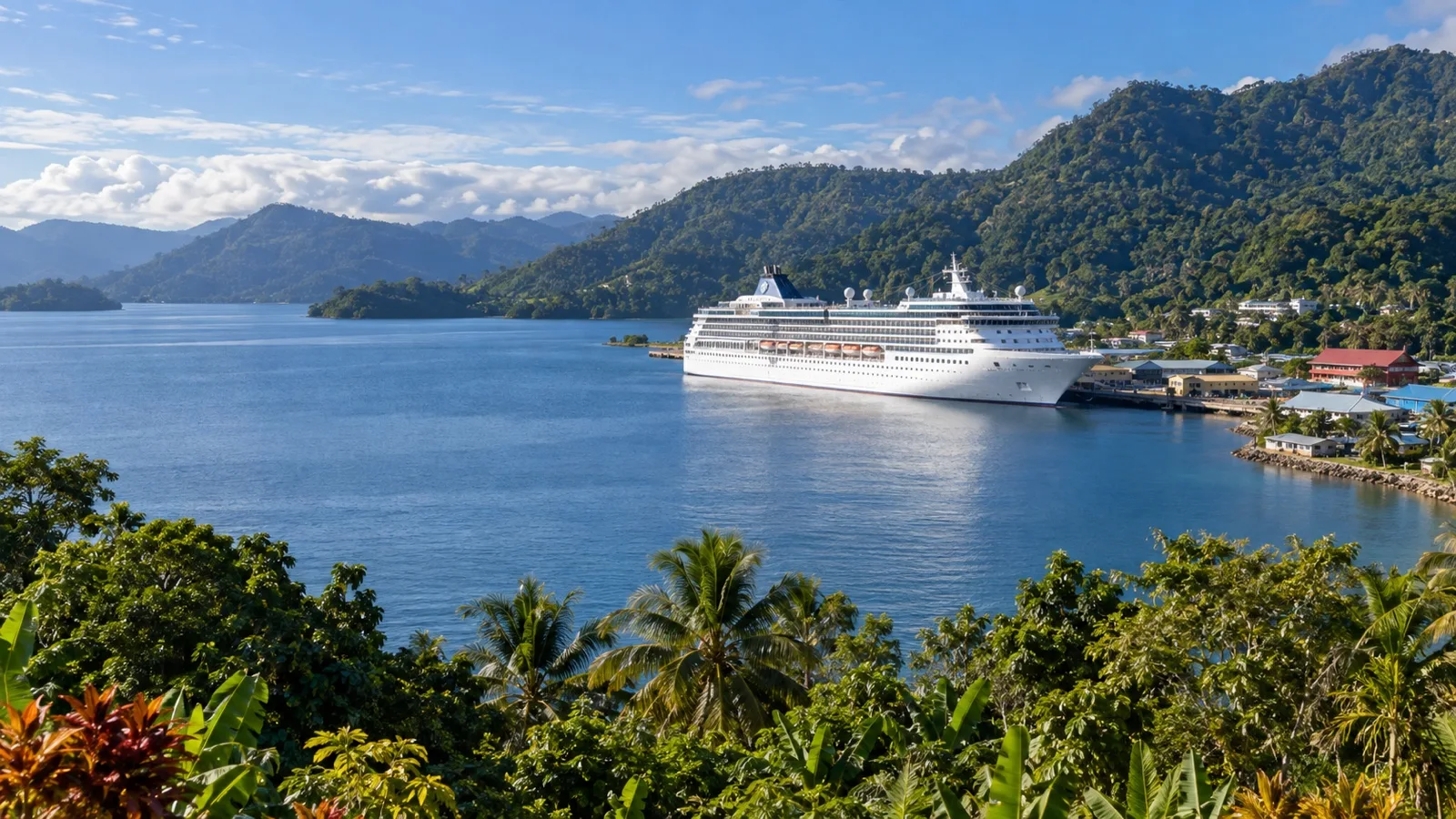
Alotau sits at the head of Milne Bay and often serves as the most approachable introduction to Papua New Guinea on a cruise itinerary. The port arrangement can involve a working wharf and ship-specific transport, so the daily notice should guide your first steps.
Milne Bay is closely associated with the Pacific War, and the Australian War Memorial provides primary institutional background on the 1942 campaign. Local interpretation adds the landscape and community context that a distant history page cannot provide.
Cultural presentations, markets, coastal scenery, village experiences, and marine outings may all be offered around a call. I would choose one theme and use a known operator rather than trying to combine a historical circuit, beach, and distant boat trip.
How to Plan the Day
An organized town and countryside circuit is the simplest choice for a first visit. Ask how much driving is involved, whether the vehicle has seat belts and air conditioning, and what walking surfaces and restrooms to expect.
If your main interest is history, give the guide time to explain why Milne Bay mattered rather than rushing from marker to marker. If culture is the focus, follow the host’s instructions and treat performances and craft sales as community exchange, not scenery arranged solely for visitors.
Read our full Alotau cruise port guide for arrival details, current excursions, and a realistic local plan. Reconfirm every pickup with the ship because working-port access can change.
Rabaul Cruise Port
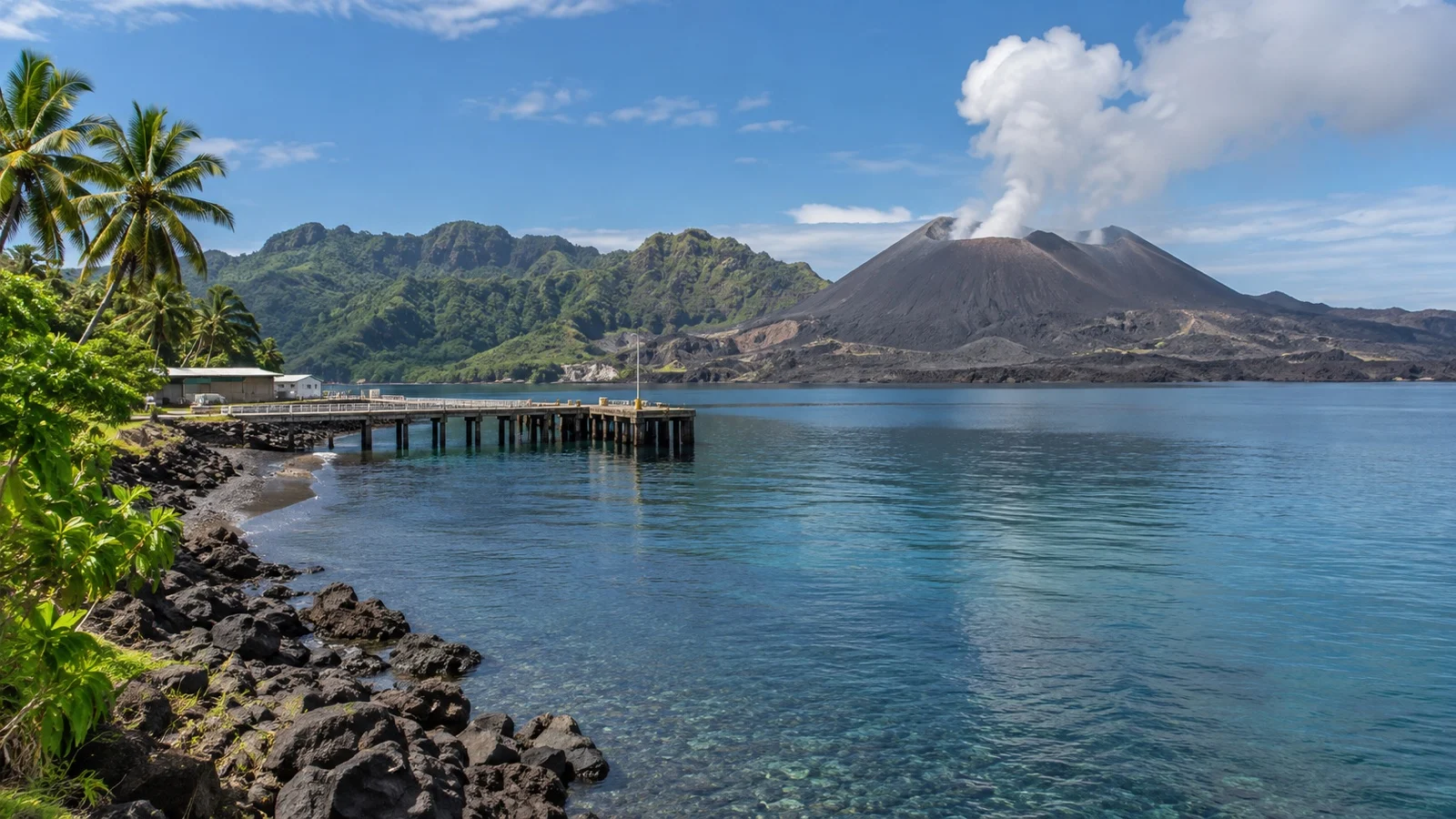
Best for Volcanoes and Wartime History
Rabaul is the most visually dramatic call in this group, set around a flooded caldera and landscapes reshaped by eruptions. Simpson Harbour, ash-covered ground, wartime tunnels, memorials, and views toward volcanic cones create a day that needs context as much as transportation.
The town and major sites are spread out, and road conditions can make a guided circuit far more useful than an improvised taxi. A knowledgeable local guide can connect the 1994 eruption, the relocation toward Kokopo, and the region’s wartime history without turning the day into disconnected photo stops.
Volcanic areas demand current information and obedience to local closures. Never cross a barrier, approach steaming ground without guidance, or assume an excursion described years ago is safe today.
How to Plan the Day
I would book a circuit that clearly states which volcano viewpoints, tunnels, memorials, or cultural stops are included. Ask about protective footwear, ash or dust, heat, lighting inside tunnels, and how much time is spent on rough roads.
Travelers who dislike enclosed spaces should tell the operator before a tunnel visit. Anyone with breathing, balance, or mobility concerns should discuss ash, slopes, steps, and vehicle access rather than relying on a generic difficulty rating.
Read our full Rabaul cruise port guide for the latest port and touring logistics. Check current local volcanic guidance and let the cruise line’s operational decision override an old itinerary promise.
Madang Cruise Port
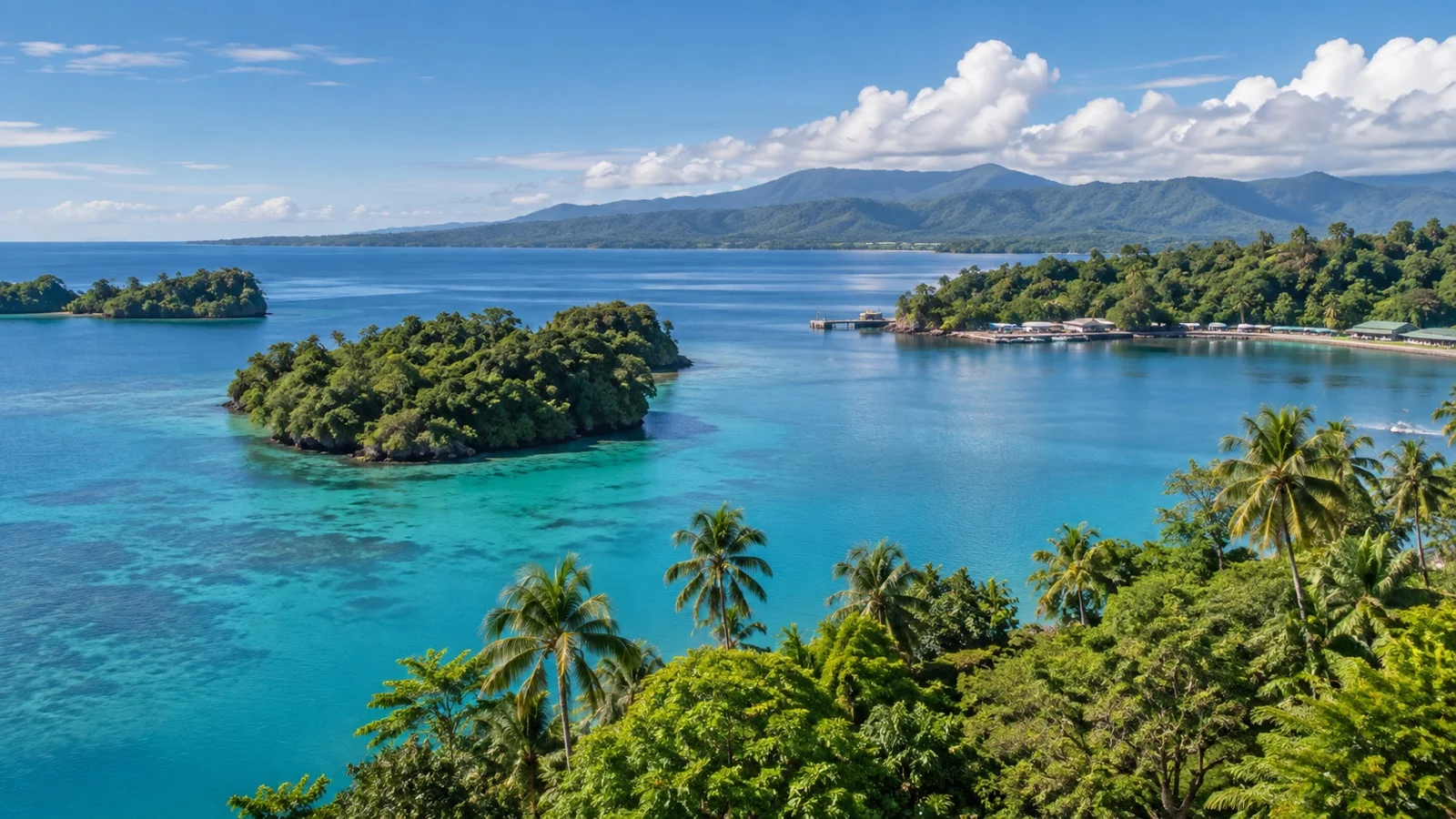
Best for Lagoons, Islands, and a Quieter Pace
Madang is known for a green coastline, lagoons, small offshore islands, reefs, and a calm tropical setting. Cruise calls can feel expedition-like, with transport and cultural arrangements created around the ship rather than drawn from a large permanent visitor network.
The official tourism site currently features Madang experiences that include village life, snorkeling, canoeing, and traditional skills. That mix is appealing, but each activity needs separate questions about water safety, permission, equipment, and the journey back to the ship.
I would choose either a cultural visit or a marine outing and leave enough time for the waterfront area. Trying to layer a distant road tour onto a boat day adds unnecessary failure points.
How to Plan the Day
Ask the cruise team which operators are expected inside the controlled arrival area and whether independent pickups can reach the ship. Save the guide’s name and contact details offline because mobile service may not be reliable throughout the route.
For snorkeling or an island visit, confirm life jackets, shade, ladder access, drinking water, restroom arrangements, and whether equipment fits properly. Strong swimmers still need to follow local instructions because currents, reefs, and boat traffic are unfamiliar.
Read our full Madang cruise port guide for the current arrival and excursion pattern. Keep a land-based backup in case rain or sea conditions change the marine plan.
Kiriwina Island Cruise Port
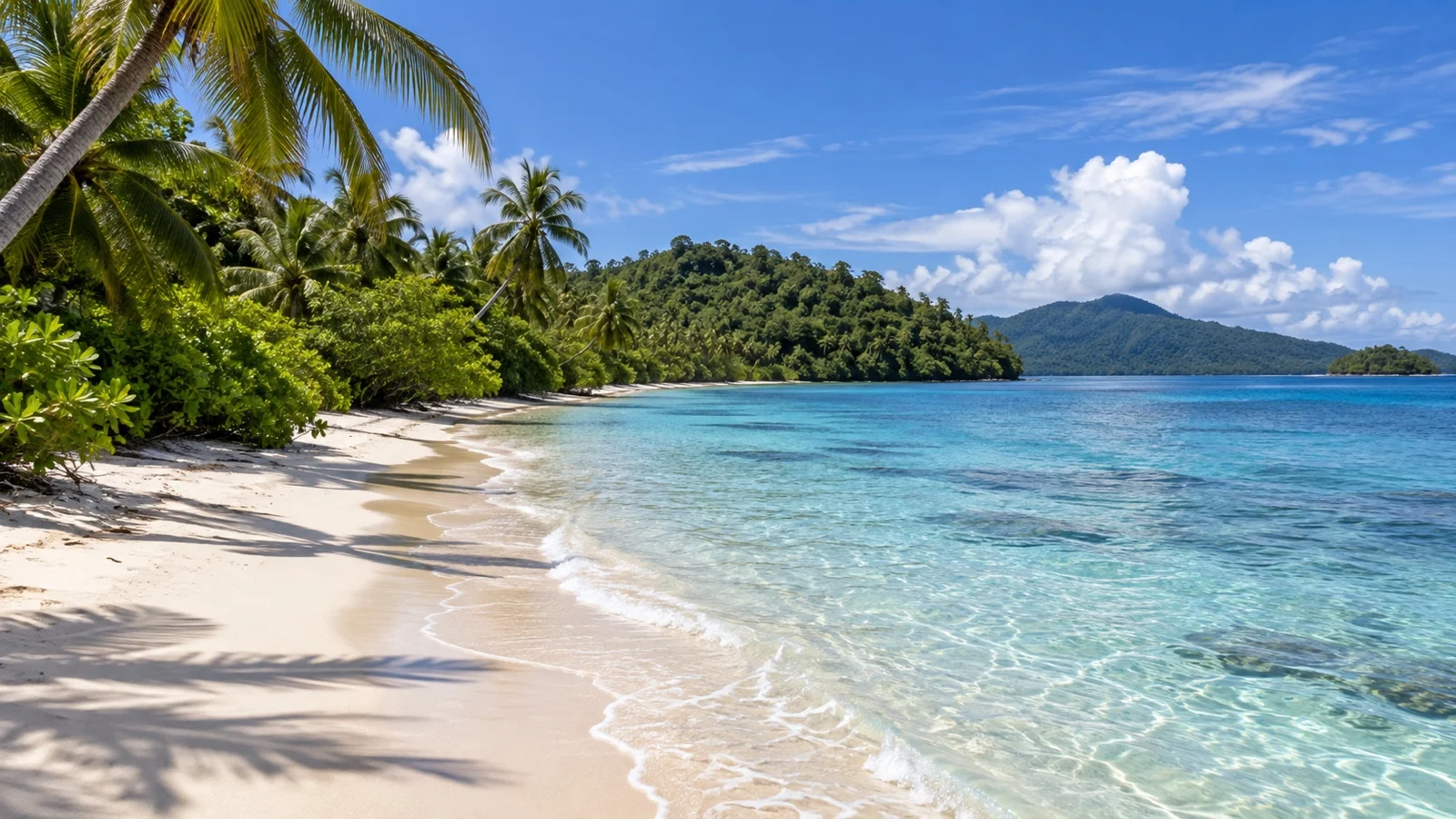
Best for a Community-Led Trobriand Islands Visit
Kiriwina is the most clearly expedition-style call in this guide. Passengers generally reach the island by tender and step into a day centered on village life, local crafts, dance, music, and community interaction rather than conventional port attractions.
The landing can involve sand, uneven ground, heat, and limited facilities. Sea conditions and the cruise line’s tender process may decide whether going ashore is practical for guests with reduced mobility.
Kiriwina is a place to arrive with curiosity and humility. Ask before photographing people, homes, ceremonies, or children, and accept that some areas or moments are not for visitors.
How to Plan the Day
Follow the route and instructions given by the ship and local hosts. Customary ownership means a path, beach, or village is not automatically open for independent exploration simply because it appears nearby.
Small kina notes are helpful if you plan to buy carvings, woven work, or other crafts directly from makers. Negotiate respectfully where bargaining is expected, but do not treat a low price as more important than the time and skill in the work.
Read our full Kiriwina Island cruise port guide for tender and cultural guidance. The day works best when you listen more than you direct.
How I Would Compare the Four Ports
Choose Alotau for an accessible introduction to Milne Bay’s history, culture, and coastal setting. It offers the broadest mix for travelers who want a structured first encounter without the volcanic intensity of Rabaul.
Choose Rabaul when landscape and history are the priority. The distances, roads, volcanic environment, and spread-out sites make a guided tour especially valuable.
Choose Madang for a gentler combination of lagoon scenery, island outings, and cultural experiences. The smartest plan is one main activity with a weatherproof alternative.
Choose Kiriwina for a tender landing and community-centered day that feels unlike a conventional port. It is the most sensitive to sea conditions, natural surfaces, and local protocols.
If an itinerary includes all four, vary the rhythm. Pair a demanding Rabaul circuit with a slower Kiriwina or Madang day instead of booking a long vehicle or boat excursion at every stop.
Docking, Tendering, and Walkability
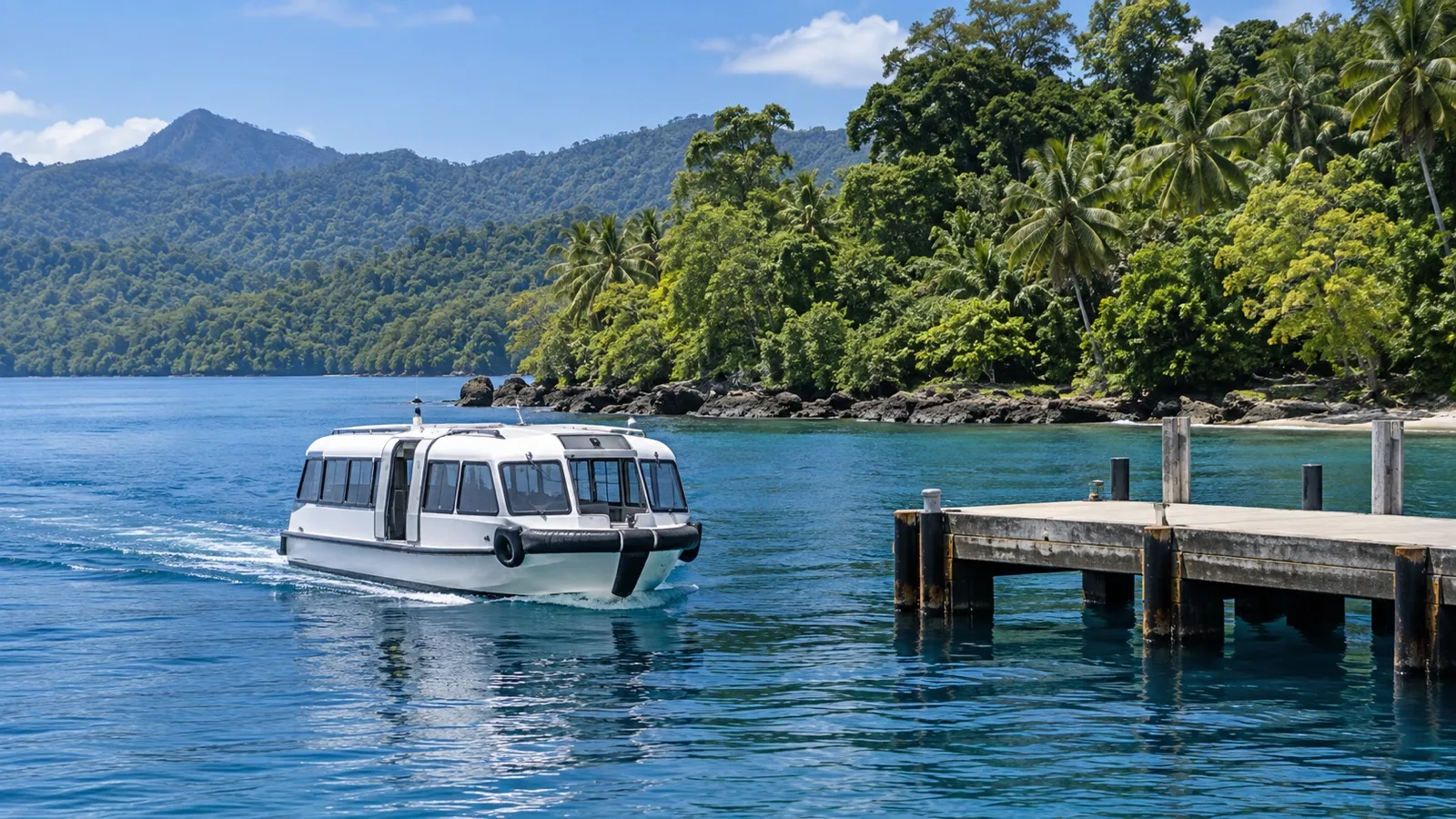
Papua New Guinea cruise arrivals can involve commercial berths, local wharves, or tenders, and the exact arrangement may change with ship size, port traffic, weather, and local operations. Treat the cruise line’s final documents and morning announcement as the authority.
A dock does not automatically mean a walkable tourist center, and a tender does not automatically mean an easy beach landing. Consider the complete route from cabin to activity, including boat steps, pier surface, security, vehicle transfer, heat, and the return.
Tender tickets can delay independent departures, so do not promise a local guide that you will be ashore at the scheduled arrival minute. A flexible pickup window protects both the relationship and the day.
For the return, plan to reach the port area well before the last tender or gangway time. Roads, rain, local events, and finding the correct gate can each consume a buffer that looked generous in the morning.
Transport and Excursion Choices
Ship excursions earn their cost when a route involves rough roads, a long drive, restricted access, several community permissions, or a weather-sensitive boat. The line coordinates the return if its own tour is delayed, although conditions can still change the itinerary.
Independent operators can provide smaller groups and more local flexibility, but verify that they understand ship timing and port access. Ask for a written outline, total price, currency, cancellation terms, vehicle type, and emergency contact.
Do not treat an ordinary taxi as a tour guide unless that service has been agreed. For complex historical or cultural sites, interpretation is part of the value, and a driver who knows only the route cannot replace it.
Driving yourself is rarely the best use of a short call because roads and local conditions demand concentration. An established driver allows you to focus on the destination and removes the risk of navigating back under a deadline.
Safety, Health, and Current Advice
Conditions can vary sharply between regions, and official travel advice deserves a fresh reading before sailing. Australia’s Smartraveller Papua New Guinea advisory is one current government source, while travelers should also check guidance issued by their own country.
Use the ship or an established local operator outside the immediate port environment and avoid wandering into unfamiliar areas without local advice. Keep valuables discreet, carry only the cash you need, and follow crew instructions if plans are restricted.
Travel health advice should be individualized because mosquito-borne illness and access to medical care vary by route and season. Speak with a qualified travel-health professional before departure and use bite precautions, safe food and water habits, and any prescribed medication exactly as directed.
Medical support and reliable communications can be limited outside major centers. Insurance should cover the cruise itinerary, planned activities, and medical evacuation, and essential medication should remain in your hand luggage.
Weather, Heat, and Sea Conditions
Papua New Guinea is tropical, with heat, humidity, and rainfall patterns that vary by island and coast. A bright morning can become a heavy shower, while rain inland may affect roads even when the harbor looks calm.
Sea state determines more than comfort at Kiriwina and other tender or boat outings. Swell can slow boarding, change a landing, cancel snorkeling, or prevent the call altogether.
Pack a light rain layer, sun protection, water, and closed shoes with reliable grip. A dry bag or sealed pouch protects documents and medication during tenders and sudden downpours.
Keep a lower-friction backup for every weather-dependent plan. A market, cultural presentation, short waterfront visit, or protected scenic drive can preserve the day when a reef or trail is unavailable.
Accessibility and Multigenerational Groups
Ask about the whole movement chain rather than whether a single attraction is accessible. Gangways, tenders, wet steps, pier surfaces, vehicle height, equipment storage, restrooms, slopes, and heat all belong in the answer.
Kiriwina’s natural landing may be the biggest barrier, while Rabaul can add ash, rough roads, tunnels, and scattered stops. Alotau and Madang may offer easier vehicle-based options, but accessible vehicles and adapted restrooms should never be assumed.
Give operators the dimensions and weight of wheelchairs or scooters before booking. Safe tender transfer and vehicle storage depend on the actual equipment, not a broad label such as “folding chair.”
For mixed-age groups, choose one shared anchor activity and agree on a meeting point. It is fine to separate when stamina differs, provided everyone carries the ship details and returns with a generous margin.
Culture, Photography, and Community Visits
A community welcome is not permission to photograph everything. Ask the host before taking pictures of people, ceremonies, homes, sacred places, or children, and accept no gracefully.
Dress and behavior should follow local guidance, especially during village and church visits. Listen to introductions, avoid interrupting performances for a better camera angle, and do not enter buildings or paths without an invitation.
Buying crafts directly can support local makers, but quality and permitted export materials matter. Ask what an item is made from and follow customs and biosecurity rules rather than assuming every natural material can travel home.
Papua New Guinea’s linguistic and cultural diversity makes generalization especially risky. Let a local guide explain the traditions of the community you are visiting instead of carrying assumptions from a different province or island.
Money, Documents, and Connectivity
The kina is the national currency, and small cash is valuable in markets and communities where card acceptance may be limited. Confirm the currency before paying, keep money discreet, and separate a backup amount from your day wallet.
Use the Papua New Guinea Immigration and Citizenship Authority for current visa information. Cruise clearances and required identification can differ from ordinary air arrival, so the cruise line’s boarding instructions also matter.
Download maps, confirmations, ship contacts, and the port agent’s number before leaving dependable service. Do not rely on a single phone, and keep paper or screenshot copies of the all-aboard time.
Check whether ship time matches local time before an independent meeting. That small detail matters more in remote ports, where a missed return may be difficult and expensive to solve.
Frequently Asked Questions
Which Papua New Guinea cruise port is best for a first visit?
Alotau is a strong first introduction because it combines Milne Bay history, cultural experiences, and coastal scenery. Rabaul is the more dramatic choice for travelers comfortable with a longer guided circuit.
Do cruise ships dock or tender?
Both arrangements appear, depending on the destination, ship, weather, and port operation. Kiriwina is typically tender-based, while the other calls may use working berths or ship-specific arrangements.
Can I explore independently?
A limited walk near an approved arrival area may be possible, but complex touring is better with the ship or an established local operator. Customary land, limited transport, and current safety advice make improvisation a poor strategy.
Should I book a ship excursion?
A ship tour is most valuable for long road circuits, restricted sites, several village permissions, or tender-plus-boat combinations. A vetted independent operator can work when the route, port access, and return plan are clear.
What should I pack for the day?
Bring water, sun and rain protection, secure shoes, insect-bite precautions, small kina notes, and a dry pouch. Keep medication, identification, insurance details, and the ship’s contacts with you.
How should I handle photography?
Ask first, even when a performance appears to be arranged for visitors. A respectful conversation is more important than collecting every image.
My Final Take
Papua New Guinea is the kind of cruise destination where good planning creates space for genuine surprise. Choose a trusted local route, leave room for the host’s pace, and treat the people and places as more than a backdrop.
Alotau, Rabaul, Madang, and Kiriwina each reveal a different part of the country. You do not need to force every day into the same excursion template for the itinerary to feel complete.
How this guide was researched: I checked current official Papua New Guinea tourism, immigration, government travel, historical, port, and cruise information on September 11, 2026. Verify the final berth or tender, local conditions, health advice, and excursion terms for your sailing.
I hope this guide helps you approach Papua New Guinea with practical confidence and genuine curiosity. Have a meaningful time ashore and a wonderful cruise.