Alotau Cruise Port: Milne Bay WWII, Reefs & PNG Guide
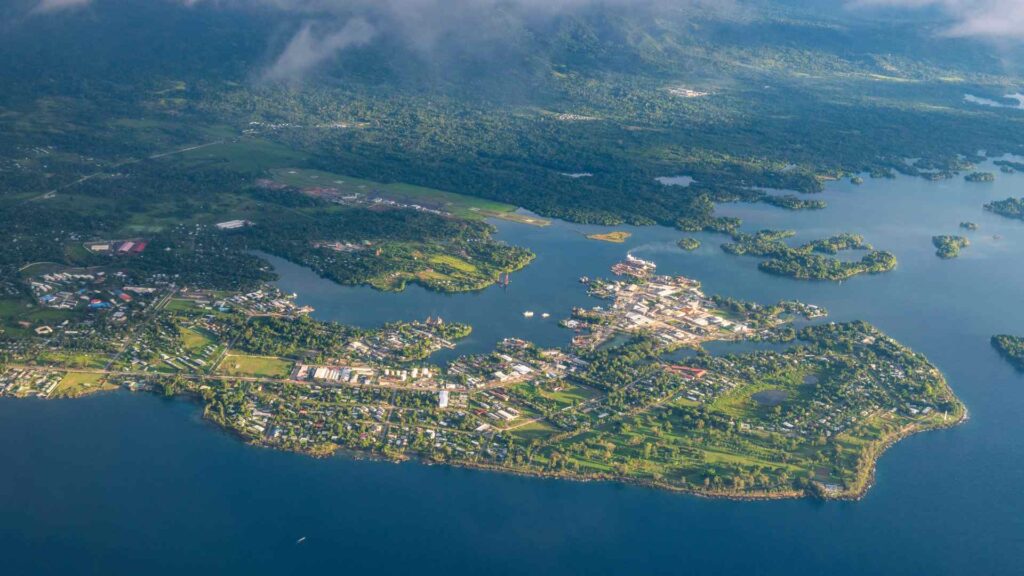
Alotau is a port where the landscape and local welcome matter as much as any single attraction. The town sits at the head of Milne Bay in Papua New Guinea, surrounded by green hills, tropical water, and places tied to one of the Pacific campaign’s most important battles.
This is not a polished port with a fleet of standardized sightseeing buses waiting behind a terminal mall. A rewarding day depends on realistic expectations, a trusted local arrangement, modest goals, and a generous return buffer.
Quick facts for Alotau Cruise Port
- Country: Papua New Guinea
- Province: Milne Bay Province
- Port style: Berth or tender arrangements can vary by ship and call
- Best first visit: Guided Battle of Milne Bay history plus a town or cultural stop
- Best water day: Prearranged reef, snorkeling, or island excursion
- Currency: Papua New Guinea kina, with small notes especially useful
- Getting around: Cruise excursion or vetted local guide is the simplest choice
- Weather: Tropical heat, humidity, and rain are possible throughout the year
Arriving in Alotau
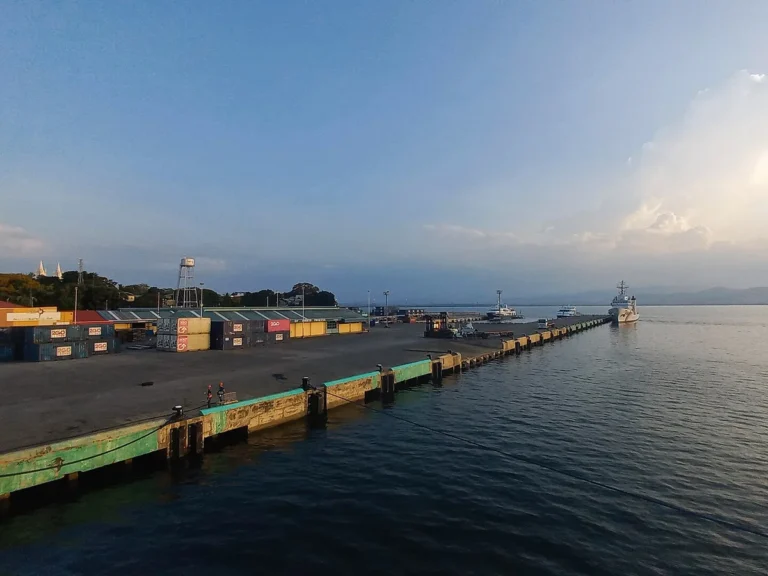
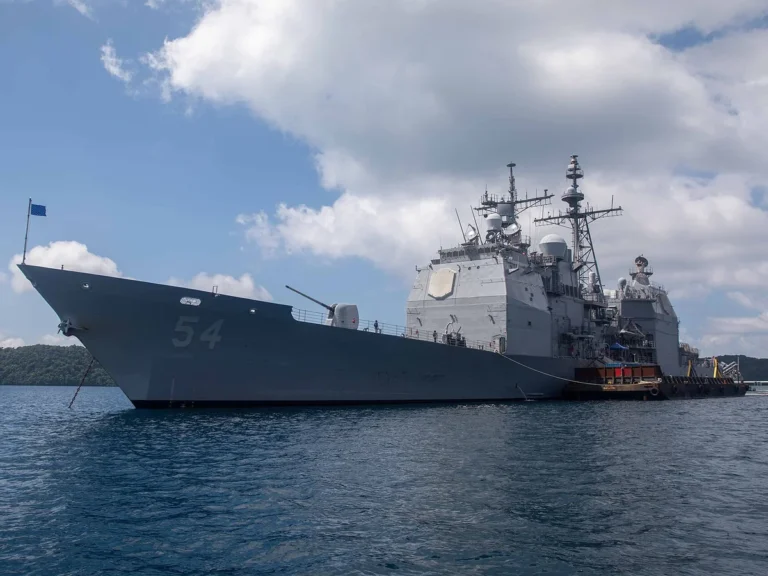
Alotau is the provincial capital and the main urban center of Milne Bay. Cruise arrangements may use the wharf or a tender landing according to the vessel, berth availability, and conditions, so the ship’s daily program is the only reliable source for your call.
The arrival can feel informal compared with a major cruise hub. Local performers, guides, drivers, and craft sellers may gather around the passenger area when ships visit, but the exact setup changes from call to call.
Ask the shore team where independent tours meet and how you will identify a legitimate operator. Keep the ship’s local contact, all-aboard time, and landing point saved offline before moving away from the waterfront.
My quick take on an Alotau day
For a first visit, I would choose either a guided Battle of Milne Bay route or a properly organized water excursion. Trying to combine distant historical sites, a village visit, snorkeling, shopping, and a long lunch creates too many opportunities for delay.
The historical option works in uncertain weather and provides context that is easy to miss from the town alone. The water option reveals why Milne Bay is celebrated for marine life, but it requires more attention to operator standards, sea conditions, and return timing.
Leave space for a short market or town stop whichever route you choose. Alotau is most memorable when you engage respectfully with the place rather than treating it as a chain of photo opportunities.
Getting around Alotau
Cruise line excursions
A cruise excursion is the simplest choice for travelers who want transportation and schedule protection organized together. It is particularly sensible for a long road route, a boat trip, or a call with an early all-aboard time.
Read the description for vehicle type, air conditioning, walking surface, shade, restroom availability, and whether a village contribution is included. A “panoramic” outing may involve rough roads and basic vehicles even when the distance sounds short.
Local guides and drivers
Independent guiding can create a more personal day and direct more spending into the community. Arrange through a recognized tourism contact, the cruise line’s approved area, or a provider with clear recent references and a written route.
Agree on the total cost, currency, stops, waiting time, and return deadline before departure. Do not assume a driver who offers a town ride is also a trained historical guide or equipped for a remote road journey.
Walking
The central town and market may be reachable on foot from the landing setup used on a particular day, but conditions vary. Heat, rain, uneven surfaces, roadside traffic, and limited shade can make a short distance more tiring than expected.
Ask port staff about the current route and areas to avoid before walking independently. Keep valuables discreet and return by a familiar, well-used route while there is still ample time.
Public transportation
Local public motor vehicles serve residents, but they are not designed as a time-controlled cruise sightseeing system. Routes, vehicle condition, capacity, and payment may be unfamiliar, making them a poor fit for a tight port call.
Travelers who use local transport should understand the route and keep enough flexibility to switch to a private vehicle. For most visitors, a vetted guide or ship excursion is the more dependable choice.
Battle of Milne Bay history
The Battle of Milne Bay took place in 1942 and ended with Allied forces defeating a Japanese landing force. The campaign unfolded across a wet, difficult landscape, with Australian troops, local people, air crews, and American personnel all playing roles.
The Australian War Memorial provides authoritative background on Australia’s wartime experience and surviving records. A knowledgeable local guide adds the geography, community memory, and site context that a general history cannot provide.
Turnbull War Memorial Park
Turnbull War Memorial Park commemorates Squadron Leader Peter Turnbull and the airfield story associated with the battle. It is one of the most approachable historical stops and can introduce the role of fighter aircraft in the defense of Milne Bay.
Condition and interpretation at outdoor sites can change, so arrive expecting a memorial landscape rather than a large indoor museum. A guide’s explanation makes the airstrip geography and sequence of events far easier to understand.
Battlefield and mission sites
Guided routes may include locations connected with former airstrips, defensive positions, landings, missions, and memorials around the bay. Access depends on road condition, community permission, weather, and the operator’s current arrangements.
Do not enter overgrown ground or former military areas independently. Unexploded ordnance can remain a concern in parts of the Pacific, and private or customary land rights must be respected.
How to visit respectfully
Treat memorials as places of remembrance rather than props. Keep voices low when a guide discusses casualties, do not climb on monuments, and never remove fragments or objects from a site.
Local communities experienced the war on their land and contributed knowledge, labor, care, and military support. A good tour recognizes those experiences rather than presenting the battle only through visiting forces.

Alotau town and market
Alotau’s market can be a colorful stop for produce, betel nut, cooked food, and everyday local commerce, depending on the day and current arrangements. It is not staged solely for visitors, which is exactly why respectful behavior matters.
Ask before photographing vendors or customers, and accept a refusal without pressure. Carry small kina notes, agree on prices politely, and avoid displaying a thick wallet or expensive equipment.
Food safety standards may differ from what you know at home. Choose items that are freshly cooked and served hot, drink sealed water, and follow any health advice supplied by the ship.
Craft purchases can include woven items, carvings, baskets, shell work, and textiles. Ask about the maker and materials, then confirm that wood, plant, shell, or animal products can legally enter your next country.
Cultural visits and festivals
Milne Bay has rich maritime traditions, including distinctive canoes, dance, carving, and exchange networks associated with island communities. A community visit can be meaningful when it is organized with local consent and includes a transparent contribution.
Do not assume every performance represents an everyday village ceremony. Cruise-day presentations may be created for visitors, yet they can still offer real skills, stories, and income when hosts control how their culture is shared.
The Kenu and Kundu Festival celebrates canoes, drums, dance, and communities from across the province, but cruise passengers should not expect it on an ordinary call. Festival dates and programming require current confirmation through official tourism channels.
Dress modestly away from the ship and ask about local expectations before entering a village, church, or ceremonial space. Gifts should be coordinated through the guide or community rather than handed out randomly, especially to children.
Reefs, snorkeling, and diving
Milne Bay is known among experienced divers for coral reefs, biodiversity, and offshore sites. A cruise call can offer a glimpse of that underwater world, but only if sea conditions and the operator’s logistics fit the ship schedule.
Snorkeling
Choose an excursion that explains boat type, shade, flotation equipment, guide supervision, entry method, and the specific reef area. Ask whether equipment sizes are available and whether the trip is suitable for beginners or weak swimmers.
Never stand on coral, chase wildlife, or take shells from the water. Use sun protection that minimizes marine impact, keep fins away from the reef, and follow the guide’s instructions about currents.
Scuba diving
Certified divers should prearrange with an established operator that can work within the port call. Confirm certification requirements, equipment, maximum group size, emergency oxygen, communications, insurance expectations, and the planned return time.
Cruise travel adds a major constraint because missing the ship has serious consequences. Do not improvise a two-dive schedule after arrival, and do not dive if the plan leaves inadequate time before onward travel or if conditions exceed your training.
Weather and water conditions
Tropical rain, wind, swell, and runoff can change visibility or force a boat trip to alter course. A responsible operator may cancel even when the harbor looks calm from the ship.
Treat cancellation as a safety decision rather than a ruined day. Keep a land-based backup such as a guided history route or market visit.
East Cape and longer road trips
East Cape is often described as the eastern tip of Papua New Guinea’s mainland and can feature in scenic or cultural excursions. The drive is substantial for a cruise day, with road conditions and weather affecting travel time.
Only attempt it with a reliable operator who understands the ship’s schedule and has a conservative turnaround point. A beautiful remote destination is not worth a rushed or uncertain return.
Samarai, Kwato, and other islands in Milne Bay also carry historical and cultural interest, but they require boat logistics. These should be treated as dedicated excursions with weather contingencies, not spontaneous additions.
Safety and current travel advice
Papua New Guinea requires more deliberate personal-security planning than many heavily managed cruise destinations. Review current official advice, including the United States travel advisory for Papua New Guinea, and follow any stricter guidance issued by the ship.
Conditions vary widely across the country, and a national advisory does not describe every Alotau street at every hour. Use organized arrangements, stay with your group, avoid isolated areas, and ask the port team about current local conditions.
Keep jewelry and electronics discreet, carry only the cash needed for the outing, and use a secure internal pocket for documents. Do not accept an unplanned ride simply because the driver offers a low price.
Nighttime creates additional uncertainty and fewer transportation choices. Unless your cruise line has organized an evening activity, return to the ship before dark and remain within the approved port area.
Health preparation
Milne Bay has a tropical climate, and mosquito-borne illness is a genuine travel consideration. Seek destination-specific advice from a qualified clinician before the cruise and use effective repellent, covering clothing, and screened or air-conditioned spaces when practical.
Carry enough prescription medication for the trip plus a delay buffer, keeping it in original packaging. Medical facilities and evacuation options are limited compared with Australia, New Zealand, or North America.
Drink sealed or properly treated water and be cautious with ice or raw food when the source is uncertain. Wash or sanitize hands before eating, especially after market visits or handling shared equipment.
Travel insurance should cover the destinations, planned activities, and medical evacuation. Divers need to confirm that their policy covers the exact type of diving and any remote transport required.
Weather and what to bring
Alotau is warm, humid, and rainy, with precipitation possible throughout the year. A forecast showing showers does not always mean a washout, but it does mean paths, roads, and boat boarding can become slippery.
Wear light, modest clothing and shoes with reliable grip. Bring a hat, rain layer, water, insect repellent, sun protection, and a dry bag or waterproof pouch for electronics.
The strongest sun may appear between showers. Reapply protection and drink regularly even when cloud cover makes the day feel less intense.
Pack a small hand towel and a spare lightweight shirt if the excursion involves a boat or humid vehicle. Keep travel documents in a separate waterproof layer rather than relying on a beach bag zipper.
Accessibility and mobility
Alotau’s visitor infrastructure can include uneven ground, steps, simple vehicles, narrow boat entries, and limited accessible restrooms. Travelers should ask about the complete excursion path rather than accepting a general claim that an activity is easy.
Confirm the distance from ship to landing area, tender boarding method, vehicle step height, seat support, walking surface, shade, and restroom setup. A folding wheelchair may fit one vehicle but not another, while a rigid chair may require a dedicated arrangement.
The cruise line can explain ship and tender assistance, but it does not control every local site. Get accessibility details in writing and keep a simple port-area alternative if the main excursion cannot safely accommodate you.
Three realistic Alotau day plans
History and town
Join a guided Battle of Milne Bay route that includes a memorial, airfield context, and local interpretation. Finish with a short market or craft stop, then return to the ship well before all aboard.
This is the best first-time plan for travelers interested in the Pacific war or local history. It also remains more adaptable than a boat trip when the weather is unsettled.
Reef and water day
Take a prebooked snorkeling or diving excursion with a recognized operator and a fixed ship-return plan. Keep the afternoon light, perhaps adding only a brief town stop if the boat returns early.
This plan suits confident swimmers and travelers who accept that weather may force a cancellation. A land backup should be identified before the call.
Community and scenery
Choose a cruise-approved or vetted cultural visit with clear host consent, transportation, and included contributions. Add a scenic stop or town market only if it lies naturally on the return route.
This plan is most rewarding when you listen, ask permission, and let hosts set the pace. It should never be treated as access to people’s private lives without boundaries.
Common mistakes to avoid
Booking an unverified driver at the gate: A low initial price does not guarantee a safe vehicle, informed guide, or timely return. Use a recognized tourism or cruise contact.
Trying to combine a remote road trip and boat trip: Each has its own weather and delay risks. Choose one major excursion and keep the rest local.
Carrying only large notes: Small vendors may not have change and card acceptance can be limited. Bring small kina in a secure place.
Photographing without asking: Markets and villages are lived spaces, not outdoor studios. Request permission and accept the answer graciously.
Ignoring tropical health: Mosquitoes, heat, dehydration, slippery paths, and food safety can affect even a short call. Prepare before the cruise rather than trying to solve everything at the pier.
Frequently asked questions
Can I explore Alotau independently?
A short central visit may be possible after checking current advice with the port team. For battle sites, villages, reefs, and longer road trips, a vetted guide or cruise excursion is the safer and more informative choice.
What currency should I carry?
Carry Papua New Guinea kina, preferably in small notes for markets, crafts, and agreed local payments. Do not rely on card acceptance or finding a working cash machine during a short call.
Is Alotau a tender port?
The arrival setup can vary according to ship, berth, and local conditions. Follow the cruise line’s daily information for whether your call uses a gangway or tender boats.
What is the Battle of Milne Bay?
It was a 1942 campaign in which Allied forces defeated a Japanese landing force in difficult tropical conditions. Visiting with a knowledgeable guide helps connect the broad history to the airfields, shoreline, roads, and communities around present-day Alotau.
Can I snorkel from town?
Do not assume the nearest shore offers safe or worthwhile snorkeling. Use an organized boat or reef excursion that assesses currents, equipment, supervision, and the ship’s return time.
Is Alotau safe for cruise passengers?
Many visitors enjoy well-organized calls, but current government advisories recommend elevated caution for Papua New Guinea. Follow cruise-line guidance, use trusted arrangements, protect valuables, and avoid isolated or unplanned travel.
What should I buy?
Locally made baskets, carvings, textiles, and other crafts can support makers and create meaningful souvenirs. Ask about materials and verify biosecurity rules before taking plant, wood, shell, or animal products onward.
My bottom line
Alotau rewards curiosity, but it asks travelers to plan with more care than a highly developed resort port. Choose one anchor experience, arrange dependable transportation, carry small kina, and make the ship-return deadline nonnegotiable.
A guided Battle of Milne Bay day offers the strongest sense of place for a first visit, while a reputable reef trip reveals the marine world that makes Milne Bay special. Leave room for conversation and local context because those moments often become the real highlight.
Continue through the region with our South Pacific cruise ports guide, or compare another small island call in our Alofi cruise port guide. Our Vanuatu port guide adds more practical planning for nearby itineraries.

How this guide was researched: This guide uses current official port, tourism, government, health, and historical sources where available. Port logistics, safety guidance, visitor conditions, weather, and accessibility details were reviewed in September 2026; see our Editorial Policy.