Dunedin Cruise Port (Port Chalmers): A Practical Guide
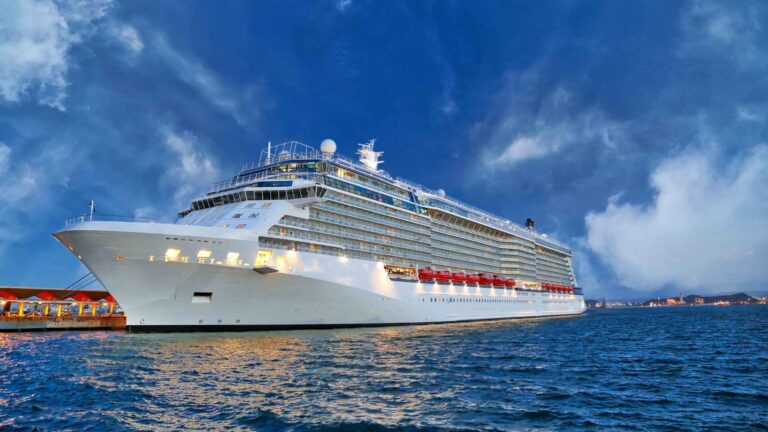
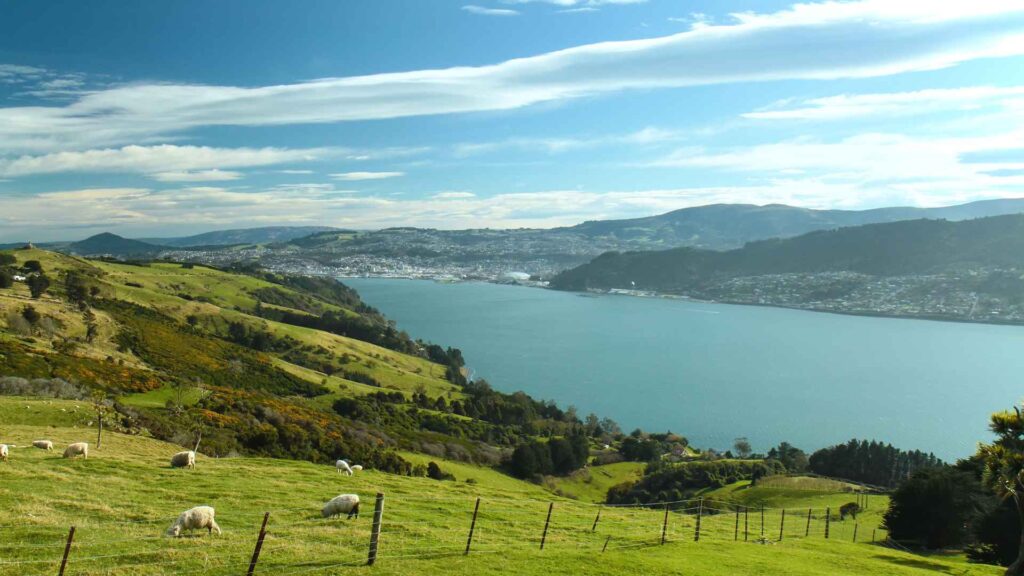
Dunedin is not a step-off-the-ship city for most cruise passengers. Large vessels usually berth at Port Chalmers, a working harbor community outside central Dunedin, so every good plan begins with transport and ends with a generous return margin.
The reward is a port call with real range. You can spend the day among Victorian and Edwardian architecture, travel onto the Otago Peninsula for rare wildlife, or stay close and enjoy Port Chalmers at a much slower pace.
My quick take
For a first visit, I would choose either central Dunedin or a properly booked Otago Peninsula excursion. Trying to combine a detailed city visit, Larnach Castle, and multiple wildlife sites usually produces more windshield time than pleasure.
My personal choice is the peninsula when wildlife conditions and the ship schedule align. Dunedin’s center is appealing and easy to understand, but the coastal landscapes and conservation experiences are what make this call unlike another heritage city.
Dunedin cruise port quick facts
- Main berth: Port Chalmers cruise terminal
- Other possibility: Some smaller vessels may use a Dunedin berth
- Typical arrival: Alongside rather than by tender
- Best city focus: The Octagon, railway station, and museums
- Best nature focus: Otago Peninsula and Taiaroa Head
- Currency: New Zealand dollar
- Planning priority: Confirm berth and return transport before leaving
Where your ship docks
Port Otago provides cruise facilities at Port Chalmers and in Dunedin, though Port Chalmers handles the large ships most visitors picture. Your cruise line’s daily program is the final authority on the assigned berth.
Port Chalmers is an active port with controlled areas, so passengers follow designated walkways and shuttle procedures. Do not attempt shortcuts across cargo spaces even if a map makes the route appear direct.
The terminal area often includes visitor information and transport coordination during scheduled calls. Services depend on the ship and day, making onboard announcements more reliable than an old fare or timetable found online.
Port Chalmers itself has cafes, galleries, historic buildings, and elevated viewpoints. It is a reasonable destination in its own right for travelers who prefer not to take the longer ride into Dunedin.
Getting from Port Chalmers to Dunedin
Cruise shuttles commonly connect Port Chalmers with central Dunedin, but the operator, price, and drop-off arrangement can vary. Confirm whether you need a ticket, where the return queue forms, and when the final shuttle leaves.
The road trip generally takes around half an hour, with traffic capable of extending it. On a multi-ship day, queues at both ends deserve their own time allowance.
Public buses can be an economical option, and current journey planning is available through Otago Regional Council. I would check the live timetable and payment instructions rather than assume a route number or cash policy remains unchanged.
Taxis and prearranged tours work well for small groups, especially when the itinerary continues directly to the peninsula. Agree on the return pickup and leave buffer for narrow roads, city traffic, and port access.
A strong independent city day
Begin around the Octagon, Dunedin’s central civic space, then walk toward the railway station through the heritage core. The compact route gives you architecture, cafes, public art, and a sense of the city without requiring another vehicle.
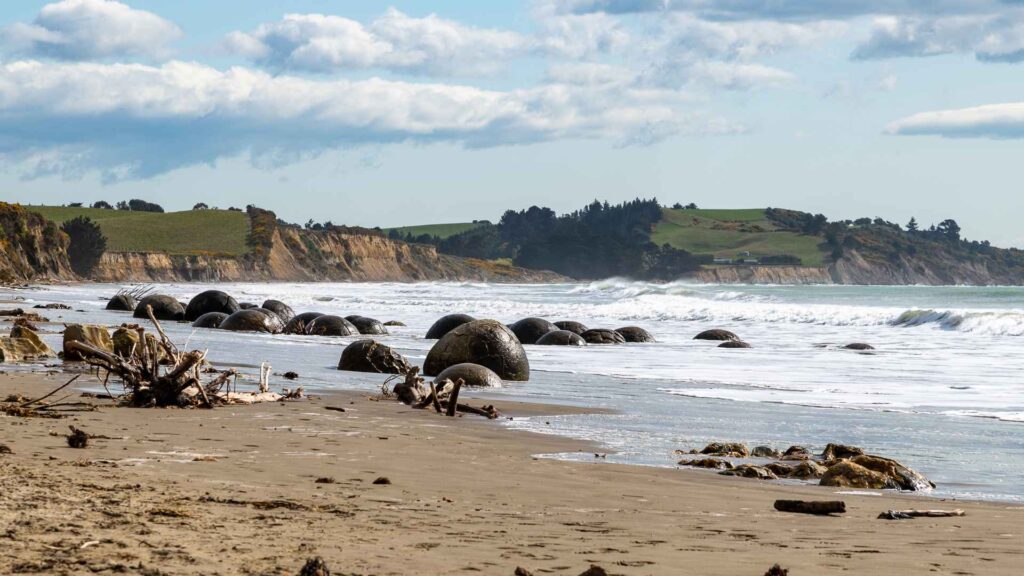
Dunedin Railway Station
The ornate railway station is one of Dunedin’s signature landmarks, with dark basalt, pale stone trim, mosaic floors, and stained glass. Train operations and interior access can change, so appreciate the building without assuming a regular excursion will run on your port day.
Some cruise lines sell special scenic rail experiences when schedules permit. Treat those as distinct booked excursions rather than a service you can simply join after arriving downtown.
Toitū Otago Settlers Museum
Toitū Otago Settlers Museum stands near the railway station and explores the region’s people, migration, technology, and social history. It is an excellent weatherproof choice and a useful counterweight to admiring historic facades without understanding who built the city.
Otago Museum
Otago Museum lies north of the Octagon near the university precinct. Its collections and exhibitions cover natural science and human cultures, but I would check current galleries and walking time before adding it to a short visit.
Street art and heritage streets
Dunedin mixes grand nineteenth-century buildings with a strong contemporary street-art scene. A self-guided loop around the center works especially well when you want flexibility instead of another admission schedule.
The city is hillier than its compact map suggests. Keep steep residential sights such as Baldwin Street as optional additions rather than the foundation of an easy walking day.
Otago Peninsula wildlife
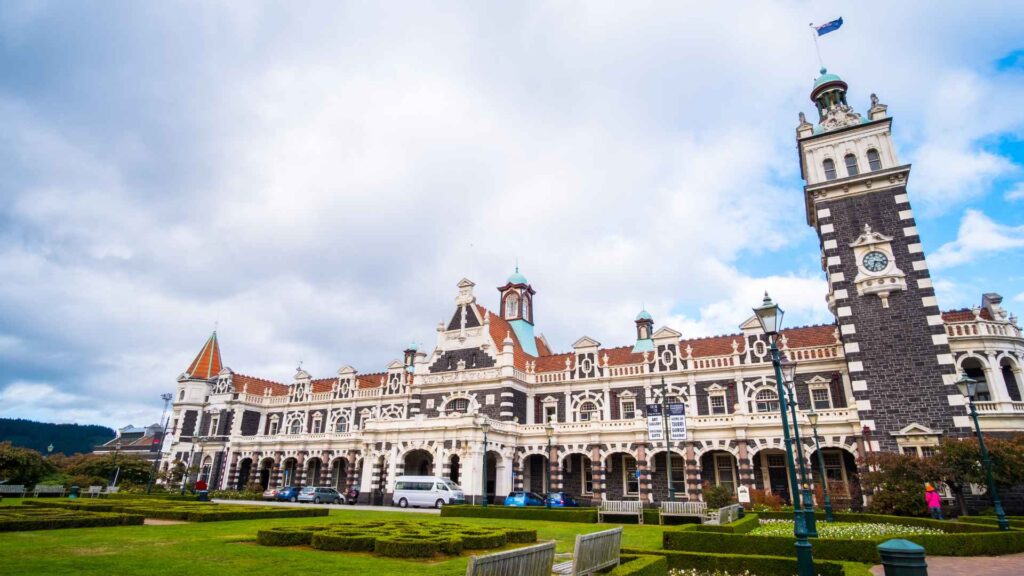
The Otago Peninsula reaches along the harbor toward Taiaroa Head, combining farmland, cliffs, beaches, and wildlife habitat. Distances are manageable by road, but winding sections and separate attraction entrances make a guided plan valuable.
Royal albatross
The Royal Albatross Centre at Taiaroa Head offers managed visits to the mainland breeding colony of northern royal albatross. The birds are wild, viewing depends on season and conditions, and no responsible operator can promise a particular display.
Book the appropriate tour in advance if this is your priority. The headland is far from the cruise berth by road, and timed access must fit inside the ship’s call.
Penguins and seals
The peninsula supports kororā, or little penguins, and hoiho, the endangered yellow-eyed penguin, along with fur seals and other seabirds. Many penguin experiences occur on protected private land or at specific viewing times, so this is not a casual roadside wildlife stop.
Follow guide instructions, keep your distance, and never block an animal’s route between sea and nest. The New Zealand Department of Conservation explains why hoiho need space and careful protection.
Late-day wildlife timing may conflict with an afternoon sailing. A ship excursion is often the safest format when the activity runs close to all aboard.
Larnach Castle
Larnach Castle is a privately owned historic house on the peninsula, known for elaborate interiors, gardens, and harbor views. It is commonly marketed as New Zealand’s only castle, though the experience is more accurately understood as a grand colonial residence with a complex family history.
The property can pair well with a panoramic peninsula tour, but combining a detailed castle visit with multiple wildlife tours requires careful sequencing. Confirm which rooms, gardens, meals, and admissions your excursion includes.
The site’s slopes, stairs, and historic fabric affect accessibility. Contact the attraction or operator directly if step-free access is essential.
Port Chalmers without the transfer
Staying in Port Chalmers can be a deliberate choice rather than a fallback. The town has maritime history, creative businesses, historic streets, and viewpoints over Otago Harbour.
I would begin at the visitor information point, ask what is open, then build a compact walk around the main streets. Hours can be shaped by the cruise schedule, and smaller galleries or cafes may not operate every day.
Elevated viewpoints require climbing, while the working port limits where pedestrians may wander. Wear shoes with grip and stay within public areas.
This slower plan suits repeat visitors, poor weather, and anyone who wants an easy return to the ship. It also leaves room for spontaneous conversation instead of a day governed by coach departures.
How I would plan by call length
A short call
Explore Port Chalmers or take a shuttle into central Dunedin for one focused loop. I would not attempt the far end of the peninsula unless the cruise line offers an excursion designed for the exact hours.
About six useful hours
Choose central Dunedin with a museum, or book one peninsula experience with transport included. Avoid trying to make the city, castle, and several wildlife stops equal priorities.
A long daytime call
A well-designed peninsula circuit can combine scenic stops, a wildlife experience, and possibly Larnach Castle. A city visit can also expand to museums, gardens, the university precinct, or a reserved food experience.
Weather, clothing, and seasonal reality
Dunedin weather is famously changeable, and the peninsula can be windier and cooler than the center. Pack a waterproof outer layer, warm mid-layer, sun protection, and secure headwear.
Wildlife activity varies by season, time of day, wind, and breeding cycle. Read the operator’s current description instead of assuming every species appears equally on every visit.
Even in summer, exposed viewpoints can feel cold after a warm coach. Closed shoes with reliable tread are a better default than beach footwear.
Accessibility and practical details
Alongside docking removes the tender step, but gangway gradients still depend on tides and berth conditions. Ask the cruise line for ship-specific mobility information before sailing.
Central Dunedin has accessible attractions and relatively compact blocks, though hills appear quickly beyond the core. The peninsula presents a more varied mix of coach steps, gravel, slopes, and viewing structures.
Wheelchair and scooter users should confirm shuttle capacity as well as the precise route inside each attraction. An accessible vehicle does not automatically mean every stop on a tour is step-free.
New Zealand uses the New Zealand dollar, and cards are common for visitor purchases. Check the day’s payment rules for public transport and small vendors rather than relying on assumptions from another country.
Biosecurity and wildlife etiquette
New Zealand maintains strict biosecurity controls, particularly when travelers arrive from overseas with food, plant material, or outdoor equipment. Declare anything requested by officials and follow the instructions provided by your ship and border agencies.
Clean soil from walking shoes and equipment before travel, especially if you plan to visit farms or sensitive natural areas. Local operators may add site-specific requirements designed to protect wildlife and habitats.
Never use flash, food, noise, or close approaches to force an encounter. A distant wild penguin behaving naturally is a better experience than a closer animal pushed off its route.
Timing mistakes I would avoid
Do not plan the day as if Port Chalmers were central Dunedin. The transfer belongs in your schedule twice, with waiting time added at both ends.
Do not reserve separate peninsula attractions without checking the road time between them. Pins that look close across the harbor may require a long drive around the shoreline.
Do not treat wildlife as a guaranteed performance. Choose an ethical experience whose guides make the landscape and conservation work worthwhile even when sightings are quiet.
Most importantly, do not aim for the final possible shuttle. I would return early enough to absorb a full vehicle, a traffic slowdown, or confusion at the drop-off point.
Quick answers
Where do cruise ships dock for Dunedin?
Most large cruise ships use Port Chalmers, outside central Dunedin. Smaller vessels may use another Port Otago facility, so verify your own berth.
Can I walk from Port Chalmers to Dunedin?
No, it is not a practical cruise-day walk. Use the cruise shuttle, public bus, taxi, or a prearranged tour.
Can I see albatross and penguins in one day?
A coordinated peninsula excursion may include opportunities for both, depending on season and timing. Confirm the actual visits and remember that sightings of wild animals are never guaranteed.
Is Dunedin easy to explore independently?
Central Dunedin is well suited to an independent walking day once you complete the transfer from Port Chalmers. The peninsula is easier with organized transport because attractions are dispersed.
My final port-day choice
For clear weather and a long call, I would book a conservation-minded Otago Peninsula outing and let wildlife and landscape lead the day. I would choose the city instead when the weather is rough, museum time matters more, or I want complete flexibility.
Port Chalmers is my sensible third option, especially on a repeat visit or short call. It keeps the ship close while still offering a place with its own maritime identity.
If your itinerary continues around New Zealand, compare my Akaroa cruise port guide for another South Island wildlife gateway. The Wellington cruise port guide covers a capital-city call with very different logistics.
How this guide was researched: This guide uses current information from Port Otago, Otago Regional Council, official Dunedin attractions, and New Zealand conservation sources. Logistics and time-sensitive details were reviewed in September 2026, and our standards are explained in the Editorial Policy.