Adelaide Cruise Port: A Practical Guide to Outer Harbor
Adelaide is my favorite kind of cruise stop: a calm, walkable capital with world-class wine country on its doorstep. Your ship ties up at Outer Harbor, about 12.5 miles northwest of the city, and a train gets you downtown in around 45 minutes.
My quick take on Adelaide
Come for the wine valleys and the easy, cultured city, not for the port itself. The terminal is a train ride from town, so plan your day around one region rather than trying to cram in everything.
If Adelaide is part of a longer loop, it pairs naturally with my Melbourne and Hobart guides, and sits inside the wider Australia cruise ports overview.
The quick facts
- Where you land: the Adelaide Cruise Terminal at Outer Harbor, run by Flinders Ports, roughly 12.5 miles northwest of the CBD.
- Dock or tender: Ships berth alongside at Outer Harbor, so you walk straight off with no tender lines.
- Into town: Outer Harbor station is a short signed walk from the terminal, and trains take about 40 to 45 minutes to Adelaide Railway Station. Port Adelaide is closer than the CBD but still requires a train, taxi, or tour.
- Currency and language: The Australian dollar (AUD), and English.
- Time zone: Australian Central Daylight Time (ACDT, UTC+10:30) during the October to April cruise season, ACST (UTC+9:30) in winter.
- How often the call is missed: Low (roughly 1 to 2%): the sheltered berth is rarely limited by local weather.
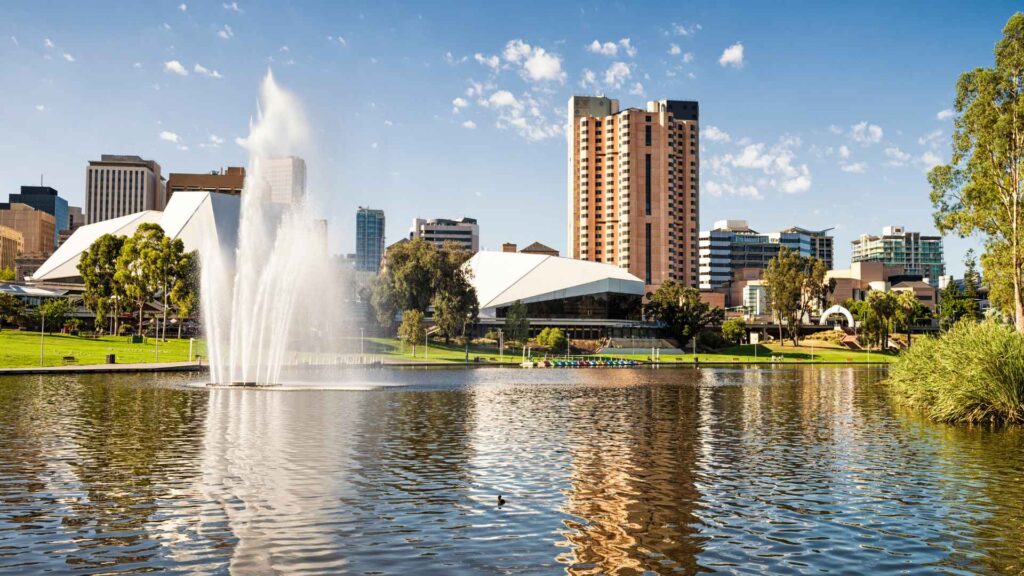
Adelaide is a gentle place to find your feet on a first cruise. For more of that reassurance, see my first-timer cruise ports guide.
Getting from Outer Harbor into the city
The simplest option is the train. The Outer Harbor line starts near the terminal and runs straight to Adelaide Railway Station in about 45 minutes.
Adelaide Metro accepts supported contactless cards and devices on trains, or you can use its current ticket products. Fare media and temporary service changes evolve, so check the official journey planner and save the return departures before leaving the terminal.
Taxis and rideshare (Uber and others) wait near the terminal and reach the CBD in roughly 30 minutes without traffic. For the wine regions, a pre-booked tour or a rental car makes far more sense than trying to piece it together yourself.
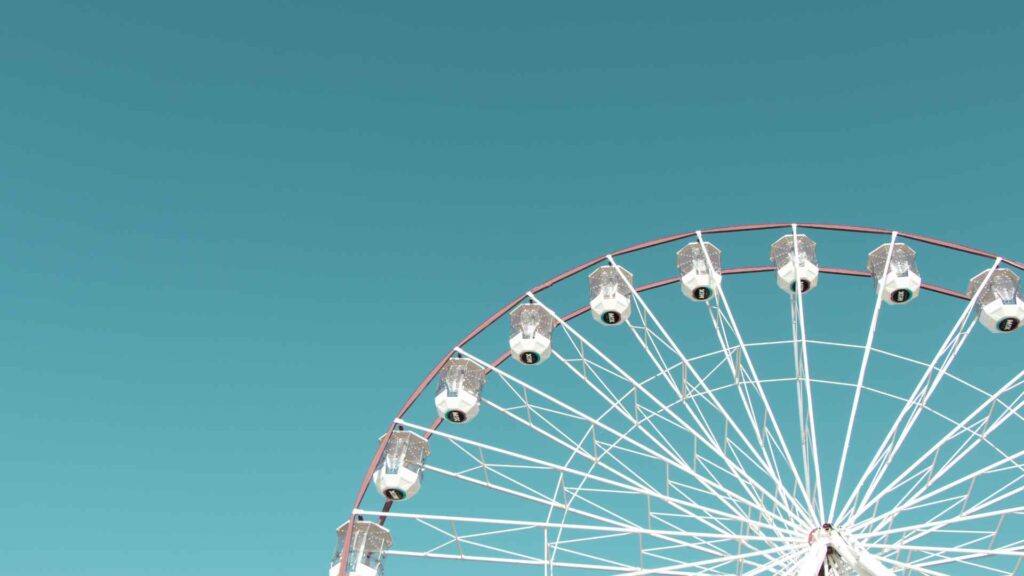
Choose one direction from Outer Harbor
For a city day, take the train to Adelaide Railway Station, then walk North Terrace and use the tram for the market or Glenelg. For Port Adelaide, leave the train earlier and focus on the maritime museum and waterfront rather than riding all the way downtown first.
Wine country works best on a tour that collects at Outer Harbor because returning through the CBD wastes time. McLaren Vale is usually the better match for coastal scenery, the Barossa is the classic choice for Shiraz, and the Adelaide Hills fit travelers who want shorter drives and Hahndorf.
A rental car offers freedom but creates tasting, parking, and late-return problems. A private or ship tour costs more, yet it gives you a driver, reservations, and a clear cutoff for the trip back to the ship.
The stops I’d actually spend time on
Adelaide is known as the “20-minute city” because so much sits within a short hop of the center. Here is where I would spend my hours ashore.
North Terrace: museums and gardens
- South Australian Museum: free entry and home to a renowned Australian Aboriginal Cultures gallery, right on North Terrace.
- Art Gallery of South Australia: also free, with a strong Australian and international collection a few steps away.
- Adelaide Botanic Garden: a lush, walkable park at the eastern end of North Terrace, lovely for a slow hour.
Central Market and city treats
- Adelaide Central Market: one of the largest undercover produce markets in the southern hemisphere, packed with cheese, bakeries and coffee. Note it is closed Sundays and Mondays.
- Haigh’s Chocolates: Australia’s oldest family-owned chocolate maker, founded in Adelaide in 1915. The Beehive Corner shop is a fitting souvenir stop.
- Adelaide Oval and the RoofClimb: the elegant stadium offers a RoofClimb with wide views over the city and the hills for anyone wanting a jolt of adrenaline.
Glenelg and Port Adelaide
- Glenelg: the easiest beach outing, reached by a historic tram from the city center. Jetty Road is all cafes, sand and sunset.
- Port Adelaide: the historic port near the terminal, with heritage warehouses and the South Australian Maritime Museum.
- Port River dolphins: a resident dolphin population lives in the estuary, and kayak or boat cruises head out to look for them.
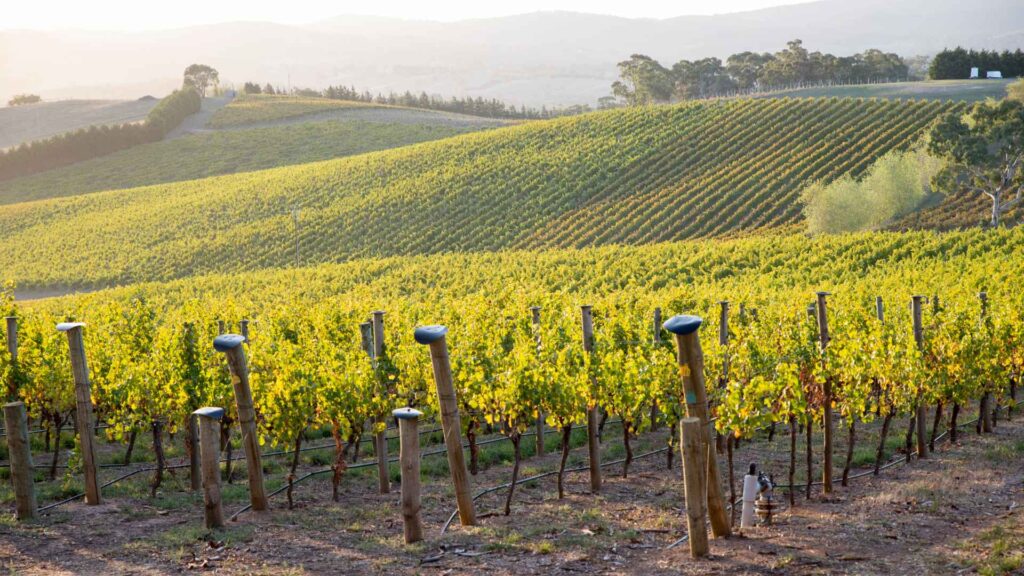
The wine regions: Adelaide’s real headline
If you only do one thing here, make it wine country. Three of Australia’s great regions ring the city, and all are doable on a port day with a tour or a car.
- Barossa Valley: about an hour northeast and one of the world’s great Shiraz regions, per South Australia’s tourism board. Seppeltsfield and Jacob’s Creek are among the marquee cellar doors.
- McLaren Vale: roughly 45 minutes south, closer than the Barossa and paired with coast, so you can add a beach like Port Willunga.
- Adelaide Hills and Hahndorf: cool-climate wines plus Hahndorf, Australia’s oldest surviving German settlement, with bakeries and pubs.
- Cleland Wildlife Park: in the hills above the city, one of the few places you can walk among kangaroos and see koalas up close.
Kangaroo Island is spectacular but too far for a single cruise day once you factor in the ferry. Save it for a land trip rather than risking your ship’s all-aboard.
Opening days, accessibility, and timing
Check the Central Market calendar before building the day around it because it does not trade every day and holiday hours vary. Museums can also change gallery access, while cellar doors often require reservations for groups.
The terminal and station route are generally level, and central trams and major museums offer accessible options. Wine tours vary by vehicle and cellar door, so request step-free transport and seating before payment rather than assuming every stop can accommodate a mobility device.
For an independent city day, board a train that returns to Outer Harbor at least 60 to 90 minutes before all-aboard. For a wine tour, require arrival at the terminal at least 90 minutes early because a road incident outside the city can erase the buffer quickly.
How I’d plan the day
- Short day (about 4 hours): stay local. Wander Port Adelaide, the Maritime Museum and a dolphin cruise, all near the terminal.
- Half day (5 to 6 hours): take the train into the city for North Terrace, the Central Market and Haigh’s, with time for a coffee before heading back.
- Full day (8 hours plus): book a wine tour to the Barossa, McLaren Vale or the Adelaide Hills, and let someone else drive.
Whatever you choose, build in a return buffer. Trains and tour traffic can run late, so aim to be back at Outer Harbor at least an hour before all-aboard.
There is a full rundown of where to stay in our hotels near Adelaide cruise port guide.
When to go, and the weather
Adelaide has a Mediterranean climate, and the cruise season leans to the warm months. Summer (December to February) is hot and dry, sometimes above 95°F, so pace yourself and carry water.
Spring and fall are gentler and my pick for touring. UV is strong here year-round, so sunscreen and a hat are worth packing whatever the month.
Quick answers
Do Adelaide cruise ships dock or tender?
They dock. Ships berth alongside at the Outer Harbor cruise terminal, so you walk off directly with no tender boats involved.
How do I get from the port to the city?
The Outer Harbor train line runs to Adelaide train station in about 45 minutes. Taxis and rideshare reach the CBD in around 30 minutes.
Can I visit the Barossa on a port day?
Yes. The Barossa is about an hour from the city, so a guided wine tour or rental car makes it a comfortable full-day outing (Kangaroo Island, by contrast, is too far).
Sailing elsewhere in the region? My Sydney cruise port guide is a useful next read.
How this guide was researched: Unless a first-hand visit is explicitly identified above, this guide is based on independent research using official port, tourism, transit, government, and attraction sources where available. Logistics and time-sensitive details were reviewed in September 2026. See our Editorial Policy.