Hobart Cruise Port Guide: Docking, Walking Into Town and Top Stops
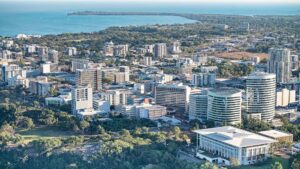
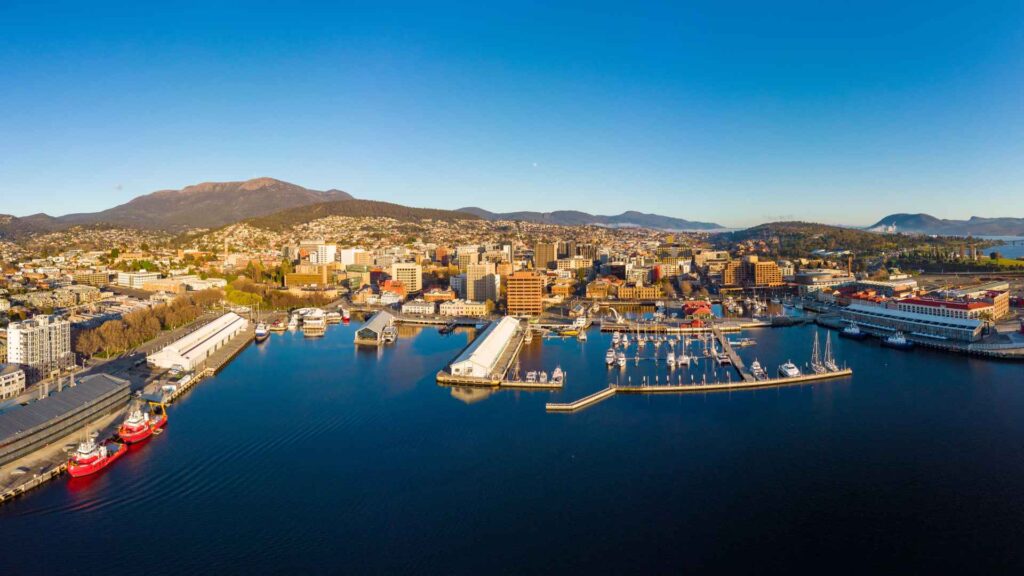
Hobart is the rare cruise stop where your ship parks a short walk from a Georgian waterfront, a Saturday market, and a mountain summit. As Tasmania’s capital, it packs history, wild scenery, and seriously good food into one easy port day.
Here is how I would plan it so nothing feels rushed.
My quick take on Hobart
This is one of the most walkable ports in the region, so I would skip a bus tour and explore on foot. It pairs naturally with a wider Australia cruise ports itinerary.
If you like ports where you step off and start walking, Hobart belongs on your list of walkable cruise ports.
Quick Facts
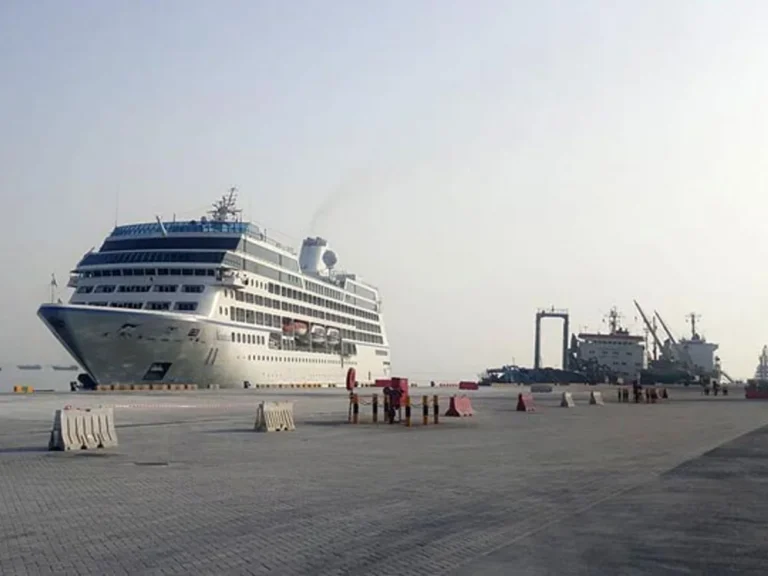
- Where you land: Macquarie Wharf 2/3 is Hobart’s primary cruise berth and is home to the Macquarie Wharf No. 2 Cruise Terminal. A second ship can use adjacent Macquarie Wharf 4/5, per TasPorts.
- Dock or tender: You come alongside the wharf and walk straight off onto the pier, whichever Macquarie berth you are given.
- Into town: About a 10 minute walk.
- Currency and language: The Australian dollar (AUD), and English.
- Time zone: Australian Eastern Daylight Time (AEDT, UTC+11) during the October to April cruise season, AEST (UTC+10) in winter.
- Operational caution: Port traffic, strong wind, and the ship’s operating plan can change arrival details.
How I would confirm my own berth
The Port of Hobart can handle two cruise ships at once, so the assignment can shift between Macquarie Wharf 2/3 and the adjacent 4/5 berth. TasPorts routes cruise visitors through the main terminal, and passengers from 4/5 may have an additional controlled walk.
Check your ship’s daily program the night before for your assigned wharf. If you want the detail, the TasPorts cruise page lays out the Macquarie Wharf setup.
If you are flying in the night before, our guide to hotels near Hobart Cruise Port Guide cruise port compares the options by distance from the terminal.
Getting around
On foot is the answer for most of the day. Salamanca, Battery Point, the museums, and Constitution Dock are all within a comfortable walk of the wharf.
Taxis and rideshare: Available near the terminal, handy for the summit or the botanical gardens if you would rather not walk uphill.
MONA ferry: The museum’s high-speed catamaran leaves from Brooke Street Pier on the waterfront, an easy walk from the ship (more below).
Rental car: Worth it only if you are committing to a longer day trip like Port Arthur or the Huon Valley.
Pick the right transport for the hill
Hobart’s waterfront needs no transport, but kunanyi / Mount Wellington does. The summit road can close for snow, ice, fire danger, or severe weather, so use an operator with a lower-elevation backup and do not make a nonrefundable private booking without checking the forecast.
MONA requires both a timed museum entry and a matching ferry or road transfer. It is a strong choice for art lovers on a medium or long call, while families and first-time visitors may get more variety from Salamanca, TMAG, and Battery Point.
Port Arthur is the best full-day history excursion but uses about three hours on the road in total. A ship tour is worth the premium on a normal call because the site is far beyond a safe taxi or public-bus fallback.
The stops I’d actually spend time on
Salamanca Place: A row of honey-colored Georgian sandstone warehouses, once whaling stores, now galleries, cafes, and shops. It is a five-minute walk from the wharf.
Salamanca Market: If your ship is in on a Saturday, you luck into one of Australia’s best-loved street markets, with hundreds of stalls filling Salamanca Place. Fun fact: it has run every Saturday for decades and is a genuine local institution, not a tourist add-on.
Battery Point: The historic village-within-a-city just uphill from Salamanca, full of 19th-century cottages and narrow lanes. Loop back down via Kelly’s Steps.
MONA (Museum of Old and New Art): A bold, provocative private museum built into a riverside cliff. The fun part is getting there: MONA’s own ferry runs up the Derwent from Brooke Street Pier in about 30 minutes each way, so budget a big chunk of your day if you go.
kunanyi / Mount Wellington: The roughly 4,170-foot peak looming over the city, with a summit lookout that takes in Hobart, the Derwent, and half of southern Tasmania. There is no walking it in a port day, so drive or take a tour up; Discover Tasmania has the details.
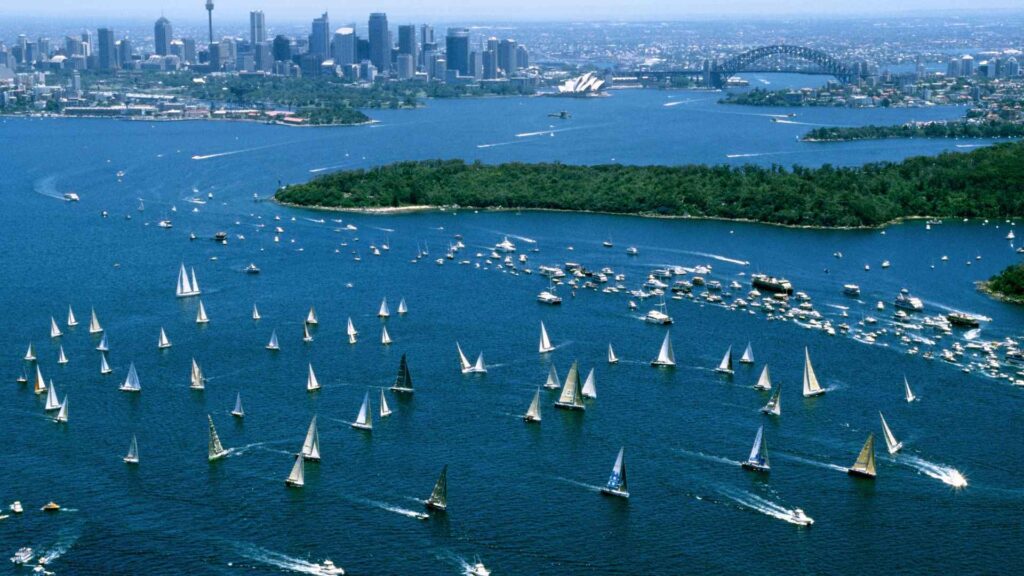
Constitution Dock: The little working harbor where you grab fish and chips from a floating punt. Fun fact: this is the finish line of the famous Sydney to Hobart Yacht Race each late December.
Tasmanian Museum and Art Gallery (TMAG): Free to enter and steps from the waterfront, covering Tasmanian Aboriginal culture, colonial history, and natural history including the thylacine.
Royal Tasmanian Botanical Gardens: A short taxi ride from the wharf, known for its rare Subantarctic Plant House. A calm counterpoint to the busy waterfront.
Cascade Brewery: Set below the mountain in a grand 1800s facade. Fun fact: founded in 1824, Discover Tasmania calls it the country’s oldest operating brewery.
Bonorong Wildlife Sanctuary: About half an hour out of town, this is your reliable chance to see Tasmanian devils, wombats, and quolls up close. Fun fact: it doubles as a rescue and rehabilitation center for injured native wildlife.

How I’d plan the day
Short on time (about 3 hours): Walk to Salamanca Place, browse the warehouses (or the Saturday market), climb Kelly’s Steps into Battery Point, then loop back along the waterfront for fish and chips at Constitution Dock.
Half day (about 5 hours): Add the Tasmanian Museum and Art Gallery, or catch the MONA ferry if you would rather trade the walking for the museum and the river ride.
Full day (about 8 hours): Pick one big outing, either the summit of kunanyi / Mount Wellington or MONA, then keep the rest of the day for Salamanca and the waterfront. Give yourself a generous buffer to be back aboard well before all-aboard time.
Day trips if you have a long call
Port Arthur is the standout, a haunting World Heritage convict site about 90 minutes each way by road, so it really needs a full-day tour. Richmond, with its 1820s bridge and gaol, is closer and pairs well with Bonorong.
Bruny Island is a foodie and wildlife favorite, but the ferry crossing and driving make it tight on a short call. Confirm timings with your cruise line before you commit.
Schedules and return buffers
Salamanca Market operates on Saturdays, so on any other day treat Salamanca Place as a warehouse, gallery, and dining precinct rather than expecting market stalls. MONA, ferries, breweries, and wildlife encounters also have timed admission, so confirm the day’s opening before leaving the ship.
For MONA, book a ferry that returns to Brooke Street Pier at least 90 minutes before all-aboard. For kunanyi or Richmond, start the drive back with the same cushion; for Port Arthur or Bruny Island, make it two hours unless the ship protects the excursion.
Weather in Hobart and on the summit can be completely different. Carry a warm layer and rain shell even when the waterfront is sunny, and skip the summit if cloud removes the view and road conditions make the journey the main event.
A realistic word on accessibility
The wharf and waterfront are flat and easy to roll along, and the CBD is close. Battery Point and kunanyi involve real hills, so plan around your own comfort.
Gangway steepness depends on the tide and your berth, so ask the crew about the setup on your specific day. Ports like this show up on my list of first-timer-friendly cruise ports for good reason.
When to go, and the weather
The cruise season runs through the Southern Hemisphere summer, roughly October to April, with warm days often in the upper 60s to low 70s°F. Even then, Hobart weather turns quickly, so pack a layer.
Late December brings the Sydney to Hobart finish and a buzzing waterfront. Winter is cold, with snow possible on the summit.
Quick answers
Can I walk into Hobart from the cruise ship?
Yes. The terminal is within about 1/2 mile of the CBD, and Salamanca Place and the waterfront are just a few minutes on foot.
Do ships tender at Hobart?
Most scheduled cruise calls berth alongside at Macquarie Wharf 2/3 or 4/5. Always check the ship’s daily program because an operational change can alter the landing plan.
Is MONA doable on a port day?
It can be, but the ferry is about 30 minutes each way plus your time inside, so it eats most of a day. Check the ferry schedule against your all-aboard time first.
Planning more of the region? See my guides to Sydney and Melbourne to round out an Australian itinerary.


How this guide was researched: Unless a first-hand visit is explicitly identified above, this guide is based on independent research using official port, tourism, transit, government, and attraction sources where available. Logistics and time-sensitive details were reviewed in September 2026; see our Editorial Policy.