Albany Cruise Port: ANZAC History & The Gap, WA Guide
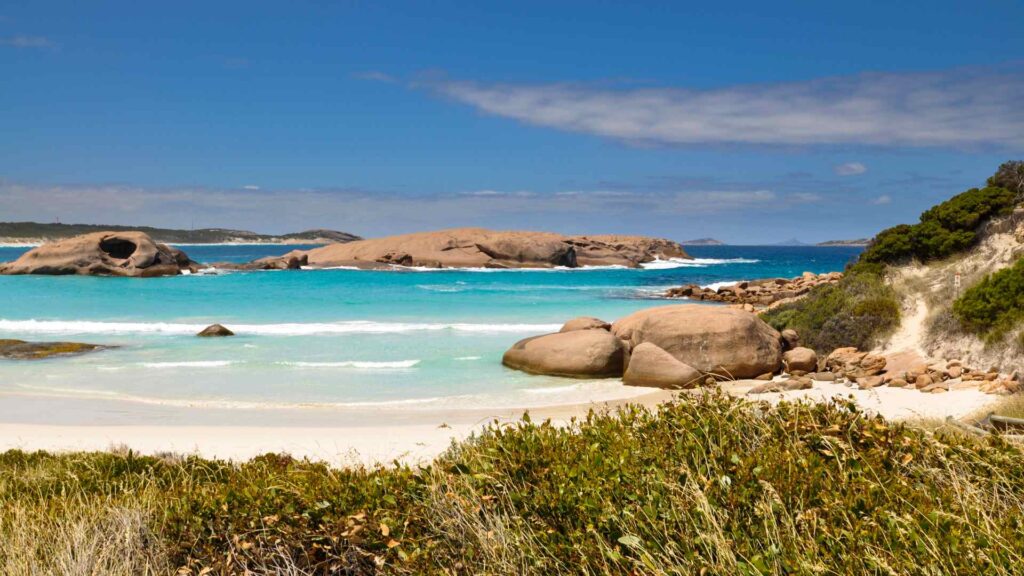
Albany is the Western Australian port I would choose when I want one day to contain both a deeply Australian story and a wild Southern Ocean horizon. The city sits on the protected waters of Princess Royal Harbour and King George Sound, while granite cliffs, beaches, and national park landscapes begin just beyond town.
The challenge is distance, not a shortage of things to do. ANZAC history, The Gap, the Historic Whaling Station, the waterfront, and Middleton Beach pull in different directions, so a good port day needs one clear theme and a realistic transport plan.
Quick Facts
- Port type: secure working harbor with cruise arrangements that can vary by ship
- Core history stop: National Anzac Centre at Albany Heritage Park
- Signature coastal stop: The Gap and Natural Bridge in Torndirrup National Park
- Major museum outing: Albany’s Historic Whaling Station at Frenchman Bay
- Best easy day: waterfront, town center, and one focused museum
- Currency: Australian dollar, with card payment widely used
- Weather reality: wind and rapid coastal changes matter in every season
- Ellie’s rule: choose either a history-first day or a coast-first day before you leave the ship
Arriving at Albany Cruise Port
Cruise ships call at the Port of Albany, which Southern Ports manages as an active commercial harbor. Passenger movement follows security and operational arrangements for the specific visit rather than a permanent leisure-terminal routine.
Your cruise line may provide a shuttle or controlled transfer from the berth to a visitor drop-off point. Confirm the process in the daily program because walking independently through a secure working port may not be permitted.
Albany’s sheltered inner waters can feel calm even when the Southern Ocean is rough beyond the headlands. A berth call is more reliable than a tender operation, but weather and port operations can still alter arrival, departure, or excursion timing.
Keep your ship card and required identification with you, then photograph the shuttle return point and final departure time. If several buses are running, ask whether the last departure leaves from the same place where you arrived.
Getting around Albany
Central Albany is compact enough for a pleasant walk between the waterfront, York Street, the Museum of the Great Southern precinct, and nearby heritage sites. The National Anzac Centre sits uphill at Mount Clarence, while The Gap and the whaling station require road transportation.
Cruise excursions are the simplest option for a first visit because they align transportation with the ship’s schedule. A private guide or pre-booked taxi offers more flexibility, but vehicle supply can tighten when a large ship arrives.
Do not rely on finding a rental car after stepping ashore. Reserve in advance, confirm pickup and return locations, and remember that Australians drive on the left.
Mobile coverage is generally useful in town, but download maps before heading into the national park. Save the ship agent’s number and allow a broad return buffer because a beautiful coastal road is still a road with no alternate ship.
National Anzac Centre
The National Anzac Centre is the place I would protect on a history-first Albany day. Its location at the Princess Royal Fortress overlooks the waters where Australian and New Zealand troop convoys gathered before departing during the First World War.
The museum uses personal stories to connect national history with individual people. Give it enough time to absorb the voices and choices rather than treating it as a quick viewpoint stop.
Albany Heritage Park includes more than the main museum, with military structures, memorials, lookouts, and walking routes across Mount Clarence and Mount Adelaide. The terrain and wind can make a short distance feel more demanding, so choose the elements that fit your mobility and port hours.
ANZAC Peace Park on the waterfront adds another layer to the story and is easier to combine with central sightseeing. Visiting both helps connect the troop departure narrative to the modern city’s geography.
The Gap and Natural Bridge
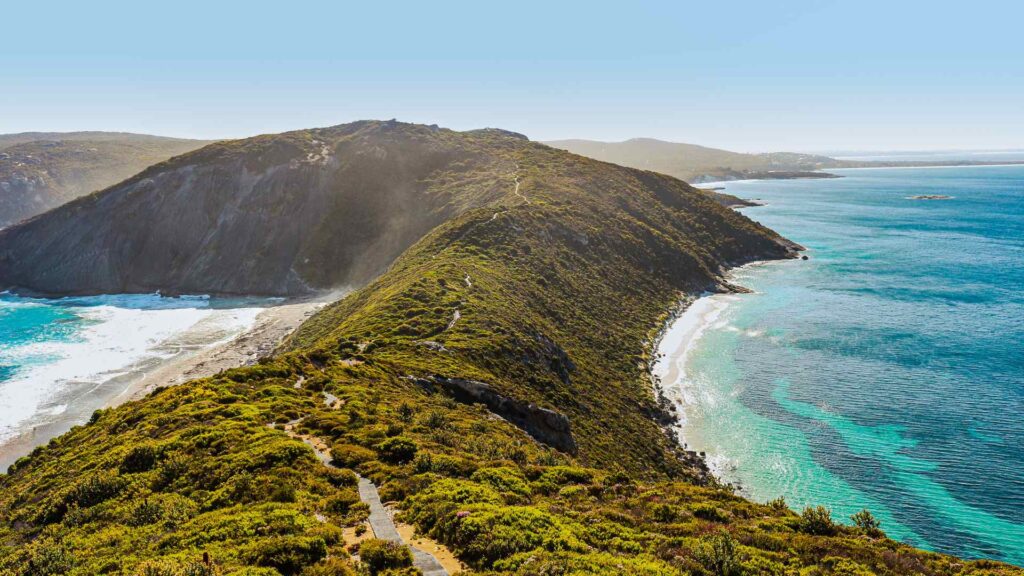
The Gap is Albany’s dramatic coastal signature, where a cantilevered viewing platform projects above pounding water in Torndirrup National Park. Natural Bridge lies nearby, shaped by the same relentless ocean against ancient rock.
These are managed national park sites, not informal roadside overlooks. Stay on designated paths and behind barriers, obey closures, and never step onto wet coastal rock for a photograph.
Weather is part of the spectacle, but wind, rain, sea spray, and poor visibility can change the experience quickly. Check official park information and alerts before leaving town.
The Gap pairs naturally with a coastal scenic drive, but I would not keep adding distant stops until the route becomes a race. The return to Albany should include generous time for road conditions and the ship shuttle.
Albany’s Historic Whaling Station
Albany’s Historic Whaling Station at Discovery Bay preserves the former Cheynes Beach Whaling Company site. It confronts the industrial history of whaling while showing how Albany’s relationship with whales has changed.
The complex includes original structures, machinery, exhibits, and the whale chaser Cheynes IV. It needs more time than a simple photo stop, especially if you want to understand both the work and the ethical shift that followed the station’s closure.
This is the best choice for travelers who enjoy social and maritime history, but the subject can be confronting. Families should consider how younger visitors respond to images and descriptions of commercial whaling.
The site lies beyond central Albany near Frenchman Bay, so transport must be planned. It can combine with The Gap on a carefully timed excursion, though trying to visit every exhibit and every coastal lookout in one short call will feel rushed.
Museum of the Great Southern
The Museum of the Great Southern sits near the waterfront and is the easiest substantial cultural stop for independent walkers. Its setting connects local history, natural history, and the long human story of the Great Southern region.
This is where I would go if weather turns against a coastal excursion or if the National Anzac Centre is too demanding to reach. Check current gallery access and opening hours through the official museum before the cruise.
Nearby heritage buildings and the replica Brig Amity create an attractive cluster. Choose the museum pieces that interest you rather than assuming every building can be explored in a single hour.
Menang Noongar culture
Albany lies on Menang Noongar Country, and its human history did not begin with European ships. A thoughtful visit should recognize continuing Aboriginal connection to land, water, plants, animals, and story.
Look for interpretation led or endorsed by local Aboriginal people, and use the place names and guidance provided at official sites. Do not photograph cultural material, ceremonies, or individuals when signs or hosts ask you not to.
This context changes the way the harbor and national park are understood. The coast is not an empty wilderness discovered by a later arrival, but a cultural landscape with deep and living meaning.
Albany waterfront and ANZAC Peace Park
The waterfront is the simplest low-stress port day. ANZAC Peace Park, the marina, harbor views, public art, and nearby museums can fill several hours without a long road excursion.
This plan works especially well for travelers with a shorter call, limited mobility, or uncertain weather. Add a cafe on York Street and you have a satisfying day that never depends on a distant vehicle.
Ask the shuttle host where the return stop is before beginning the walk. Albany’s slopes are gentle in some areas and more noticeable in others, so save energy for the route back.
York Street and central Albany
York Street is the practical spine of central Albany, with shops, cafes, services, and views toward the harbor. It is a useful place for lunch, local products, pharmacy needs, or a quiet hour between museums.
Look beyond the main street for heritage architecture and smaller cultural sites, but respect private property and local businesses. A cruise visit should feel like spending time in a regional city, not moving through a temporary tourism set.
Sunday and public-holiday hours can be limited. If one particular gallery or restaurant matters, confirm it is open on the exact date of your call.
Middleton Beach
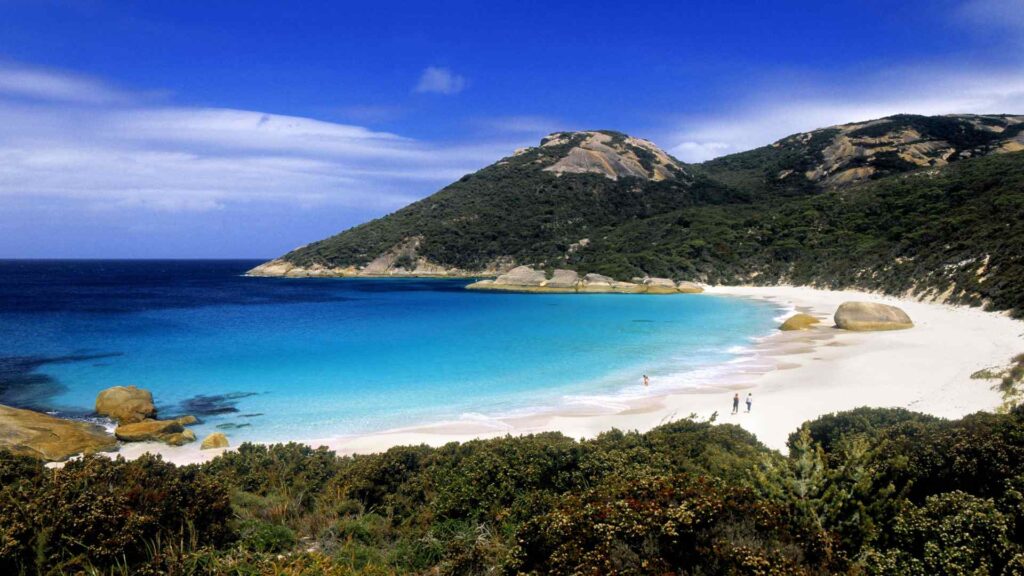
Middleton Beach offers a gentler coastal experience than Torndirrup’s cliffs. It is a good choice for a scenic walk, coffee, or a relaxed family stop when conditions are pleasant.
Swimming decisions should follow current beach signs, patrol information, and local conditions. Southern water can be cold, and a calm-looking surface does not eliminate currents or changing weather.
The beach combines well with Mount Clarence or a central Albany visit. It does not combine efficiently with every distant peninsula stop unless your port day is unusually long.
Whale watching and wildlife
Southern right and humpback whales migrate through the region seasonally, but a cruise visit does not guarantee a sighting. The main cruise season and whale movement may overlap differently from year to year.
Use a licensed wildlife operator and keep expectations realistic. Wind and sea conditions can cancel a boat even when the cruise ship is safely berthed inside the harbor.
From land, coastal lookouts may offer wildlife opportunities without committing to a separate vessel. Binoculars add more value than a long lens if your goal is simply to enjoy the search.
A history-first port day
Begin with a transfer to the National Anzac Centre and allow unhurried museum time. Continue through the heritage park only as far as your pace allows, then return toward ANZAC Peace Park and the waterfront.
Have lunch in town and add the Museum of the Great Southern if energy remains. This plan provides depth, keeps most of the afternoon near the ship shuttle, and works even if coastal weather is poor.
I would not bolt The Gap onto this day unless the ship has a long call and transportation is firmly arranged. Two meaningful history stops are better than a rushed cliff photograph.
A coast-first port day
Travel first to The Gap and Natural Bridge while timing and visibility are favorable. Continue to the Historic Whaling Station if the excursion allows enough museum time, or choose Frenchman Bay and a scenic return instead.
This route demands a vehicle and disciplined timing. Keep the final hour near Albany rather than adding one more remote beach on the way back.
If a park closure or severe weather removes The Gap, switch to the whaling station, National Anzac Centre, or central museums. A good backup plan preserves the character of the day without arguing with the Southern Ocean.
A gentle independent day
Use the ship shuttle into town, walk the waterfront, visit ANZAC Peace Park, and choose one nearby museum. Continue up York Street for lunch and local shopping, then return with an earlier shuttle.
This is not a lesser Albany experience. The harbor, regional history, and pace of the city come through more clearly when you are not watching a tour bus clock.
Travelers who want a viewpoint can ask the visitor center about a taxi to Mount Clarence and a return pickup. Do not assume a car will wait at the top without a reservation.
Weather and what to wear
Albany’s weather can change rapidly, with wind, showers, bright sun, and cool air arriving in the same day. Bring a waterproof outer layer, sun protection, and secure footwear even when the forecast looks mild.
The Gap can feel far colder and windier than the sheltered waterfront. Hats need chin straps or a firm fit, and loose items should stay inside a zipped bag.
Bushfire conditions, storm damage, maintenance, or emergency activity can close roads and park sites. Check official alerts on the morning of the call and accept the closure without seeking an unofficial route.
Accessibility
Albany’s central waterfront offers some of the easiest surfaces, while heritage buildings, hills, coastal trails, and vehicle steps add complexity. The Gap precinct includes accessible viewing infrastructure, but current access and weather still need confirmation.
Ask the cruise line about the berth shuttle, wheelchair or scooter capacity, lift-equipped vehicles, and the exact walking distance at each attraction. An accessible museum does not guarantee the tour coach or roadside stop is accessible.
At the National Anzac Centre, confirm parking, drop-off, elevator, restroom, and companion arrangements directly. At the whaling station, ask which historic structures and vessels can be entered without steps.
Food, money, and connectivity
The Australian dollar is the local currency, and card payment is common. Carry a physical card and a modest cash backup because a small market stall or temporary connection issue may limit electronic payment.
Albany’s cafes showcase Great Southern produce, seafood, wine, and regional flavors. Save alcohol tasting for a tour with safe transportation and remember that port security and cruise-line rules apply when bringing purchases aboard.
Mobile coverage is generally good in the city but can vary along the coast. Download the map and excursion confirmation before leaving the berth.
Common mistakes
The first mistake is assuming Albany means Albany, New York. Check that every excursion, weather forecast, and map refers to Albany in Western Australia.
The second mistake is trying to combine the National Anzac Centre, The Gap, the entire whaling station, a beach, and a long lunch. Distances and museum time make that checklist unrealistic for many calls.
The third mistake is stepping beyond barriers on the coast. Powerful waves and slippery rock do not care how quickly you plan to take the photograph.
The fourth mistake is depending on an unreserved taxi for a remote return. Arrange both directions and keep the driver’s contact details.
My verdict
Albany is a superb port for travelers who enjoy history with a strong sense of landscape. The National Anzac Centre gives the city emotional depth, while Torndirrup and the whaling station reveal the force and complexity of its relationship with the sea.
Choose one of those stories as the spine of the day, then add the waterfront rather than another distant attraction. You will remember Albany more clearly when you leave a little space for wind, water, and the extraordinary harbor.
Confirm berth access and cruise-day passenger arrangements through Southern Ports and your cruise line before travel. Check opening hours, road conditions, park alerts, accessibility, and weather through the National Anzac Centre, Western Australia’s official park service, and the individual attraction.