Muroran Cruise Port: Piers, Cliffs and Curry Ramen
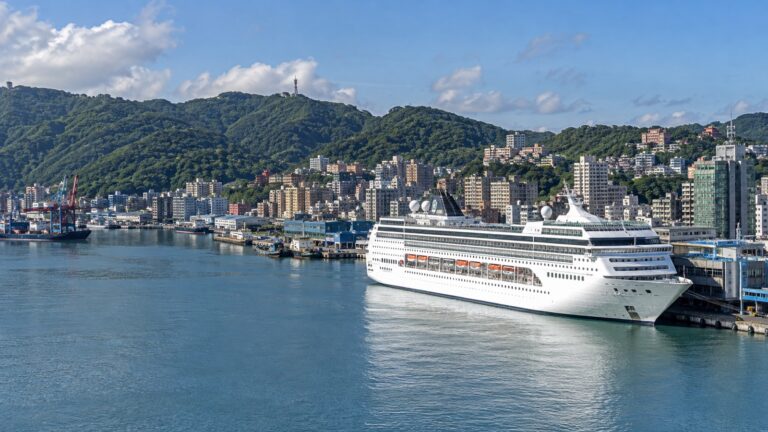
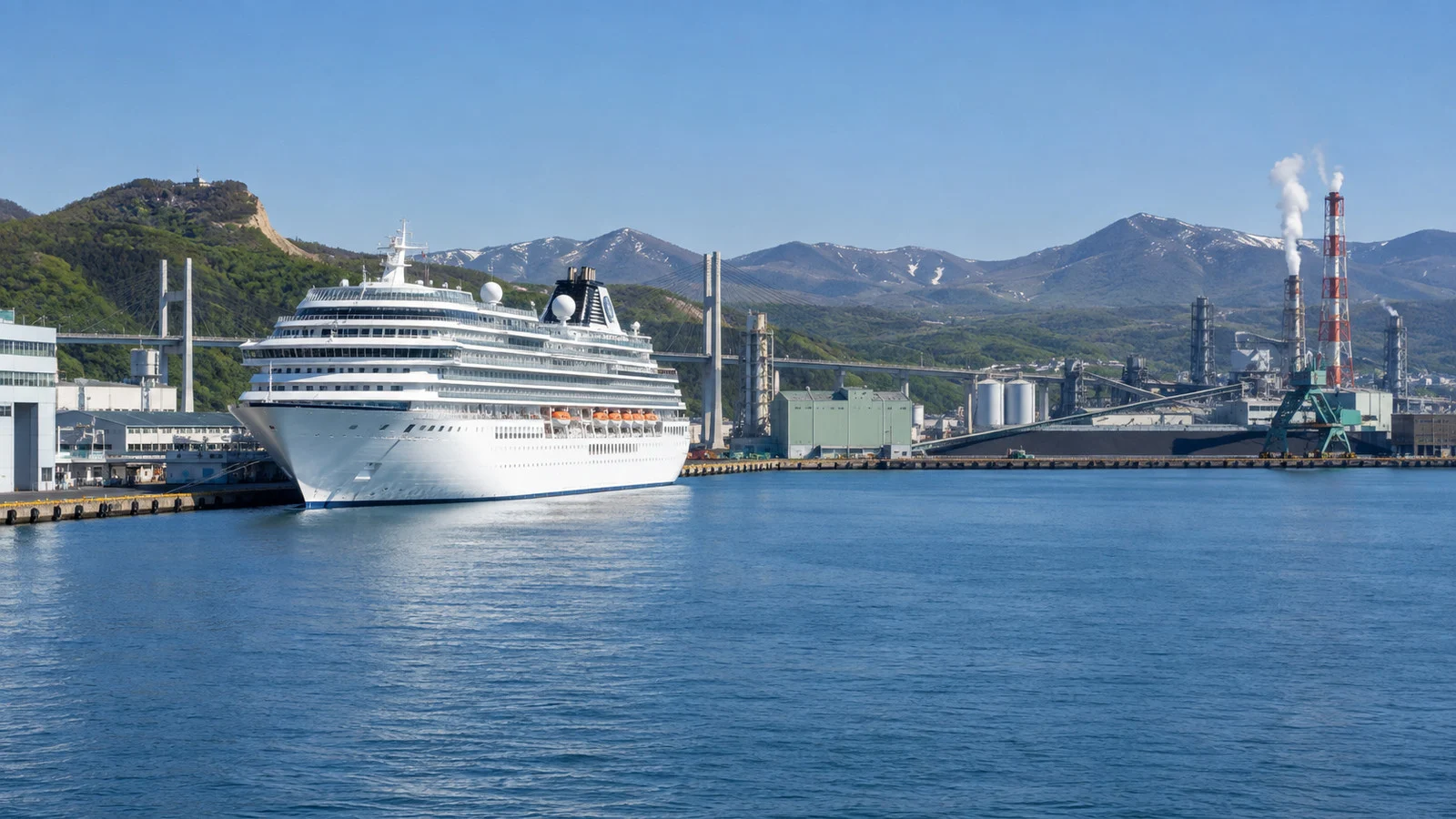
Muroran is not the Hokkaido port that shouts for attention, and that quiet character is part of its appeal. Your ship slips into a working harbor framed by green headlands, a gleaming suspension bridge, and the deep blue water of Uchiura Bay.
This is a port where a focused plan pays off. You can keep the day local for sea cliffs and city food, head to Noboribetsu for volcanic scenery and hot springs, or accept that Sapporo is a long outing best handled with the ship.
Muroran cruise port quick facts
- Country: Japan
- Island and prefecture: Hokkaido, Hokkaido Prefecture
- Port type: Working harbor with three cruise berths listed by Muroran City
- Possible berths: Central Pier, Shukutsu Pier, or Sakimori Pier
- Tender: Berthing is normal, but always confirm the day’s arrangements with your ship
- Best local sight: Cape Chikyu and its dramatic coastal cliffs
- Best regional day trip: Noboribetsu Onsen and Jigokudani, also called Hell Valley
- Local specialty: Muroran curry ramen, plus the city’s distinctive pork yakitori
- Useful official checks: Muroran City for cruise calls and the Japan Meteorological Agency for weather
My quick take
Choose one main experience and protect the return to the ship. Cape Chikyu is the strongest local choice, while Noboribetsu is the clearest full excursion if volcanic Hokkaido is high on your list.
I would not build a complicated independent day around a distant train connection unless the port call is unusually long. Muroran rewards a simpler rhythm: one scenic outing, one bowl of curry ramen, and enough time to watch the harbor at work.
Where cruise ships dock in Muroran
Muroran City currently identifies three cruise berths: Central Pier for small and midsize ships, and Shukutsu or Sakimori for larger vessels. The city also notes that vehicle access inside the pier is restricted while a cruise ship is alongside, so do not assume a taxi can drive directly to the gangway.
Your cruise line’s daily program is the deciding source for your berth, shuttle stop, and all-aboard time. Even if an itinerary or an older port guide names a particular pier, operations can change with the ship, traffic, weather, and port instructions.
Central Pier
Central Pier is the most convenient starting point for central Muroran and the railway station area. If you are assigned here, walking into town may be practical, but the exact pedestrian route can be shaped by temporary port controls.
Ask the terminal team which gate is open before setting off. A route that looks direct on a map may not be the route passengers are permitted to use through an active industrial harbor.
Shukutsu Pier
Shukutsu sits farther west, near the harbor entrance and the Hakucho Bridge area. It can be a good launch point for organized sightseeing, although the central shopping and station district is not something I would casually treat as a short walk.
If the cruise line provides a shuttle, note both its drop-off point and final return time before leaving. Take a phone photo of the sign, because berth names and English spellings can blur together after a busy day.
Sakimori Pier
Sakimori is another large-ship berth away from the compact city center. Independent passengers should expect to rely on a shuttle, taxi, arranged driver, or tour rather than simply stepping into a sightseeing district.
This is the berth where advance planning matters most. Confirm whether taxis will meet passengers at the controlled gate, and keep the ship’s local contact details with you.
Getting oriented after you leave the ship
Muroran spreads around a broad, sheltered harbor, so a destination on the opposite shore may be farther away than it appears. Roads follow the waterfront and headlands rather than drawing a neat line across the map.
JR Muroran Station is useful for local orientation, but it is not the same stop as Higashi-Muroran, the area’s more important rail junction. Check the station name character by character before boarding, especially if an independent rail plan depends on a transfer.
Taxis are the easiest way to link a berth, Cape Chikyu, and a meal in limited time. Have the destination saved in Japanese, and ask the driver or visitor staff for a realistic pickup plan instead of assuming a return cab will be waiting at a scenic viewpoint.
The best local outing: Cape Chikyu
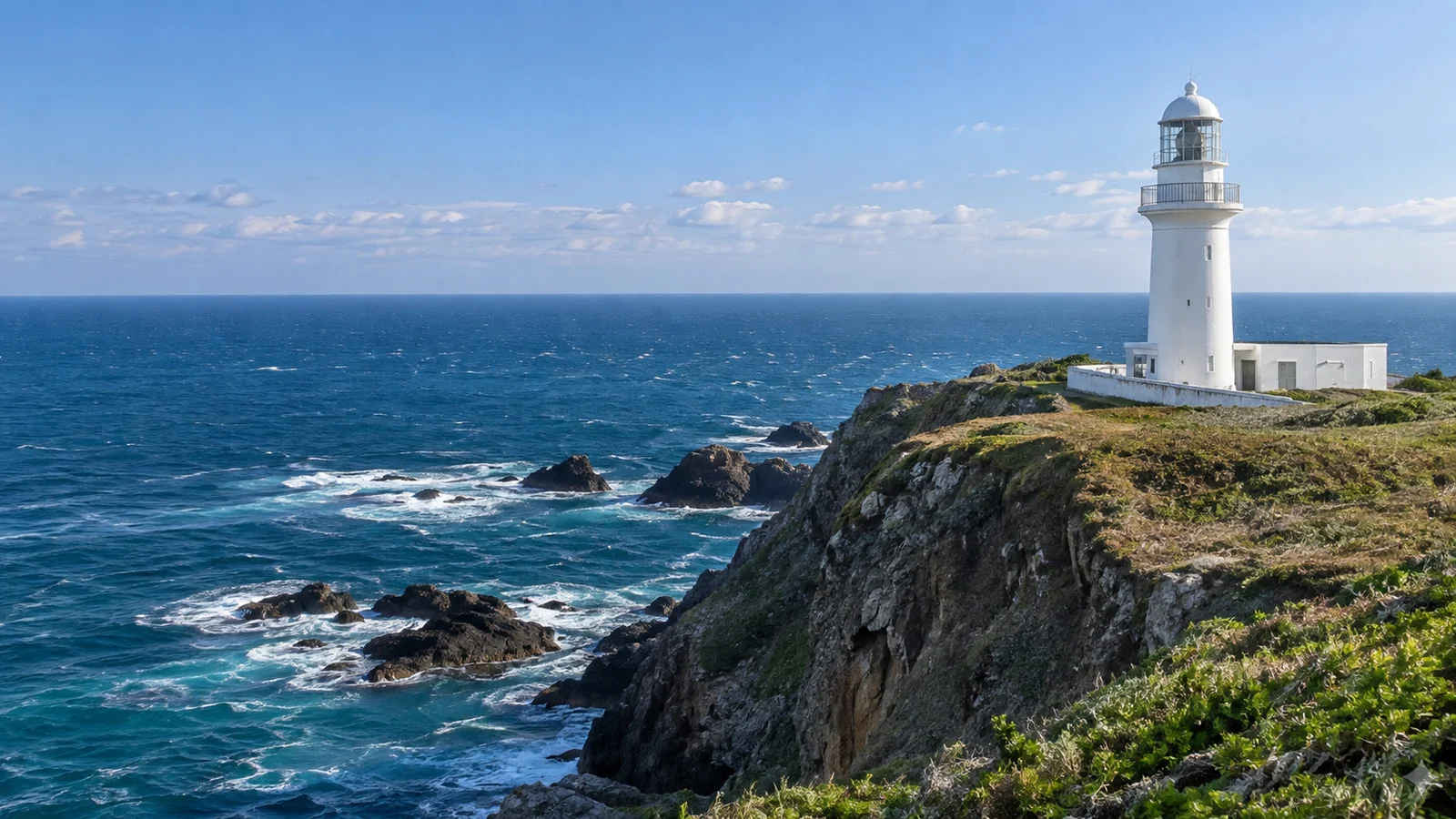
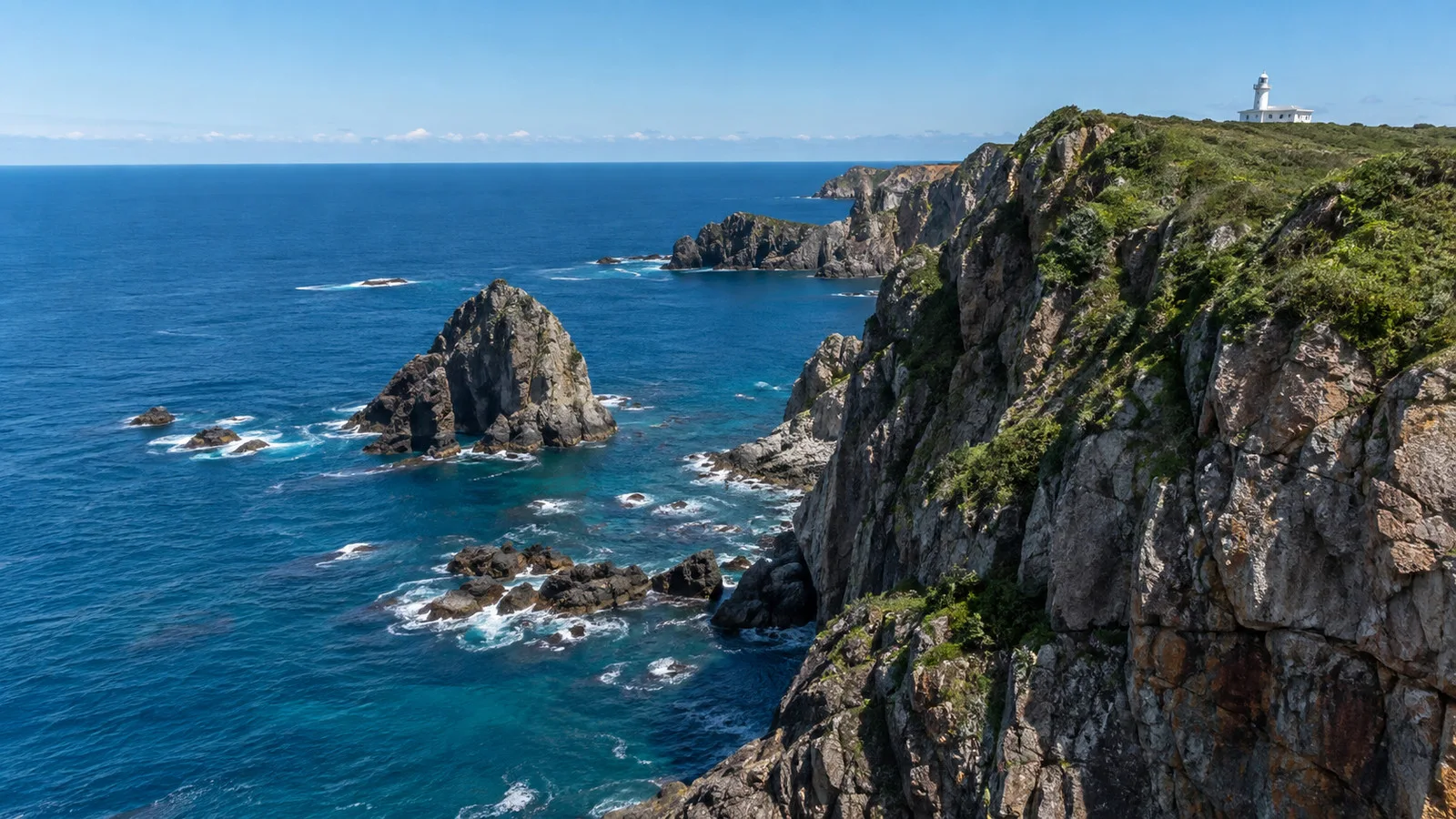
Cape Chikyu is Muroran’s signature landscape, a wind-shaped headland at the southern end of the Etomo Peninsula. Hokkaido’s official tourism organization describes cliffs around 100 meters high and places the lighthouse about 130 meters above sea level.
On a clear day the view opens across the Pacific in a broad blue sweep. In mist or strong wind, the drama changes rather than disappears, but the exposed setting can feel much colder than the port.
The lighthouse first shone in 1920 and is generally viewed from outside. Do not plan on entering it, because public openings are limited to selected occasions rather than normal cruise-day access.
Official visitor information says the cape is about a 35-minute walk from JR Bokoi Station and has a small paid parking area. For a cruise call, a taxi or organized tour is usually the more time-efficient approach because rail schedules, the uphill walk, and your return buffer all have to fit.
Wear shoes with dependable grip and bring a wind layer even when the town feels mild. The viewpoint area includes slopes and steps, and gusts can make an umbrella more nuisance than help.
Hakucho Bridge and the harbor landscape
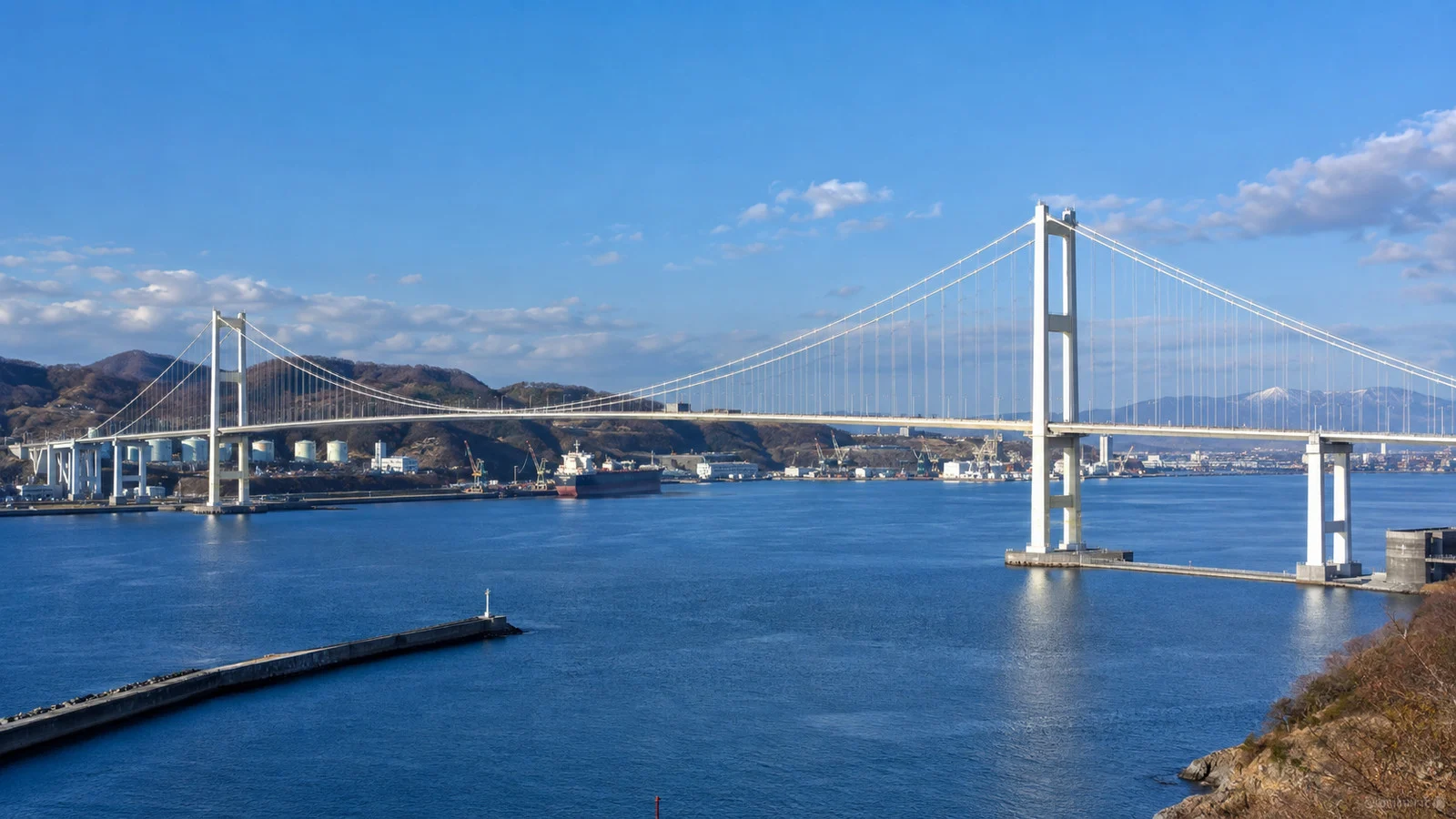
Hakucho Bridge is the white suspension bridge that gives Muroran’s industrial panorama its elegant focal point. Its name means swan, an apt image for the bright towers and cables stretching across the port entrance.
The bridge is part of the city’s everyday infrastructure, not a pedestrian attraction you should expect to cross on foot. The most satisfying cruise-day experience is usually seeing it from a waterfront viewpoint, a vehicle tour, or the ship as you arrive and sail away.
Muroran’s steelworks, docks, patrol vessels, and cargo traffic are part of the view rather than scenery to screen out. That mix of industry, cliffs, and open water can be more memorable than a polished tourist district.
Dolphin and whale watching
Seasonal wildlife cruises operate from Muroran, with Hokkaido’s official tourism site describing a season from June to around mid-August and outings of roughly 150 minutes. The operator may offer more than one departure, but cruise passengers must verify the current schedule and boarding point directly.
The waters can hold dolphins, porpoises, and several whale species, yet no wildlife sighting is guaranteed. Treat the voyage itself as part of the experience and book only if the return timing leaves a generous margin for delays.
A small-boat excursion can feel cool even in summer. Bring a secure hat, a waterproof outer layer, and any motion-sickness remedy you know works for you.
Noboribetsu and Hell Valley
Noboribetsu is Muroran’s standout regional excursion, especially if this is your only chance to see Hokkaido’s volcanic side. Jigokudani, or Hell Valley, is a steaming crater landscape formed by the activity of Mount Hiyori, with vents, mineral-stained ground, and hot water feeding the resort’s baths.
The main valley paths begin close to the hot-spring town, but some routes include slopes, steps, and uneven ground. Conditions can change with snow, rain, geothermal activity, or maintenance, so follow signs and barriers instead of stepping toward a better photo angle.
A ship excursion is the lowest-stress choice because transport and the vessel’s schedule stay linked. Independent travelers should price a taxi or carefully check rail and bus connections, then build in time for the transfer back from the resort area.
Decide whether your priority is walking in the valley or soaking in an onsen. Trying to add a full bath, a long trail, shopping, lunch, and multiple transport changes can turn a beautiful day into a clock-watching exercise.
Onsen etiquette in brief
Most traditional baths are used without swimwear, and guests wash thoroughly before entering the shared water. Tattoo policies vary by property, so check directly rather than assuming a small covering will always be accepted.
Keep towels out of the bath and move quietly around the bathing area. If a communal onsen does not suit you, look for a private bath or a hotel facility with a clearly stated visitor policy.
Should you try Sapporo from Muroran?
Sapporo is possible on some long calls, but it is not the relaxed choice from Muroran. The journey consumes a meaningful share of the day, and rail connections or road conditions can erase your margin faster than the map suggests.
If Sapporo is essential, I would favor a cruise-line excursion and choose a short list of priorities. The city has enough museums, markets, parks, and food neighborhoods for several days, so a rushed sampler can feel like transportation with sightseeing squeezed around it.
For most first-time visitors, Cape Chikyu or Noboribetsu delivers a stronger sense of place with less exposure to a missed-ship problem. Save Sapporo for an itinerary that docks closer or for a land stay before or after the cruise.
What to eat in Muroran
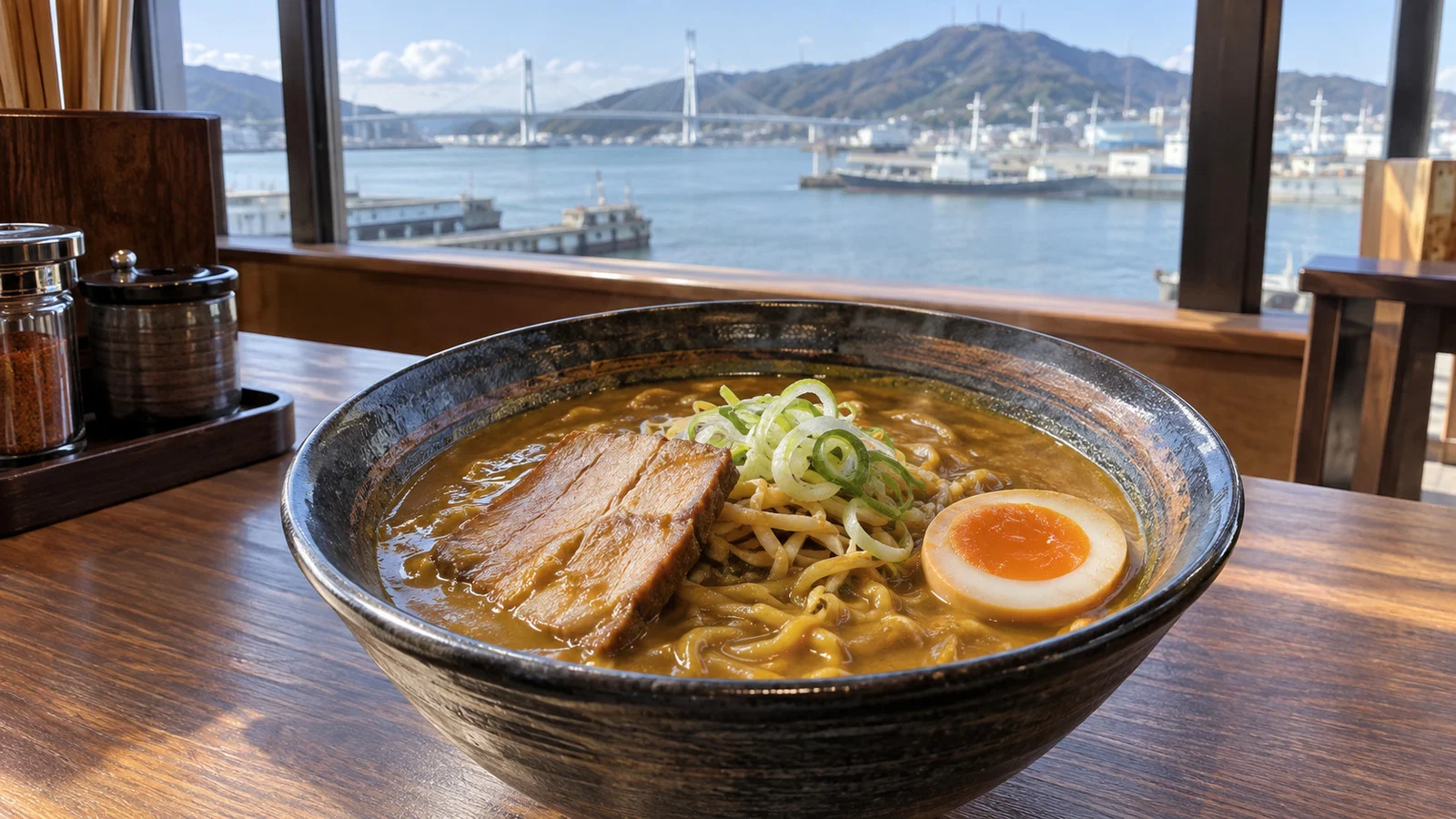
Muroran curry ramen is the bowl to seek out first. Expect springy noodles in a rich curry-flavored broth, with each shop setting its own balance of spice, sweetness, and savoriness.
The other local signature is Muroran yakitori, which can surprise visitors because it traditionally features pork rather than chicken. Pork and onion are grilled on skewers and commonly served with a sharp mustard accent.
Restaurant hours may include a break between lunch and dinner, and smaller businesses can close on a fixed weekday. Pick two possible shops near your actual shuttle route, then check their current hours rather than crossing town for a single name.
Carry some Japanese yen even if you expect to use a card. Japan’s payment landscape is changing quickly, but a small neighborhood restaurant or taxi can still be easier with cash.
Weather, clothing, and seasonal reality
Muroran’s coastal weather can switch from bright to foggy, cool, or windy within the same call. Pack a light waterproof shell and a warm layer that can be added without returning to the ship.
Use the Japan Meteorological Agency for official forecasts and warnings before committing to exposed cliffs or a boat trip. Your captain and port officials may also revise arrival, berth, or departure plans when conditions require it.
Fog can hide the cape’s long view, but it does not make the whole day a loss. A local meal, harbor scenery, and a shorter city circuit form a sensible fallback when visibility closes in.
Accessibility and mobility planning
Do not judge accessibility from the fact that the ship is alongside. Working-port gates, shuttle steps, uneven pavement, scenic slopes, and viewpoint stairs can all shape the day.
Ask the cruise line which shuttle buses can carry a folding wheelchair and whether an accessible vehicle must be reserved. For Cape Chikyu or Noboribetsu, request a route description that covers the full distance from vehicle drop-off to the viewpoint you want.
Travelers who need a low-walking day can still enjoy Muroran through a private vehicle loop, harbor viewpoints, and a restaurant stop. The key is arranging transport before the limited supply of accessible taxis is committed elsewhere.
Three practical ways to spend the day
A relaxed local day
Start with the ship’s shuttle or a taxi into central Muroran, then enjoy an early bowl of curry ramen. Continue by taxi to Cape Chikyu if visibility is good, and finish with a harbor viewpoint before returning to the pier.
This plan keeps the geography compact and gives you room to adjust for weather. It is a practical choice for a shorter call or anyone who dislikes watching the clock.
A scenery-first day
Arrange a driver or join a tour that links Cape Chikyu, coastal overlooks, and views of Hakucho Bridge. Add lunch only after the main viewpoint, so a slow restaurant service does not cost you the landscape you came to see.
Give the driver your ship name, berth, and all-aboard time in writing. Set the return target earlier than the absolute deadline, because port access and traffic near the gate may take extra time.
A Noboribetsu day
Take a ship excursion or prearranged transport to Jigokudani and the onsen district. Choose either a focused valley walk with lunch or a shorter walk followed by bathing, rather than forcing every possibility into one visit.
Return directly to Muroran with a substantial cushion. Any extra harbor sightseeing should be a bonus after you are safely back near the ship, not a stop added while the deadline approaches.
Common Muroran cruise questions
Can I walk from the ship into town?
It depends entirely on your assigned pier and the gate in use. Central Pier may make a walk practical, while Shukutsu and Sakimori usually call for the cruise shuttle, a taxi, or arranged transport.
Will my ship tender?
Muroran City lists three berths used by cruise ships, so alongside docking is the normal expectation. Operational plans can still change, and only the cruise line can confirm the final arrangement for your call.
Can I visit Cape Chikyu independently?
Yes, but a taxi is generally the simplest option for a time-limited port day. Walking from Bokoi Station is possible according to official tourism information, though the walk and rail timing demand more planning.
Is Noboribetsu worth the travel time?
Yes, if geothermal scenery or an onsen experience is one of your Hokkaido priorities. It works best as the main event of the day rather than one stop in an ambitious regional circuit.
Do I need Japanese?
You can manage with a translation app, saved addresses in Japanese, and patience. Download any language or map data you need before leaving the ship, because mobile service can be inconsistent inside large industrial structures or on the coast.
What should I check on the morning of arrival?
Confirm the berth, shuttle details, all-aboard time, forecast, and any tour messages. For current port information use the Muroran City cruise page, and for weather use the Japan Meteorological Agency.
The last word
Muroran works best when you let it be Muroran, not merely a launch pad for somewhere more famous. Its cliffs, working harbor, bridge, and deeply local comfort food make a satisfying day without a heroic itinerary.
Confirm your berth, choose one anchor experience, and leave room for coastal weather to rewrite the edges of the plan. That measured approach is what turns this quiet Hokkaido call into one of the day’s pleasant surprises.
About the author: Ellie writes practical cruise port guides for travelers who want clear choices, realistic timing, and room to enjoy the place.
How this guide was researched: No firsthand Muroran visit is claimed. This guide was checked September 12, 2026 against Muroran City’s current cruise schedule and berth guidance, the Japan Meteorological Agency, and official Hokkaido destination information.