Can You Visit Kyoto During a Cruise Stop in Kobe or Osaka?
Kyoto can fit into a long Kobe or Osaka call, but the train ride is only the neat middle of a messier journey. I count the cruise terminal, city transfer, Kyoto transport, temple time, and early return before choosing one compact area.
My verdict
Go to Kyoto if it is the trip’s main priority, the usable call is comfortably long, and everyone accepts a focused sampler. Stay in Kobe or Osaka when the call is short, arrival is delayed, or the group wants a flexible day without several rail and urban connections.
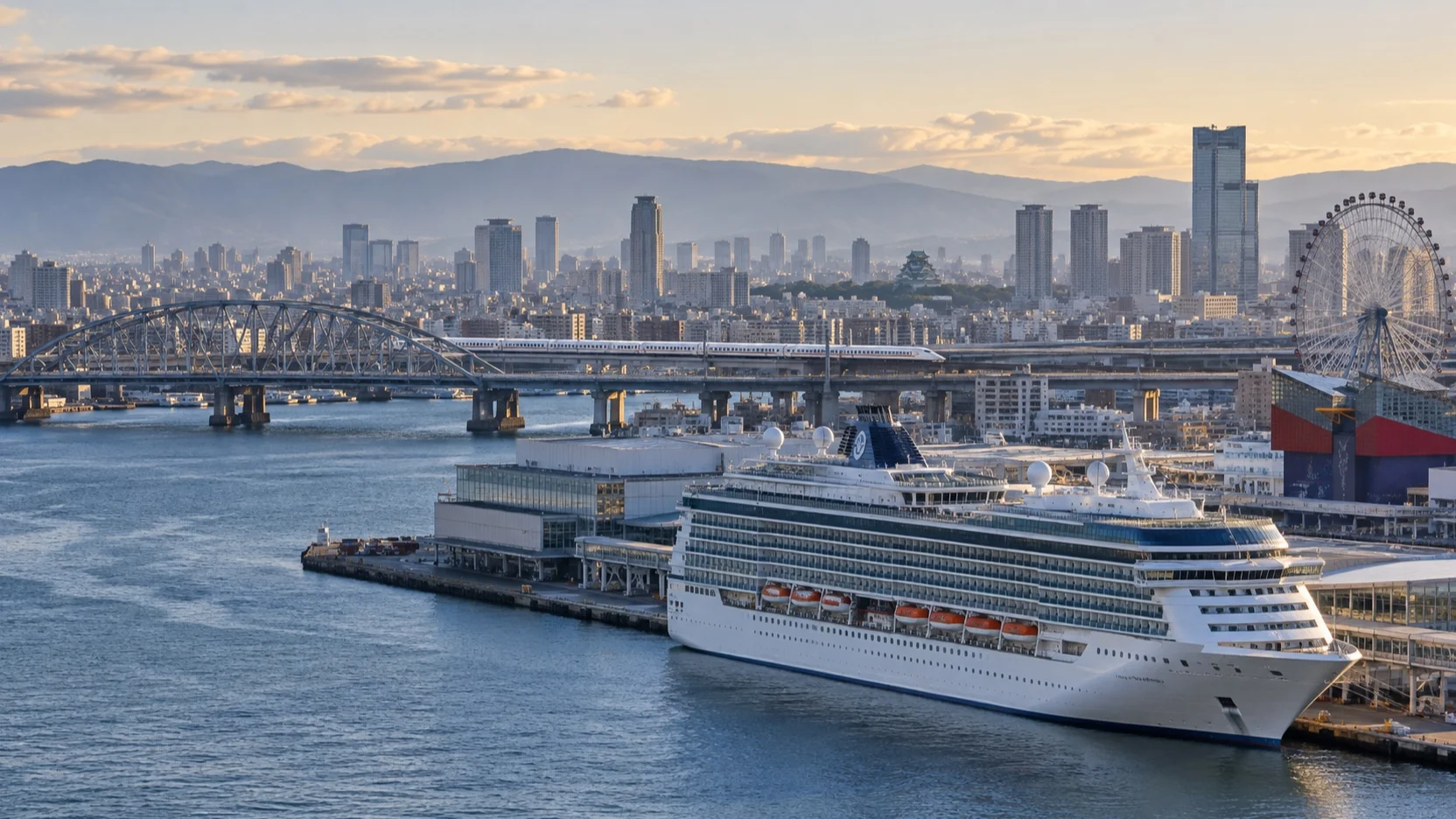
Neither departure port creates a simple walk-off Kyoto visit. Kobe passengers first need to reach a mainline station, while Osaka passengers must move from the bay-area terminal toward a useful rail connection before the intercity portion begins.
Kyoto From Kobe or Osaka Quick Facts
- Long call and Kyoto is nonnegotiable: Choose one Kyoto district because the transfers can be worth a focused visit.
- Short or late call: Stay in Kobe or Osaka because Kyoto’s internal travel removes too much useful time.
- Mobility or transfer concerns: Use a coordinated tour or plan locally because stations and temple approaches can be demanding.
- First Japan visit with several Kansai calls: Match each city to its nearest port so you do not repeat long regional journeys.
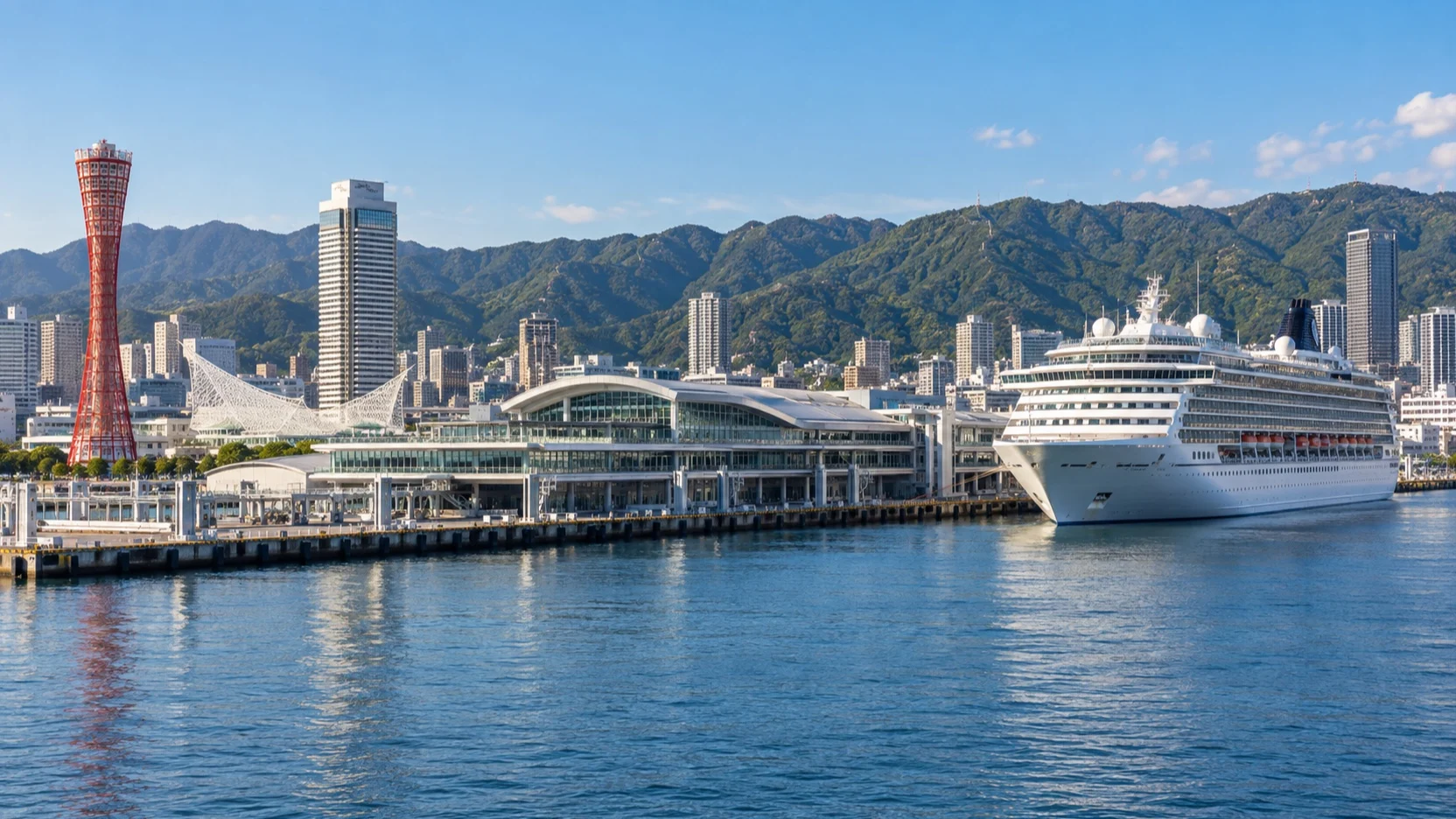
From Kobe, the cruise berth comes first
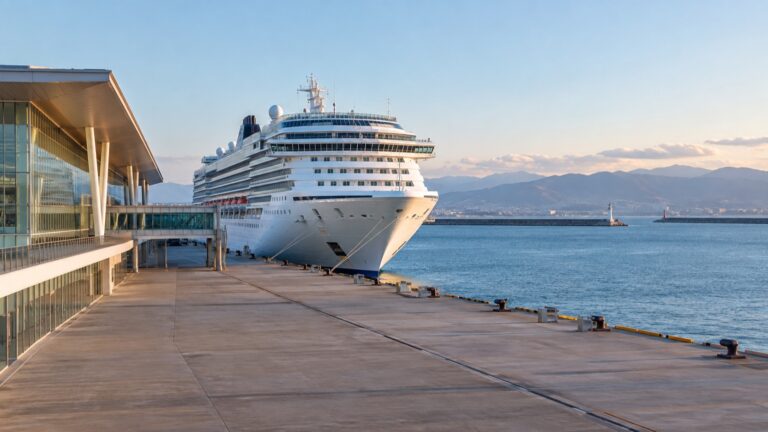
Kobe has more than one passenger terminal, so confirm where the ship will actually berth. A route beginning at Kobe Port Terminal does not apply unchanged to a ship using Naka Pier or another facility.
Kobe New Transit’s official Port Terminal station page confirms that Port Terminal is the third stop from Sannomiya and provides current schedules. Check it with the ship’s berth information because Kobe has more than one passenger terminal.
Sannomiya is the practical gateway to mainline rail, but reaching the platform still requires walking, orientation, tickets or a valid fare method, and waiting. The return includes the same steps plus the Port Liner or other connection back to the correct terminal.
Our Kobe cruise port guide explains the local possibilities you are giving up. That matters because Kobe’s waterfront, neighborhoods, food, and nearby sights can create a full day without the Kyoto transfer.
From Osaka, start at the port
Osaka cruise calls commonly place travelers in the bay area, not at the main JR hub. The trip to Kyoto therefore begins with the terminal-to-metro walk and an urban connection before the intercity train.
Some routes connect toward central Osaka and JR service, while others may use a different rail interchange. Choose the dated route with the fewest confusing transfers, not the one that advertises the shortest perfect-minute result.
The official Osaka tourism site describes Osaka Port Station as about a ten-minute walk from the Tempozan municipal ferry landing, which helps illustrate the bay-area geography. Your cruise terminal walking route must still be verified for the assigned berth.
Use our Osaka cruise port guide to build a strong city fallback. Osaka can reward the saved travel time with food, neighborhoods, the bay area, or one major urban attraction.
Use current rail information
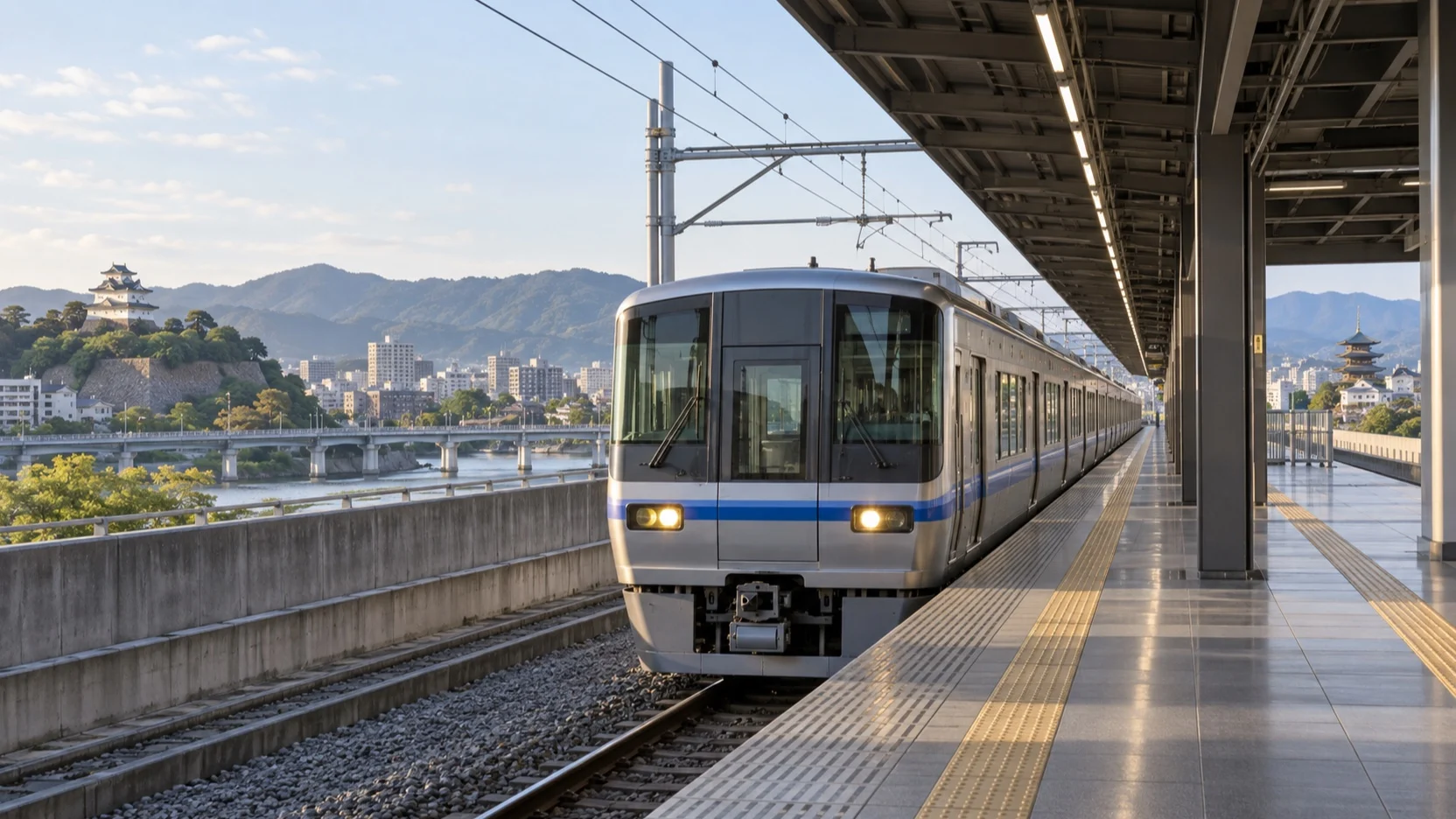
JR-West connects Kyoto, Osaka, and Kobe through a dense Kansai network, but service patterns and conditions can change. Its English travel information and route finder provides current planning tools and service-status links.
A special rapid or other mainline service can be simpler than using the Shinkansen once the journey to Shin-Osaka, ticketing, transfers, and Kyoto arrival are considered. Choose the route the group can reverse confidently under time pressure.
I would rather understand one corner of Kyoto than spend the day proving the rail network connects all of them.
Save the exact station names in Japanese and English, along with the planned outbound and two acceptable return options. A phone screenshot remains useful when a platform is crowded or data service is slow.
Check live operation information before leaving Kyoto, not only before leaving the ship. When a disruption begins, being near Kyoto Station with several possibilities is better than standing at a remote bus stop after the final attraction.
Kyoto Station is only the start
Arriving at Kyoto Station does not mean the sightseeing day has started. Many headline temples, shrines, gardens, and historic streets require another train, subway, bus, taxi, or substantial walk.
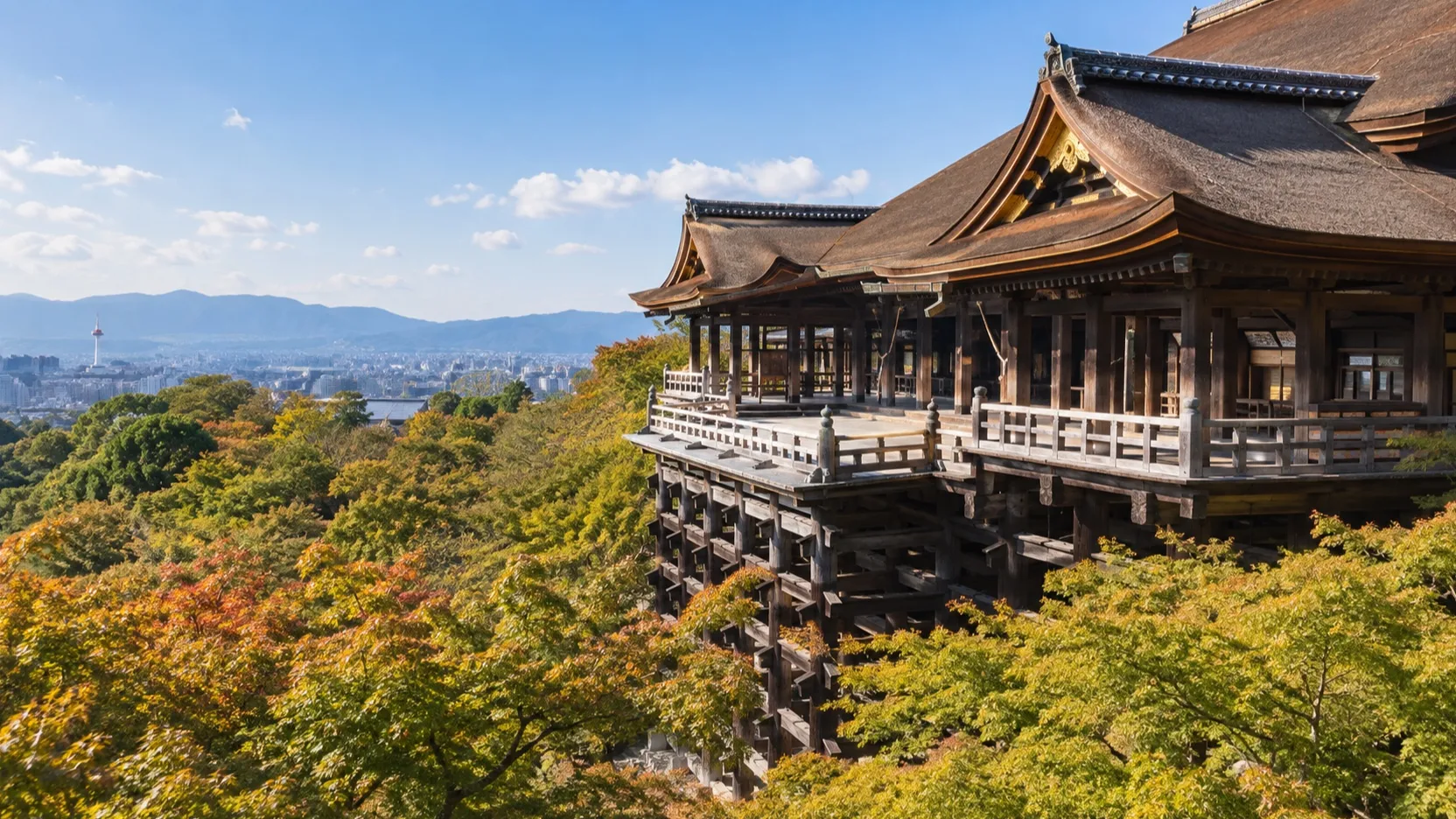
This internal transfer is where overambitious cruise plans break. Fushimi Inari, Kiyomizu-dera and the eastern districts, Arashiyama, and Kinkaku-ji sit in different parts of the city and should not be stacked into one port call.
Choose a district that makes geographic sense from Kyoto Station and for the eventual return. A sight becomes less attractive when reaching it consumes the hour that was supposed to make the city feel unhurried.
The Kyoto Online Tourist Information Center compiles official visitor FAQs and planning materials. Use it to verify current transport and visitor details rather than relying on a viral one-day checklist.
Four Kyoto shapes that can work
A Fushimi Inari plan uses a rail connection from Kyoto Station and gives the shrine complex most of the sightseeing block. The route can be shortened because travelers do not need to complete the full mountain path for the visit to feel worthwhile.
An eastern Kyoto plan focuses on one temple area, nearby historic streets, and a meal or tea stop. It offers the classic Kyoto atmosphere many first-time visitors want, but roads and buses can be crowded, so the return to the station needs generous time.
An Arashiyama plan commits to the western district rather than treating it as a quick add-on. Choose one or two nearby experiences and avoid crossing Kyoto afterward for another famous sight.
A station-area plan is the least glamorous on paper and the most resilient after a late arrival. It can pair one nearby temple or garden with food, station architecture, and an early departure without another complicated cross-city journey.
What not to combine
Fushimi Inari, Kiyomizu-dera, Kinkaku-ji, and Arashiyama do not form a sensible cruise-day loop. They represent separate destination choices connected by busy urban transport, not four boxes waiting to be checked.
A timed cultural activity also deserves room around it. Do not pair a fixed tea ceremony, restaurant reservation, or admission with two distant landmarks when a delayed train or city bus can spoil the sequence.
Shopping should remain close to the chosen district or Kyoto Station. A final detour across the city is a poor trade when the return already requires intercity rail and a port connection.
Ship tour, train, or private car?
A ship excursion suits travelers who consider Kyoto essential but do not want to navigate the terminal and rail sequence. Read the description carefully because a long motorcoach tour may show several places through a window while providing limited time on foot.
Independent rail suits confident travelers with a compact plan, flexible admissions, and a conservative return. It offers freedom inside Kyoto, but the group owns every station choice and delay decision.
A private vehicle can reduce transfers for a group, yet road congestion and restricted access near popular areas still matter. Ask where the vehicle can actually stop, how the driver protects the ship deadline, and which sight disappears first if traffic builds.
Whichever method you choose, compare actual Kyoto time rather than the tour’s headline duration. The most expensive option is poor value when most hours are spent collecting passengers or sitting in traffic.
Crowds, walking, and seasonal conditions
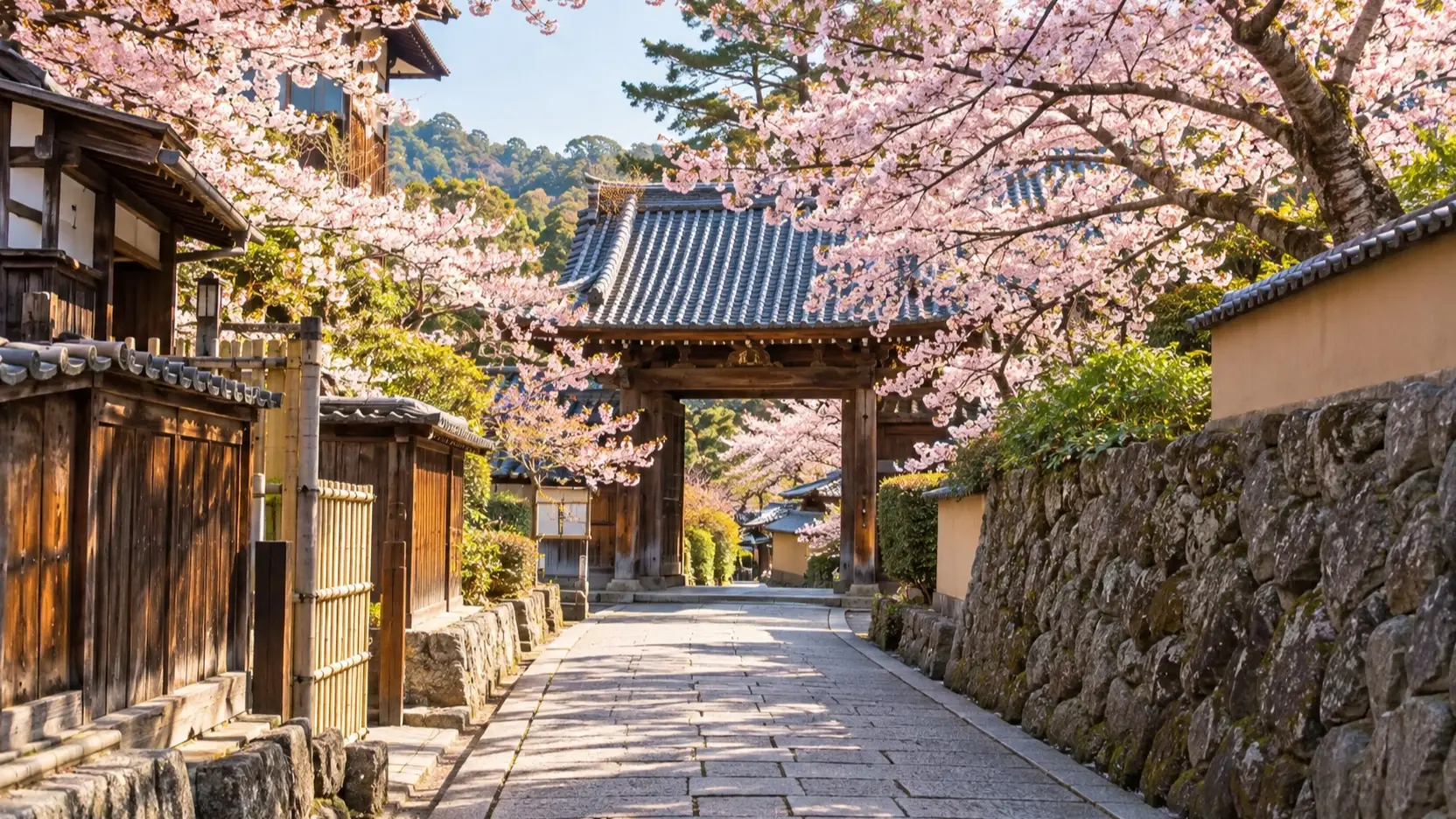
Kyoto’s famous areas can be busy, particularly during peak blossoms, autumn color, holidays, and popular daytime windows. Our guide to planning for crowded cruise destinations explains why fewer reservations create a stronger response to lines.
Temple grounds and historic streets may include steps, slopes, gravel, uneven paving, and long walks from the nearest stop. Travelers with mobility needs should verify the exact entrance and route rather than accepting a general “accessible tour” label.
If the route needs three perfect transfers home, I leave Kyoto earlier than my sightseeing instincts prefer.
Summer heat can slow the group, while heavy rain affects walking and road movement. Carry the permitted essentials, protect rest breaks, and let the optional second sight disappear before anyone is physically miserable.
Early morning has advantages, but cruise passengers cannot control clearance or berth transport. Build a plan that still works after arriving during normal crowds instead of depending on an empty landmark fantasy.
Protect the journey back to the ship
Choose the Kyoto departure before reserving the attraction. The selected train must leave enough time for the rail journey, the city-to-terminal connection, walking, and a meaningful cushion at the correct berth.
Keep another workable rail option behind the planned return whenever the schedule allows. A backup that reaches Kobe or Osaka after all aboard is not a real backup.
End the sightseeing near Kyoto Station or on a direct route to it, not at the farthest point of the day. If the outbound journey runs late, reduce Kyoto immediately rather than borrowing from the port connection.
Review the Japan cruise ports guide before assigning each destination to a call. Some itineraries offer several Kansai opportunities, which can make a local Kobe or Osaka day the smarter overall choice.
Quick answers
Is Kyoto easier from Kobe or Osaka?
Both can work, and the assigned berth matters more than the city name alone. Compare the complete terminal-to-Kyoto route for the exact call.
Can I see Fushimi Inari and Kiyomizu-dera?
It may fit a long, smoothly operating day, but one district is safer and more enjoyable. Make the second sight optional and protect the Kyoto Station return.
Should I use the Shinkansen?
Not automatically. Reaching Shin-Osaka, changing trains, ticketing, and reversing the route can erase the headline time saving compared with a simpler mainline journey.
Is a ship excursion worth it?
It can be when Kyoto is nonnegotiable and the group values cruise-specific coordination. Check actual walking time and attraction time because long motorcoach hours can dominate the itinerary.
What if the ship arrives late?
Use the prepared Kobe or Osaka plan when the remaining call no longer supports a conservative Kyoto return. Do not try to save the original itinerary by shortening the ship cushion.
How this guide was researched
This guide was checked in September 2026 using current information from Kobe City, JR-West, Osaka’s official tourism organization, Kyoto’s official tourist information resources, and our destination guides. Verify the exact berth, dated route, live service status, opening details, and onboard return instructions for your sailing; see our Editorial Policy for our sourcing, review, and corrections standards.
More on this topic: browse every guide on shore excursions and DIY port days.