Puerto Natales Cruise Port Guide: Torres del Paine Without the Rush
Puerto Natales is the main cruise gateway to Torres del Paine, but the park is not a quick transfer from the waterfront. A successful day depends on the ship’s landing plan, a realistic road itinerary, current park rules, and a return buffer you protect from the start.
The town itself is a worthwhile fallback, with views across Última Esperanza Sound and enough cafes, shops, and waterfront scenery for a gentler call. You do not have to force the full park circuit when timing or weather says otherwise.
My quick take
I would choose a ship excursion or a genuinely cruise-timed local tour for Torres del Paine. The chain of transfers, roads, park stops, and ship access leaves little room for casual improvisation.
Do not book the famous Base Torres hike as an ordinary shore activity. A road-based sightseeing loop with viewpoints and short walks is the practical cruise-day version of the park.
If the ship reaches shore late, cut the route rather than the return margin. Milodón Cave or a focused Puerto Natales day can still deliver a strong sense of Patagonia.
Puerto Natales quick facts
- Country: Chile
- Official terminal: Empresa Portuaria Austral operates Terminal Puerto Natales.
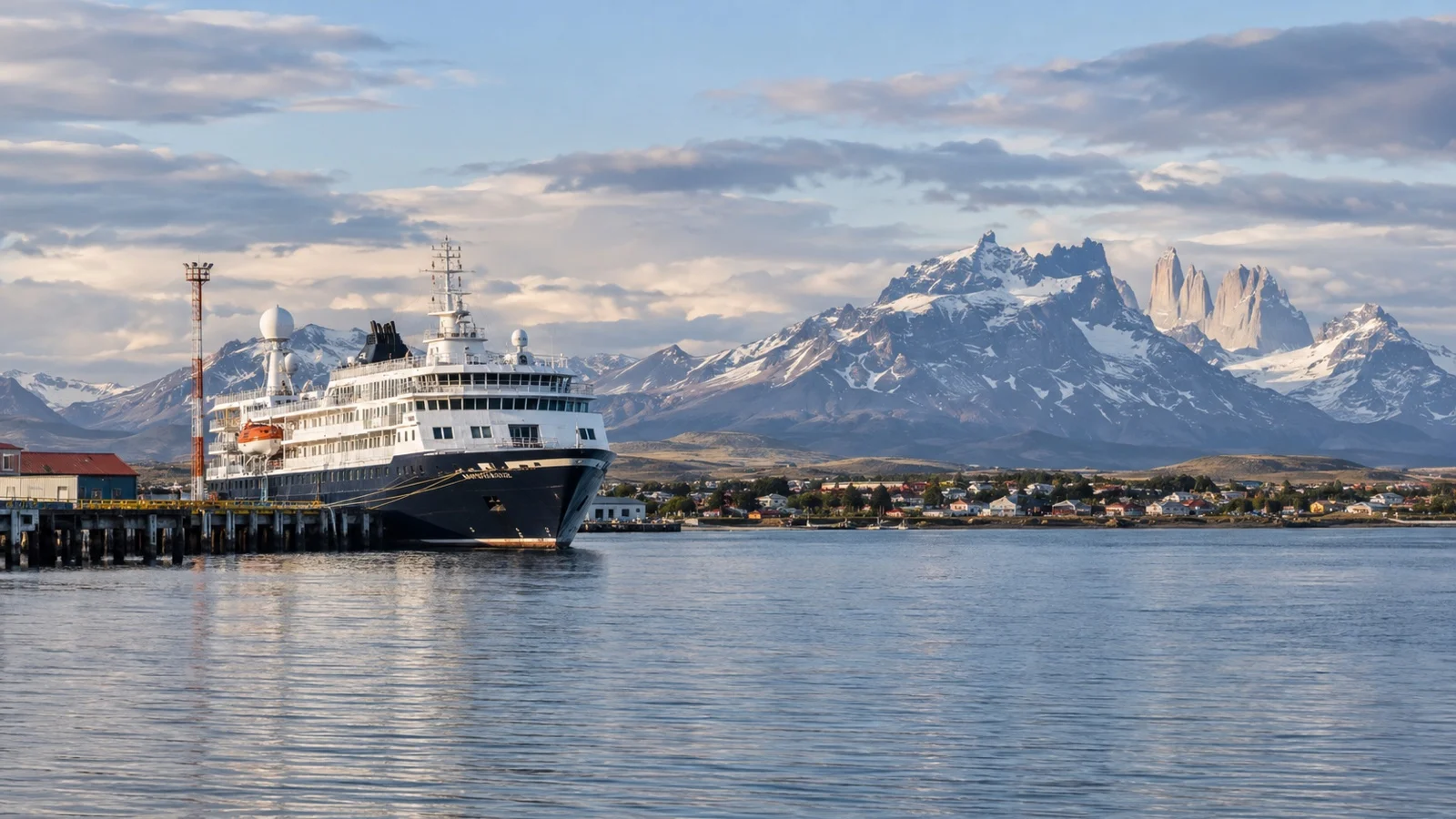
- Best-known excursion: Torres del Paine National Park by road.
- Closer alternative: Milodón Cave Natural Monument.
- Currency: Chilean peso.
- Main risk: Losing return time to ship access, weather, road distance, or an overpacked route.
Where cruise passengers arrive
Terminal Puerto Natales is operated by Empresa Portuaria Austral, the regional state port company. Its official description says the facility serves roll-on vessels, commercial ships, and light tourist cruise vessels.
The terminal has one berthing front, several berthing positions, a passenger room, and a maximum published draft of 6.6 meters. Those physical limits explain why a larger cruise ship may use a different operational arrangement.
Never assume every ship docks or tenders in exactly the same way. Use the line’s daily program for the assigned landing point, any shuttle process, the earliest realistic departure, and the last return.
If a tender is used, ask about the craft, landing steps, and weather limits before committing to a private pickup. A driver needs the public meeting point, not merely the name Puerto Natales.
Getting into Puerto Natales
The central waterfront and town are compact, but the walk depends on where your ship actually puts passengers ashore. Port security or an industrial route can make a location that looks close on a map unsuitable for pedestrians.
Save a screenshot of the landing point and photograph the return gate before leaving. Confirm whether taxis and independent guides may enter the terminal or must meet at a separate public area.
When the center is accessible from your landing, it supports an easy independent day. The waterfront, main streets, cafes, shops, and views across the sound can be combined without a formal excursion.
Wind is the variable people underestimate. A short exposed walk can feel much harder than its distance suggests, especially for anyone using a mobility aid.
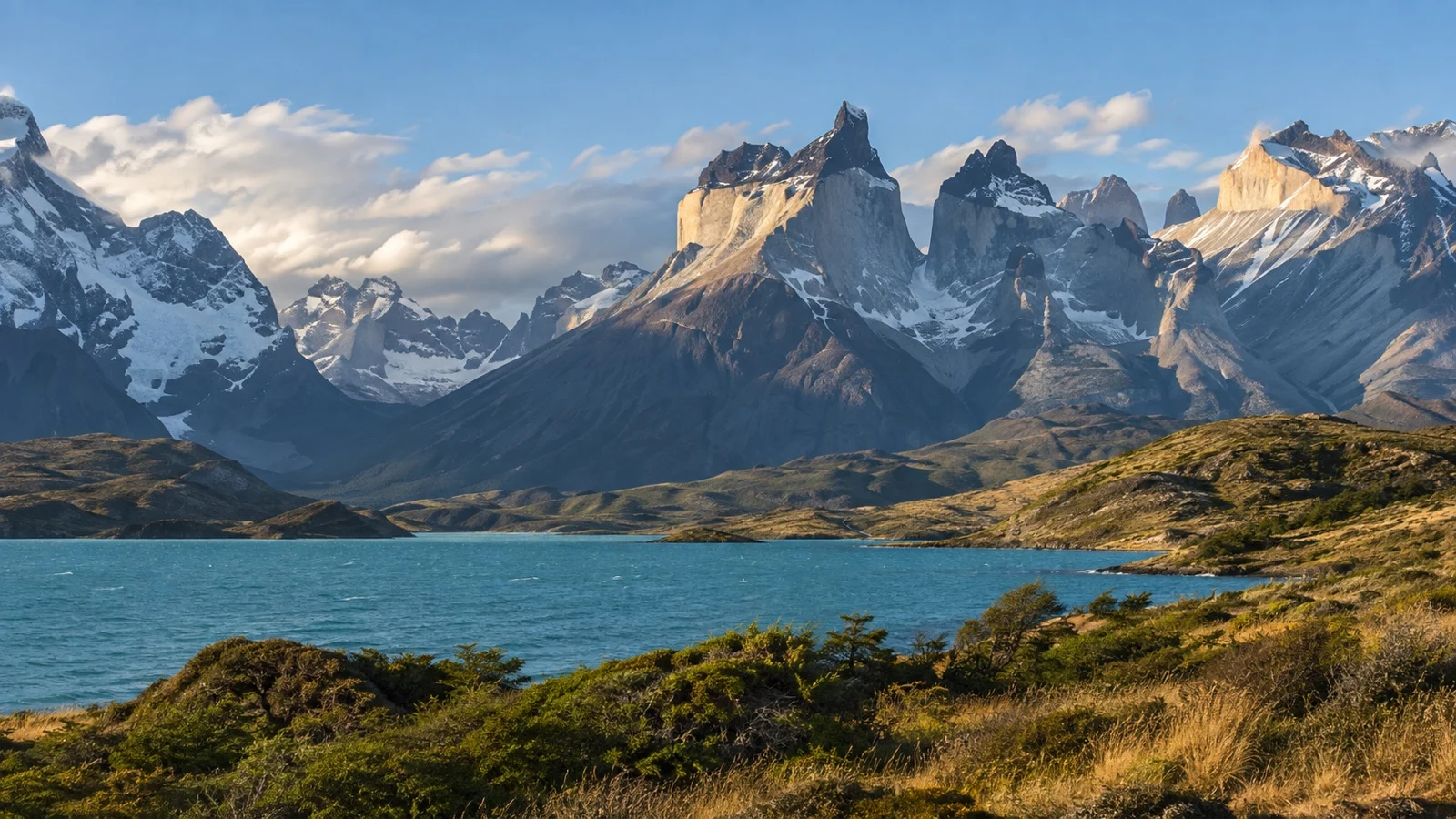
Torres del Paine is a full port-day decision
Torres del Paine covers a vast landscape of mountains, lakes, rivers, glaciers, and steppe. A cruise-day outing normally shows selected road-accessible viewpoints rather than the park as a whole.
CONAF lists road approaches from Puerto Natales through Route 9 North and Route Y-290. The actual journey depends on the entrance, road condition, stops, and traffic, so a universal transfer time is misleading.
Ask any operator for the named entrance, planned viewpoints, walking distance, restroom stops, meal plan, and hard turnaround point. A promise to see Torres del Paine is too vague for a cruise booking.
Road routes often focus on the Paine massif, lakes, waterfalls, wildlife, and scenic overlooks. Weather can hide a famous view, so judge the day by the wider landscape rather than one photograph.
Current park rules matter
CONAF’s Torres del Paine page directs visitors to official conditions and the Pases Parques ticket portal. It is the right place to check alerts because seasonal restrictions can change during the year.
For 2026, CONAF says the Base Torres trail requires an authorized guide from April 27 through September 15. It also says the Macizo Paine circuit is closed from May through October 31 unless an official update changes that date.
Those rules reinforce why long mountain hikes do not belong in a normal port-day plan. Even in summer, trail cutoffs, wind, rain, snow, and daylight can change what is sensible.
The park prohibits open flames, smoking, drones without authorization, leaving marked trails, feeding wildlife, and disturbing natural features. Follow ranger instructions and keep all food and waste under control.
Tickets and connectivity
Pases Parques is the official digital ticket platform for Torres del Paine and Milodón Cave. Check the correct protected area, date, visitor category, price, and entry instructions before paying.
Ask whether your excursion includes admission because buying a duplicate pass wastes time and money. Save the confirmation offline before leaving town.
CONAF says cell service in the park is extremely limited and identifies Villa Monzino as the only listed cellular location. Keep the operator’s details, tickets, ship contacts, and return instructions available without a data connection.
Fuel is not sold inside or near the park, according to CONAF. That is the operator’s responsibility, but it is another reason to use a prepared vehicle rather than a vague last-minute ride.
Ship excursion or local tour?
A ship excursion is the simplest choice when shore time is short or the landing method is uncertain. It coordinates the passenger transfer and keeps the cruise line aware of the group’s movements.
A local tour can offer a smaller group, flexible viewpoints, and a quieter pace. It should still be designed around cruise timing, with the ship name, landing point, all-aboard time, and latest turnaround confirmed in writing.
Ask what happens if tenders start late, the terminal changes, the port call is canceled, or CONAF restricts access. A good operator should explain the missed-port refund policy before collecting payment.
For a decision framework, compare the risks in the guide to ship excursions, local tours, and independent days. In Puerto Natales, protected timing is often worth more than one extra stop.
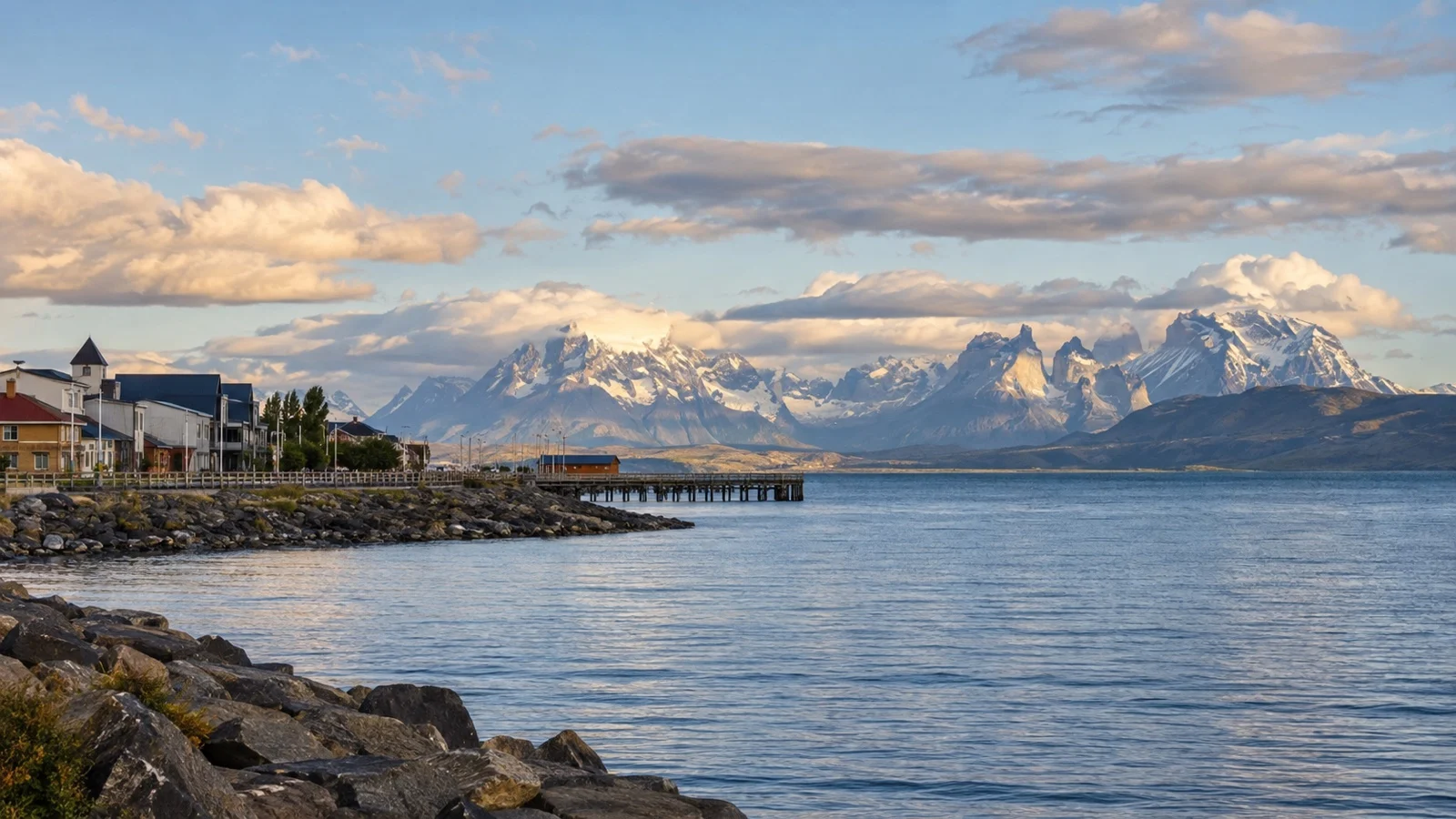
What a realistic park day looks like
Start with the ship’s earliest realistic shore time, not its scheduled arrival. Tendering, clearance, and bus loading can shorten the usable day before the road journey begins.
A practical tour uses a limited number of viewpoints and short walks. It should identify a turnaround point that leaves enough time for road delays, port access, and any tender queue.
Carry water, windproof and waterproof layers, sun protection, and any medicine you need. Confirm whether lunch is included because park services are dispersed.
If the first half of the day runs late, drop the farthest viewpoint. Do not let a guide trade away the return cushion to preserve an itinerary written before the actual landing.
Milodón Cave as a closer alternative
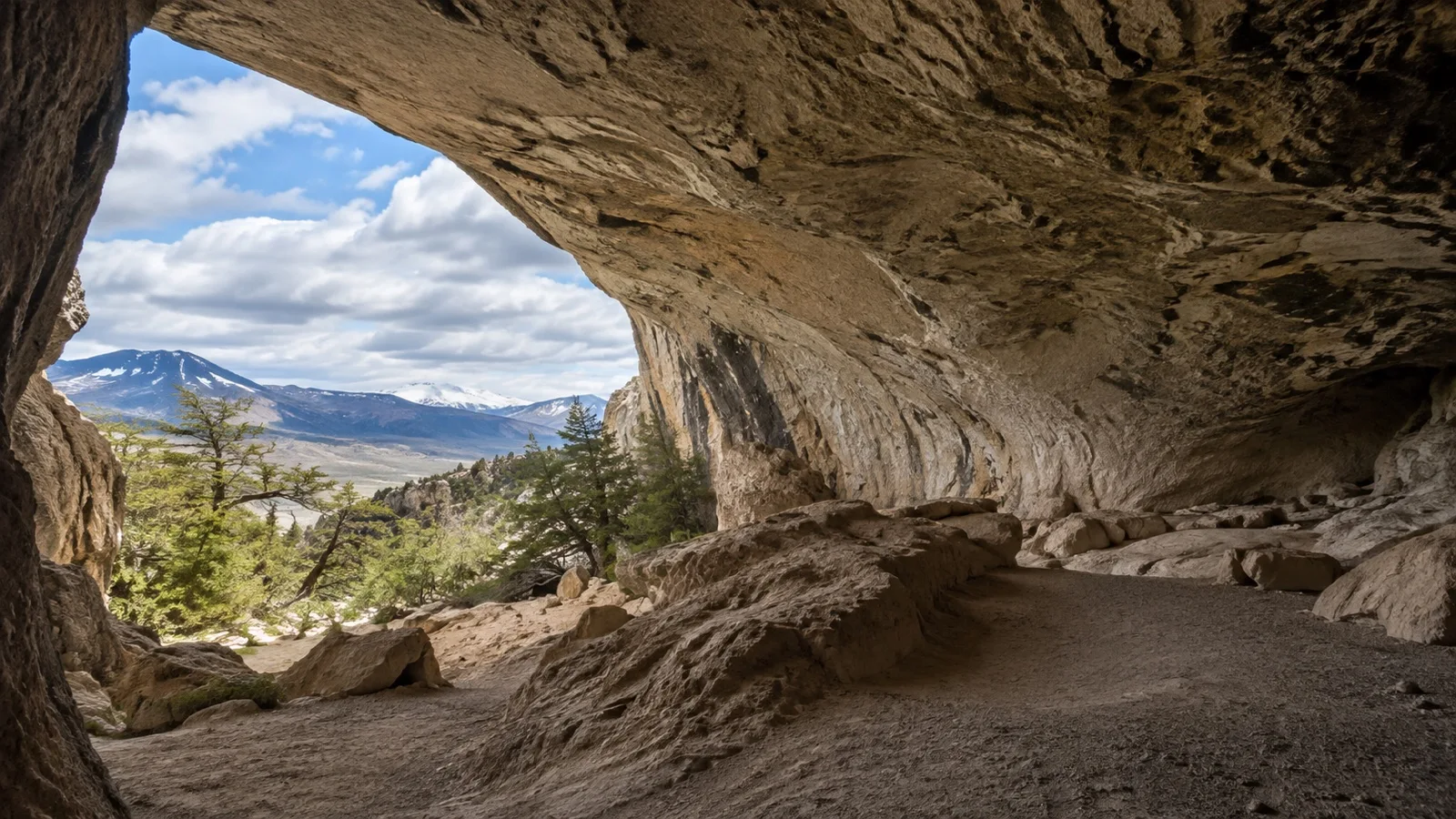
Milodón Cave Natural Monument is closer to Puerto Natales than the main Torres del Paine circuit. It provides geological scenery and the story of giant ground sloth remains associated with the site.
The monument still needs road transport, admission, and a return plan. Check Pases Parques for current details and ask about paths, steps, restrooms, and the amount of walking.
This is a strong choice when a delayed landing or shorter call makes the national park too ambitious. Pair it with a waterfront stop only if the clock remains comfortable.
A relaxed day in town
Puerto Natales faces Última Esperanza Sound, and the waterfront delivers broad Patagonian views without a long road transfer. Choose a manageable section based on your landing point, the wind, and your mobility.
The center offers cafes, restaurants, outdoor shops, and everyday city life. Check current hours before building the day around one museum or dining room, particularly in shoulder season.
A town day gives you flexibility if ship operations change. You can shorten the walk, return for lunch onboard, or wait for better weather without risking a distant pickup.
Boat and fjord excursions
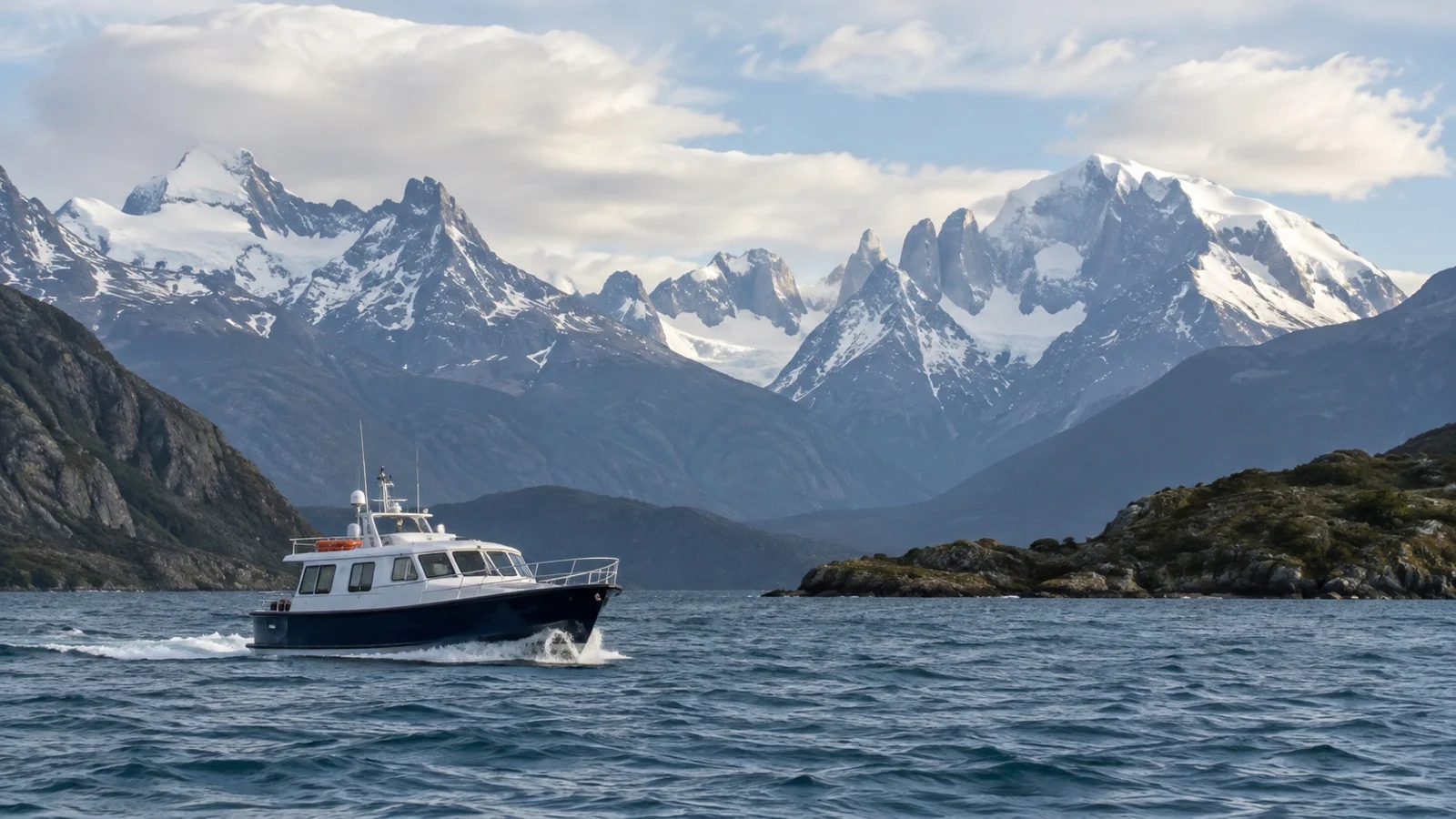
Local operators offer boat trips in the fjord region, but a second vessel introduces another weather-dependent step. Check the departure point, duration, landing conditions, cancellation rules, and connection with your ship.
Do not assume every glacier image labeled Chilean Patagonia is near Puerto Natales. The channels cover an enormous area, and many scenic-cruising locations are far from a practical port-day route.
Use a separate boat outing only when it was built around the cruise call. A land plan is easier to shorten if weather or clearance reduces your time ashore.
Accessibility
Assess the full chain from cabin to destination: gangway or tender, terminal, transfer vehicle, restrooms, viewpoints, and return. An accessible bus does not solve an inaccessible tender.
Ask about ramp or lift availability, device dimensions, securement, storage, companion assistance, and accessible restroom stops. Get written confirmation for anything essential.
CONAF lists restrooms and potable water at park entrances and several high-use road sectors, including Pudeto and Lago Grey. Services vary by location, so the operator must match the route to your needs.
A central Puerto Natales day is often the more adaptable option, but wind and the exact port exit still matter. Ask the cruise line for the least demanding shore route.
Weather and safety
Patagonian weather can shift quickly, with strong wind, cool air, rain, and bright sun in one day. Wear layers and carry a waterproof outer shell even under a promising morning sky.
Use sun protection because ultraviolet exposure remains significant in cool conditions. Secure hats and loose belongings, and stay behind barriers at exposed viewpoints.
Wildlife should be observed without approaching or feeding it. Stay on authorized routes and follow instructions from rangers and your guide.
In a remote park, help can take time to arrive. Do not leave the group without a meeting plan, and carry essential medication with you.
How to protect the return
Work backward from all-aboard time and include the drive, a possible road slowdown, a comfort stop, terminal security, and tender loading. The ship’s published departure is not your target return time.
Set the hard turnaround with the operator at pickup and monitor progress. If the day starts late, reduce the route before reducing that margin.
Keep the port agent’s contact and the ship’s instructions offline. If a serious delay develops, contact the local representative immediately.
How Puerto Natales fits a Chilean itinerary
Puerto Natales is both a working regional port and a gateway to one of South America’s most recognizable national parks. That combination makes it a highlight, but also a call where logistics deserve more attention than a sightseeing list.
It often appears alongside scenic navigation through the region’s channels and glaciers. The guide to Chilean fjords scenic cruising explains why weather and routing vary so much.
Use the town as more than a bus stop if your schedule allows. Its waterfront provides a satisfying transition between a shipboard fjord day and a long road excursion.
Quick answers
Do cruise ships always dock in Puerto Natales?
No. The official terminal can receive light tourist cruise vessels, but larger ships may use another arrangement, so follow your line’s instructions.
Can I see Torres del Paine on a cruise call?
Often, if the shore window is long enough and the tour is designed for cruise timing. Plan road-based sightseeing rather than a major mountain hike.
Do I need a park ticket?
Check the official Pases Parques platform for your date and visitor category. Confirm whether the tour includes admission before buying separately.
Is the Base Torres hike suitable for a port day?
Generally no. It is a substantial hike with seasonal rules, exposure, and timing that do not fit an ordinary cruise call.
What can I do if the park trip is canceled?
Consider Milodón Cave when conditions allow, or enjoy Puerto Natales itself. The waterfront and town make a flexible fallback closer to the ship.
What currency should I carry?
Use Chilean pesos for local spending. Confirm card acceptance with independent operators and carry a modest cash backup.
The last word
Puerto Natales can deliver an exceptional Patagonian day when the plan respects distance and uncertainty. Confirm how you get ashore, use official park information, and protect the return margin before adding one more viewpoint.
How this guide was researched: Unless a first-hand visit is explicitly identified above, this guide is based on independent research using official port, tourism, transit, government, and attraction sources where available. Logistics and time-sensitive details were reviewed in September 2026; see our Editorial Policy.
More on this topic: browse every guide on expedition and alternative cruises.