Drake Passage Cruise Guide: Sailing Two Days of Open Ocean to Antarctica
The Drake Passage is not a port call. It is the open water between the southern tip of South America and Antarctica, and for many expedition travelers it becomes one of the most memorable parts of the voyage.
My practical take is simple: respect the crossing, prepare for motion, and do not let dramatic stories make the decision for you. Conditions can be calm, rough, or somewhere in between, and no operator can promise which version you will meet.
Quick Facts
- What it is: A broad stretch of ocean between Cape Horn and the Antarctic Peninsula region, not a destination with a dock.
- Typical crossing time: Many expedition itineraries allow roughly two days in each direction, although weather, routing, and ship speed can change the schedule.
- Main embarkation point: Ushuaia, Argentina, is the usual gateway for round-trip peninsula voyages.
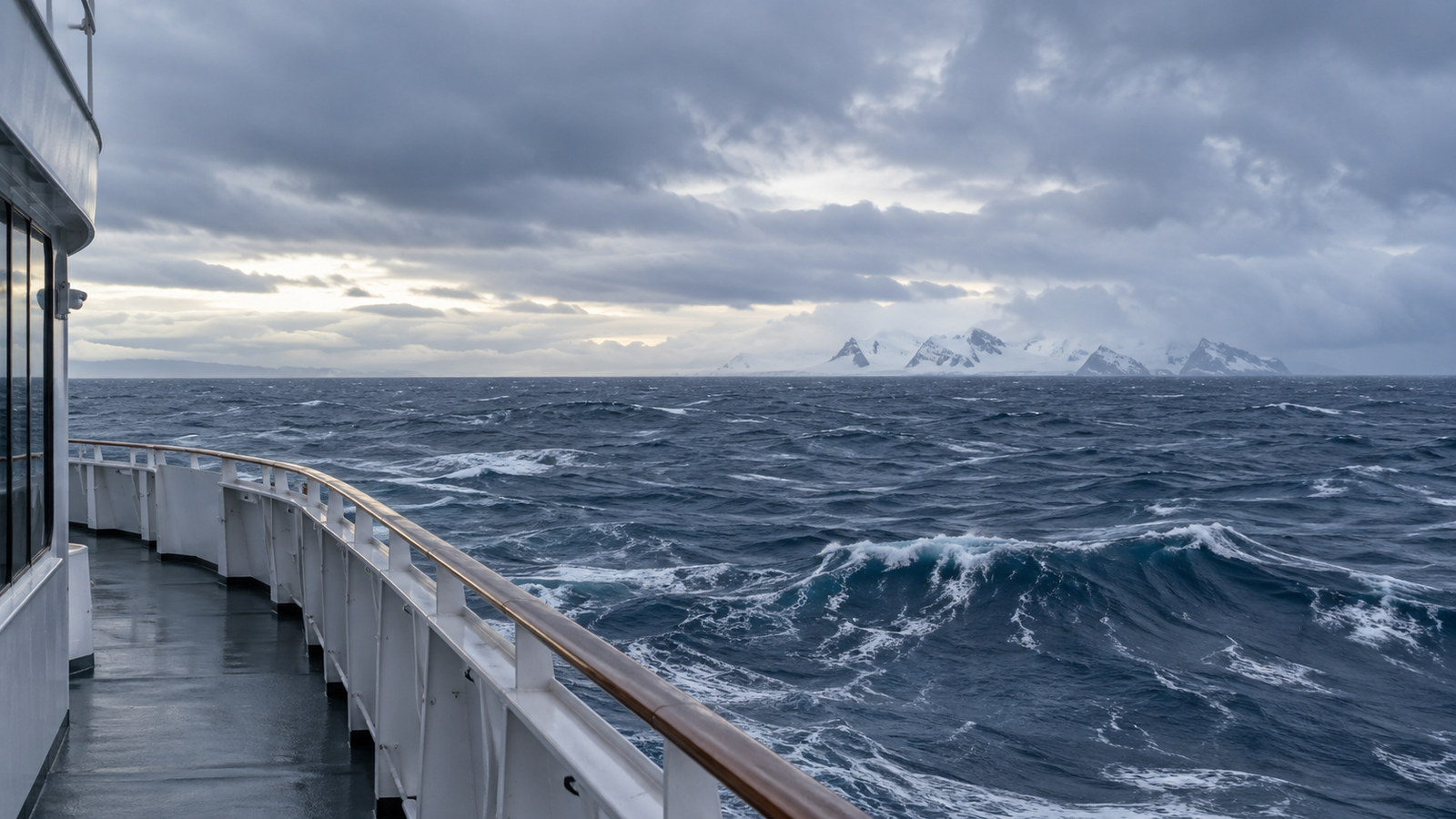
- Sea conditions: Unpredictable. A calm trip is possible, but meaningful swell and ship movement are always part of the planning conversation.
- Best preparation: Discuss motion sickness options with a clinician before departure and test any recommended medicine in advance when appropriate.
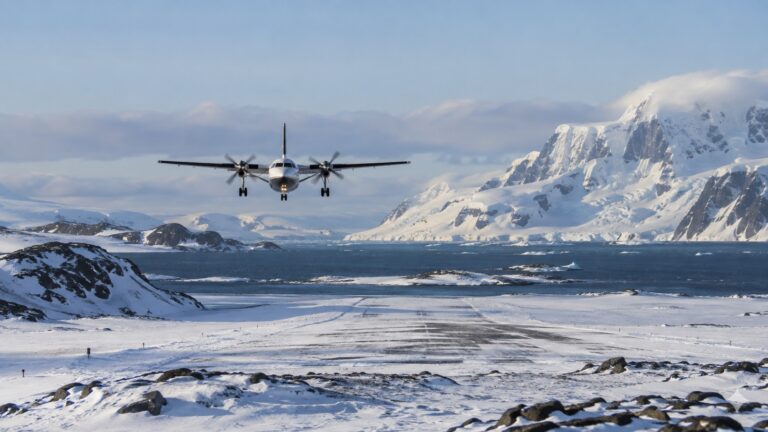
- Alternative: Some fly cruise programs use charter flights to King George Island, reducing or avoiding time sailing the passage.
- Schedule advice: Leave generous time before and after the expedition because weather can affect both sea crossings and Antarctic flights.
Where the Drake Passage fits into an Antarctica trip
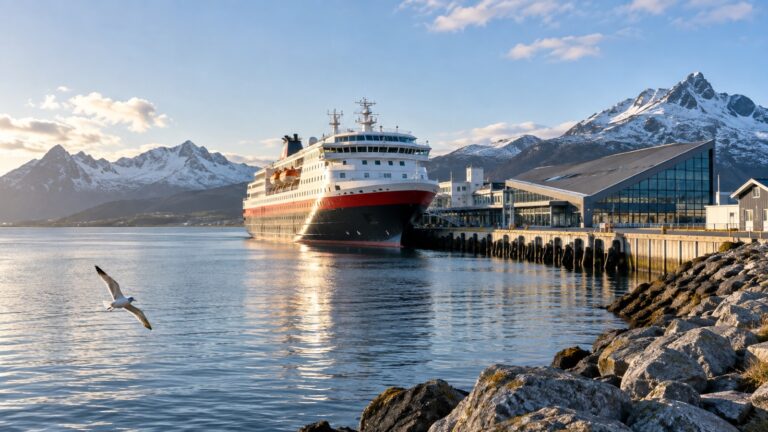
Most classic Antarctic Peninsula expeditions begin and end in Ushuaia. After sailing through the more sheltered Beagle Channel, the ship turns toward open water and heads south for the South Shetland Islands or the peninsula.
Operators commonly build about two days each way into the itinerary, but that is a planning estimate rather than a guarantee. The captain may adjust speed or course in response to forecasts, sea state, ice, and the wider expedition plan.
There are no sightseeing stops in the middle and no independent transport choices to make. Once underway, the ship is your hotel, classroom, wildlife platform, and transport until the expedition reaches protected Antarctic waters.
That makes the crossing feel very different from an ordinary sea day on a warm-weather cruise. It is a transition into a remote environment, with a growing sense that everyday travel routines have been left behind.
Why conditions are so changeable
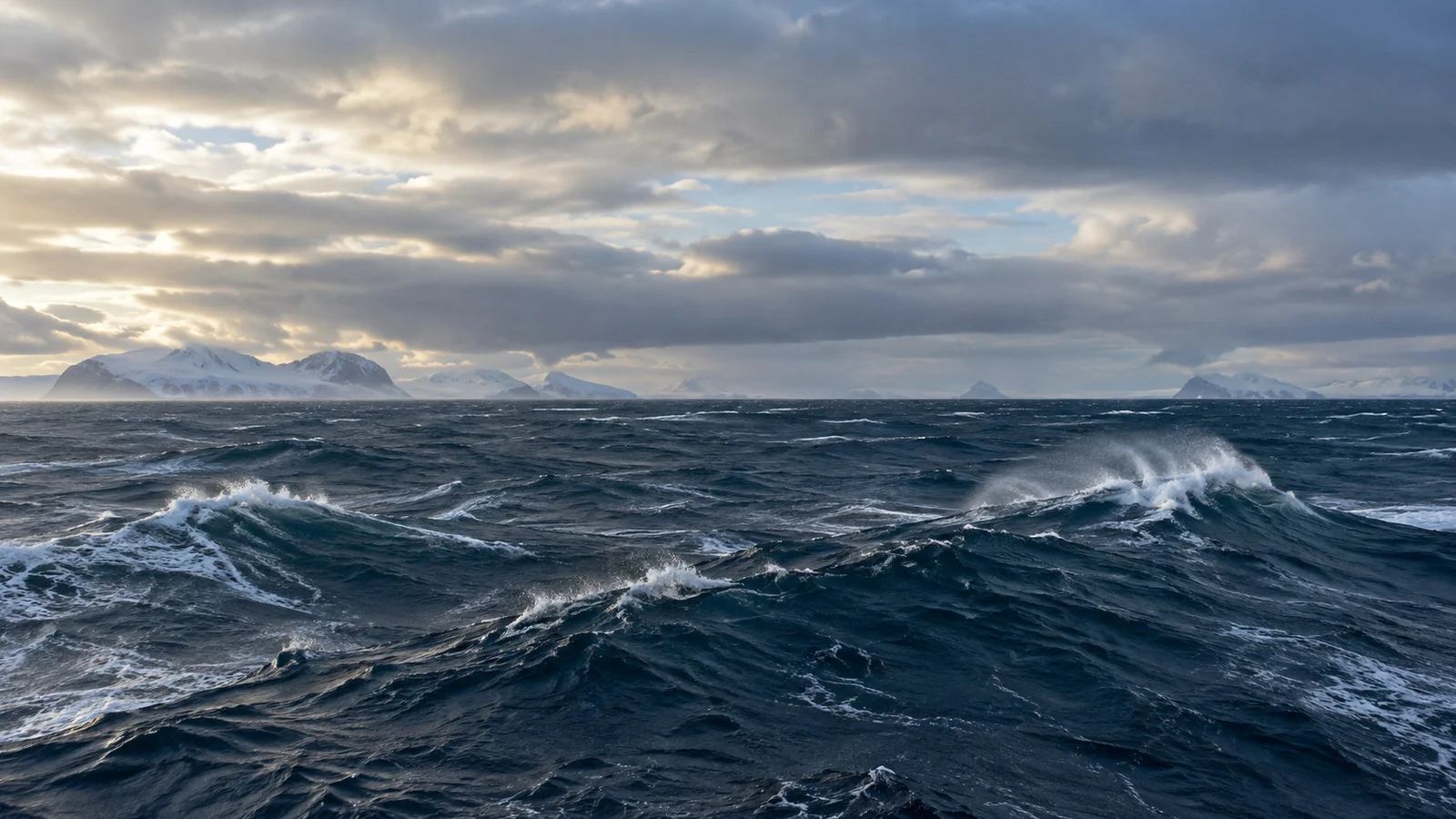
The passage lies where major ocean and weather systems meet, with little land to interrupt the flow around Antarctica. That geography helps explain its reputation, but it does not mean every sailing is severe.
You may hear the informal phrases “Drake Lake” for a calmer crossing and “Drake Shake” for a rougher one. They are useful shorthand, not forecasts, and the same voyage can encounter very different conditions southbound and northbound.
A forecast available at embarkation can help the bridge plan, yet conditions may still evolve during the crossing. Treat any confident prediction made weeks before departure as reassurance or storytelling, not a dependable sea state report.
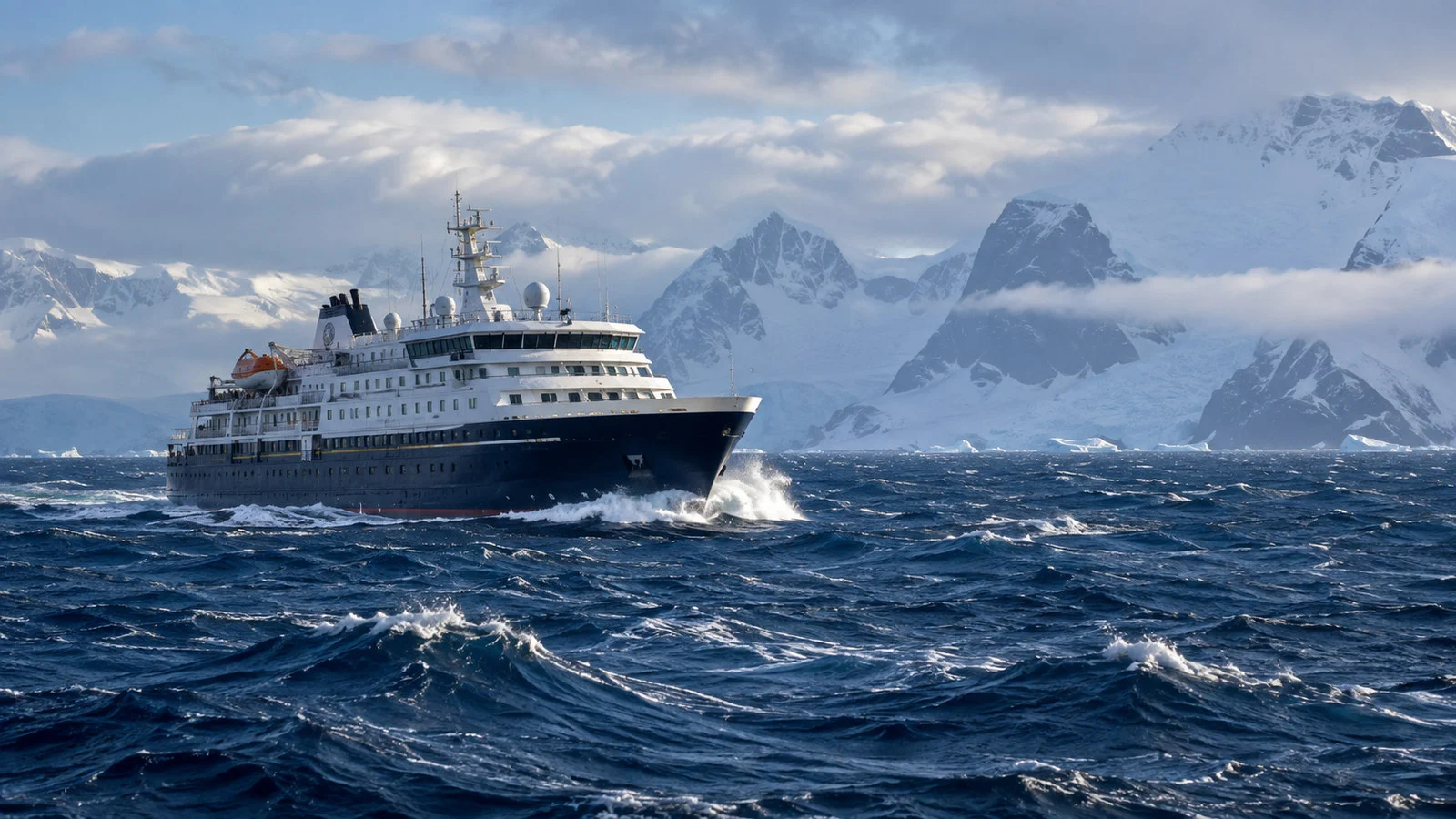
Modern expedition vessels use design features and operating procedures intended for demanding environments, but no stabilizer can remove all motion. Vessel size, hull design, speed, heading, and your location onboard all influence what you feel.
What actually happens during the crossing
Expedition teams use the sea days to prepare guests for Antarctica. The schedule often includes natural history talks, photography guidance, environmental briefings, and practical explanations of Zodiac boarding and shore conduct.
Biosecurity preparation is a serious part of the program rather than a ceremonial lecture. Staff may inspect and clean outerwear, bags, tripods, footwear, and hook and loop fasteners so seeds, soil, or other foreign material are not carried ashore.
Lectures and meals may be moved, shortened, or canceled when conditions demand it. The safest plan is to treat the printed program as flexible and follow crew instructions about closed decks, handrails, and movement around the ship.
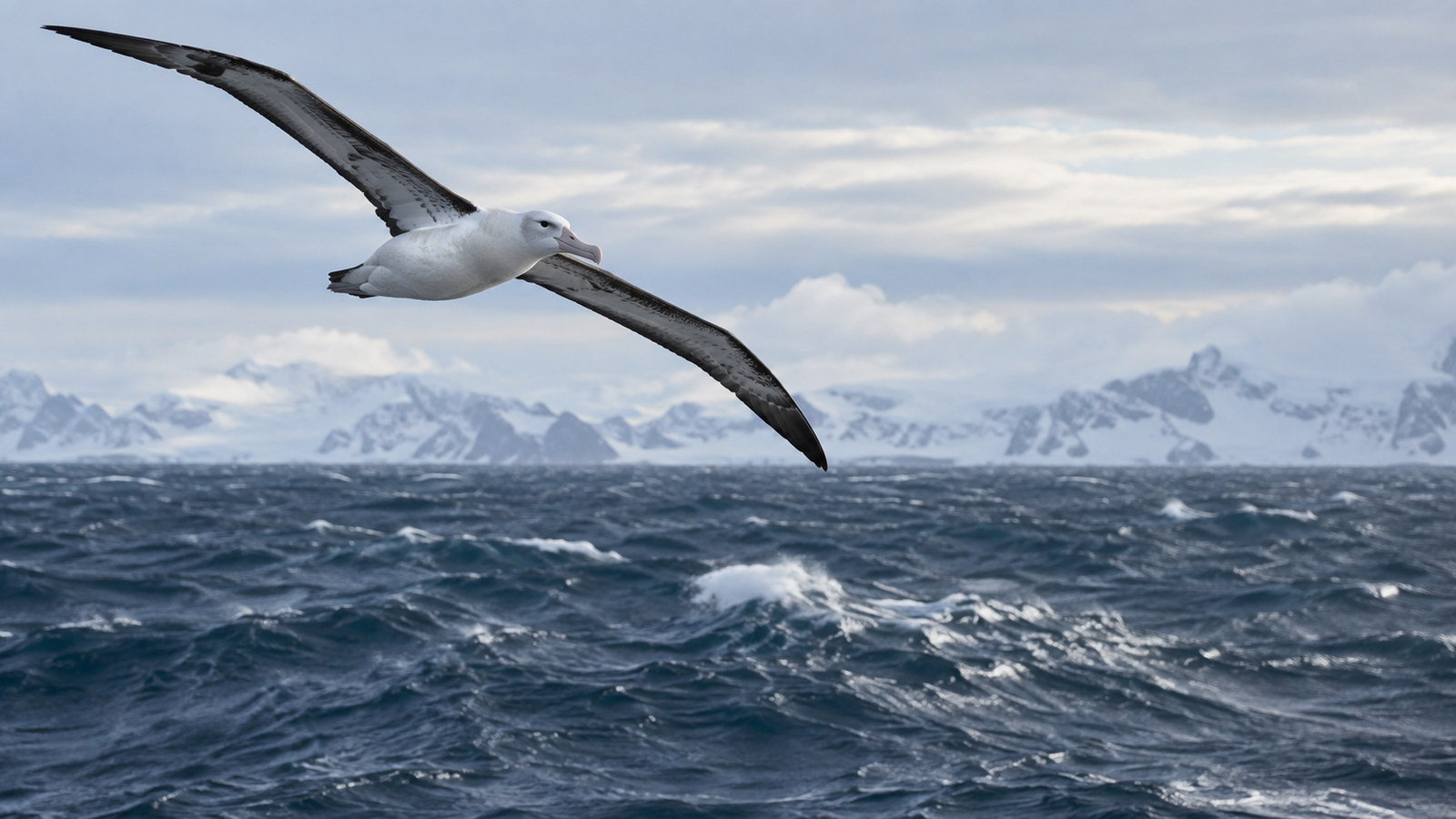
Wildlife watching can begin before Antarctica comes into view. Seabirds may follow or pass the ship, and patient observers sometimes spot marine mammals, though sightings in open water are never guaranteed.
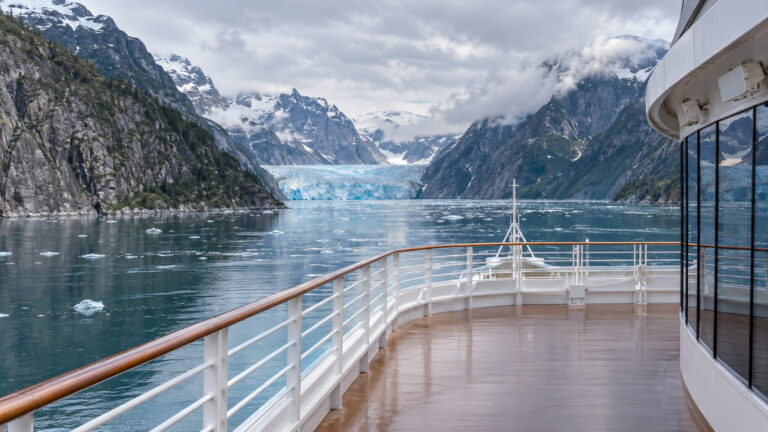
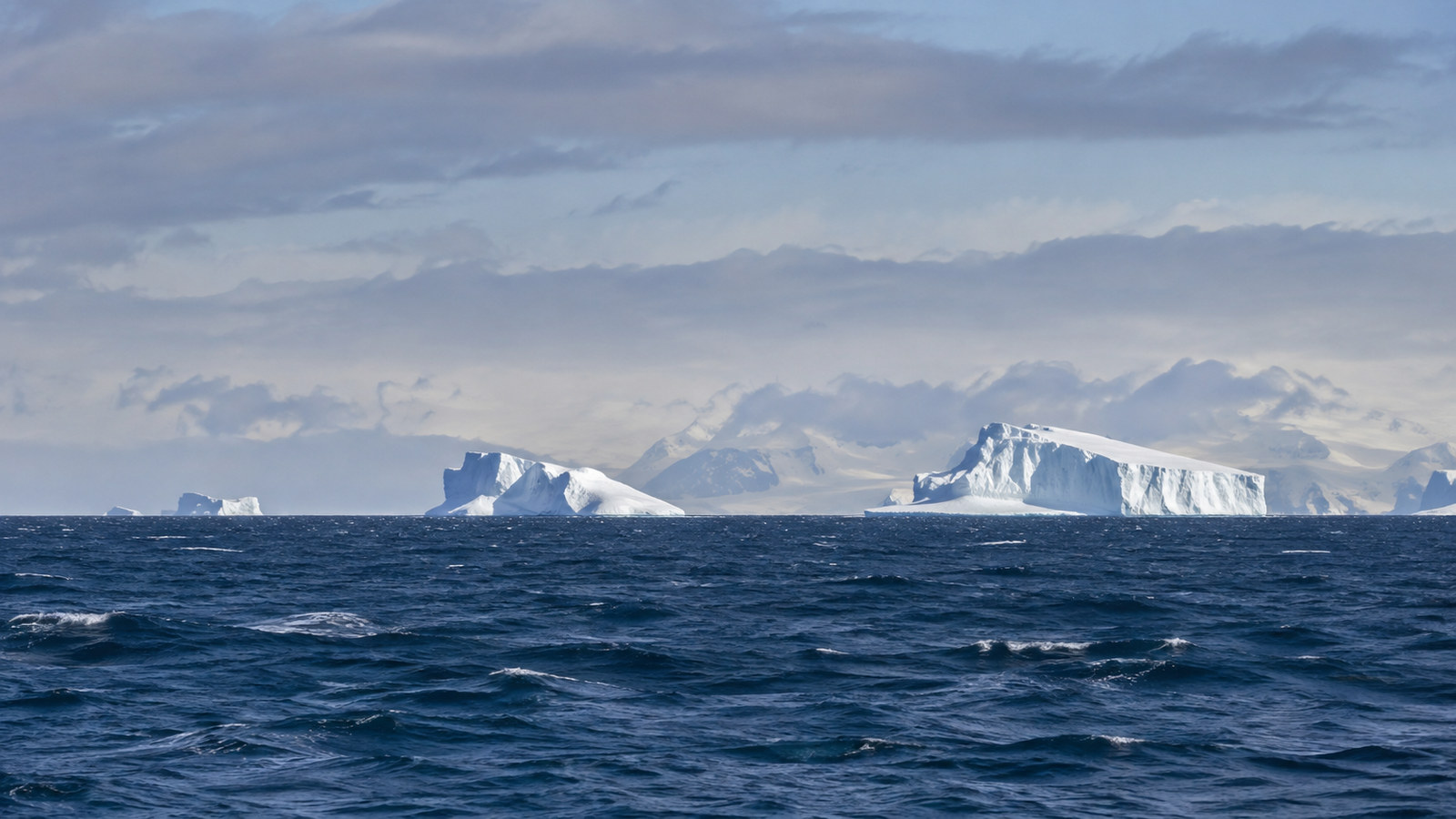
The first iceberg or snow-covered island can feel like the moment the expedition truly begins. Keep a camera accessible, but do not spend every hour scanning the horizon if rest will leave you better prepared for the first landing.
Motion sickness planning that is actually useful
Motion sickness is personal, and a calm history on ferries does not guarantee comfort in ocean swell. Speak with a qualified clinician well before travel, especially if you have a medical condition, take other medicines, are pregnant, or have had strong reactions before.
The CDC’s motion sickness guidance explains that medicines work best when used before exposure and that effective options can cause side effects or have contraindications. Ask what is suitable for you and whether a trial dose at home makes sense.
Simple behavior can also help. Looking at the horizon, avoiding reading when the ship is moving heavily, lying down when needed, and limiting unnecessary head movement may reduce the sensory conflict that triggers symptoms.
Sleep deprivation and alcohol can make motion sickness worse, so the night before sailing is not the moment for a heroic farewell celebration. Hydrate, eat in the way your clinician or ship medical team recommends, and give yourself permission to miss an activity.
Pack any approved medicine in your carry-on bag rather than checked luggage. Do not wait until the ship is well into open water to discover that your plan, dosage instructions, or supply are unclear.
Choosing a ship and cabin
There is no single best ship for every traveler. A newer vessel may offer advanced stabilization and more public space, while a smaller vessel may support a different expedition rhythm and landing operation.
Ask the operator about the exact ship, not just the brand. Useful questions cover stabilizers, the onboard medical facility, elevator access, handrails, cabin layout, bed orientation, and how activities change in rough weather.
A cabin lower in the ship and closer to the middle generally experiences less dramatic movement than one high up or near either end. That does not guarantee comfort, but it is a sensible factor when comparing available categories.
Do not choose solely on the crossing. Passenger capacity, guide ratio, landing organization, equipment, itinerary philosophy, and included activities will shape the days you came all this way to experience.
Safety standards in polar waters
Ships operating in polar regions do not simply follow an ordinary warm water cruise routine. The International Maritime Organization’s Polar Code addresses ship design, construction, equipment, operations, training, search and rescue considerations, and environmental protection.
The code is mandatory under international shipping conventions for covered vessels and includes certification and operational planning requirements. It does not make polar travel risk-free, but it provides a formal framework for operating in the region.
The captain may change course, slow down, leave an area early, or cancel an activity when conditions require it. Those decisions are part of competent expedition management, even when they change a much anticipated plan.
Follow instructions about exterior deck closures and keep a hand available for railings on stairs. Secure phones, cameras, bottles, and loose cabin items before the ship begins moving heavily.
Accessibility and mobility considerations
A rolling ship can turn a familiar corridor or stairway into a genuine challenge. Travelers with balance limitations, reduced mobility, inner ear conditions, or a recent injury should discuss the voyage with both their clinician and the operator.
Ask for precise details about step-free routes, elevator availability during rough weather, bathroom supports, thresholds, emergency procedures, and assistance policies. “Accessible” can mean very different things from one expedition vessel to another.
The crossing is only one part of the accessibility picture. Zodiac embarkation, wet landings, uneven snow, slippery rock, and rapidly changing weather may be more limiting than the time at sea.
If two crossings create an unacceptable barrier, compare a fly cruise carefully rather than assuming it solves every problem. Antarctic charter flights are weather dependent, and the aircraft, transfer route, and expedition ship still need their own accessibility review.
What to pack for the sea days
Keep the essentials for the first crossing in your carry-on bag. That includes approved medicines, prescription documentation, glasses, chargers, a refillable bottle, and a warm layer in case checked luggage is delayed before embarkation.
Soft layers work better than one bulky outfit because interior temperatures vary. Closed shoes with reliable grip are more useful onboard than loose slippers or smooth soles.
Bring a low effort way to pass time that does not require staring closely at a page or screen. Downloaded audio, music, or a podcast can be easier than reading when the horizon is moving.
A small pouch helps keep frequently used items together so you are not opening drawers while the ship rolls. Place heavier gear low and use the cabin’s storage latches whenever they are provided.
Fly cruise alternatives
Some expeditions use charter aircraft between southern Chile and King George Island, then board a ship in the South Shetlands. Depending on the itinerary, this can avoid sailing the Drake in one or both directions.
The tradeoff is a different kind of uncertainty because Antarctic aviation depends heavily on suitable weather. Delays can affect hotel nights, charter timing, embarkation, and the time ultimately available for the expedition.
Compare exactly what each product includes rather than relying on the phrase fly-cruise. Our Antarctica fly-cruise guide explains the basic logistics and questions worth asking before booking.
Arrival, departure, and schedule buffers
Arrive in the embarkation city early enough to absorb a delayed domestic flight or missing bag. For a remote expedition with a fixed sailing time, a same day arrival is an avoidable risk.
Leave flexibility after the voyage too. A weather system may influence the return crossing, and the ship’s planned arrival time should not be treated like a train timetable.
If you must connect onward, follow the operator’s minimum timing advice and consider a larger buffer than the bare minimum. Travel insurance terms, missed connection coverage, and expedition delay benefits deserve a careful read before purchase.
Environmental responsibility starts onboard
Antarctica’s remoteness is not protection enough. The International Association of Antarctica Tour Operators emphasizes preparation, responsible conduct, and compliance with visitor guidance throughout an expedition.
The Antarctic Treaty system’s tourism information provides the wider framework for visitor activity. Your expedition team’s briefings translate those responsibilities into specific rules for wildlife distance, landing behavior, waste, and biosecurity.
Follow those instructions even when a photo opportunity is tempting. A good Antarctica trip leaves wildlife undisturbed and the landing site as clean as it was before the first Zodiac arrived.
Quick answers
How long does the Drake Passage crossing take?
Many Antarctic Peninsula itineraries schedule roughly two days each way. Actual timing varies with the vessel, route, forecast, and operating decisions.
Is the Drake Passage always rough?
No. Conditions range from relatively calm to very rough, and a traveler can experience different sea states on the outbound and return legs.
Can I avoid sailing the passage?
Some fly cruise itineraries use a charter flight to or from King George Island. Check whether the specific trip flies one direction or both and understand that weather can delay Antarctic aviation.
Should I take motion sickness medicine?
That is a medical decision to make with a qualified clinician who knows your health history and current medicines. Ask early because suitable options may need to be taken before the ship reaches open water.
Will there be phone service or internet?
Cellular service disappears offshore, while onboard internet depends on the ship’s satellite system and package rules. Expect limitations and download essential documents and entertainment before embarkation.
What is the best cabin location for motion?
A lower cabin near the middle of the vessel is commonly preferred because it tends to feel less movement than high or far forward locations. Confirm the actual deck plan and available accessibility features with the operator.
The last word
The Drake Passage deserves preparation, but it does not deserve automatic fear. Choose a ship thoughtfully, make a personal motion sickness plan, and build flexibility around the voyage.
Then let the crossing do what great travel transitions do best: slow you down, sharpen your attention, and make the first sight of Antarctica feel earned.
How this guide was researched: This guide was checked against official information from the CDC, the International Maritime Organization, IAATO, and the Antarctic Treaty system; time-sensitive logistics were reviewed in September 2026, and readers should confirm final details with their expedition operator before travel. See our Editorial Policy.
More on this topic: browse every guide on expedition and alternative cruises.