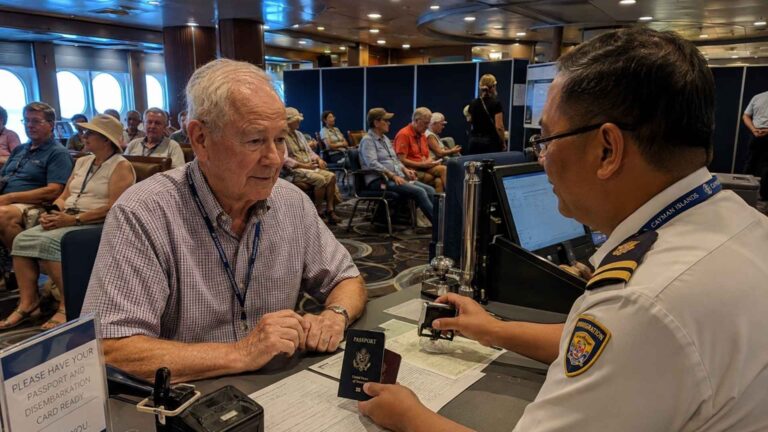
Aitcho Islands Cruise Port: A Cruiser’s Guide to Antarctic Penguin Landings
The Aitcho Islands are a raw Antarctic Zodiac landing where penguins may be moving near the beach before your boots clear the surf. This guide explains the operation without claiming a first-hand visit.
My quick take: Your ship is the hotel, Zodiacs are the only route ashore, and weather controls everything. My guides to tender ports and tender basics explain the transfer concept.
What a compliant penguin landing requires
The expedition team sets a one-way route, wildlife buffers, and the number of guests ashore under the site’s current plan. Give penguins the right of way, never block their routes to the sea, and increase distance whenever an animal changes behavior.
Before boarding, vacuum pockets and hook-and-loop fasteners, clean footwear, and use the operator’s disinfectant procedure. Take no food ashore, remove nothing, and keep every loose item secured because the Antarctic Treaty system protects the site as a natural reserve.
The Barrientos limits that shape your visit
The Antarctic Treaty visitor guideline for Barrientos Island allows no more than 100 visitors ashore at one time, excluding expedition guides and leaders. It also sets a ratio of one guide for every 20 visitors, a limit of two qualifying ships per day, and a wildlife rest period from 10 PM to 4 AM.
Those numbers explain why groups rotate and why your landing window may feel tightly choreographed. They are protection measures rather than optional cruise-line preferences, so stay with your assigned group and return when called even if the penguins have chosen that exact moment to become fascinating.
The same guideline calls for a precautionary distance of 5 meters from wildlife and at least 50 meters from nesting southern giant petrels when you are level with or above them. Any change in an animal’s behavior means you increase the distance, while cliffs and vertical rock walls deserve space because of rockfall risk.
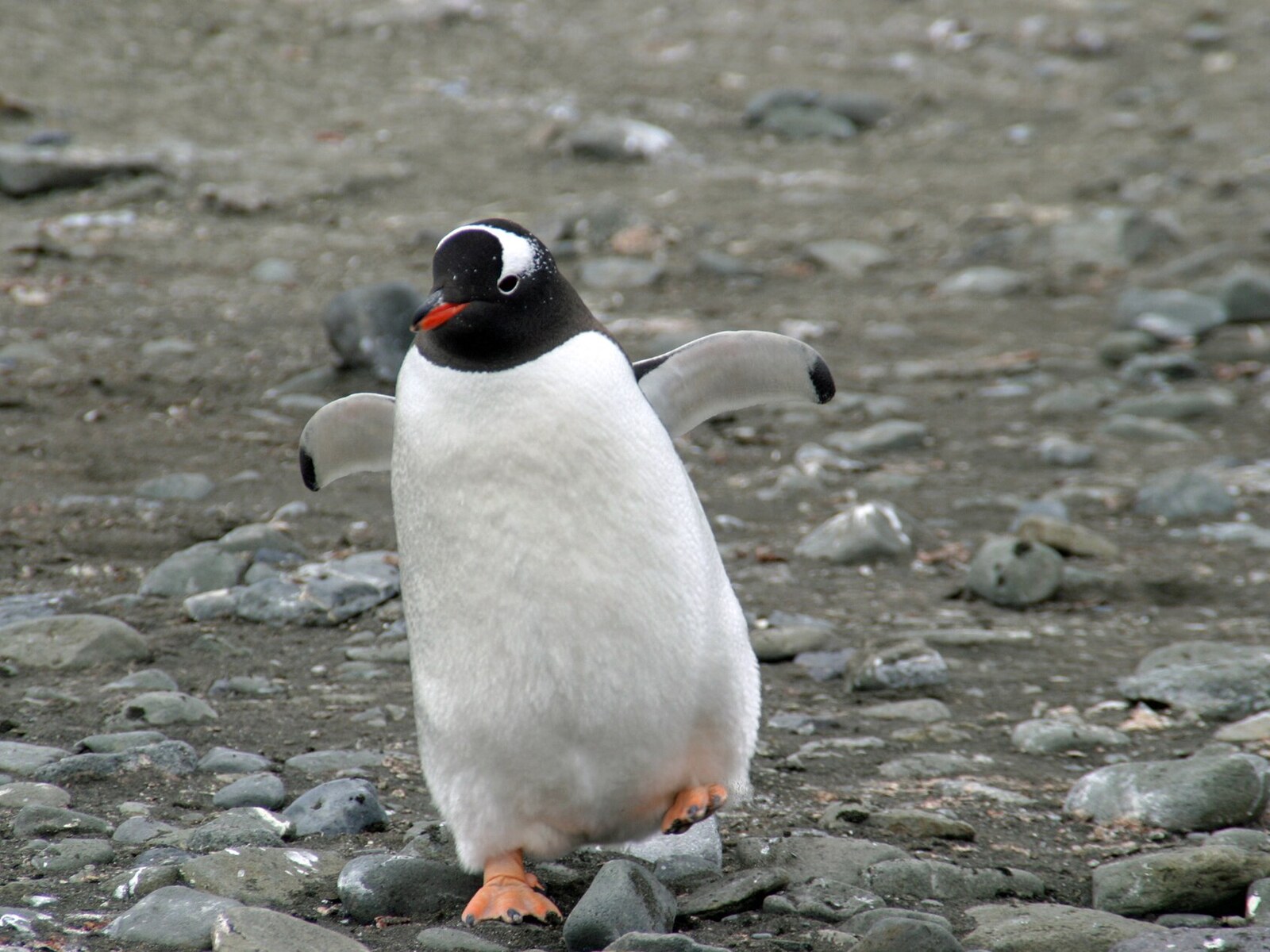
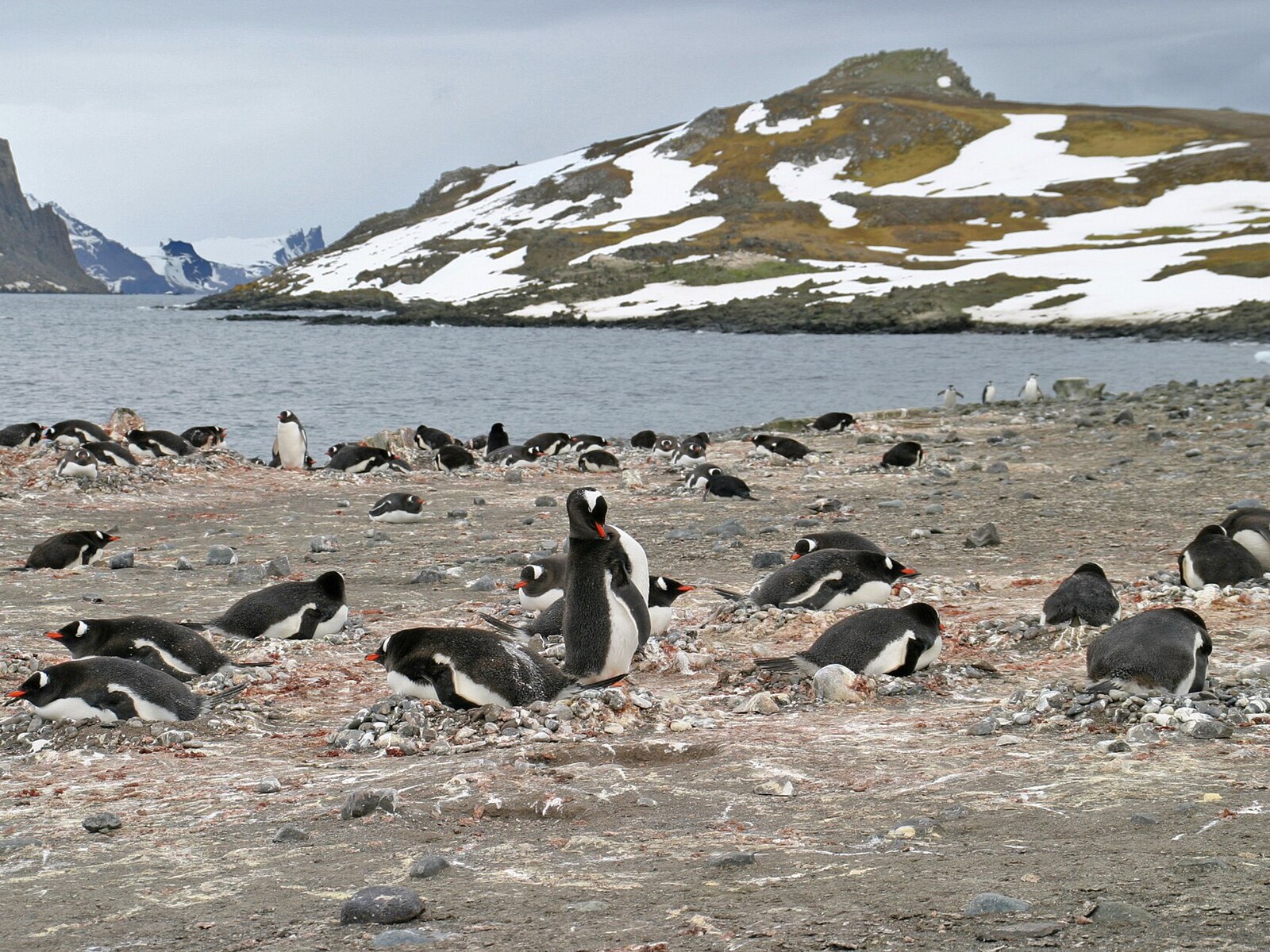
Chinstrap and gentoo viewing: stop outside the marked colony boundary and watch behavior rather than pursuing a close photograph.
Seals: scan the cobbles before stepping backward and follow the wider route chosen by guides.
Plants and algae: stay off moss beds and green algal patches even when they look like the easiest footing.
Quick Facts
- Where you land: There is no pier or harbor. Expedition ships commonly target Barrientos Island, where the official site guideline identifies eastern sand or cobble beaches and a western high-water landing option; the expedition leader chooses the actual site. This is protected wilderness governed by the Antarctic Treaty System, not a port with services.
- Dock or tender: Tender by ship Zodiac.
- Into town: Not applicable, because there is no town.
- Currency and language: No currency or language is needed ashore because the islands have no shops, vendors, or cash machines.
- Time zone: Antarctica has no single official time zone, so your ship’s clock and expedition announcements control every boarding time.
- Schedule risk: No official public cancellation rate is available. Wind, swell, ice, visibility, wildlife activity, and site-capacity rules can change or cancel the landing.
How to confirm your landing plan
Antarctica does not run to a fixed schedule or a guaranteed port time, so keep plans flexible from the start. The expedition team decides each landing around the morning’s wind, swell, ice, and wildlife, and any part of the plan can change within an hour.
Listen carefully to the daily briefing and cabin announcements, because that is where the real plan for the day lives. Group colors, boarding order, and mandatory biosecurity steps such as vacuuming gear and washing boots are explained there before anyone goes ashore.
Treat the Zodiac ride like the shuttle it really is, similar in spirit to calmer tender ports that still feel easy, only much colder and wetter. Good waterproof shell layers and a spare pair of dry gloves can make a major difference.
Confirm the final pickup time directly with the beach team before walking away from the landing area. A simple countdown alarm can help when wildlife viewing makes it easy to lose track of time.
If that is a concern on your sailing, Antarctic Peninsula Cruise Guide goes into it properly.
The stops I’d actually spend time on
There is no checklist of monuments or museums to tick off here, only living wilderness to move through slowly and respectfully. These are the moments I would prioritize on a landing.
The penguin colonies: Barrientos is well known for chinstrap and gentoo colonies, which are loud, busy, and endlessly watchable from outside their well-worn routes to the sea. The British Antarctic Survey’s penguin overview is a useful primer before you go.
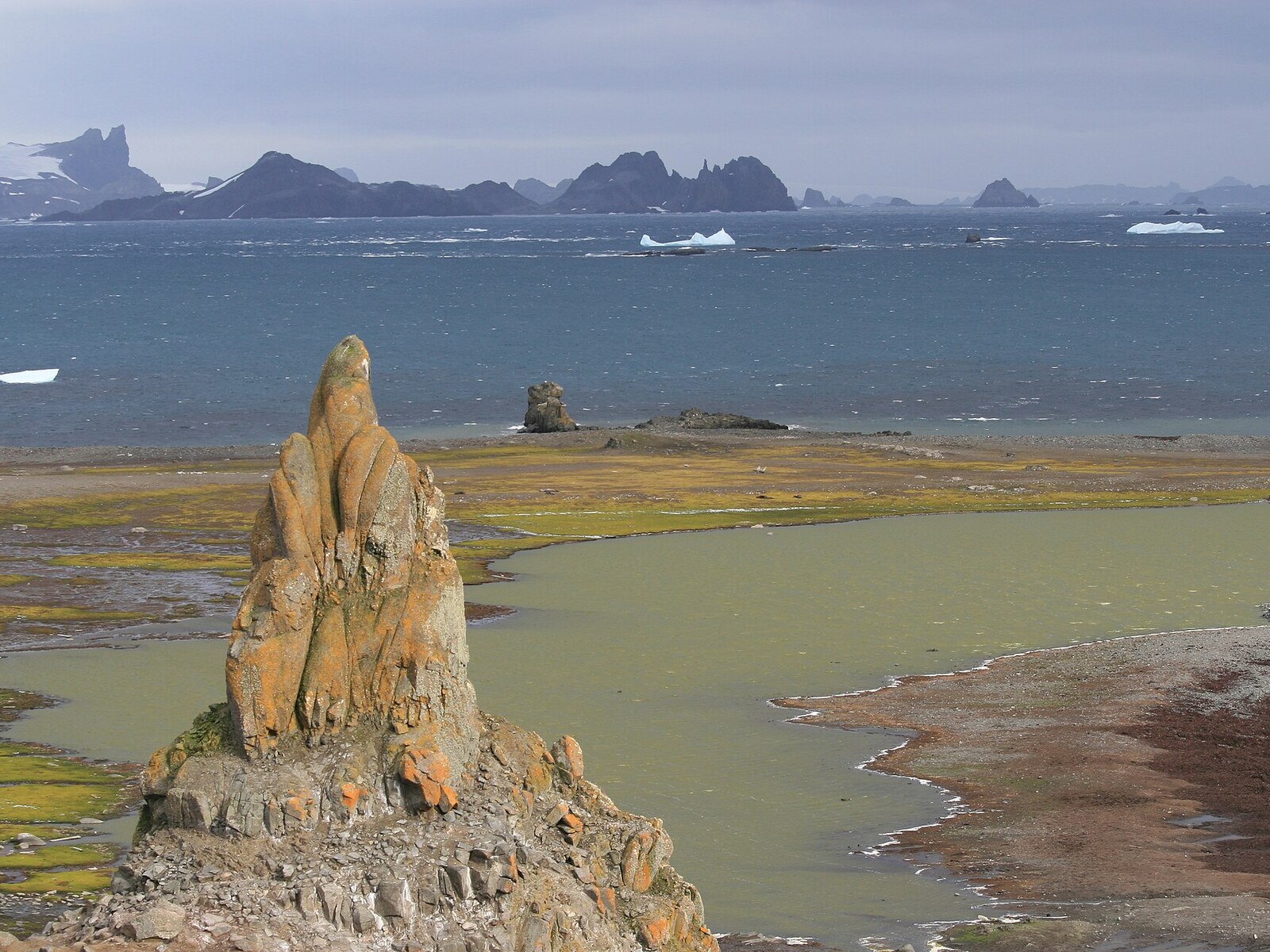
The moss beds and algal mats: Bright green cushions of moss and vivid Prasiola algae cling to wet black rock, and a single careless bootprint can scar them for years. Photograph them only from the marked boundary and never cross protected lines.
Seals on the cobbles: Fur and elephant seals haul out along the beaches and deserve a wide, respectful arc. Watch for animals camouflaged among the rocks and let them set the distance.
The IAATO way of visiting: Every landing follows strict visitor guidelines on distance, group size, and biosecurity. The IAATO guidelines explain the careful etiquette that protects these fragile sites.
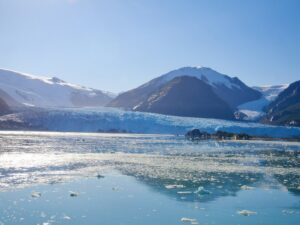
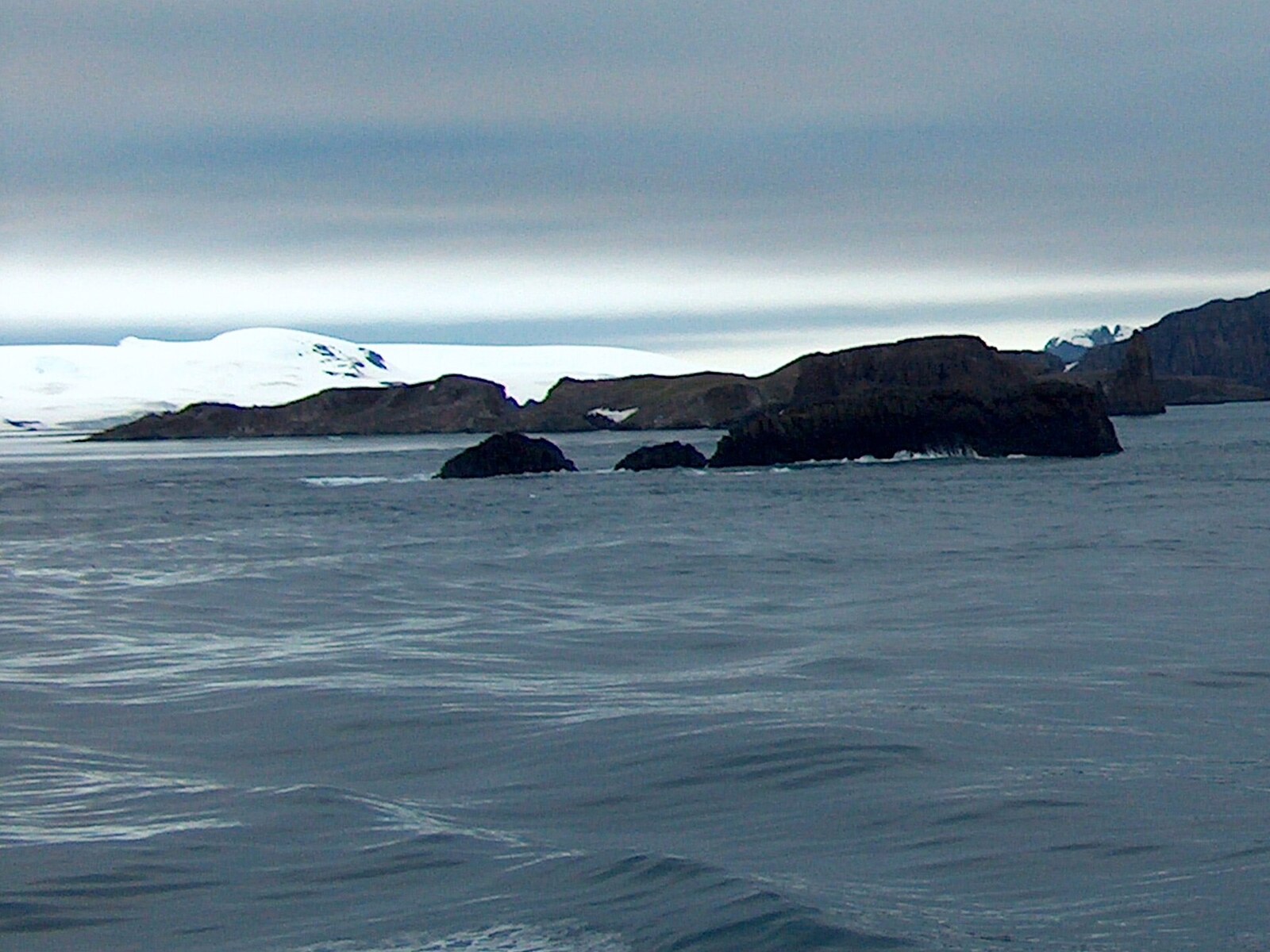
The views across English Strait: From a low ridge you can look toward Greenwich and Robert Islands, with brash ice glittering in sheltered coves below. It is the kind of place worth standing still for rather than rushing through.
The wet landing itself: Learning the shuffle step, feeling the cold surf wash over expedition boots, and reaching the beach is part of the experience rather than just transport.
A minute of pure sound: Expedition guides sometimes call for a shared moment of quiet so the surf, wingbeats, penguin calls, and pebble scrapes can take over completely.
How I’d plan the day
A typical landing operation: Expect the expedition team to assign a limited shore window rather than giving you three independent hours. Follow the marked loop slowly, leave the beach clear for arriving Zodiacs, and return when your group is called.
If conditions support two activities: The ship may pair a shorter landing with Zodiac cruising or kayaking in separate groups. Treat the schedule as fixed by the expedition team, not as free time you can extend.
If landing is canceled: Zodiac cruising, deck wildlife watching, or a different protected site may replace it. Aitcho is never guaranteed, and that flexibility protects both visitors and wildlife.
A realistic word on accessibility
This is a physically demanding landing involving a moving Zodiac, cold water, uneven pebbles, and snow. Crew can steady guests but cannot promise a safe transfer or carry assistance in every condition, so the expedition leader makes the final call.
If a beach transfer is not right for you on the day, a Zodiac-only coastal cruise is often just as wildlife-rich and far more sheltered from the surf and swell. For a wider sense of how landings and transfers compare across the map, my notes on wheelchair-friendly cruise ports help set honest expectations.

When to go, and the weather
The Antarctic cruise window runs from roughly November to March, and each month within it feels genuinely distinct. Early season brings courtship displays and deep snowy beaches, midseason brings eggs and the first hatching chicks, and late season brings noisy creches of chicks and molting adults.
Temperatures usually hover somewhere around freezing, but the wind chill is the real story on any exposed ridge or open beach. A calm, sunny hour can feel almost mild on the skin, while a sudden katabatic gust rushing down off the ice makes proper waterproof and insulating layers completely non-negotiable.
December and January bring very long polar daylight, which gives the expedition team plenty of room to work the landings around whatever weather arrives. February and March shorten the daylight a little but often noticeably improve the whale watching offshore as the season matures toward autumn.
Quick answers
Is there a pier or town at the Aitcho Islands?
No, none at all, and that is precisely the point of coming here. There is no pier, no town, and no services of any kind, only a raw wilderness landing by Zodiac onto a pebble beach in the South Shetland Islands.
Can I see wildlife without stepping ashore?
Yes, and easily so, which is reassuring to know in advance. A coastal Zodiac cruise or a patient deck watch during the sail-in gives you penguins, seals, ice, and seabirds without ever leaving the boat or stepping ashore.
What if the landing is canceled?
It can happen, and a safe cancellation is always better than forcing a landing. Expedition teams may pivot to Zodiac cruising, another approved site, naturalist programs, or shipboard wildlife viewing according to conditions and permits.
How this guide was researched: This guide uses the current Antarctic Treaty visitor guideline for Barrientos Island, IAATO visitor and biosecurity guidance, and British Antarctic Survey wildlife background; it does not claim a first-hand visit. Landing limits, wildlife distances, closed areas, biosecurity steps, and weather-dependent operations were reviewed on September 11, 2026; see our Editorial Policy.
More on this topic: browse every guide on expedition and alternative cruises.