
CRUISE PLANNING
Expedition and Alternative Cruises
Explore polar voyages, ferries, freighters, tall ships, canal transits, small ships, and other less conventional ways to sail.
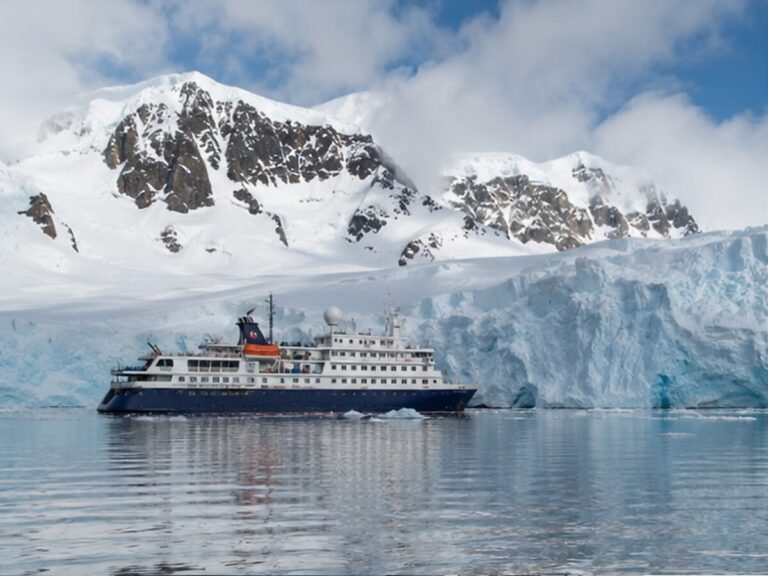
Go Beyond the Standard Cruise Itinerary
Alternative voyages can reach remarkable places, but they often come with different comfort levels, landing rules, schedules, and expectations. Start with the experience, not just the destination.
Start With These Questions
How Predictable Is the Itinerary?
Expedition routes may change for weather, wildlife, ice, sea conditions, or local landing restrictions.
What Is the Ship Experience?
Small ships, ferries, freighters, and sailing vessels offer very different cabins, services, and daily routines.
What Access Is Required?
Consider wet landings, Zodiac transfers, stairs, uneven surfaces, and the physical requirements of each trip.
When the Standard Itinerary Is Not the Point
Most cruise planning assumes a ship, a port, and a day ashore. A whole category of sailing works differently, and it needs different questions.
Expedition sailings trade certainty for access. Landings depend on ice, swell and wildlife, and the published itinerary is a statement of intent rather than a schedule. Passenger limits are a real constraint in the polar regions, where the number of people a ship can put ashore at once is regulated rather than optional. Those rules are why a smaller ship in Antarctica or Svalbard is not simply a more expensive version of a larger one.
Repositioning and transatlantic crossings are the opposite trade: few ports, many sea days, and prices that reflect it. They are excellent value and a genuinely different rhythm, and they are the wrong choice for anyone who measures a cruise by how much they saw.
Barge and small-ship cruising sit somewhere else again, with a dozen passengers rather than a thousand and an itinerary measured in villages rather than cities. The guides below cover what each of these actually involves, including the parts that do not appear in the brochure.
Transatlantic Crossing vs Repositioning Cruise: Not the Same… and Antarctica Fly Cruise: Skipping the Drake Passage explain why these sailings work the way they do.
Frequently Asked Questions
Why do polar ships carry so few passengers?
Landing rules limit how many people can be ashore at a site at once, so a larger ship means more waiting and fewer landings per person. Above a certain size, ships cannot land passengers at all and the voyage becomes scenic cruising.
Is a repositioning cruise good value?
Usually yes on price, provided sea days appeal to you. You are buying a comfortable crossing with few ports, and one-way flights at either end are the cost most people forget to include.
Latest Guides
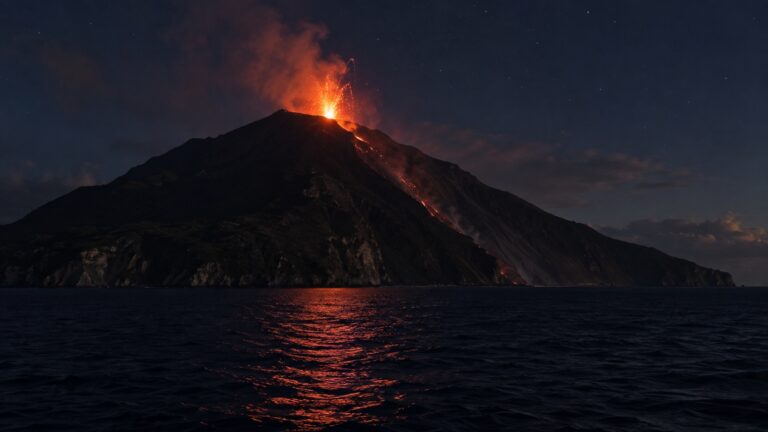
Stromboli and the Strait of Messina: The Night Sail-By Nobody Announces
Stromboli and the Strait of Messina slip past in the dark on many Italy sailings. Know when to look, which side of the ship…
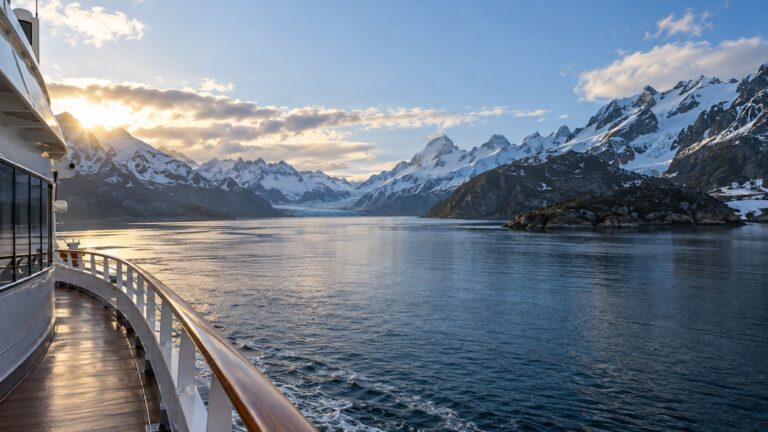
Beagle Channel and Glacier Alley: The Morning Before Ushuaia
Glacier Alley on the Beagle Channel gives you two hours of ice before Ushuaia. Know when it starts, which side to stand on and…
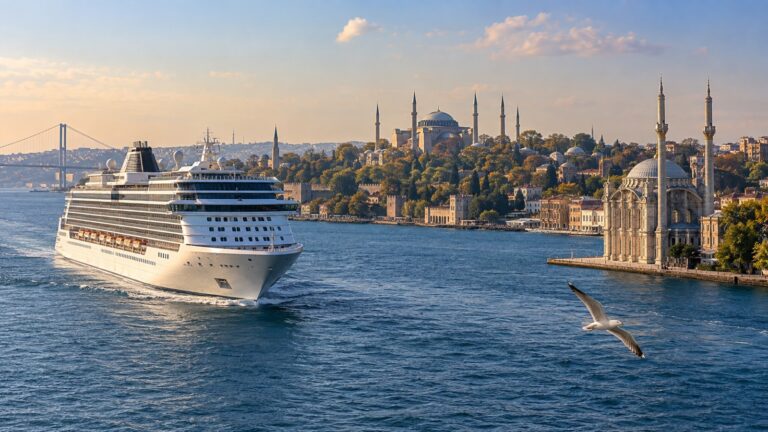
Bosphorus Transit: The Best Scenic Cruising Day in the Eastern Mediterranean
Your ship threads Europe and Asia in one morning. Here is the landmark order, which side of the deck to stand on, and what…
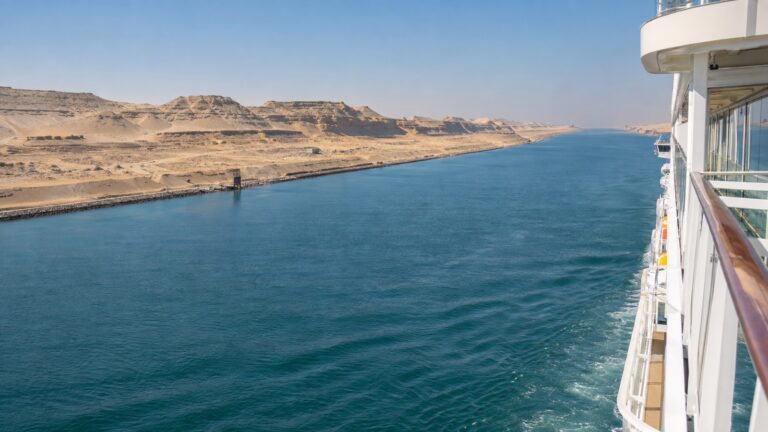
Suez Canal Cruise Transit: What the Day Is Actually Like
A Suez Canal transit is a full day of watching desert slide past your balcony at walking pace. It is one of the strangest…
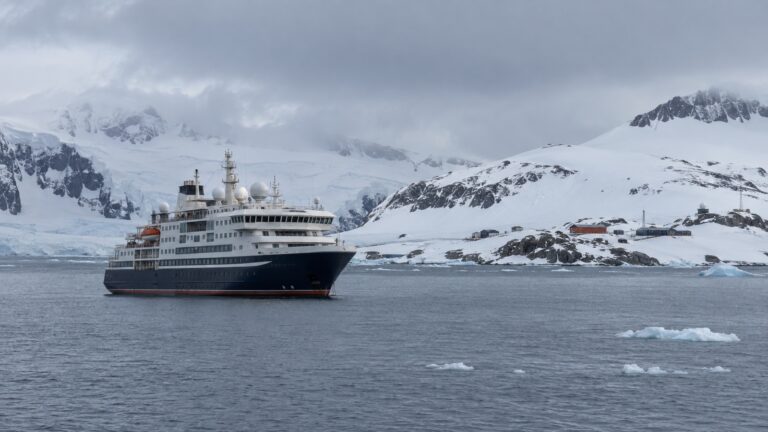
King George Island Cruise Guide: Landings, Stations, and Fly Cruise Logistics
Planning a King George Island cruise visit? Learn how Zodiac landings, station permissions, fly cruise transfers, biosecurity, weather changes, and accessibility work.
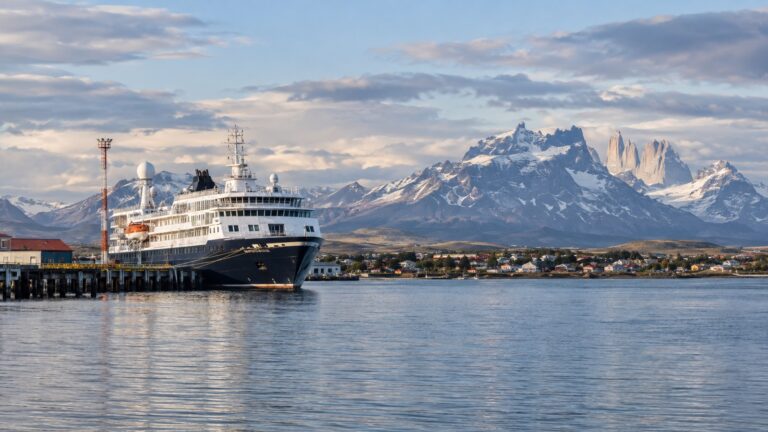
Puerto Natales Cruise Port Guide: Torres del Paine Without the Rush
Plan a Puerto Natales cruise day with verified terminal facts, a realistic Torres del Paine strategy, current park rules, accessibility guidance, and safe return…
Keep Planning
Compare the practical differences between ocean and river cruising before choosing your next voyage.