King George Island Cruise Guide: Landings, Stations, and Fly Cruise Logistics
King George Island is not a conventional cruise port. It is a major Antarctic research and logistics hub where expedition landings, station operations, wildlife protection, and weather all shape what visitors can do.
A ship visit, a fly cruise transfer, and a flight based day trip may reach the same island but deliver very different experiences. The name on the itinerary is only the beginning, because the exact coast, landing, and permissions matter far more.
King George Island at a Glance
Quick Facts
- Region: South Shetland Islands, north of the Antarctic Peninsula
- Arrival by ship: Usually an expedition landing or Zodiac cruise directed by the onboard team
- Conventional terminal: None for independent cruise sightseeing
- Station access: Permission required and subject to operational changes
- Fly cruise role: The airfield near Chilean facilities serves as a gateway for some programs
- Money ashore: Do not expect a regular visitor economy
- Timekeeping: Follow ship or expedition time, not an automatic phone setting
What the Island Name Does Not Tell You
King George Island is large enough to contain several distinct operating areas and research stations. A Fildes Peninsula visit, a landing near Ardley Island, and an activity around Admiralty Bay are not interchangeable days.
Your expedition briefing should identify the intended site, transfer method, clothing, walking conditions, and wildlife rules. Treat that briefing as the best available plan rather than a promise, since conditions can change after the meeting ends.
You will not step ashore and roam between stations on your own. Movement is controlled by the operator, local permissions, protected area rules, weather, and the needs of scientific programs.
How a Ship Visit Works
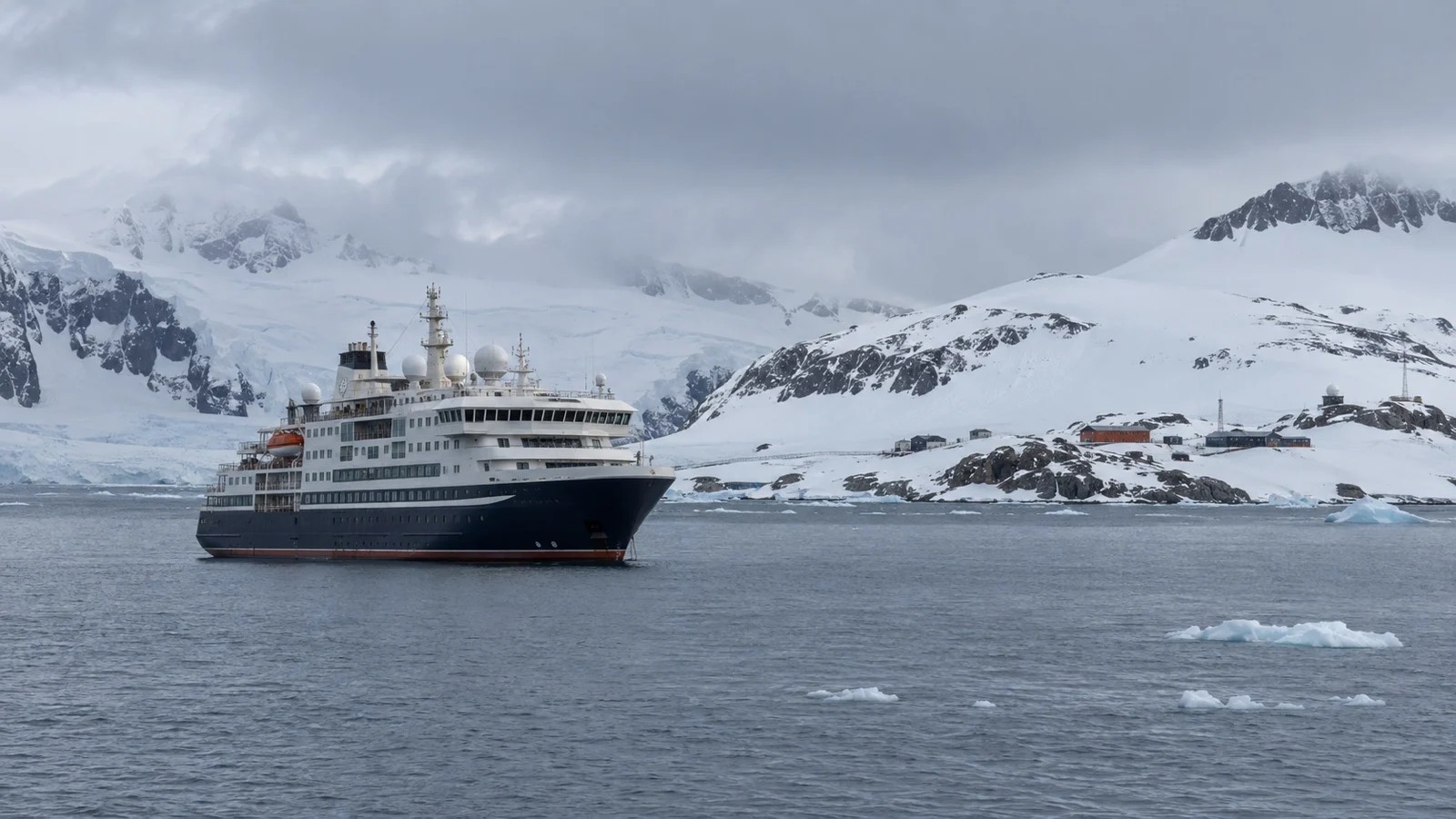
Expedition ships normally anchor and use inflatable boats for landings or coastal cruising. Staff assess wind, swell, visibility, ice, wildlife, and the condition of the shore before starting passenger operations.
The landing can involve a gangway, a moving Zodiac, shallow water, gravel, mud, snow, or uneven rock. Follow the operator’s boot and clothing instructions, keep both hands available during transfers, and wait for crew directions at every transition.
There is no independent tender service, taxi line, or public sightseeing circuit. The expedition team controls the route and return because visitor safety and environmental compliance depend on a coordinated operation.
Research Stations Are Working Facilities
A research station is not an attraction that keeps public hours. IAATO visitor guidance says permission must be obtained before visiting science and support facilities, with arrangements reconfirmed shortly before arrival.
Aircraft movements, cargo work, science, staffing, health controls, or emergencies can cancel access even when a visit appeared in earlier materials. Treat any chance to enter a facility, meet staff, use a post office, or buy a souvenir as a bonus.
Never enter a building without invitation or handle equipment, marker posts, supplies, and field installations. Ask before photographing people closely, and remember that the staff you meet are working in a remote operational environment.
Fildes Peninsula and the Airfield Area
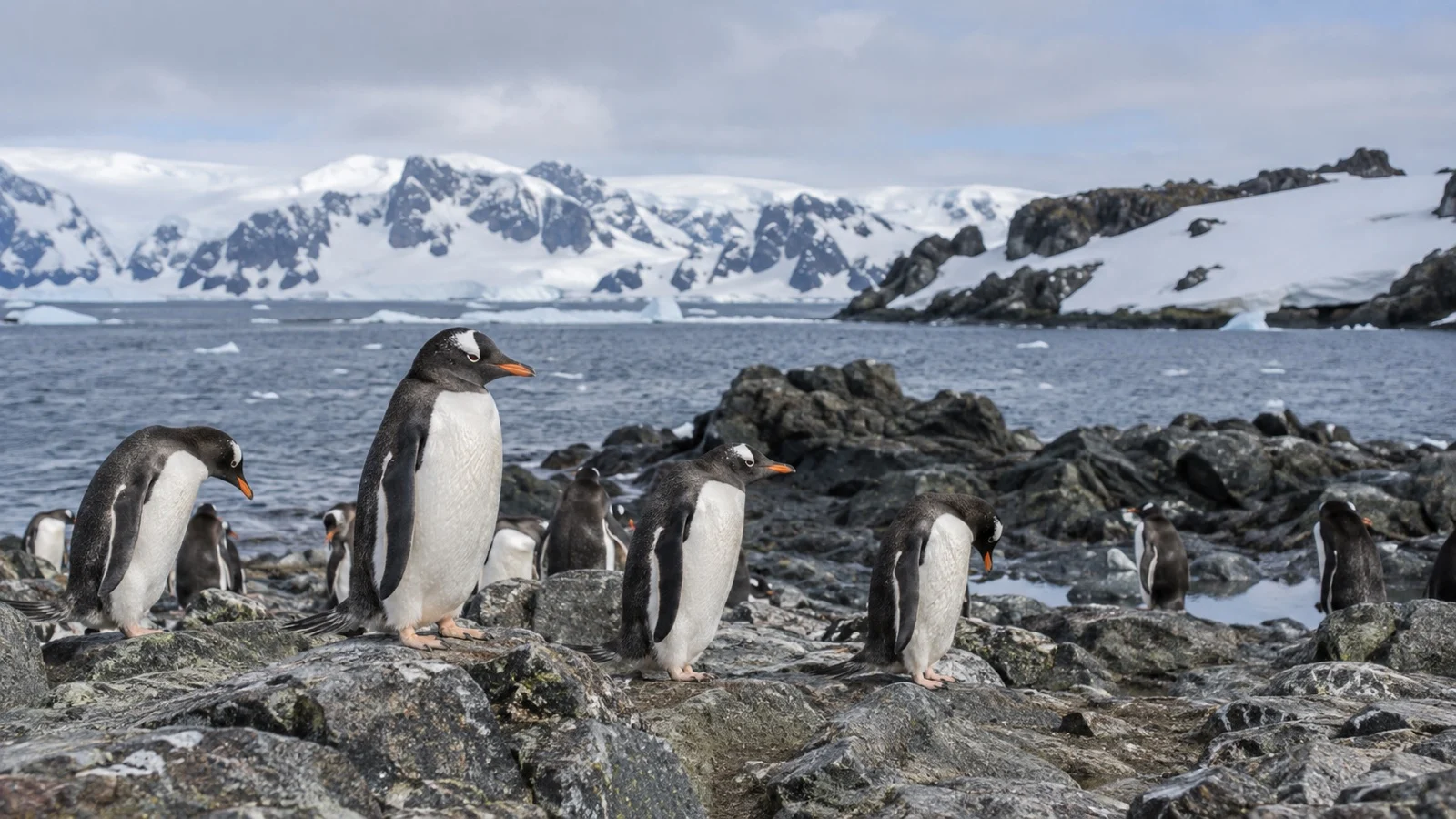
Fildes Peninsula is the island’s best known logistics zone and contains the airfield used by some Antarctic flight programs. Several national facilities occupy the broader area, which creates a very different atmosphere from an isolated wildlife beach.
A visit here may reveal gravel tracks, aircraft activity, fuel and cargo infrastructure, station buildings, glaciers, and wildlife within the same landscape. That overlap between science, logistics, and nature is the real story.
Do not assume that every ship calling at King George Island will tour the Fildes area. Your vessel may use another approved site, offer a Zodiac cruise, or skip the island when conditions make the planned activity unsuitable.
Ardley Island and Protected Areas
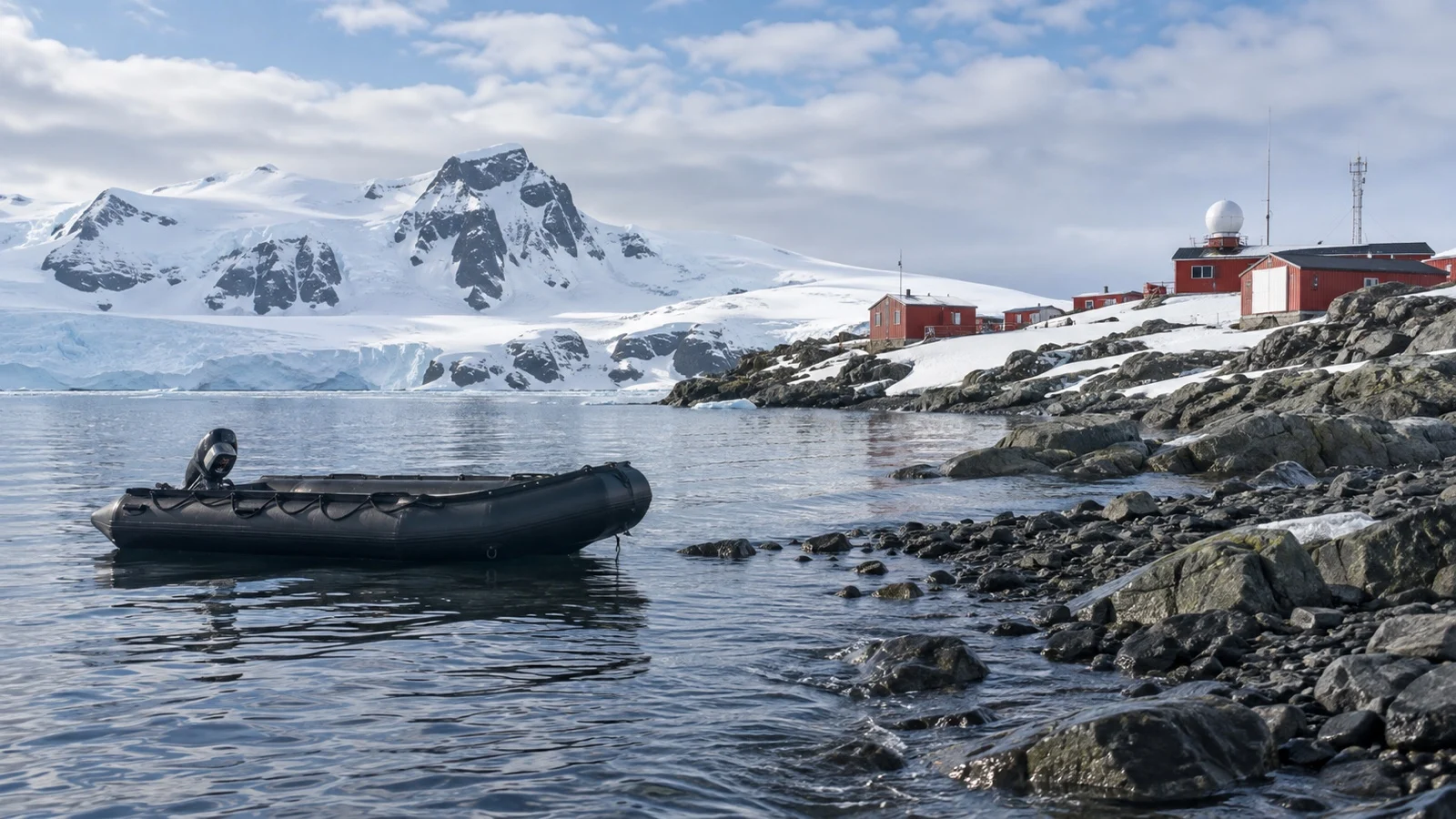
Ardley Island supports important penguin and seabird habitat and is managed as a specially protected area. Access and visitor movement are therefore more restrictive than a normal open beach walk.
The Antarctic Treaty Secretariat’s visitor site library includes site specific guidance for the northeast beach of Ardley Island. Follow the expedition team’s marked route, group limits, and wildlife instructions for the exact site used that day.
Penguin species and other wildlife vary by location and season, and no animal encounter is guaranteed. Give animals space to choose their own path, and back away if your presence changes their behavior.
What You May See
Possible wildlife includes gentoo, Adélie, and chinstrap penguins, along with seals and seabirds. The balance depends on the coast, timing, recent conditions, and the route approved for your group.
Glaciers, snowfields, volcanic looking shorelines, and broad bay views can be as memorable as the animals. King George Island’s human footprint is more visible than at many Peninsula landings, which makes the visit informative rather than less worthwhile.
I would not compare it directly with a silent iceberg channel farther south. This island shows how people support research in Antarctica and how that work coexists with a tightly protected environment.
Ship Visit or Fly Cruise
A sailing itinerary reaches King George Island as one potential expedition stop, often around a wider South Shetlands and Antarctic Peninsula route. A fly cruise uses the island’s airfield as a handoff between aircraft and expedition vessel, which can replace one or both Drake Passage crossings.
Flying does not remove Antarctic weather risk. Low cloud, wind, visibility, and runway conditions can delay the aircraft, so a responsible plan includes buffer days and avoids a tight onward connection.
A separate flight based day program is another product again, with its own permissions, route, transport, and weather limits. Never assume that an activity advertised for air passengers will be included during a ship landing.
Accessibility and Physical Demands
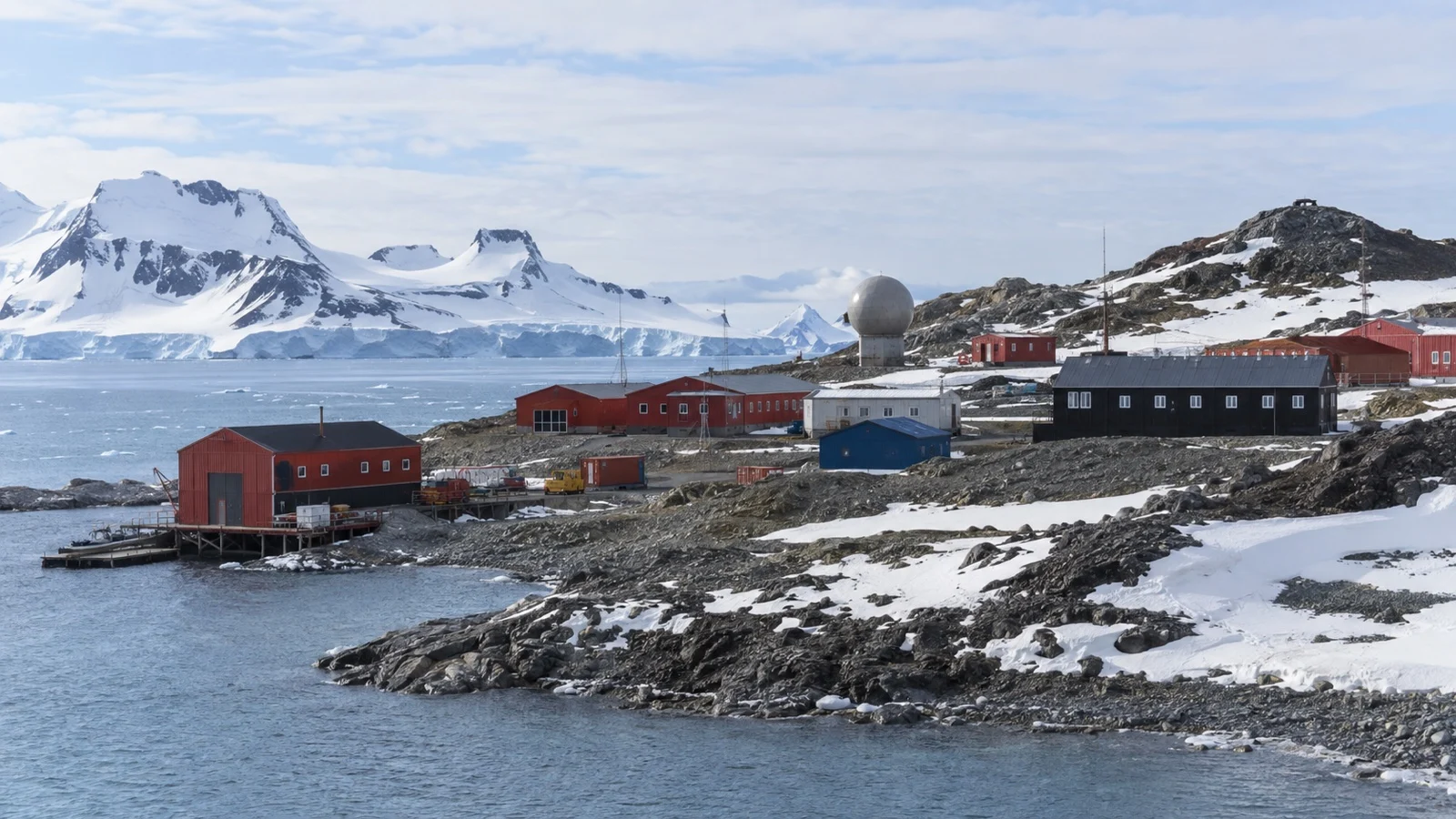
The Zodiac transfer may be harder than the time ashore. Passengers may need to descend an exterior gangway, step into a moving boat, sit low during the ride, and then negotiate water or uneven ground.
Ask the operator for its exact transfer standard before booking, including required steps, grip strength, balance, and the assistance crew can safely provide. An accessible cabin does not automatically make an expedition landing accessible.
If you can board the boat but not manage the shore, ask whether a Zodiac cruise without landing could be offered. It depends on weather, staffing, the site plan, and the vessel’s procedures, so it should not be promised in advance.
Biosecurity Is Part of the Landing
Before the first landing, clean soil, seeds, and organic material from boots, clothing, bags, walking poles, and camera equipment. Pay attention to hook and loop fasteners, cuffs, pocket linings, tripod feet, boot treads, and pack seams.
IAATO’s current preparation page includes biosecurity materials and season specific health protocols. Follow your operator’s most recent briefing because procedures can change between seasons.
After each visit, use the cleaning and disinfection process exactly as directed. Biosecurity protects wildlife and prevents visitors from carrying material between separate Antarctic sites.
Weather and What to Wear
Wind, fog, swell, snow, sea ice, and fast changes in visibility can shorten or cancel an operation. A decision made after passengers are dressed is still a normal part of expedition travel.
Wear waterproof outer layers over adjustable insulation, with gloves, eye protection, sunscreen, and a secure warm hat. Use the boots and life jacket supplied or specified by the operator rather than improvising with ordinary hiking gear.
Keep camera equipment simple enough to manage with gloves and two free hands during transfers. A waterproof pouch or dry bag protects electronics from spray, but it should never interfere with safe boarding.
Food, Money, and Facilities Ashore
Plan to eat, drink, use restrooms, and receive medical support on your ship unless the expedition team says otherwise. Research stations support their own programs and are not public visitor service centers.
There is no regular tourist economy, so do not count on shopping or card acceptance. A rare postal or souvenir opportunity depends on the facility, permission, staff availability, and the payment method accepted that day.
Carry no food ashore unless staff specifically authorize it. Bring back every personal item and piece of waste, including tissues and anything that could blow away.
Safety and Medical Planning
Antarctica does not have a public rescue service for tourists. Your vessel’s trained team, medical resources, communications, insurance requirements, and evacuation plan are the systems that matter.
Read the operator’s medical and mobility documents before paying the final balance, then disclose conditions honestly. A minor issue at home can become much more complicated when aircraft, vessels, and weather all affect access to higher care.
Never walk onto a glacier or large snowfield unless the expedition team has declared and equipped a safe route. Hidden crevasses are a serious hazard even when the surface looks smooth.
Returning to the Ship
Keep your watch on ship time and be at the assigned Zodiac point when requested. A phone may adopt a station or aircraft time setting that does not match the vessel’s operation.
Secure every loose item before boarding and keep the life jacket fastened as instructed. If conditions deteriorate, the team may call everyone back quickly and there is no room for an independent delay.
Listen for revised instructions even after landing. A safe return route can change with wind, surf, ice, wildlife, or other boats using the shore.
How King George Island Fits an Antarctica Itinerary
On a conventional voyage, the island may appear before or after the Drake Passage and alongside other South Shetland sites. It should be one flexible piece of a broader Antarctic Peninsula itinerary.
For travelers considering the air route, the Antarctica fly cruise guide explains how flight delays differ from the risks of a sea crossing. The trade is not certainty for uncertainty, but one kind of exposure for another.
A substituted landing in the Aitcho Islands or elsewhere may produce a better wildlife or sea condition window. Expedition itineraries improve when the leader can use the safest and most rewarding option available.
My Take
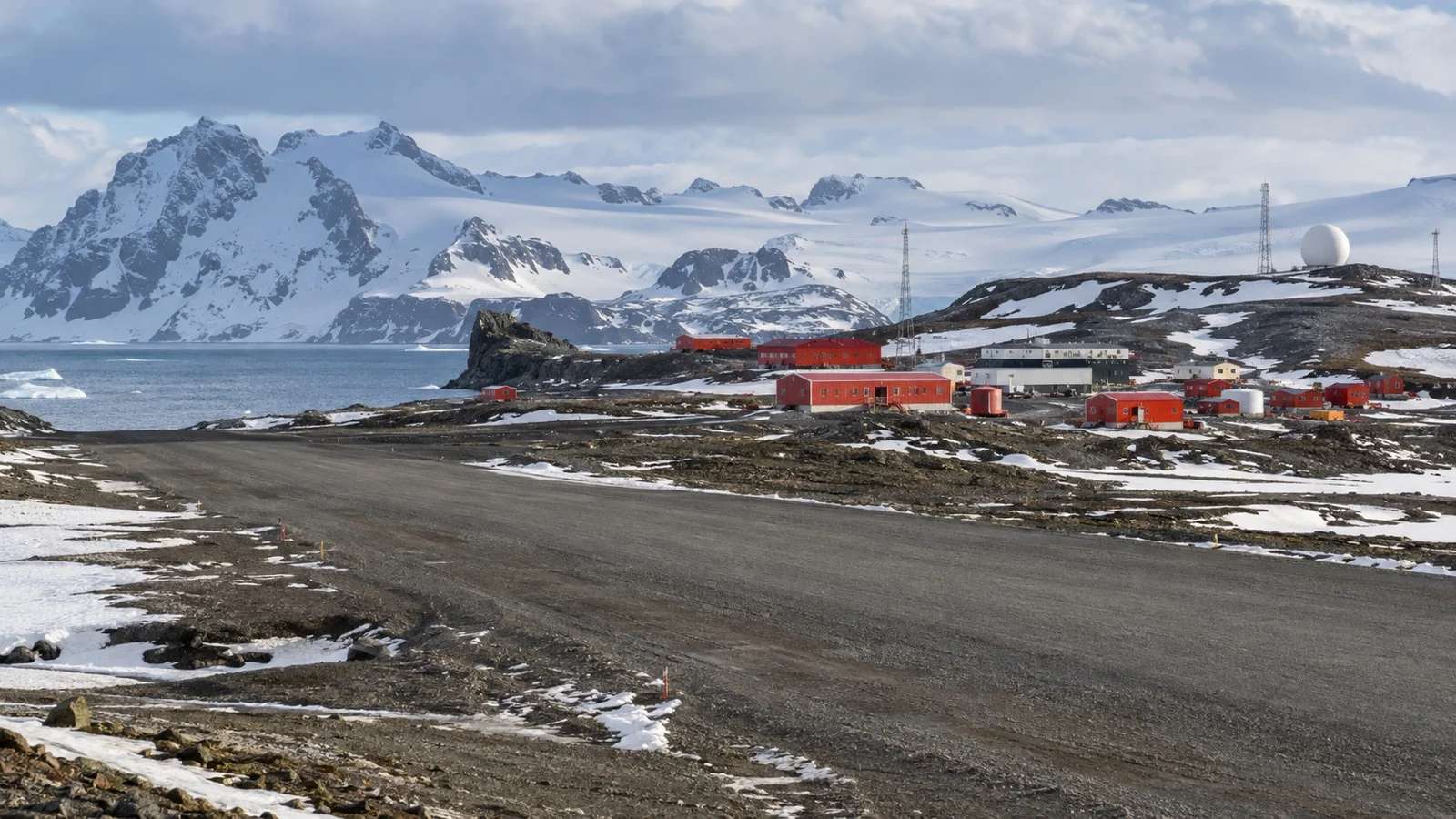
I would book King George Island for the wider expedition, not for a guaranteed station doorway or one exact penguin colony. Its value is seeing the practical side of Antarctica, where science, international logistics, aviation, ships, glaciers, and wildlife share the same island.
The right mindset is flexible but not casual. Prepare carefully, follow every environmental instruction, and let the expedition team rewrite the day when Antarctica demands it.
Research note: This guide was checked against current visitor guidance from the Antarctic Treaty Secretariat and IAATO, including the current expedition preparation materials. Landing sites, station permissions, wildlife controls, health protocols, weather operations, and accessibility can change, so follow the instructions issued for your specific voyage.
More on this topic: browse every guide on expedition and alternative cruises.