Can You Enjoy an Alaska Cruise Without Booking Expensive Excursions?
Alaska can be expensive before anyone mentions a helicopter. I choose one meaningful splurge, use the towns and included scenery properly, and leave enough flexibility for weather to rearrange the day without rearranging the household budget.
The short answer
Spend heavily only on the experience that truly requires a boat, aircraft, train, remote vehicle, or specialist guide. Juneau, Skagway, Ketchikan, Sitka, and Icy Strait Point all offer lower-cost alternatives when the town, history, scenery, and weather become the plan.
A budget Alaska cruise is not the same as staying onboard everywhere. It means treating the town and landscape as the attraction instead of purchasing transportation at every stop.
Build the budget around one splurge
Choose the one activity you would be most disappointed to miss, then protect money for it before browsing smaller tours. Whale watching, the White Pass railway, a glacier flight, fishing, or a specialized wildlife trip can each fill that role.
Use our Alaska cruise ports guide to compare the whole itinerary. Do not buy three similar scenic vehicle trips simply because each port offers one.
Juneau without a premium excursion
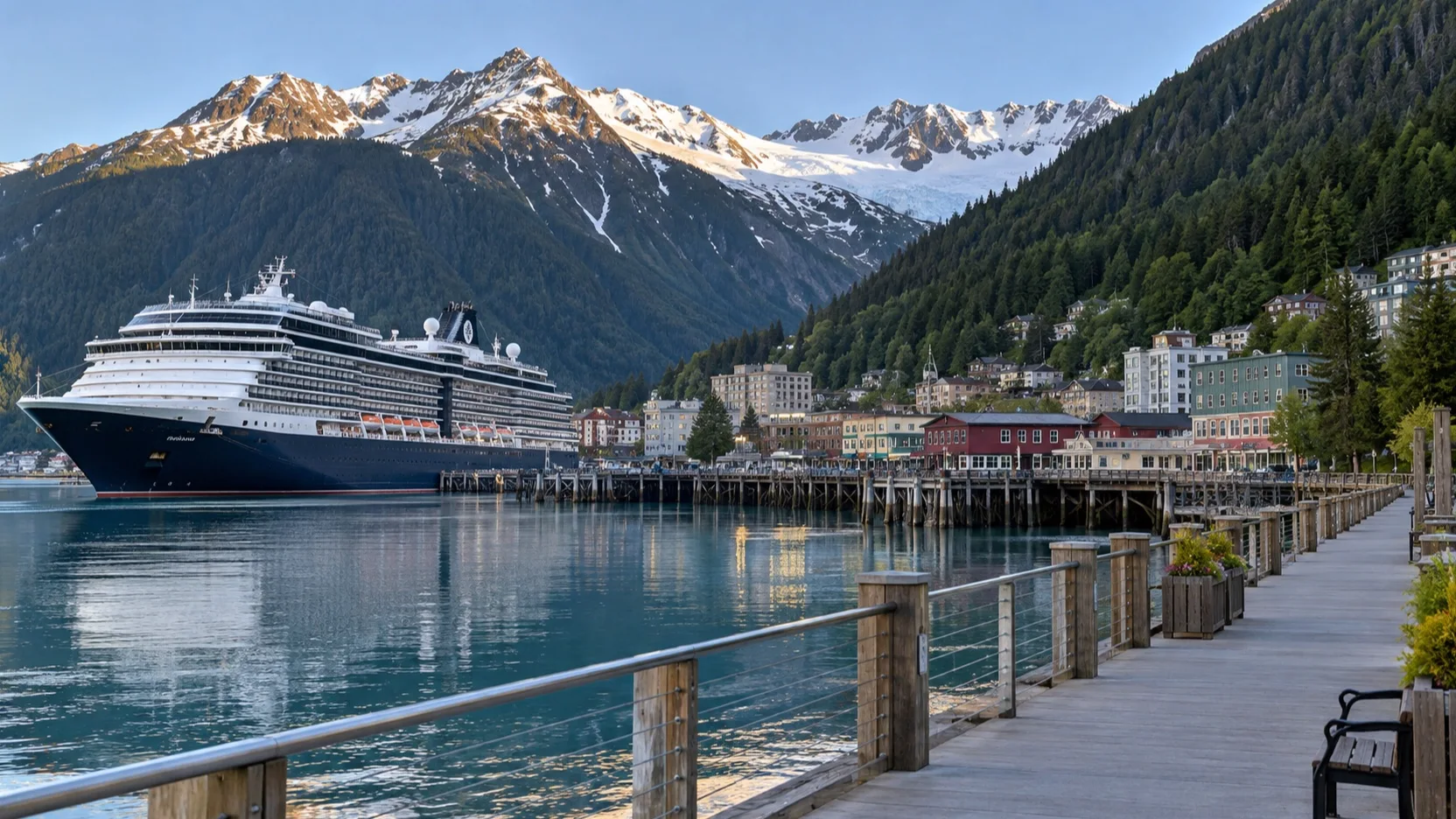
Juneau’s downtown supports a day around Alaska history, waterfront views, public buildings, local food, shops, and uphill streets. The terrain can be demanding, but the route can be shortened at any point.
Our Juneau port guide explains the docks and city. A modest museum admission or local transit purchase can create more depth than a panoramic motorcoach.
Mendenhall Glacier planning is more complicated because current transportation, facilities, and access can change. Check the Tongass National Forest visitor information before treating it as a cheap last-minute outing.
Skagway without the railway
The White Pass railway is famous, but Skagway’s Gold Rush history does not disappear if you skip it. Historic streets, ranger interpretation, exhibits, walking routes, food, and surrounding scenery support a coherent day.
Our Skagway guide covers berth and town details. The National Park Service’s Klondike Gold Rush page provides current programs, hours, alerts, and accessibility.
Reserve the railway only if rail history and mountain scenery are priorities. Fame alone is not a reason to spend a large share of the trip budget.
Ketchikan without flightseeing
From a downtown berth, Ketchikan offers Creek Street, waterfront activity, museums, public art, local history, shops, and food within a manageable area. Rain protection makes the day more comfortable.
Our Ketchikan port guide explains the important exception: Ward Cove requires transportation to central Ketchikan. Confirm the berth before calling the plan free or walkable.
The Ketchikan Visitors Bureau is a useful source for current destination information. Verify seasonal hours directly with each attraction.
Sitka on a smaller budget
Sitka combines Russian colonial history, Tlingit culture, waterfront scenery, churches, museums, and a compact downtown after the port transfer. A focused day can feel distinctly Alaska without a premium wildlife boat.
Our Sitka port planning explains the shuttle and attractions. Spend modestly on the museum or cultural stop that adds the most context.
For Sitka National Historical Park, use the official National Park Service visitor page for current trails, programs, alerts, and accessibility.
Icy Strait Point without a whale boat
Icy Strait Point can support a slower day around waterfront scenery, history, food, trails, and nearby Hoonah. The experience is narrower than Juneau’s city menu, but that can feel refreshing.
I do not confuse a high price with a uniquely Alaskan experience.
Our Icy Strait Point guide explains the port and Hoonah connection. Check current transport and operating hours rather than assuming every seasonal facility opens for each ship.
Use scenic cruising as part of the value
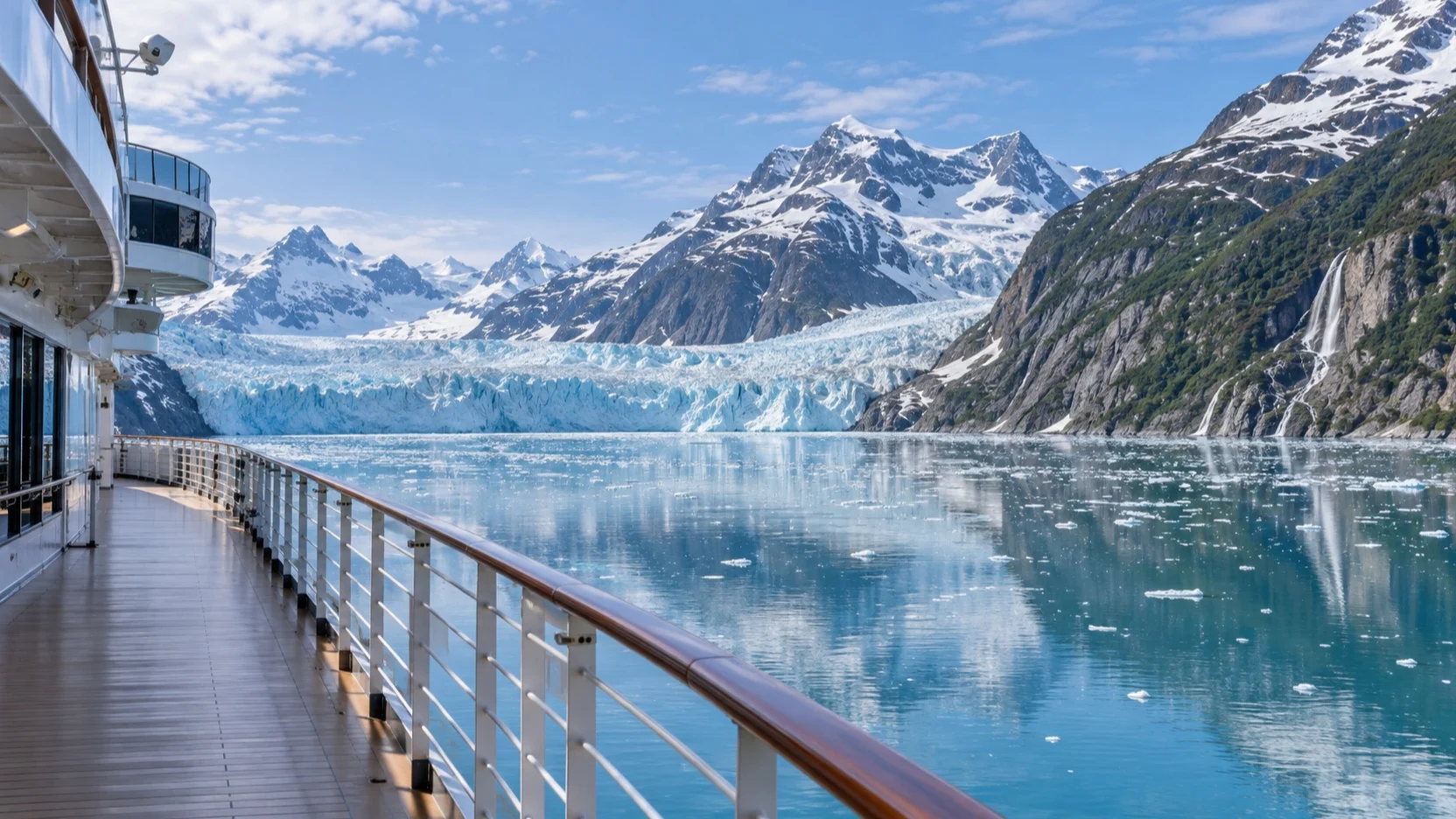
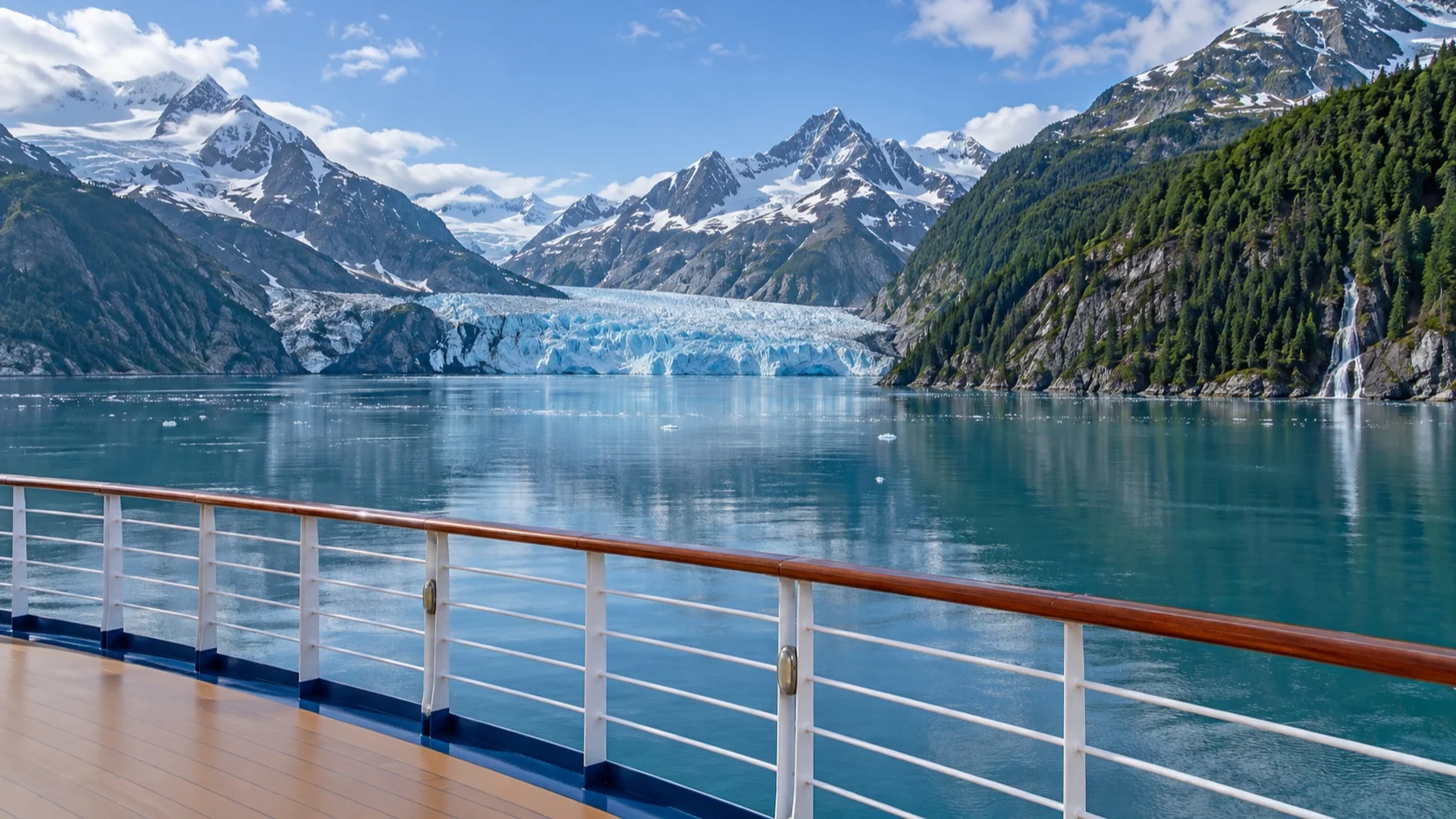
Glacier Bay, Hubbard Glacier, Tracy Arm, and other scenic sections may provide the itinerary’s major ice and landscape experience without a separate port purchase. The route and viewing depend on the sailing, weather, ice, and maritime conditions.
Be outside during the approach, listen to naturalist programming when offered, and move around the ship for different viewpoints. A good scenic-cruising day can remove pressure to buy a glacier excursion in every port.
Alaska Cruise on a Budget Quick Facts
- One locally relevant museum or heritage site.
- A ranger program or official walking route.
- A focused food stop rather than a generic included lunch.
- A short public trail suited to weather and mobility.
- Harbor watching, public art, churches, and historic streets.
- A local transit ride only when the return is clear.
Where not to cut corners
Do not choose an unverified operator, unsafe boat, inappropriate trail, or fragile return route only because it is cheap. Saving money should come from selecting a different day, not accepting weaker safety or unclear business practices.
Wildlife tours should respect viewing distance and current rules. The NOAA Fisheries guidelines provide a useful standard for responsible marine encounters.
Food and shopping on a budget
Choose one local item or meal rather than treating every port as a souvenir assignment. Compare menus and prices before sitting down, and remember that food near the first port blocks may prioritize convenience.
A modest bakery, coffee, seafood snack, or local specialty can anchor the day without turning lunch into another excursion. Avoid claiming a business is local or authentic without verifying ownership and sourcing.
Weather-proof the cheap day
Carry waterproof layers, warm midlayers, and footwear suited to wet surfaces. A rainy day remains useful when the route includes one indoor anchor and does not depend entirely on a distant view.
Download maps, save official hours, and know the return pickup. Flexible plans are valuable only when they remain organized.
Budget examples
A one-splurge itinerary might book whale watching in Juneau, explore Skagway’s historic district, walk Ketchikan, use Sitka’s museums and park, and keep Icy Strait Point relaxed. A railway lover could move the splurge to Skagway and use Juneau as the city day.
A mobility-first itinerary may spend more on private transportation but less on attractions. Comfort and access are legitimate uses of the excursion budget.
Return safeguards
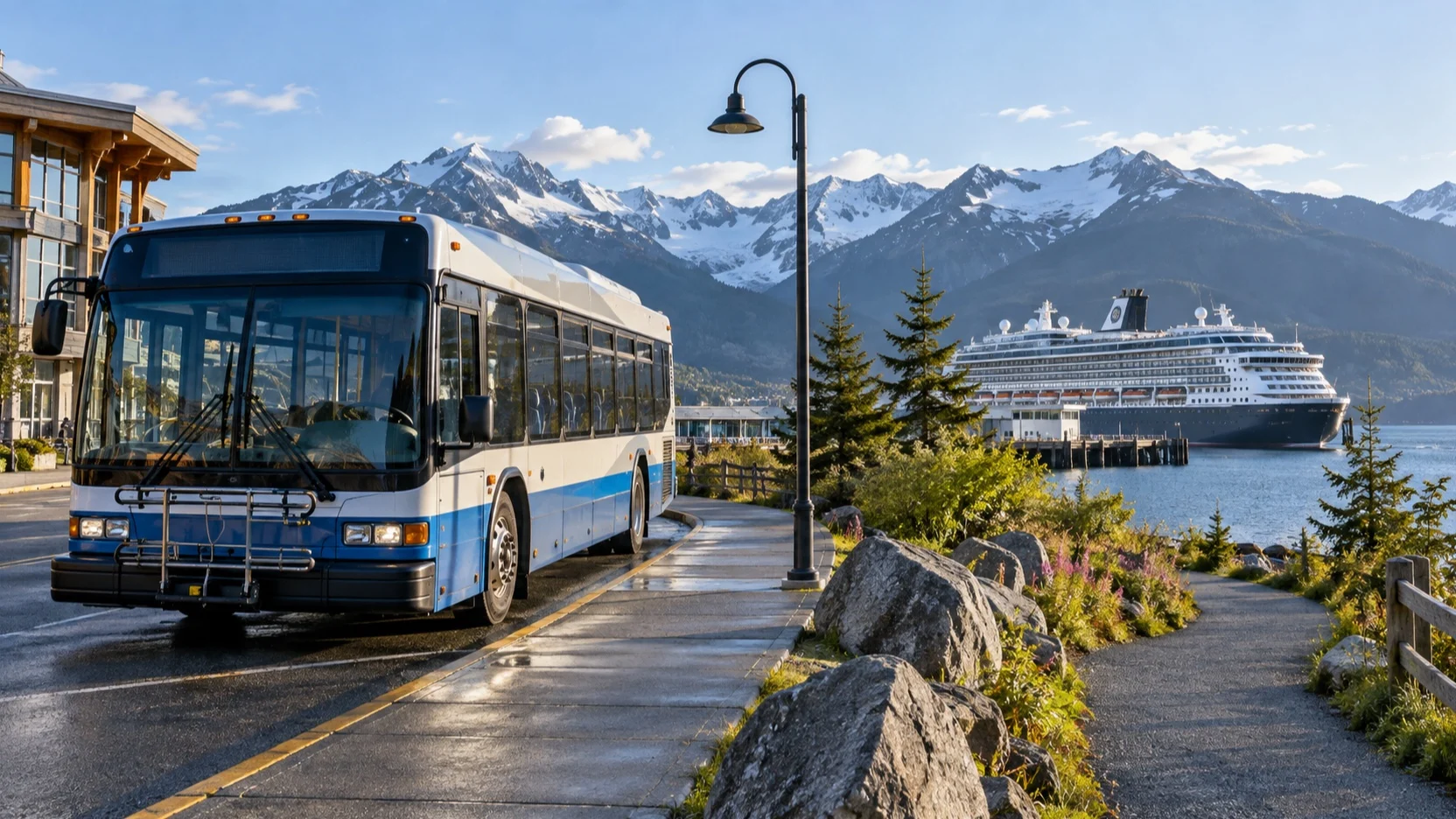
Confirm berth, shuttle, and all-aboard time.
Use official trail and attraction alerts.
Set a turnaround before leaving town.
Keep a dry offline copy of the route.
Carry the port-agent contact information.
Do not depend on a last possible shuttle or ride.
Make every low-cost day feel different
Assign one clear theme to each stop before sailing. Juneau can be state history and food, Skagway can be Gold Rush interpretation, Ketchikan can be waterfront culture, Sitka can combine museums with the national historical park, and Icy Strait Point can become the deliberately slow nature day.
Use short paid experiences strategically instead of treating the choice as free versus premium. One museum, ranger program, shuttle, or locally relevant food stop can give the day structure while preserving most of the budget for the single excursion that needs a boat, aircraft, railway, or remote vehicle.
If I can see the place well on foot, I save the premium booking for somewhere I cannot.
Let people with different energy levels split for part of the day, then agree on a central meeting point and firm time. Families should prioritize restrooms, warmth, snacks, and a quick return, while travelers with limited mobility should verify shuttle lifts, paving, curb cuts, seating, and accessible entrances directly.
Calculate the complete excursion cost before comparing options, including transportation to the meeting point, tips, equipment, meals, photos, and nonrefundable fees. Keep a small amount unassigned for a weather change, taxi, or unexpected museum because flexibility is easier when every dollar was not committed before sailing.
Finally, compare the opportunity cost across the whole vacation. Spending less in three ports may protect money for a comfortable precruise hotel, a better cabin, or one exceptional Alaska experience that your group will remember more clearly than several similar bus tours.
Research the town days with the same seriousness you would give a premium tour. Save official hours, identify one indoor backup, and learn the last reliable shuttle or walking route so the inexpensive plan remains genuinely useful in rain or after a schedule change.
If the ship arrives late, remove the farthest optional stop first instead of compressing the return. A flexible budget day should become calmer when time shrinks, not more frantic.
If that is a concern on your sailing, How to Plan a Cruise When You Can Afford Only One Paid Excursion goes into it properly.
The final recommendation
You can have a rich Alaska cruise with one premium excursion and several thoughtful town days. The ports are not waiting rooms for helicopters and boats.
Choose one expensive experience that cannot be reproduced, then use official history, public landscapes, food, and flexible walking routes to understand the rest. That balance often feels more varied than five prepaid tours.
Quick answers
Which Alaska port is easiest DIY?
Skagway, downtown Ketchikan, Juneau, and Sitka can all support strong independent days. Berth location, shuttle needs, terrain, and weather decide the easiest fit.
Can I see glaciers without paying extra?
Many itineraries include scenic cruising near glaciers, but routes and visibility vary. Check the sailing rather than assuming a specific close view.
Is whale watching worth the splurge?
It can be when wildlife is a top priority and the operator, boat, ethics, schedule, and cancellation terms are strong. Sightings and behavior cannot be guaranteed.
What should I book early?
Scarce small boats, aircraft, train departures, fishing, and specialized wildlife products can fill. Book only after reviewing physical requirements and terms.
Will rain ruin independent days?
Not when the plan includes waterproof clothing, one indoor stop, and flexible timing. Severe conditions or official closures should always change the route.
How this guide was researched
This guide was checked in September 2026 using current National Park Service information for Skagway and Sitka, Tongass National Forest guidance, NOAA marine-life rules, and official local tourism sources. Berths, programs, trails, wildlife, weather, and seasonal hours change, so verify them for your sailing.
Reviewed in September 2026 under our Editorial Policy. Recheck each port’s current access and operating details before departure.
More on this topic: browse every guide on shore excursions and DIY port days.