Kodiak Cruise Port: Bears, Museums & Pier II
Kodiak is the Alaska port that makes you slow down and look properly. Fishing boats, Alutiiq culture, wartime history, and serious bear country surround the city, but the bears are not waiting beside the gangway with tiny welcome signs.
Kodiak cruise port at a glance
Best independent plan: downtown museums, harbor, cathedral, and refuge visitor center.
Best nature outing: Fort Abercrombie or a prebooked remote wildlife tour.
Bear reality: roadside sightings are uncommon.
Weather rule: keep a waterproof layer close and a flexible plan closer.
Our Alaska cruise ports guide helps place Kodiak within the wider state. Kodiak feels different from the busier Inside Passage stops, with a working waterfront and a compact cultural core rather than a polished cruise village.
The quick facts
- Where you land: Pier II, a city-owned deep-draft working dock on Jack Hinkel Way, is the established cruise facility. The City of Kodiak runs three deepwater piers and there is no conventional passenger terminal building, so expect a functional arrival area on an active commercial waterfront.
- Dock or tender: Ships normally berth at a city deepwater pier.
- Into town: Downtown around Marine Way and Center Avenue is compact and roughly a 10 to 15 minute walk from Pier II when port staff confirm.
- Currency and language: US dollars and English, with the Alutiiq language actively being revitalized on the island.
- Time zone: Alaska Daylight Time (AKDT, UTC−8) through the May to September cruise season, Alaska Standard Time (AKST, UTC−9) in winter.
- How often the call is missed: Medium (roughly 3 to 7%): fog or severe weather can make the approach unsafe.
Where cruise ships dock in Kodiak
The City of Kodiak owns and operates three deepwater piers used by large vessels, including cruise ships. Pier II is the established city-owned, deep-draft cruise facility on Jack Hinkel Way, but Kodiak remains an active commercial port rather than a single-purpose passenger terminal.
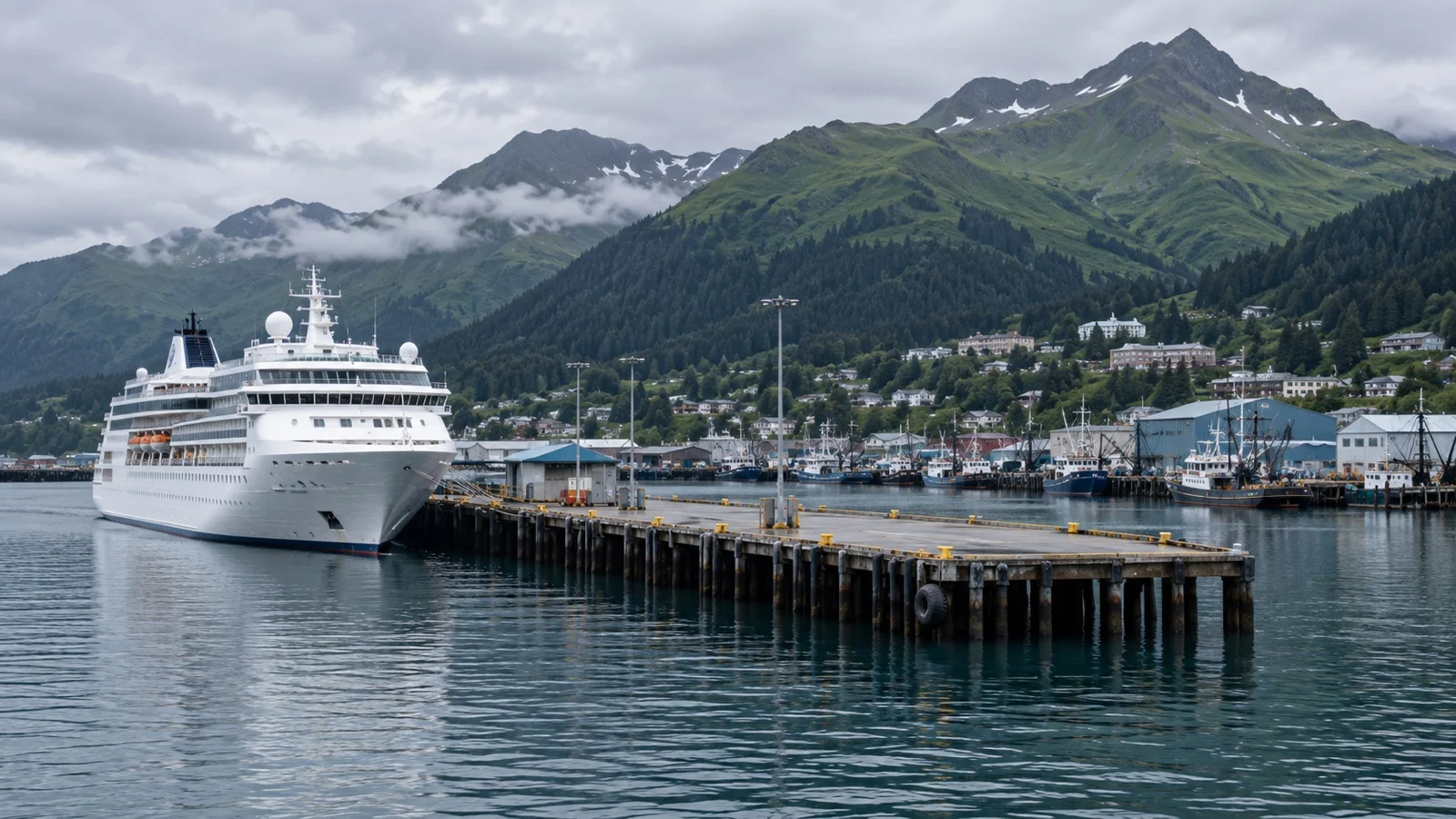
An Alaska Department of Transportation Pier II facility report confirms the location, city ownership, and a crucial detail: there is no conventional terminal building at the dock. Expect a functional arrival area, security controls, and immediate evidence that seafood here is an industry, not a decorative theme.
Berth assignments can change with ship size, cargo traffic, weather, and port operations. Check the daily program and listen for shuttle instructions because another pier or an occasional tender operation can produce a very different route into town.
Do not copy walking directions from a traveler who used a different dock. If your line provides a shuttle from an industrial berth, take it unless crew or port staff clearly confirm that the pedestrian route is open and appropriate.
Getting from the pier to downtown
Downtown Kodiak is compact once you reach the Marine Way and Center Avenue area. The harbor, museums, visitor facilities, shops, and Holy Resurrection Orthodox Cathedral are close enough to combine on foot for travelers comfortable with modest distances and damp pavement.
Shuttle arrangements are call-specific, not a universal municipal transit promise. Confirm whether your ship offers a downtown shuttle, where it stops, its last return, and whether mobility devices can be accommodated.
Taxis, arranged tours, and rental cars are the practical choices for Fort Abercrombie and the wider road system. Demand jumps when a ship arrives, so reserve a vehicle or tour rather than planning to improvise beside the gangway.
Can you explore Kodiak without a tour?
Yes, and culture lovers may prefer it. A self-guided downtown circuit can include the Alutiiq Museum, Kodiak History Museum, Kodiak National Wildlife Refuge Visitor Center, harbor, cathedral exterior, and a relaxed local lunch.
The catch is opening hours. Several small institutions close on certain weekdays, so verify each official calendar before building a beautiful Monday plan around a locked museum door.
Kodiak is a smart place to pay for a tour when your priority is remote wildlife, flightseeing, fishing, or a guided road-system outing. For another Alaska port with a strong independent cultural day, compare our Sitka cruise port guide.
Best things to do in Kodiak
Start at the Kodiak National Wildlife Refuge Visitor Center
The refuge visitor center at 402 Center Avenue gives essential context for the island’s bears, birds, salmon, habitats, and enormous protected backcountry. It is the right first stop if you want to understand what makes Kodiak special before setting off in search of it.
Hours can be limited, so check the official US Fish and Wildlife Service visitor information near your call. Even when your schedule does not support a remote outing, the center turns a downtown walk into something much richer.
Visit the Alutiiq Museum
The Alutiiq Museum tells the living story of the island’s Alutiiq and Sugpiaq people through archaeology, art, language, and community voices. This is not a footnote to Kodiak’s history, so give it more than a quick souvenir-shop shuffle.
The museum is at 215 Mission Road in the historic downtown core. Its official visitor page lists current hours, admission, cultural experiences, and detailed accessibility features.
Step into the Kodiak History Museum
The Kodiak History Museum occupies the Russian-American Magazin, one of Alaska’s oldest surviving buildings. Exhibits connect the community’s Russian-American, maritime, Indigenous, earthquake, and modern stories in an intimate setting.
It is at 101 East Marine Way, near the rest of the downtown circuit. Check the museum’s current visitor information because opening days and hours may not match every cruise call.
See Holy Resurrection Orthodox Cathedral
The blue-domed cathedral is a working Orthodox parish and one of Kodiak’s visual landmarks. Admire it respectfully, check whether visitors are welcome inside, and avoid interrupting services or private worship.
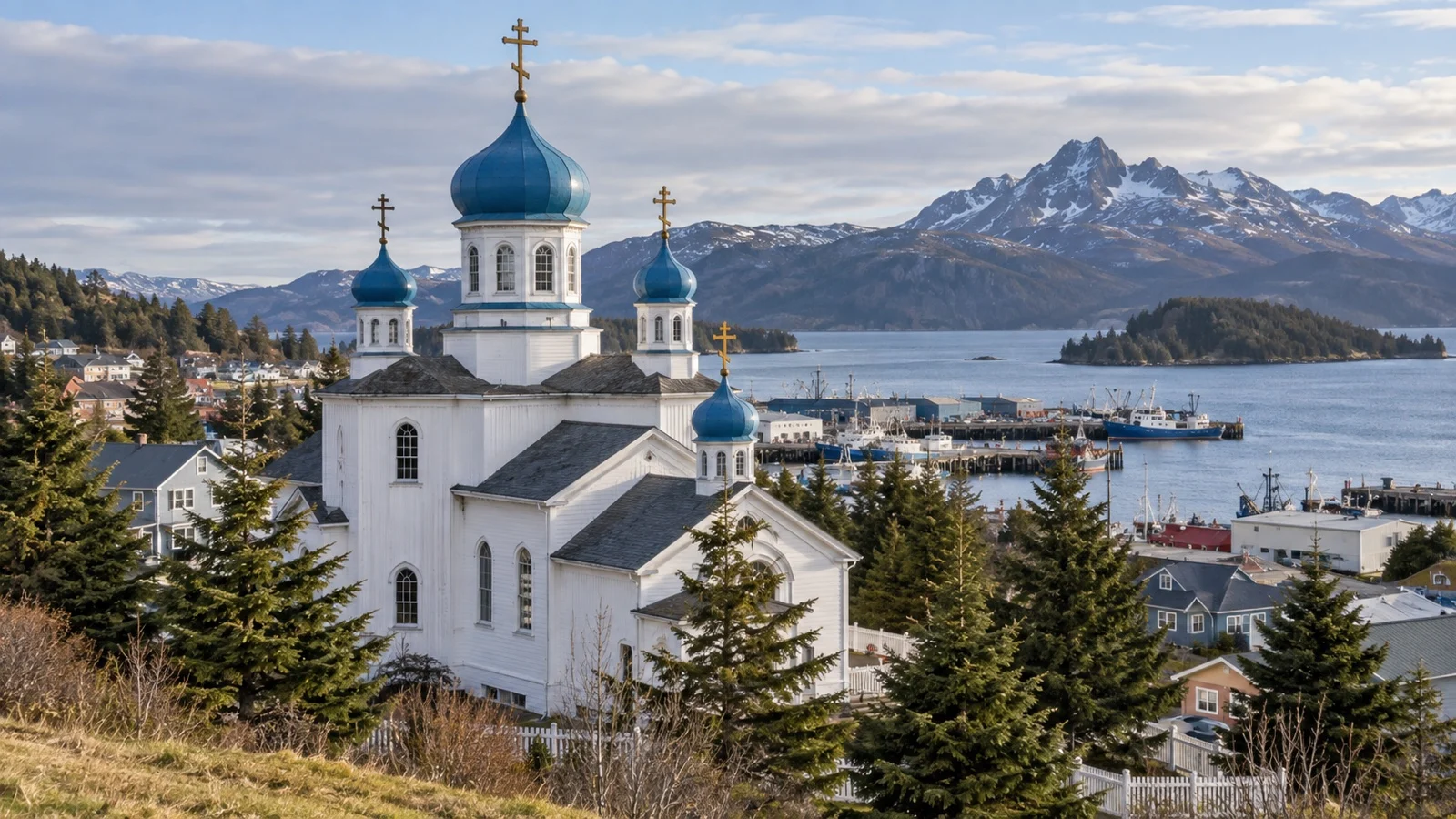
The cathedral pairs naturally with the nearby Alutiiq and history museums, but do not flatten Kodiak into a single colonial story. The pleasure of this compact district is seeing how multiple histories still shape the town.
Walk the harbor
Saint Paul Harbor is full of working fishing vessels, small boats, seabirds, and the everyday choreography of a maritime town. Stay in public areas, give crews room, and watch for vehicles and equipment around active facilities.
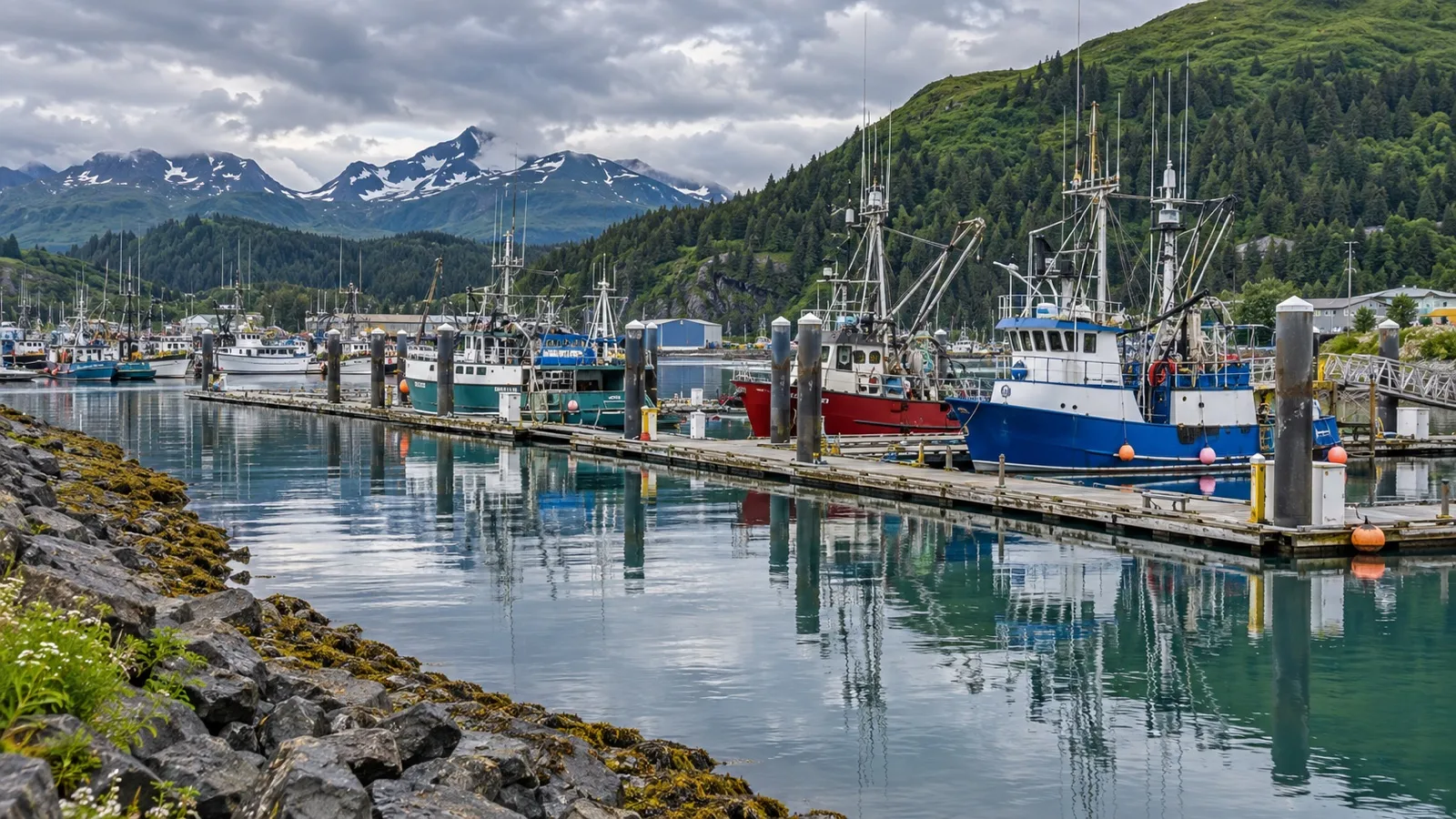
This is not the manicured waterfront you may find in a larger port, and that is precisely the charm. If you want the opposite end of Alaska’s cruise spectrum, our Ketchikan cruise port guide covers a much busier visitor hub.
Explore Fort Abercrombie State Historical Park
Fort Abercrombie combines forest and coastal trails with remnants of a World War II defensive installation. The 182-acre park is a National Historic Landmark, and its viewpoints can be glorious when fog decides to reveal the scenery.
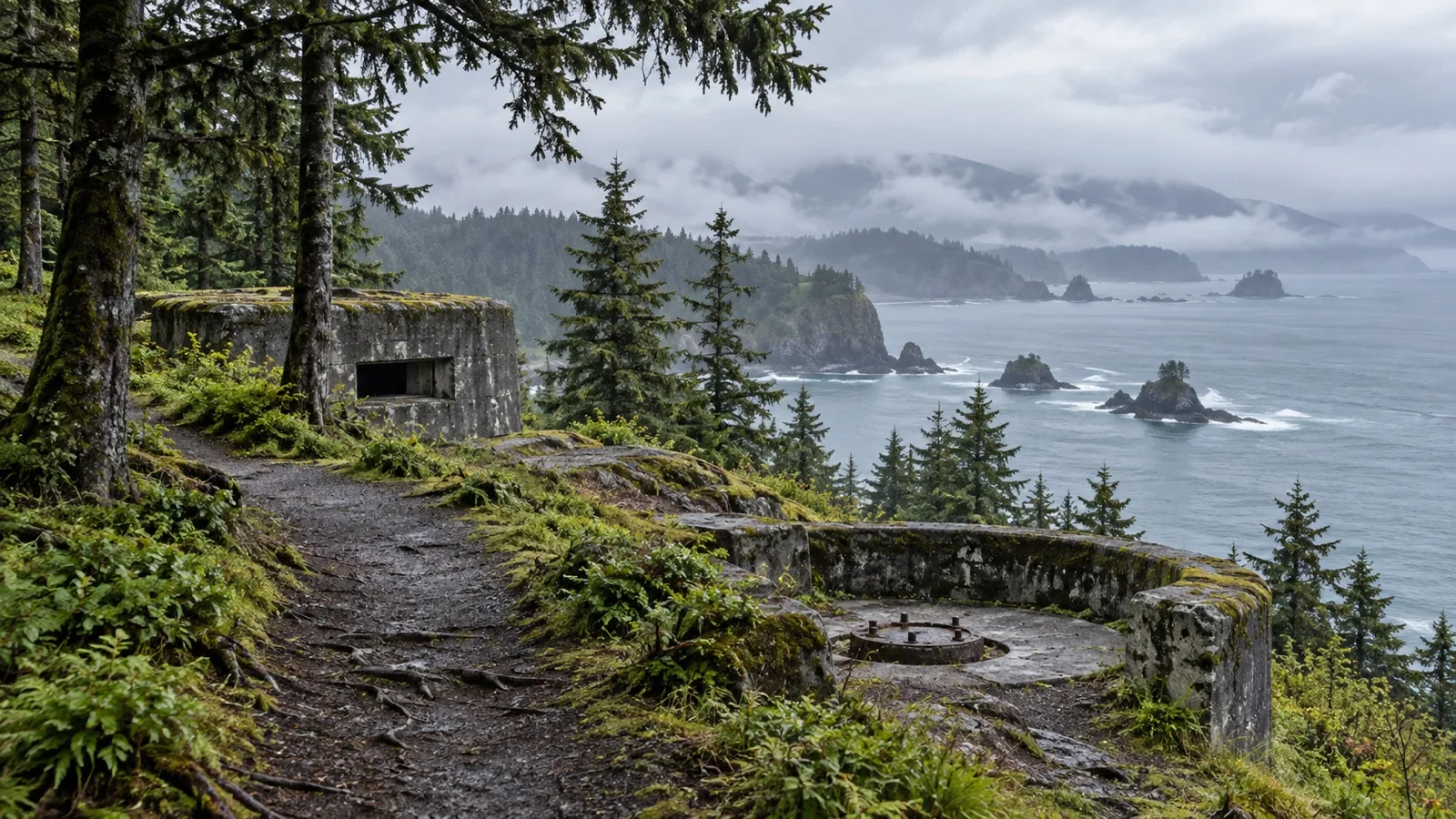
The park is several miles northeast of downtown, so arrange a taxi, rental car, or tour in advance. Use the official Alaska State Parks page to check facilities and conditions before visiting.
The honest truth about bear viewing
Kodiak brown bears are famous, but a cruise passenger should not expect reliable sightings from a downtown walk or ordinary road tour. The US Fish and Wildlife Service says road-system sightings are uncommon and that there are no road-system viewing tours.
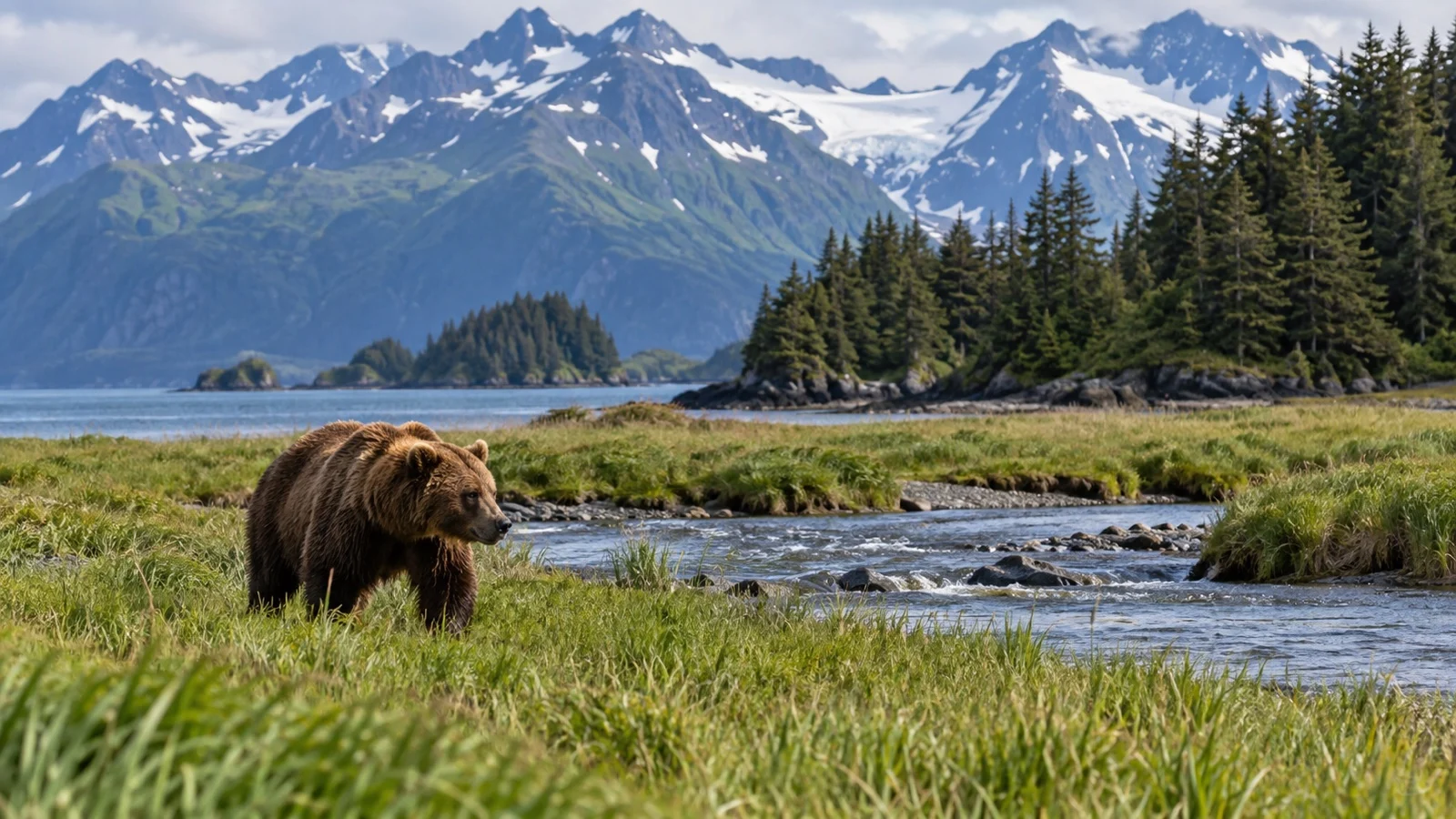
Recommended guided viewing typically involves a half-day or full-day flightseeing trip or a remote stay. Popular destinations can require about 45 minutes each way in a floatplane, so weather, aircraft limits, mobility, and your ship’s schedule all matter.
Book with a properly permitted operator, study cancellation terms, and never plan a tight same-day connection after flying. July through September is often promoted for bear activity, but wildlife is not contractually obligated to appear for your camera.
Realistic Kodiak port-day plans
Three to four hours
Take the ship shuttle if offered, then visit whichever downtown museum is open, stop at the refuge visitor center, and loop past the cathedral and harbor. This plan is compact, weather-resistant, and easy to shorten if the arrival process takes longer than expected.
Six to eight hours
Spend the morning at Fort Abercrombie with prearranged transport, then return for the Alutiiq Museum and harbor. Reverse the order if museum hours are limited or the afternoon forecast looks wetter.
A remote wildlife day
Prebook one major flightseeing or boat excursion and let it own the day. Do not bolt a full museum circuit onto a weather-sensitive remote trip because check-in, safety briefings, and transfers consume real time.
For a smaller Alaska port where dramatic wildlife excursions also require deliberate planning, see our Haines cruise port guide. The scenery changes, but the wisdom of a generous return buffer does not.
Accessibility in Kodiak
Pier II is a working dock without a conventional terminal building, and gangway slope changes with the tide. Ask the cruise line about assistance from ship to transport, the walking surface at your assigned berth, and whether the downtown shuttle can carry your mobility device.
The Alutiiq Museum meets state and federal accessibility standards and lists wheelchair access, electronic doors, accessible restrooms, seating, and adjacent accessible parking. Contact individual museums before travel if you need specific seating, sensory, or companion assistance.
Fort Abercrombie’s natural trails and historic terrain vary, while small aircraft and boats may involve steps, narrow doors, uneven docks, or weight restrictions. Describe your exact needs to the operator before paying, not while the propeller is starting.
Weather and what to pack
Kodiak’s maritime weather is cool, wet, breezy, and changeable. Bring a waterproof shell, warm layer, grippy shoes, hat, and a dry bag or waterproof pouch for electronics.
Fog and wind can delay boats, floatplanes, and even the ship’s arrival. Keep an independent backup plan downtown so a canceled excursion becomes museum day rather than an expensive sulk.
Safety in Kodiak
Follow port staff directions around trucks, forklifts, nets, and working docks.
Never approach bears or other wildlife, even for a better photo.
Make noise on trails and keep food controlled in bear country.
Use only established operators for remote air, boat, and wildlife trips.
Leave a wide buffer before the ship’s all-aboard time.
Alaska’s Department of Fish and Game publishes practical bear-country guidance on staying alert, making noise, and avoiding encounters. Read it before hiking, even if your only bear plan is hoping one politely appears at a great distance.
Plan remote wildlife as a weather-dependent day
The Kodiak National Wildlife Refuge says its 1.9 million acres are reached only by boat or floatplane and advises planning for variable weather, including the possibility of staying longer than expected. That makes remote bear viewing a full-day commitment, not a casual add-on before a museum.
Use an established, properly authorized operator that states the aircraft or vessel, passenger limits, mobility requirements, weather policy, and cruise return plan. Bear sightings are never guaranteed, and a safe cancellation is preferable to pressing into poor visibility or unsafe water.
Keep a downtown museum sequence as the weather fallback, but verify each opening day because small institutions can close when the ship is in town. Confirm the assigned pier and shuttle before walking, since Kodiak’s commercial waterfront does not offer one universal passenger route.
Quick answers
Is Kodiak a tender port?
Many cruise ships berth at a city deepwater pier, with Pier II serving as the established cruise dock. Tendering or an alternate berth can occur for operational reasons, so confirm the arrival method for your sailing.
Can you walk into Kodiak from the ship?
That depends on the assigned berth and current port directions. Downtown itself is compact, but passengers at a more industrial facility should use the provided shuttle or arranged transport rather than assuming every port road is pedestrian-friendly.
Will I see a Kodiak bear from town?
Probably not, and the refuge says roadside sightings are uncommon. Reliable viewing usually requires a guided remote trip by floatplane or a longer stay at a wilderness lodge.
What is the best rainy-day plan?
Combine the Alutiiq Museum, Kodiak History Museum, and refuge visitor center according to current opening hours. Add a harbor lunch and short cathedral stop between showers.
Do I need to book ahead?
Book remote bear viewing, flightseeing, fishing, rental cars, and small-group road tours well in advance. A flexible downtown cultural day usually needs less planning, but you should still verify museum hours.
Our practical take
Kodiak rewards curiosity more than checklist speed. Let the island’s living Alutiiq culture, fishing port, refuge, and layered history lead the day instead of treating the town as a waiting room for a bear photo.
If weather supports a remote adventure, wonderful. If it does not, Kodiak still offers one of Alaska’s most thoughtful and pleasantly unpolished port days.
How this guide was researched: Port, transport, attraction, safety, booking, and accessibility details were checked against current official sources on September 10, 2026, including City and Alaska port sources, US Fish and Wildlife Service, Alaska State Parks, Alaska Fish and Game, and local museums. Berths, schedules, access, weather, and operating rules can change, so confirm the sailing-specific details before travel; see our Editorial Policy.