Santarém Cruise Port: Amazon River, Docks & Timing
Santarém is the Amazon port that makes river geography feel wonderfully real. The city sits where the blue-green Tapajós approaches the sediment-rich Amazon, creating a broad meeting of waters that can be seen from shore and explored more closely by boat.
This is not a polished terminal stop with one predictable arrival pattern. River level, ship size, berth allocation, currents, and local operations can determine whether passengers use a dock, a shuttle, or tender boats.
The reward for planning carefully is choice. You can keep the day close to the waterfront, look for wildlife in seasonal floodplain channels, or travel to Alter do Chão for pale river beaches that appear and change with the water level.
Quick Facts
- Country: Brazil
- State: Pará
- Setting: Near the confluence of the Tapajós and Amazon rivers
- Arrival: Berth, shuttle, or tender arrangements can vary by ship and river conditions
- Currency: Brazilian real
- Language: Portuguese
- Easy local focus: Waterfront, markets, cathedral, cultural sites, and river views
- Signature excursion: Alter do Chão, with beaches that depend on the seasonal river level
- Nature option: A reputable small-boat trip into seasonally navigable channels
- Planning priority: Confirm the landing place, transfer method, and final boarding time with your cruise line
How Cruise Ships Arrive in Santarém
Santarém has a working river port managed within the federal port system of Pará. Cargo activity, passenger operations, vessel dimensions, and changing river conditions all influence where and how a cruise call is handled.
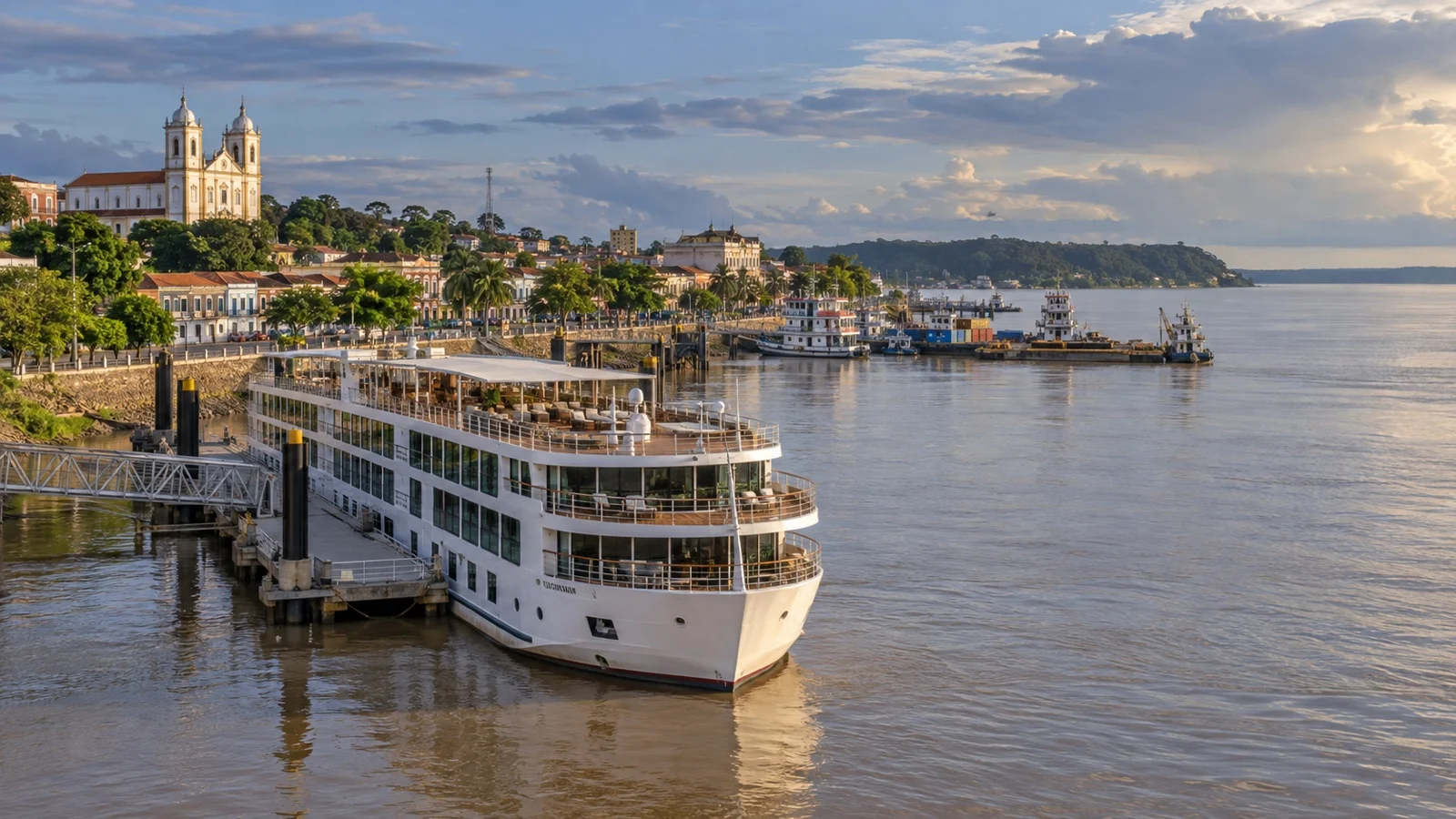
Some ships may use a berth or controlled port transfer, while others can anchor and land passengers by tender. Your cruise line’s instructions for the actual sailing matter more than a terminal description from a previous year.
A docked arrival is usually steadier, but a berth inside an operational port may still require a shuttle to a safe passenger exit. Do not try to walk through restricted cargo areas or follow a map that ignores port security.
Tendering adds an extra transfer in a strong river environment. Boarding may involve steps, a moving platform, heat, spray, and queues, so the published port-call time is not the same as the time you can spend sightseeing.
Understanding the Meeting of the Waters
The meeting of the Tapajós and Amazon is the geographic story that defines Santarém. Differences in sediment, temperature, flow, and light can make the waters appear as distinct bands before they gradually mix.
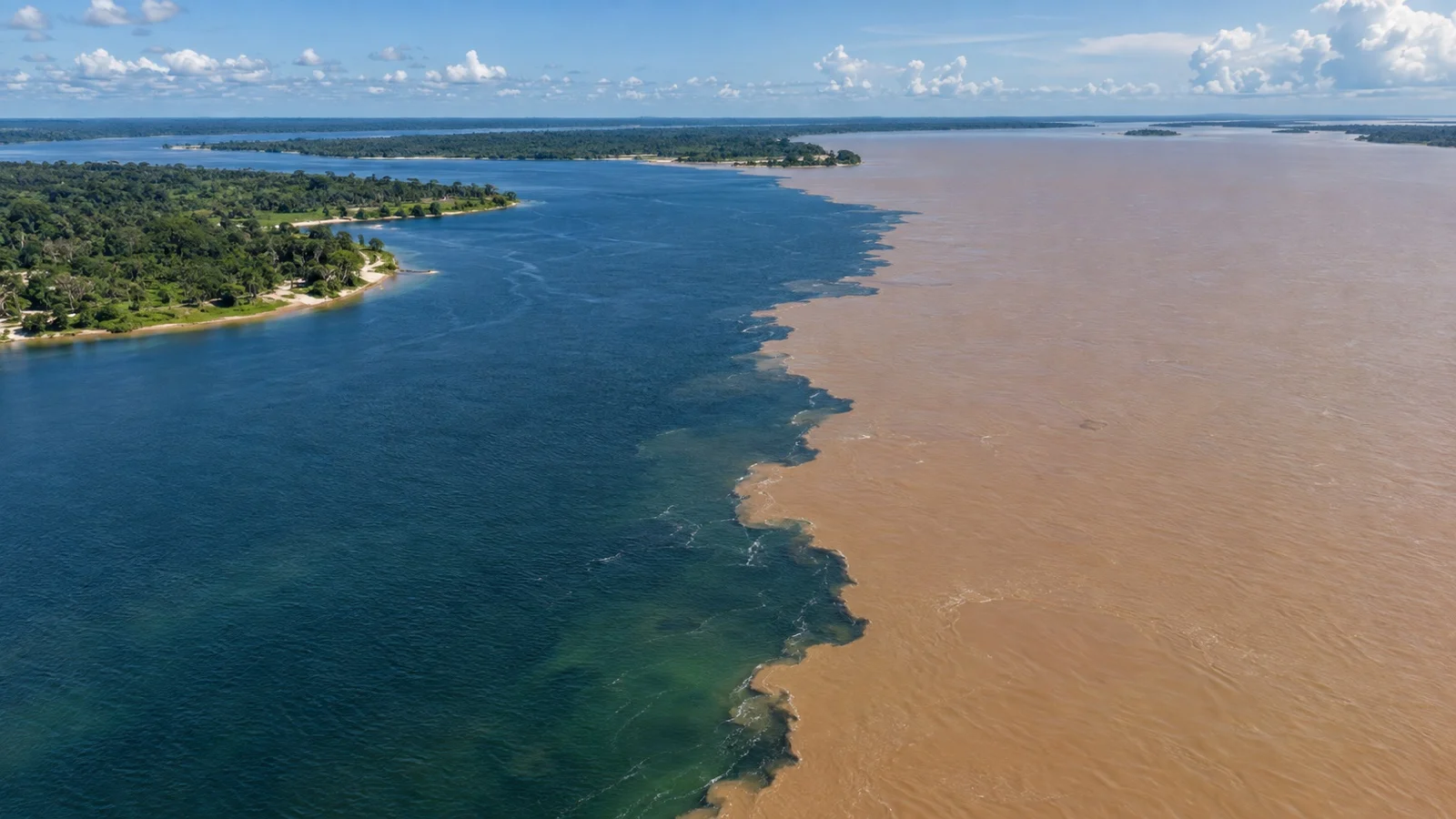
Visibility is not identical every day because rain, wind, season, river level, and viewing angle all matter. Treat the phenomenon as a living river system rather than a guaranteed line painted across the water.
You may see the contrast from elevated waterfront viewpoints or during a boat trip. A local guide can add context about the flood cycle, fishing, navigation, and the communities whose lives follow the rivers.
Boat operators should provide life jackets and explain the route before departure. Never board an overloaded or poorly maintained vessel simply because the excursion is cheaper or promises closer wildlife.
A Local Day in Santarém
Staying in the city is the most resilient plan after a late clearance, during intense heat, or when the ship’s landing arrangement remains uncertain. Santarém is a working Amazonian center, which means the experience comes from local rhythm as much as from formal attractions.
Begin by confirming your return point because the berth, shuttle stop, and tender landing may not be interchangeable. Photograph signs, note the final boarding time, and save the ship or port agent’s contact details.
Waterfront and Markets
The waterfront offers broad river views and a chance to appreciate the scale of the Tapajós. Fishing boats, ferries, cargo movement, vendors, and families using the public spaces all help explain why the river is the region’s main road.
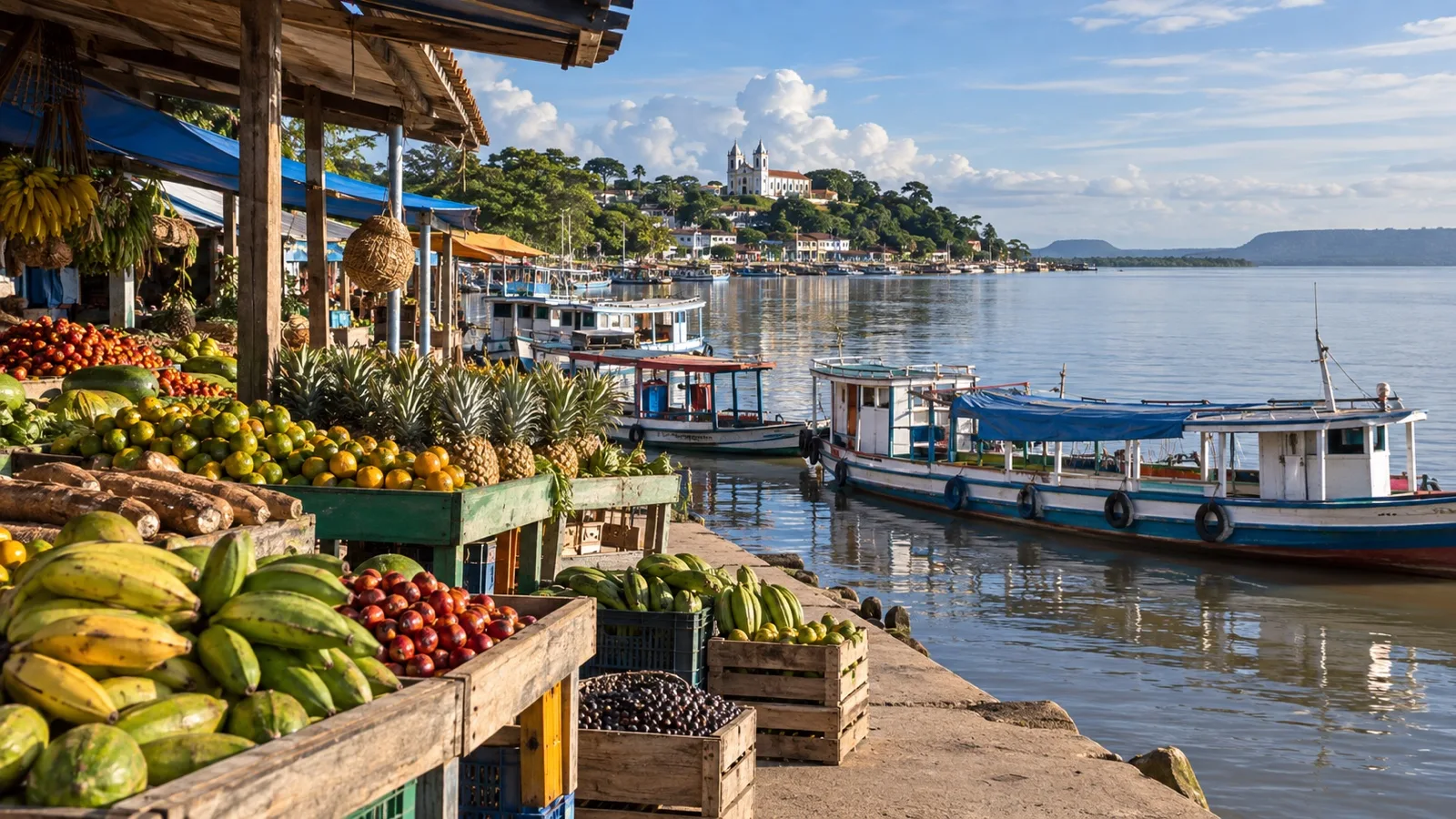
Municipal markets can be fascinating for fruit, fish, herbs, cassava products, and everyday Amazon ingredients. Ask before photographing people, keep valuables discreet, and follow current local guidance about which streets are best for visitors.
Try regional flavors in a reputable restaurant rather than buying food that has been sitting in the heat. Freshwater fish, açaí served in local styles, tapioca, cupuaçu, and Brazil-nut preparations can turn lunch into part of the destination.
Drink sealed or properly treated water and be conservative if your stomach is sensitive. Heat and dehydration can spoil a port day much faster than missing one extra sight.
Cathedral, History, and Cultural Stops
Central Santarém includes churches, civic spaces, and museums that interpret Indigenous, colonial, river, and regional history. Opening hours can be limited or change around holidays, so confirm the current municipal or institutional schedule close to your sailing.
The Cathedral of Our Lady of the Conception is a natural landmark in the center. Dress respectfully, avoid entering during a service as a sightseeing group, and remember that access depends on the parish’s current activities.
The João Fona Cultural Center is often mentioned for archaeology and regional history, but its operating status and hours should be checked before you commit to a route. A short city tour with a knowledgeable local guide can connect these places more effectively than a rushed independent checklist.
Alter do Chão: The Famous River-Beach Excursion
Alter do Chão is the best-known day trip from Santarém and one of the most surprising landscapes in the Brazilian Amazon. The village sits beside the Tapajós, with clear-looking water, forested shores, and seasonal sand formations that create its famous beach scene.
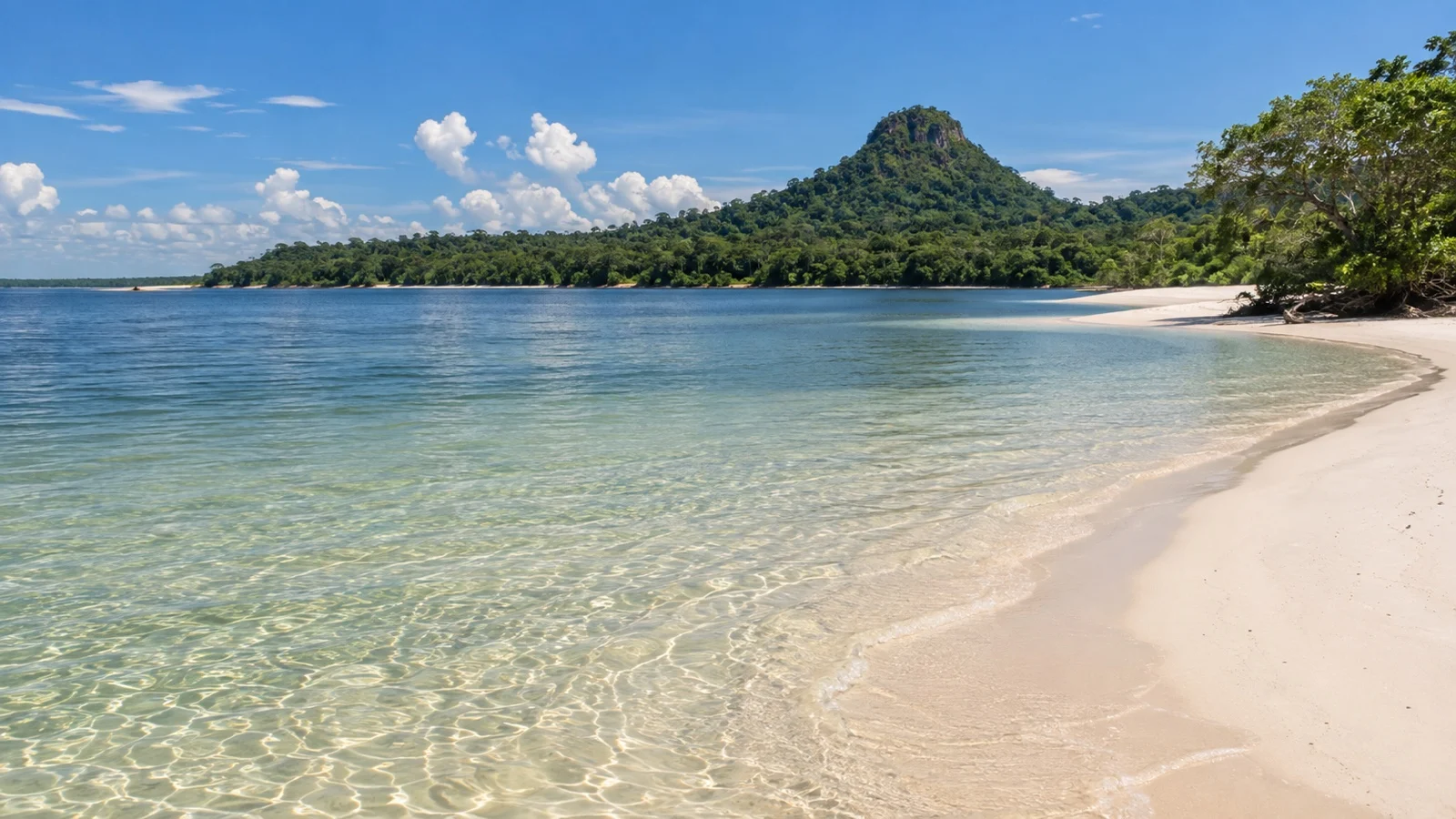
The road trip is often described as manageable from Santarém, but transfer time varies with traffic, pickup arrangements, and the actual port exit. A cruise excursion or reliable private driver removes much of the uncertainty.
Ilha do Amor, the celebrated sandbar opposite the village, changes dramatically with the river. During higher water it may shrink or disappear beneath the surface, while lower water generally reveals more sand and beach space.
That seasonal transformation is not a disappointment if you understand it in advance. High water can favor boat exploration and flooded landscapes, while low water can create the broad beaches seen in promotional photographs.
What to Do in Alter do Chão
A relaxed visit can include the village waterfront, a swim in suitable conditions, lunch, and a short authorized boat ride. Lago Verde and nearby channels may be part of local tours, though routes depend on water level and operating conditions.
Choose a boat provider with proper safety equipment and a clear return time. Wildlife sightings are possible but never guaranteed, and responsible guides keep distance from animals and sensitive habitat.
River beaches require the same caution as ocean beaches. Currents, underwater drop-offs, boat traffic, changing depth, intense sun, and limited lifeguard coverage all deserve attention.
Do not leave the village at the last possible moment. One traffic delay, slow port entrance, or tender queue can erase the margin that looked generous at lunchtime.
Maicá, Floodplain Channels, and Wildlife
Nature-focused excursions may explore the Maicá region or other seasonally navigable channels near Santarém. Depending on water level and time of day, travelers might see birds, river-edge vegetation, fishing activity, and glimpses of wildlife.
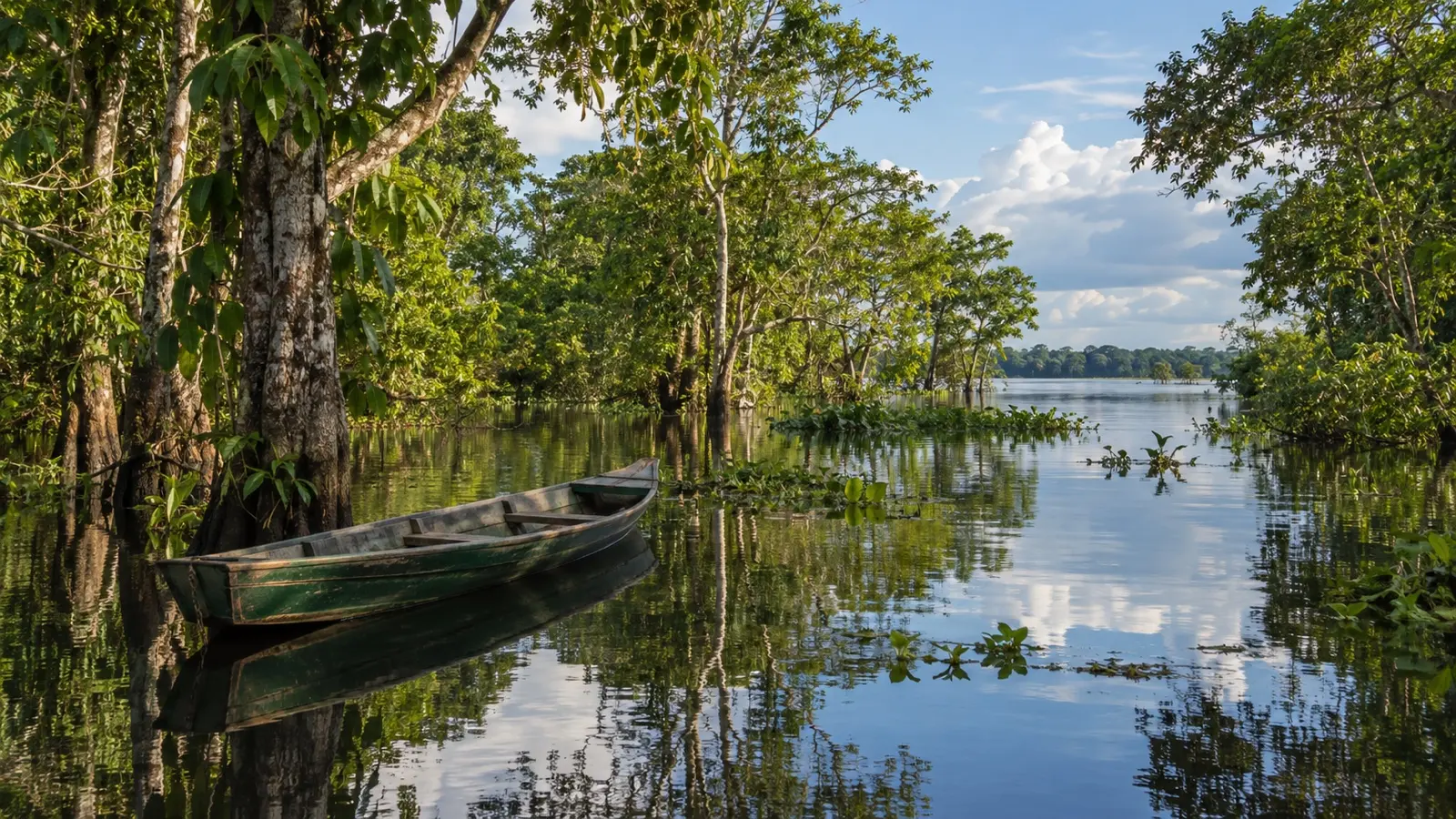
The experience changes with the annual flood cycle. High water opens access into flooded forests and side channels, while low water can expose banks and concentrate activity in deeper areas.
No operator can ethically guarantee dolphins, sloths, monkeys, or a perfect bird list. Choose the outing for the landscape and river culture, then treat wildlife as a welcome extra.
Small-boat comfort varies, and shade, toilets, boarding steps, noise, and seating should be discussed before booking. Carry sun protection and water without bringing excessive gear that becomes awkward during transfers.
River Levels Shape Every Santarém Visit
The Amazon basin rises and falls in a large seasonal cycle, but the exact timing and height vary from year to year. Rainfall across a vast upstream area influences the water you see in Santarém, not only the weather on the morning of your call.
Higher water can move boats closer to flooded vegetation and make some channels easier to navigate. Lower water reveals beaches and banks but may require different landing points or longer walks across sand.
A current local operator is more useful than a photograph taken in the same calendar month five years ago. Ask what the river is doing now, what footwear is appropriate, and whether the advertised route has changed.
Cruise itineraries can also be adjusted when river navigation becomes difficult. Keep independent reservations flexible and monitor ship announcements throughout the approach.
Can You Visit the Tapajós National Forest?
The Tapajós National Forest protects an immense landscape of forest and river communities south of Santarém. It is a meaningful destination, but many experiences require long road or boat travel, local arrangements, permits, and more time than a typical cruise call allows.
Do not confuse an excursion marketed as Amazon forest with access to a specific protected area. Ask for the exact community, trail, authorization, travel time, and managing organization before booking.
Community-based tourism can provide valuable local income when it is arranged responsibly. Choose operators who explain where fees go, respect community consent, and avoid staged interactions that treat residents as scenery.
For most first-time cruise visitors, Alter do Chão or a closer floodplain trip offers a safer balance of nature and timing. Save deeper forest exploration for a land stay with room for weather and river changes.
Tendering on the Amazon
A tender ride in Santarém is not the same as crossing a protected Caribbean harbor. Current, floating debris, wake, heat, rain, and working river traffic can all affect the route and the pace of the operation.
The ship decides whether conditions are safe and may suspend boats even when the shoreline seems calm. Follow crew instructions and keep hands clear as the tender moves against the platform.
Tender tickets may prioritize organized excursions or certain passenger groups. If you have an independent reservation, ask the cruise line how landing order works before agreeing to an early meeting time.
Return well before the last tender and bring the identification specified by the ship. A waterproof pouch is useful because tropical rain and river spray can soak documents and electronics quickly.
Transportation and Independent Touring
Taxis, licensed drivers, and organized tours are the practical choices for Alter do Chão and sights beyond central Santarém. Confirm the total fare, route, waiting time, payment method, air conditioning, and return point before departure.
Ride availability can tighten when a large ship lands many passengers. Prebooking with a reputable operator is sensible, but make the reservation refundable if the ship must tender or the port call could change.
Brazil drives on the right, yet self-driving still adds navigation, parking, insurance, road conditions, and port access to a time-sensitive day. I would choose a driver unless you already know the region and the ship is securely berthed.
Public transportation may serve Alter do Chão, but it is not the most forgiving option for a short cruise call. Use it only after checking the current schedule and identifying a reliable backup for the return.
Money, Language, and Connectivity
The Brazilian real is the local currency, and established restaurants and tour providers may accept cards. Carry some small local notes for minor purchases, but do not assume foreign cash will be accepted or exchanged fairly.
Portuguese is the working language, and English may be limited outside cruise-facing services. Save your destination, port return point, and ship name in writing so a driver can confirm the plan clearly.
Mobile coverage can weaken away from the city and along river routes. Download maps, tour details, and contact numbers before departure rather than depending on a connection at the most important moment.
Power or data interruptions are possible in the tropics. A portable battery and an offline copy of the ship’s information are simple protections.
Entry Rules and Health Preparation
Brazilian visa and entry rules depend on nationality and can change. Use the Brazilian Ministry of Foreign Affairs, the appropriate consulate, and your cruise line as final sources rather than relying on advice written for another passport.
Amazon travel also deserves current health guidance. Discuss vaccines, mosquito-borne illness prevention, medications, and personal medical needs with an appropriate health professional well before sailing.
Use repellent as directed, wear light protective clothing, and choose screened or air-conditioned vehicles where practical. Sunscreen, hydration, and heat management are just as important as insect precautions on a short port day.
Do not touch or feed wildlife, and never swim where local authorities or guides advise against it. River conditions, water quality, wildlife, and boat traffic differ from one location to another.
Weather and What to Pack
Santarém is hot and humid throughout the year, with seasons better understood through rainfall and river level than through temperature. A bright morning can turn into an intense downpour with little warning.
Wear breathable clothing, a hat, and shoes that cope with wet surfaces. Carry rain protection that does not trap too much heat, plus a dry bag for passports, phones, and cameras.
Sun reflects strongly from open water and pale sand. Reapply sunscreen after swimming or sweating and drink before you feel thirsty.
If storms disrupt a boat trip, pivot to a city-focused plan instead of waiting indefinitely at the waterfront. Museums, markets, lunch, and river views can still make a worthwhile day.
Accessibility and Comfortable Pacing
A port berth may simplify the initial transfer, but commercial security can still require a shuttle and uneven gangway. Ask exactly where accessible transport meets passengers and whether the vehicle can carry your mobility device.
Tender boats require individual assessment because platform movement, steps, boat design, and river conditions vary. The cruise line makes the final safety decision, so request detailed guidance before sailing.
Alter do Chão can involve sand, wet boarding, changing water depth, and small boats. A city day may be more comfortable, but sidewalks, curbs, heat, and limited accessible restrooms still require planning.
Tell operators what assistance you need instead of asking only whether a tour is accessible. Specific questions about steps, distance, seating, shade, toilets, and boarding produce much more useful answers.
Safety and Responsible Visiting
Santarém is a working Brazilian city, not an enclosed cruise compound. Keep valuables discreet, use reputable transport, avoid isolated areas without current local advice, and remain aware when using a phone or camera.
On the river, insist on a life jacket and follow the boat operator’s instructions. Do not pressure guides to approach wildlife, enter restricted habitat, or continue when weather is deteriorating.
Respect local and river communities by asking before taking close photographs and purchasing directly when appropriate. Avoid tours that promise intrusive contact or treat Indigenous identity as a performance for visitors.
The most useful safety margin is time. Return earlier than the minimum, especially after a tender, distant beach transfer, or small-boat excursion.
My Ideal Santarém Cruise Day
On a first visit with a long, reliable call, I would choose Alter do Chão and keep the plan simple. I would spend time by the water, take one safe local boat ride if conditions suit, eat lunch, and return with a substantial buffer.
After a late landing or on a short call, I would stay in Santarém for the waterfront, market, cathedral area, and a guided look at the meeting of the waters. That plan offers genuine Amazon context without gambling on a road transfer.
For wildlife, I would book one reputable river excursion and accept that sightings are never promised. I would not combine it with Alter do Chão unless the cruise line offers a coordinated itinerary with protected return timing.
Final Thoughts
Santarém is memorable because the rivers determine the shape of the day. Water color, river level, current, rain, and local movement are not background details here, but the forces that make the destination feel alive.
Confirm the landing method, choose one strong experience, and keep the return generous. If you plan with the river instead of against it, Santarém can become one of the most distinctive stops on an Amazon cruise.
Port arrangements, river levels, tenders, entry rules, attraction hours, health guidance, and tour routes can change, so verify current details with your cruise line and the relevant official Brazilian sources before sailing. This guide is for general planning and does not replace current immigration, health, safety, accessibility, conservation, weather, or transport advice.