Portland Maine Cruise Port: Piers, Old Port & Lighthouses
Portland, Maine gives you the rare cruise day that can feel complete within a few waterfront blocks. Brick streets, working wharves, seafood counters, ferries, museums, and the Eastern Promenade all sit close enough to combine without spending the day on a bus.
The famous lighthouse photographs require transport beyond downtown, and Casco Bay ferries require schedule discipline. Choose one larger outing, then let the Old Port fill the rest of the day at an easy pace.
First, make sure this is Portland, Maine
Cruise searches often mix Maine with Portland, Oregon, so include the state when saving maps, tours, and transport. The correct harbor is on Casco Bay, with the Old Port and Commercial Street directly behind the passenger waterfront.
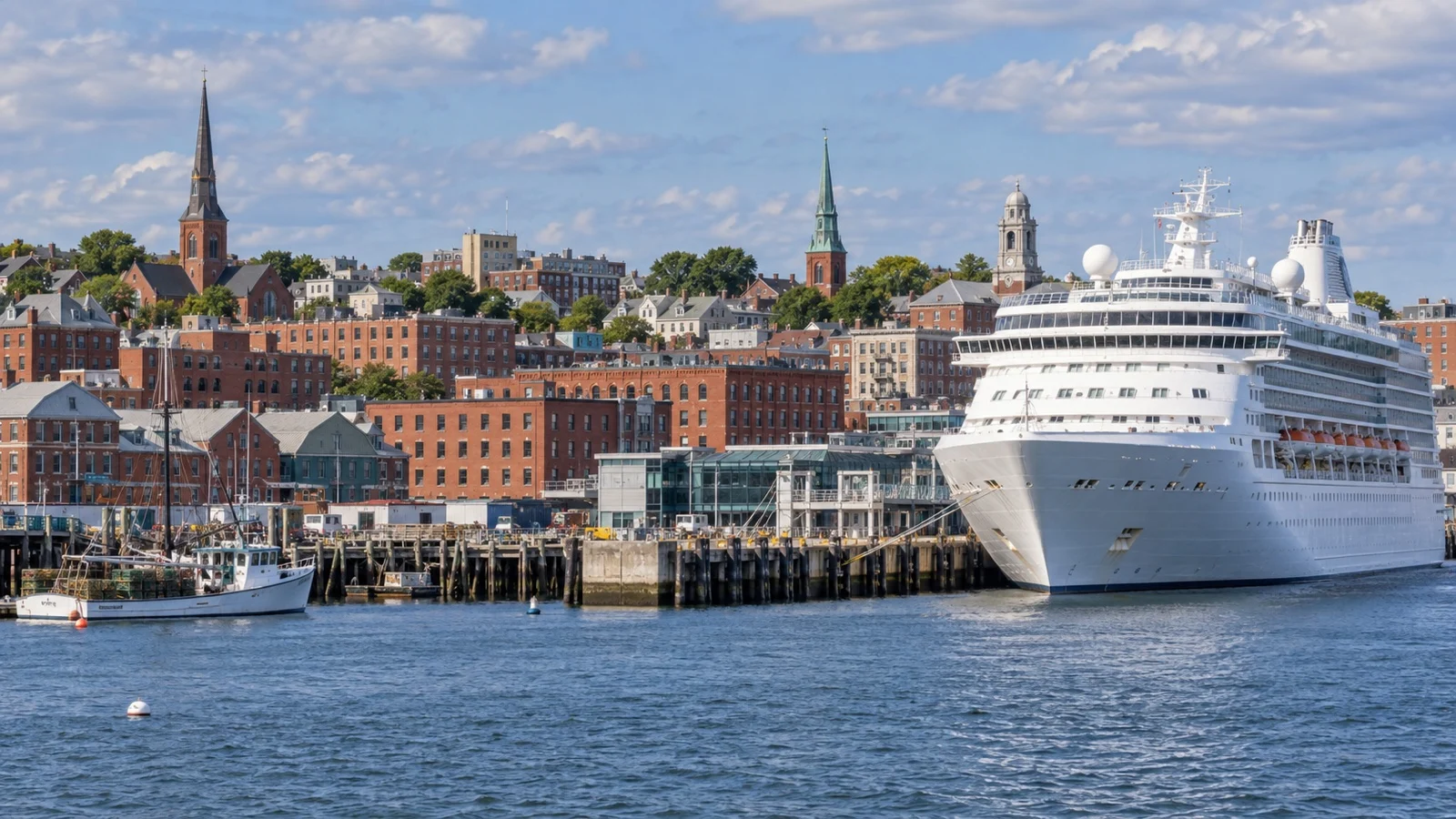
Most large ships berth alongside at Ocean Gateway Pier II or the nearby Maine State Pier, subject to the day’s assignment. Smaller vessels or a busy schedule can create a different arrangement, so the ship’s daily program remains the source for the exact gangway and pickup point.
Ocean Gateway is the purpose-built international marine passenger terminal, while Maine State Pier is a separate facility. They are close in city terms, but drivers and tour operators still need the correct terminal.
If an unusual anchorage or tender operation is used, follow the announced landing point and last-tender time. Do not apply a tender plan to a normal alongside call or assume every ship uses the same pier.
Quick Facts
- Primary cruise facilities: Ocean Gateway Pier II and Maine State Pier
- Normal arrival: alongside, with the assigned facility confirmed onboard
- Best independent area: Old Port and Commercial Street
- Easy outdoor extension: Eastern Promenade and waterfront paths
- Lighthouse reality: Portland Head Light is in Cape Elizabeth and needs transport
- Ferry option: Casco Bay Lines runs year-round island service from the waterfront
- Currency: United States dollar, with cards widely accepted
- Accessibility: terminal areas are manageable, while cobbles, hills, boats, and historic doors vary
- Weather: fog, wind, rain, and cool air can appear even on bright autumn days
- Return rule: protect time for ferry docking, terminal security, and the walk to your assigned pier
The Old Port begins almost immediately
Commercial Street runs along the working waterfront, where fishing activity, ferry traffic, restaurants, and visitor shops share the same compact district. Walk one or two blocks uphill and brick warehouses, cobbles, galleries, and cafés create the classic Old Port atmosphere.
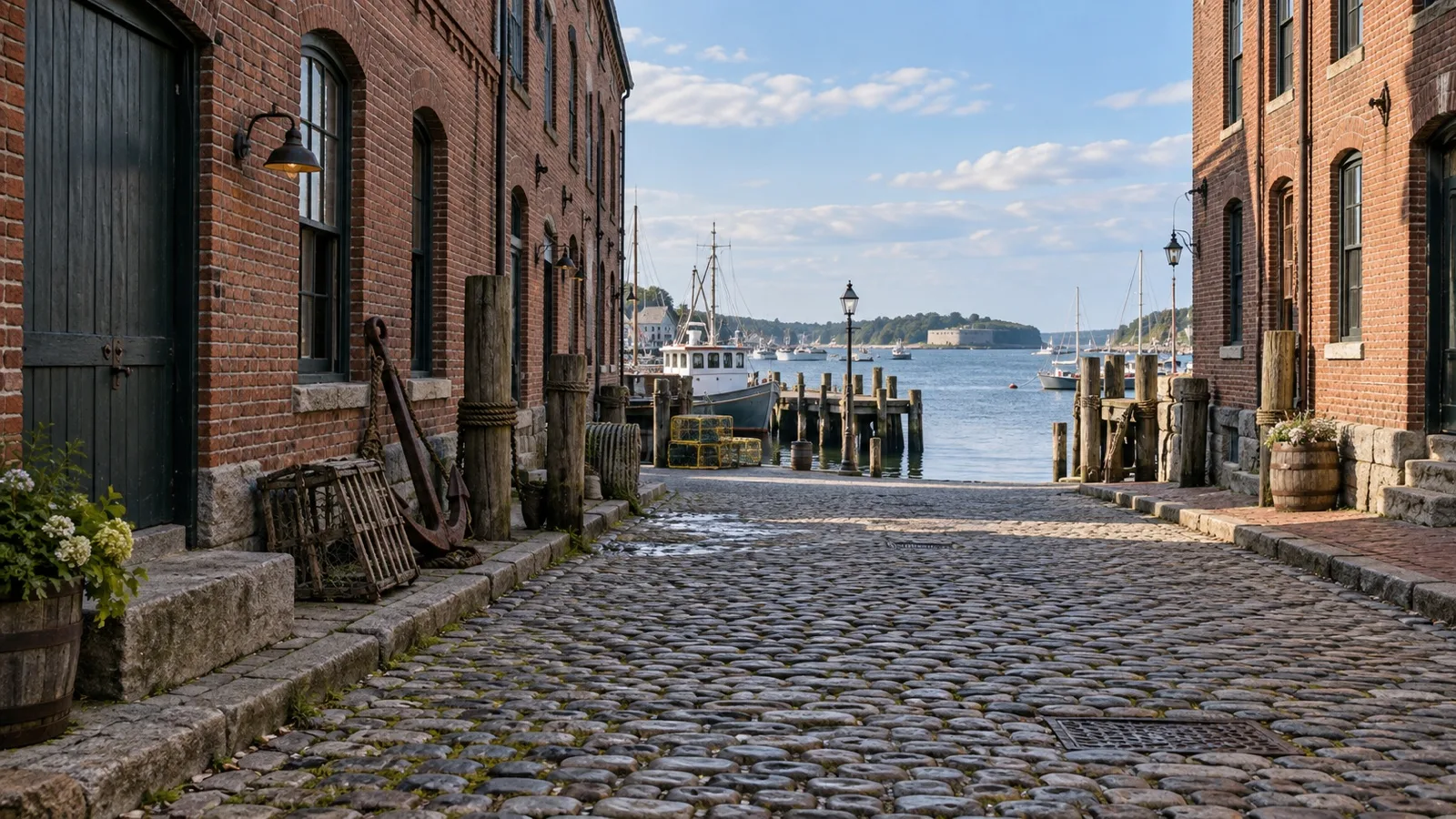
The neighborhood rewards wandering, but uneven paving and slopes can add effort. Wear shoes that handle wet cobbles and pause before fatigue makes the final walk back to the pier unpleasant.
Food is part of the day, yet a lobster roll is not the only worthy choice. Chowder, oysters, bakeries, local beer, and excellent coffee let you build a meal around appetite rather than a compulsory checklist.
Popular restaurants can have long lines when several ships or a weekend crowd arrive. Eat a little earlier, join a wait list before exploring, or choose a busy counter with a faster service model.
Eastern Promenade adds air and harbor views
The Eastern Promenade rises beyond Ocean Gateway with paths, green space, and broad views across Casco Bay. It offers a satisfying outdoor extension without committing to a regional tour.
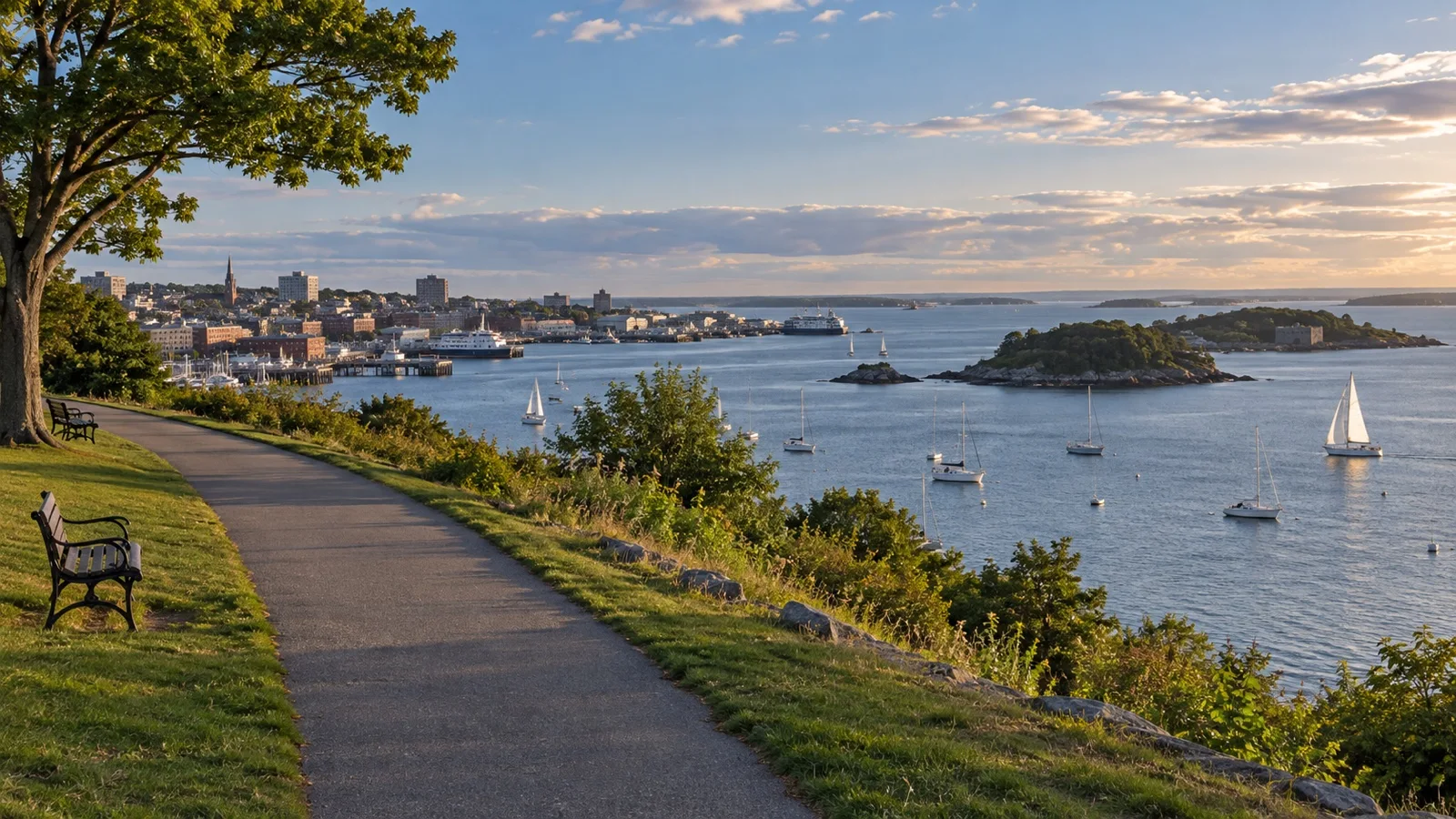
The route involves distance and elevation, so check your energy before walking the full loop. A local bus, taxi, or rideshare can simplify one direction if the hill is more than you want.
The shoreline and harbor remain working landscapes, not staged scenery. Stay behind operational barriers and give cyclists, runners, and local commuters space on shared paths.
Portland Head Light is not downtown
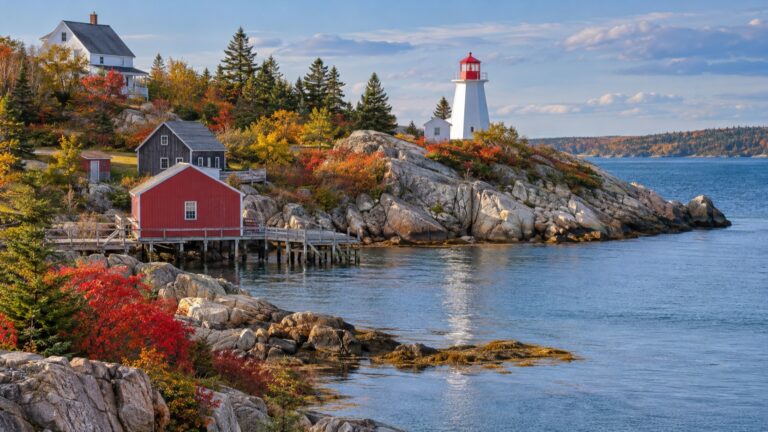
Portland Head Light stands in Fort Williams Park in Cape Elizabeth, across the harbor area from central Portland. You cannot sensibly walk there during a cruise call, so plan a taxi, tour, rental vehicle, or another confirmed transfer.
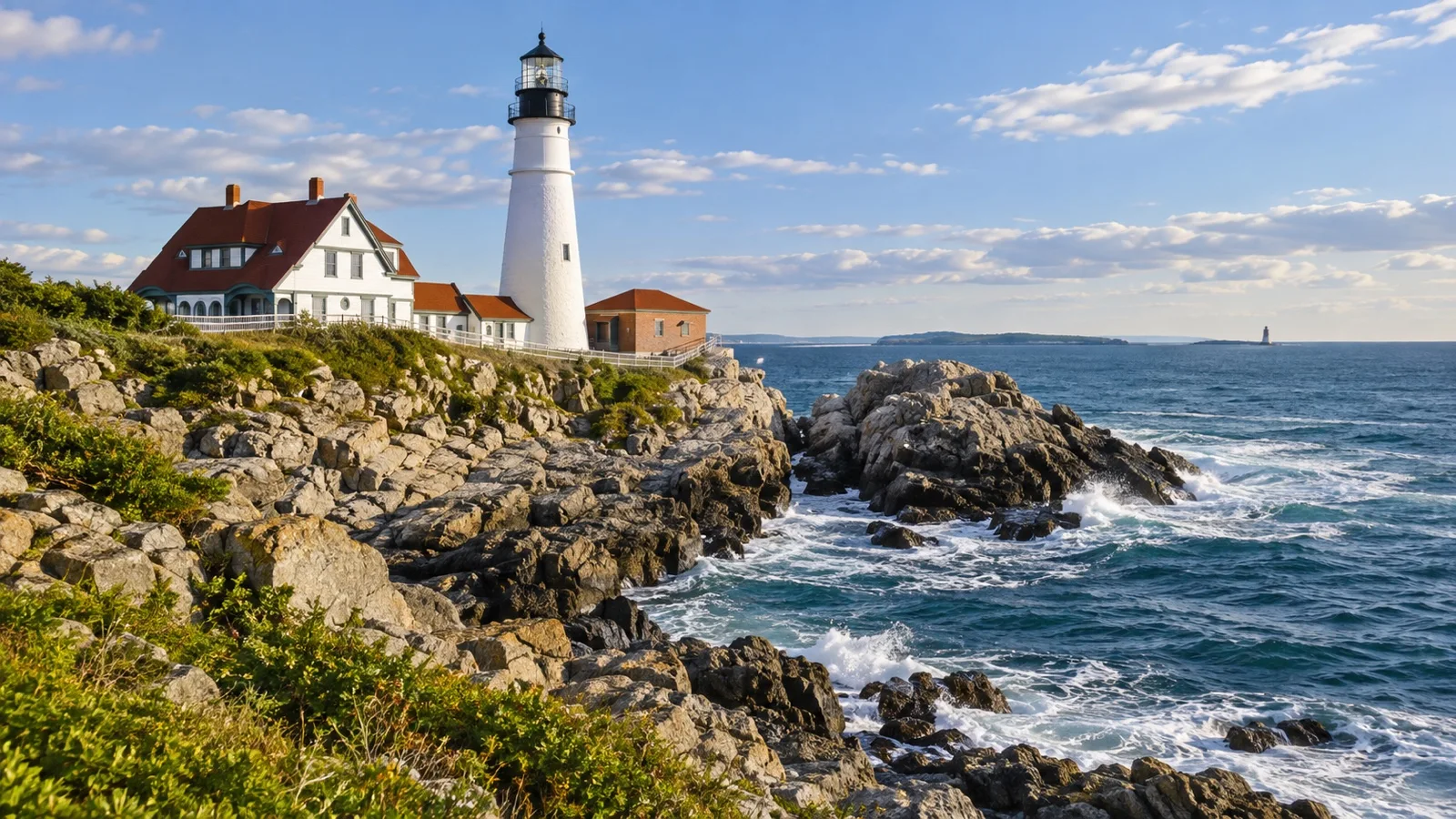
The grounds and coastal views are the main reward, while access to the tower itself is not the normal visitor experience. Check the Fort Williams Park and museum information for current hours, parking, and site conditions.
A lighthouse loop may also include Spring Point Ledge Light, Bug Light, or coastal viewpoints, but each extra stop adds road and walking time. Choose one strong lighthouse plan rather than chasing every beacon around the harbor.
Wind and wet rock matter near the coast. Respect fences and cliff edges, and do not step into traffic for a better angle.
Casco Bay by ferry
The Casco Bay Lines terminal is on the Portland waterfront and runs year-round passenger, freight, mail, and vehicle service to the islands. A scheduled ferry can feel more authentically local than a conventional harbor cruise.
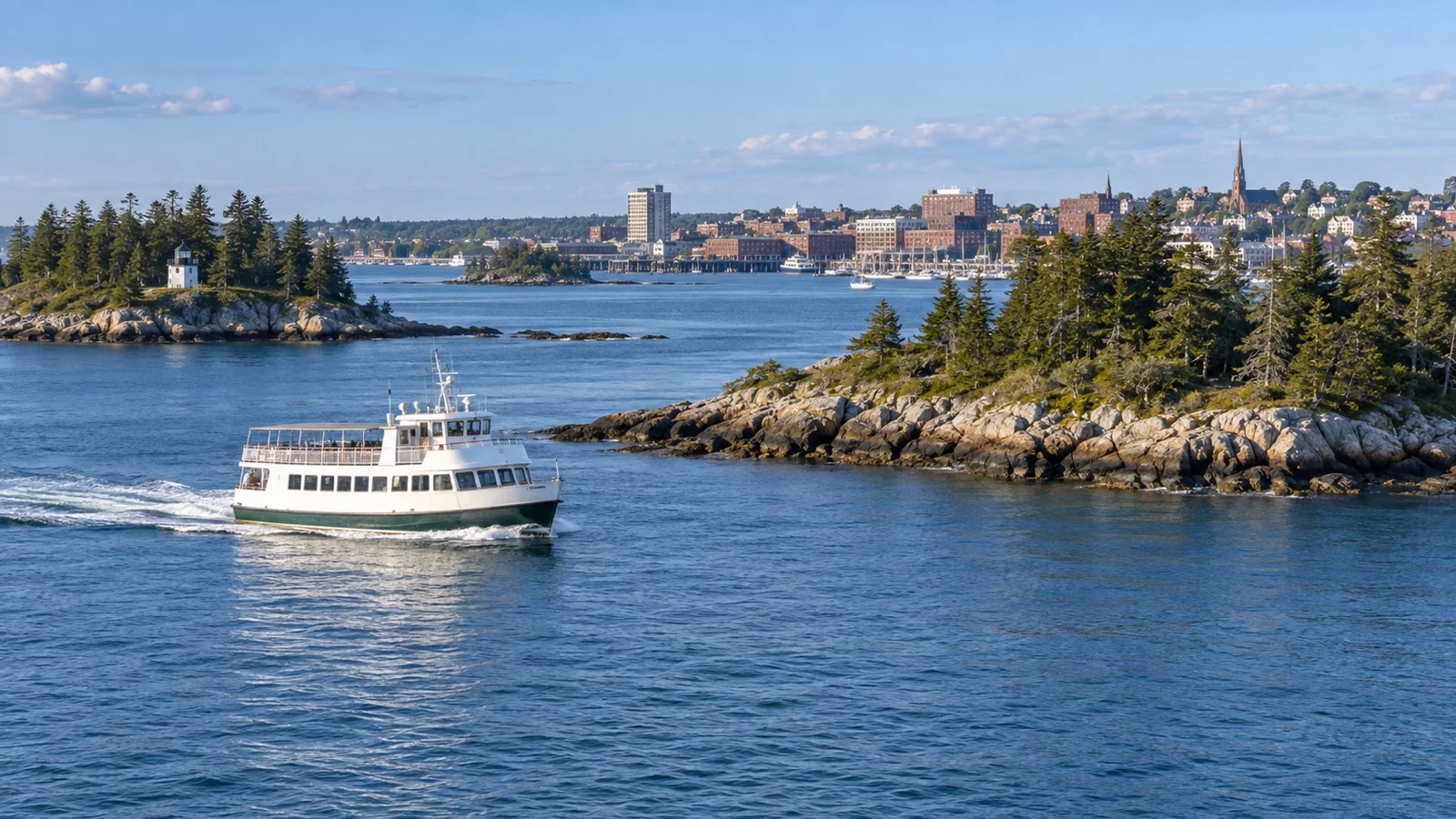
The critical issue is the full round trip, not the outbound departure. Check seasonal schedules, island turnaround time, ticketing, boarding cutoff, and the return sailing that still protects the ship.
A mailboat or scenic service may remain aboard for much of the route, while an island trip can include a longer wait ashore. Read the exact product rather than assuming every boat returns on demand.
Fog, wind, and marine operations can affect comfort or timing. Choose an earlier return than the last theoretical connection and keep the cruise terminal walk in the calculation.
Museums and indoor alternatives
The Portland Museum of Art provides a strong cultural anchor beyond the waterfront, while the Portland Observatory adds maritime history and a high city view when open. Both require current hours and a realistic walk, bus, or taxi plan.
Historic buildings may have stairs, narrow spaces, or timed entry. Confirm accessibility and admission directly with the attraction before setting out.
Rain does not diminish Portland as much as it changes the route. A museum, long lunch, covered market stop, and coffee can produce a better day than forcing an exposed lighthouse visit in poor conditions.
Three easy ways to shape the day
The walkable Portland classic
Explore Commercial Street and the Old Port, then continue toward the Eastern Promenade or a museum. This plan keeps every decision flexible and works especially well on a shorter call.
The lighthouse day
Arrange a round-trip vehicle to Portland Head Light with one additional coastal stop if time allows. Return to the Old Port early enough for lunch without risking the ship for dessert.
The Casco Bay day
Select an official ferry itinerary with an early return, then keep waterfront exploring as the flexible second half. Do not board without knowing the exact return schedule and your terminal location.
Getting around without creating a project
Walking handles most central sightseeing, while Greater Portland METRO buses, taxis, and rideshares extend the radius. Check live public-transit schedules and never assume a route serves the lighthouse gate at the time you need.
Rideshare demand can spike around ship arrivals and afternoon returns. Arrange the pickup before leaving a distant site and set a fallback taxi number.
Rental cars are unnecessary for a city day and add parking pressure in the Old Port. They make more sense for a regional coastal route only when pickup, parking, and return logistics are fully settled.
Accessibility at pier, street, and boat
Ocean Gateway and the pier are designed for passenger use, but gangway slope changes with tide and ship position. Ask the cruise line about wheelchair assistance and whether a device can remain assembled.
The Old Port mixes accessible modern businesses with cobbles, hills, narrow historic thresholds, and crowded sidewalks. A waterfront route can be adjusted block by block, which is one of the city’s great advantages.
Ferry boarding varies by vessel, tide, and destination dock. Contact Casco Bay Lines for the specific sailing and explain the dimensions and transfer needs of your mobility device.
Portland Head Light grounds include outdoor paths and uneven coastal surfaces, while the museum occupies a historic keeper’s house. Confirm the exact accessible route rather than relying on a broad park description.
Weather changes the waterfront quickly
Portland can be cool, foggy, windy, rainy, or brilliantly clear within one call. Carry a light waterproof layer and dress warmer for a ferry or headland than for a sheltered Old Port restaurant.
Autumn foliage timing varies by weather and location, so no sailing date guarantees peak color. Enjoy the working waterfront and local food even if the trees have not read the brochure.
Wet leaves and cobbles can be slippery, while coastal rocks are never worth a risky photo. Keep a dry layer and secure bag for electronics.
Safety in a busy visitor city
Portland is easy to navigate, but crowded sidewalks, traffic, and active wharves still require attention. Keep valuables zipped and avoid walking into working piers that are not public promenades.
Alcohol is part of the local food scene, but a brewery crawl can quietly undermine return timing and judgment. Pace tastings, eat, hydrate, and know the route back before the first stop.
Carry essential medication and your ship card, and save the port agent number offline. Write down Ocean Gateway or Maine State Pier so a driver returns you to the correct facility.
Build the return around the assigned pier
A central walk needs time for security and the pier, while a lighthouse route adds road traffic and pickup risk. A ferry adds docking, disembarkation, and the walk from its terminal to your ship.
Tell every independent driver your all aboard time rather than only the sailing time. Set an earlier terminal-arrival target and do not spend that reserve on one final food stop.
If you are unsure which pier is yours, solve that before leaving the waterfront. Two facilities that look close on a map can still create avoidable panic with bags, crowds, or limited mobility.
Money, documents, and reservations
Portland uses the United States dollar, and cards are broadly accepted. A little cash can help with tips or small vendors, but there is no need to exchange a large amount for one call.
Entry procedures depend on nationality, itinerary, and the ship’s clearance. Follow the cruise line and United States authorities for current document rules rather than relying on a previous passenger’s experience.
Reserve ferry, museum, or lighthouse transport only after the call schedule is clear. Keep confirmations and phone numbers offline in case waterfront coverage becomes congested.
The best Portland day is not the busiest one
Pick one larger choice, whether it is a lighthouse, ferry, museum, or long waterfront walk. Let seafood, coffee, and the Old Port fill the spaces instead of adding another distant stop.
Use the City of Portland for terminal and local information, Casco Bay Lines for ferries, and Fort Williams Park for Portland Head Light. Your ship remains the final authority for pier, gangway, and all aboard time.
Portland succeeds because the city does not demand a complicated plan. Step into the Old Port, choose one horizon beyond it, and leave enough time to come back hungry rather than hurried.
Confirm your pier and protect the return before ordering one last treat. That small discipline leaves the rest of the day free for salt air, brick streets, and a very good lunch.