Arica Cruise Port Guide: Morro, Eiffel Landmarks and Mummies
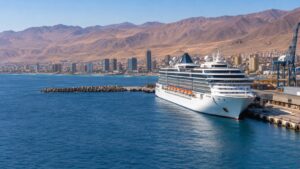
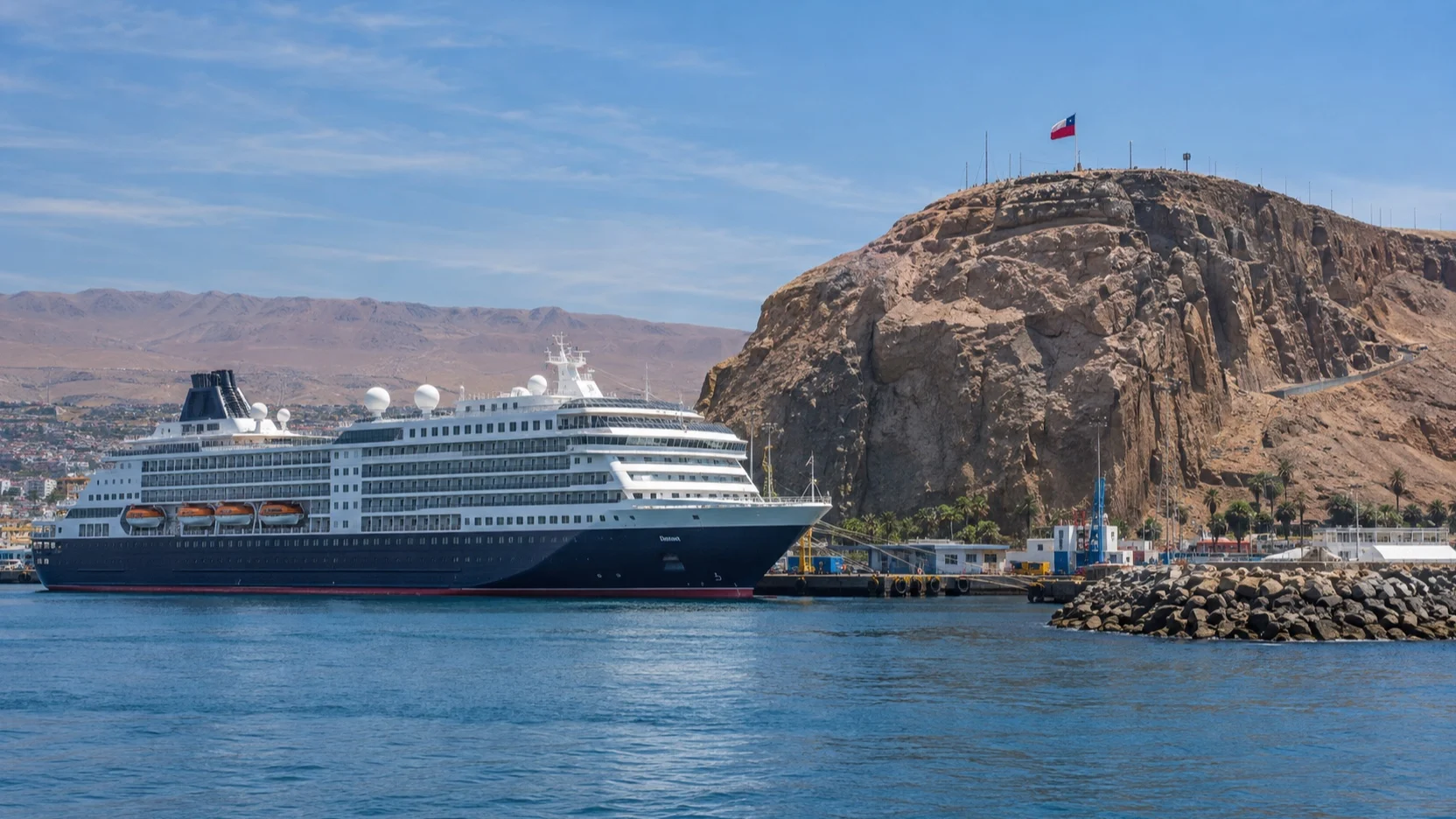
Arica is Chile’s northernmost city, a sun-baked desert port just south of the Peru border where a dramatic headland looms over the harbor. Here is how I would plan a smooth, memorable day off the ship in Chile.
Last Visited: December 2019 aboard Norwegian Star. This stop was part of my South America sailing from Miami to San Antonio, Chile.
My quick take
Arica is a compact, walkable port with a huge history payoff: a battle-scarred cliff, two Gustave Eiffel iron landmarks, and the oldest artificially made mummies on Earth.
I would spend the morning on foot downtown, then take a short taxi run out to the Azapa Valley. For more Chilean coast, pair this with my guide to Iquique.
The quick facts
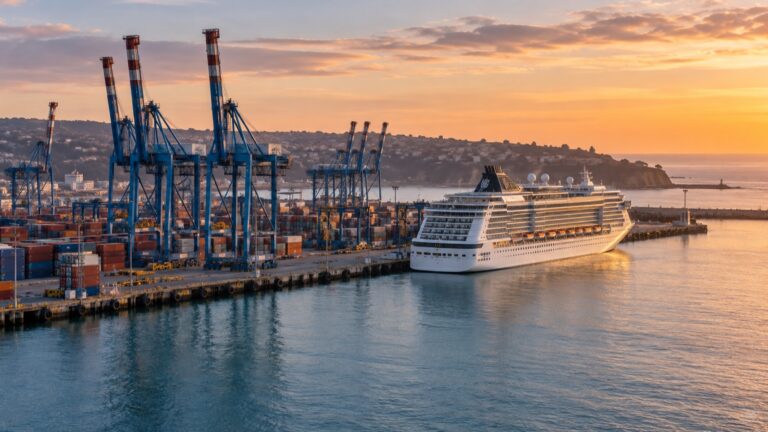
- Where you land: alongside at the Puerto de Arica, the working commercial port tucked under the Morro headland at the edge of the city center.
- Dock or tender: Cruise ships normally tie up alongside at the commercial port, with controlled transport or walking instructions from the berth to the public exit.
- Into town: About a 10 minute walk once you clear the port gate.
- Currency and language: The Chilean peso (CLP) and Spanish.
- Time zone: Chile Summer Time (CLST, UTC−3) during the November to March cruise season, Chile Standard Time (CLT, UTC−4) in winter.
- How often the call is missed: Low (roughly 1 to 2%): the sheltered berth is rarely limited by local weather.
Fun fact: Arica bills itself as the “City of Eternal Spring” thanks to a mild, near-rainless desert climate that stays pleasant almost year round.
Getting around
Downtown Arica is flat and easy to walk. The cathedral, main plaza, pedestrian street, and the base of the Morro are all within a few blocks of the port gate.
For the Azapa Valley museums, a metered taxi or shared colectivo is quick and cheap. Distant highlights like Lauca National Park are hours away over high mountain roads, so book those as an organized excursion.
The stops I’d actually spend time on
Morro de Arica
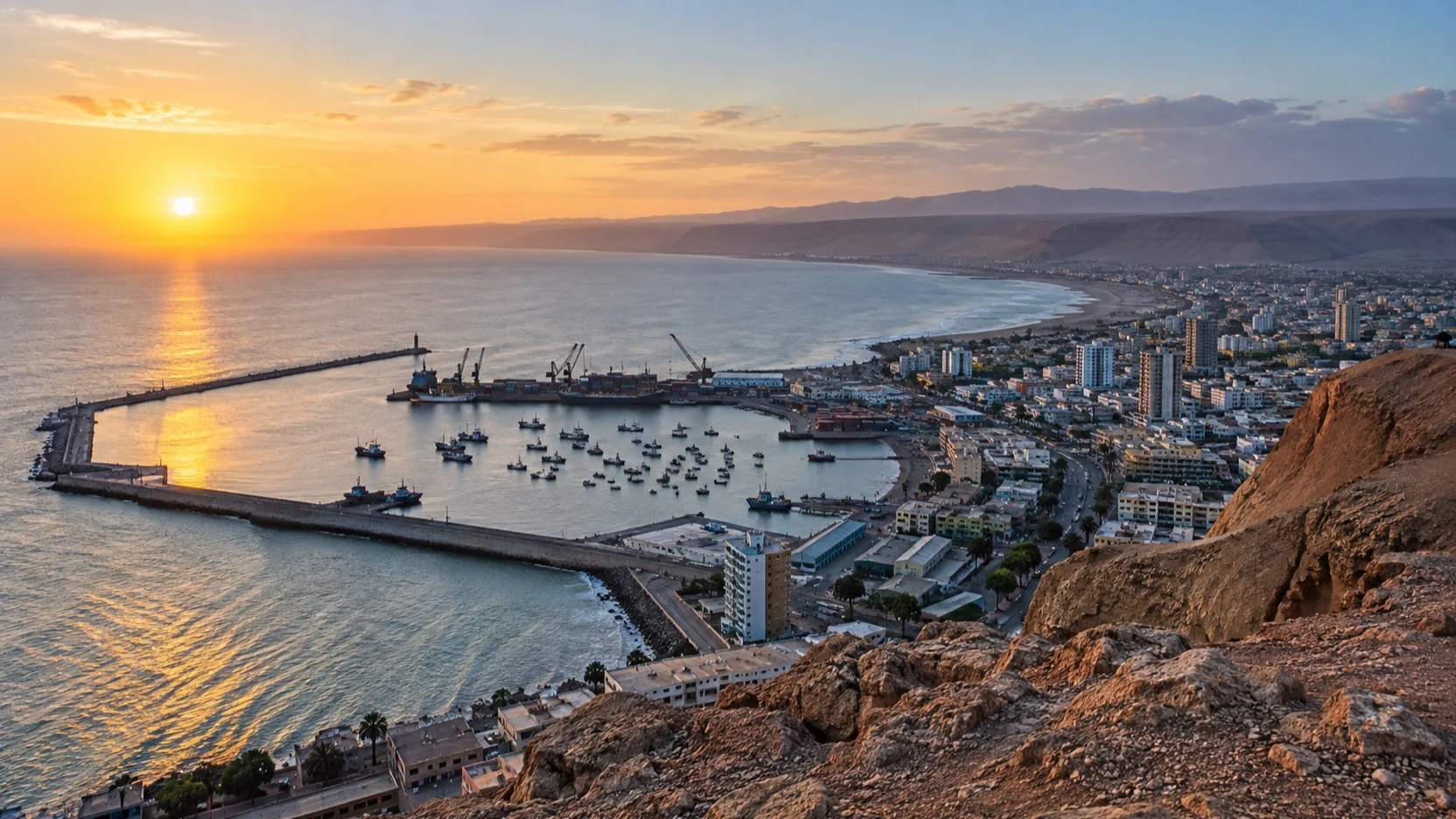
This sheer headland rising straight above the port is Arica’s signature sight. It was stormed in the 1880 Battle of Arica during the War of the Pacific, and the summit now offers sweeping views over the city and Pacific.
Fun fact: the whole cliff is a national monument, and a large Christ statue and Chilean flag crown the top today.
Museo Historico y de Armas
Right at the top of the Morro, this military history museum displays weapons, uniforms, and artifacts from the War of the Pacific. It pairs naturally with the walk up for the view.
Cathedral of San Marcos
On the main plaza stands a slender Gothic-style church built entirely of prefabricated iron. It was designed in the workshop of Gustave Eiffel and assembled in Arica in the 1870s.
Fun fact: the same Eiffel studio behind the Paris tower produced this church, which was shipped from France in sections and bolted together on site.
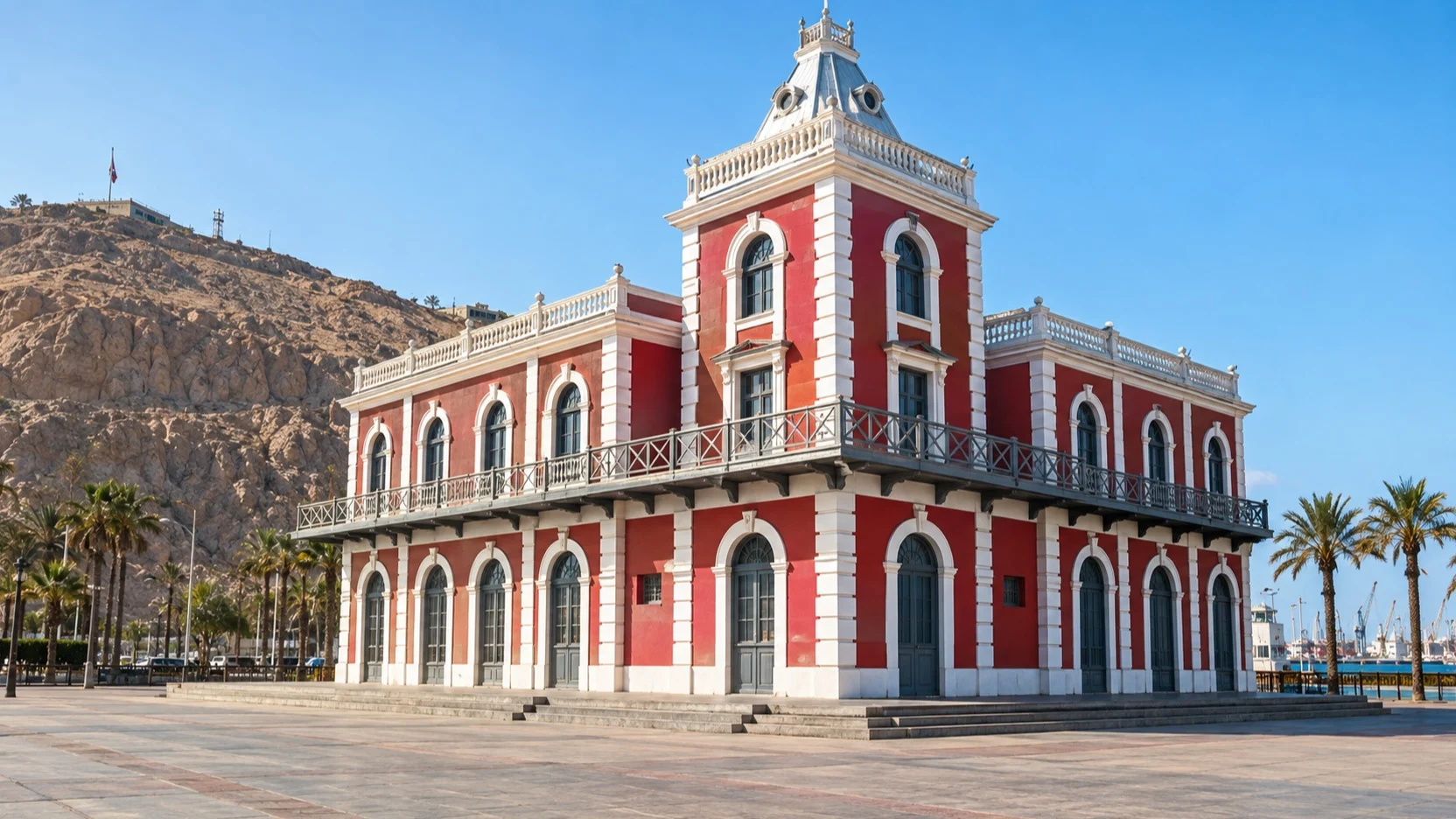
The former Customs House (ex Aduana)
A few steps from the cathedral, the old customs house is a second Eiffel-designed iron building, now used as a cultural center. Together the two make an easy architecture stroll near the port.
San Miguel de Azapa Archaeological Museum
Out in the Azapa Valley, this University of Tarapaca museum holds the famous Chinchorro mummies, whose settlement and mummification tradition is a UNESCO World Heritage Site inscribed in 2021.
Fun fact: the Chinchorro made these mummies around 7,000 years ago, making them the oldest known artificially preserved human bodies on Earth, roughly two millennia older than Egypt’s.
Azapa Valley
A green ribbon of farmland cutting through the desert just outside the city. It is known for its olives and olive oil, and for ancient geoglyphs on the surrounding hillsides.
Lluta Valley geoglyphs
North of town, huge pre-Columbian figures of people and animals are etched into the desert slopes of the Lluta Valley. They are easy to spot from the road on the way toward the Andes.
Playa El Laucho and Playa Chinchorro
El Laucho is a small, calm cove close to downtown, good for a quick swim. Playa Chinchorro is the longer, livelier city beach a little further north, popular with surfers.
Cuevas de Anzota
Just south of the city, a boardwalk trail threads past dramatic sea caves and cliffs along the Pacific. It is a scenic leg-stretch if you want coastline rather than history.
Lauca National Park and Lake Chungara
Far inland and very high in the Andes, Lauca National Park holds volcanoes, vicunas, flamingos, and Lake Chungara, one of the highest lakes in the world. This is a long full-day tour at extreme altitude, so only attempt it with a guided excursion and a generous return buffer.
How I’d plan the day
- Short (about 3 hours): walk to the Cathedral of San Marcos and the ex-Aduana, then climb or drive up the Morro for the view and the military museum.
- Half day (about 5 hours): go first to the San Miguel de Azapa museum, then return for the Morro and downtown. Aim for the port gate 60 minutes before all-aboard.
- Full day (8 hours or more): spend a relaxed day between the Morro, Azapa museum, Cuevas de Anzota, and a city beach. Lake Chungará is usually too far and too high for an ordinary eight-hour call, so reserve it for a longer ship-operated itinerary that explicitly includes the lake.
A realistic word on safety and accessibility
The US State Department places Chile at Level 2, Exercise Increased Caution, mainly due to street crime such as pickpocketing and theft. Keep valuables close in markets and near the border, and use registered taxis.
Downtown is flat and manageable, but the Morro summit involves a steep road or stairs. Lake Chungará sits above 14,700 feet, so a rapid same-day ascent carries real altitude risk and is a poor casual add-on.
When to go, and the weather
Arica is warm, dry, and sunny nearly all year, one of the least rainy inhabited places on the planet. Cruise calls cluster in the South American summer, roughly November to March.
Mornings can start with coastal cloud that burns off by midday. Pack sun protection and water whatever the month, and add a light layer if you are climbing to the Andes.
Chile’s official tourism site, chile.travel, is a useful planning reference.
Quick answers
Is the Arica cruise port walkable to town?
Yes, once you clear the working-port gate the cathedral, plaza, and Morro are all a short walk away. Confirm the exact walk-out or shuttle arrangement with your cruise line.
Do ships dock or tender at Arica?
Ships berth alongside at the Puerto de Arica, so you walk off rather than tender.
What is the one thing not to miss?
If history is your thing, see the Chinchorro mummies at the San Miguel de Azapa museum. If you have less time, the Morro and the two Eiffel iron landmarks downtown are the classic Arica trio.
Arica rewards a curious cruiser with battle history, oddball iron architecture, and the deep human story of the Chinchorro, all within easy reach of the pier. For more of the coast, browse my South America cruise ports hub, the Antofagasta guide, and my roundup of walkable cruise ports.
How this guide was researched: Unless a first-hand visit is explicitly identified above, this guide is based on independent research using official port, tourism, transit, government, and attraction sources where available. Logistics and time-sensitive details were reviewed in September 2026; see our Editorial Policy.