Chile Cruise Ports: A Guide to Every Chilean Cruise Port
Chile stretches more than 2,600 miles down the Pacific, so its cruise ports feel like different countries. Here I compare every stop, from Valparaiso’s hills to Patagonia’s glaciers, so you know exactly what each day ashore delivers.
My quick take on Chile’s cruise ports
Think of Chile in three chapters. The center is city and wine country, the far south is glaciers and penguins, and the north is desert coast.
Central-Chile itineraries can turn around in Valparaíso or San Antonio, then work south through the fjords toward Punta Arenas. Confirm the named terminal before booking flights, a hotel, or a transfer because the two ports are not interchangeable.
Valparaíso: the historic-city port and Santiago gateway
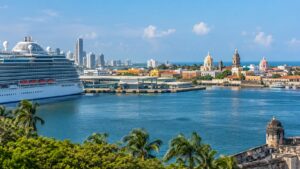
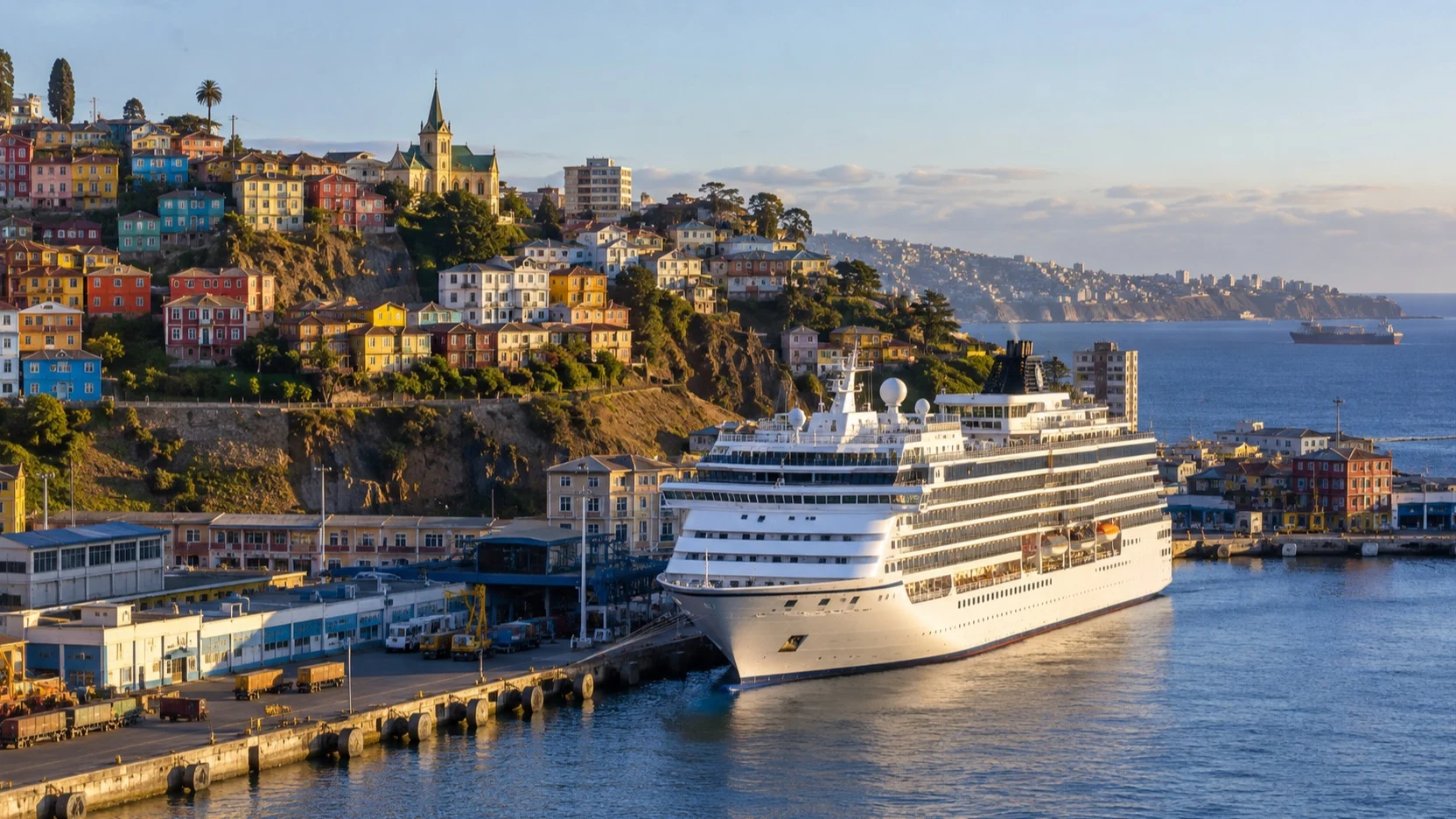
Valparaiso is Chile’s primary cruise port and the busiest place to start or end a voyage. Its historic quarter is a UNESCO World Heritage Site of tumbling hills and painted houses.
Ships tie up at the working commercial port beside the old town, and passengers are shuttled to the terminal gate near Plaza Sotomayor. On busy days a berth swap or tender is possible, so confirm the exact arrangement with your line.
Santiago sits about 75 miles away via Route 68, but the drive is commonly 1.5 to 2 hours and can take longer in weekday or holiday traffic. Viña del Mar is much closer, so it is the safer add-on when your port call is short.
My quick read: this is the fullest walkable day in Chile. Ride the century-old ascensores (funiculars) such as Reina Victoria and El Peral, wander Cerro Alegre and Cerro Concepcion, and tour La Sebastiana, the hillside house of poet Pablo Neruda.
Fun fact worth your time: Valparaiso’s funiculars have been hauling residents uphill since the 1880s, and several still run as everyday transport rather than museum pieces. Full details are in my Valparaiso cruise port guide.
San Antonio: the alternate Santiago gateway
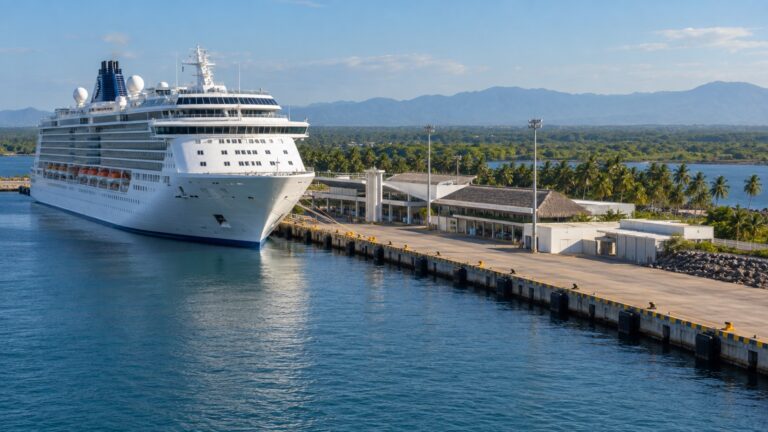
San Antonio is Chile’s largest cargo port and a functional stand-in for Valparaiso when berths are full. It is not pretty, but it puts you a similar distance from Santiago and the Casablanca wine valley.
My quick read: treat this as a transport hub, not a stroll, and use the port shuttle or cruise transfer through the controlled cargo area. Book Santiago, a Casablanca Valley winery, or the potters’ village of Pomaire, but choose one main destination and allow at least two hours for the return from Santiago.
Puerto Montt: gateway to the Lake District
Puerto Montt is the doorway to Chile’s Lake District and, as the official tourism board puts it, the gateway to Chilean Patagonia. Expect volcanoes, deep-blue lakes, and German-influenced lakeside towns.
This is often a tender port, with ship’s boats running to the pier, so build a little extra time into your return. Confirm dock versus tender with your cruise line before booking independent tours.
My quick read: the big-ticket sights are the cone of Osorno Volcano, Lake Llanquihue, and the postcard towns of Puerto Varas and Frutillar. Closer in, browse the Angelmo waterfront market for seafood and crafts.
The Petrohue waterfalls and Vicente Perez Rosales National Park make a natural half-day pairing with the volcano. My Puerto Montt cruise port guide lays out the timing.
Chiloe Island: wooden churches and stilt houses
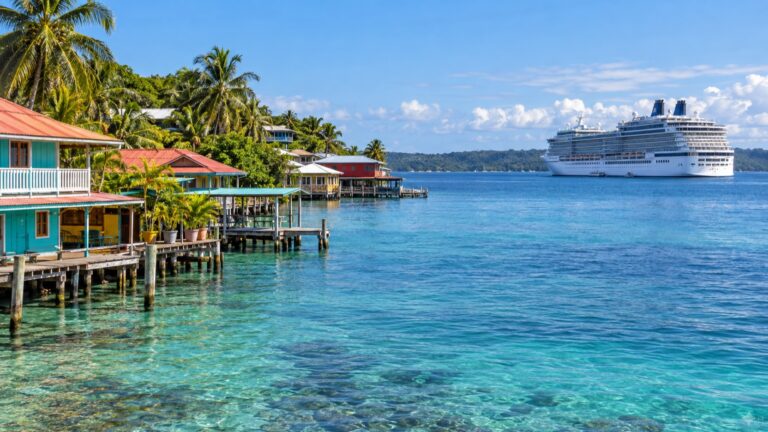
Chiloe is a misty, folklore-rich island just south of the Lake District. Its palafitos, or brightly painted stilt houses, and its UNESCO-listed wooden churches set it apart from anywhere else in Chile.
My quick read: photograph the palafitos at Castro, step inside a Chiloe church such as the Iglesia de San Francisco, and try curanto, the island’s stone-cooked seafood feast. Details sit in my Chiloe Island cruise port guide.
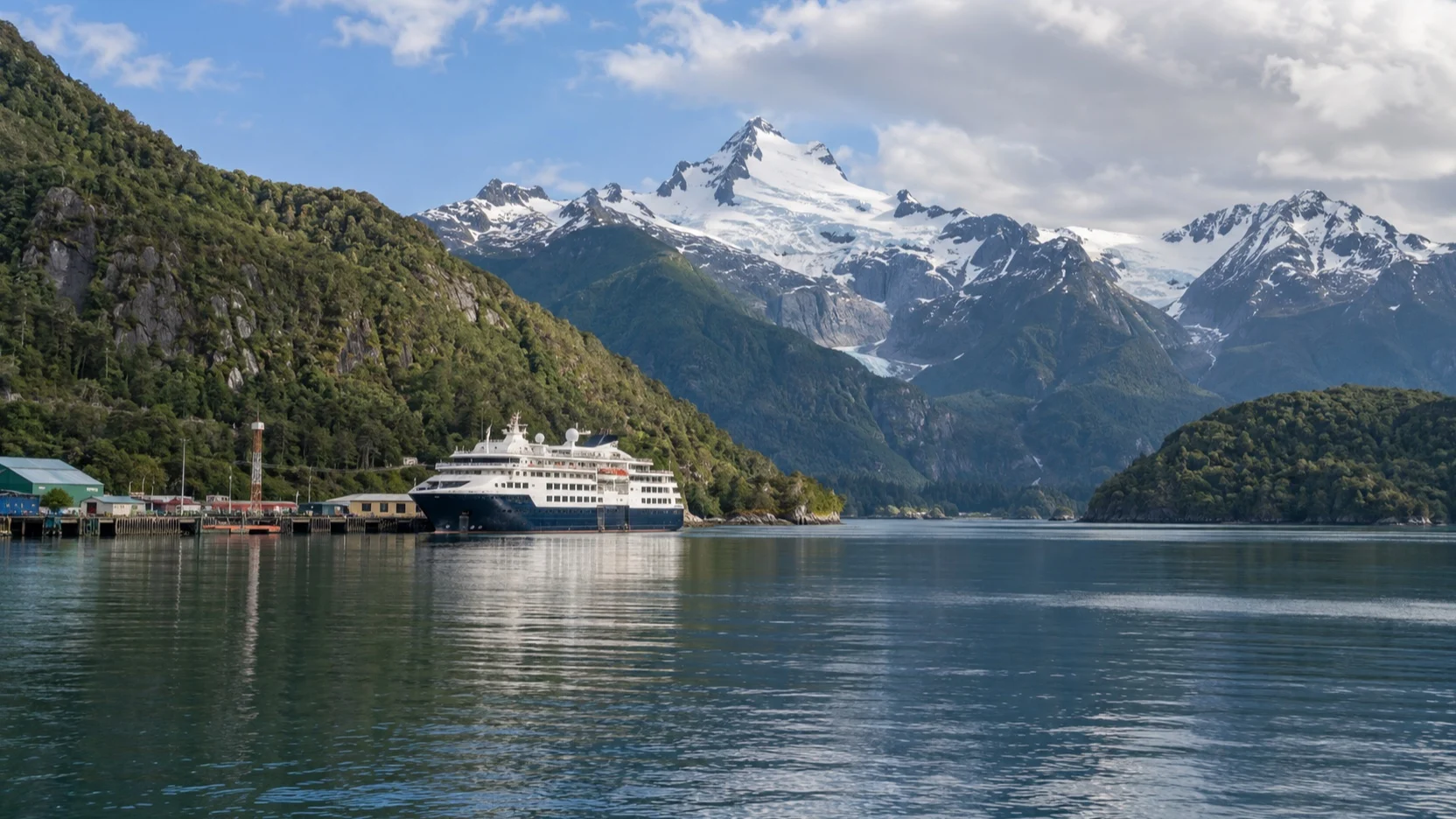
Puerto Chacabuco: fjords and hanging glaciers
Puerto Chacabuco is a small, remote port that opens the Aysen region of fjords, rivers, and temperate rainforest. It is a nature day, not a shopping one.
My quick read: the Simpson River valley, Aysén, and Coyhaique are the realistic road choices for most calls. Queulat National Park is several hours away on slower roads, so I would consider it only on a very long call with a ship-operated excursion and would never add it casually to a town day.
Punta Arenas: Patagonia, penguins and the Strait of Magellan
Punta Arenas sits right on the Strait of Magellan and is the great southern hub for Patagonia and Antarctic expeditions. It is also the windiest port you will likely visit, so pack a windproof layer.
Ships sometimes dock and sometimes tender here depending on weather and berth space, so treat return times generously. The airport lies about 12.5 miles from the center if you are joining or leaving a ship.
My quick read: take a boat to the Los Pinguinos Natural Monument on Magdalena Island to walk among thousands of Magellanic penguins. In town, see the full-scale Nao Victoria replica of Magellan’s ship and the ornate Municipal Cemetery.
Torres del Paine lies roughly 155 miles north via Puerto Natales and is usually too far for a normal Punta Arenas port call. Choose Magdalena Island when boats are operating, or stay with the city and nearby Strait of Magellan sights; save Torres del Paine for a separate overland stay or an unusually long ship excursion.
If your itinerary crosses into Argentina, the neighboring port of Ushuaia makes a natural pairing at the bottom of the continent.
Coquimbo, Easter Island, and smaller southern calls
Coquimbo is a working-port call for La Serena, the Elqui Valley, and nearby coastal viewpoints. La Serena is the easy cultural choice, while the Elqui Valley needs a reserved vehicle and a broad return buffer because the best-known observatories are primarily evening attractions.
Hanga Roa on Rapa Nui, or Easter Island, is an open-water tender call and one of the least reliable landings in Chile. If the captain can operate the tenders, use a permitted local guide for Rapa Nui National Park and choose a focused route such as Rano Raraku and Ahu Tongariki instead of trying to circle the island.
Puerto Natales appears on smaller and expedition itineraries and can be a dock or tender operation depending on vessel and berth. It is the logical gateway to Torres del Paine, but the road time still makes a ship excursion the safest port-day choice.
Castro is the main Chiloé cruise call and is commonly tendered, while occasional expedition itineraries add Corral or remote Juan Fernández calls. Those smaller landings are especially weather dependent, so book only flexible tours and keep a walkable backup.
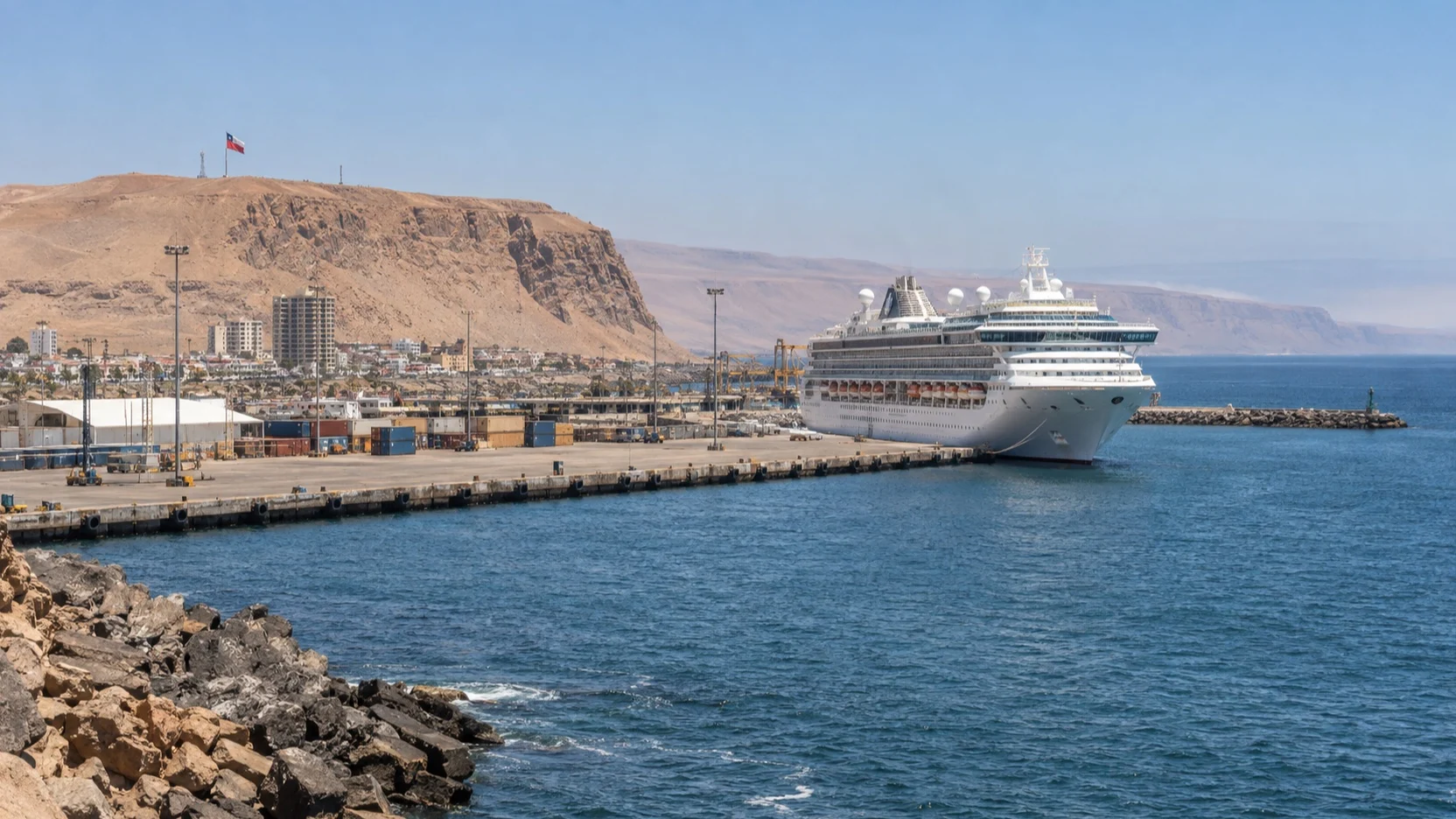
The northern desert ports: Arica, Iquique and Antofagasta
Longer, repositioning-style itineraries add Chile’s dry northern coast. These are sunny, laid-back beach-and-history days rather than headline stops.
In Arica, climb the Morro headland and see the San Marcos Cathedral, a cast-iron church linked to the workshop of Gustave Eiffel. It is a compact, walkable port.
In Iquique, pair Cavancha Beach and the Georgian-era Baquedano Street with the UNESCO-listed saltpeter ghost town of Humberstone. Antofagasta, further south, is mainly a gateway to the La Portada stone arch and the Atacama Desert.
Scenic days: the Chilean fjords and Cape Horn
Some of Chile’s best moments happen without ever leaving the ship. Sailings through the southern fjords deliver glaciers, waterfalls, and narrow channels that the tourism board rightly calls dreamlike.
My quick read: keep your morning free for scenic cruising days and dress for wind on deck. Rounding Cape Horn, the legendary tip of South America, is a bucket-list highlight when conditions allow.
Transport, accessibility, and return timing
Valparaíso and San Antonio are controlled commercial ports, and Puerto Montt, Castro, Punta Arenas, and Rapa Nui may involve tenders or buses between ship and public ground. Use the arrival instructions for your sailing rather than a generic map pin, then write down the gate or tender-pier return point.
Historic hills, rough piers, wind, and small-boat landings make many Chilean calls difficult for limited mobility. Ask the cruise line about tender eligibility and adapted vehicles before paying for a tour, because an accessible bus does not make a penguin landing, cobbled hill, or gravel trail step-free.
For penguin boats, remote parks, Santiago, or long Andean drives, the higher price of a ship excursion buys protection if weather, traffic, or a late boat disrupts the return. Independent touring makes more sense in Valparaíso’s center, Puerto Varas, Punta Arenas town, and the compact northern cities.
When to go, and what to pack
Chile’s cruise season runs during the Southern Hemisphere summer, roughly November to March. That window brings the mildest weather and the long daylight you want for Patagonia.
Because the country spans desert to sub-polar coast, pack in layers. Bring a windproof and waterproof shell for the south even in mid-summer, and sun protection for the north.
Money and language
The currency is the Chilean peso, and cards are widely accepted in cities. Carry a little cash for markets, small cafes, and taxis.
Spanish is the language, and a few phrases go a long way. “Hola” (hello), “gracias” (thank you), and “cuanto cuesta” (how much) will cover most port-day moments.
Quick answers
Which Chilean port is closest to Santiago?
Valparaiso and San Antonio are both roughly two hours from Santiago. Valparaiso is the more scenic and walkable of the two.
Where can I see penguins?
The Los Pinguinos Natural Monument on Magdalena Island, reached by boat from Punta Arenas, is home to thousands of Magellanic penguins in season.
Do Chilean ports use tenders?
It varies. Puerto Montt and Punta Arenas can involve tendering depending on weather and berths, so always confirm with your cruise line.

How this guide was researched: Unless a first-hand visit is explicitly identified above, this guide is based on independent research using official port, tourism, transit, government, and attraction sources where available. Logistics and time-sensitive details were reviewed on September 10, 2026; see our Editorial Policy.