Metlakatla Cruise Port: Tender and Tsimshian Community Guide
Metlakatla is a rare Alaska cruise call because visitors enter a living Tsimshian community rather than a large commercial port district. The day centers on local culture, song, dance, art, fishing heritage, and the landscapes of Annette Island.
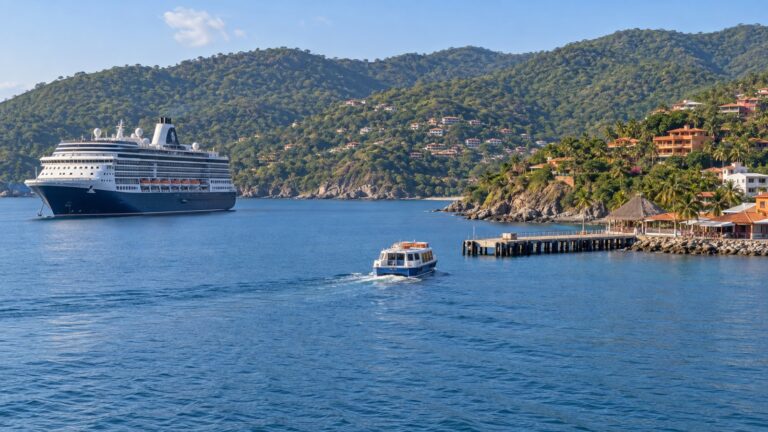
Current cruise schedules show anchorage operations, so passengers should expect to tender ashore. This makes the final tender time and the details of any community tour more important than a long list of independent attractions.
Metlakatla cruise port quick facts
- Arrival type: Anchorage and tender
- Location: Annette Island, about 20 miles south of Ketchikan
- Community: The only Tsimshian settlement in the United States
- Best experience: A community-led cultural program
- Visitor character: Small working town rather than a purpose-built cruise village
- Currency: United States dollar
- Weather: Cool, wet, and changeable Southeast Alaska conditions
- Main planning risk: Tender timing and limited independent transportation
My quick take on Metlakatla
I would choose a locally led cultural experience and listen more than I photograph. Metlakatla’s value comes from meeting the community on its own terms, not collecting generic Alaska sights.
Independent wandering may be possible within the areas opened to cruise visitors, but services and transportation are limited. Follow the route and guidance provided on arrival rather than treating Annette Island like an unrestricted resort.
Where cruise passengers arrive
The 2026 calendar published by Cruise Line Agencies of Alaska identifies Metlakatla calls with the berth code ANC, meaning anchor. Its separate berth-code list also defines MET ANC as Metlakatla anchorage.
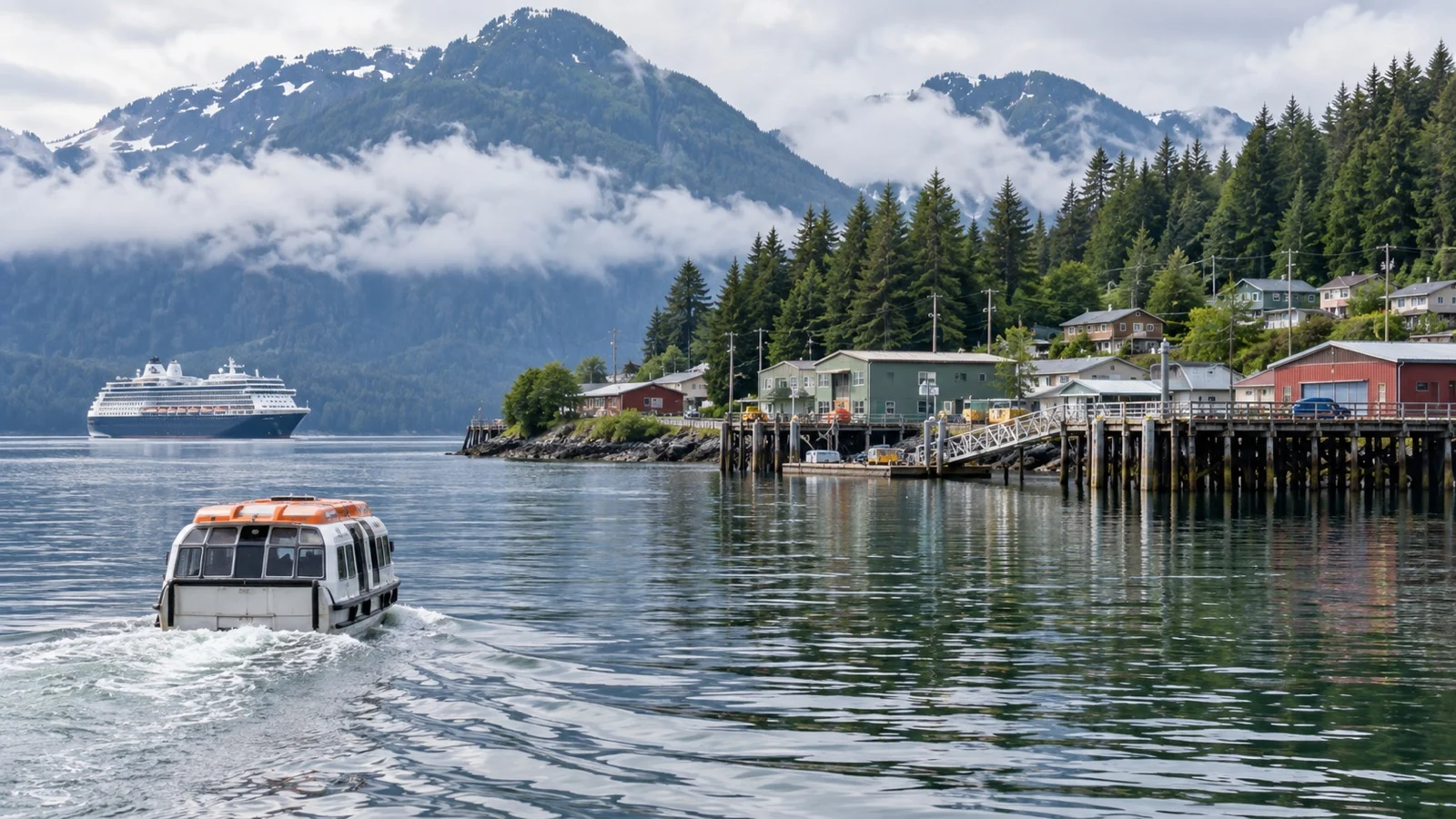
Your cruise line controls the tender boats, boarding groups, and landing point. Conditions can change, so use the daily onboard announcement even if a pre-cruise itinerary simply says Metlakatla.
The published 2026 schedule is small, reinforcing that this is not a high-volume port with services designed around ships every day. Treat every local instruction as part of being a respectful guest.
How tendering affects the day
Tendering takes time for tickets, loading, the boat ride, unloading, and the reverse trip. Wind, rain, low visibility, and sea state can slow or cancel the landing.
Ask when tender tickets are distributed and whether booked tours receive priority. The final tender time is the deadline that matters, and it will usually be earlier than the ship’s sailing time.
My guide to how tendering changes time ashore explains why a listed port call can shrink significantly. Avoid booking an independent activity that leaves no margin for the marine transfer.
Understanding the community
Travel Alaska identifies Metlakatla as the only Tsimshian settlement in the United States and the only Indian reservation in Alaska. The community is on Annette Island and has lived at the present village location since 1887.
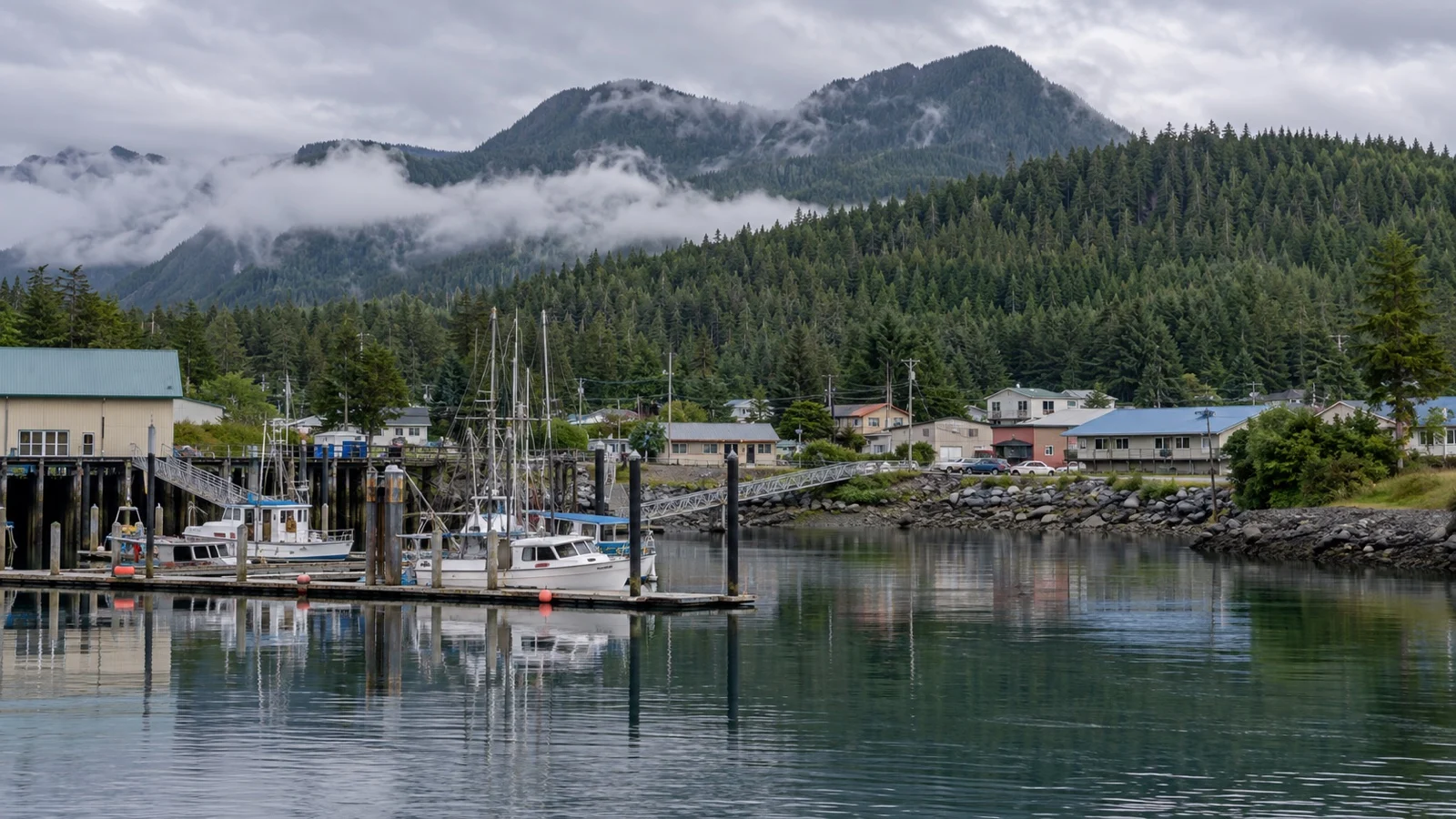
Tsimshian people have lived in the wider region for thousands of years, with ancestral homelands extending across the nearby coast of what is now British Columbia. Fishing, governance, language, family, art, ceremony, and relationships to land and water remain living parts of community identity.
The official Metlakatla Indian Community tourism page says its staff act as cultural ambassadors and aim to represent their people accurately. That makes local interpretation the primary source for what visitors see and hear.
Cultural experiences
Community tours may include song, dance, stories, language, carving, weaving, regalia, totem poles, or time in a longhouse. The exact program depends on the call and should not be assumed from another traveler’s visit.
Ask before photographing or recording a performance, artwork, artist, or ceremonial space. Permission to attend does not automatically include permission to capture and publish every moment.
Buy directly from local artists when possible and ask about the meaning and maker of a piece. Authentic Native art supports community expertise and carries a story that mass-produced souvenirs cannot reproduce.
Walking through Metlakatla
Metlakatla is a working community with homes, schools, offices, fishing activity, stores, and places of worship. Cruise passengers should stay on visitor routes and avoid treating private property as an attraction.
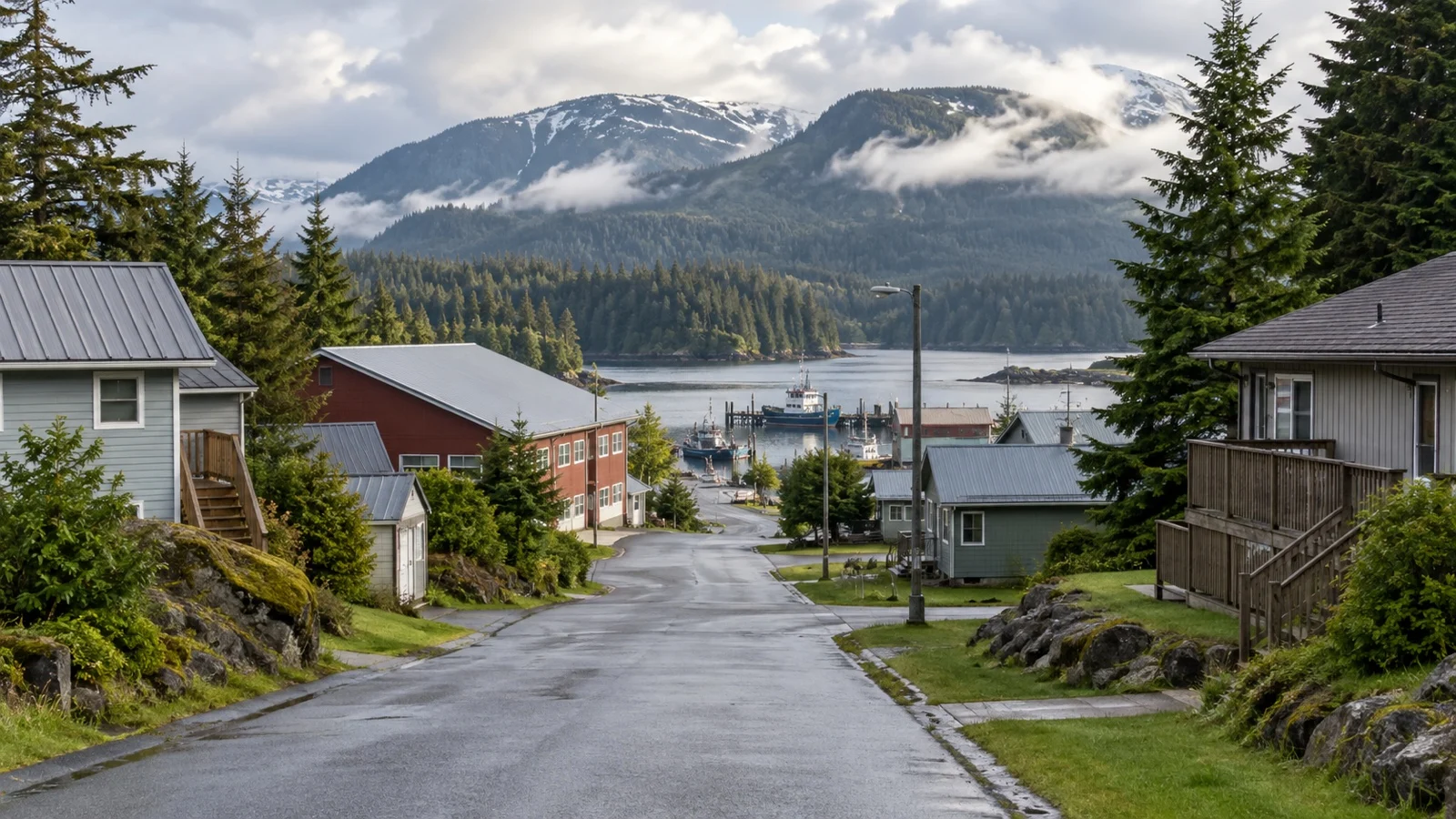
The town is small enough that selected sites may be walkable from the landing or tour drop-off. Confirm distances and boundaries locally because the exact tender landing and program can change.
Visitor services are modest, and opening hours may not align with a rare ship call. The community tourism page lists local food, lodging, taxi, and car-rental contacts, but those details are designed for broader travel and should be reconfirmed.
Fishing and maritime life
Fishing remains central to Metlakatla’s economy and relationship with the surrounding water. Harbor activity, boats, seafood, and stories of subsistence and commercial fishing may all shape a community tour.
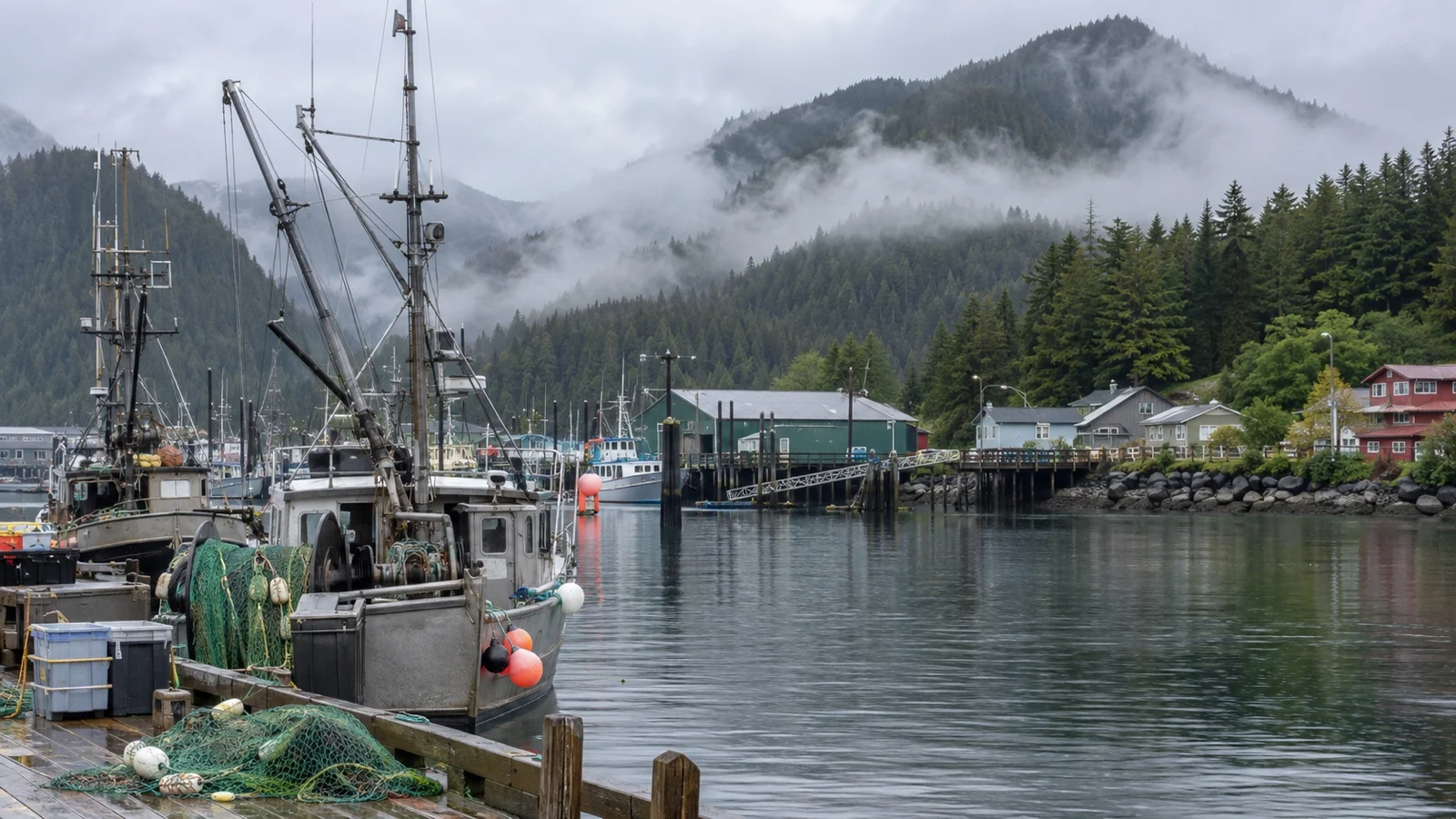
Working docks require caution and are not automatically public sightseeing spaces. Keep clear of gear, vehicles, crews, and active loading areas unless a guide specifically brings your group inside.
Nature and wildlife
Annette Island’s forest, shorelines, streams, and marine waters support birds, fish, mammals, and temperate-rainforest ecosystems. A local guide provides the safest and most meaningful access because they understand community lands and current conditions.
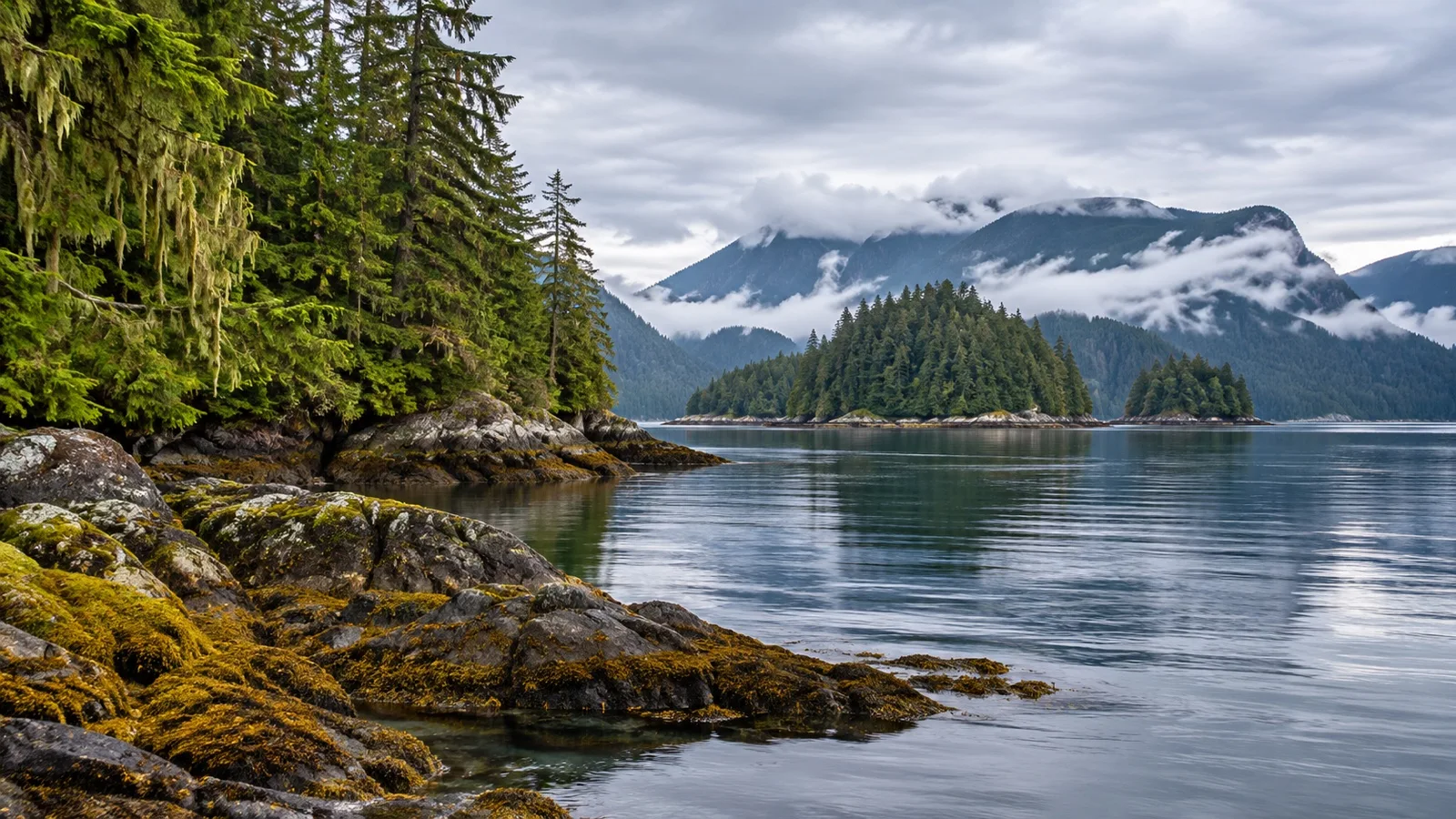
Wildlife sightings are never guaranteed, and respectful viewing keeps distance from animals and sensitive habitat. Follow every instruction concerning bears, nesting birds, marine mammals, and salmon streams.
Can you visit Ketchikan?
Metlakatla lies about 20 miles south of Ketchikan, but no road joins the communities. Travel requires a ferry, charter boat, or aircraft, turning a simple-looking side trip into a separate marine or air journey.
The community says the Alaska Marine Highway trip between Annette Bay and Ketchikan takes about 45 minutes and may operate only once or twice daily depending on season. That timetable is unsuitable for an improvised cruise-day trip, so save Ketchikan for its own call.
Travelers planning a land visit can check the Alaska Marine Highway community page for current ferry information. Cruise passengers should not leave the island independently unless the ship has arranged the excursion.
Visitor permits and local rules
The Metlakatla Indian Community says overnight visitors staying longer than 24 hours must apply for a visitor permit. A normal cruise day does not cross that threshold, but passengers must still follow all community and tour rules.
Do not assume regulations match those in Ketchikan or elsewhere in Alaska. Guidance on access, photography, alcohol, fishing, wildlife, and cultural spaces should come from the community.
Three realistic Metlakatla port-day plans
Plan one: community culture
Join the ship’s or community’s cultural program and give it your full attention. Use any remaining time for approved local shopping or a short waterfront walk before the tender.
Plan two: culture and nature
Choose an organized experience that combines community interpretation with a forest, coast, or wildlife component. Keep the day within the offered itinerary because independent transportation is limited.
Plan three: simple village visit
Follow the visitor route from the tender landing and explore only the areas clearly open to guests. Return early rather than depending on the final possible transfer.
Accessibility
Tendering is the first accessibility question, and the cruise line makes the final safety decision based on the boat, equipment, and sea state. A mobility device that works aboard may not be accepted in a tender.
Ask about the landing ramp, dock slope, tour vehicle steps, seating, restroom access, and storage before booking. Small-community infrastructure may be less standardized than facilities in a major cruise terminal.
A nearby indoor cultural experience may be more practical than a nature outing on rough ground. My wheelchair-friendly cruise port guide provides questions to ask the shore-excursion desk.
Weather and what to wear
Southeast Alaska is often cool, rainy, and windy during cruise season. Wear a waterproof outer layer, warm layers, and shoes with reliable grip for the tender, dock, and wet paths.
Keep a dry bag or waterproof cover for electronics and medication. A rainy day can still be meaningful when the plan centers on community culture rather than a distant view.
Money and connectivity
Metlakatla uses United States dollars, and cards may be accepted by established vendors. Carry small cash for art, food, tips, or a backup when connectivity makes electronic payment difficult.
Mobile coverage may be limited or inconsistent on Annette Island. Save the tender landing, tour meeting point, ship contact details, and final departure time offline.
Returning to the ship
The final tender time controls the day. Reach the landing early enough for a line, security, changing weather, and the boat ride back to the anchored ship.
A community or ship-operated tour should coordinate its return, but still listen for schedule changes. Independent travelers are responsible for every connection and should avoid leaving the approved visitor area.
Frequently asked questions
Do cruise ships dock in Metlakatla?
Current 2026 port schedules identify Metlakatla calls as anchorage operations. Passengers should expect to tender unless the cruise line announces otherwise.
Can I explore Metlakatla independently?
Follow the visitor guidance given at the landing and remain in areas opened to guests. A community-led tour provides the best cultural context and solves local transportation.
Do I need a visitor permit?
The community says visitors staying longer than 24 hours need a permit. A standard daytime cruise visit is shorter, but all local rules still apply.
Can I visit Ketchikan from Metlakatla?
Not as a practical independent cruise-day side trip because travel requires a ferry, boat, or aircraft. Use the Ketchikan cruise port guide for a separate call.
How does Metlakatla compare with other Alaska ports?
Metlakatla is a small Tsimshian community visit rather than a large excursion hub. Compare it with Sitka and the broader Alaska cruise ports guide before choosing an itinerary.
Final thoughts on Metlakatla cruise port
Metlakatla offers a meaningful call when visitors arrive ready to listen, learn, and respect community boundaries. Confirm the tender first, choose a locally guided experience, and let Tsimshian voices define the place.