How Tendering Changes the Amount of Time You Actually Have Ashore
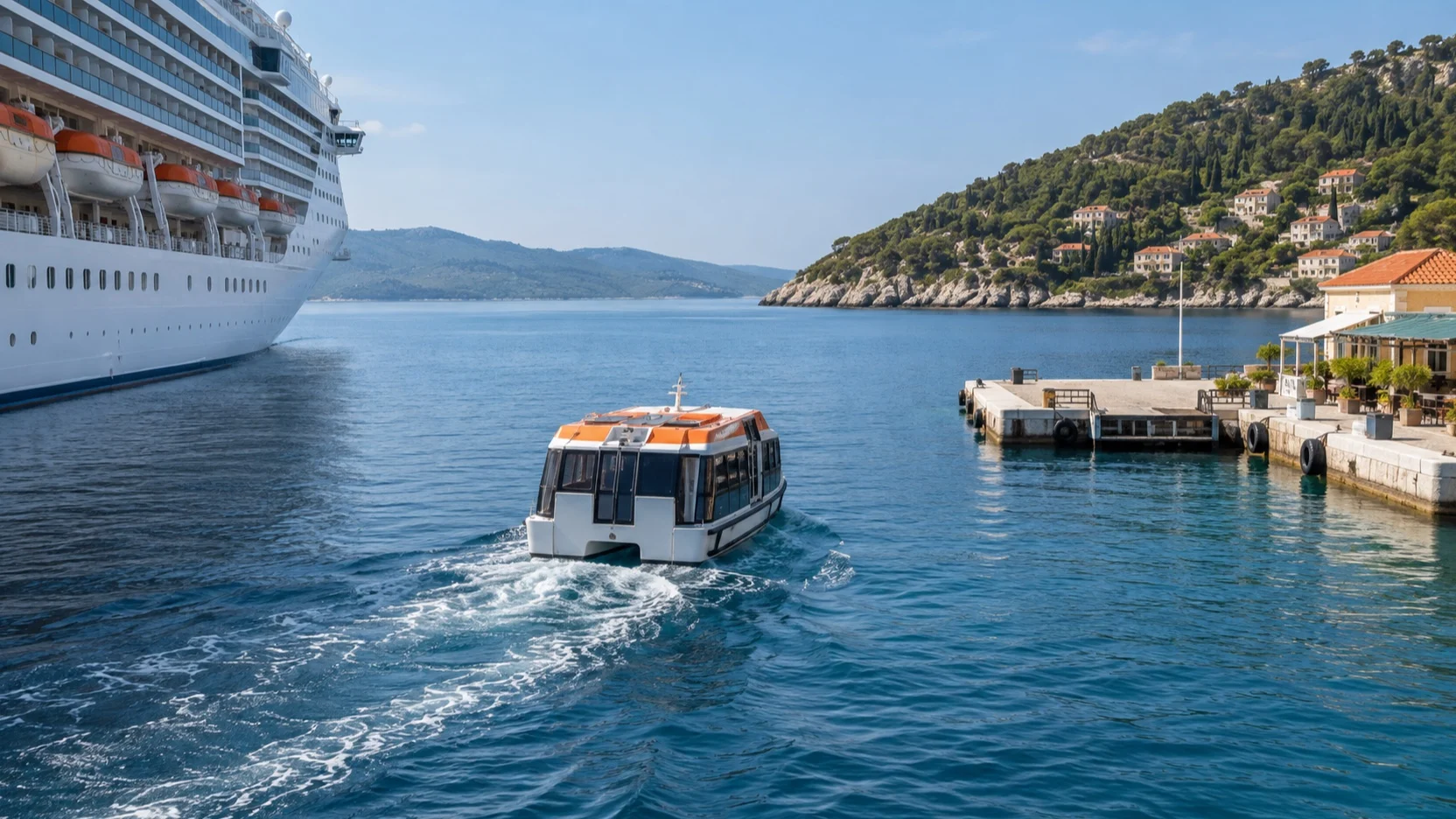
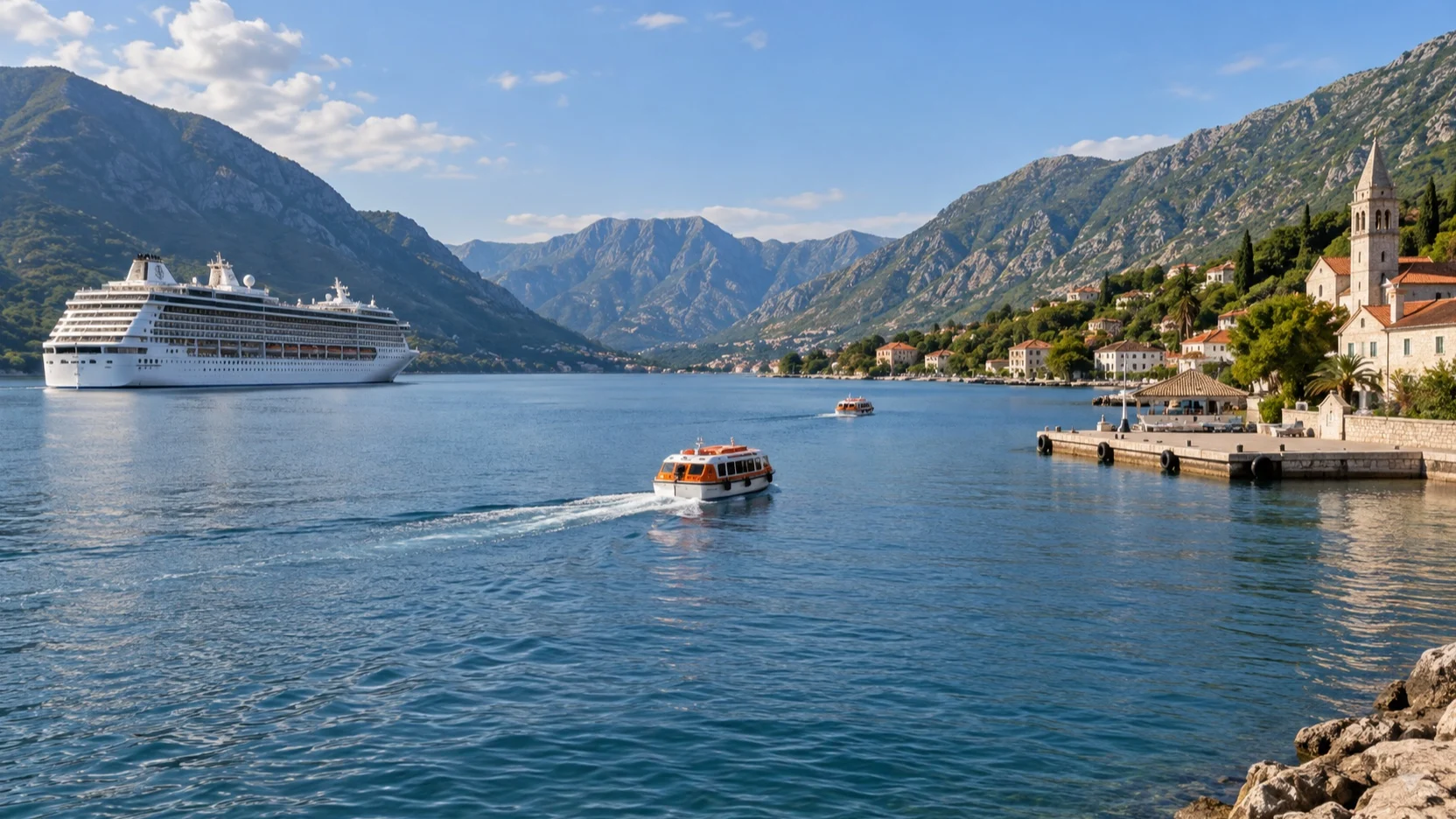
A tender port can quietly remove hours from a cruise day even when the itinerary shows a long call. Instead of walking down a gangway onto a pier, you wait for a smaller boat, transfer across the water, land at a separate dock, and repeat the process on the way back.
The tender ride itself may be short, but the full operation rarely is. Your realistic time ashore depends on ship clearance, priority groups, boat capacity, weather, landing conditions, and the queue for the return.
Tendering and Time Ashore Quick Facts
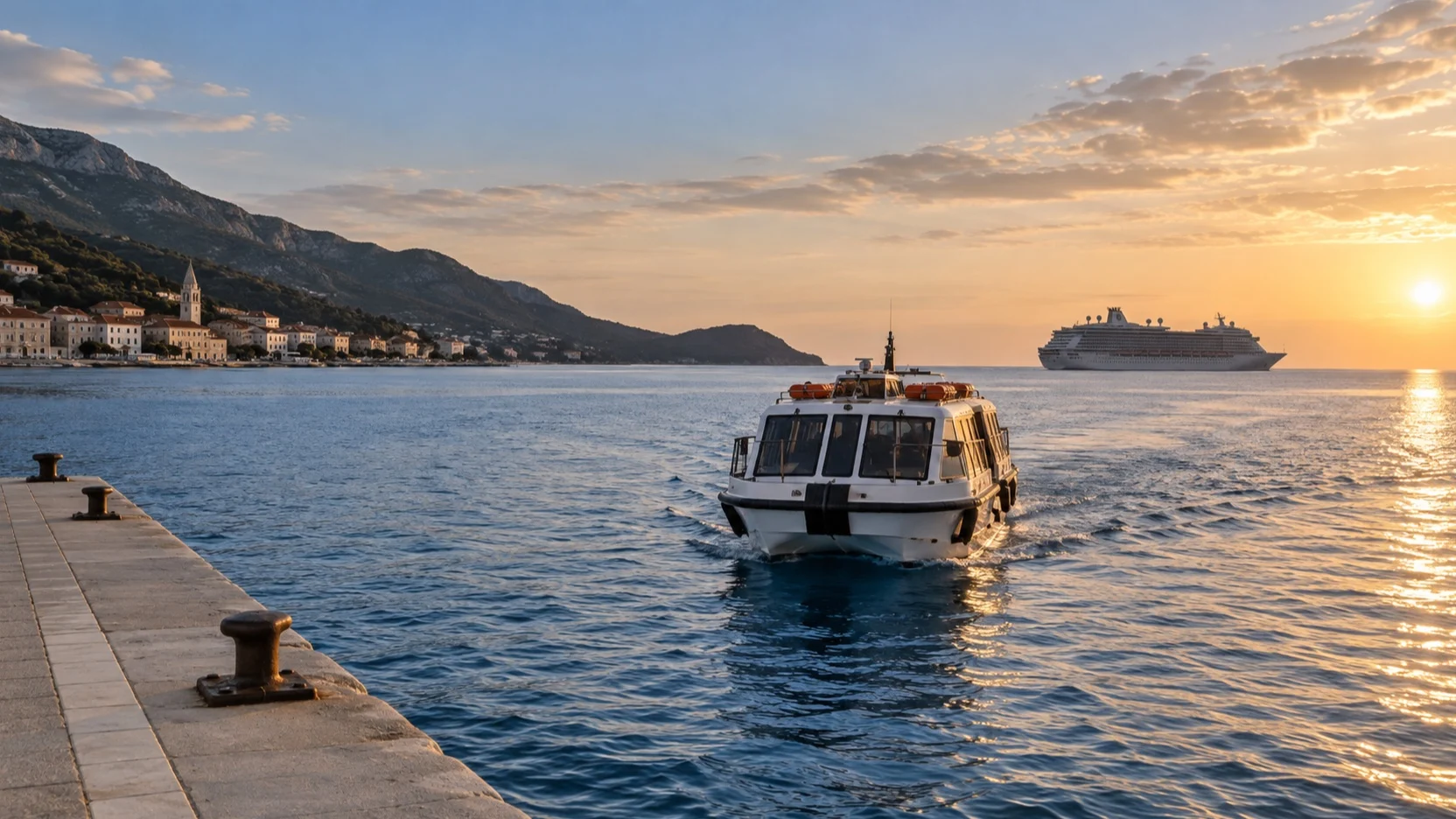
- What tendering means: The cruise ship anchors or moors offshore and passengers use smaller boats to reach land.
- Published arrival is not shore time: The ship must be cleared and the tender operation must begin before most guests can leave.
- Early access varies: Cruise-line excursions, loyalty tiers, suites, or paid priority programs may receive earlier groups.
- Independent plans need flexibility: Avoid a tight first reservation unless the provider understands the tender process.
- Last tender is critical: Follow the time announced by your ship, not an old guide or another vessel’s schedule.
- Weather matters: Wind, swell, visibility, and landing conditions can slow, suspend, or cancel tendering.
- Accessibility varies: The boat, steps, gangway, pier, tide, and sea state all affect whether a passenger can transfer safely.
- Best planning rule: Build the day from the last tender backward and keep at least one optional stop easy to drop.
What Happens at a Tender Port
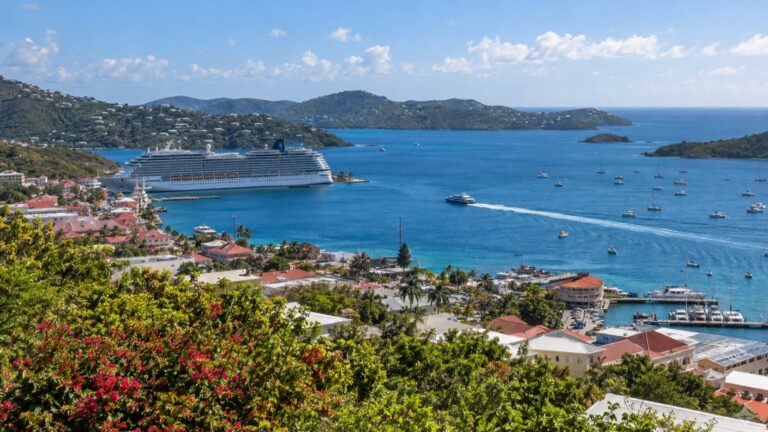
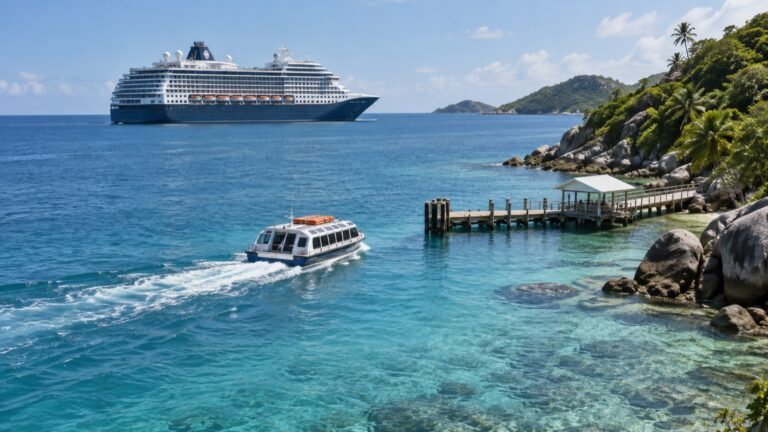
A tender port is one where the cruise ship cannot or does not berth directly at a passenger pier. The ship may use its own tender boats, which often also serve as lifeboats, or local vessels supplied by the port.
Passengers normally report to a designated area, receive or wait for a group assignment, and are called when a boat is ready. Celebrity Cruises’ official tender overview describes guests checking out with their ship card before boarding the boat to the shore landing.
The exact process changes by cruise line, ship, and port. Some operations distribute physical tickets, some use an app or group number, and others open a first-come line after organized tours and priority guests have left.
Why the Itinerary Time Is Misleading
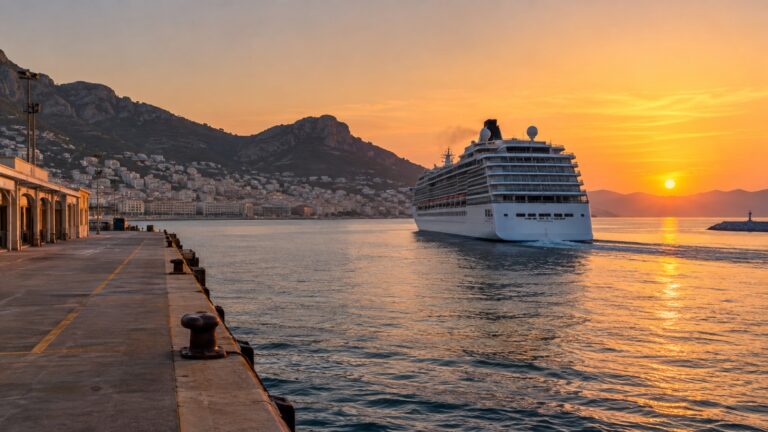
An itinerary might show an arrival at 8:00 a.m., but that does not mean you will stand ashore at 8:05. The ship must reach its assigned position, complete local clearance, prepare the platform, launch or receive boats, and begin moving the first groups.
Your place in that sequence matters more than the crossing time alone. A ten-minute boat ride can still take an hour from leaving your cabin to stepping onto the public pier.
The same time loss happens in reverse. You may wait ashore, queue through a controlled landing, board the tender, cross to the ship, and wait again while the boat is secured at a moving platform.
Calculate Your Real Usable Window
Start with the ship’s announced last tender time, not the departure time shown in a brochure. Work backward through the return queue, crossing, walk from your final attraction, and a disruption buffer.
Then estimate the morning honestly. Include clearance, your likely tender group, boarding, the crossing, and the walk from the landing to the tour meeting point or first attraction.
The hours left between those calculations are your real sightseeing window. If an itinerary only works when every tender, taxi, and ticket line is immediate, it does not work.
Who Usually Leaves the Ship First
Cruise-line shore excursions commonly receive instructions designed to meet their tour departures, while independent guests may wait for later groups. Suite guests, high loyalty tiers, or passengers who purchased a priority product may also have earlier access according to the line’s current benefits.
Norwegian Cruise Line, for example, publishes specific information for eligible priority tendering and says details are delivered to the guest’s stateroom. Policies like this can change, so check the benefits attached to your exact fare and sailing rather than assuming a friend’s past experience applies.
Priority usually affects the trip ashore more than the return. Once many passengers head back at the same time, everyone can encounter a shore-side line unless the cruise line states otherwise.
The Risk of Early Independent Bookings
An independent tour scheduled shortly after the ship’s published arrival can be risky. You do not control clearance, the order of tender groups, weather pauses, or how long the landing takes.
Choose providers who routinely serve cruise passengers and know your ship is tendering. Confirm in writing where they meet, how long they wait, what happens if the ship is late, and whether a refund applies if the port call is canceled.
If the experience is expensive or irreplaceable, a cruise-line excursion may be worth considering for the morning logistics and delay protections stated in its terms. Read the actual policy because protections vary by line and booking type.
Why Tender Lines Build on the Return
Passengers tend to spread out during the morning and converge late in the day. Beach shuttles, island tours, and town visitors can all reach the tender pier in the same final hour, creating a line that did not exist earlier.
Being in line before the posted last tender is often the cruise line’s key instruction, but you should follow the wording announced on your ship. I prefer returning earlier because a calm wait onboard is more comfortable than watching the final queue while the clock advances.
Keep the ship’s port contact information with you and screenshot the last-tender notice. Ship time may differ from local time, so use the time standard specified onboard and do not let a phone update silently create confusion.
Weather Can Change Everything
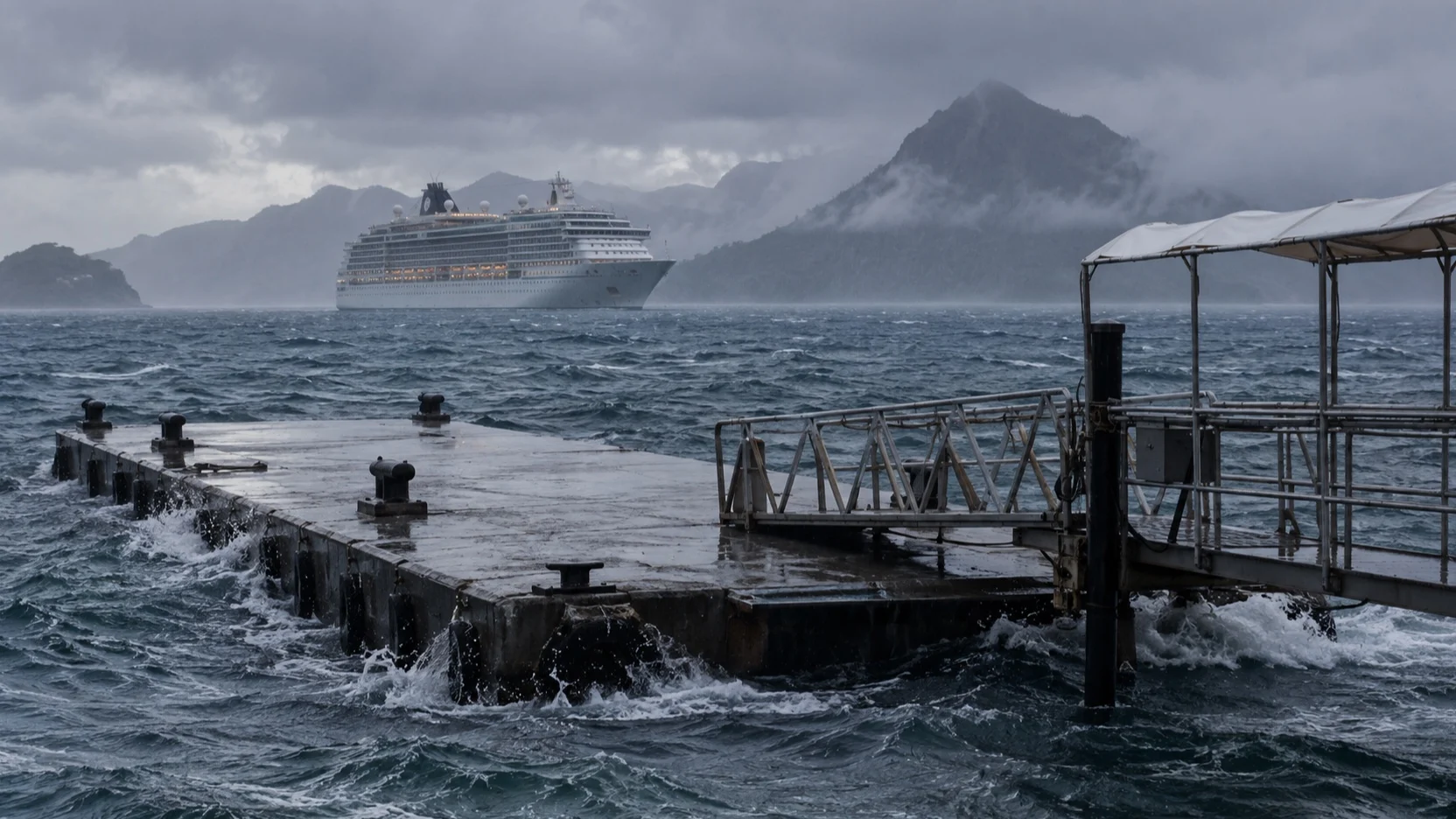
Tendering depends on safe movement between the ship, the smaller boat, and the landing pier. Wind, swell, current, visibility, and sudden weather changes can slow boarding or make the operation unsafe.
A port can be canceled even when the sky looks pleasant from your balcony. Conditions at the ship’s platform or shore landing may be very different from what you can see, and the captain’s safety decision is final.
Do not create a plan that depends on the last ferry, a distant rental car return, or a nonrefundable reservation with no weather clause. The more marine connections you add after the tender, the more vulnerable the day becomes.
Mobility and Accessibility Planning
Tender accessibility is never determined by the boat alone. The transfer can involve steps, a moving platform, a steep ramp, a gap between vessels, narrow doors, tide changes, and another difficult landing ashore.
Princess Cruises notes in its accessibility guidance that some ports may not provide wheelchair access even when a passenger can board the shuttle. This is why you need an answer for the exact ship, port, device, and expected conditions rather than a general promise that tenders are accessible.
Contact the cruise line’s accessibility team before sailing and speak with staff onboard before the port day. Ask whether you must walk independently, climb steps, transfer out of a chair, or use a collapsible device.
Even an accessible tender operation may be suspended for a particular passenger if sea conditions make transfer unsafe. Build an enjoyable onboard alternative so a safety restriction does not leave the day feeling entirely lost.
Tendering With Children
Families should expect waiting, steps, noise, sun, and movement. Keep hands free for boarding, use a compact stroller if the cruise line permits it, and store loose items before you reach the platform.
Life jackets and boarding instructions come from the crew and must be followed. Children should remain seated where directed because the boat may move suddenly even inside a sheltered harbor.
A simple shore plan works better than a chain of timed activities. Save snacks, water, sunscreen, and a small diversion for the queue, then make the final stop easy to abandon if everyone is tired.
Motion Sickness and Physical Comfort
A short tender ride can still feel rough because the boat is much smaller than the ship. If you are prone to motion sickness, discuss suitable medication with a qualified health professional before travel and follow its directions.
Fresh air and a view of the horizon help some travelers, while looking down at a phone can feel worse. Sit where the crew directs, hold the handrails, and keep both hands available during boarding.
Wear shoes with grip and carry a light waterproof layer. Spray, rain, and a shaded wait on the water can make the transfer cooler than the temperature ashore suggests.
Tender Ports Reward Simpler Plans
The most reliable tender-day plan has one anchor experience and one optional bonus nearby. A beach plus lunch, an old town plus a museum, or one organized excursion plus a waterfront walk is usually enough.
Avoid stacking a tender, ferry, regional bus, and distant attraction unless the call is unusually long and every connection has a fallback. Each added transfer creates another line, timetable, or weather dependency between you and the ship.
Choose a decision time for the optional stop before you go ashore. If the morning tender is slow or the anchor runs late, skip the bonus without debate and protect the return.
How to Get an Earlier Tender
Read the daily program and app the evening before, then listen for updates. Tender procedures may be announced after arrival conditions are assessed, so an old schedule from the same itinerary is not authoritative.
If tickets are distributed, know the location and whether the whole party must be present. Do not block corridors or arrive hours before the stated time because crew may change the process for safety and crowd control.
Ask what priority is included with your cabin, loyalty status, or booked excursion, but do not assume. The written benefit for your exact sailing is more useful than a general online discussion.
A Better Return Strategy
Plan to reach the tender pier well before the final rush, especially if your last activity requires a taxi or infrequent bus. Save the landing location offline and note any landmark that will help a driver understand where you need to go.
Carry your ship card, photo identification required by the cruise line, port contact details, and a payment method. Keep essential medication with you because an unexpected wait can extend the time between leaving shore and reaching your cabin.
If weather worsens, return instructions may change. Follow crew and port staff directions rather than assuming boats will continue from the same pier at the same frequency.
Official Planning Resources
Start with your cruise line’s app, daily program, accessibility desk, and onboard announcements. For examples of current line guidance, review Celebrity Cruises’ tender-port overview, Norwegian Cruise Line’s current FAQ, and your own line’s exact accessibility documentation.
You can also read our complete guide to tender ports and rough-sea tender planning guide. Ship-specific instructions on the day always override general advice.
Final Thoughts
Tendering changes a port call by adding two uncertain transfers and making weather, priority, and return queues part of the itinerary. Calculate from the last tender backward, keep the day simple, and let the ship’s current instructions control every timing decision.
More on this topic: browse every guide on port logistics and timing.