Cruise Port Holiday Closures: Sunday Hours, Transit, and Backup Plans
A holiday port call can be delightful, but it can also scramble a plan built around one museum, a shopping street, or a regional train. The useful question is not whether the whole destination is “closed,” but which exact places and services change hours on your date.
My quick take
Do one focused check about a week before sailing, then repeat it the day before the call. Confirm the local holiday calendar, your must-see attraction, both legs of any transit trip, and the cancellation terms for independent bookings.
A Sunday or holiday is not automatically a bad port day. It simply rewards a plan built around confirmed hours, realistic transportation, and one easy backup.
The quick facts
- Hours are local: Country, region, city, and individual business rules can all differ.
- Sunday rules vary: Germany protects Sunday as a day of rest, while rules within the United Kingdom are not uniform.
- Public holidays can be regional: A neighboring city may follow a different calendar.
- Religious observances need a local check: Effects depend on the destination, date, and operator.
- Your four essentials: Verify the attraction, outbound transit, return transit, and tour provider.
Run this check before you book
- Match the port call to the local date and weekday. Remember that holidays may be observed on a nearby Monday.
- Check national, regional, and city calendars. Search the destination’s official government or tourism site.
- Open the official page for your must-see attraction. Look for weekly closing days, holiday notices, last admission, and timed-entry rules.
- Check transit in both directions. A holiday timetable can change frequency, reservations, and the last practical return.
- Confirm any independent tour directly. Get the meeting point, running status, and cancellation terms in writing.
- Keep the ship’s all-aboard time in charge. Work backward from it and leave a generous buffer.
Screenshots are handy because opening-hour pages and service alerts may be difficult to load ashore. Save the operator’s notice and your booking terms offline.
Sunday closures are not one European rule
Germany’s Basic Law incorporates legal protection for Sundays and state-recognized holidays as days of rest, but the traveler-facing details come from state and local rules. In Berlin, for example, the city says most stores close on Sunday while station, airport, and other listed exceptions may open.
The United Kingdom is not a single-rule example. Official UK guidance says large shops in England and Wales may open for six consecutive hours between 10 a.m. and 6 p.m. on Sunday, while Scotland has no Sunday trading-hour restrictions.
Small shops in England and Wales can open any day or hour, and the official rules list exemptions for some transport-hub shops, pharmacies, and service stations. That is why a quiet retail street and a busy station concourse can exist in the same city.
Spain’s official tourism site says Sunday is the usual shop-closing day, yet schedules vary and some places have tourist-area or seasonal patterns. Check the exact neighborhood and store instead of assuming every shutter will be down.
Public holidays can be national, regional, or local
A countrywide calendar is only the first layer. Regional holidays, municipal festivals, and observed dates can change government offices, attractions, transit, or businesses in one port without affecting the next.
Search the city name, region, and full date, then verify the result on an official government or tourism page. If the date is labeled tentative, wait for the authority or operator to publish its final schedule before committing to a nonrefundable plan.
Treat afternoon breaks as a business-by-business issue
Do not apply a blanket “siesta” schedule to southern Europe or Latin America. Spain’s tourism authority says many shops normally operate continuously from about 10 a.m. to 9 p.m., while some close from roughly 2 p.m. to 5 p.m., especially in summer.
That variation is the whole point. Put a time-sensitive shop or small attraction early only after confirming its posted hours, and choose lunch or an always-accessible outdoor stop for any uncertain gap.
Religious observances change different things in different places
Ramadan, Shabbat, Easter, Holy Week, and other observances can affect hours, access, traffic, or transit, but the effect is never safely predicted from the holiday name alone. It depends on the destination, the day, and the individual operator.
A place of worship may limit tourist entry during services even when it remains open for worship. Check its visitor page, dress rules, service calendar, and last entry before making it the centerpiece of your port day.
Festivals and processions can be the best part of the visit, but they can also close streets or move pickup points. Follow the city and transit authority for event-day routing instead of relying on a generic holiday list.
Museums and historic sites set their own calendars
Many attractions have a weekly closing day, shorter seasonal hours, or separate holiday rules. There is no dependable “European museum day,” so check the institution’s own calendar and ticket page.
Look beyond the word “open.” Last admission can be much earlier than closing time, and a holiday may require timed entry even when walk-up admission is normal.
Shoulder-season schedules create a second layer of uncertainty. Use my guide to seasonal closures on port days when your cruise falls outside the destination’s busiest months.
Check transportation as carefully as the attraction
Holiday service may be normal, reduced, rerouted, reservation-only, or suspended on one segment. Check the official operator’s journey planner for the outbound and return trips, then read alerts for the exact date.
Build the day around the last return you can take comfortably, not the final scheduled service. My guide to train day trips from cruise ports explains the buffers that keep a great rail adventure from becoming an all-aboard sprint.
A strike, protest, or blockade is a separate operational risk, not an automatic feature of a holiday. Use current notices from the cruise line, port, and transport operator, and do not assume compensation before reading your booking terms.
Plan for food, medicine, and money
Restaurants and cafes may open, close, or switch to holiday service, so reserve only after the venue confirms that date. Keep a simple snack and water with you in case your first choice changes plans.
On-call pharmacy systems vary by destination, and the nearest open pharmacy may not be beside the pier. Bring enough essential medication for the day and use official local health or emergency information if you need help, alongside my guide to getting sick in port.
Banks and exchange counters may keep special hours, while an ATM can be unavailable or reject a card. Carry a backup card and a modest amount of local cash using the approach in my cash and cards guide.
Expect either crowds or quiet, then verify
A holiday can bring local visitors, ceremonies, road closures, and booked restaurants, or it can leave a business district unusually quiet. The event program, attraction ticket availability, and transit alerts reveal more than the holiday label.
Several cruise ships can add another layer of demand. Check my guide to multi-ship port days before choosing a popular excursion or a narrow return window.
Japan shows why the type of holiday matters
Japan’s official tourism organization says many businesses close for several days around New Year. Golden Week is different because the headline problem is heavy domestic travel, crowds, and transportation that may be fully booked.
The same official guidance flags Obon as another busy domestic travel period. These are reasons to reserve and verify, not proof that an entire port will stop.
Build a holiday-proof port plan
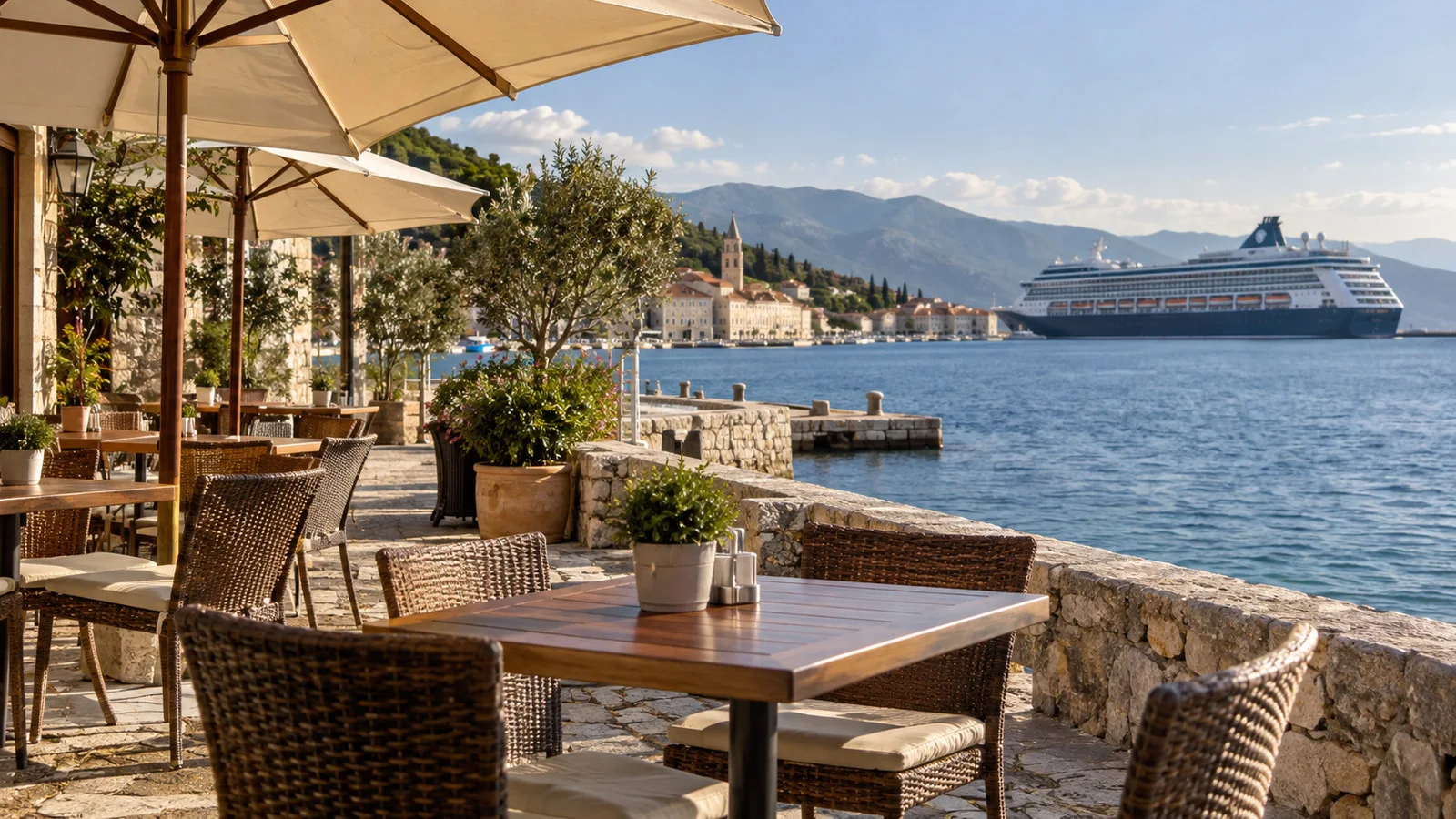
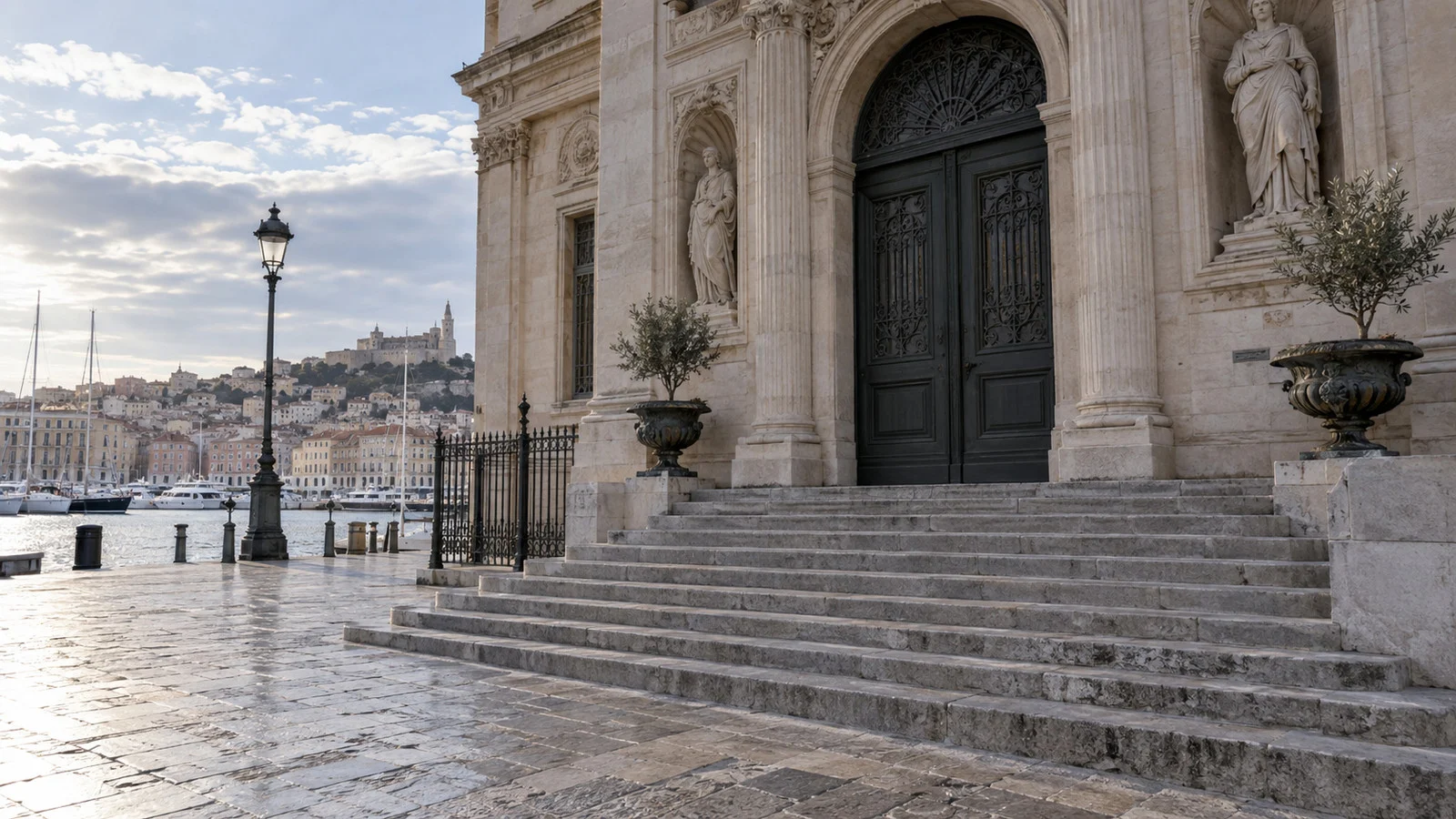
- Plan A: One confirmed anchor attraction or tour with a realistic transit buffer.
- Plan B: A nearby museum, market, neighborhood walk, or waterfront option with confirmed hours.
- Plan C: An outdoor stop that does not depend on admission, after checking access and weather.
- Booking rule: Prefer flexible cancellation when holiday operations are not yet published.
- Navigation rule: Download the map, ticket, address, and pickup instructions before leaving the ship.
A cruise-line excursion may offer logistical support, but it does not guarantee that every venue or route will operate unchanged. Read the excursion description and ask what happens if the advertised site is closed.
If port operations themselves change, follow the cruise line’s instructions. For the financial side, see my guide to refunds when a port is skipped, then confirm your own fare and insurance terms.
Quick answers
Are shops closed on Sundays in Europe?
Sometimes, but there is no Europe-wide answer. Country, region, shop size, location, and local exceptions can all matter.
How do I check a local holiday?
Search the city, region, and complete date, then verify it on an official government or tourism calendar. Follow with the attraction and transport operator because a holiday listing alone does not tell you what will close.
Will public transportation run?
It may run normally, use a special timetable, require reservations, or change routes. Check both directions in the official planner and leave an earlier return option.
Should I avoid a port on a religious holiday?
Not automatically. Confirm access and schedules, respect local observance, and decide whether the events or atmosphere fit the day you want.
What is the safest independent booking?
Choose a provider that confirms holiday operation in writing and offers clear cancellation terms. Keep enough time to return without relying on the final train, ferry, or bus.
Final word
Holiday port days are manageable once you stop asking whether the city is open and start checking the four things your plan actually needs. Verify the attraction, outbound transit, return transit, and booking terms, then keep one cheerful backup nearby.
How this guide was researched: This guide was checked in September 2026 against the German Basic Law, official Berlin Sunday-shopping guidance, UK government Sunday trading rules, Spain’s official tourism guidance, and Japan National Tourism Organization guidance. Rules and schedules change, so confirm locally before your port day and see our Editorial Policy.
More on this topic: browse every guide on port logistics and timing.