River Cruise Berth Changes: Why Your Ship Moved While Ashore
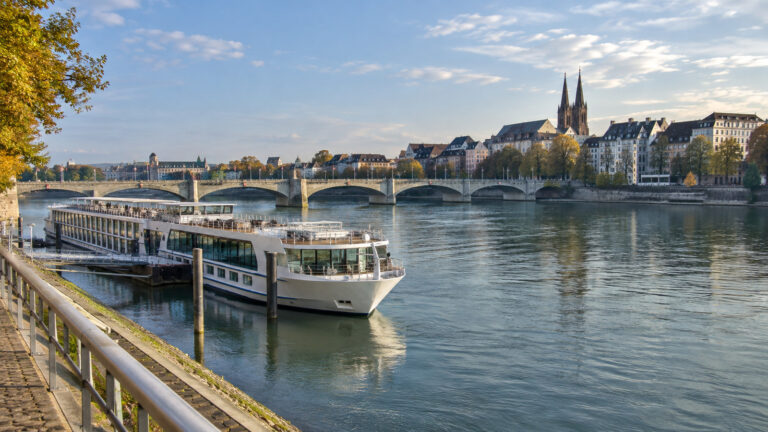
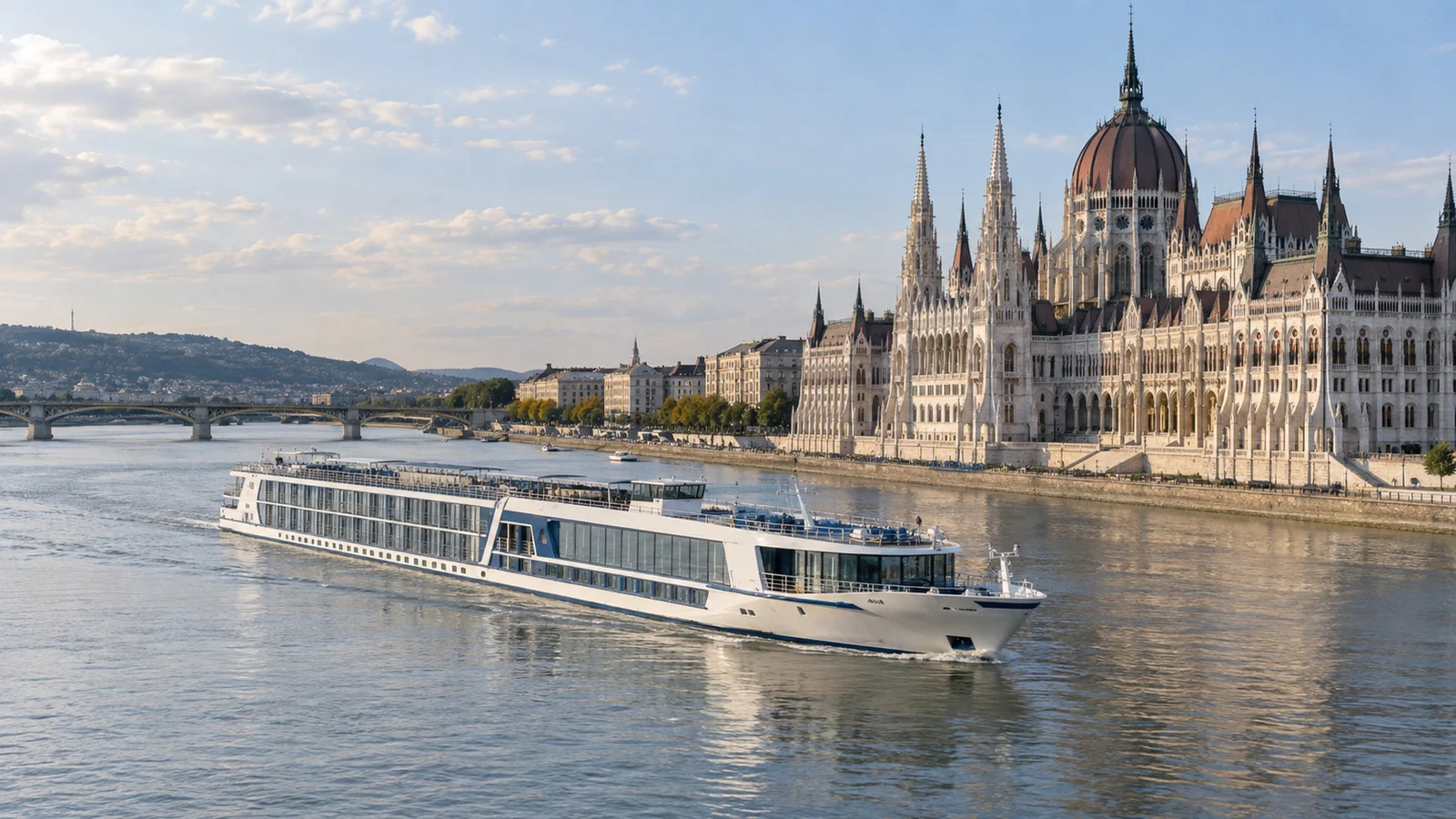
A river cruise ship can let you off at one quay and expect you back at another later that day. That is usually a manageable berth change, but only if you confirm where and when to rejoin the ship before heading ashore.
My quick take
Treat the daily program and crew’s latest instructions as live travel information, not souvenir paperwork. Save the ship’s phone number, the return berth’s full address or map pin, and the all-aboard time on your phone.
Also ask what kind of change is planned. A shuffle within a raft is very different from a move to another part of the city or an itinerary change caused by navigation conditions.
The quick facts
- What a berth change is: the ship leaves its earlier position and ties up at another assigned spot before passengers return.
- Who controls the berth: local harbor or berth authorities normally allocate docking positions, while the cruise line and crew manage the ship’s operation and passenger plan.
- Why it happens: busy schedules, rafting order, ship services, safety, water conditions, lock disruptions, and other operational needs can all play a part.
- How you find out: check the latest daily program, app or message, cruise director announcement, excursion guide, and gangway notice.
- Not every change is equal: it may be a raft reshuffle, a nearby quay move, a different landing across town, or a replacement port.
- If you explore independently: carry the current return location, all-aboard time, ship contact number, offline map, and a backup transportation plan.
- If mobility is a concern: ask about the return gangway, rafting, steps, walking surface, coach transfer, and assistance at the new berth.
Why river cruise ships change berths
Popular river ports fit many arrivals into limited waterfront space. Vienna’s official berth operator runs 12 moorings that can accommodate up to 24 passenger vessels at once and recorded 7,277 ship calls in 2025, which shows how tightly the waterfront may be scheduled.
Local authorities allocate the available positions, and assignments can change as traffic develops. Avalon says docking positions are assigned by local authorities and vary with the number of ships, while Uniworld likewise says local harbor authorities determine docking locations.
A ship may also need to clear an outside vessel from a raft, reach shore services, respond to safety instructions, or adjust to navigation conditions. Water levels, weather, lock maintenance, strikes, and other logistical obstacles can lead to a berth move or a much larger itinerary change.
First, identify what is actually changing
1. A raft reshuffle
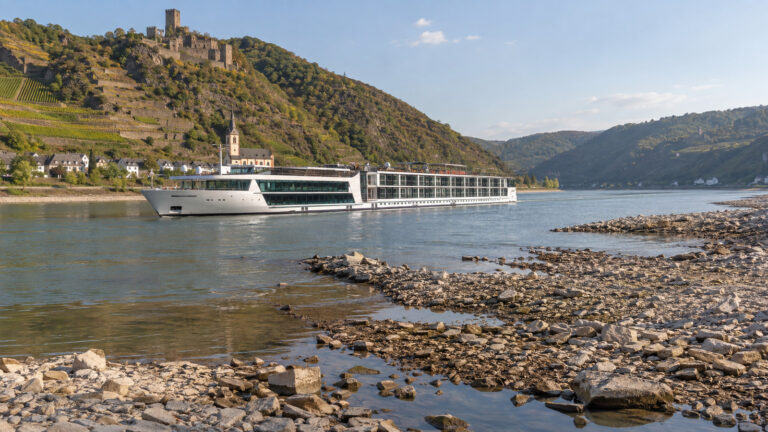
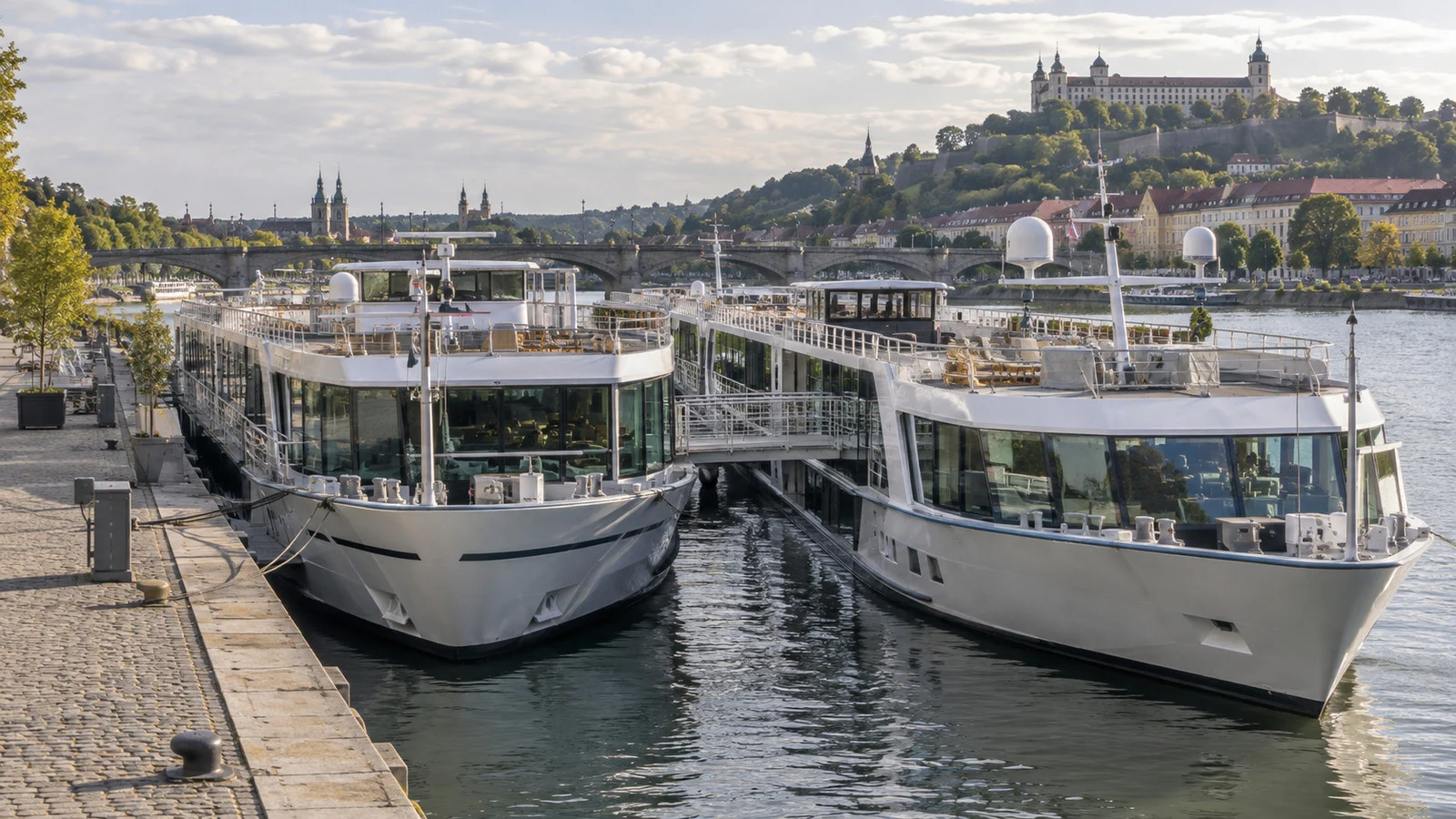
Several ships may share one docking position side by side, a practice called rafting or double docking. Your ship can move from the inside to the outside of the group, or the neighboring ships can change, while the shore access point stays essentially the same.
Even this small change can alter the route across other ships and the steepness or position of the gangway. Ask for help if stairs, narrow passages, or uneven transitions are difficult for you.
2. A move along the same waterfront
The ship may shift to another numbered berth or nearby quay within the same landing area. Do not assume you will spot it from the morning location, because ships and raft positions can look surprisingly similar.
3. A move to another part of town
A new berth can turn a short walk into a transit or taxi trip. Get the exact berth name, street address, and map pin rather than relying on a neighborhood name such as “city center” or “the main quay.”
4. A port or itinerary substitution
A changed city or canceled call is not merely a berth change. Follow the line’s revised transportation and excursion instructions, since the original return point and timing may no longer apply.
How the cruise line may tell you
Look for updates in the daily program, line app, cabin message, cruise director briefing, excursion announcement, or sign at the gangway. A guide may also receive a same-day update while your group is ashore.
No single channel is guaranteed across every cruise line or itinerary, so do not depend on overhearing an announcement. Before leaving independently, ask a crew member whether the ship will remain at the same berth and photograph any posted update.
The five details to save before you leave
- The return berth: save its official name, berth number, street address, and a map pin.
- The deadline: record the all-aboard time and confirm whether the ship’s displayed time matches local time.
- A live contact: keep the ship or cruise director’s day-of contact number somewhere that works without internet access.
- The route back: download an offline map and note the nearest practical transit stop or taxi drop-off point.
- Your backup margin: leave enough time for traffic, a long quay, security access, and finding the correct ship in a raft.
If the crew hands out a port card, carry it. Take a photo too, because the paper version has a talent for hiding at the bottom of a day bag.
Do not use sailing time as a berth-change clue
An early all-aboard time does not prove that the ship will reposition, and a later sailing time may simply allow for guest counts and departure procedures. Use the stated return location and direct crew instructions, not a guess based on the gap between the two times.
What this can look like in major river ports
Vienna
Vienna’s mooring network includes several locations, and the ship’s assigned berth is the address that matters. Our Vienna port guide explains the main docking areas, but your cruise documents and current crew update outrank any general map.
A move between Handelskai near Reichsbrücke and Nussdorf is a different proposition from shifting a berth number along one quay. Confirm the exact destination before choosing public transportation, a taxi, or a walk.
Passau
Passau’s official operator lists 17 landing stages and 29 passenger berths, with berth codes divided between the Old Town and Passau-Lindau areas. Its published schedule can show one vessel in separate arrival and departure entries, so match the area letter and berth number as well as the ship name.
Use the latest crew information for your actual call, then check our Passau port guide for orientation. A saved berth code is much more useful than “somewhere by the river.”
Amsterdam
Amsterdam has multiple river-cruise berths managed through the port’s booking system. The current assignment may differ from a generic itinerary description, so verify the quay and berth before setting off from Amsterdam cruise-port sights.
What to do if you return to an empty quay
Stop and check the saved instructions before chasing any ship you can see. Call the ship or cruise director, then use a local-agent number if the line provided one.
Ask for the new berth’s full address and confirm that the ship is there now. Take a taxi or transit only after you have a verified destination, and use local emergency services only for a genuine emergency.
If you cannot reach the ship, contact the cruise line’s emergency support and your travel insurer as appropriate. Keep receipts for any reasonable transportation or accommodation, but do not assume reimbursement is automatic.
Independent touring needs a tighter plan
Travelers on the included excursion are usually easier for the cruise team to redirect because the guide stays in contact with the ship. If you skip the included river cruise tour, the responsibility for receiving updates and reaching the revised berth is much more squarely yours.
Tell the cruise desk your plan when a move is expected, keep your phone charged, and check messages during the day. For a private guide, send the confirmed return pin and ask the guide to reconfirm it before the final drive back.
Using taxis and public transportation
A taxi driver may recognize the terminal but not a temporary berth number. Show the written address and map pin, and keep the ship’s name handy in case access roads or gates are confusing.
Public transportation works best when you have both the destination and a fallback stop. Ports that look close on a map can still be awkward or impractical to walk because of bridges, highways, fences, or long quays.
Can you stay onboard during the move?
Sometimes, but never assume it. Passenger access can depend on the maneuver, local rules, fueling or other service work, gangway availability, and the crew’s safety instructions.
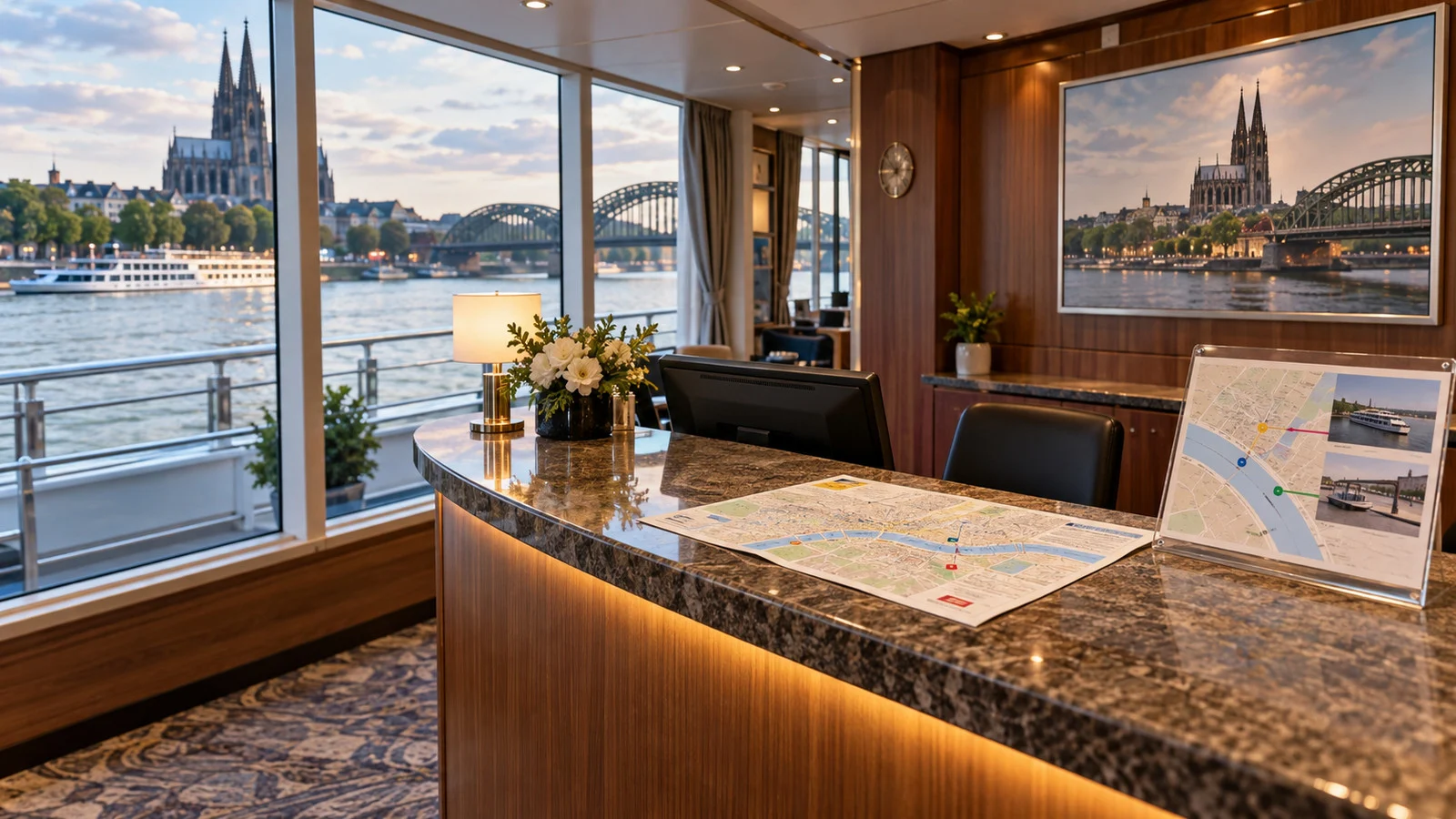
Ask the reception desk before deciding to remain aboard. If passengers must go ashore or join transportation, the crew’s direction is the one to follow.
Accessibility questions worth asking
- Will the new berth use a different gangway or require crossing another ship?
- Are there stairs, cobblestones, slopes, or a long walk between the quay and transportation?
- Will an accessible coach or other transfer return to the new berth?
- Where should a taxi or mobility vehicle drop off and pick up?
- Who should you call if the access arrangement changes while you are ashore?
Request answers as early as practical, then reconfirm them on the day of the call. A berth change can alter an otherwise workable plan even when the city itself has not changed.
Water levels, locks, and larger disruptions
A simple berth reassignment is only one possible operational change on a river cruise. Low or high water, weather, lock maintenance, strikes, and other obstacles can change sailing times, require a ship swap, add coach travel, or replace a call.
Read every updated itinerary notice and ask which parts of the day remain unchanged. Your return location, excursion meeting point, overnight plan, and luggage instructions may all need separate confirmation.
For overnight calls, recheck the berth before heading out again after dinner. An overnight in port does not necessarily mean the ship will occupy the same spot for the entire stay.
Quick answers
Is a berth change a bad sign?
Usually it is routine port management, not evidence that something is wrong with the ship or cruise. Still, follow the revised plan carefully because the practical impact can range from a short walk to a cross-town transfer.
Will the cruise line provide a shuttle?
It may, especially when a berth is farther from the planned activity, but this is not universal. Uniworld says motorcoach transfers may be used for berths farther from attractions, so check what your own line has arranged for that specific call.
Can the berth change after the program is printed?
Yes. Traffic, authority instructions, navigation conditions, and operational needs can change during the day, which is why a live contact and a same-day check matter.
Is the berth listed in my booking documents final?
Not necessarily. Avalon advises that exact embarkation docking locations may be available only 24 to 72 hours before embarkation, and daily port assignments can also remain operationally fluid.
How early should I return?
Follow the ship’s stated all-aboard time and build in a personal buffer based on distance and transportation risk. Do not substitute a general rule for the deadline your crew gives you.
The bottom line
River cruise berth changes are common enough to plan for but too varied to treat casually. Save the exact return berth, time, contact number, and route before you walk away, then check once more before heading back.
The little bit of homework is worth it. Your goal is not to memorize the whole waterfront, just to meet the right ship at the right patch of river.
Current planning sources
- Wiener Donauraum: Vienna moorings, capacity, and current call statistics.
- Stadtwerke Passau: current berth system and published ship allocations.
- Avalon Waterways FAQ: local berth assignments, rafting, embarkation-location timing, and disruption factors.
- Uniworld FAQ: harbor-authority assignments, rafting, transfers, and possible itinerary changes.
- Port of Amsterdam: official river-cruise berth and facility information.
Checked September 2026. Port assignments and cruise-line procedures can change, so confirm the latest details for your sailing.
More on this topic: browse every guide on river cruise planning.