Vienna River Cruise Port: Why Your Ship Isn’t in Vienna
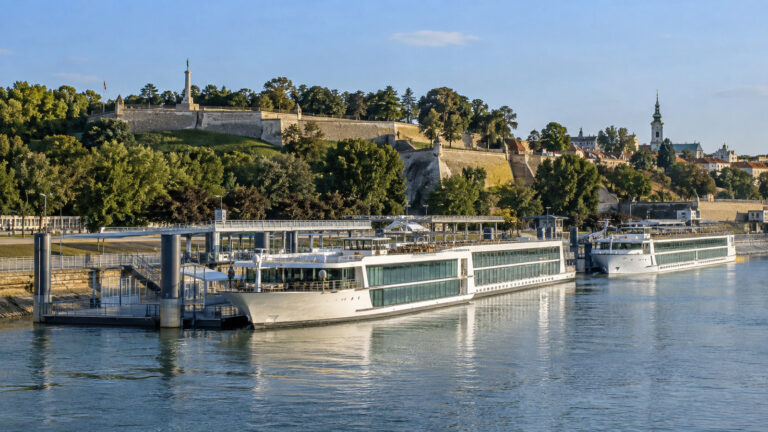
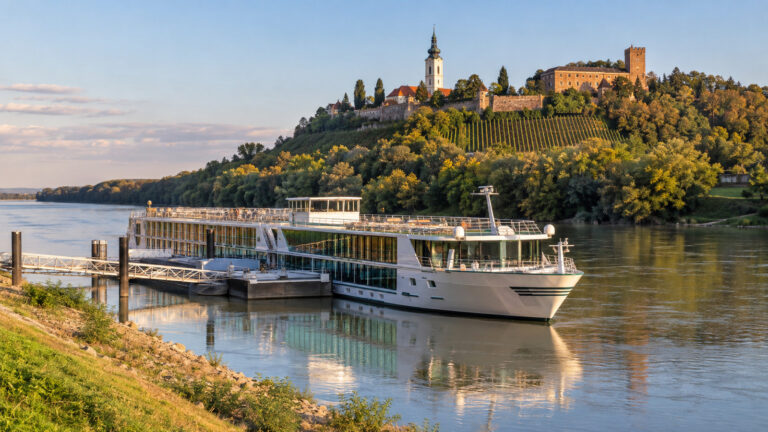
Your ship is in Vienna, but usually not beside the historic center that the itinerary name brings to mind. Most hotel ships use assigned Danube berths around Reichsbrücke and Handelskai, while some use Nussdorf or another landing, so the useful question is not whether the ship is in Vienna but which Vienna berth it has.
My quick take
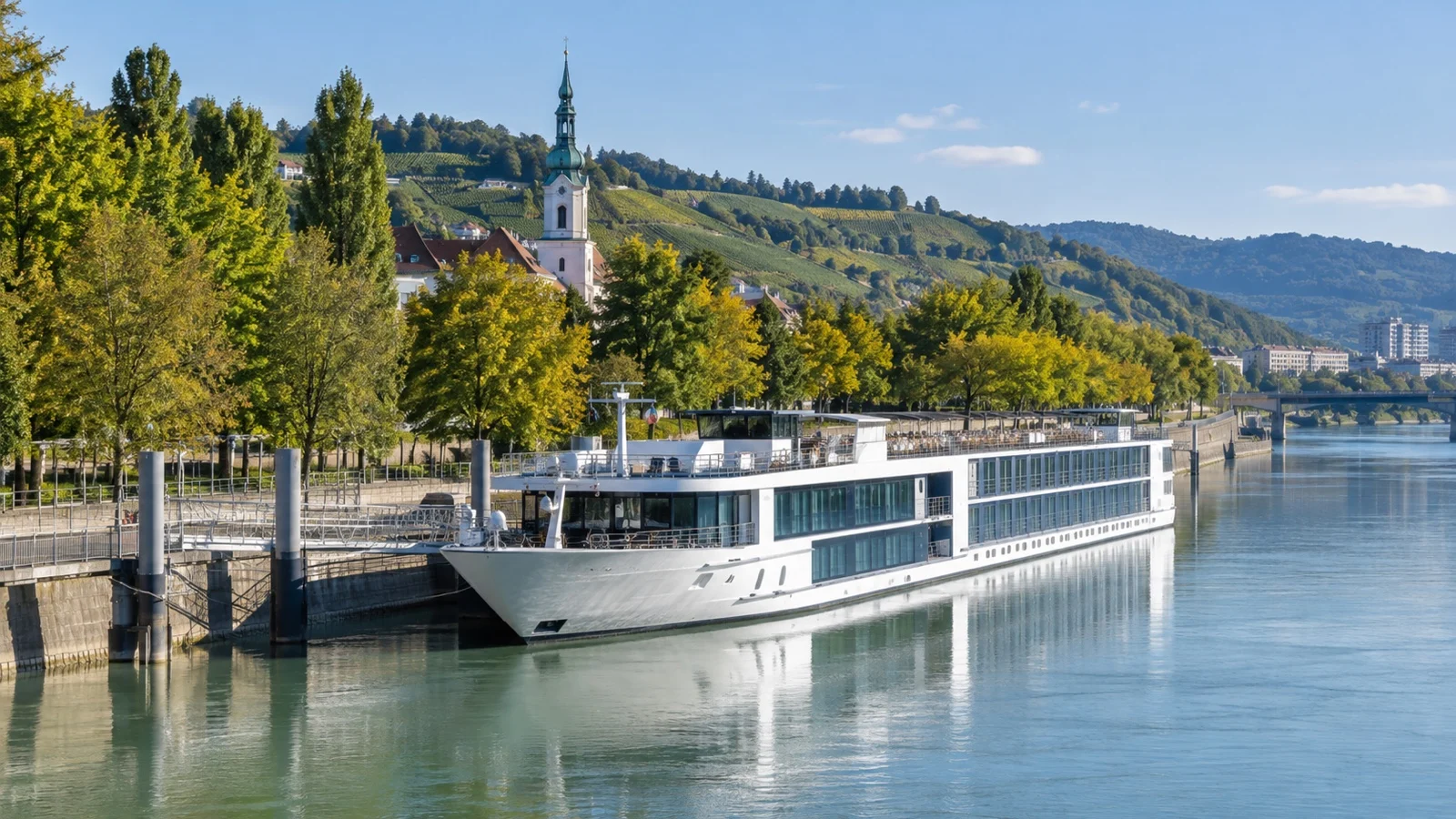
Vienna is an excellent river stop once the actual berth is part of the plan. Ask the onboard team for the landing name, nearest safe transit stop, and all-aboard time because a Reichsbrücke route should not be copied blindly to Nussdorf or Marina Wien.
From the common Reichsbrücke area, the U1 is usually the simplest route to Stephansplatz, while a taxi or line transfer can be kinder with luggage or limited mobility. I would spend the morning in the Innere Stadt, choose one palace or museum for the afternoon, and return with a generous buffer based on the ship’s instructions.
An overnight makes an opera, concert, or unhurried dinner realistic, but confirm the late gangway and transit schedule first. That is a better recommendation than assuming the ship shuttle runs whenever you want it.
The quick facts
- Where you land: the main river cruise berths run along Handelskai on the left bank of the Danube, clustered near the Reichsbrücke bridge. DDSG Blue Danube lists its Reichsbrücke piers at Handelskai 265. Other operators can use different Handelskai landings, so follow the berth address in your final cruise documents.
- The other berths: Nussdorf, farther upstream on the Danube Canal entrance, and Marina Wien at Handelskai 343. Nussdorf is quieter and slightly farther out; Marina Wien sits three minutes from the U2 at Donaumarina.
- How you get ashore: Usually by gangway to the quay, sometimes after crossing a rafted vessel. The exact route and accessibility depend on the day’s berth and river level.
- Into town: Roughly 3 miles to Stephansplatz.
- Currency and language: The euro, and German, with excellent English almost everywhere you will go.
- Public transportation cost: from 1 January 2026 a single digital journey on Wiener Linien is 3.00 euros, and a 24 hour digital ticket is 9.70 euros. The 48 and 72 hour tickets were discontinued at the same time.
- Time zone: Central European Time, UTC+1, moving to UTC+2 for daylight saving time across most of the cruising season.
- How often the call is missed: No reliable percentage is published. High or low water and local operating conditions can change the berth or itinerary.
Handelskai, Nussdorf, and why the berth changes the plan
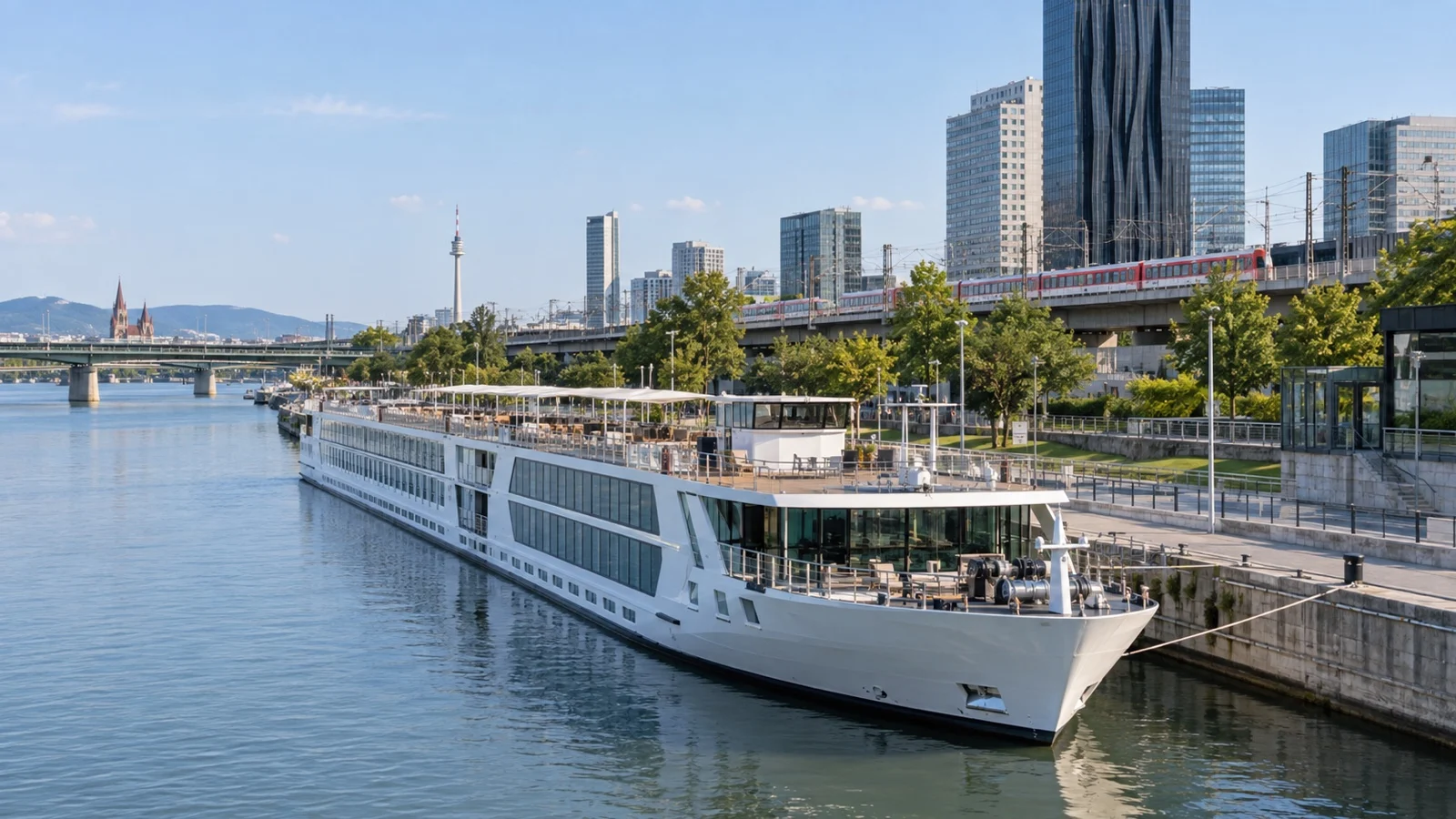
The main Danube channel runs northeast of the historic center, while the narrower Donaukanal passes closer to it. Large hotel ships commonly use landings around Reichsbrücke and Handelskai, but companies and authorities can assign Nussdorf, Marina Wien, or another suitable berth.
DDSG Blue Danube’s landing directory is useful for named locations, but it is not a berth guarantee for another operator. Use the address in the cruise line’s current documents and confirm it onboard the evening before arrival or departure.
Rafting can require walking through neighboring ships, and mismatched deck heights may add steps. Travelers who need a step-free route should ask the line how assistance works if their ship is outside another vessel because berth position cannot normally be guaranteed.
Getting into the city
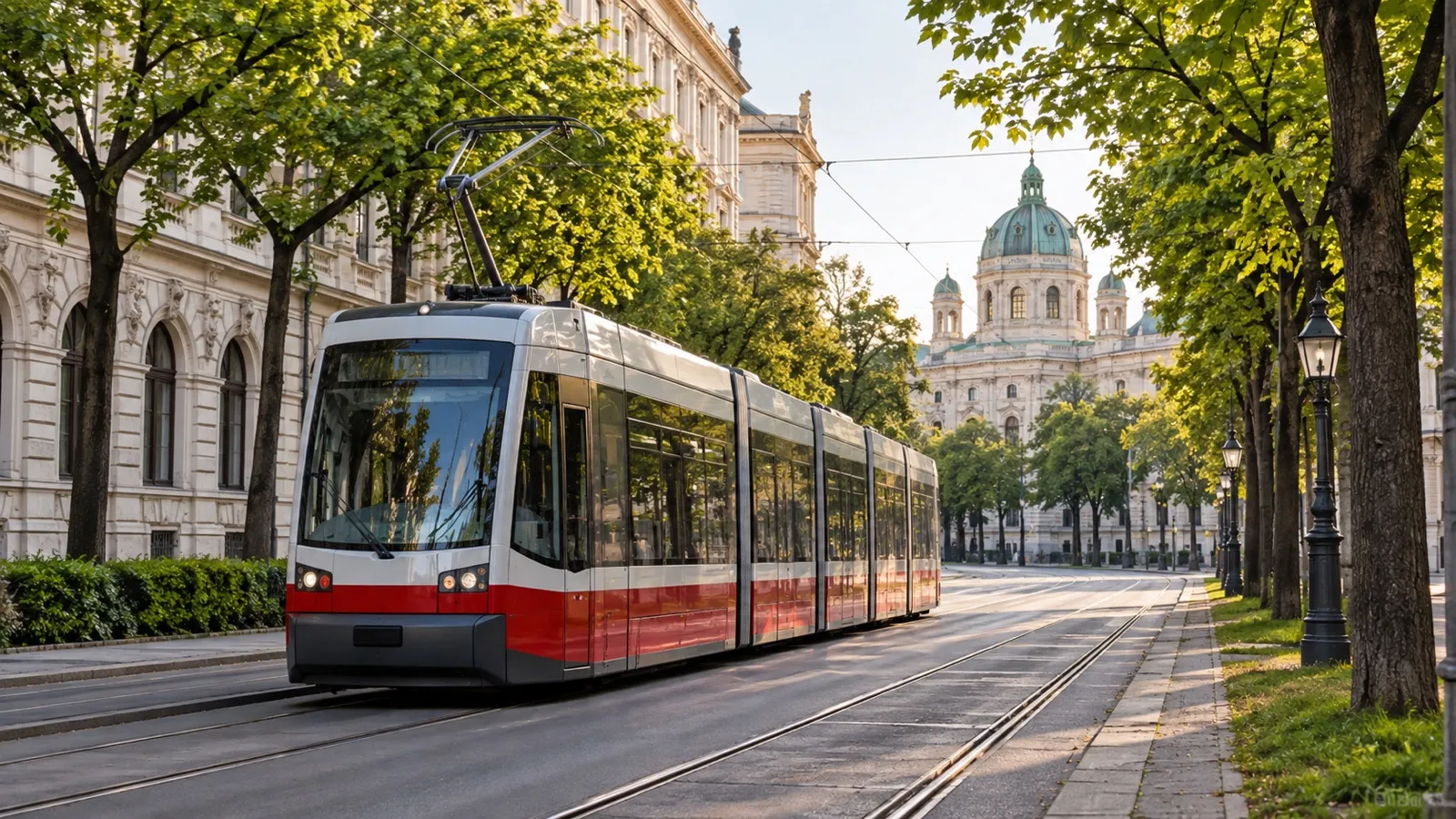
The U-Bahn is usually the simplest way into the center from the Reichsbrücke area. From Vorgartenstraße, the U1 runs directly through Praterstern and Schwedenplatz to Stephansplatz, but check live service before leaving the ship.
Buy tickets from the machine or the WienMobil app before you touch the platform, because Vienna runs an honor system with regular inspectors and unsympathetic fines. Validate paper tickets in the little blue box; digital tickets activate themselves.
Compare the current single-journey and 24-hour fares before buying, since the best value depends on how many trips you expect to make. A Vienna core-zone ticket also covers U-Bahn, tram, and bus travel within its validity.
Tram routes along parts of the Ringstraße can be a useful sightseeing break, but check the current route map before boarding. Stops and diversions can change how much of the boulevard a single tram covers.
Some cruise lines provide a shuttle, but availability, price, and schedule vary by sailing. Use it only when the onboard details fit your plan, and do not assume there will be a late return.
Taxis and app-based rides may be available from the quay, but travel time and price depend on the exact berth, traffic, and demand. Ask the onboard team for the safest pickup point.
The stops I would actually spend time on
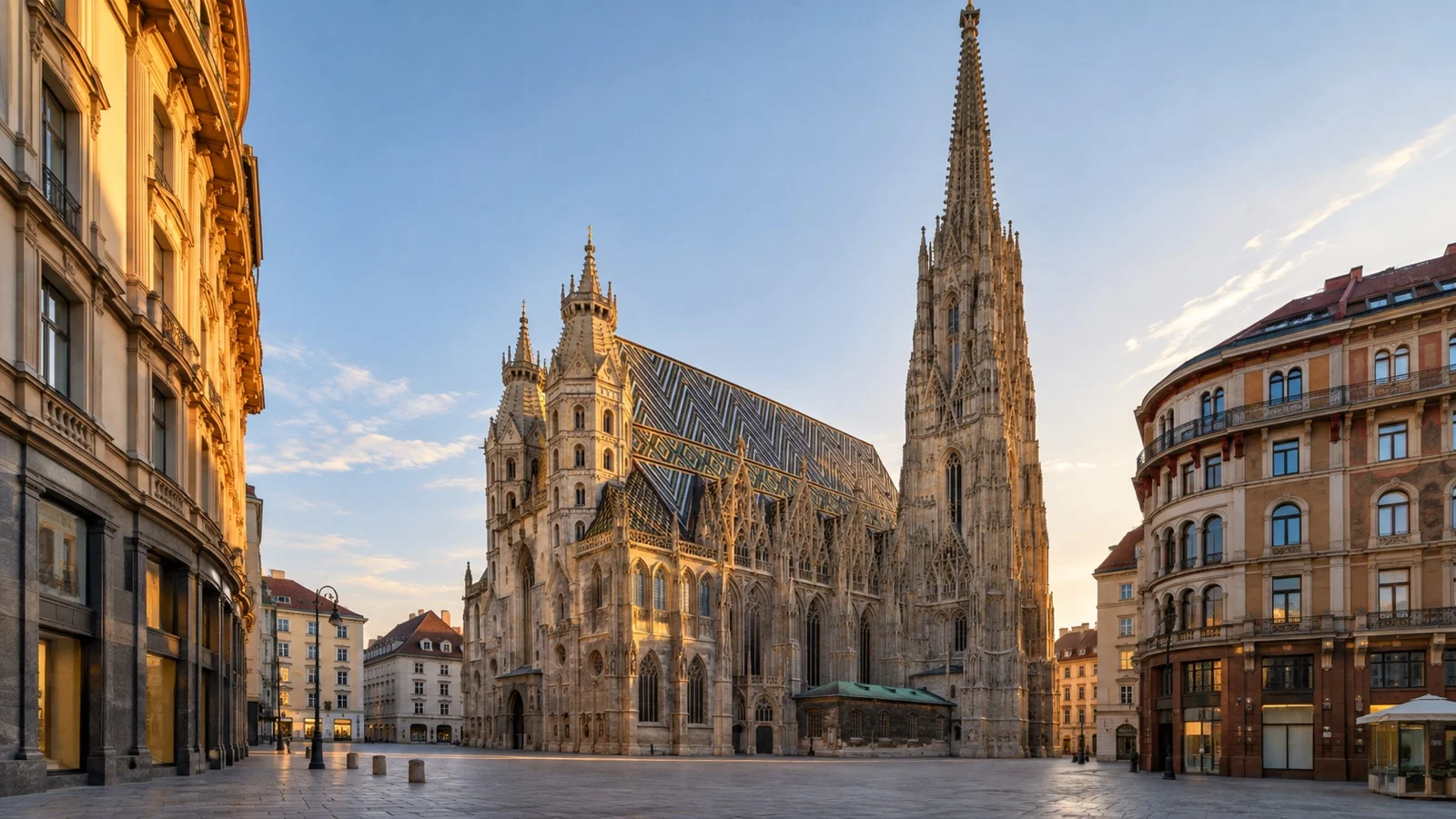
Vienna has more world-class institutions than a port day can absorb, so this list is ruthless. Roughly in the order I would tackle them coming off the U1.
- Stephansdom: the Gothic cathedral with the patterned tile roof, right on top of the U1 and U3 station. The nave is free to enter, the towers and catacombs are not, and the south tower is 343 steps of genuine effort.
- The Innere Stadt streets: Graben, Kohlmarkt, and the lanes behind them, which is where Vienna does its imperial showing off. Ninety minutes of aimless walking here beats most guided tours.
- The Hofburg: the winter palace complex, home to the Imperial Apartments, the Sisi Museum, and the Silver Collection. It is a lot of gilt and a lot of cutlery, and the Sisi story is stranger than the marketing suggests.
- Kunsthistorisches Museum: the art history museum, and the single best building in the city if you like Bruegel, Vermeer, and Caravaggio in the same afternoon. It holds the largest Bruegel collection anywhere.
- Schönbrunn Palace: the summer palace, out on the U4 at Schönbrunn, with 1,441 rooms and gardens you could lose a day in. Schönbrunn is a UNESCO World Heritage Site and books out, so buy a timed ticket before you leave the ship.
- The Belvedere: two baroque palaces with Klimt’s The Kiss in the upper one. Smaller and calmer than the Kunsthistorisches, and easier to fit into a half day.
- A proper coffee house: Café Central, Café Sperl, Café Hawelka, or any of a hundred others. The correct move is to order one coffee and sit for an hour, which is not rudeness but the actual local custom.
- The Naschmarkt: a long market strip of food stalls and restaurants near Kettenbrückengasse on the U4. Good for lunch, unremarkable for souvenirs, closed on Sundays.
Fun fact: Viennese coffee house culture is not merely a tradition, it is officially protected by UNESCO as Intangible Cultural Heritage, in a listing that specifically mentions the bill arriving on a small silver tray. Sitting over one coffee for an hour is therefore not loitering, it is participation.
How I would plan the day
Most Danube itineraries give Vienna a long call, often with an overnight, so you usually have more time here than at a typical ocean port. That is exactly why people overpack the schedule.
On a standard day I would take the U1 in before nine, walk Stephansdom and the Innere Stadt while it is still quiet, and be sitting in a coffee house by eleven. Then one major site after lunch and nothing else.
If Schönbrunn is your priority, do it first and go early, because the courtyard fills by mid-morning and the timed entry slots stack up. It is on the opposite side of the city from your ship, so treat it as a half day rather than an add-on.
With an overnight in port, the evening is the prize. A concert at the Musikverein or the Konzerthaus, or standing room at the Staatsoper for a few euros, is the thing you will actually remember.
The included ship tour in Vienna is usually a panoramic motorcoach loop of the Ring with a short walk. It is a reasonable orientation if you have never been, and a waste of a morning if you have.
What rafting does to your morning
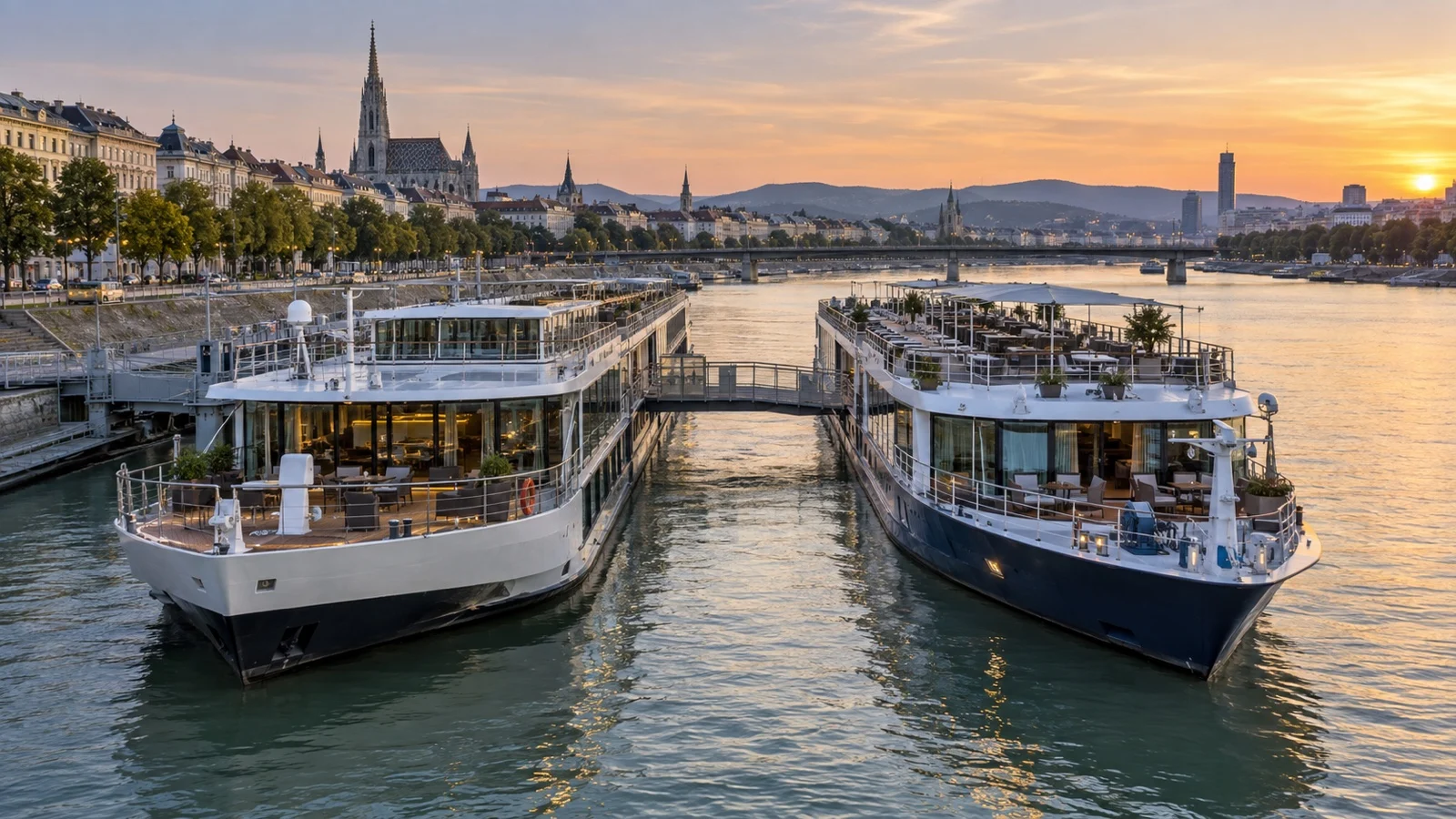
Vienna is one of the busiest river berths in Europe, and berth space along Handelskai is finite. On a busy day, ships may berth side by side.
If you are on the outside ship, you walk through the lobbies of the ships between you and the quay to get ashore. It is normal, the crews expect it, and it works fine as long as the deck levels line up.
When they do not line up, you go up and over an open sun deck instead, which is less charming in rain and much harder with a walker. It also means your cabin window looks directly into a stranger’s cabin, so the curtains stay shut.
The practical effect varies with the number and position of the rafted ships, and a gangway line may add time. Leave a bit earlier than you think you need to, which is broadly the same advice as getting back to the ship on time in reverse.
A realistic word on accessibility
Many Vienna transit stops and major attractions provide accessible facilities, but the exact route still needs checking. Review current accessibility details directly with Wiener Linien and each attraction before travel.
Vienna the river berth is the harder half. River ships have elevators that often do not reach the sun deck, and if you are rafted outside another ship, the crossing can involve steps that nobody can remove.
If a step-free exit is essential, discuss the berth and gangway possibilities with the cruise line before booking and again onboard. Mobility-device policies vary by operator, vessel, and itinerary.
The old city itself has cobblestones in the lanes around Stephansdom, though the main shopping streets are smooth and flat. For a broader comparison across the fleet, see my guide to wheelchair-friendly cruise ports.
When to go, and the weather
The Danube season runs roughly from late March to late December, with the Christmas market sailings tacked onto each end. High summer is warm, busy, and the riskiest time for low water.
July and August highs sit in the high 70s to low 80s Fahrenheit, and Vienna holds heat well. May, June, and September are the sweet spot for both temperature and crowds.
Late November and December bring the Christmas markets, and Vienna does them better than almost anywhere. Expect temperatures in the 30s and low 40s Fahrenheit, and dress for standing still outdoors.
Rain is spread fairly evenly through the year rather than concentrated in a wet season. Bring a light waterproof and shoes that handle wet cobblestones, and you have covered most of it.
Quick answers
Can I walk from the ship into central Vienna?
Walking is not sensible because the main Handelskai berths are roughly 3 miles from Stephansplatz. From the common Reichsbrücke area, the U1 offers a direct connection, but check the current fare and live service.
Which berth will my ship use?
Most likely Handelskai near the Reichsbrücke, but it is assigned locally and can change late. Ask reception the night before rather than relying on the printed program.
Do I need euros in Vienna?
Cards are widely accepted, but some smaller businesses and donation boxes may still require cash. Carry a modest amount of euros if that suits your plans.
Is Schönbrunn worth it on a port day?
Yes, if you go early and book a timed slot in advance. No, if you are trying to squeeze it in after the Hofburg, because the two sit on opposite sides of the city.
Why is my ship rafted next to three others?
Rafting lets multiple ships use limited quay space on busy days. The arrangement varies by berth and operating conditions.
The last word
Vienna rewards a plan and punishes improvisation, and the plan is mostly about the first thirty minutes. Get off the ship, find the U1, and the rest of the day looks after itself.
If this is your first river sailing after years of ocean cruising, the berth situation here is the perfect illustration of how differently the two work. Tendering is not typical at the main Danube berths, but the gangway or rafting route can still matter, and there is a roughly 3-mile gap between the quay and the postcard.
For the wider picture of how Europe’s ports vary in that respect, my roundup of the most walkable cruise ports is the useful companion piece. Vienna does not make that list, and now you know why.
And if you are building a longer European itinerary around this one, start with the European cruise ports overview. Vienna is the anchor of the Danube, in the same way Barcelona anchors the western Mediterranean.
How this guide was researched: This guide was desk-researched on September 12, 2026 using official Vienna landing, transit, tourism, and attraction sources, including DDSG Blue Danube and Wiener Linien. It does not claim a personal sailing, berth inspection, transit ride, or attraction visit.
Confirm the assigned berth, rafting route, transit service, attraction access, accessibility, and all-aboard time before travel. See our Editorial Policy.