The Most Wheelchair-Friendly Cruise Ports for 2026
A wheelchair-friendly cruise port is not simply a place with a smooth terminal floor. The real test begins at the berth and continues through transportation, curb cuts, restroom access, attraction entrances, hills, weather, and the return to the ship.
I use this guide as a shortlist of ports where an independent step-free day is often realistic, not as a guarantee that every arrival will be accessible. A different berth, a tender operation, construction, or an equipment failure can completely change the experience.
Quick Facts
- Best port type: A direct berth linked to level streets and accessible public transportation
- Biggest warning: Tendering can block shore access even when the destination itself is accessible
- Essential confirmation: Exact berth, gangway setup, shuttle lift, and mobility-device policy
- Useful dimensions: Device width, length, height, turning space, and total weight with user
- Transport question: Whether your chair or scooter can board without folding or transferring
- Return strategy: Build in time for elevators, crowds, traffic, and an alternate accessible route
- Best backup: A verified step-free loop close to the ship
How I Define Wheelchair-Friendly
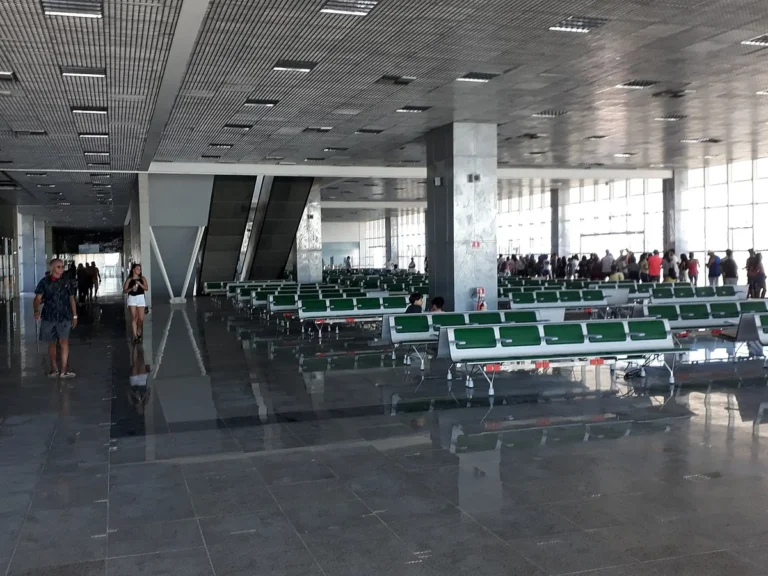
A strong port starts with a stable gangway or terminal boarding bridge that can accommodate your mobility device. It then provides an accessible path through immigration and security, toilets inside the terminal, and a clear way to reach the city or an adapted vehicle.
The destination needs more than one accessible attraction. A truly useful port offers a complete sequence that includes transportation, food, restrooms, public space, and a safe return without requiring a traveler to be lifted or separated from a power chair.
Independence also matters. Ports score better in practical terms when travelers can choose a level waterfront, accessible transit, or a verified taxi rather than being forced into one expensive excursion.
No ranking can account for every body, device, or assistance need. Manual-chair users who can transfer may have options that are unavailable to someone who must remain in a heavy power wheelchair, and a scooter’s turning radius can matter as much as a doorway’s width.
The Tender Rule That Overrides Every Ranking
A port can have excellent curb cuts and accessible museums yet be unusable if the ship anchors offshore. Tender boats often require steps, a narrow opening, manual lifting, or a transfer from the mobility device, and captains can restrict boarding when wind or swell increases.
Some ships carry accessible tender platforms, but that does not mean the equipment will operate at every anchorage or in every condition. Ask the cruise line about your exact ship, sailing, port, device type, combined weight, and ability to transfer before final payment.
Words such as wheelchair accessible in a shore-excursion description may refer only to the attraction. Confirm each link in the chain, including the gangway, tender, shuttle, tour vehicle, restroom, and path between stops.
Top North American Ports
Vancouver
Canada Place places cruise passengers in downtown Vancouver beside a broad waterfront and close to accessible transit, hotels, and attractions. The terminal itself is large, so elevator routes and the distance from the ship to the street still deserve planning.
A manageable independent day can focus on the waterfront, Canada Place, Coal Harbour, and an accessible taxi or transit connection to Stanley Park. Confirm the elevator serving your route and avoid assuming every harbor walkway remains open during events or construction.
Seattle
Seattle’s cruise terminals provide modern facilities, but Pier 66 and Pier 91 create very different starting points. Pier 66 is near the central waterfront, while Pier 91 normally requires vehicle transportation before sightseeing.
The rebuilt waterfront improves step-free movement, though Seattle’s hills remain a serious route-planning issue. Use elevators, accessible transit, or taxis to avoid steep grades rather than trusting the shortest walking line on a map.
San Diego
San Diego’s downtown cruise berths can support an easy waterfront day with relatively level routes toward the Embarcadero. Accessible trolleys and buses expand the options, while the airport’s proximity reduces the strain of an embarkation day.
Not every historic ship or narrow attraction at the Maritime Museum is accessible in the same way. Verify the specific vessel or exhibit you want rather than treating the entire waterfront collection as one step-free attraction.
San Francisco
The modern cruise terminal at Pier 27 sits on the Embarcadero, giving passengers a mostly level waterfront route toward the Ferry Building and Pier 39. Accessible streetcars and buses can reduce distance, although crowding and platform details matter.
San Francisco becomes difficult when a plan leaves the waterfront and climbs. Build the day around known step-free corridors, confirm elevator status for major transit stations, and use an accessible vehicle for higher neighborhoods.
Boston
Boston’s Flynn Cruiseport is not directly in the historic core, but accessible taxis, arranged transportation, and local transit can connect passengers to flatter sections of the waterfront. Brick, cobbles, older buildings, and construction mean an accessible route must be chosen deliberately.
The Harborwalk and newer public spaces can be easier than a full Freedom Trail itinerary. Select individual historic sites that publish access details and plan an alternate path around steep or irregular sections.
Halifax
Halifax offers a long waterfront boardwalk near the cruise area with shops, museums, food, and harbor views. Slopes and temporary route changes still occur, but a satisfying day can remain close to the ship.
The climb from the waterfront toward the Citadel is the main challenge. An accessible taxi can solve that elevation change, while the lower waterfront provides the safer backup if transportation is unavailable.
Top European Ports
Copenhagen
Copenhagen combines modern cruise facilities with extensive curb cuts and a transit system designed around step-free travel on many routes. The exact berth matters because Oceankaj is far from the center, while other harbor berths may start closer.
Nyhavn’s cobbles and crowded edges require care, but broad streets and waterfront paths offer alternatives. Confirm the low-floor bus, metro elevator, and terminal shuttle serving your call before deciding to travel independently.
Helsinki
Helsinki has accessible public transportation and a relatively compact center, though cruise ships use terminals at varying distances. Low-floor trams and buses can work well when the nearest stop and boarding platform match your device.
Market Square, the harbor, and central boulevards can form a comfortable route, but winter damage and street construction may interrupt curb cuts. Helsinki’s official journey planner is more reliable than an old route number.
Oslo
Some Oslo berths place ships beside central waterfront attractions, creating one of northern Europe’s easiest starts. The Opera House, harbor promenade, and newer districts include broad paths, though gradients and surface transitions still need attention.
Other berth assignments change the picture, and snow or ice can reduce accessibility outside the main cruise season. Confirm the quay and use Ruter’s current accessibility information for buses, trams, ferries, and metro stations.
Cádiz
Cádiz often gives passengers a direct berth beside a compact historic center, with a mostly level waterfront and short distances between plazas. The oldest streets still include uneven paving, narrow sidewalks, and occasional steps.
A practical route can link the harbor, cathedral square, market area, and seaside promenade. Check individual monuments for entrance ramps and elevator access because a wheelchair-friendly city route does not guarantee a step-free tower or crypt.
Málaga
Málaga’s cruise facilities connect to a broad waterfront and a largely level route toward the center, sometimes with a shuttle from outer berths. The port promenade, cathedral area, and accessible portions of major museums can create a full independent day.
The Alcazaba and Gibralfaro introduce slopes, historic surfaces, and route limitations. Verify the accessible entrance and elevator status for the exact attraction rather than assuming the hilltop complex is fully navigable.
Barcelona
Barcelona has accessible buses and metro stations, but most large cruise ships berth at Moll Adossat and need a shuttle or vehicle connection. The terminal may be modern while the transfer to the city is still the hardest part.
Once central, broad sections of the waterfront, modern avenues, and many major attractions provide step-free routes. Timed tickets should include the accessible entrance instructions because the public queue and wheelchair entrance may differ.
Top Asia-Pacific Ports
Yokohama
Osanbashi is an outstanding example of accessible cruise-terminal design, with ramps linking levels, elevators, accessible toilets, and wheelchair rental listed by Yokohama’s official visitor service. The nearby waterfront, Yamashita Park, and parts of the city center support a realistic step-free day.
Large ships can also use other Yokohama terminals, so do not assume every call starts at Osanbashi. Japan’s rail system is highly usable with staff assistance, but request boarding help and allow extra time for elevator routes through major stations.
Singapore
Singapore’s modern terminals, curb cuts, accessible taxis, and extensive step-free MRT network make it one of the strongest city destinations for wheelchair users. Marina Bay Cruise Centre and Singapore Cruise Centre at HarbourFront lead to different transit connections, so identify the correct terminal first.
Heat and heavy rain are the main environmental barriers. Build the route around covered connections, accessible indoor attractions, and extra time for elevators rather than treating a short map distance as an easy outdoor roll.
Sydney
Sydney’s Overseas Passenger Terminal at Circular Quay provides immediate access to ferries, trains, the harbor promenade, and major views. White Bay is a different assignment that normally requires road transportation before reaching central sights.
Accessible ferries can create a memorable harbor day, but wharf equipment and service changes should be checked through Transport for NSW. Hills, older paths, and crowded quay approaches make a planned route better than spontaneous wandering.
Auckland
Auckland’s central cruise berths place passengers near the waterfront, ferries, shops, and city transportation. The city rises away from the harbor, so the most accessible independent day stays along the lower waterfront or uses vehicles to handle elevation.
Ferry access depends on the vessel, wharf, tide, and operating conditions. Confirm the exact island route and mobility-device limits before using a ferry as the centerpiece of the day.
Wellington
Wellington’s cruise berth usually requires a shuttle through the working port, but central attractions can be compact and accessible once passengers reach the city. The waterfront and Te Papa are strong anchors for a low-risk day.
Wind is a genuine factor for balance, comfort, and shuttle operations, while hills begin quickly beyond the waterfront. Confirm whether the cruise shuttle carries your device without folding and where its accessible drop-off is located.
Strong Warm-Weather Options
Dubai
Dubai’s modern cruise terminals, malls, hotels, accessible taxis, and newer attractions offer substantial step-free infrastructure. Distances are large, however, and outdoor heat can turn a short transfer into a serious health concern.
Reserve an accessible vehicle if you cannot transfer, because an ordinary taxi with trunk space is not the same as a ramp-equipped vehicle. Confirm the exact terminal and attraction entrance, then keep the day focused on one district.
Abu Dhabi
Abu Dhabi Cruise Terminal is modern, and major attractions such as Louvre Abu Dhabi have published accessibility provisions. The city is spread out, making a verified adapted vehicle more important than pedestrian routes.
For mosque visits, request the accessible entrance and current clothing guidance before arrival. Security routes and loan equipment can change, so official attraction information should shape the plan.
Oranjestad
Aruba’s cruise berths place passengers near a generally level downtown core, and the dry climate reduces rain-related barriers on many days. Heat, broken sidewalk sections, and accessible taxi supply still require planning.
Beach access is not automatic because sand, transfer height, and restroom design vary by property. Reserve a specific accessible beach facility or hotel rather than asking a driver for any nearby beach.
Philipsburg
Sint Maarten’s cruise facility is spacious and paved, while the Boardwalk area in Philipsburg can provide a mostly level waterfront outing. The distance between them and the availability of a suitable taxi are the deciding details.
Water taxis are convenient for many passengers but may not support every wheelchair or transfer need. Confirm the exact vessel and docking arrangement, or use a prearranged accessible road vehicle.
Ports That Need Extra Caution
Tender ports deserve caution even when online reviews call the town accessible. Cabo San Lucas, Grand Cayman, Santorini, Mykonos, Guernsey, and many smaller island calls may present a tender barrier before the traveler reaches otherwise manageable streets.
Historic cities can also be mixed rather than simply friendly or unfriendly. Valletta, Lisbon, Québec City, Dubrovnik, and parts of the Italian coast have accessible highlights alongside steep grades, steps, cobbles, or elevators that may be busy or out of service.
Remote Alaska ports can change by berth, shuttle, weather, and excursion vehicle. A flat dock is encouraging, but the wildlife tour, railway car, small boat, or restroom at the destination still needs separate verification.
Beach ports are especially easy to overrate. A paved cruise complex may be fully navigable while the advertised beach requires sand travel, a step into a vehicle, or a transfer onto equipment that does not support your body safely.
How to Verify an Accessible Port Day
Start with the cruise line’s accessibility department, not a general reservations agent. Provide the ship, sailing date, port, device type, dimensions, weight, transfer ability, and whether you can manage any steps.
Next, contact the port or terminal when published information leaves gaps. Ask about the assigned berth, gangway route, terminal elevators, accessible toilets, shuttle lift, drop-off point, and procedure if equipment fails.
Then verify transportation with the actual operator. The phrase accessible vehicle should mean a ramp or lift, securement points, suitable headroom, safe loading space, and room for companions, not merely a driver willing to fold a chair.
Finally, contact the attraction about the precise route you want to use. Ask about entrance thresholds, elevators, bathroom dimensions, seating, loan chairs, companion admission, and any historic rooms excluded from the accessible circuit.
Power Chairs, Scooters, and Manual Chairs
Power chairs need special attention to vehicle lifts, combined weight, tie-down systems, battery range, and charger compatibility. Carry the device specifications in writing and bring the correct charging equipment for the ship and destination.
Scooters can be long and difficult to turn inside older elevators or buses. Ask about maximum dimensions rather than relying on a generic mobility-device statement.
Manual-chair users should still avoid unplanned lifting because it risks injury to the traveler, helpers, and chair. A portable ramp is useful only when its slope, surface, capacity, and landing space are safe for that exact situation.
Bring a compact repair kit appropriate to your device, identification for removable parts, and contact details for the manufacturer or rental provider. Essential medication, cushions, and controls should remain with you rather than in a vehicle’s general luggage compartment.

Accessible Shore Excursions
Read the excursion description skeptically and ask for the name of the transportation provider. A tour may be labeled accessible because the museum has a ramp even though the coach requires stairs and the traveler must transfer.
Request photos or measurements of the lift, doorway, aisle, securement area, and restroom when those details determine whether the trip is possible. Get the cancellation terms in writing if the promised equipment is substituted or the ship changes berth.
Private tours often provide more flexibility, but they are only better when the vehicle and itinerary are genuinely verified. A ship-sponsored tour offers return protection, yet it can still be physically unsuitable if the equipment does not meet your needs.
My Best Planning Advice
Build each port day around one verified anchor experience and one nearby backup. That reduces the number of elevators, vehicles, entrances, and schedules that can fail while still leaving room for a rewarding day.
Save confirmation emails, route maps, contact numbers, and photos of meeting points offline. Carry a card that lists your device dimensions and safe handling instructions in the local language when communication may be difficult.
Leave more return time than an able-bodied walking estimate suggests. Elevator detours, a full low-floor bus, a broken curb ramp, crowds, or a delayed accessible taxi can consume the margin quickly.
Final Thoughts
The most wheelchair-friendly cruise ports are the ones where berth, terminal, transportation, streets, and attractions work as one verified chain. Choose direct-berth cities such as Vancouver, Yokohama, Singapore, Sydney, Copenhagen, and Cádiz as strong starting points, then confirm the exact conditions of your sailing before trusting any ranking.
More on this topic: browse every guide on accessible and family cruise planning.