Can You Skip the Included Tour on a River Cruise? Going Solo
Can you skip the included tour on a river cruise? Usually yes, and some lines say so explicitly, but your safe return depends on the day’s sailing plan rather than on how close the old town looks from the gangway.
The smart version of going solo is wonderfully simple: confirm the current berth, the ship’s movement, and the onboard deadline before you leave. Here is exactly when I would skip, when I would take the bus, and what I would carry.
My quick take
Included does not normally mean compulsory. Riviera Travel says excursion participation is entirely optional, while AmaWaterways says guests are welcome to explore on their own.
I would go independently when the ship is staying put, the center is easy to reach, and I have enough time for a generous return buffer. I would favor the included tour when it supplies essential transportation, timed admission, an out-of-town visit, or a reliable return to a ship that may relocate.
Always follow your own line’s daily program and onboard instructions. Procedures, deadlines, berth changes, and water-level responses vary by ship, river, and date.
The quick facts
- Is it allowed: generally yes, but verify your line and sailing. Riviera Travel explicitly says guests may explore independently or stay aboard, and AmaWaterways also welcomes independent exploration.
- What included means: the excursion is bundled into the cruise fare. Viking, for example, describes a complimentary excursion in each port, while details and choices vary by itinerary.
- How the ship tracks you: use the onboard check-out and check-in procedure, which may involve a key-card scan, a physical key, or another system. Do not assume that telling a tour guide replaces the ship’s process.
- Your real deadline: use the return or all-aboard time in the current daily program, not a timetable copied before the cruise. AmaWaterways tells independent guests to check its onboard Daily Cruiser so they are back before departure.
- Refunds: skipping a bundled tour does not normally create a cash refund. Paid optional excursions have line-specific deadlines, and Uniworld currently says cancellations within 24 hours and prepaid tours are nonrefundable.
- Berth changes: the ship may not be where you left it. Uniworld says harbor authorities determine docking locations and that ships may dock farther from town or alongside other vessels.
What happens when you leave on your own
You normally follow the same gangway security procedure as any guest going ashore, then return before the deadline announced onboard. The exact system is line-specific, so ask reception rather than relying on a rule from another ship.
Before stepping off, photograph the current daily program, berth information, and ship or emergency contact details. Carry any card or map the crew provides, plus the identification the line says you need ashore.
Tell the appropriate crew member that you are exploring independently if the ship requests it. A key-card scan may record that you are ashore, but it does not give the crew your destination or solve a late return.
Download an offline map and pin the ship, the port exit, and any announced alternate berth. If the ship plans to sail while tours continue by bus, ask whether independent guests may remain ashore and where reboarding will occur.
Included groups may offer different walking speeds or activity levels, which can make the tour more useful than the label suggests. My guide to river-cruise excursion groups explains the common choices.
Why a river ship may move while you are ashore
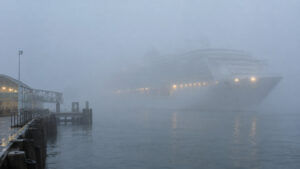
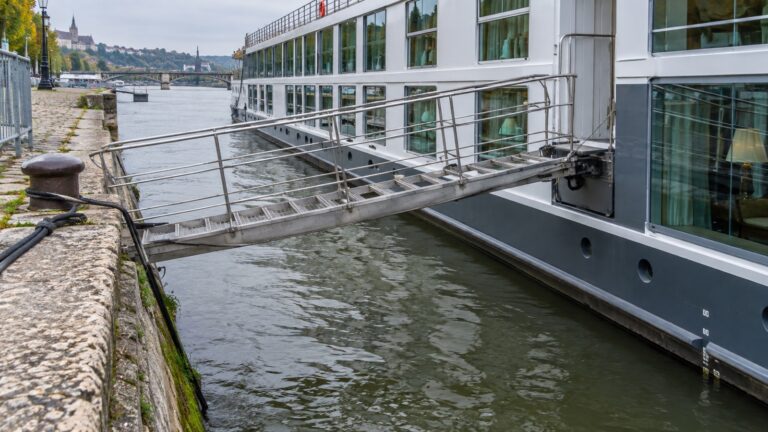
A river berth is an operating assignment, not a reserved parking space. Harbor authorities, river traffic, locks, water levels, deliveries, and other ships can affect where or when your vessel docks.
Uniworld says ships can dock farther from the center and may moor next to or between other vessels, especially in busy ports. Its FAQ also says docking locations are set by local harbor authorities rather than by Uniworld or the captain.
A planned move should appear in the onboard briefing or daily program, but operational changes can also occur. Read how river-cruise berth changes work before building a tight independent return.
Large cities may have several landing zones, and the address can matter more than the city name. My guide to Budapest river-cruise berths shows why you need the exact quay rather than a generic map pin.
If the ship will relocate, choose among three safe plans: take the organized tour, arrange transportation to the new berth, or remain aboard for the move and explore afterward. Confirm the permitted option with the cruise manager because the day’s operation may rule one of them out.
When skipping the included tour makes sense
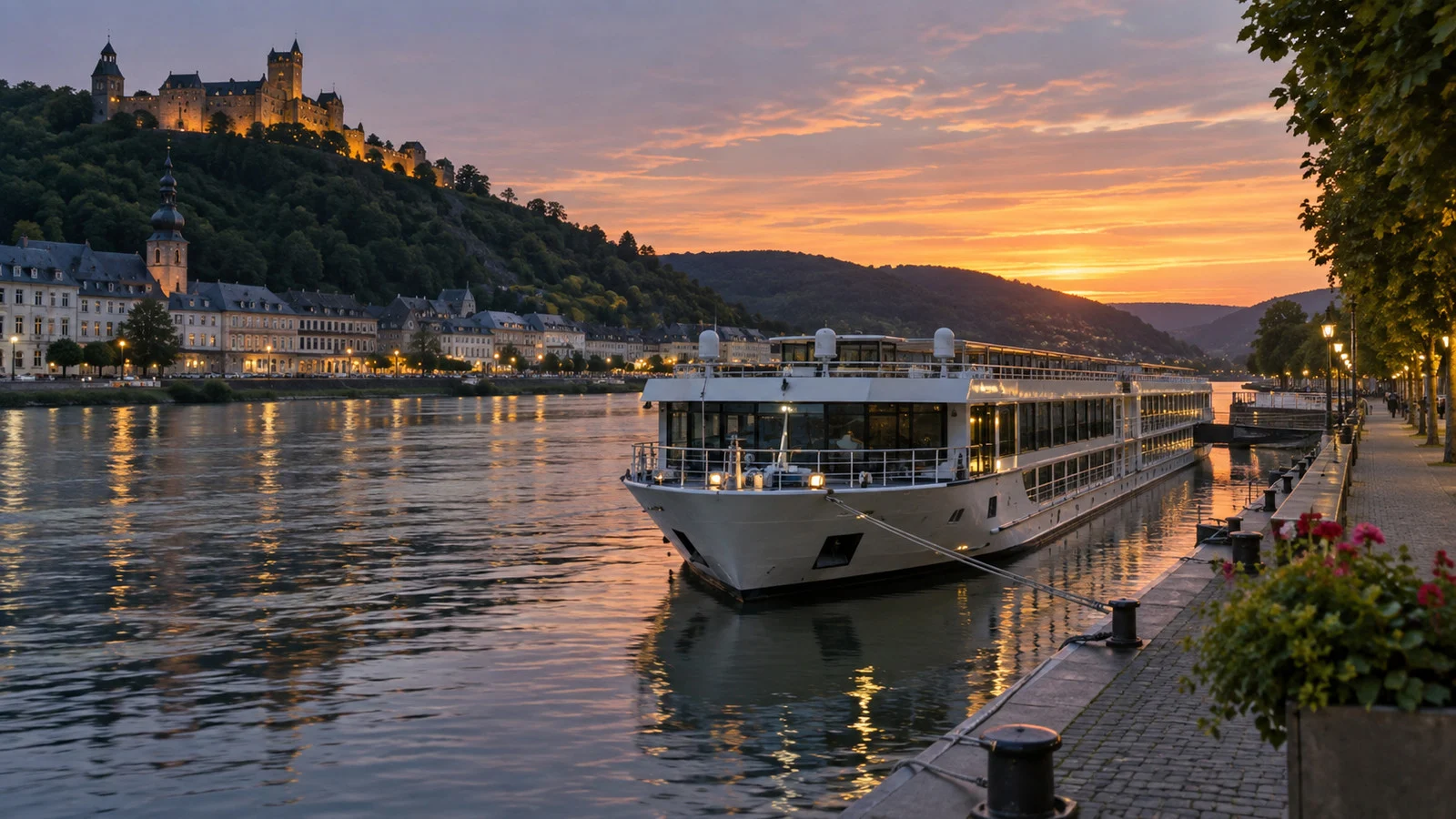
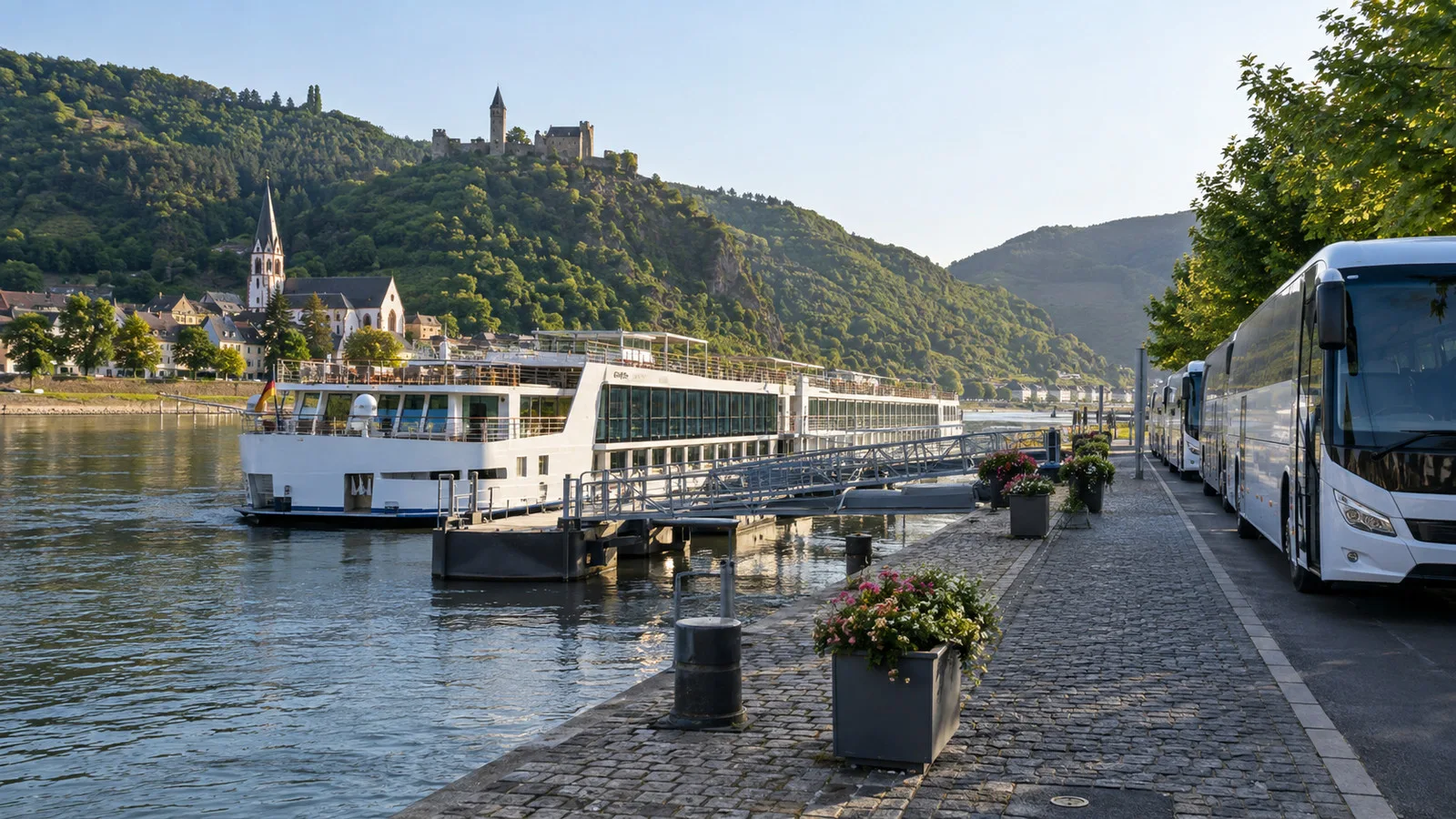
Going solo is most attractive when the ship is moored near the center, the day has a comfortable time margin, and your priority is not part of the included route. Compact stops such as central Bratislava, Passau, or Rüdesheim can fit that description, but the actual berth still wins over the city stereotype.
In Rüdesheim, an independent plan can let you focus on the cable car, vineyards, or a museum instead of repeating the included overview. Check opening hours and the ship’s time in port before deciding.
A familiar city is another good candidate because you may not need an orientation tour. A specific museum, market, café, photography route, or family activity can be a better use of limited time.
Independent exploring can also suit travelers who prefer their own pace, quieter streets, or frequent rests. It works best when the accessible route and return transport are confirmed rather than assumed.
Use official local transit information for fares and service, such as BKK’s current Budapest ticket page. Buy the correct product and validate it as instructed instead of relying on an old price from a blog.
When the included tour is the smarter choice
Take a hard look at the included option when the group leaves by motorcoach, because that often signals distance or awkward transportation. A remote landing place is not automatically impossible on your own, but it needs a real route and a backup.
Seine itineraries may use central or outlying locations, so check the sailing’s current documents and my guide to Paris river-cruise ports. Do not assume every ship uses Le Pecq or that every Paris-labeled berth has the same transfer.
The organized tour also earns its keep when it includes timed admission, a limited-capacity experience, or a site well beyond the quay. Viking notes that an included excursion may be a walking tour or a motorcoach overview, while its limited-capacity optional trips can reach experiences not offered on the standard tour.
Choose the tour when the ship has a short call, an early departure, or a planned move that makes your return complicated. The operator controls its own transport, but you should still listen for schedule changes and follow the guide’s meeting time.
If water levels force an itinerary change, the included program may become a coach-based substitute. Riviera warns that water levels can change daily and may alter an itinerary with little or no notice, so yesterday’s berth research may no longer fit.
Costs, cancellations, and good manners
An included tour is part of the package price, so skipping it should be treated as a time choice rather than a refund strategy. If you reserved a limited-capacity included option, release it as early as the line allows so another guest can use the place.
Paid excursions follow separate cancellation terms. Uniworld’s current FAQ says it gives no refunds for prepaid optional tours or cancellations within 24 hours, but another line or sailing may use a different rule.
Do not rely on an organized bus for a free ride unless the cruise manager confirms independent guests may use it. Tour transport, drop-off points, and return seats can be restricted to registered participants.
If you might be late, call the ship or the line’s emergency contact immediately. Do not assume the vessel can wait, since locks, berth windows, sailing distance, and local operating rules can constrain the captain.

What I would actually check
- The current return deadline: photograph the daily program and confirm whether it states an all-aboard time, a meeting time, or another instruction. Use that deadline, then add a buffer that fits the distance and transport risk.
- The ship’s movement: ask whether it remains at the same berth for your whole outing. If it moves, get the new berth and approved reboarding plan in writing or in the line’s app.
- The berth-to-center route: check walking distance, grade, stairs, crossings, shuttle rules, and transit frequency. My guide to river-cruise ports that are not walkable is a starting point, not a substitute for the day’s berth.
- The contact plan: carry the ship or emergency number and save it offline. Photograph the vessel name, berth address, and any card the crew provides.
- The return transport: know the last practical train, tram, bus, taxi, or walking route before you leave. Leave enough slack for a missed connection, traffic, or an unfamiliar station.
- The day’s conditions: check heat, rain, river level notices, daylight, and anything that could slow you down. Bring water, weather protection, medication, and a charged phone rather than treating the tour bus as the only fallback.
How I would decide in 60 seconds
First, ask whether the ship stays at the same berth and whether the main sights are reachable without the tour’s transportation. If either answer is uncertain, the included tour starts with a big advantage.
Next, ask whether the tour provides timed access or a destination you genuinely want. If not, compare its pace and content with the independent day you would actually enjoy.
Finally, count backward from the ship’s deadline using a realistic return route and a disruption buffer. If the plan still feels comfortable, go solo; if it needs every connection to behave perfectly, take the tour.
You can also join the included overview and explore independently during later free time or an overnight. Check how river-cruise overnights work before assuming the gangway stays open without restrictions.
Accessibility and slower-paced days
Going independently can let you choose a flatter route, take more breaks, and skip cobbled detours. It can also remove the motorcoach or guide support that makes an outlying berth manageable.
Ask the line about the actual gangway, rafting, steps, elevators, coach access, walking surface, restroom availability, and total standing time. AmaWaterways cautions that some European embarkation points, excursions, and vehicles may have limited or no accommodation for mobility devices, so line-specific confirmation matters.
Rafting can require guests to cross another vessel, sometimes at a different deck level. Read what river-cruise rafting involves, then ask what route is expected on your sailing.
Do not wait until the gangway to disclose an essential access need. Request the information and any assistance in writing before sailing, then reconfirm onboard because the berth may change.
Weather, daylight, and river conditions
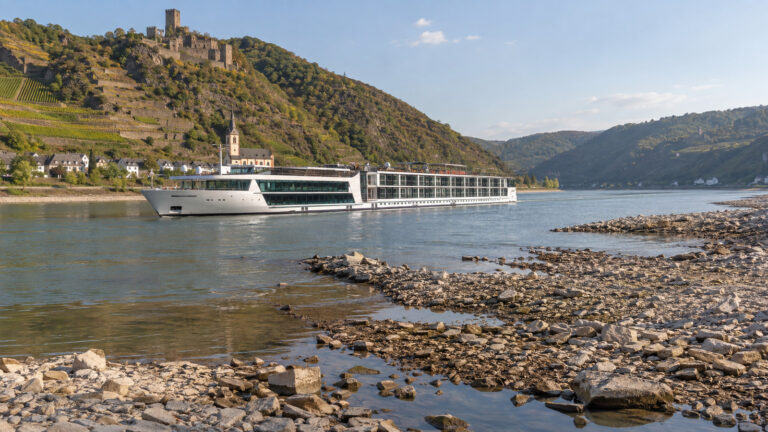
Weather should change the plan, not create a blanket season rule. Heat, rain, ice, wind, early darkness, and flooded or low-water paths can each make an easy independent route harder.
Check the official local forecast and sunset time shortly before leaving, then dress for the return as well as the outbound walk. An air-conditioned or heated coach can be a sensible benefit, but only you can decide whether it outweighs the tour’s pace and itinerary.
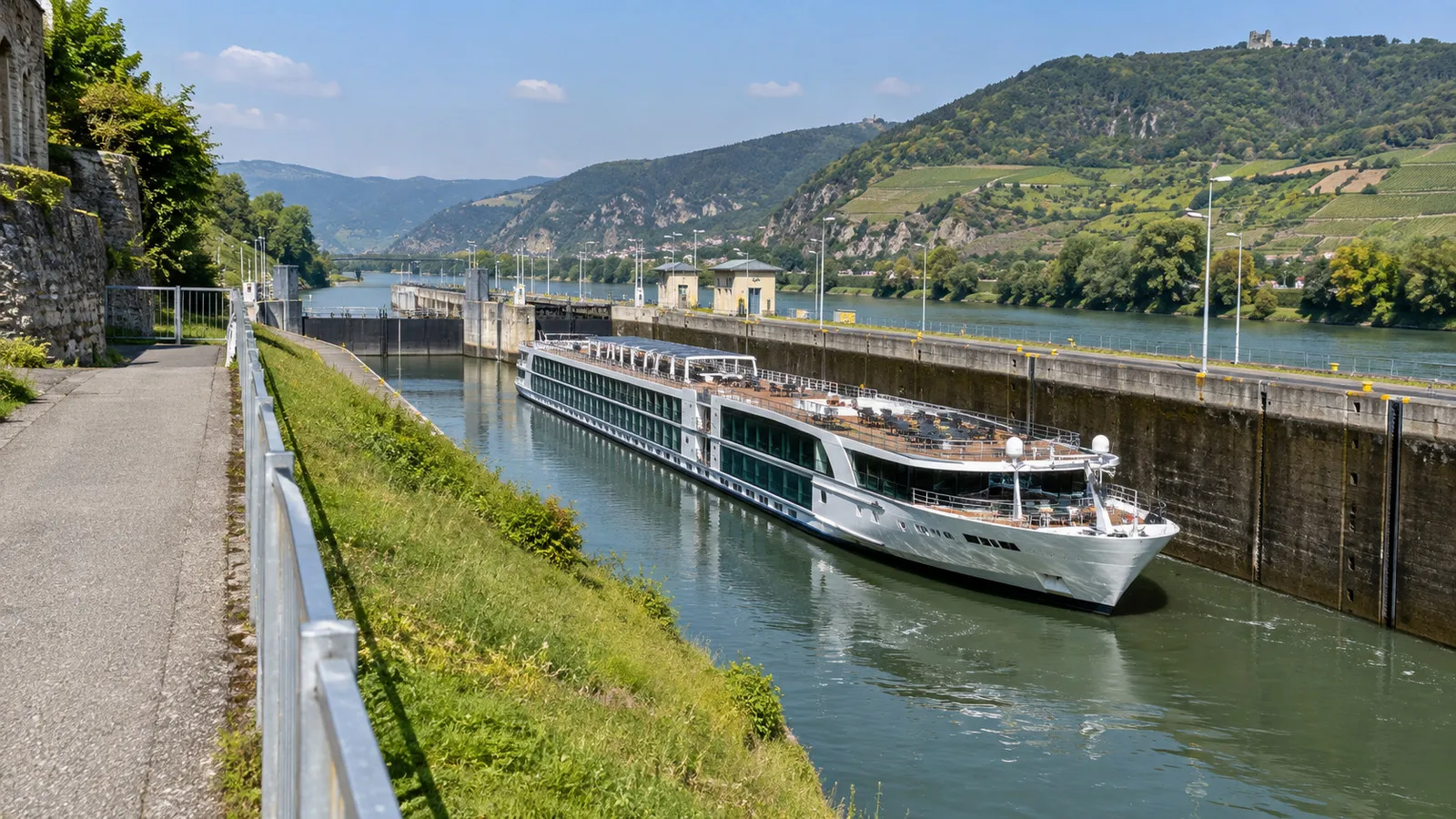
River levels can change the whole day’s operation, including berths and coach substitutions. Follow announcements from the line and treat any online berth description as provisional until the crew confirms it.
Quick answers
Can you skip an included river-cruise tour?
Generally yes, and Riviera Travel and AmaWaterways explicitly permit independent exploration. Confirm your own line’s procedure and the day’s sailing instructions before leaving.
Do you get money back for skipping?
Normally no, because an included excursion is bundled into the fare. Paid optional tours follow a separate cancellation policy that varies by line and booking.
Will a river ship wait if you are late?
Do not plan on it. Use the ship’s stated return deadline, build in a buffer, and call the onboard or emergency contact immediately if trouble develops.
Can the ship move while you are ashore?
Yes, a river ship may use a different berth or move as operations require. Ask about planned movement and carry the current reboarding location and contact number.
Do you need to sign out?
Follow the specific ship’s procedure, which may involve scanning a key card, returning a key, signing a sheet, or speaking with reception. Complete the matching check-in step when you return.
The last word
Skipping an included tour can turn a port call into exactly the day you wanted, and that freedom is one of river cruising’s quiet pleasures. The decision is less about etiquette than logistics.
If the ship stays put, the route is easy, and your timing has slack, going solo can be delightful. If the tour solves a berth, transport, access, or deadline problem, take the free help and save your wandering for a simpler stop.
How this guide was researched: Unless a first-hand visit is explicitly identified above, this guide is based on independent research using official cruise-line, port, tourism, transit, government, and attraction sources where available.
Independent exploration, excursions, berth control, itinerary changes, accessibility, and cancellation terms were checked against current guidance from Riviera Travel, AmaWaterways, Viking, and Uniworld, with transit details linked to BKK. See our Editorial Policy.
More on this topic: browse every guide on river cruise planning.