Budapest River Cruise Port: Which Berth Is Actually Yours
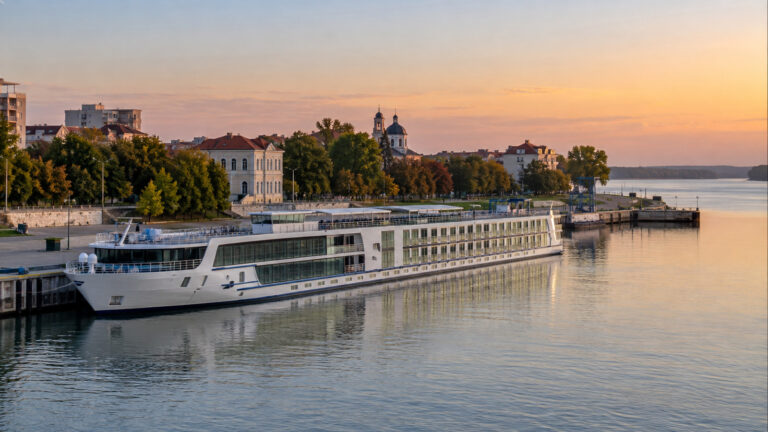
Budapest gives river-cruise passengers one of Europe’s great arrivals, with Parliament, Buda Castle, bridges, and steep hills framing the Danube. The only catch is that “Budapest” is not a single berth, and your exact pier can change the walk, transfer, and first impression of the city.
Central berths on the Pest embankment put major sights at your feet, while an upstream assignment requires public transportation or a taxi. Confirm the live pier name and road access with the ship, because an old itinerary or driver’s generic map pin is not precise enough.
Quick Facts
- River: Danube
- Common berth areas: Central Pest embankment piers, Akadémia near the Chain Bridge, and upstream alternatives
- Shore access: Gangway to the lower quay, with rafting possible
- Currency: Hungarian forint
- Best local transportation: Tram 2, Metro, buses, taxis, and walking
- Top first-time choices: Castle District, Parliament area, Danube promenade, and a thermal bath
- Evening highlight: Floodlit views of Parliament and the Buda riverfront
- Main disruption risk: High or low river levels, berth changes, traffic, and rafting
- Planning priority: Use the live berth message from the ship, not the original invoice
What the Budapest River Port Really Is
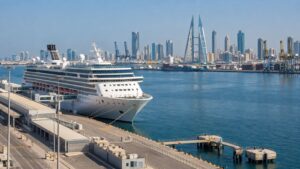
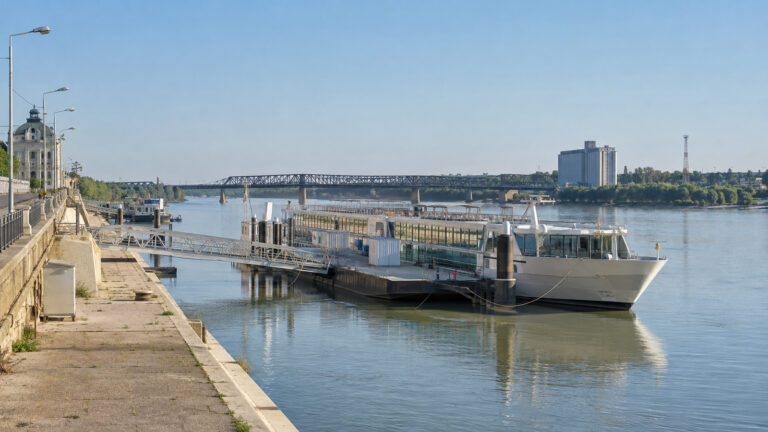
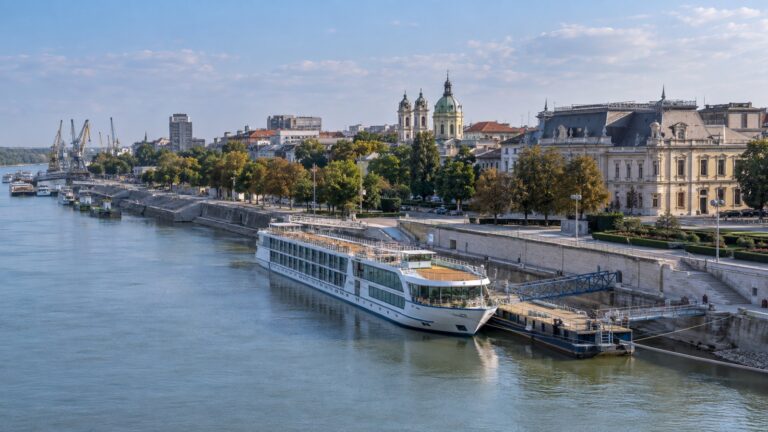
Budapest’s river port is a series of assigned piers rather than one cruise terminal. MAHART’s International Ship Station is on Belgrád rakpart in district V, and other berths extend north along the Pest side.
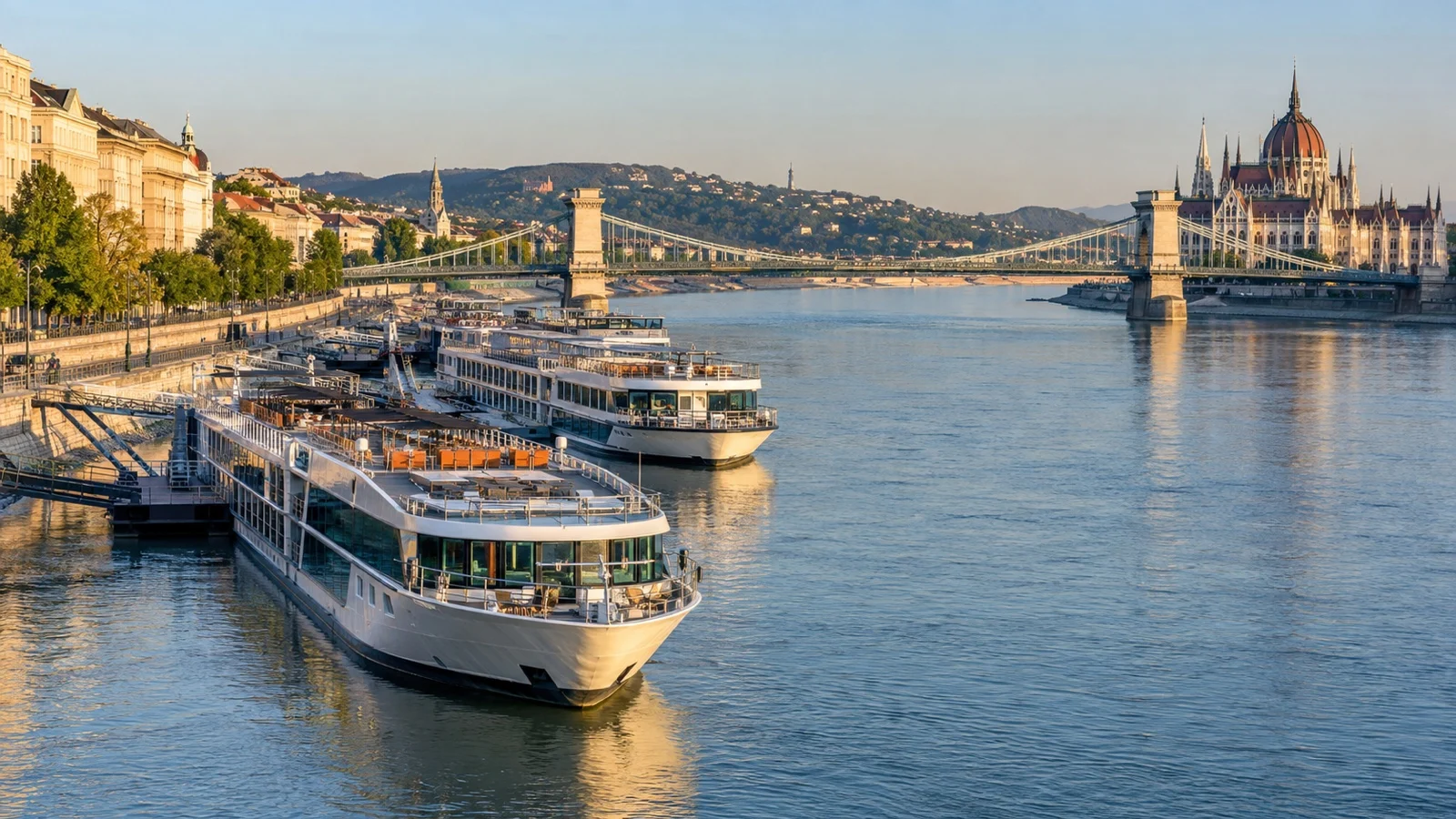
The central lower-quay positions are the most convenient for walking to the Great Market Hall, Danube promenade, central shopping streets, and bridges. Akadémia places you near the Chain Bridge and Hungarian Academy of Sciences, with Parliament and the Shoes on the Danube Bank memorial close by.
An upstream assignment beyond Margaret Bridge is less romantic but still workable. The important task is to identify the exact pier, nearest street-level access, and current connection to tram, bus, or taxi.
Arrival and departure locations may differ if operations require it. Keep the cruise line’s notification method active and share the newest pier details with any private driver.
Rafting and the Lower Quay
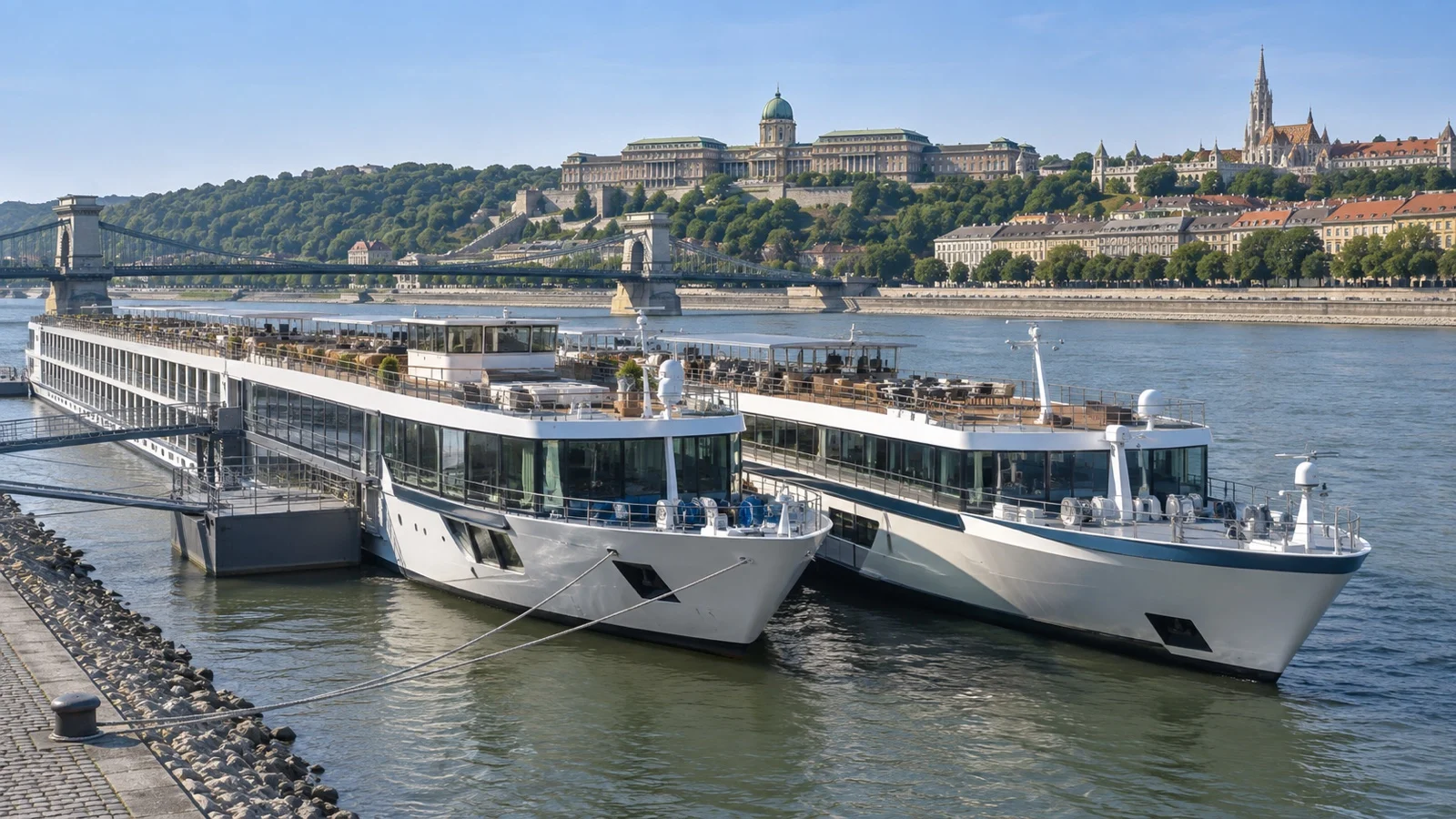
Budapest is busy enough that river ships often tie up side by side. If your vessel is outside the raft, you may cross one or more neighboring ships before reaching the quay.
Deck levels do not always align, so the route can involve steps, thresholds, or an exposed upper deck. Crews handle this every day, but the arrangement can be a real barrier for passengers using wheelchairs, scooters, walkers, or canes.
The lower embankment itself sits below street level, and ramps or stairs connect it to the city. Ask about the full ship-to-street path, not just whether the vessel has an elevator.
Leave extra time when several vessels are disembarking at once. A ten-minute delay crossing the raft is harmless at breakfast and stressful before an all-aboard deadline.
Getting Around Budapest
From a central Pest berth, walking may cover much of the first day. The promenade leads toward the Chain Bridge and Parliament, while the Great Market Hall and Liberty Bridge lie toward the southern end of the central pier area.
Tram 2 is particularly useful because it follows the Pest bank past several major views and central stops. Check BudapestGO for the current route and service notice because construction or events can alter stops.
BKK sells single tickets, time-based tickets, and daily travelcards, with prices published on its official website and app. Buy the product that fits your actual route, validate it correctly, and retain it until the trip is complete.
Metro line M1 connects central Pest with Andrássy Avenue, Heroes’ Square, City Park, and Széchenyi Bath. Its historic stations are part of the experience, but their age also means step-free access is limited.
Taxis are useful for travelers with luggage, limited mobility, or an outlying berth. Use an official service or the cruise line’s arrangement, and send the pier’s street access rather than a pin placed in the middle of the river.
The Castle District
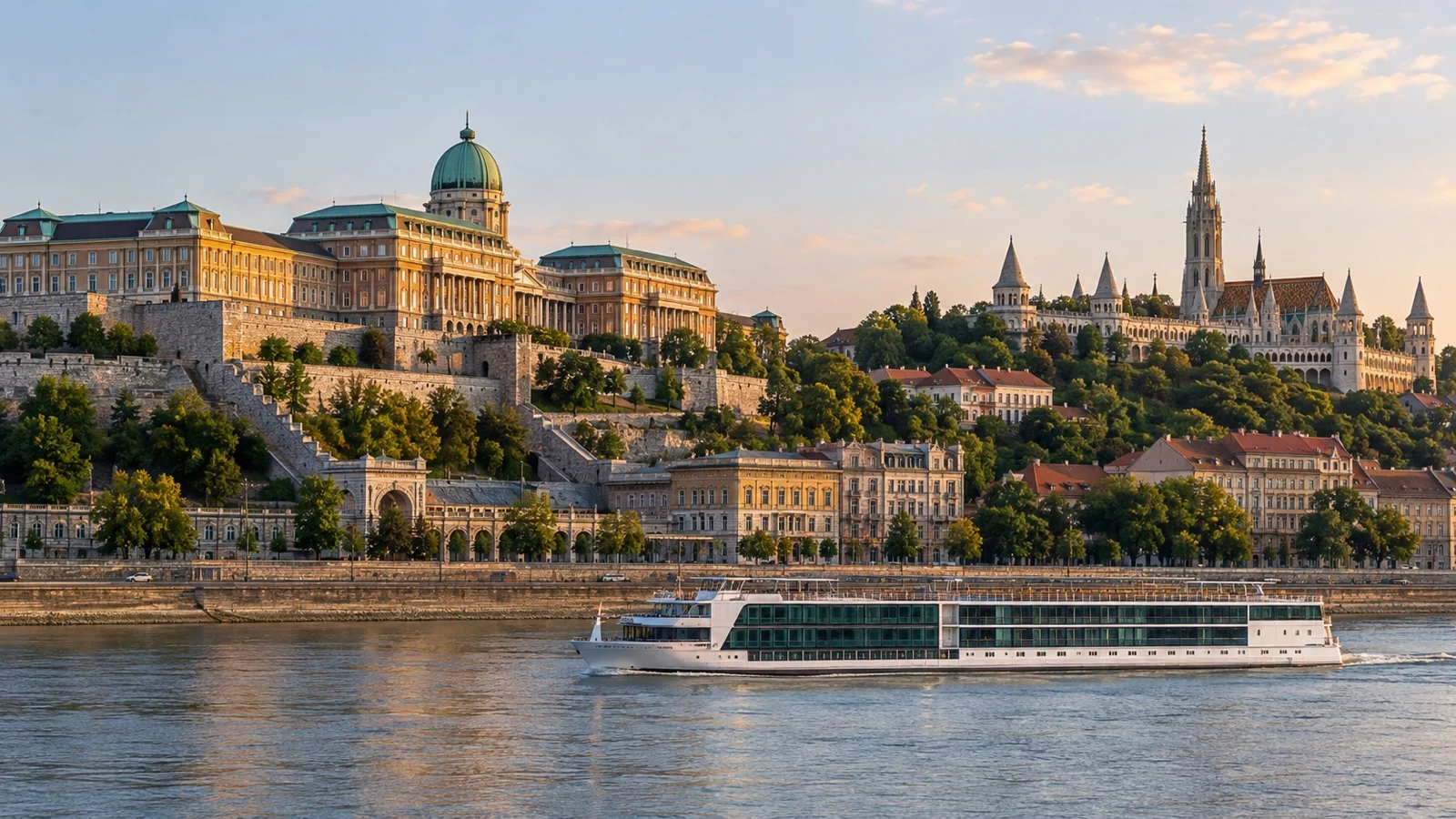
Buda Castle, Matthias Church, Fisherman’s Bastion, and old streets occupy the hill across the river. The district gives you the postcard panorama back toward Parliament, but hills, cobblestones, stairs, and crowds make an early start worthwhile.
Bus service can be easier than climbing from the river, while the funicular offers a scenic but often busy ride from the Chain Bridge area. Check live operations before committing because maintenance, crowds, or traffic controls can change the best route.
Do not try to see every museum and viewpoint on the hill. Choose the church, bastion, castle courtyards, or a museum according to your interests, then leave enough time to enjoy the view without watching the clock.
Parliament and the Danube Memorial
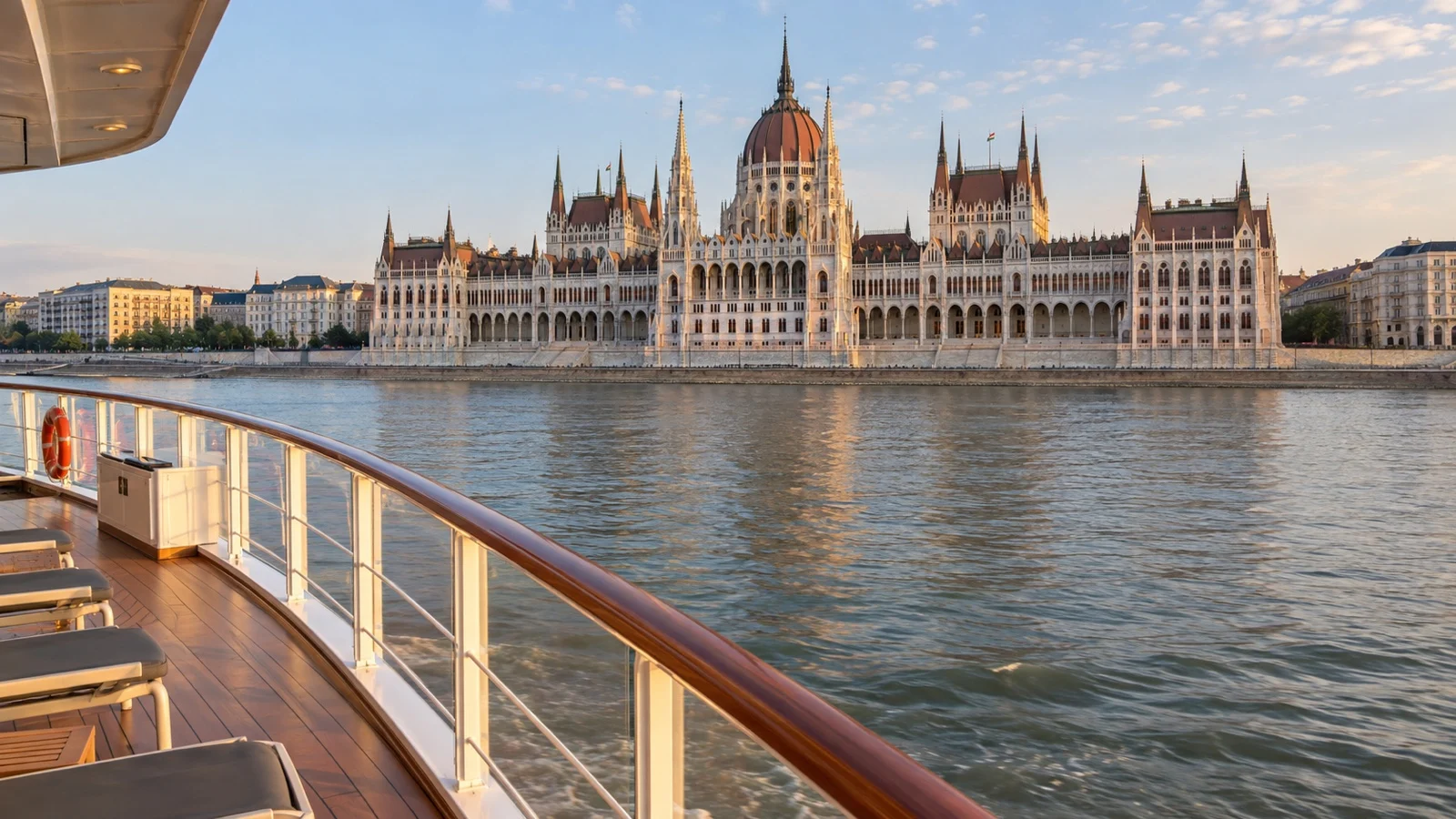
The Hungarian Parliament dominates the Pest riverfront and is impressive from both banks. Interior visits use timed tickets and controlled security, so book through the official parliamentary channel and verify the entrance instructions.
Nearby, Shoes on the Danube Bank commemorates Jewish people murdered by Arrow Cross militiamen during World War II. Approach it as a memorial rather than a photo prop, leave space for others, and avoid climbing among the sculptures.
The riverfront walk between Parliament and the Chain Bridge is one of the city’s strongest free experiences. It also works beautifully after dark when both sides of the World Heritage river landscape are illuminated.
Thermal Baths on a Cruise Day
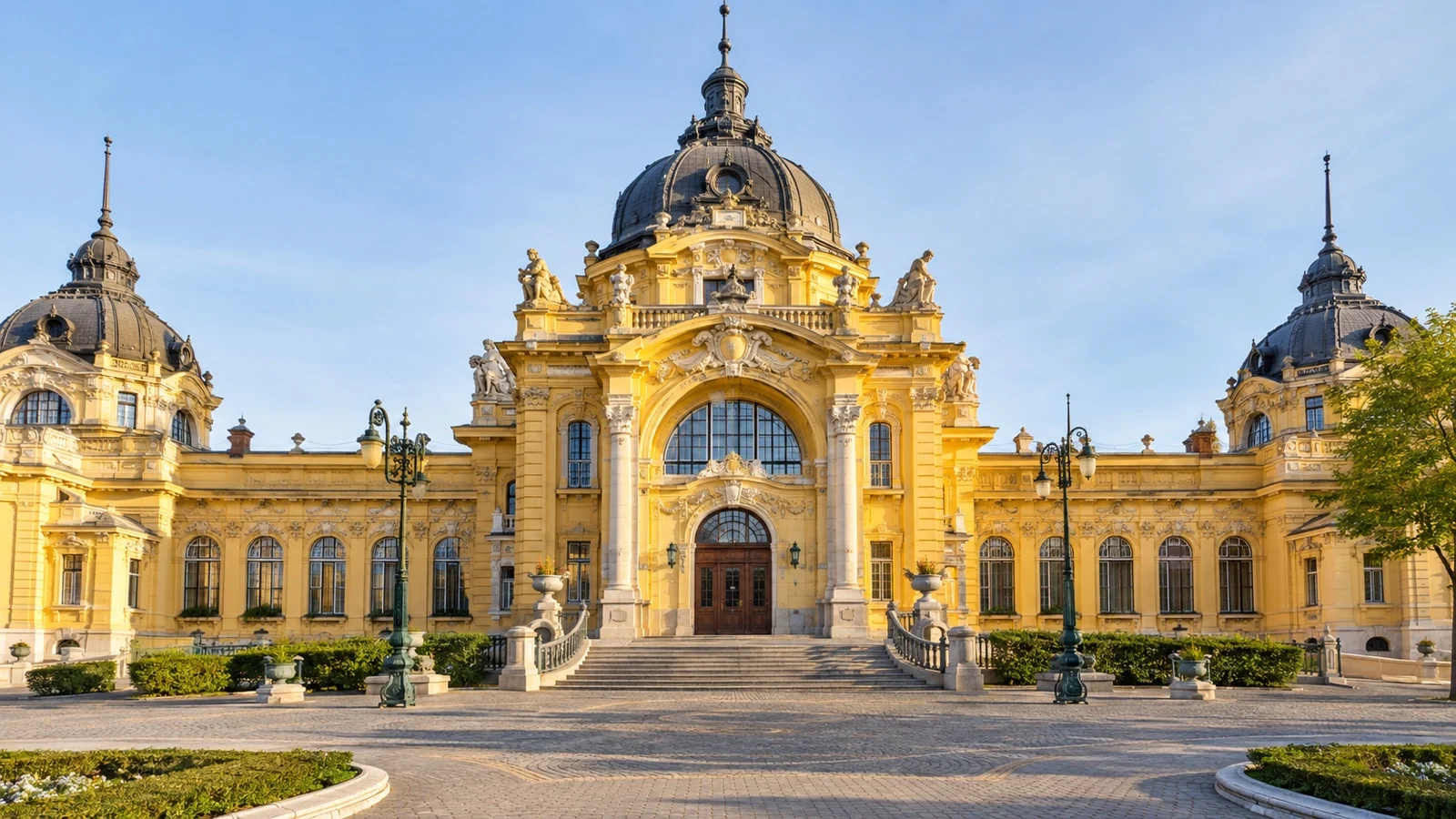
A thermal bath can be the most memorable half day in Budapest, but each complex has its own atmosphere, rules, and schedule. Confirm the bath is open, choose the right ticket, and read what you must bring before leaving the ship.
Széchenyi is the large neo-Baroque complex in City Park, known for outdoor pools as well as indoor facilities. It is easy to pair with Metro line M1, Heroes’ Square, or a walk through the park.
Rudas offers a more intimate historic setting near Gellért Hill, but access to particular sections can vary by day and session. Check the official schedule carefully rather than assuming every pool is mixed and open throughout your visit.
Gellért Bath’s official site currently states that it is closed for renovation, with reopening planned later. Treat any older recommendation that sends you there as outdated until the operator confirms otherwise.
Pack swimwear, flip-flops, and whatever towel arrangement the bath currently requires. Jewelry, phones, and cabin key cards are easiest to manage when you use the provided locker and bring as little as possible.
Great Market Hall and Food
The Great Market Hall stands near Liberty Bridge and can be very close to central international piers. Its produce, meats, paprika, pastries, and prepared-food stalls make it an easy stop, but opening hours and crowd levels vary by day.
For a fuller meal, look beyond the most crowded pedestrian strip and check recent local menus. Budapest offers Hungarian classics as well as a broad modern dining scene, and lunch can provide better value than dinner in the center.
Hungary uses the forint even though some visitor businesses display euro prices. Pay in forints or use a card with transparent currency conversion, and decline an unfavorable dynamic conversion when your own bank offers the better rate.
The UNESCO River Landscape
UNESCO’s Budapest property includes the Banks of the Danube, the Buda Castle Quarter, and Andrássy Avenue. The protected landscape explains why a simple walk from the gangway can reveal Parliament, bridges, castle slopes, and nineteenth-century city planning in one continuous view.
The listing also recognizes the Millennium Underground beneath Andrássy Avenue, the first underground railway on the European continent. Riding M1 toward City Park connects a working transit line with the same urban history visitors come to see.
Accessibility
Budapest can be rewarding with limited mobility, but the port setup requires detailed questions. Rafting, gangway slope, the lower-quay ramp, stairs, uneven paving, and the distance from an upstream berth all matter.
Tell the cruise line the dimensions and weight of your device and ask about the exact shore route. An inside berth cannot always be guaranteed, so request the contingency if the only path crosses steps on another vessel.
BKK publishes accessibility information for vehicles and stops, but an accessible line does not make every station on it step-free. Plan individual stops in BudapestGO, check elevators or low-floor service, and consider a prearranged accessible taxi for the Castle District.
Weather and River Conditions
Budapest can be hot in summer, and the exposed Pest quay offers little shade. Start hill or memorial walks early, carry water, and use a hat and sunscreen before the afternoon heat builds.
Spring and fall bring milder sightseeing weather with a greater need for layers and rain protection. December calls can be cold, particularly beside the water after sunset.
High and low Danube levels can affect navigation, berths, gangway angles, or even the city used for embarkation. Follow the cruise line’s message rather than trying to interpret a river gauge for a vessel you do not operate.
Embarkation and Disembarkation
If Budapest begins or ends your cruise, a hotel night creates valuable protection against flight or rail disruption. It also lets you see the illuminated riverfront without tying the evening to a same-day arrival.
On transfer day, give the driver the current pier name and street access, then keep the ship phone number ready. A berth change after you booked the ride is manageable when everyone has the updated address.
Allow extra time for traffic, luggage handling, quay access, and rafting. A nearby building is not proof that a vehicle can stop beside the gangway.
Three Strong Budapest Plans
The First-Time Day
Start in the Castle District before crowds build, cross or ride back to Pest, and walk the Parliament riverfront. Finish with an evening promenade when the city lights turn the Danube into the main attraction.
The Bath and Market Day
Visit Széchenyi Bath in the morning, return by M1, and spend the afternoon around the Great Market Hall and Liberty Bridge. Keep the final hours close to the ship rather than adding another cross-city reservation.
The Low-Stress Day
Use tram 2 and short walks to connect Parliament, the memorial, the Chain Bridge area, and a relaxed lunch. This plan adapts easily if heat, rain, mobility, or a shifted berth changes the morning.
Final Take
Budapest earns its reputation as a grand river-cruise finale because the city and the Danube are inseparable. A central berth gives you that World Heritage landscape at the gangway, while an outlying berth remains manageable once you plan the connection.
Confirm the live pier, rafting route, transportation, and all-aboard time before setting off. Then choose one strong day rather than six rushed landmarks, and save enough energy to see the riverfront after dark.
How this guide was researched: We checked MAHART Ports, BKK, Budapest’s official visitor and attraction services, UNESCO, and current bath guidance on September 12, 2026. Reconfirm the berth, quay access, rafting, transportation, river conditions, attraction schedules, accessibility, costs, entry rules, and sailing time because live operations can change.