Cruise Ports Where I Take Extra Care (and How I Stay Safe)
Some ports support an easy independent walk, while others deserve a tighter plan. This guide explains the practical risks, current official-advisory context, and safer ways to structure a cruise day without treating an entire community as dangerous.
Risk changes by neighborhood, time, berth, and current events. Check the cruise line, the US State Department, and another national advisory again shortly before sailing.
How I judge on-shore risk
The point is not to scare anyone away or label local residents as a threat. It is to read each port the way a cruise guest experiences it, including the berth, transfer, neighborhood, time of day, and current events.
Start with an official source such as the US State Department, then cross-check the UK foreign travel advice or Australia’s Smartraveller. These advisories serve their own citizens and usually assess a country or region, not one cruise terminal.
Advisory posture and recency: Compare current national sources and read them directionally rather than as an absolute score.
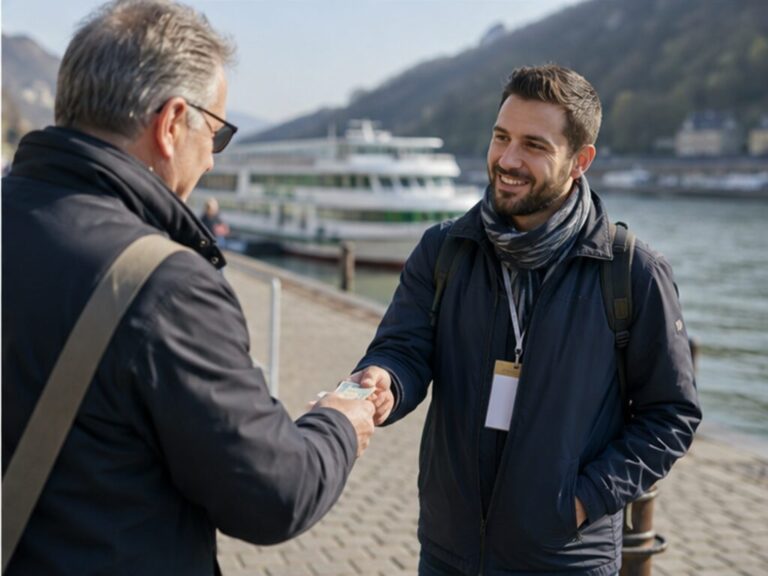
Visitor-targeted crime: Look for current warnings about pickpocketing, bag snatches, phone theft, card skimming, and robbery near cash machines.
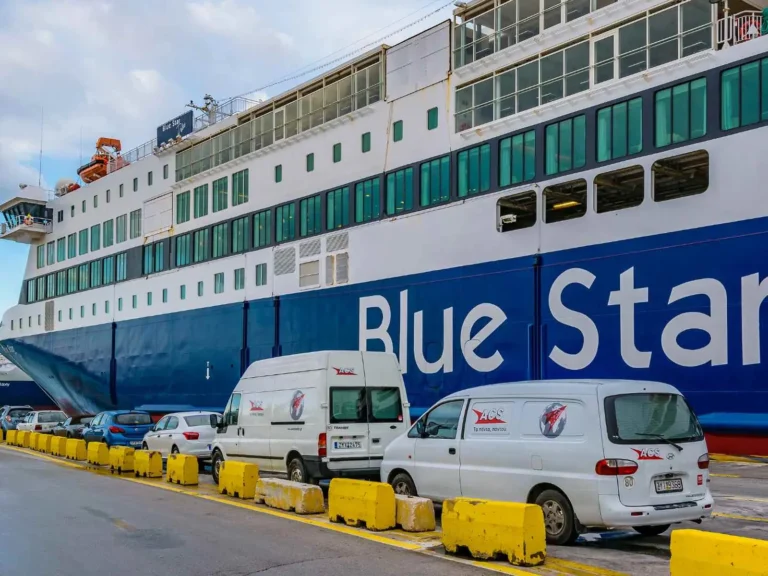
Port-to-city transition: Check whether the berth opens into a visitor corridor, an industrial zone, or a transfer point.
Crowds and demonstrations: Large gatherings can disrupt movement, close roads, or shift police resources with little notice.
Time of day: Compare the practical risk of a daylight plan with the same route after dark.
Two honest reminders before we start. Danger is not destiny, and locals are not the problem.
Crowd density, layout, heat and after-dark quiet create the conditions that call for a smarter plan. You can still enjoy every one of these ports with the right approach.
Caribbean, Mexico and Central America
Most calls here are enjoyable with small adjustments. Ride into the lively core when necessary, then walk the well-used visitor area.
1) Port of Spain, Trinidad and Tobago
The honest picture: Advisories flag serious and sometimes violent crime in parts of the capital, and several districts are best skipped by independent visitors after dark.
Best approach: Keep walks short and in daylight, and book vetted transport for beaches or nature rather than wandering inland.
2) Nassau, Bahamas
The honest picture: Bay Street is lively and heavily patrolled, but advisories note that opportunistic theft and the occasional robbery pick up a few minutes off the main corridor.
Best approach: Stick to the busiest streets, keep my phone zipped away between photos, and avoid quiet shortcuts to save a minute.
3) Belize City, Belize
The honest picture: The tender pier opens into a controlled tourism village, yet street crime is higher a few blocks beyond than at the beaches and ruins farther out.
Best approach: For Mayan ruins, caves or islands book licensed transport, and for a DIY hour stay on well-traveled streets and skip isolated ATMs.
4) Montego Bay and Ocho Rios, Jamaica
The honest picture: Tourist zones are patrolled, but advisories highlight opportunistic theft and robbery in lower-traffic areas and later hours.
Best approach: Use official taxis for the river, falls and countryside, keep jewelry minimal, and walk only the routes the port team recommends.
5) Roatán, Bay Islands, Honduras
The honest picture: The Bay Islands are better set up for visitors than the mainland, though petty theft and the odd robbery happen outside the busy zones.
Best approach: Travel point to point, use organized shuttles for beaches and snorkeling, and aim to be back before dusk.
6) Colón, Panama
The honest picture: The secured port area feels contained, while nearby blocks can have thinner foot traffic and less visible policing.
Best approach: Pre-book transport for the locks or Panama City, and if you walk at all keep it short and obvious.
7) Puerto Limón, Costa Rica
The honest picture: Lively markets sit close to the pier, but pickpocketing and bag snatches show up in the surrounding grid once streets thin out.
Best approach: Stroll in daytime only, wear a cross-body bag in front, and keep my phone away at curb edges and bus stops.
South America
South America mixes high-energy city scenes with sudden quiet blocks. Opportunistic crime can be fast, so carry little and keep the route simple.
1) La Guaira, Venezuela
La Guaira should not be treated as a routine independent port call when current official advice restricts travel in Venezuela. Verify that the call still operates, read the latest guidance for your nationality, and use only transportation explicitly arranged or approved by the cruise line.
Best approach: Follow the ship’s instructions to the letter and use escorted transport only.
2) Rio de Janeiro, Brazil
The honest picture: Advisories consistently flag phone theft and bag snatches around beaches and nightlife districts, where big crowds can mask opportunistic thieves.
Best approach: Carry very little, keep phone and wallet in a zipped interior pocket, and use licensed transport door to door after dark.
3) Salvador da Bahia, Brazil
The honest picture: The historic upper city is full of music and color, but theft risk climbs on quieter side streets and after dusk.
Best approach: Visit Pelourinho in daylight, stay on signed tourist routes, and take a taxi between zones rather than walking the connection.
4) Recife, Brazil
The honest picture: Bridge-linked districts can shift from lively to quiet in minutes, and visitors who stray from busy routes have been targeted.
Best approach: Keep to main avenues in daytime and pre-arrange round-trip transport for Olinda or the beaches.
5) Cartagena, Colombia
The honest picture: The walled city is well policed and welcoming by day, yet petty crime and distraction scams rise at the edges and at night.
Best approach: Enjoy the old town in daylight, keep my bag latched in plazas and on the walls, and switch to taxis after sunset.
The pattern is the same across the continent. Minimal carry, daylight walking, and taxis once the sun drops.
Europe and the Mediterranean
Violent crime against visitors is uncommon here. The real risk is pickpocketing, bag snatches and distraction scams in crowded places, plus berths that sometimes sit in industrial districts far from the postcard view.
1) Marseille, France
The honest picture: The shuttle or city bus from the industrial pier funnels visitors into transit and transfer points where pickpockets work.
Best approach: Ride in, keep my walking inside the Vieux-Port and main sights, and treat tram doors and platforms as high-alert zones.
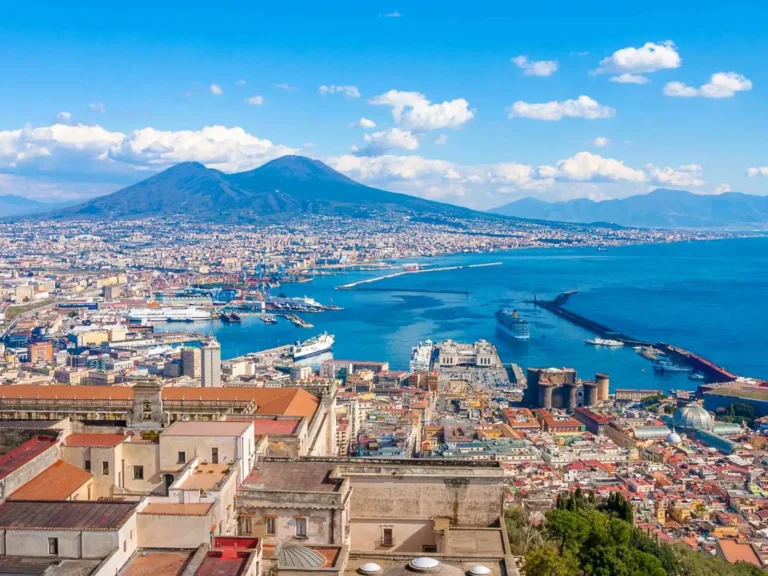
2) Naples, Italy
The honest picture: Crowded historic lanes, busy transit for Pompeii and Capri, and well-known distraction scams at café terraces and train platforms are the main concerns.
Best approach: Wear a zipped cross-body in front, keep one card deep in a pocket with cash separated, and stay skeptical of unsolicited help with tickets.
3) Barcelona, Spain
The honest picture: World-class sights come with world-class pickpocket crews, and the metro, La Rambla and Gaudí venues see systematic theft against distracted visitors.
Best approach: Keep my bag on my lap or between my feet, loop a strap through a chair leg at cafés, and never hang it on a chair back.
4) Palermo, Italy
The honest picture: The city is wonderful to walk, but quiet side alleys can set up bag snatches and phone grabs, especially in the late afternoon and evening.
Best approach: Stick to the main axes, skip empty shortcuts, and ride after dark.
5) Athens Piraeus, Greece
The honest picture: The port-to-city transition is long, and multiple transfers add the fatigue and distraction that raise theft risk.
Best approach: Take the direct link into central Athens, walk the pedestrian core around the Acropolis and Plaka, and keep my phone stowed on trains.
Europe’s crowds are part of the fun and also where thieves work. Travel light and make the small protective habits automatic.
Middle East and North Africa
Conditions here can change quickly with regional tensions and demonstrations. Many calls are still wonderful with smart timing and a focus on well-traveled corridors.
1) Haifa or Ashdod, Israel
Regional security conditions can change quickly and cruise lines may cancel or reroute Haifa and Ashdod calls with little notice. Check current government advice, avoid all demonstrations and restricted areas, and do not make a nonrefundable independent plan that assumes the call will operate.
Best approach: Monitor onboard announcements, avoid gatherings, and follow local instructions without improvising.
2) Alexandria and Port Said, Egypt
The honest picture: Petty theft in crowded markets and near transport hubs is the main issue for day visitors, along with occasional protests that snarl movement.
Best approach: Use licensed guides for long hops, keep valuables tucked away, and steer clear of political gatherings.
3) Tunis La Goulette, Tunisia
The honest picture: The classic risk is pickpocketing and bag snatches in the tightly packed medina lanes.
Best approach: Stay on signed tourist routes, watch for team distraction tactics, and pre-arrange rides for Carthage and Sidi Bou Said.
4) Casablanca, Morocco
The honest picture: The port-to-city stretch feels industrial, and the markets are vibrant and close-packed.
Best approach: Ride into the center, walk the main boulevards and the Hassan II precincts, and keep my phone deep in my bag between photos.
The useful formula is simple: daylight hours, broad well-used streets, and a confirmed ride back to the ship. Avoid demonstrations and recheck official advice on the morning of the call.
Sub-Saharan Africa
These African ports reward a structured plan. Walk in company during daylight and use vetted drivers for longer legs.
1) Durban, South Africa
The honest picture: Advisories note serious after-dark crime in downtown areas and occasional smash-and-grab thefts, while daytime beachfront promenades feel more comfortable.
Best approach: Walk the Golden Mile in company by day and use rideshares or private drivers point to point and after sunset.
2) Cape Town, South Africa
The honest picture: The V&A Waterfront is built for visitors, yet theft and car break-ins occur in the city bowl and on trailheads.
Best approach: Keep to busy routes in daylight, leave valuables on the ship, and use official drivers for the Table Mountain connection when time is tight.
3) Mombasa, Kenya
The honest picture: Petty theft, bag snatches and sporadic unrest have affected ferry and market areas.
Best approach: Visit Fort Jesus and Old Town with a vetted guide, avoid empty alleys, and walk daytime only.
4) Maputo, Mozambique
The honest picture: The core is energetic but uneven in street lighting and foot-traffic patterns.
Best approach: Make one or two focused stops, keep my bag in front in markets, and ride after dark.
A focused plan keeps these calls enjoyable. Keep the walking loop short and use vetted transportation for longer legs.
Asia
Asia’s megacities are exhilarating, but density and long port transfers can complicate an improvised day. Simplify the logistics, walk where the route is clear, and ride where the layout works against you.
1) Manila, Philippines
The honest picture: Advisories flag pickpocketing, short-con scams and express robberies in busy transit and nightlife areas.
Best approach: Follow the cruise line and local authority’s instructions on whether to carry the original passport or another form of identification. Keep required documents secured on your body, and leave spare cards and unnecessary valuables in the cabin safe.
2) Sihanoukville, Cambodia
The honest picture: Rapid urban change and casino districts have created patchy zones with lower on-foot comfort.
Best approach: Stay on the most active waterfront strips or book a direct beach transfer, and avoid empty side streets.
3) Colombo, Sri Lanka
The honest picture: Big crowds at markets and coastal promenades create classic pickpocket setups, and political rallies occasionally pop up.
Best approach: Walk Galle Face and the Fort area in daylight with my bag in front, and steer clear of demonstrations.
4) Mumbai, India
The honest picture: Overwhelming density, fast crowds and intense traffic make unplanned wandering stressful, and pickpockets target distracted visitors at major monuments.
Best approach: Hire a driver for a simple circuit between the Gateway of India, markets and museums, and cross streets only at controlled points.
5) Ho Chi Minh City via Phú Mỹ, Vietnam
The honest picture: The port sits far from the city, and the industrial start makes an independent trip tiring and scattered.
Best approach: Book a direct transfer, then walk the broadest downtown boulevards with valuables zipped away.
6) Jakarta, Indonesia
The honest picture: Tanjung Priok is industrial and transfers are long, so petty theft is likelier while you juggle bags and traffic.
Best approach: Use an organized city tour or a point-to-point driver, and pocket my phone at curb edges.
The key in Asia is logistics, not fear. Walk where the route is strongest and use vetted transportation where it is not.
Oceania and the South Pacific
Pacific capitals can shift from busy to empty in a block or two. Keep the loop short, hydrate, and use vetted transportation for longer legs.
1) Port Moresby, Papua New Guinea
The honest picture: Advisories flag persistent violent crime risk in certain districts and limited safe walking areas for independent visitors.
Best approach: Use escorted transport or ship excursions only, and do not wander beyond clearly managed zones.
2) Nouméa, New Caledonia
The honest picture: Periodic unrest has led to curfews and sudden changes in movement patterns.
Best approach: Follow crew guidance, avoid gatherings, and stay ready to pivot plans.
3) Suva, Fiji
The honest picture: Busy markets and bus stands create classic pickpocket conditions, and side streets can empty quickly between cruise waves.
Best approach: Stick to the main grid, keep my bag in front, and use official taxis for beach or viewpoint runs.
4) Nadi and Lautoka, Fiji
The honest picture: Transfers to beaches and villages are long, which invites fatigue and distraction.
Best approach: Pre-arrange round trips with vetted drivers and walk only in the busiest town cores.
Alaska and Northern Europe: situational hazards more than crime
Environmental and situational hazards matter more than crime in many Alaska and Northern Europe calls. Wet surfaces, sudden weather, buses, wildlife, and cycle lanes deserve attention.
Wet boardwalks: Wooden surfaces in ports such as Ketchikan can become slippery, so shoes with grip matter.
Sudden weather: Wind, rain, and temperature changes can turn an easy walk into a cold or exposed one.
Traffic pinch points: Stay alert around tour-bus loading zones and active port roads.
Wildlife: Follow local distance, food, and trail rules near forest edges.
Cycle lanes: In Scandinavian capitals, bicycle and scooter routes may run directly beside or across pedestrian space.
Wear shoes with grip, use layers and marked crossings, and keep moving around active bus-loading areas. Follow wildlife-distance rules and do not treat a quiet trail as risk-free just because street crime is low.
When to stay on the ship
Stay aboard when the cruise line cancels independent movement, the current advisory says not to travel to the area, civil unrest blocks the port route, or the only plan depends on an unvetted driver. A missed attraction is a better outcome than testing a rapidly changing security situation.
If the call operates but you are uncomfortable, choose a ship excursion with controlled transportation and a simple itinerary. Verify the operator, meeting point, emergency contact, and what the cruise line will do if the route is disrupted.
My street-smart playbook
Use this as a cruise-day operating checklist. The goal is to reduce exposure, keep the return simple, and preserve an easy exit when conditions change.
1) Carry less than you think you need. Bring one payment card, a little cash, and the identification required by local and cruise-line instructions; keep spare cards and unnecessary valuables secured.
2) Make your bag annoying to steal. Use a small cross-body, zipped and worn in front, and loop the strap through a chair leg at cafés instead of hanging it on a chair back.
3) Keep the phone invisible when moving. Use it, pocket it, and step away from curb edges and train doors before checking a map.
4) Treat ATMs like mini missions. Use an indoor bank machine when possible, shield the keypad, and walk away before reorganizing cash.
5) Avoid the empty-street trap. If a block goes quiet, pivot toward people and a known landmark instead of pushing on for a shortcut.
6) Choose daylight. Risk usually rises after dark, so use licensed point-to-point transportation when the sun goes down.
7) Watch for distraction plays. Spills, petitions, sudden compliments, and dropped coins can create a moment for theft, so secure your belongings before reacting.
8) Set red lines. Skip alleys without a visible exit, never count cash on the street, and put the phone away before train doors open.
9) Build a simple loop. Use an obvious promenade or avenue, return on a known parallel route, and abandon the plan when conditions feel wrong.
10) Buy certainty when you need it.
In higher-risk ports a ship-vetted tour or licensed driver buys time, safe parking and drop-offs at well-policed spots, and that is cheap insurance.
The quick facts
- Caribbean, Mexico and Central America: Focus on the transition from the managed port area to surrounding streets, and use vetted transportation when the useful visitor zone is not walkable.
- South America: Carry little, favor daylight, and use licensed point-to-point transportation when a route crosses quiet or unfamiliar districts.
- Europe and the Mediterranean: Guard against crowd theft around metros, tram doors, ticket machines, and major visitor sites.
- Middle East and North Africa: Recheck regional security advice, avoid demonstrations, and confirm the return ride before leaving the port.
- Sub-Saharan Africa: Use vetted drivers for longer legs and keep independent walking to busy daylight routes where current guidance supports it.
- Asia: Simplify long industrial-port transfers, secure valuables in dense crowds, and avoid improvising around demonstrations.
- Oceania and the South Pacific: Follow current local instructions, keep city loops compact, and use escorted movement where official advice or the cruise line recommends it.
- Universal rule: A country advisory is not a score for one terminal, so combine it with the ship’s briefing, the exact berth, time of day, and a recent local update.
Final word
Conditions and official advice move quickly, so recheck them shortly before the call. Carry less, stay on a simple daylight route, and buy reliable transportation when the port layout or advisory makes an independent walk a poor trade.
Keep this guide handy, trust your instincts, and enjoy the journey.
How this guide was researched: Unless a first-hand visit or stay is explicitly identified above, this guide uses official port, tourism, transit, government, and attraction sources where available. Logistics and time-sensitive details were reviewed on September 11, 2026; see our Editorial Policy.
More on this topic: browse every guide on port logistics and timing.