Sitka Cruise Port: Russian History and Alaska Wildlife
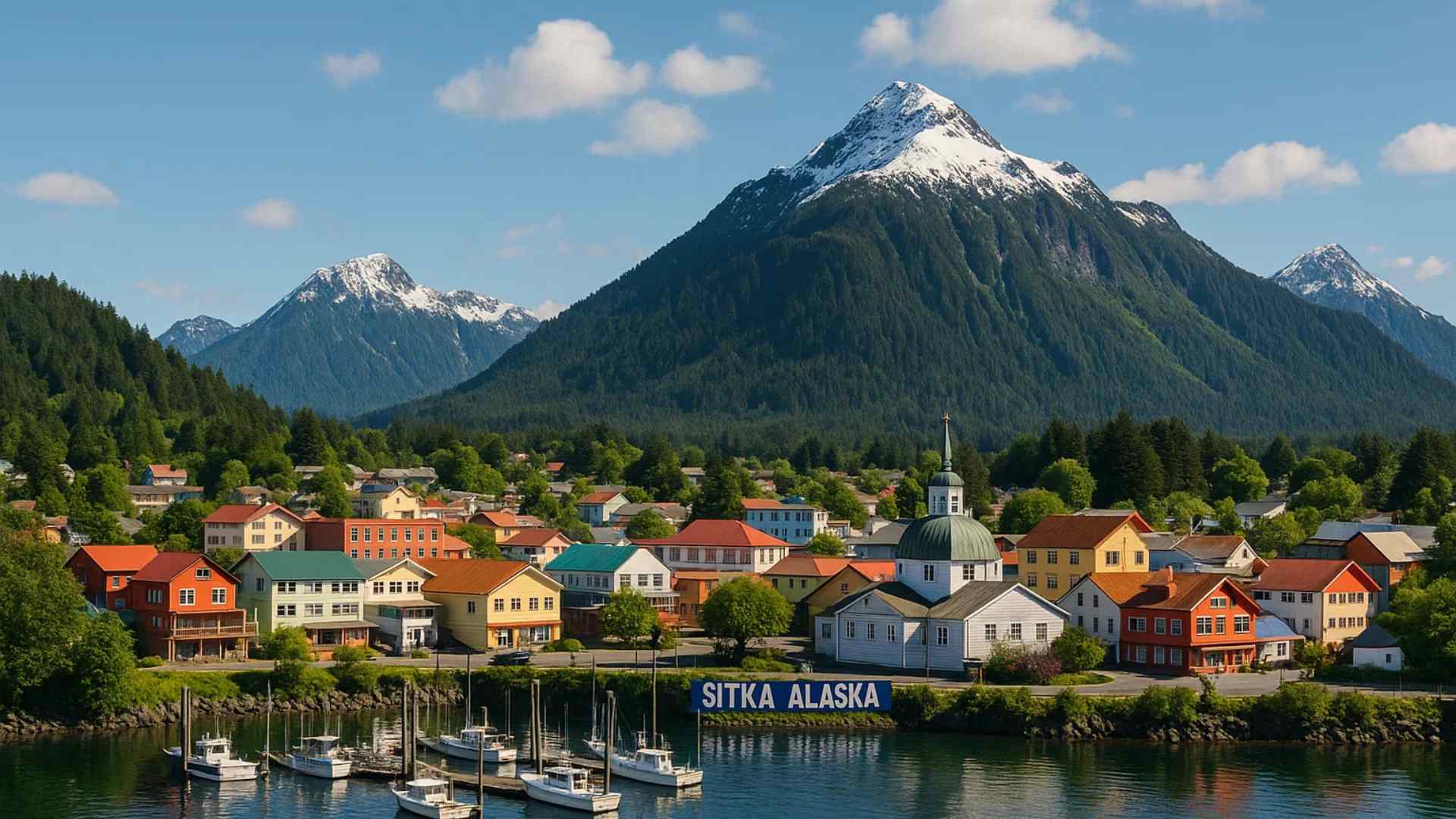
Sitka is the Alaska port where rainforest, island-dotted water, Tlingit culture, Russian colonial history, and wildlife all meet within one manageable day. The complication is that your arrival may be at a cruise terminal outside downtown or by tender directly into the central waterfront.
Once you solve that first transfer, Sitka becomes wonderfully flexible. You can build a culture-and-forest walk, a wildlife-center loop, or a small-boat trip without treating the day like a race.
My quick take
For a first visit, I would make Sitka National Historical Park and the downtown heritage sites the core of the day. Add one wildlife experience, either a marine excursion or a road loop to the Alaska Raptor Center and Fortress of the Bear, rather than trying to do all three.
If the ship docks outside town, understand the shuttle system before you leave the terminal. A reserved time, queue, or final departure can matter more than the short road distance suggests.
Sitka’s rain is not a reason to abandon the day. A proper waterproof shell, shoes with traction, and a route that mixes forest paths with indoor stops will carry you through most ordinary Southeast Alaska weather.
Quick Facts
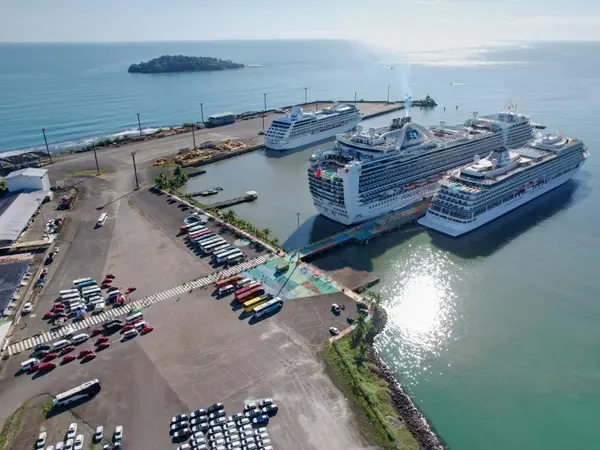
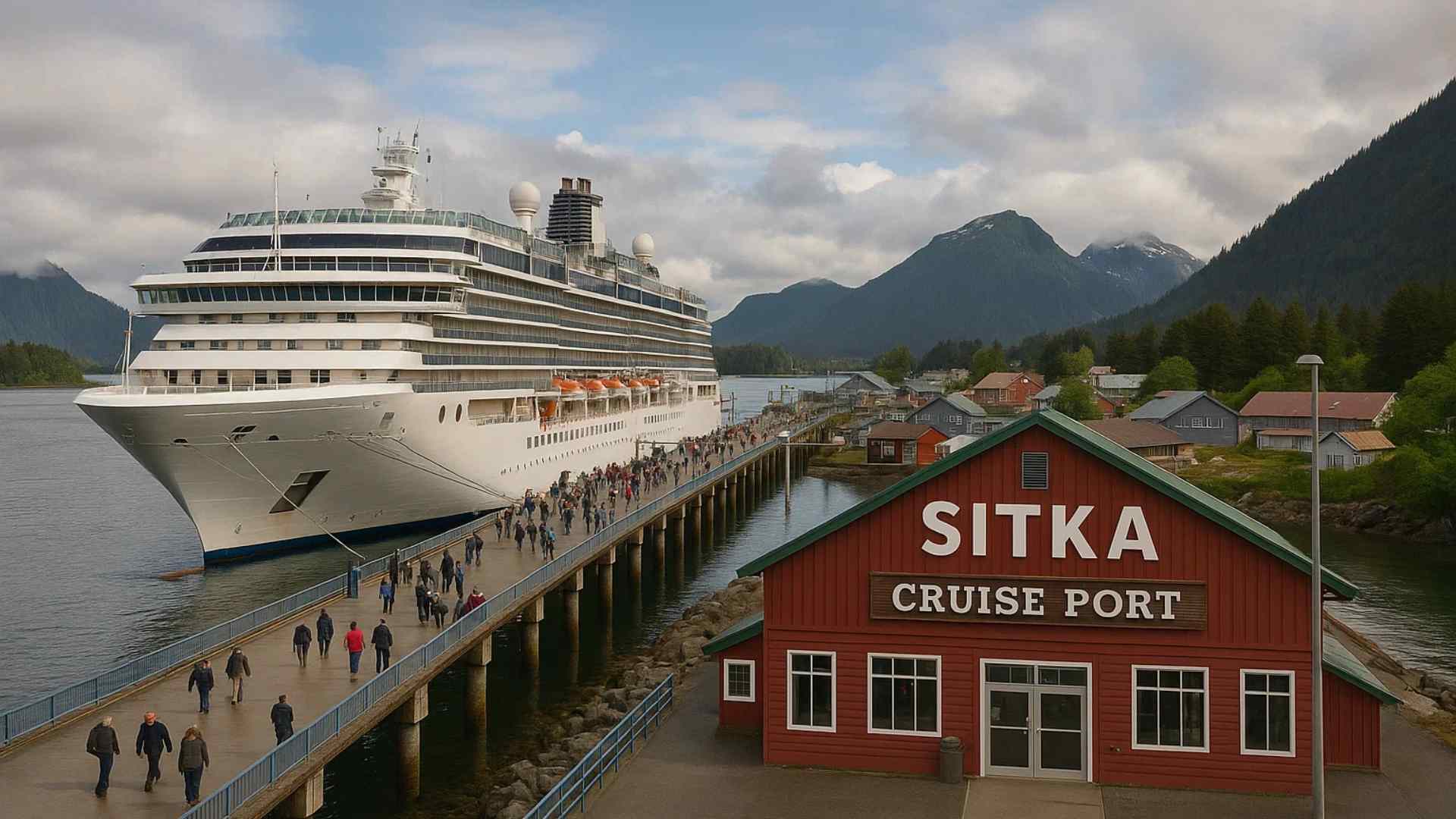
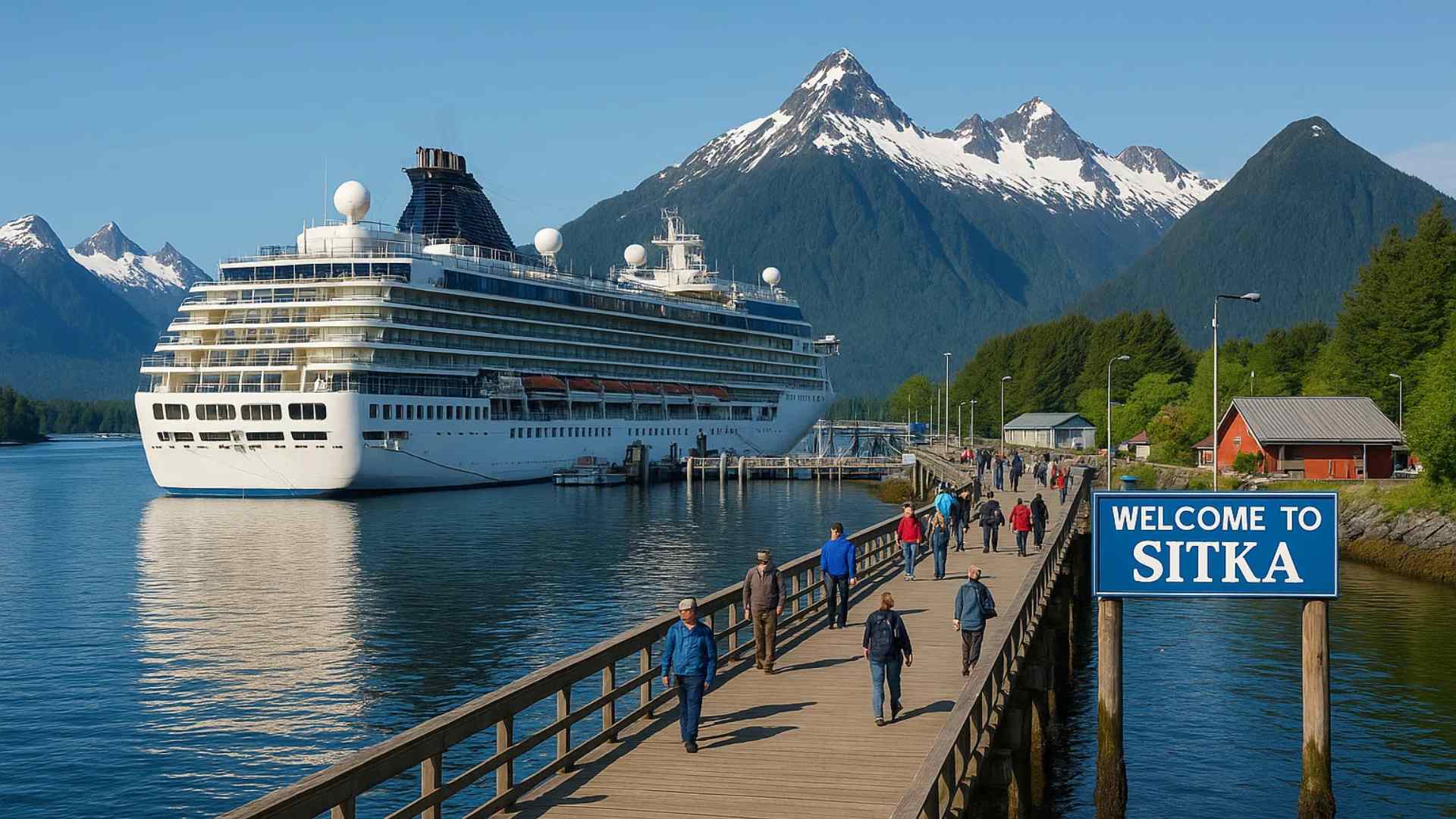
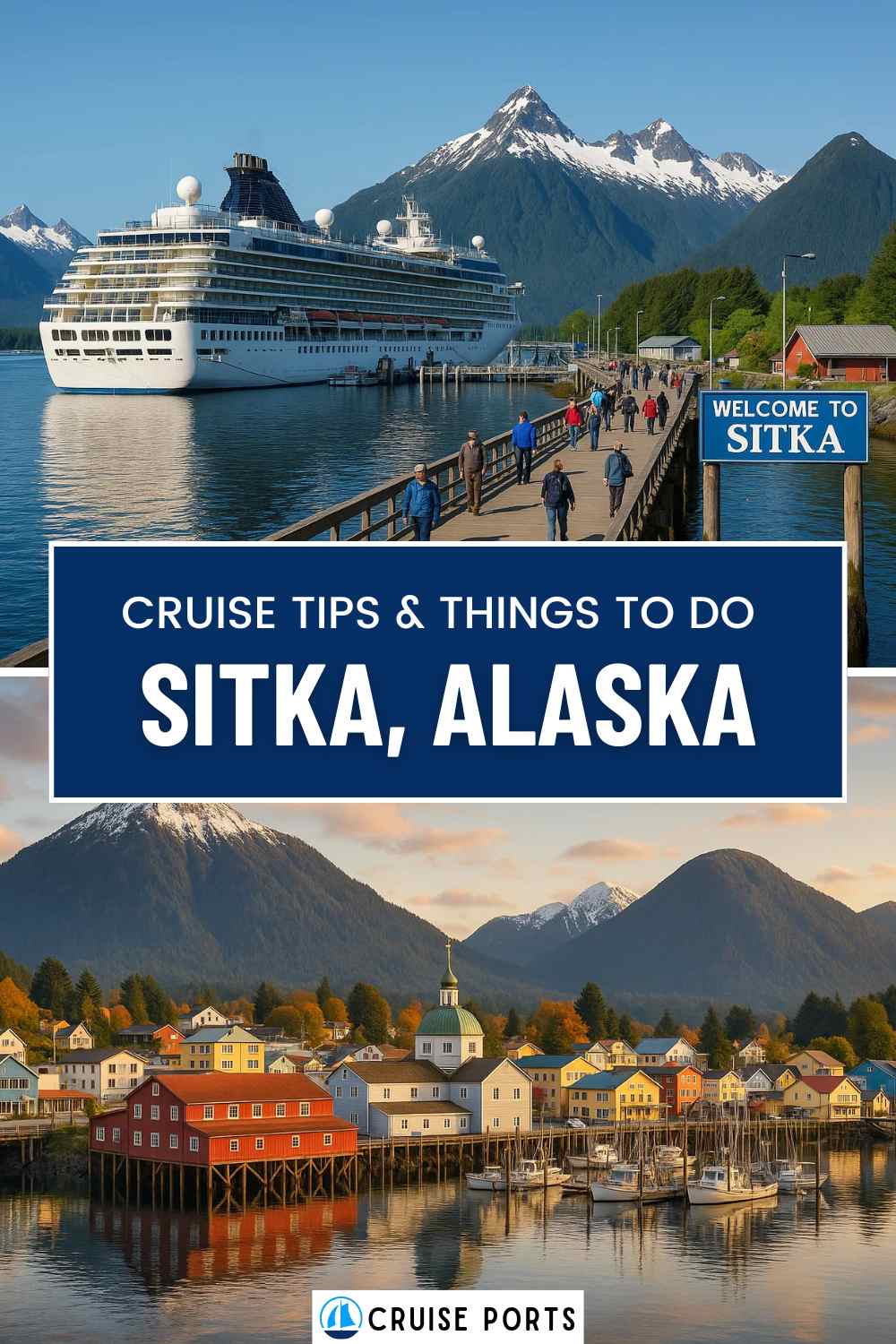
- Main dock: Many large ships use Sitka Sound Cruise Terminal north of downtown.
- Anchor calls: Some ships anchor and tender to the downtown waterfront, so check the official assignment for your sailing.
- Downtown transfer: Docked guests commonly use terminal shuttle service or taxis, while tendered guests may arrive within the walkable center.
- Best central route: Castle Hill, Saint Michael’s Cathedral, the waterfront, and Sitka National Historical Park form a strong independent day.
- Best wildlife choices: Pick a marine wildlife cruise or a land loop to the Alaska Raptor Center and Fortress of the Bear.
- Currency and language: Sitka uses US dollars and English, with Tlingit language and culture central to the community’s identity.
- Weather: Cool temperatures and rain are normal during cruise season, with conditions changing quickly on the water.
- Best planning rule: Protect the final shuttle or tender before adding any attraction outside downtown.
Docked or anchored changes the whole first hour
Sitka is not one uniform walk-off port. The published cruise schedule and your ship’s daily program should identify whether the call is assigned to a dock or an anchorage.
Sitka Sound Cruise Terminal
The large terminal north of downtown is also associated with Old Sitka Dock. It offers cruise services and road access, but it is not a practical sightseeing walk into the center.
Use the terminal’s current shuttle instructions for reservations, boarding order, downtown drop-off, and final return. Procedures can change between seasons or busy days, so last year’s passenger report is not enough.
The usual downtown hub is near Harrigan Centennial Hall, where you can reach Lincoln Street, the waterfront, and central attractions on foot. Photograph the shuttle sign before walking away, especially if your return needs a specific queue or time.
A taxi can save time when you want to go directly from the terminal to an outlying attraction. Confirm whether the driver can collect you later because demand rises sharply when several ships are in port.
Anchored ships and tenders
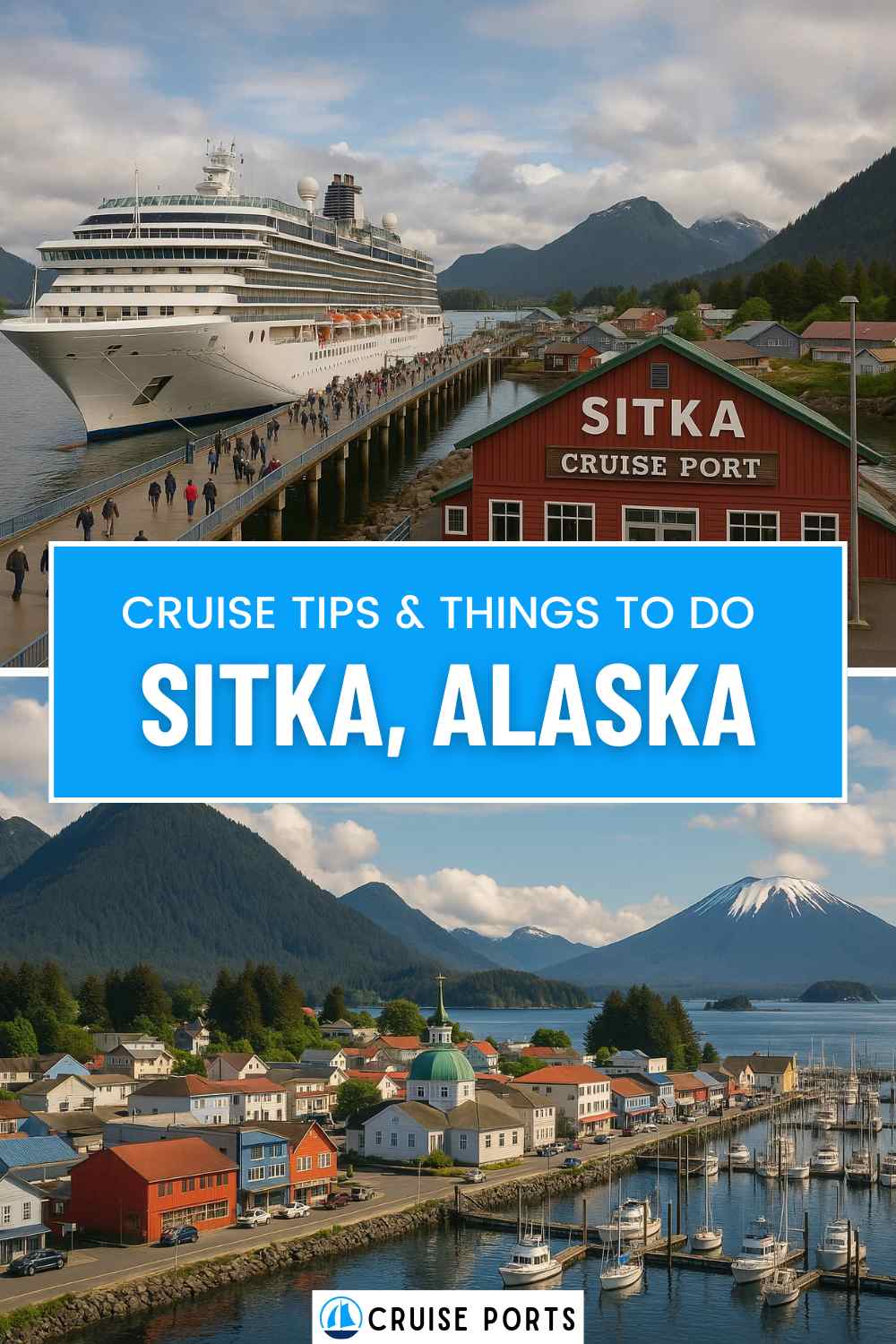
Ships assigned to anchor normally use tenders into the downtown waterfront. That creates a wonderfully central arrival, but wind, swell, tender capacity, and queueing influence how quickly you reach shore.
Write down the last tender time and aim earlier than the final boat. A line on the pier and a change in sea conditions can consume the buffer you thought you had.
Travelers with mobility devices must confirm the ship’s tender policy for the actual conditions. A crew may restrict boarding when movement between platforms becomes unsafe even if the weather looks mild from shore.
Do not infer the plan from ship size
A large vessel often docks and a smaller one may anchor, but the official berth assignment controls. Port operations can change, and your cruise line’s same-day message is the final authority.
If the assignment changes, rebuild the first and last parts of the day before worrying about attractions. Downtown walking remains easy, but terminal shuttle time and tender queues require different margins.
Start with downtown Sitka
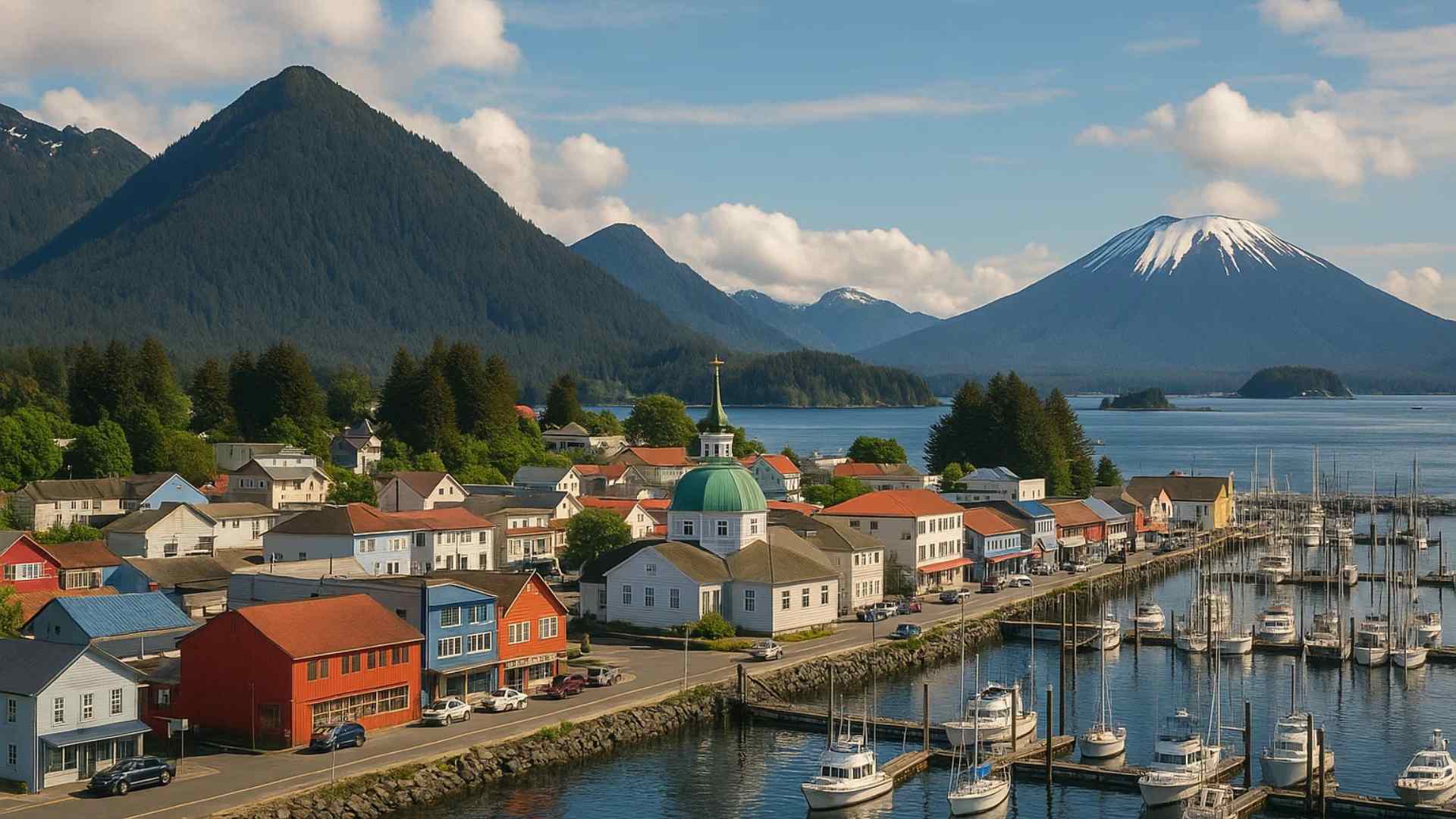
Lincoln Street is the spine of the compact center, with shops, galleries, cafés, historic buildings, and the green dome of Saint Michael’s Cathedral. It can feel busy around shuttle arrivals, but one side street quickly restores the town’s calmer character.
This is also a living community rather than a cruise-village set. Keep sidewalks and business entrances clear, and remember that local traffic continues even when thousands of visitors arrive.
Saint Michael’s Cathedral
Saint Michael’s Russian Orthodox Cathedral occupies the most recognizable corner in downtown Sitka. The present building follows the form of the earlier cathedral destroyed by fire, and rescued icons preserve a direct link with the original interior.
Opening access varies around services, ceremonies, and staffing. Step inside when invited by posted hours, dress and speak respectfully, and never treat worshippers as part of the display.
The cathedral tells only one part of Sitka’s story, but it makes Russian colonial presence visible in the center. Pair it with Tlingit interpretation at the national historical park so the day does not collapse into a single colonial narrative.
Castle Hill
Baranof Castle State Historic Site, usually called Castle Hill, rises just above the downtown waterfront. A short climb leads to harbor and island views that help you understand Sitka’s protected setting.
The formal transfer of Alaska from Russia to the United States took place here in 1867. The hill also sits within a much longer Indigenous landscape, so read the interpretation rather than reducing it to one flag-changing ceremony.
Castle Hill is easy to add between the shuttle hub and Lincoln Street. It also makes a useful early weather check before you commit to a boat or longer walk.
The Russian Bishop’s House
The Russian Bishop’s House is part of Sitka National Historical Park and preserves a rare example of Russian colonial architecture in North America. Tours, room access, and operating schedules can vary, so consult the National Park Service for the day.
This is a place where guided interpretation adds far more than a quick exterior photograph. If timing does not work, keep the main park unit and downtown walk as the day’s cultural anchors.
Sitka National Historical Park and the totem trail
The park’s coastal unit south of downtown combines forest, shoreline, cultural interpretation, and a collection of carved poles along walking paths. It is the most complete independent experience in Sitka because nature and history are inseparable here.
The land includes the site associated with the 1804 conflict between Kiks.ádi Tlingit defenders and Russian forces and their allies. Use National Park Service interpretation and Tlingit voices to understand the event rather than treating it as a picturesque background story.
Paths follow the Indian River and forest edge, with poles placed along a route that can be shortened to match time and mobility. Trail conditions, construction, and the location of individual poles can change, so check notices at the visitor center.
Rain improves the rainforest atmosphere but also produces puddles, roots, slick boardwalks, and darker light. Move slowly and keep the camera dry rather than trying to cover every branch of the trail.
Ranger programs, carving demonstrations, cultural presentations, and visitor-center exhibits may be offered according to season and staffing. Ask what is happening that day before deciding how far to walk.
The park is reachable from central Sitka on foot for many visitors, and the waterfront route adds harbor views along the way. Those with limited stamina can use a taxi one direction and walk only the section that feels comfortable.
Approaching the poles respectfully
The poles are cultural works with specific histories, crests, and meanings, not generic “totem” decoration. Read labels, listen to interpreters, and avoid inventing stories from figures you do not recognize.
Stay on marked routes and do not touch or climb the carvings. Respectful distance often gives a better view of the full composition anyway.
Wildlife by road
Alaska Raptor Center
The Alaska Raptor Center rehabilitates injured birds and provides permanent care for individuals that cannot return to the wild. Bald eagles are the headline animals, but education and rehabilitation are the real purpose of the visit.
Exhibits and viewing areas explain how birds recover, why some remain in human care, and how people can reduce threats to raptors. Program schedules and visible patients change because this is an active facility, not a predictable show.
The center sits beyond the tight downtown core but pairs naturally with the national historical park. A taxi or organized tour is the easiest option when you also want to include Fortress of the Bear.
Ask about accessibility, indoor viewing, and the distance between exhibits before booking. Rain does not necessarily ruin this stop, but some outdoor movement is still part of the experience.
Fortress of the Bear
The Fortress of the Bear is a nonprofit refuge and education center for bears that cannot be released to the wild. Elevated viewing areas let visitors observe resident brown and black bears while staff explain their histories and bear safety.
It is outside downtown in the former industrial area along Sawmill Creek Road. Use a taxi, organized tour, or a carefully confirmed transport plan rather than assuming you can walk there.
This is not a wild-bear sighting, and the distinction matters. Choose the refuge for education and a reliable view of resident animals, then choose a boat or wilderness outing if seeing wildlife in a natural setting is your priority.
Hours can be seasonal, and capacity may be managed on busy ship days. Book through the official center or a reputable local operator and leave enough transport buffer for the return.
Combining the two centers
A road loop connecting the raptor center and bear refuge is one of Sitka’s most popular excursion patterns. It works because both have focused visits and sit along the same general road corridor away from the ship terminal.
The risk is overfilling the day by adding a marine wildlife cruise and a long national-park walk as well. Choose either land-based wildlife plus culture or marine wildlife plus downtown for a more comfortable schedule.
Wildlife on Sitka Sound
Sitka’s outer coast and island-studded waterways offer excellent habitat for sea otters, sea lions, whales, seabirds, and other marine life. No operator can guarantee a particular species, so book for the landscape and regard wildlife encounters as a privilege.
Small boats may reach interesting coves and adapt quickly, while larger vessels often provide more indoor space and stability. Compare covered seating, outdoor viewing, restroom access, steps, rail height, flotation equipment, and motion before choosing.
A marine excursion should state its meeting point relative to your actual dock or tender landing. “Near the cruise port” means little in Sitka unless the operator names the terminal or downtown location.
Dress more warmly than you would for a downtown walk. Wind across the water can make the open deck feel sharply colder, even when the harbor is calm.
Keep both hands available when moving aboard and follow crew directions about wildlife distance. The best photograph is never worth leaning outside a safe rail or crowding the captain’s sightline.
Morning water is not guaranteed to be calm, and afternoon wildlife is not guaranteed to disappear. Choose the departure that best protects your ship and transport plan rather than chasing a rule that nature may ignore.
Kayaking
A guided kayak trip puts you near the surface of the sound and can reveal quiet coves, kelp, birds, and distant mountain views. Cold water, boat traffic, wind, and changing visibility make local instruction essential.
Ask whether beginners are welcome, what immersion protection is provided, and how the company changes routes in poor conditions. Describe mobility, balance, and paddling concerns honestly before payment.
A responsible cancellation is a sign of good judgment. Keep a land-based plan ready so a weather decision does not erase the day.
Getting around efficiently
Walking downtown
Once you reach central Sitka, walking handles Lincoln Street, Castle Hill, the waterfront, and much of the route toward the national historical park. Sidewalks are generally straightforward, with occasional slopes, wet surfaces, and busy crossings.
Use the water as an orientation guide and save a pin for the shuttle or tender landing. The center is compact, but returning to the wrong waterfront point can still waste time.
Terminal shuttles
Docked passengers should follow the terminal’s live shuttle process rather than assume open boarding. Check whether outbound or return travel requires a reservation, timed ticket, or queue on your date.
The final shuttle is not the moment to test how fast the line moves. Return early enough to absorb crowds, traffic, security, and boarding assistance.
Taxis
Taxis are the most efficient independent tool for Fortress of the Bear, the raptor center, and combinations outside downtown. Arrange a pickup or save dispatch information because a vehicle waiting at one attraction may be claimed quickly.
Groups can often divide the fare, making a private loop competitive with separate excursion tickets. Confirm whether waiting time is included and which attraction order avoids backtracking.
Public transit
Sitka’s public bus can serve parts of the road system, but frequency and walking distance may not suit a packed cruise day. Use the current local schedule and never make the last workable return your only plan.
Transit is more useful for one simple destination than a chain of three timed attractions. A missed connection can erase any money saved.
Three realistic Sitka plans
Culture, rainforest, and downtown
Begin with Castle Hill and Saint Michael’s Cathedral, then follow the waterfront toward Sitka National Historical Park. Walk a portion of the forest and pole trail, check the visitor center, and return through downtown for food or shopping.
This plan is affordable, flexible, and especially good for an anchored ship that tenders downtown. Docked passengers only need to protect the shuttle at both ends.
Land-based wildlife and history
Take a taxi or tour to Fortress of the Bear and the Alaska Raptor Center, then finish at the national historical park or downtown heritage sites. Visit the farther stops first so the final hours remain close to your departure point.
Do not add a full marine excursion unless the call is unusually long and the timing is guaranteed. Two wildlife centers plus culture already fill a satisfying day.
Marine wildlife and a short city loop
Book one reputable boat excursion, return to the center, and choose Castle Hill, the cathedral, or a partial national-park walk afterward. Let the water outing be the day’s major commitment.
If weather cancels the boat, pivot to the raptor center, bear refuge, museums, and downtown. Keep contact details for taxis or local tours accessible so the backup can begin quickly.
Food, shopping, and local pace
Sitka’s center offers seafood, cafés, bakeries, and casual meals within reach of the shuttle and tender areas. Menus and seasonal hours vary, so choose what is open and allows a calm return.
Ask what seafood is local and current rather than assuming every salmon or crab item came from nearby water. A simple chowder or fish plate can be more satisfying than an elaborate meal watched through a countdown clock.
Galleries and shops may carry work by Alaska Native artists alongside mass-produced souvenirs. Ask who made an item and where it comes from, particularly when purchasing carvings, prints, jewelry, or woven work.
Authenticity and artist attribution matter more than a bargain. Buy directly from artists or transparent local businesses when possible.
Lincoln Street becomes crowded when shuttle waves arrive. Step onto a quieter side street for a slower look rather than pushing through the densest block.
Accessibility and comfort
Sitka’s central waterfront and main downtown streets can support a good reduced-mobility day, but the exact arrival creates the first hurdle. Confirm the terminal shuttle or tender transfer for the traveler’s device, weight, and ability to transfer.
A general promise of accessibility is not enough for a tender call. Sea state can change what the crew can safely handle, even if the same passenger went ashore at another port.
Sitka National Historical Park has developed routes and visitor facilities, yet rain, roots, gravel, boardwalk transitions, and construction can affect the trail. Check current National Park Service accessibility and closure notices.
The raptor center and bear refuge each have their own paths, platforms, restrooms, and transport arrangements. Ask the venue directly about the route from vehicle drop-off to the primary viewing area.
Small wildlife boats vary dramatically in gangways, steps, seating, and restrooms. Describe the full need before booking and request a truthful answer about rough-water movement.
Build warm indoor pauses into the day because cold rain increases fatigue. A shorter route with dry breaks usually feels better than an ambitious itinerary completed uncomfortably.
Weather and what to pack
Sitka lies in Southeast Alaska’s coastal rainforest, so drizzle, low cloud, and showers belong to the destination. Sun may appear, but the plan should work without it.
Carry a waterproof shell with a hood, quick-drying layers, and shoes with reliable traction. A compact umbrella can help downtown but becomes awkward on boats and windy waterfronts.
Protect phones, cameras, passports, and ship information in a waterproof pouch. A wet screen is hardest to use precisely when you need the shuttle confirmation.
Bring sunglasses and sunscreen because bright breaks reflect strongly from water. Weather can change several times between breakfast and all aboard.
For a boat excursion, add a warm hat and light gloves even in summer. Keep them in the day bag rather than checked aboard the ship.
Common mistakes I would avoid
The first is assuming Sitka is always a walk-off port. Confirm dock or anchor before you calculate any sightseeing time.
The second is treating the downtown shuttle as an unlimited bus with no procedure. Check reservations, queues, stops, and the final return for your call.
The third is booking every wildlife option. A marine trip, bear refuge, and raptor center can overwhelm the day and leave no space for Sitka’s culture.
The fourth is telling Sitka’s history only through Russian landmarks. Tlingit history and living culture are foundational, and the national historical park provides essential context.
The fifth is expecting guaranteed wildlife. Ethical operators follow animals rather than stage them, and every sighting remains uncertain.
Finally, do not let rain keep you aboard. Good clothing and a flexible route are usually enough to reveal why Sitka is one of Alaska’s richest ports.
Quick answers
Do cruise ships dock or tender in Sitka?
Both occur. Check the official assignment and ship program because docked guests usually need a terminal transfer, while anchored guests tender downtown.
Can I walk from Sitka Sound Cruise Terminal to downtown?
It is not a sensible sightseeing walk for most visitors. Use the terminal shuttle, taxi, or an excursion with confirmed transportation.
What is the best free thing to do?
Combine Castle Hill, the waterfront, and the outdoor areas of Sitka National Historical Park. Check National Park Service information for any fees tied to tours or special programs.
Can I see bears in Sitka?
Fortress of the Bear provides dependable viewing of resident rescued bears. Wild bear sightings are never guaranteed and require safe, respectful distance.
Is the Alaska Raptor Center worth it?
Yes if rehabilitation, eagles, and wildlife education interest you. Pair it with the national historical park or bear refuge rather than trying to combine every major excursion.
Will rain ruin the visit?
Usually not. Wear waterproof layers, protect electronics, and combine outdoor trails with museums, churches, cafés, and wildlife centers.
The last word
Sitka becomes easy once you solve the arrival. Protect the terminal shuttle or tender, choose one wildlife priority, and let Tlingit culture, Russian colonial history, rainforest, and the sound share the rest of the day.
For the wider route, my Alaska cruise ports guide connects Sitka with Juneau, Ketchikan, and Skagway. Sitka is the stop where the layers of culture and landscape feel especially close together.
How this guide was researched: This guide was independently researched using official port, National Park Service, local tourism, wildlife-center, transit, and attraction sources. Logistics and time-sensitive details were reviewed in September 2026; see our Editorial Policy.