Sao Tome Cruise Port: Equator Islands, Rainforest & Cocoa
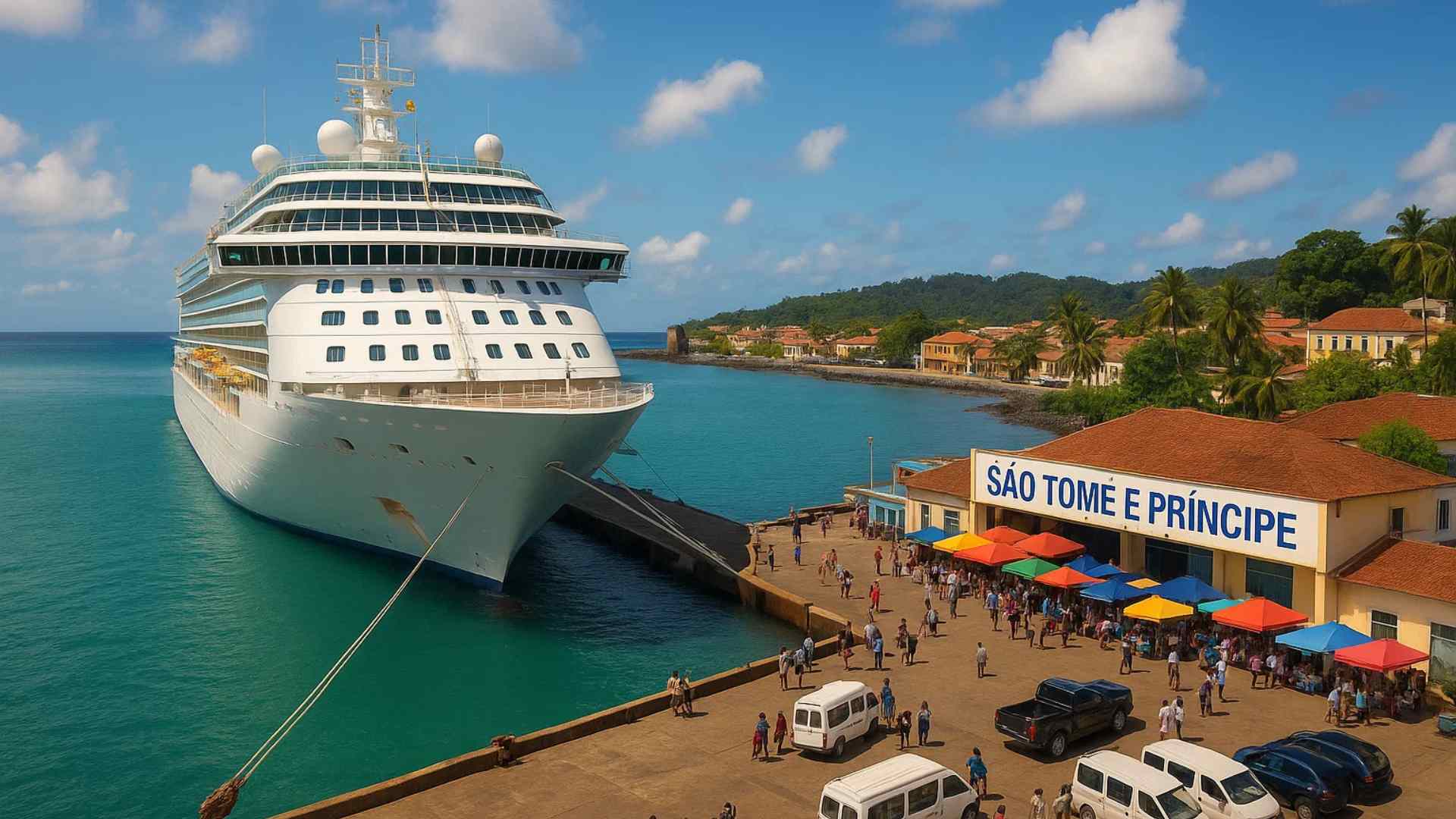
You are tendering into São Tomé, a rare world-cruise call where the capital, rainforest, cocoa history, and volcanic coastline compete for one short day.
São Tomé and Príncipe sits in the Gulf of Guinea, while the equator crosses Ilhéu das Rolas just south of São Tomé Island. Here is how I would shape a realistic day without turning it into a race.
My quick take
Sao Tome is a slow, green, gloriously off-grid call, and I would not try to see the whole island. Pick one thread, whether that is cocoa and colonial history, rainforest, or an equator beach run, and let the rest go.
It is a rare and often expedition-style stop, so treat it as a bonus rather than a checklist. If you are stitching together a longer route, my wider Africa cruise ports guide puts this tiny nation in context with the bigger calls.
The quick facts
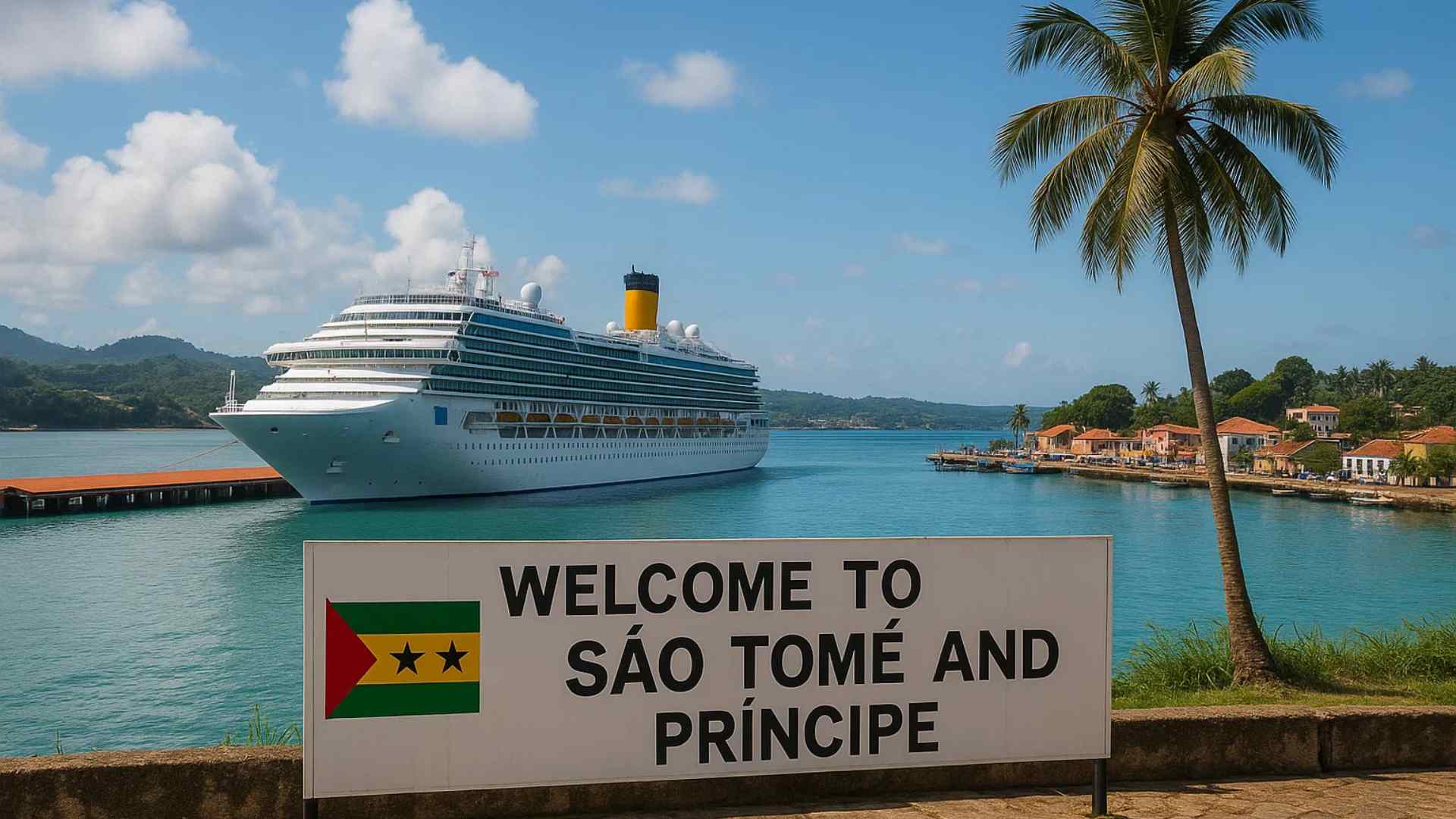
- Where you land: Most cruise calls anchor off São Tomé City and tender to the waterfront, although the final landing can vary by ship and local operations.
- Dock or tender: Plan for a tender transfer and follow the cruise line’s final notice if a small vessel receives a different assignment.
- Into town: A city waterfront landing puts the compact center close at hand, but confirm the exact return point before walking away.
- Currency and language: São Tomé and Príncipe dobra and Portuguese.
- Time zone: Greenwich Mean Time, UTC+0, with no daylight saving time.
- Call reliability: Wind and swell can slow or suspend tender operations, and the ship’s captain makes the final safety decision.
- Best first visit: Pair São Tomé City with one northern cocoa estate or choose one carefully timed southern route.
- Return margin: Reach the correct tender landing well before the ship’s cutoff, especially after a rural drive or local boat transfer.
The tender, and why the buffer matters
Sao Tome is a classic tender port, so you step off a moving platform onto the seafront rather than walking down a gangway. Crew are helpful, but choppy swell can slow the whole operation without much warning.
My rule here is a generous buffer, not a tight one. For anything beyond the city I aim to be back at the landing at least 90 minutes before the last tender.
If you are meeting a driver or a small-group tour, arrange to meet near the tender exit rather than the pier gates. That one detail saves a lot of confusion when everyone lands at once.
Getting around
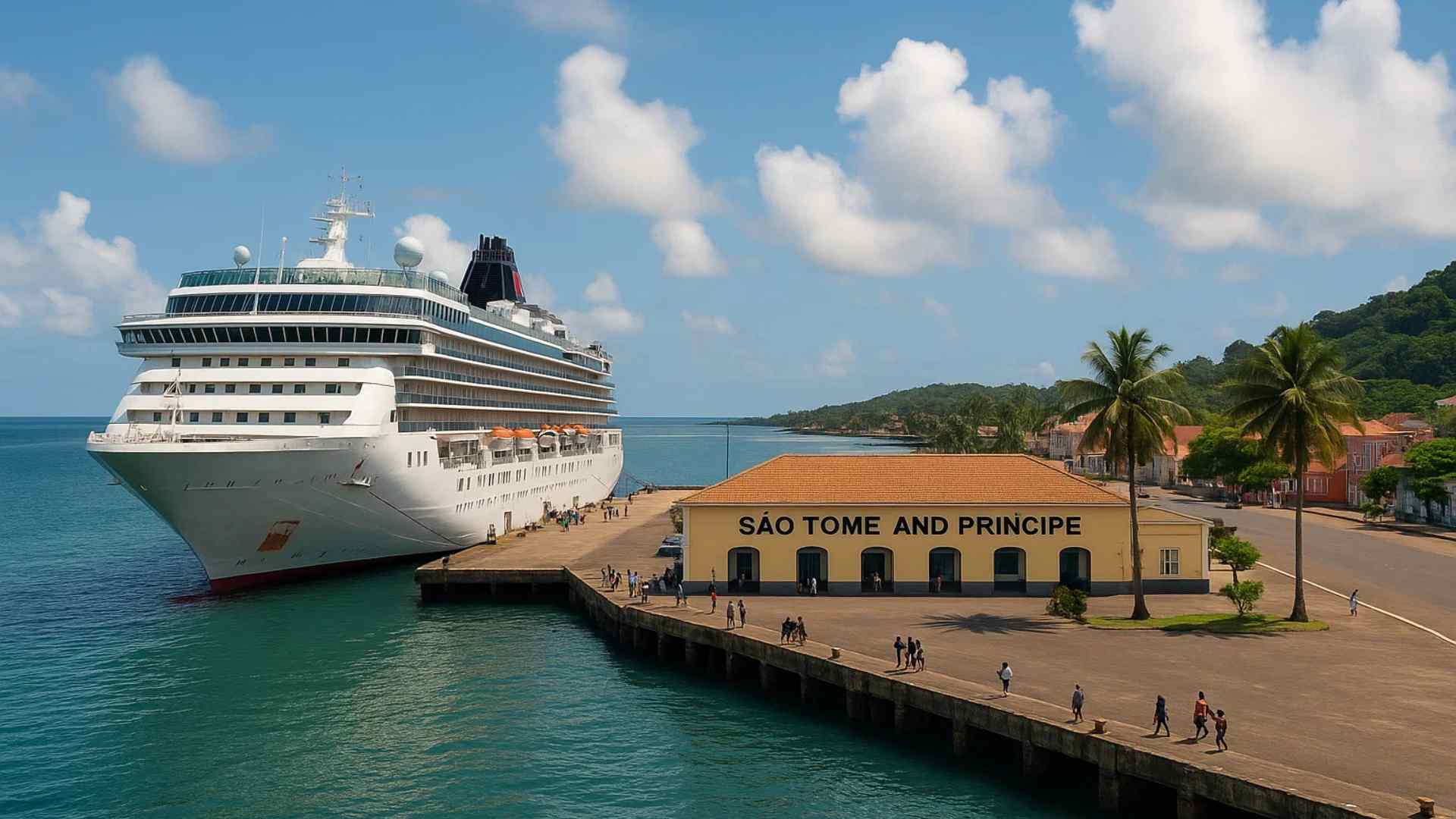
The compact old core is best on foot, and you can loop the waterfront, cathedral, market, and fort easily in a morning. Heat builds fast, so I plan shade and water stops rather than pushing through midday.
Beyond town, a taxi or a prearranged private driver is by far the most time-efficient choice. Agree the cash fare up front and make sure the driver knows your last tender time.
Shared minibuses are cheap but run on island time, which does not mix well with a cruise clock. Roads swing from smooth coastal blacktop to potholed tracks, so anything inland takes longer than the map suggests.
The stops I would actually spend time on
The Sao Tome City colonial center and cathedral: The old town is a walkable knot of faded pastel facades, arcades, and wooden balconies, easy to enjoy on foot straight off the tender. Our Lady of Grace Cathedral and the 16th-century Fort Sao Sebastiao anchor the harbor end, both a short stroll apart.
Roça Agostinho Neto and the cocoa story: A roça is a historic plantation estate, but Agostinho Neto should not be treated as a guaranteed working cocoa tour. Visit with a guide for the architecture and labor history, or reserve a current producer separately when tasting and active processing are the priority.
Obô National Park rainforest: Protected forest covers the island’s rugged interior and supports exceptional endemic plants and birds. Use a local guide and a current trail report because rain, mud, and drive time decide what is realistic more than a species count.
Pico Cão Grande, the volcanic plug: This dramatic spire is the island’s signature southern-road landmark and rises above the surrounding forest. Cloud can hide it, so treat roadside views as weather-dependent rather than a guaranteed photo stop.
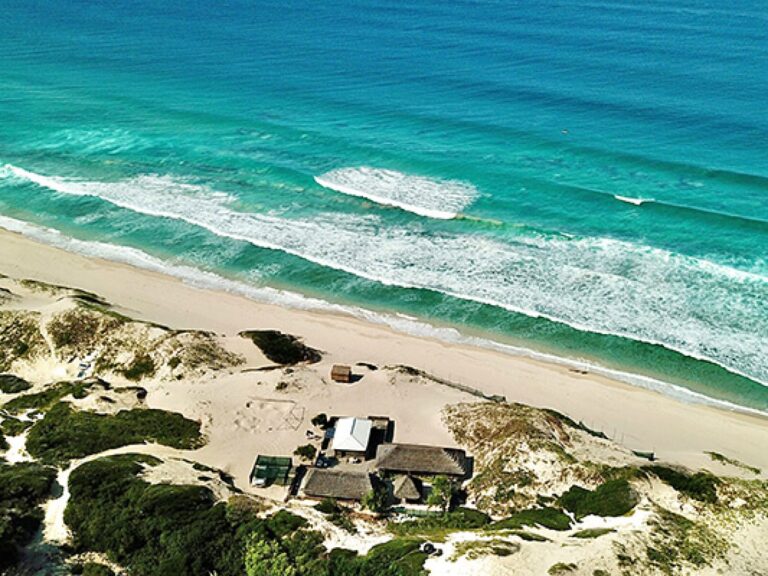
Beaches like Praia Piscina, and Boca do Inferno: Praia Piscina has lava shelves that trap warm, waist-deep tidal pools, perfect for a mellow wade. Boca do Inferno is a coastal blowhole where swells thunder up through the rock, so mind the wet edges and keep your distance.
The market and the waterfront: The Mercado Municipal is a cheerful pile of spices, bananas, and cocoa beans, and it is where I buy chocolate and pepper sauce to carry home. Ask before you photograph the stalls and keep your bag zipped in the crowd.
The palm-lined Avenida Marginal ties it all together along the bay. Fishermen mend nets, kids kick footballs, and skiffs slide out to the reefs, all at the island pace locals call leve-leve, meaning take it slow.
Fun fact: the equator, latitude zero, runs directly through Ilheu das Rolas off the southern tip, where a stone marker lets you stand with one foot in each hemisphere.
How I would plan the day
On a short call I would keep it simple and stay close. Walk the waterfront, step inside the cathedral, browse the market for chocolate and spices, then tour the fort for bay views before a bean-to-bar tasting.
With a longer day I would pick one direction and commit. Heading north pairs a historic roca with a calm-water swim, while the south rewards you with Pico Cao Grande views, Praia Piscina, and the equator boat over to Ilheu das Rolas.
Whatever you choose, front-load the driving before the midday heat. Leave room for one unplanned stop, whether that is a roadside coconut or a chat with a cocoa farmer.
If you want a rough shape for an eight-hour call, I would tender ashore around 08:00 and photograph the cathedral and fort first. Then I would drive north for a swim and a roca tour, and be back near the market by early afternoon with time to spare.
The single biggest mistake here is trying to do the north, the highlands, and the south in one call. You will spend the day in a car and miss the quiet magic that makes this island special.
A realistic word on accessibility
I will be honest, this is not an easy port for limited mobility. The tender means stepping on and off a moving boat, which can be genuinely difficult if the sea is running.
Ashore, the town is mostly flat but comes with high curbs, broken paving, and very few ramps. Tour vehicles are often high-step vans, so ask for a sedan or a prearranged car if steps are an issue.
When to go, and the weather
Sao Tome is equatorial, so it is warm and humid all year with two drier windows. The main gravana is generally drier and cooler from June into September, with a shorter dry spell sometimes occurring around January or February, though equatorial rain and sea conditions still vary within either window.
The wetter months bring heavy downpours, deep greens, and muddy forest trails. For current entry and safety details it is worth checking the US State Department country information page alongside your cruise line’s own briefing.
Wildlife follows seasonal patterns, but sightings and nesting access should be confirmed with a responsible local operator. Protected beaches may restrict visitors, and a cruise-day plan should never depend on encountering a particular animal.
Whatever the month, pack for the tropics and the sun. Reef-safe sunscreen, insect repellent, a hat, and water shoes for rocky entries will cover almost everything this island throws at you.
Cocoa, rainforest, and the equator are three different days
A historic roça may be atmospheric without operating as a cocoa factory, so confirm whether the visit includes a guide, active production, or a tasting. Travelers who mainly want chocolate should reserve a current producer or city tasting rather than expecting machinery to run at an unrestored estate.
A rainforest day needs a local guide, sturdy shoes, water, and a route chosen for recent rain. São Tomé’s endemic wildlife is a reason to slow down, not a guarantee of a particular bird, and trails can become muddy enough to shorten the planned walk.
Ilhéu das Rolas requires a long drive to the south of São Tomé plus a local boat, making it a poor independent choice on most calls. Attempt the equator marker only on a long day with a cruise-protected or carefully vetted operator, confirmed sea conditions, and a return that leaves a large tender buffer.
For a first call, the most reliable plan is São Tomé City plus one northern roça or one nearby nature stop. The southern road offers Pico Cão Grande viewpoints and beaches, but it should replace the city-and-north plan rather than be added to it.
Health, cash, and operator checks
Carry local dobras for small purchases because cards and ATMs are unreliable outside larger hotels. Agree transport cost, route, waiting time, and payment currency before leaving, then keep the driver’s contact details offline.
Mosquito protection matters in this tropical destination, and entry-health rules can depend on nationality and recent travel. Review current government health guidance and the cruise line’s instructions before sailing, including any yellow-fever documentation and malaria advice that applies to you.
Ask any boat operator about life jackets, passenger capacity, shade, landing method, and cancellation for swell. Remote beaches and local boats may have no step-free access, restroom, or reliable mobile service.
Quick answers
Is Sao Tome a tender port?
Usually yes, since most ships anchor in Ana Chaves Bay and tender to the seafront, while only small expedition vessels occasionally berth alongside.
Can I stand on the equator and still make the last tender?
Only consider Ilhéu das Rolas on a long call with the full road-and-boat chain confirmed and a protected return, because it is too fragile for a casual independent add-on.
What money should I bring?
Carry local dobras for routine purchases because the economy is cash based and international card acceptance is limited outside larger businesses.
Is it worth going ashore at all?
Absolutely if you like rare and remote, and the official Sao Tome and Principe tourism site is a good primer on the rainforest, roças, and beaches before you sail.
How it compares to other African island calls
If you enjoy Sao Tome, you will likely love the other far-flung tender islands off Africa. Nosy Be in Madagascar has the same slow, tropical, expedition-call feel, with beaches and spice plantations instead of cocoa.
Praslin in the Seychelles is another tender-in island with rare endemic nature, though it is far more polished for visitors. Sao Tome remains the wilder, rawer, and frankly more surprising of the three.

How this guide was researched: This guide was independently researched using official port, tourism, transit, government, attraction, and operator sources unless a first-hand visit is explicitly identified. Logistics and time-sensitive details were reviewed September 11, 2026; see our Editorial Policy.