Petersburg Alaska Cruise Port: Small Ships, Fishing Town and LeConte
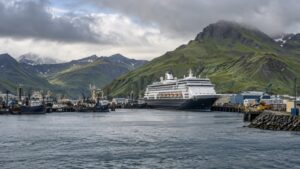
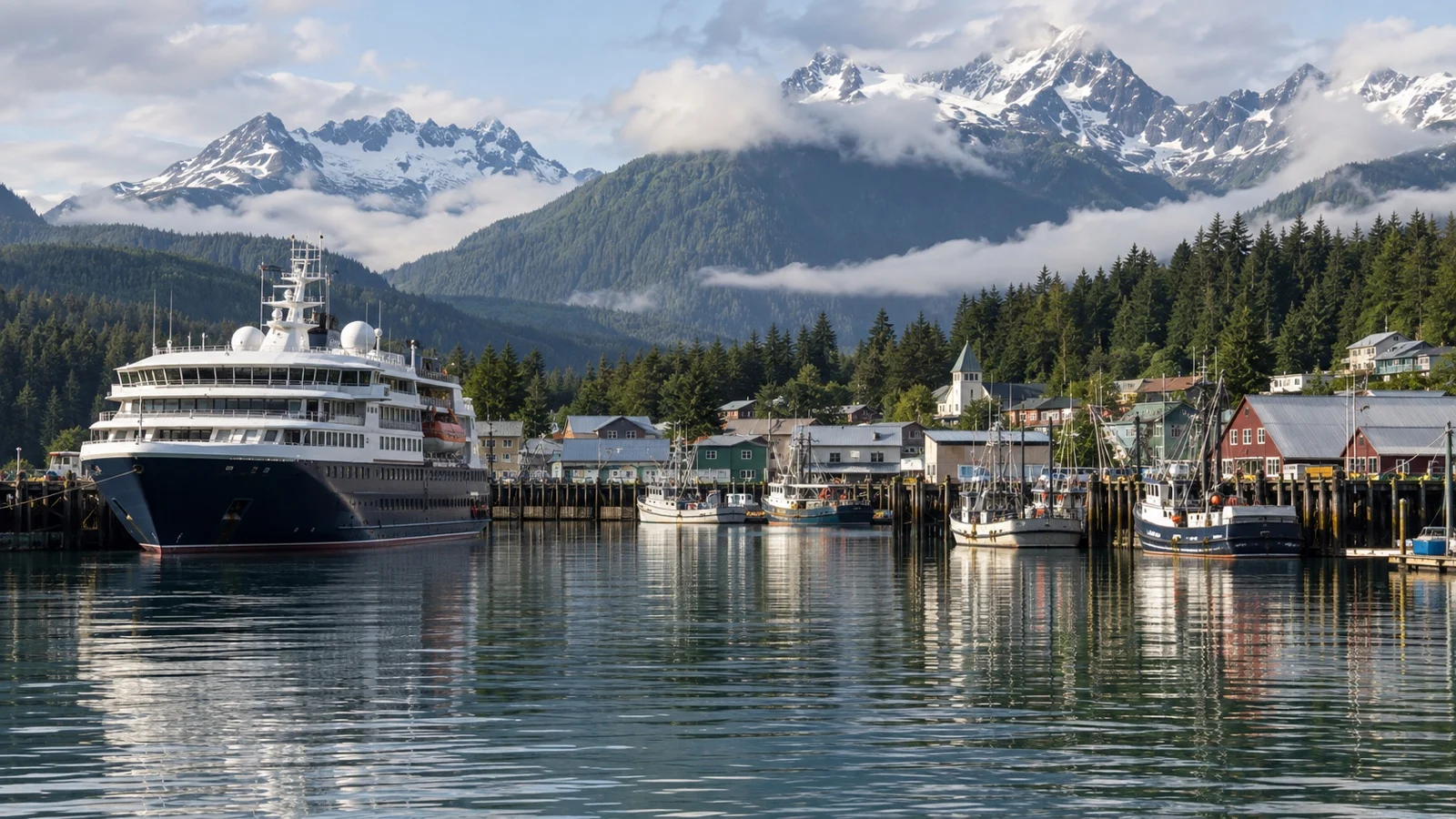
Petersburg is Alaska at a smaller, working scale: fishing vessels in the harbor, cannery sounds on the air, Norwegian details downtown, and Tlingit history that reaches far deeper than the modern town. The narrow Wrangell Narrows keep mega-ships away, which changes the entire feeling of a call.
Your vessel may dock or use a tender, and the exact harbor matters. Once ashore, you can stay with the town’s maritime life, explore Mitkof Island, or take a serious weather-dependent excursion toward LeConte Glacier.
Forget the usual Alaska terminal
Petersburg welcomes small cruise vessels because the approach through Wrangell Narrows is too constrained for the largest ships. The Chamber of Commerce describes three modern harbors close to downtown, but cruise docking or tender arrangements depend on the vessel and operating plan.
Read the daily program for the assigned dock, tender landing, security route, and final boarding. North Harbor, South Harbor, and other waterfront facilities are not interchangeable when the ship is preparing to sail.
If a tender is used, note tickets and the final boat. If you are alongside, watch ramp slope and any announced change because tide and harbor operations can affect access.
Quick facts
- Port style: Small-ship dock or tender arrival, with the exact harbor and landing confirmed onboard
- Currency: US dollar
- Language: English
- Best easy day: Working waterfront, downtown art, Clausen Museum, Hammer Slough, and a seafood lunch
- Best nature excursion: LeConte Glacier by qualified local boat or flightseeing operator
- Best island extension: Sandy Beach Park and a focused Mitkof Island drive
- Main risks: Rain, fog, small-boat conditions, ice, wildlife, and assuming a dock used by another ship
- Accessibility: Arrival method, ramp or tender, historic facilities, trails, and excursion boats all need separate confirmation
The harbor is part of the destination
Petersburg has one of Alaska’s important fishing fleets, so the waterfront is not staged for cruise visitors. Boats load, crews work, processors operate, and harbor vehicles move with practical purpose.
Stay in public areas, respect gates and signs, and never step onto a working float or vessel without permission. A good harbor walk observes the industry without getting in its way.
North and South harbors
The exact cruise arrival may place you closer to one end of town than another. Ask ship staff or the visitor center for the safest pedestrian route before choosing your first stop.
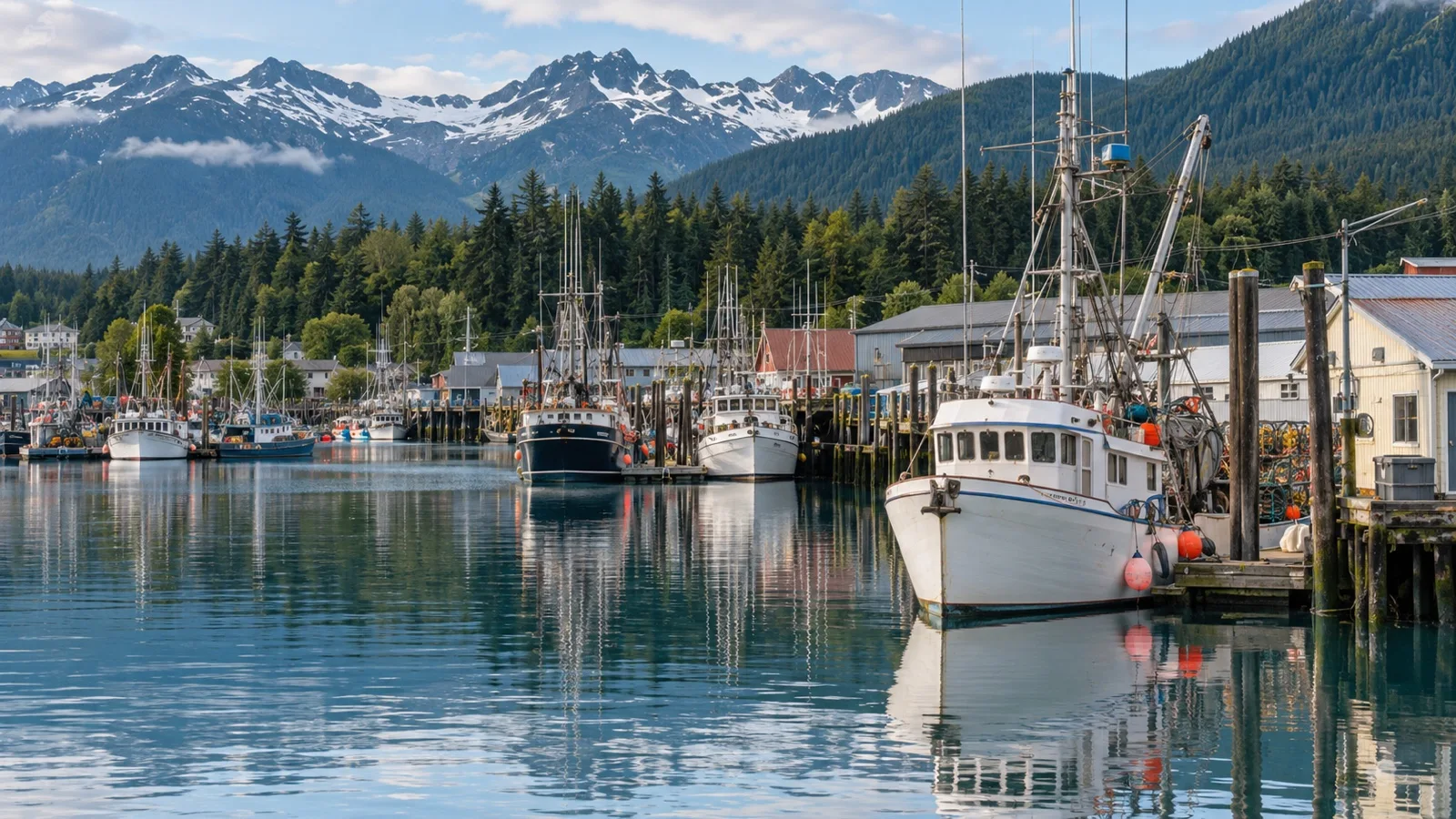
Floats and ramps can be slippery, steep, or restricted. Look for eagles and marine life from secure public viewpoints rather than leaning over working edges.
Fishing-town rhythm
Commercial fishing shapes Petersburg’s calendar, employment, food, and identity. The boats and processing facilities you see are part of a living industry, not museum pieces waiting for photographs.
Keep faces and work areas private unless permission is given. A respectful question at the right moment can lead to more insight than a camera pointed without asking.
Norwegian character and Tlingit homeland
Norwegian settler Peter Buschmann arrived in the late nineteenth century and helped develop the modern fishing community. Norwegian rosemaling, flags, the Sons of Norway presence, foods, and annual traditions remain visible in town.
That story exists within Tlingit homeland and alongside living Indigenous culture. The Petersburg Indian Association and local Native community continue cultural, civic, and stewardship work that should not be reduced to decorative motifs.
Downtown details
Look down for bronze sidewalk art and up for rosemaling, murals, signs, and harbor views between buildings. Petersburg rewards attention more than a checklist because its cultural layers appear in ordinary streets.
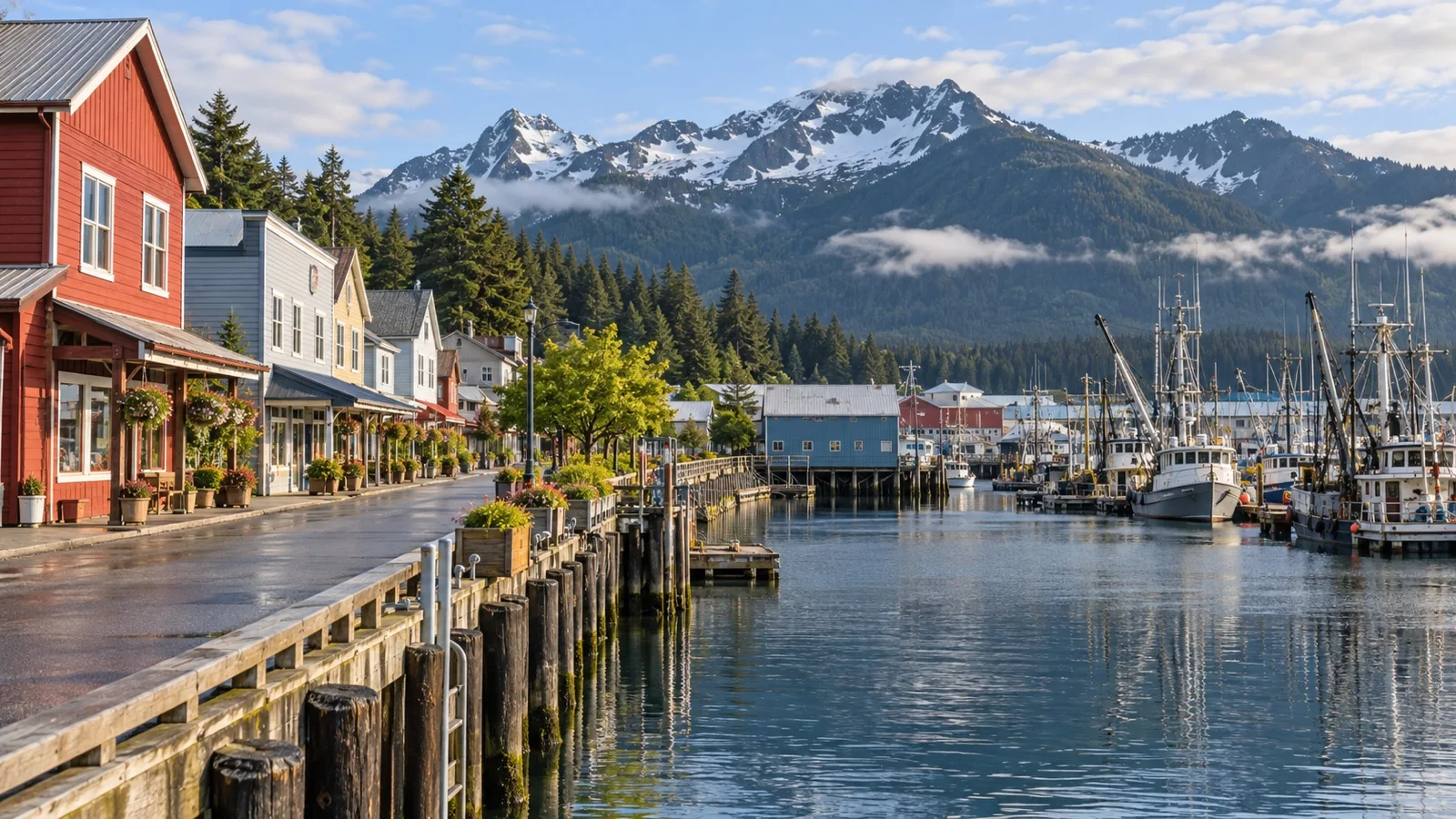
Visit local galleries and shops when open, and ask about the artist before buying. Authentic Alaska Native work should be represented accurately, with the maker and cultural context respected.
Totem poles and public art
Public totem poles and Native artworks are cultural expressions, not props for climbing or comic poses. Read available interpretation and keep a respectful distance during ceremonies or community events.
Do not invent meanings from visual guesses. Use information from the artist, tribe, museum, or official interpretation when available.
Clausen Memorial Museum
The Clausen Memorial Museum is the best compact introduction to Petersburg’s local history, fishing economy, cultures, and community life. Its schedule can be seasonal, so check current opening before building the whole morning around it.
Give the exhibits time because they make the rest of the town easier to read. Boats, tools, photographs, natural history, and family stories turn the harbor from scenery into evidence.
When the museum is closed
Use the visitor center, downtown interpretation, public art, and waterfront as the backup. A small town can still tell its story without every interior venue operating on your call date.
Do not peer into closed buildings or cross barriers. Ask where current public displays are available and support a local cafe or gallery instead.
Hammer Slough and a town walk
Hammer Slough brings water, houses, small boats, and reflections into the center of town. It is an easy scenic addition when public walkways and weather are suitable.
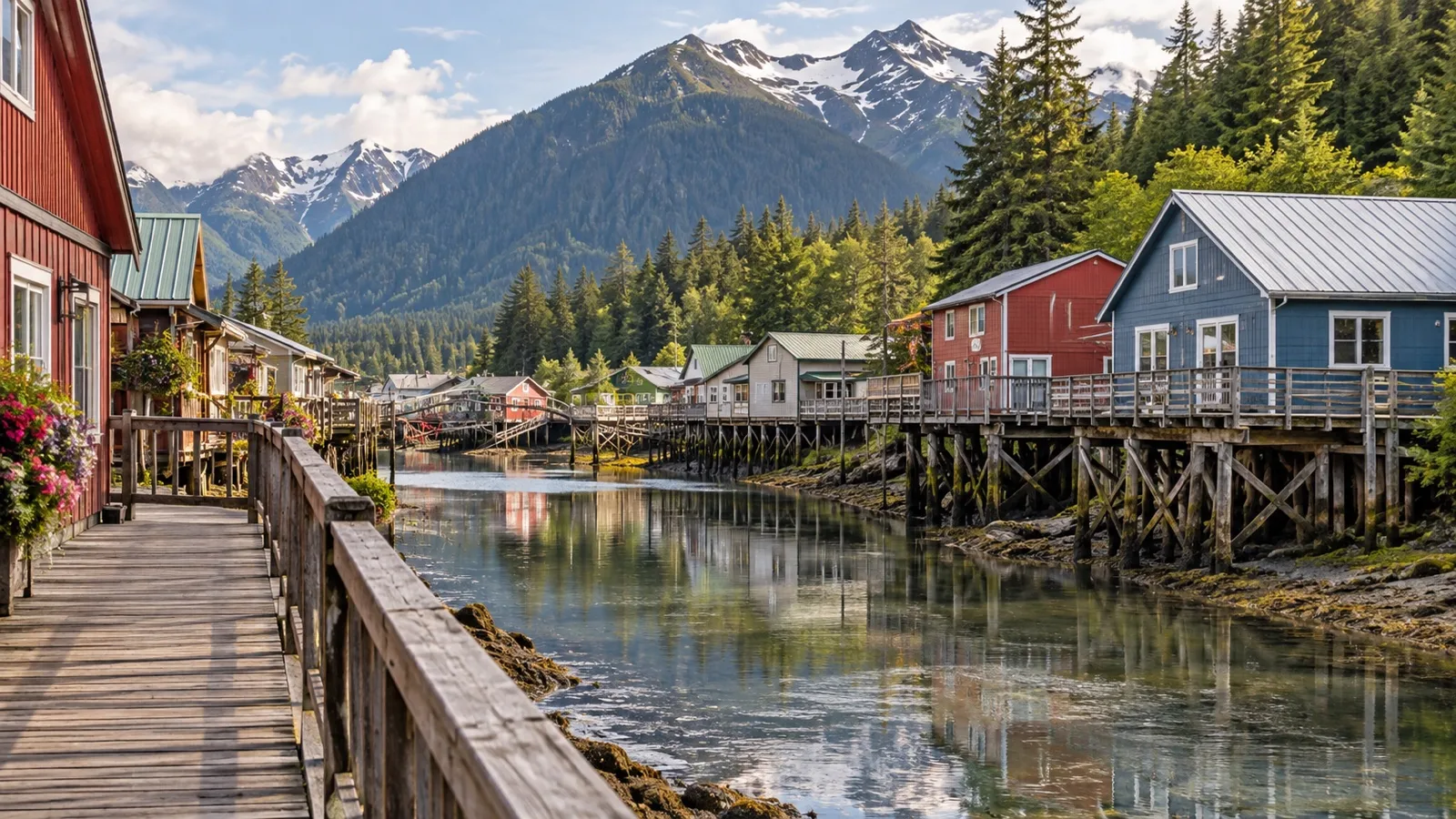
Stay on marked routes and respect private property around homes and docks. Rain can make boardwalks, ramps, and painted surfaces unexpectedly slick.
A practical loop
Start from the confirmed landing, walk Nordic Drive, visit the museum or visitor center, and continue toward Hammer Slough. Add a harbor edge, local art, and lunch according to your available hours.
The loop is flexible enough to shorten if the ship changes boarding time. It also keeps you close when a marine excursion is canceled.
Sandy Beach Park and ancient shoreline history
Sandy Beach Park offers a coastal setting beyond the immediate downtown, with views, forest, and access to a landscape connected to long Indigenous use. Ancient fish-trap remains and petroglyphs may be visible under appropriate tide and conditions.
Treat these features as cultural heritage, not souvenirs. Do not touch, chalk, rub, move, or remove anything, and follow Petersburg Indian Association, borough, and federal guidance.
Tide matters
Low-tide timing can influence what is visible, while slippery rock and seaweed increase fall risk. Check an official tide source and never let the search for a carving pull you toward rising water or unstable footing.
A local guide can add context and help prevent accidental damage. The experience is more meaningful when the shoreline is understood as a place of continuing cultural importance.
Getting there
Use a taxi, bicycle, or prearranged local tour depending on weather and ability. Confirm the return because transportation supply is limited compared with a large cruise port.
Cyclists should ask about route, traffic, helmet, lock, and roadside support. Rain, wind, and wet pavement can make the return slower than the outward ride.
LeConte Glacier needs a real excursion plan
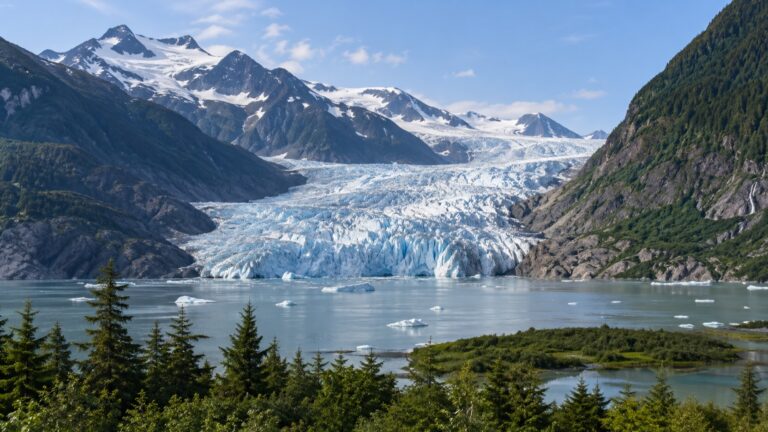
LeConte Glacier lies beyond town and cannot be meaningfully seen from a downtown stroll. A local boat or flightseeing excursion is the practical way to experience the glacier and the ice-filled marine landscape.
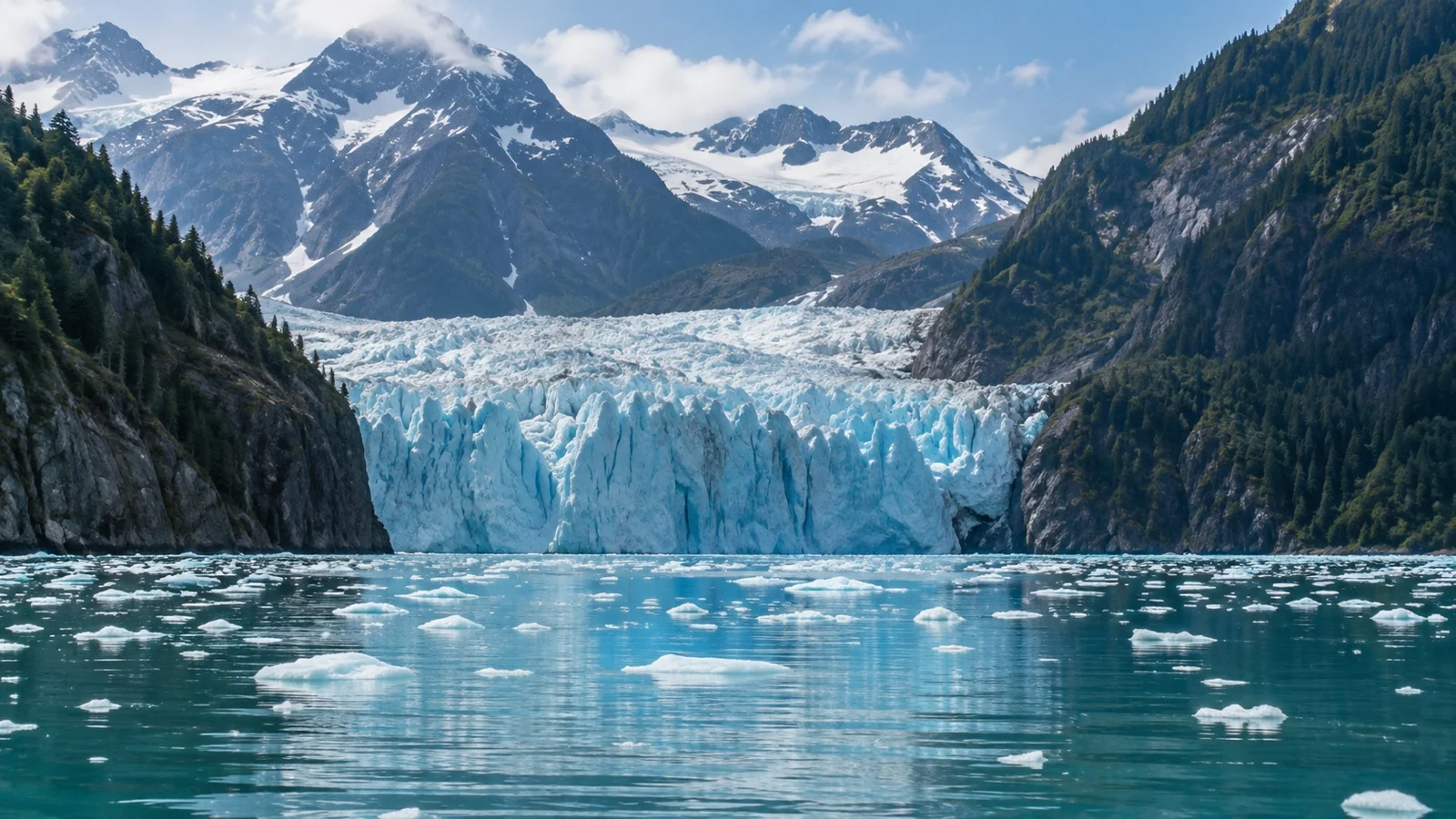
The journey depends on weather, visibility, sea state, ice, vessel capability, and the captain or pilot’s safety decision. A confirmed reservation is still not a guarantee that nature will allow the planned route.
Small-boat excursion
A boat tour can provide close marine perspective, wildlife sightings, ice, and a sense of the fjord. It also means hours on a smaller vessel with cold air, spray, changing motion, and limited flexibility once underway.
Book a licensed, insured operator who understands the cruise schedule. Ask about heated cabin space, flotation gear, toilets, food, minimum mobility, wildlife practices, and the exact port return.
Flightseeing
Flightseeing can reveal the larger landscape and reduce travel time, but it depends strongly on visibility and aviation safety. The pilot’s decision is final, and no photograph is worth pressuring an operator into marginal conditions.
Ask about aircraft steps, seating, weight information, cancellation terms, and where the transfer meets you. Build a ground backup in case cloud or wind closes the flight.
Ice is not a playground
Glacier ice can shift, roll, calve, or create waves without fitting a visitor’s expectations. Stay inside the safety limits set by the captain and keep hands away from ice unless crew explicitly permits an activity.
Wildlife viewing should also remain responsible. Do not demand that a boat crowd whales, seals, sea lions, or nesting areas for a closer image.
Return margin
Choose an excursion designed around your vessel’s call, not a general visitor timetable. The operator should plan to return well before final boarding and have a way to communicate if conditions change.
If the ship arrives late, let the captain shorten or cancel the trip. Borrowing from the final safety buffer is not a reasonable recovery plan.
Mitkof Island by road
A focused drive can reveal muskeg, forest, shoreline, creeks, and viewpoints beyond downtown. The Tongass National Forest surrounds the region, and roads or trails may be affected by maintenance, weather, bears, or seasonal conditions.
Boardwalks and trails
Some local walks use boardwalks through wet landscapes, which can become slippery with rain, algae, frost, or leaves. Ask the Forest Service or visitor center for current trail condition before leaving town.
Carry rain gear, stay on the route, and turn around before the schedule depends on your fastest pace. A short nature walk is enough to understand the wet forest environment.
Blind Slough and wildlife
Blind Slough and other island areas may be included in guided wildlife or nature trips. Salmon timing, bear activity, closures, and observation rules vary by season.
Use a knowledgeable local guide when wildlife is the goal. Never approach, feed, or block an animal’s path, and carry food according to current bear-safety guidance.
Do not rent time you do not have
A rental car or van can add flexibility, but pickup, paperwork, fuel, and return all consume the call. Confirm office hours and availability because fleets are limited.
One coastal park and one short trail usually make a better day than a race across every road on Mitkof Island. Keep the town as the final stop so the return becomes simpler.
Four port-day plans
Four useful hours
Stay in Petersburg, walk the harbor, visit the Clausen Museum if open, see Hammer Slough, and eat downtown. This plan remains strong even when the arrival is tendered or delayed.
Add shopping or public art only as time allows. The working waterfront deserves more attention than a rushed ride out of town.
Six to eight useful hours
Choose LeConte by boat or flightseeing, or take a focused Mitkof Island nature tour. Return early enough for a museum, meal, or harbor walk near the landing.
Do not combine the glacier with a long road itinerary. One major excursion plus town is the right scale.
A weather-disrupted call
If a boat or flight cancels, begin with the visitor center and museum, then explore the downtown art and harbor. Add Sandy Beach Park only if a reliable vehicle and safe conditions are available.
Rain does not ruin Petersburg because rain is part of the place. Good clothing and a flexible town plan matter more than a perfect forecast.
Culture-focused day
Visit the museum, seek authorized Indigenous and local art, walk the Norwegian details downtown, and learn how fishing connects every layer. Finish with seafood and a respectful harbor stroll.
This is the day that often feels most specific to Petersburg. It requires curiosity, not complicated logistics.
Accessibility changes with the landing
A small ship may use a dock, float, ramp, or tender, and each creates different barriers. Ask the cruise line about wheelchair, scooter, gangway, and transfer procedures before sailing, then confirm after arrival is assigned.
Harbor ramps can change slope with tide, while rain makes surfaces slippery. Crew and harbor staff decide what is safe, and their guidance must be followed.
Downtown distances are modest, but curbs, gravel, boardwalks, historic buildings, and weather affect practical access. Contact the museum and tour operator for entrances, restrooms, seating, and vehicle drop-off.
LeConte boats and small aircraft have very specific boarding demands. Ask for step height, doorway width, assistance, seating, toilet access, and emergency procedures before booking.
An accessible van tour can provide island scenery without difficult trails. Confirm securement, lift or ramp, and the actual walking required at each stop.
Rain, fog, and wildlife
Southeast Alaska weather can shift quickly, and rain is common. Bring a waterproof outer layer, warm midlayer, hat, gloves in cooler periods, and shoes with secure wet-weather grip.
Fog can cancel flightseeing, while wind and ice influence marine tours. Keep a town plan ready so a safety decision does not feel like a lost day.
Bears may use forests, streams, and shoreline areas, while eagles and marine mammals appear around town and water. Give wildlife space, keep food controlled, and follow Forest Service and local guidance.
Do not rely on a ship balcony or crowded tour group as protection. Make noise where advised, stay aware, and never step between an animal and its route.
Food, money, and practical details
Petersburg uses the US dollar, and cards are useful in many businesses. Carry a backup payment method because small-town systems, power, or connectivity can fail.
Seafood is central to the community, but menus and opening hours change with season and supply. Ask what is local, check allergy preparation, and eat early enough that service never threatens boarding.
Cell service may be available in town but less reliable on remote water or roads. Download the ship contact, operator number, landing point, maps, and all aboard time.
Local shops depend on both residents and visitors. Buy with attention to maker, source, and cultural representation rather than treating the town as a row of cruise souvenirs.
Set the return before leaving
Begin with the ship’s final boarding time and move your personal deadline earlier. Add more margin for tenders, harbor ramps, distant roads, small boats, and flights.
For downtown, return to the exact dock or tender landing rather than the nearest harbor. For LeConte, insist on an operator’s cruise-specific return that allows for weather and harbor maneuvering.
If conditions change, shorten the excursion promptly. A captain or pilot choosing safety has not failed to deliver the day.
Carry your cruise card, required identification, ship contact, and funds for alternative transport. Contact the operator or port agent early if a delay develops.
Frequently asked questions
Do large cruise ships visit Petersburg?
Wrangell Narrows limits access for the largest vessels, so Petersburg is primarily a small-ship port. That is one reason the town feels different from major Alaska cruise centers.
Will my ship dock or tender?
Either may be possible depending on vessel and harbor operations. The daily program provides the exact dock, float, or tender landing.
Can I walk into town?
Petersburg’s harbors are close to downtown, and many central sights are walkable. Confirm the marked route from your specific arrival point.
Can I see LeConte Glacier from town?
Not as a meaningful glacier visit. Book a qualified boat or flightseeing excursion and accept that weather, ice, or visibility may change it.
Is Petersburg worth exploring without a tour?
Yes, especially for the working waterfront, museum, public art, Norwegian details, Tlingit context, Hammer Slough, and local food. Staying close also gives you the strongest return margin.
Can I see petroglyphs at Sandy Beach?
Visibility depends on tide and conditions, and the features must be treated as protected cultural heritage. Use local guidance, remain on public access, and never touch or remove anything.
What if my glacier trip cancels?
Use the town plan immediately, then add Sandy Beach or a short forest walk only when transport and conditions are secure. Petersburg itself is substantial enough to carry the day.
Sources and update note
This guide was checked against the Petersburg port and harbor visitor information, the Petersburg history and culture guide, the Petersburg attractions guide, the US Forest Service Tongass National Forest, the Petersburg Borough, and current ship operating guidance. Docks, tender points, museum hours, excursions, trail conditions, wildlife closures, tides, and weather decisions can change, so verify them for your call.
Petersburg is most memorable when you respect its small scale and let the fishing town, cultures, forest, or glacier become the real experience rather than a backdrop. Confirm the landing, trust local captains and pilots, and protect the return so the day keeps the quiet authenticity that brought you here.