Marietta, Ohio River Cruise Port: Levee and Downtown Guide
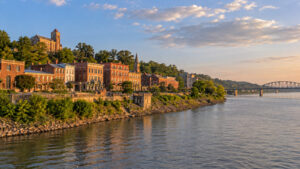
Marietta gives river cruise travelers a genuinely easy introduction to a small Ohio city, with the Ohio and Muskingum rivers meeting beside a walkable historic center. The only detail that can undo a relaxed day is assuming that every vessel always uses the same levee position.
A visitor-bureau listing for August 2026 placed American Heritage at the Ohio River Levee on Front Street, but water level and operations can change the gangway. Confirm the landing, shuttle, and return point on the ship before heading into town.
Marietta river cruise port quick facts
- Documented 2026 landing: Ohio River Levee at 100 Front Street for a named American Heritage visit.
- Town access: Front Street and the confluence area begin close to the levee, with more distant museums requiring a longer walk or shuttle.
- Best first visit: Combine the riverfront, Muskingum Park, Front Street, and either Campus Martius Museum or The Castle.
- Important closure: Ohio History Connection says the Ohio River Museum is closed while a new facility is built.
- Currency: US dollar, with cards common and a little cash useful at markets or small businesses.
- Time zone: Eastern Time, using UTC minus 5 in standard time and UTC minus 4 during daylight saving time.
- Main variable: Ohio River conditions can change the landing surface, ramp angle, schedule, or port call.
Where river cruise ships land
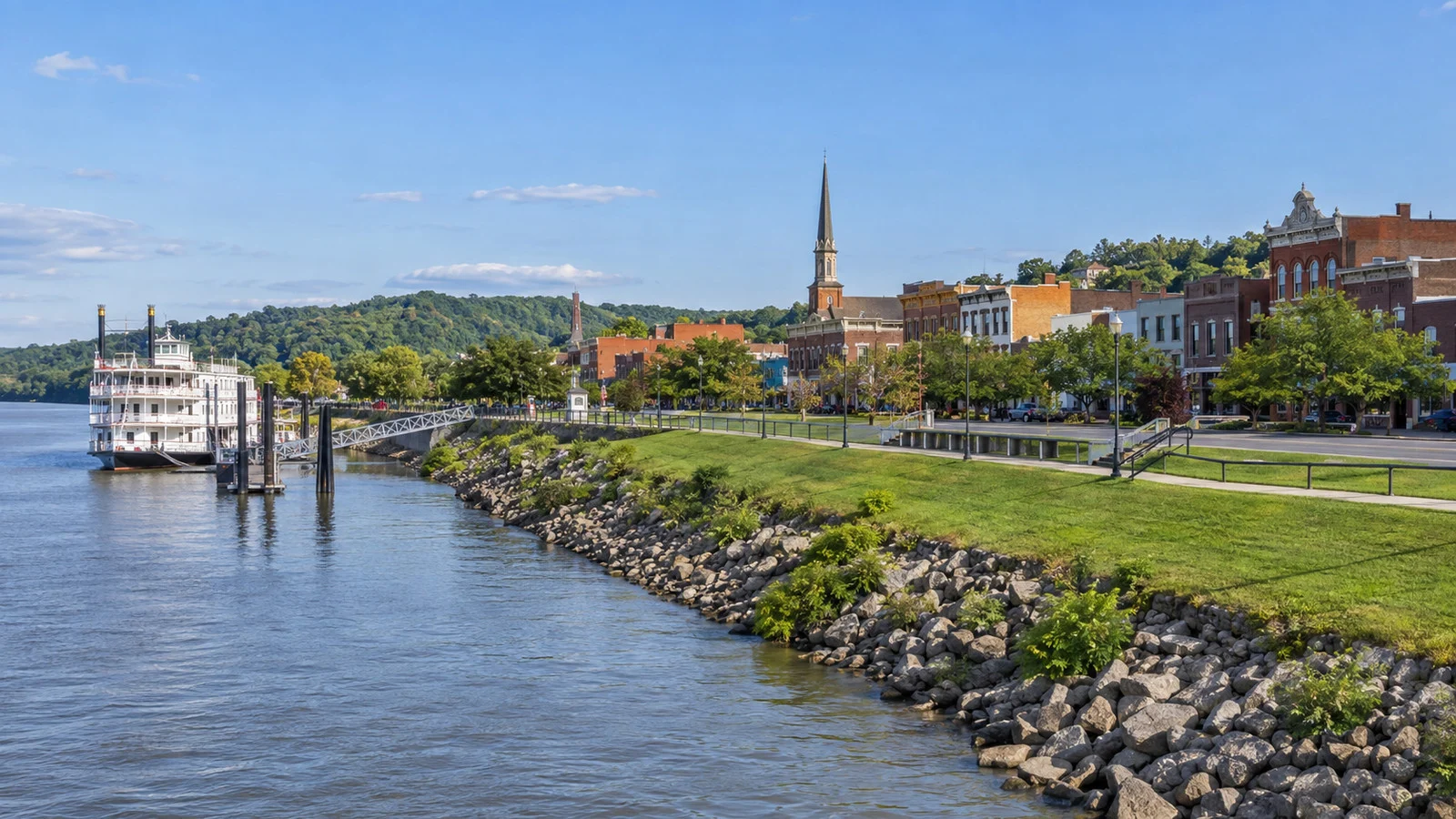
The Marietta and Washington County visitor bureau lists an August 2026 American Heritage visit at the Ohio River Levee, 100 Front Street. The same notice says dates and times can change without notice.
That makes 100 Front Street useful current evidence, not a permanent promise for every vessel. The captain and local operations team may adjust the landing for river stage, current, traffic, vessel dimensions, or safety.
Follow the daily program for the exact exit and return point. A changed ramp can place passengers farther along the levee even when the ship still appears to be downtown.
There is no large ocean style terminal to navigate. Expect an outdoor landing, a gangway or bow ramp, and direct access toward Front Street or waiting tour vehicles.
Two rivers explain the city
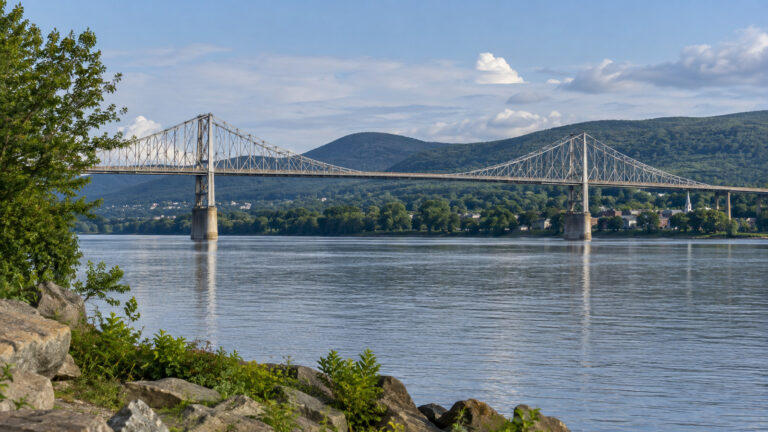
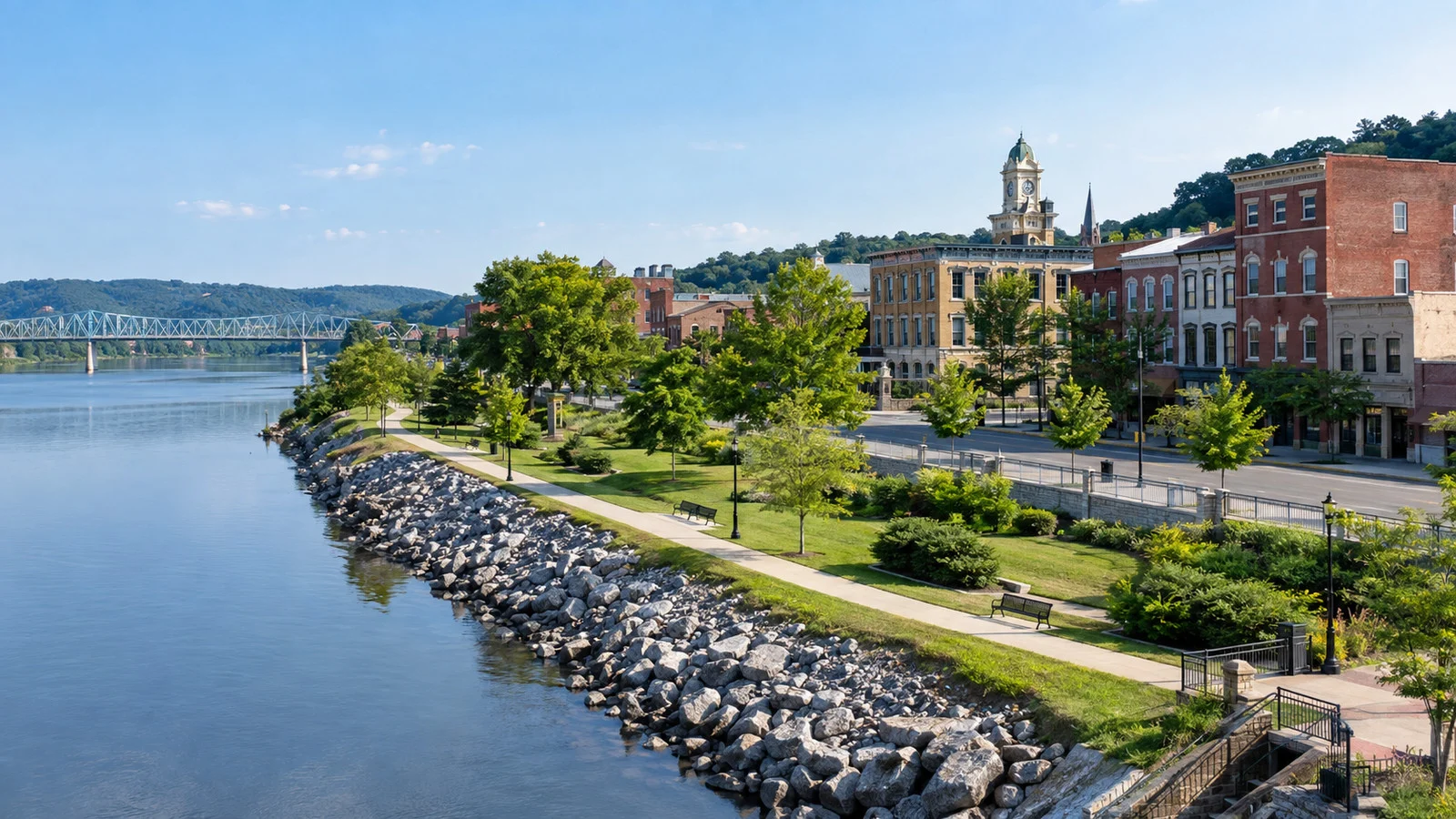
Marietta sits on the north bank of the Ohio where the Muskingum River arrives from the north. Downtown and Front Street lie east of the Muskingum, while Harmar Village occupies the west side.
The confluence is more than a pleasant view because it explains settlement, trade, transportation, and the shape of the street plan. Begin with the water and the rest of Marietta becomes easier to understand.
Muskingum Park follows the east bank and provides a simple route toward the Start Westward Monument. Paths and sidewalks vary, so watch for uneven surfaces and seasonal construction.
Walking from the levee into downtown
At the documented Front Street landing, the historic commercial area begins within a short walk. The exact distance depends on where the ramp meets the levee.
Front Street offers local shops, restaurants, historic buildings, and easy orientation. It can fill a short call without transportation when the weather is comfortable.
Campus Martius Museum requires a longer walk north, while The Castle and Mound Cemetery sit farther inland. Use the cruise line’s local loop or a confirmed ride when heat, mobility, or time makes the distance inconvenient.
Leave a return cushion beyond the map estimate. A ramp angle, road crossing, museum exit, or changed shuttle stop can consume more time than expected.
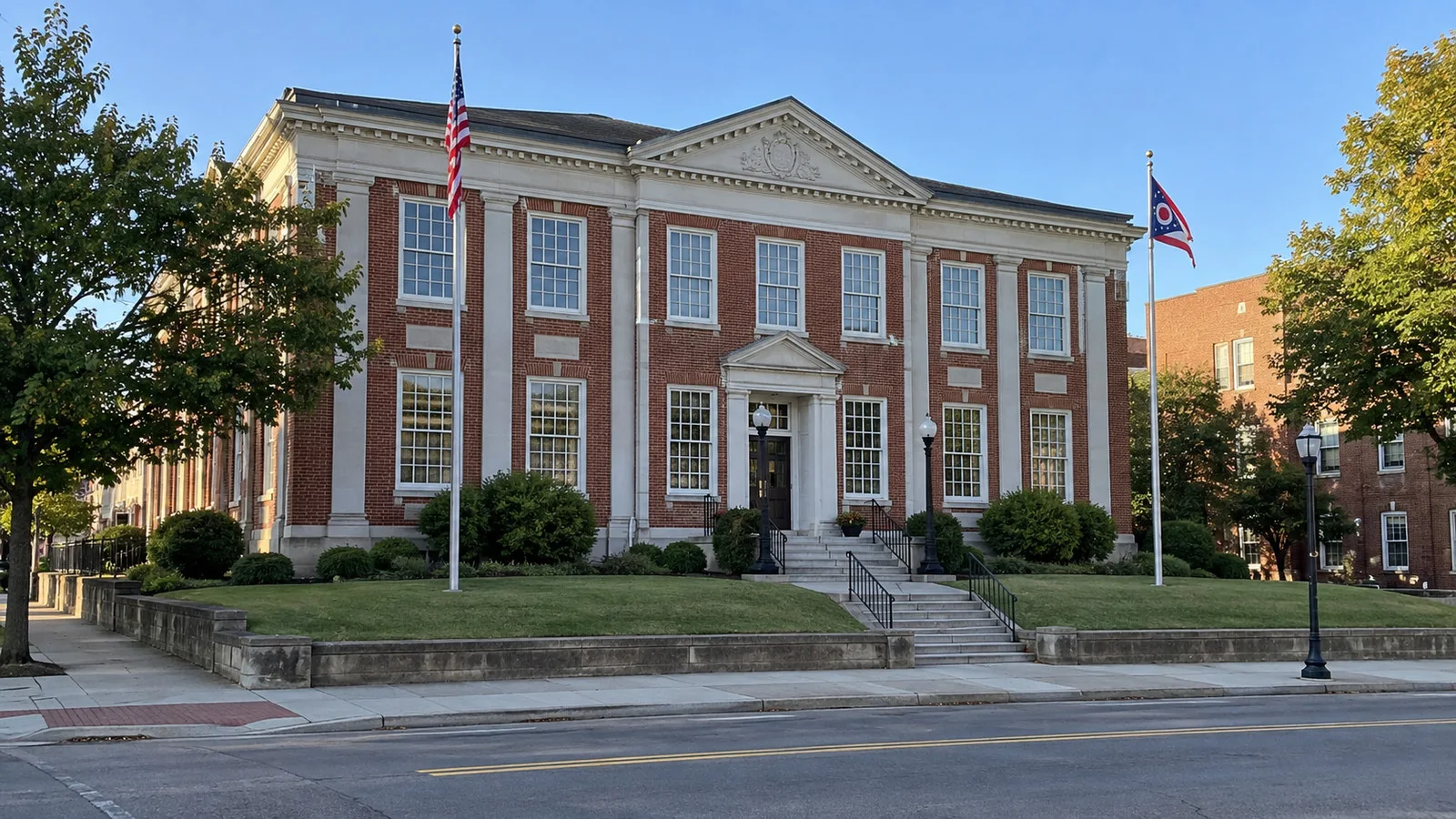
Campus Martius Museum
Campus Martius Museum interprets the civilian stockade built in 1788 and Marietta’s role in the Northwest Territory. It also contains the Rufus Putnam House and the Ohio Company Land Office.
The Ohio History Connection currently lists general hours from 9:30 in the morning to 5 in the afternoon Monday through Saturday and noon to 5 in the afternoon Sunday. It advises calling ahead for some Monday holidays and closes for major holidays.
The official site suggests allowing at least an hour, which is a better guide than trying to race every gallery. Confirm admission, operating hours, and the time needed to return to the ship.
The museum describes its main three floors as wheelchair accessible, except the second floor of the Rufus Putnam House. Verify the entrance, lift status, and any historic building limitations before visiting.
The Ohio River Museum is closed
The official Ohio River Museum page says the site is closed while a new museum is built. Treat that as the current status even when older guides describe exhibits or the WP Snyder Junior towboat.
A cruise excursion description may still use legacy language, so ask the operator what the local loop includes on your sailing. A substitute stop can be worthwhile, but it should be named before you board the bus.
Construction schedules change, and the museum may reopen after this guide is reviewed. Check the official page close to travel rather than assuming the closure or a rumored opening date.
The Castle
The Castle is an 1855 Gothic Revival house museum at 418 Fourth Street. Its turret, brickwork, furnished rooms, and local interpretation create a very different experience from Campus Martius.
The museum’s official visit page provides current tour and ticket information. Hours are seasonal, so confirm the date and do not rely on a generic daily schedule.
The street approach includes steps, while the property describes limited accessible parking and a rear ramp. Upper floor access still requires stairs, so ask about a first floor or video alternative.
A ship excursion can simplify transportation and timing. Independent visitors should reserve a tour when required and allow enough time for the walk or ride from the levee.
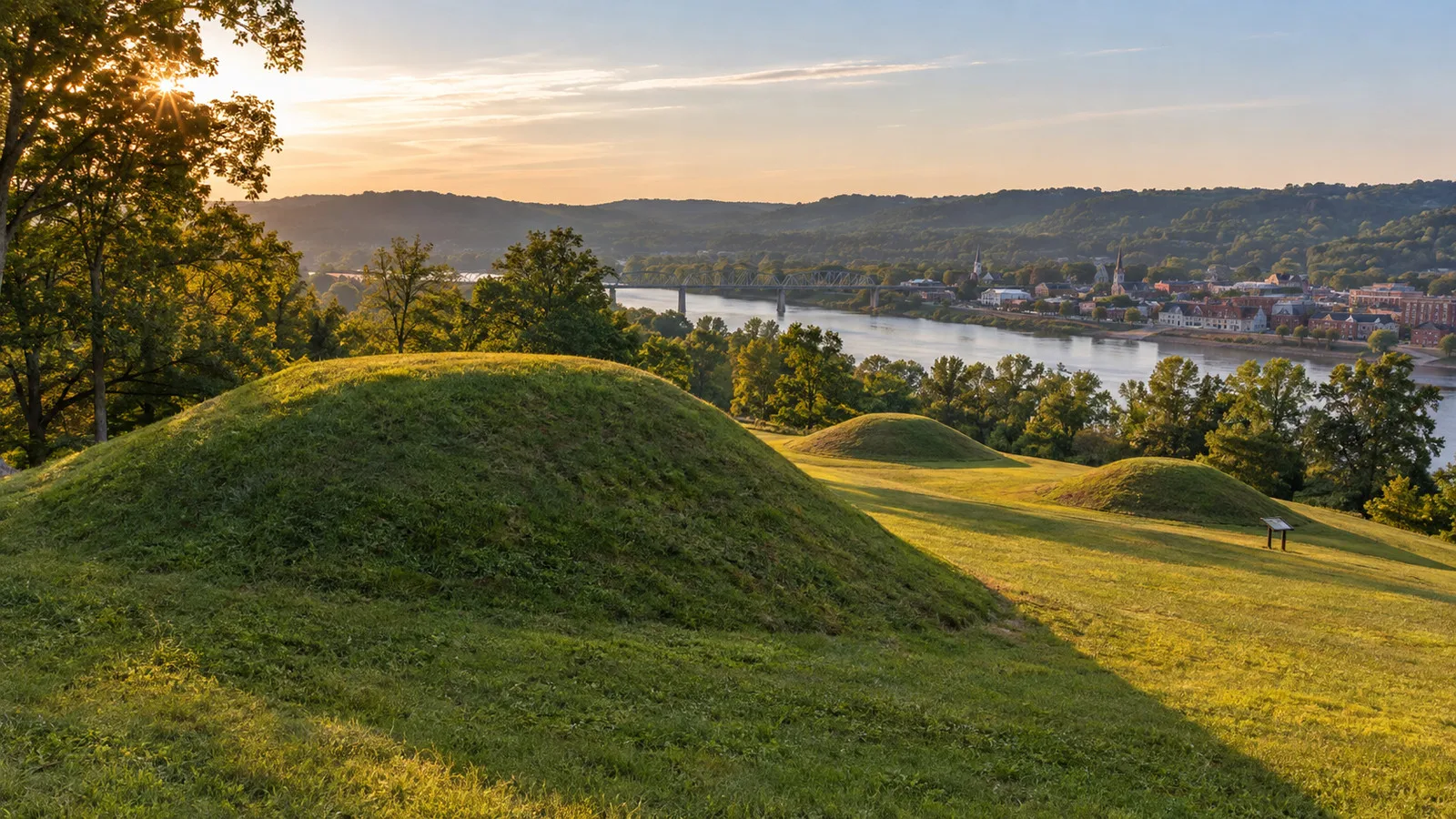
Mound Cemetery and ancient earthworks
Indigenous earthworks in Marietta long predate the 1788 settlement. The Great Mound in Mound Cemetery and other surviving landscape features remind visitors that early American history does not begin with the Ohio Company.
Mound Cemetery also contains graves connected with the Revolutionary War and early settlement. A guided visit can help separate documented history from patriotic shorthand.
Expect outdoor terrain, variable shade, and uneven ground. A vehicle or ship excursion reduces walking when the cemetery and earthworks are the priority.
Use respectful language around Indigenous history and recognize living Native nations rather than treating archaeological labels as the whole story. The landscape deserves more than a photograph of one mound.
Front Street and Muskingum Park
Front Street is the easiest independent option from the levee. It offers shops, food, architecture, and access toward the river confluence without committing to a timed tour.
Muskingum Park provides a quieter riverside walk and a useful view toward Harmar. Pairing the park with Front Street creates a flexible plan for a short or weather affected call.
Business hours can be limited on Sundays and holidays, while events may bring street closures or crowds. Keep one outdoor alternative and one indoor stop in mind.
Harmar Village
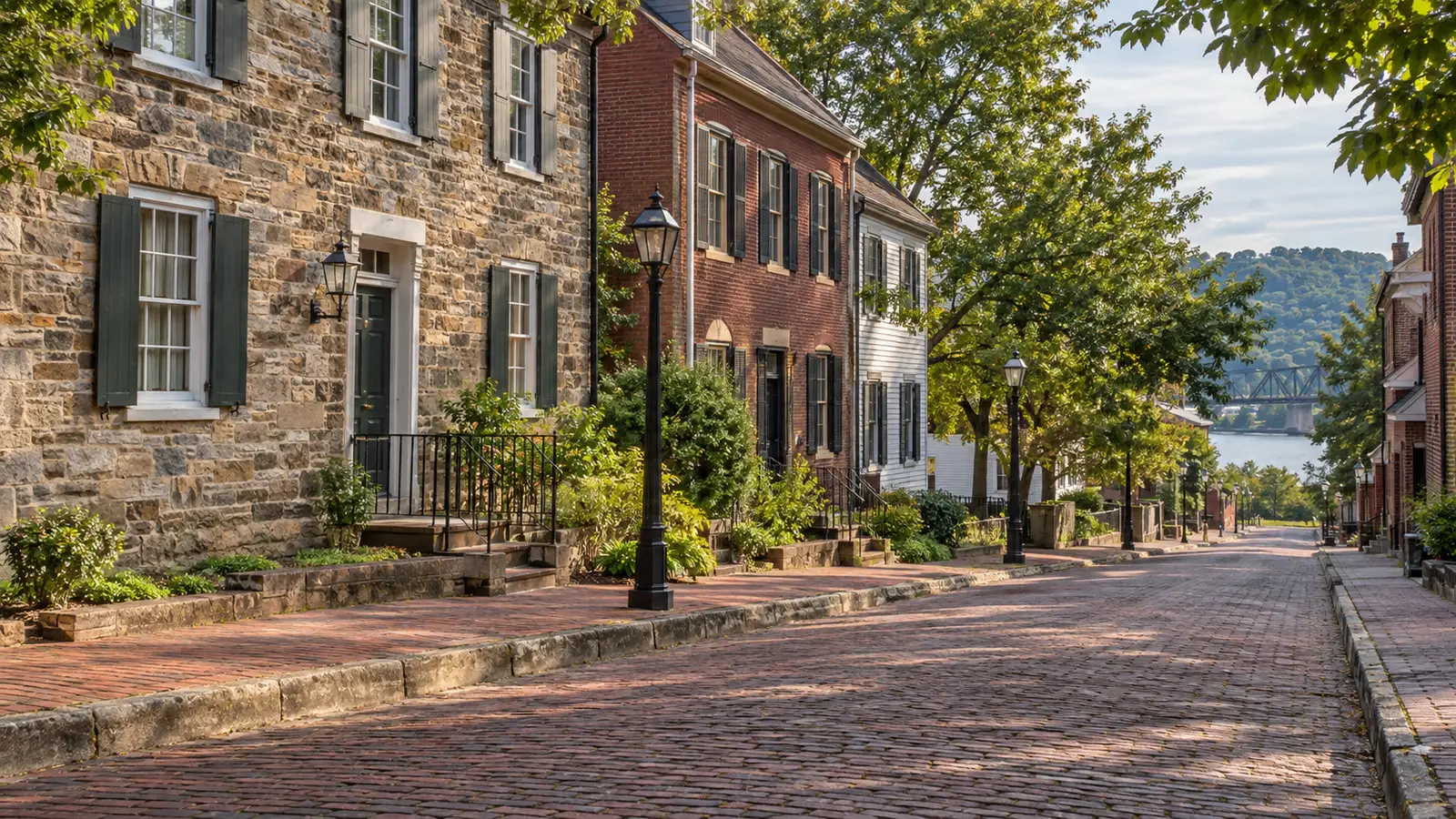
Harmar Village sits across the Muskingum from downtown and preserves a different small scale historic character. It can extend a walking day when the bridge connection is open and the ship’s schedule is generous.
Confirm pedestrian access before committing to a loop. A bridge closure can turn a short crossing into a vehicle trip.
Travelers with only a few hours should usually remain east of the Muskingum. The levee, Front Street, Muskingum Park, and one major museum already create a full day.
Ship excursion or independent visit?
Marietta is unusually workable on foot when the ship uses the downtown levee. An independent plan fits travelers who want Front Street, the confluence, Muskingum Park, and one open museum.
A ship excursion becomes more useful for Mound Cemetery, The Castle, or a wider earthworks route. It also protects the transport connection if the landing or port time changes.
A private guide can connect river, Indigenous, settlement, and architectural history more coherently than a series of quick stops. Confirm the route, admissions, vehicle access, and return deadline before booking.
Accessibility
Accessibility starts at the gangway, where river level can change slope and length. Ask whether the route to Front Street is firm, step free, and suitable for an occupied wheelchair.
Older sidewalks, brick, curbs, and summer heat can increase the effort downtown. The cruise line should be able to explain whether its local vehicle has a lift and where accessible passengers board.
Campus Martius has broad accessibility with a specific historic house exception, while The Castle has separate ground floor and upper floor considerations. Confirm each attraction rather than assuming one accessible label covers every room.
A panoramic vehicle tour can be a strong alternative to a long walking loop. Ask whether restrooms, seating, and step free access are available at every planned stop.
River levels and schedule changes
The Ohio River is managed for navigation, but high water, low water, debris, current, and levee conditions still affect a call. The Muskingum confluence adds local conditions that professional crews assess.
A change may mean a different gangway, revised pickup point, shorter visit, delayed arrival, or substituted port. It does not automatically mean the whole river has closed.
Check the ship’s briefing the evening before arrival and again in the morning. The local riverboat listing makes clear that its public schedule can change without notice.
Weather and practical comfort
Summer can bring heat, humidity, and thunderstorms, while spring and fall mornings may begin cool. Layers, water, sun protection, and a compact rain jacket cover more possibilities than one optimistic forecast.
Wear shoes that handle a ramp, uneven sidewalk, museum floor, and cemetery path. Leave a dry layer on the ship if rain is possible.
Restaurants and cafes are close to Front Street, but service time can compete with sightseeing. Choose a simple lunch when the port call is short and keep the final return buffer intact.
Three realistic Marietta plans
Easy first visit: Walk from the levee to the confluence, Muskingum Park, and Front Street, then spend an hour at Campus Martius. Use a shuttle for the museum leg if needed.
Architecture and history: Reserve The Castle or join a ship excursion, then return to Front Street and the riverfront. Do not add the closed Ohio River Museum.
Low walking plan: Confirm an accessible local loop and choose one verified accessible museum. Use riverside views near the levee for the flexible part of the day.
Returning to the ship
Save the exact landing location and all aboard time before leaving. If the ship announces a new ramp or pickup point, update the whole group rather than relying on the morning plan.
Independent travelers should aim to return well before the official cutoff. A museum queue, bridge closure, or slow lunch can consume a small buffer quickly.
There may be no simple way to catch the vessel at the next river stop. The calmest final half hour is spent close to the levee.
How Marietta fits an Ohio River cruise
Marietta offers a compact contrast to larger cities on an Ohio River itinerary. Its strength comes from the meeting of rivers, early federal settlement history, Indigenous landscapes, and an active downtown.
Our river cruise ports guide explains why landings and gangway conditions change from place to place. The United States cruise ports guide helps connect Marietta with the wider route.
Quick answers
Where do ships dock in Marietta?
A 2026 American Heritage listing used the Ohio River Levee at 100 Front Street. Confirm the actual gangway because river conditions and assignments can change.
Can I walk into town?
Yes, when the ship uses the downtown levee. Front Street and the river confluence are close, while outer attractions need more time.
Is the Ohio River Museum open?
No. Ohio History Connection says it is closed while a new museum is built, so check for a future reopening before travel.
Which museum is the best alternative?
Choose Campus Martius for Northwest Territory and settlement history or The Castle for a guided historic house. Verify hours and access first.
Is Marietta wheelchair accessible?
Parts are accessible, but the gangway, shuttle, sidewalks, and each attraction need separate confirmation. Request precise details from the cruise line.
Can river conditions cancel the call?
Yes. Water level, current, debris, weather, or another operational issue can move, shorten, or cancel a visit.
The last word
Marietta is at its best when the two rivers guide the route. Start at the levee, understand the confluence, and choose one museum that matches your interests.
Keep the Ohio River Museum closure in mind and leave time for the gangway to change. A compact port day still deserves a real return buffer.
How this guide was researched: This guide was checked on September 12, 2026 against the Marietta and Washington County visitor bureau, Ohio History Connection, The Castle, and National Park Service records. Landings, hours, closures, river conditions, and accessibility can change, so confirm the final plan with your cruise operator and see our Editorial Policy.