Icy Strait Point Cruise Port Guide: Hoonah, Whales and ZipRider
Icy Strait Point can deliver an Alaska port day at full volume. A mountaintop ZipRider drops toward the water, humpbacks feed near Point Adolphus, and a restored salmon cannery gives the modern cruise destination a tangible connection to Hoonah’s working history.
The strongest day combines one timed excursion with one flexible block. Whale watching and the ZipRider can fit together on some calls, but weather, transportation, and check-in time make a same-day guarantee impossible.
Icy Strait Point at a Glance
Best for: Whale watching, the ZipRider, Hoonah culture, seafood, and forest scenery.
My perfect pairing: Morning whale watching and a later ZipRider reservation.
Main planning issue: Excursion timing, ship docking location, and transportation between activity areas.
Good to know: No excursion can promise a breach, bubble-net feeding, or any other particular wildlife behavior.
Use the Alaska cruise ports overview to place Icy Strait Point within the wider itinerary. This call feels smaller and more nature-focused than the state’s busier port cities.
The quick facts
- Where you land: At one of the cruise berths on the Icy Strait Point property, on Chichagof Island near the Tlingit community of Hoonah. The official Icy Strait Point FAQ is the best place to confirm current arrangements.
- Dock or tender: Ships normally use an alongside berth, but follow the instructions issued for your sailing.
- Into town: Hoonah is separate from the cruise property, so confirm the current shuttle or tour pickup before leaving the landing area.
- Currency and language: US dollars and English, on Huna Tlingit land.
- Time zone: Alaska Daylight Time during the main summer cruise season.
- Call reliability: Weather and operational decisions can still alter any Alaska call, so rely on the ship’s live announcements.
- Best first visit: Reserve one major experience, then leave time for the cannery, waterfront, and forest paths.
- Return margin: Allow extra time for the connection between activity areas and be back at the assigned gangway before the ship’s all-aboard time.
Where Ships Dock at Icy Strait Point
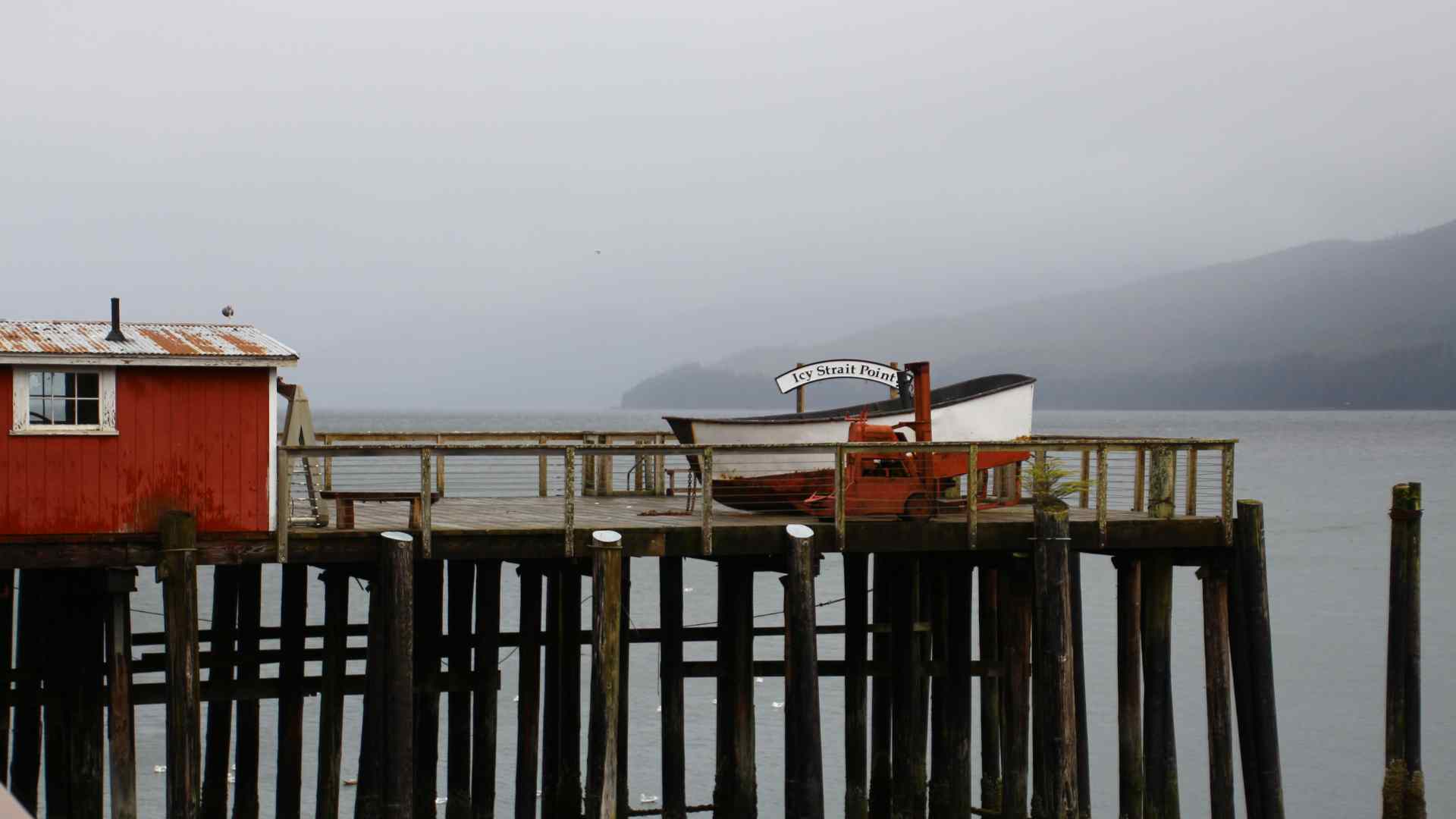
Icy Strait Point is a privately developed cruise destination near the Tlingit community of Hoonah. Ships may use different docking areas, so check the daily program for your gangway, excursion assembly point, and transportation instructions.
The port’s official Icy Strait Point frequently asked questions page is useful for current logistics and policies. Always allow the information in your sailing documents to override a general guide.
The property includes waterfront areas, forest paths, restaurants, shops, activity facilities, and the historic cannery. Distances can look modest on a plan but still require time, especially when lines or shuttles are involved.
Hoonah lies beyond the cruise property and is a real community rather than an attraction zone. Visit respectfully, support local businesses, and follow guidance about private property and cultural sites.
What the ZipRider commitment really involves
Icy Strait Point currently describes the complete ZipRider excursion as about 1.5 hours, even though the descent itself is brief. Transportation uphill, check-in, equipment, lines, and weather pauses are the reason to leave space around the reservation.
The official listing currently gives a 75 to 275-pound weight range and excludes expectant mothers and guests with back or neck injuries. Recheck every restriction for your sailing, wear secure shoes, and choose another activity if height, speed, or the transfer process is a poor fit.
Whale watching near Point Adolphus
The productive waters around northern Chichagof Island make whale watching a strong choice, but breaches, bubble-net feeding, and other specific behaviors remain unpredictable. Icy Strait Point currently promotes a whale-sighting guarantee on qualifying tours, so review the operator’s current terms rather than treating it as a promise of any particular encounter.
Compare total excursion time, boat capacity, heated indoor space, outdoor rail access, restrooms, and mobility assistance. The official Icy Strait Point marine-mammal tour currently lists about 2.5 hours, but independent operators and ship departures may differ.
Responsible captains follow current federal whale-viewing guidance and allow whales to control close encounters. Bring a waterproof layer and binoculars, and follow crew directions instead of moving suddenly across the deck for a photo.
The historic salmon cannery
Original machinery and interpretation connect the cruise property to industrial fishing history and the living Xunaa Tlingit community. Read the displays slowly and treat the cannery as more than a shopping backdrop.
The waterfront is the easiest flexible block between timed excursions, with food, shops, views, and places to rest. Ask what seafood is local and seasonal, and look for artist information when buying Native art or crafts.
Best Things to Do at Icy Strait Point
Ride the ZipRider
Choose the ZipRider if you want a major thrill and meet every published requirement. Secure shoes and clothing suited to wind matter, because the mountain can feel different from the sheltered waterfront.
Photographs do not communicate the drop. Decide based on your comfort with height and speed, not because companions insist you will regret missing it.
Go Whale Watching
The waters around northern Chichagof Island are productive feeding habitat, making whale watching a signature choice. Humpbacks are a major focus, but tours may also encounter sea lions, porpoises, otters, eagles, and other wildlife.
No responsible company can schedule a breach or bubble-net event. The naturalist’s knowledge should be part of the value even on a quieter trip.
Explore the Cannery and Waterfront
The cannery area works well for a lower-intensity visit or the space between excursions. Interpretation, shops, food, harbor views, and nearby paths can fill several unhurried hours.
Look beyond souvenirs for locally made art and products with clear artist information. Buying directly and thoughtfully supports a stronger relationship between visitors and community.
Visit Hoonah
Hoonah offers a different perspective from the cruise facility, with homes, harbor activity, local businesses, and deep Tlingit identity. The community’s official visitor site, Visit Hoonah, is a good source for current planning.
Ask how to travel between the port and town, then return with plenty of time. Respect residents, avoid photographing people without permission, and remember that ordinary spaces are not exhibits.
Walk in the Forest
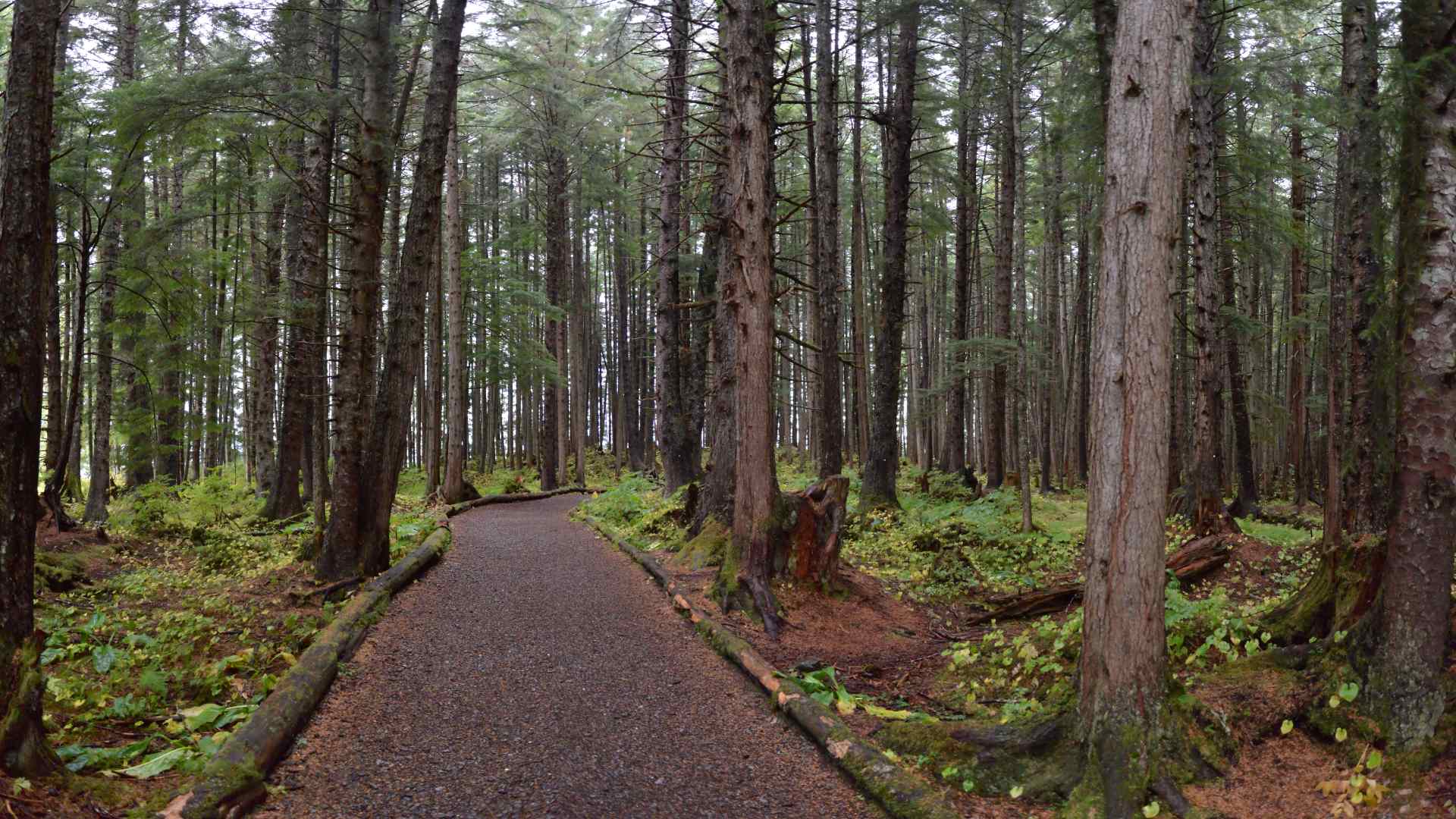
Forest trails and shorelines offer a quieter way to experience Chichagof Island. Conditions may include roots, mud, rain, stairs, and wildlife awareness requirements.
Join a guide if you want natural history and cultural interpretation. Do not wander into restricted or unfamiliar terrain simply because the ship appears close.
Eat Local Seafood
Crab, salmon, and halibut are natural menu priorities when available. Ask what is local, seasonal, and prepared on site rather than choosing only by the broad Alaska label.
A crab, salmon, or halibut meal works well between activities when the seafood is current and service time is clear. Ask what is local and keep the meal close to the next meeting point.
My Ideal Icy Strait Point Itinerary
I would schedule whale watching first, especially if the operator recommends morning conditions for that date. Arrive early, dress for the boat, and let the naturalist set expectations without promising a spectacle.
Next, I would eat a light meal and ride the ZipRider at a reserved time. A heavy lunch immediately before high-speed flight is a planning choice I would avoid.
The final portion belongs to the cannery, waterfront, and crab roll. This slower ending gives the day texture and places less pressure on the last return to the ship.
If the ZipRider is not appealing, use that time for Hoonah, a cultural program, or a guided nature walk. The port is not a single-attraction destination.
Nearby itinerary planning may include the Juneau cruise port guide, where glacier and whale options can overlap. The Sitka cruise port guide offers another strong mix of wildlife and culture.
Travelers continuing south can prepare with the Ketchikan cruise port guide. Each Southeast Alaska stop deserves a different priority rather than repeating the same excursion category.
Excursion Timing
Do not book independent activities back to back without understanding check-in and transportation. A tour ending at noon does not guarantee you can stand at the next meeting point at noon.
Ask each provider where the excursion begins and ends, whether transportation is included, and how delays are handled. Screenshots of the answers are useful when several companies are involved.
Ship excursions simplify coordination and may receive priority handling when schedules change. Independent tours can offer smaller groups, but the responsibility for timing remains with the traveler.
Keep at least one part of the day flexible. Weather and wildlife are active participants here, and a rigid plan can turn ordinary variation into unnecessary stress.
Weather and What to Wear
Southeast Alaska can move between rain, mist, wind, and sun in a single call. Dress in layers with a waterproof shell and keep gloves or a warm hat available for the boat.
The ZipRider can be colder and windier at elevation than the dock. Follow the attraction’s clothing rules and avoid loose items that cannot be secured.
Waterproof footwear with traction helps on docks, forest paths, and wet ramps. Pack an extra pair of socks because dry feet improve almost every Alaska day.
Protect electronics from spray and rain while keeping them accessible. A camera buried beneath five layers will miss the second when bubbles appear.
Wildlife Safety and Respect
Follow all instructions about distance, food, trails, and bear awareness. Wildlife should never be approached or fed for a photograph.
On the water, allow the captain to position the vessel within current regulations. A close encounter initiated by a whale differs from a boat crowding an animal.
Use binoculars and longer lenses instead of pressuring guides for proximity. Responsible viewing protects both the animals and the future of the experience.
Excited reactions are natural during a close wildlife encounter. During quieter periods, follow the naturalist’s guidance and let the soundscape remain part of the visit.
Accessibility and Comfort
The cruise property includes varied terrain, ramps, paths, transportation, and activity-specific requirements. Ask for precise distances and assistance options based on your docking location.
Whale-watching boats differ in boarding steps, cabin layout, rail height, and restroom access. Discuss mobility needs directly with the operator before purchase.
The ZipRider has strict physical and operational rules that cannot be solved through enthusiasm. Use the official limits and choose another excellent activity if the fit is not safe.
The cannery and waterfront can provide a satisfying day with less physical intensity. Benches, food stops, and flexible pacing make it easier to match energy to conditions.
Is Icy Strait Point Worth It?
Yes, particularly for travelers who value wildlife and do not need a large town full of conventional attractions. The port can combine adventure, Tlingit-owned tourism, cannery history, seafood, and a quieter forest or waterfront walk.
The bubble-net feeding was luck, not entitlement. Even without those eleven astonishing minutes, Point Adolphus, the cannery, and the view from the mountain would have made the stop worthwhile.
Docking areas, gondolas, and return time
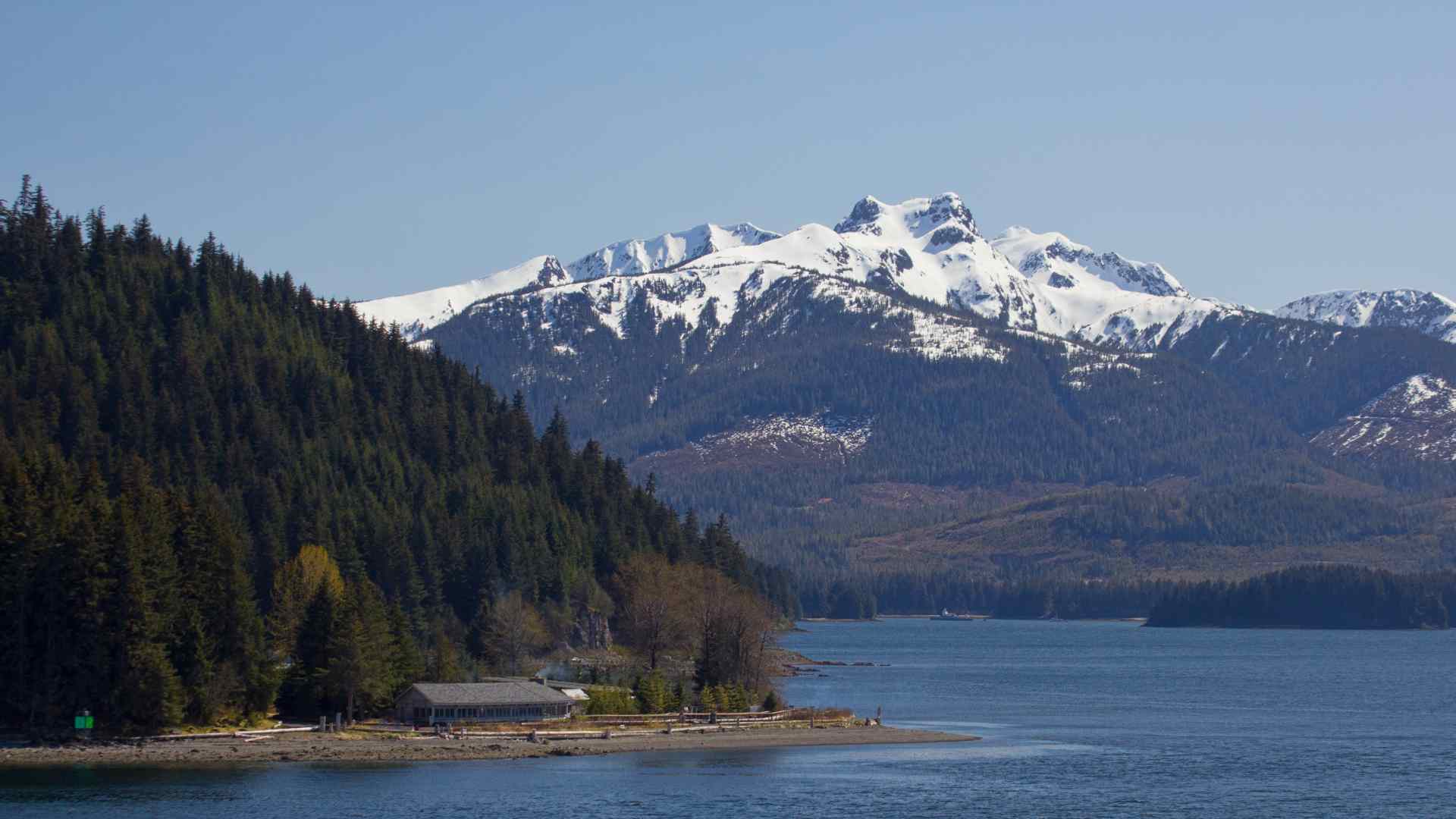
Ships can use Adventure Landing by the cannery or Wilderness Landing, and the meeting point on a ticket may be at the other area. Use the port’s current map and daily program to allow for the connecting gondola, walking, queues, and any mobility assistance.
Do not treat a free inter-area connection and a paid mountain attraction as interchangeable services. Confirm which gondola or transport is included with the ticket, where it boards, and how long the complete round trip takes.
Hoonah is a separate community about 1.5 miles from the cruise property. Use the current local shuttle or a tour with a fixed pickup, visit respectfully, and return to Icy Strait Point before the excursion rush reaches the gangways.
Wildlife behavior remains unpredictable even when a qualifying tour carries a sighting guarantee. Follow food-storage and distance rules on land, and let the vessel captain follow federal viewing requirements on the water.
Icy Strait Point FAQ
Is Icy Strait Point the same as Hoonah?
No, Icy Strait Point is the cruise destination near Hoonah, while Hoonah is the neighboring Tlingit community. Transportation and distance depend on your exact arrival area.
Is the ZipRider really fast?
Icy Strait Point says riders can reach speeds up to 60 miles per hour. The actual experience varies with conditions and the individual rider, while operations remain subject to weather.
Will I see whales?
Icy Strait Point currently advertises a whale-sighting guarantee on qualifying tours, but that policy does not promise a breach, bubble-net feeding, or any other behavior. Review the latest terms and select a reputable tour for the habitat and interpretation.
Can I combine whales and the ZipRider?
Often, if the ship’s hours and reservation times align. Leave enough space for transport, check-in, weather delays, food, and the return to the gangway.
How this guide was researched: Port access, transportation, attraction rules, safety guidance, and accessibility notes were checked against current official sources on September 11, 2026, including Icy Strait Point, Visit Hoonah, and current federal wildlife guidance. Details can change by sailing and operating day, so confirm reservations and ship instructions before leaving the gangway; see our Editorial Policy.