Puerto Madryn Cruise Port Guide: Pier, Wildlife & Patagonia
Puerto Madryn is Patagonia with the volume turned up: wind across the gulf, steppe running toward the horizon, and wildlife that follows its own seasonal calendar. The cruise pier sits close to town, but the famous reserves require serious road time and a plan built around what is actually present.
This is not a port where every passenger should chase the same animal. Start with the date, choose one wildlife radius, and let your ship’s all aboard time decide how far into Chubut you travel.
Where cruise ships berth
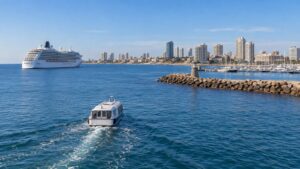
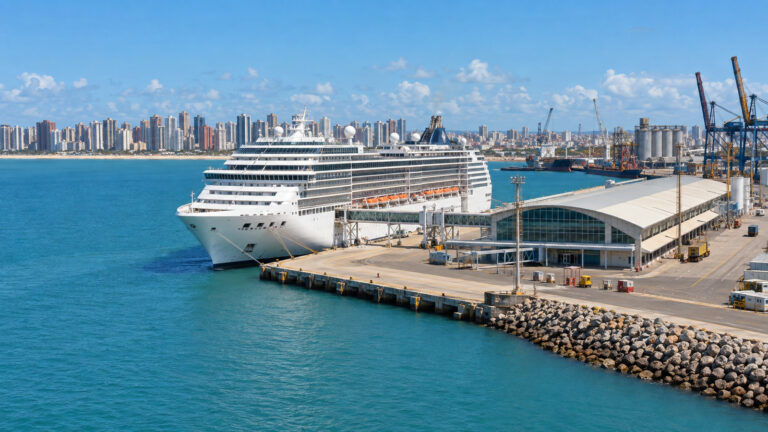
Most cruise calls use Muelle Comandante Luis Piedra Buena, the passenger pier on Puerto Madryn’s central waterfront. The Puerto Madryn Port Administration maintains separate information for Piedra Buena, cruise movements, tides, and live weather.
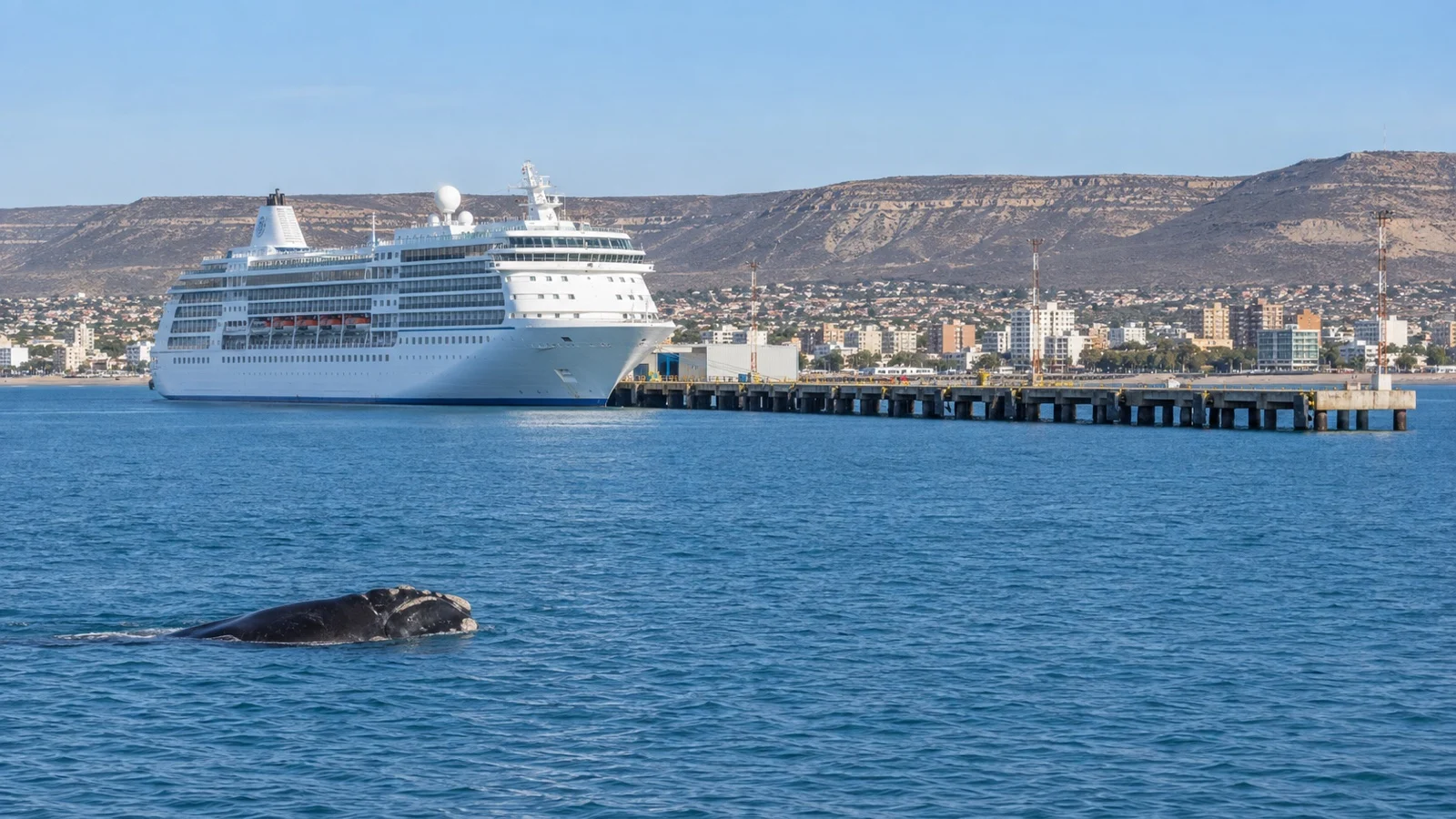
An alongside berth puts shops, cafes, the shoreline, and the city tourism office within a practical walk after security. The pier itself is long and exposed, so distance and wind can matter even though the map makes the arrival look effortless.
Operational needs, weather, ship size, or berth availability can still change the day’s arrangement. Use the daily program for the assigned berth, shuttle assistance, and gangway information instead of assuming every call works exactly the same way.
Puerto Madryn is not a tropical tender harbor. A standard visit is built around the city pier, while any unusual anchorage or transfer procedure would be announced by the ship for that specific call.
Quick Facts
- Primary berth: Muelle Comandante Luis Piedra Buena on the central waterfront
- Independent town day: practical on foot once you leave the controlled pier area
- Closest wildlife outing: Punta Loma sea lion reserve
- Major protected destination: Península Valdés, a large all-day landscape rather than one viewpoint
- Penguin headline: Punta Tombo, reached by a long road journey south of the city
- Season rule: check the official fauna calendar before choosing an animal
- Currency: Argentine peso, with card and cash acceptance varying by business
- Weather: cool wind, strong sun, and rapid changes are normal Patagonian conditions
- Accessibility: town is simpler than remote gravel roads, boats, cliffs, or colony paths
- Return rule: protect a wide buffer for wildlife routes because distances are larger than they appear
Let the wildlife calendar make the first cut
Península Valdés is globally important for southern right whales, southern elephant seals, southern sea lions, orcas, penguins, and steppe wildlife. It is also a seasonal ecosystem, and UNESCO explicitly notes that its charismatic marine species are seasonal visitors.
The official Península Valdés administration publishes a fauna calendar and current visitor recommendations. Check it close to sailing rather than using a photograph, a cruise forum, or the month printed on an old tour brochure.
Many ships visit during the southern summer, when penguin outings can be compelling but peak whale activity may no longer align with the call. Orca behavior is especially rare and condition dependent, so no ethical operator should sell it as a guaranteed spectacle.
Sea lions and resident steppe animals may offer a more realistic target on some dates. The best choice is the strongest seasonal match within your available road radius, not the species with the most dramatic video online.
Punta Loma is the closest nature choice
Punta Loma protects a sea lion colony on the coast south of Puerto Madryn. It is the natural first option for a shorter call, travelers who want less bus time, or anyone uneasy about committing the entire day to remote roads.
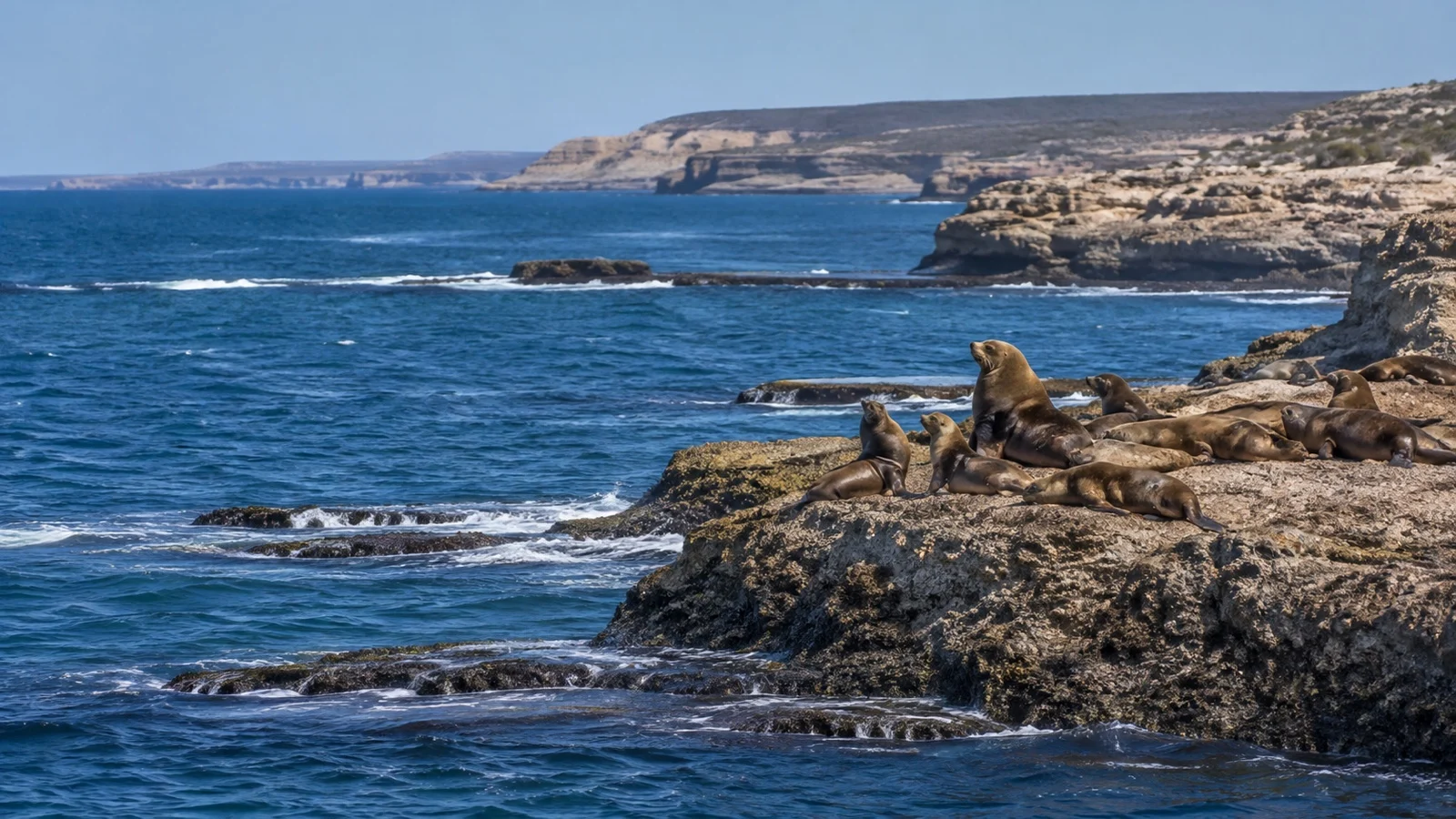
Viewing is generally from designated areas above or near the shore, with wildlife behavior changing by tide, season, wind, and animal movement. Bring binoculars and accept distance as part of responsible observation.
A closer reserve still includes exposed terrain, uneven surfaces, and limited shelter. Ask the operator for walking distance, gradient, restroom availability, and how long the group remains outside.
Península Valdés is a landscape, not one stop
Península Valdés covers an enormous protected area linked to the mainland by a narrow isthmus. The official administration warns that visitors may enter only places prepared for public access, which makes the approved route and current conditions central to the day.
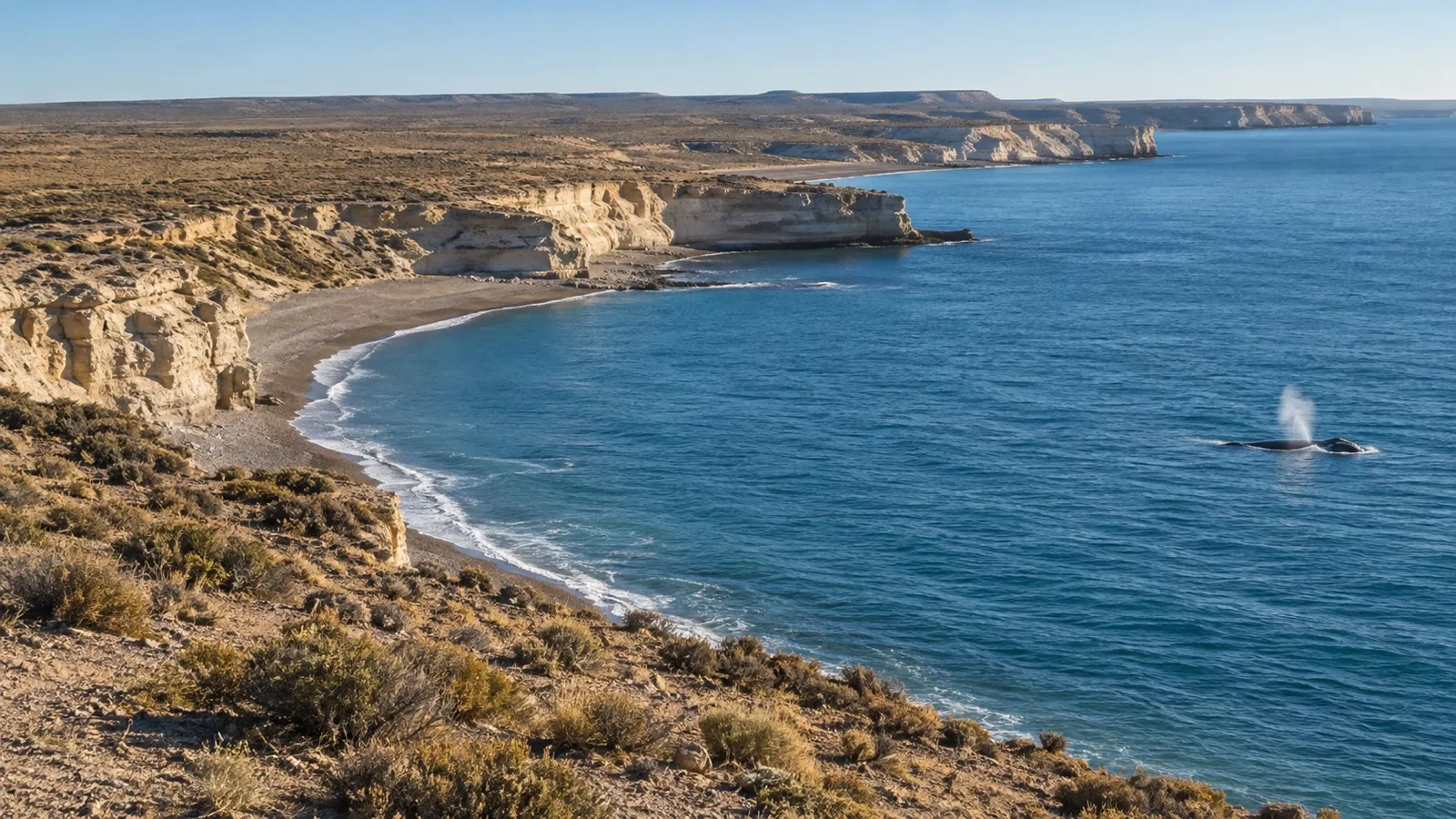
Puerto Pirámides, visitor centers, coastal viewpoints, and wildlife colonies are spread across long distances. Some routes use gravel roads, and dust, wind, wildlife pauses, or traffic can stretch a timetable that looked comfortable at breakfast.
Choose the peninsula if your call is long enough and the seasonal wildlife justifies the drive. A cruise focused guide should identify the exact reserve sector, expected road surface, admission process, and turnaround point before you book.
Whale watching boats generally depart from Puerto Pirámides during the authorized season, with weather and maritime safety controlling operations. A canceled sailing should trigger a sensible land alternative, not a desperate attempt to reach another distant site.
Punta Tombo is a dedicated penguin day
Punta Tombo lies south of Puerto Madryn and is known for its Magellanic penguin colony during the breeding season. For a cruise passenger, the defining fact is not the colony size but the long round trip.
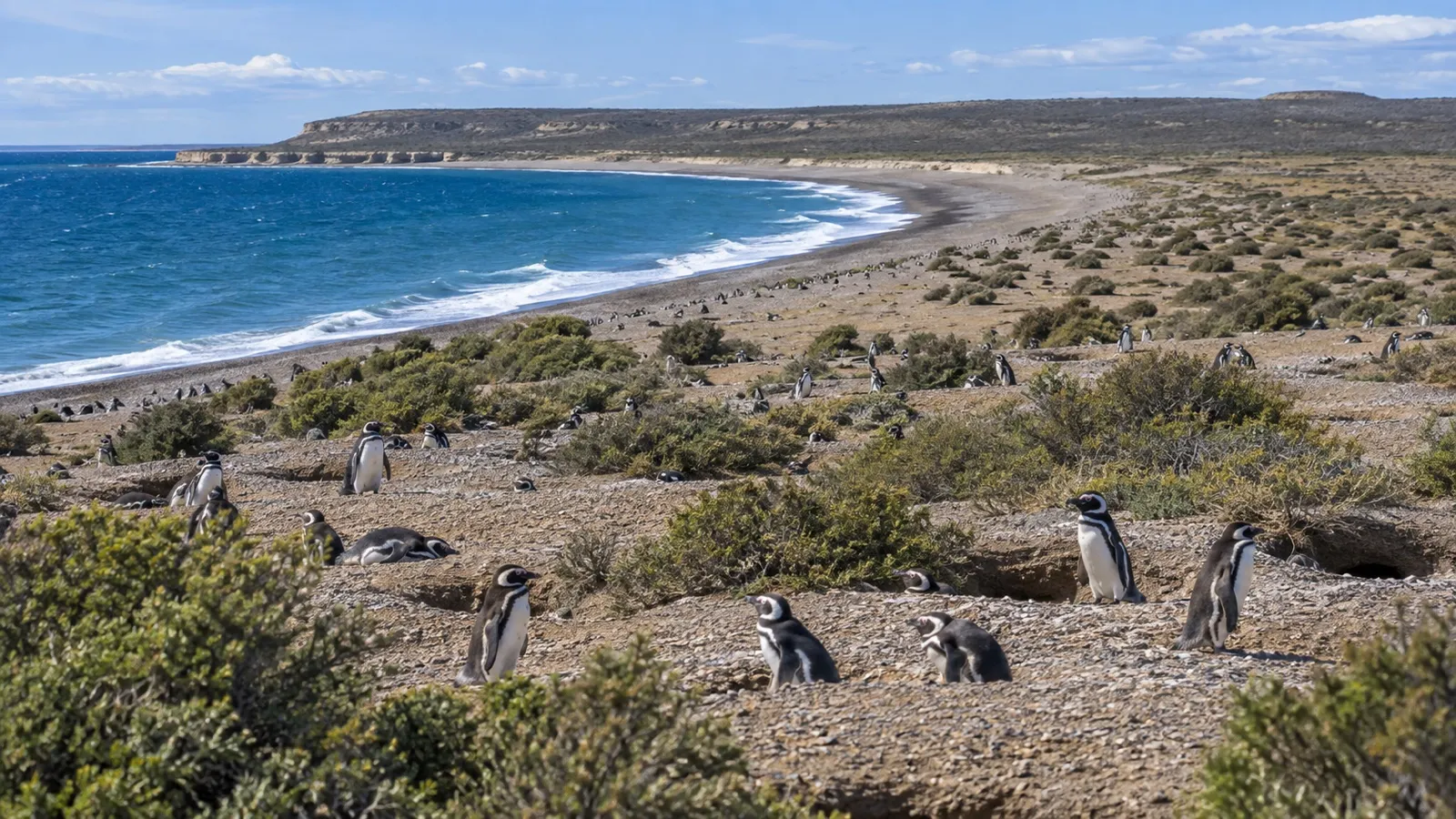
The road and reserve visit can consume most of a port call. Choose it only with a departure timed to the ship, confirmed seasonal access, and a return plan that does not depend on perfect traffic or weather.
Stay on marked paths, give penguins the right of way, and never block a burrow entrance for a photograph. Birds may cross visitor routes, but closeness is not permission to touch, feed, or surround them.
A traveler with limited walking ability should ask about distance from the vehicle, boardwalk or path surfaces, seating, wind exposure, and accessible restrooms. The bus ride itself may also be the harder part of the excursion.
Puerto Madryn is a legitimate destination
You do not have to leave the city to have a good Patagonia day. The waterfront, beaches, shops, museums, cafes, and local seafood let you experience Golfo Nuevo at a pace that can flex around wind and energy.
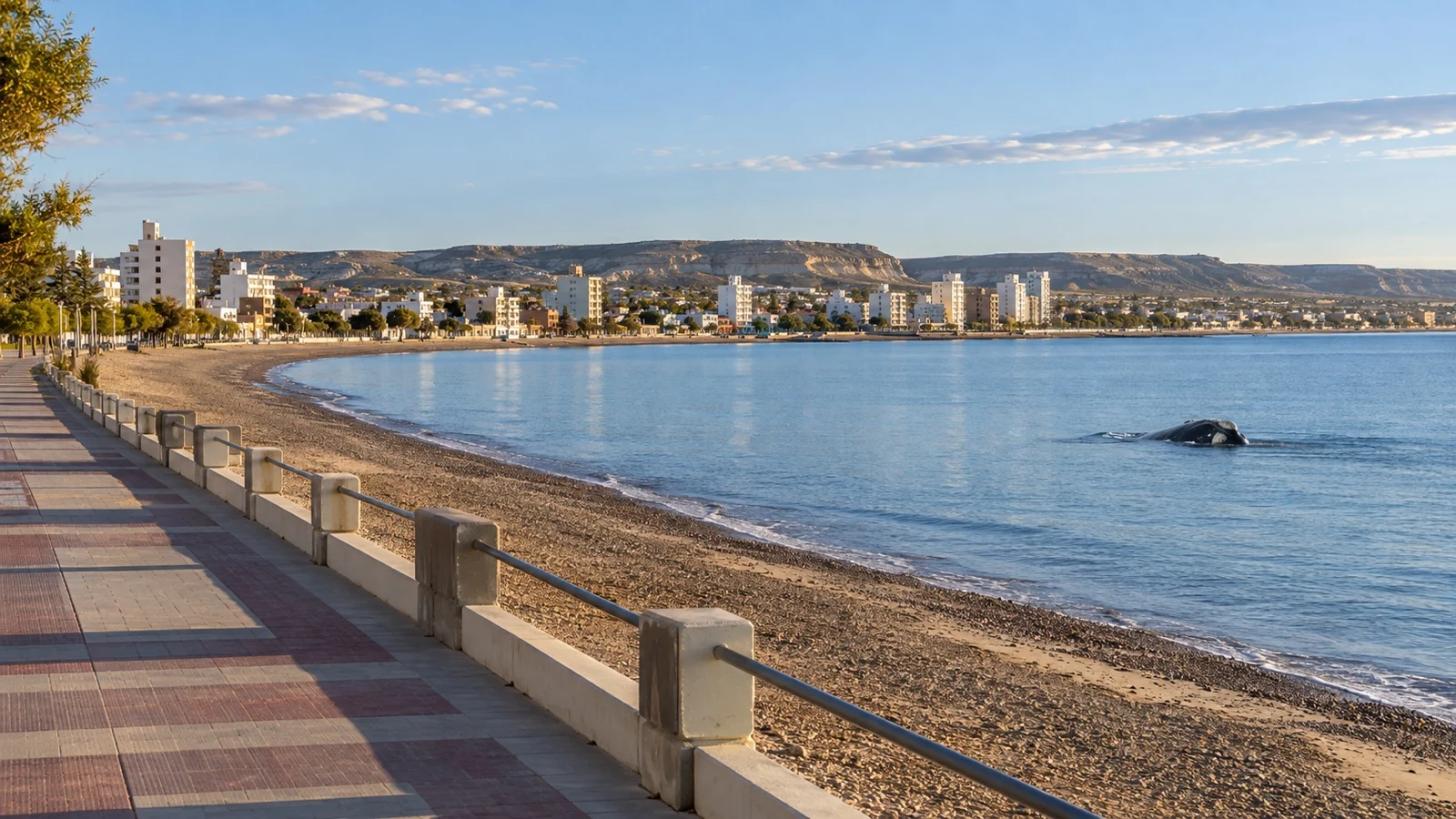
The Puerto Madryn tourism office publishes city planning information, a fauna guide, maps, and listings for authorized travel services. Stop there early if you want current advice rather than committing to the first offer near the pier.
The Ecocentro and local museums can add marine and regional context, but confirm current opening hours and transport before leaving the ship. A short taxi ride is still easier to manage than a peninsula circuit when the call is brief.
A waterfront walk also gives you the rare luxury of returning to the ship for lunch or a rest. Keep the pier’s final access time in mind, since being in sight of the vessel is not the same as being through security.
Three port-day plans that respect Patagonia
A shorter or lower energy call
Explore the city and waterfront, then add Punta Loma only if transport and conditions are clear. This plan keeps choices reversible and limits time in a vehicle.
A full wildlife call
Choose either Península Valdés or Punta Tombo based on season, not both. Give the selected reserve enough time and maintain a wide road buffer back to Piedra Buena pier.
A wind-trimmed day
Use museums, local food, sheltered waterfront stops, and a close viewpoint when remote roads or boat operations become uncomfortable. A changed plan is not a failed port day when the weather itself is part of Patagonia.
Transport and licensed operators
Remote reserves call for an established operator, a suitable vehicle, and a driver who understands cruise timing. The cheapest ride is poor value if it lacks park authorization, safe equipment, or a clear contingency plan.
Before departure, confirm the destination sector, admission inclusion, road surface, fuel and restroom stops, and latest turnaround time. Share the ship’s all aboard time in writing and keep the operator’s contact details offline.
Self-driving is possible in the region, but it is rarely the simplest choice for a one-day call. Rental pickup, navigation, gravel, sparse services, animals near roads, and return security create more risk than the freedom is worth for most passengers.
Accessibility from gangway to reserve
The alongside pier is the easiest part of the chain, although gangway slope and pier length still need confirmation. Ask whether port mobility assistance operates and whether a wheelchair can remain assembled.
Town sidewalks and waterfront paths vary, but they offer more rest and turnaround options than remote colonies. Reserve routes may involve gravel, boardwalks, steps, wind, long vehicle rides, and limited accessible toilets.
Boat-based whale watching adds moving docks, vessel steps, and sea motion. The operator must explain boarding and seating rather than relying on a generic accessible label.
Travelers with back, neck, or circulation issues should consider the length and vibration of road journeys. A closer wildlife site that preserves comfort can be more rewarding than a famous colony reached in pain.
Wind is part of the destination
Patagonian wind can be strong enough to affect walking, temperature, road visibility, and boat operations. Dress in layers, add a wind resistant outer shell, and secure hats, glasses, and loose camera gear.
Sun exposure remains powerful even when the air feels cool. Carry water, sunscreen, and lip protection, and do not wait for thirst during a long road day.
Fine dust enters bags and equipment quickly on gravel routes. Keep electronics protected and avoid changing camera lenses beside a road or exposed viewpoint.
Wildlife safety and ethics
Wild animals choose whether to appear, move, hunt, rest, or keep their distance. An operator who guarantees a rare behavior is selling certainty that nature does not provide.
Stay inside marked visitor areas and follow ranger instructions. Never feed wildlife, use sound to provoke a response, approach a marine mammal, or stand between an animal and its route.
Patagonia’s quiet scale is part of the experience. Binoculars often produce a better encounter than pressing toward a crowd with a phone.
Return-to-ship calculations
A city walk needs time for the pier and security, while Punta Loma adds a shorter vehicle margin. Península Valdés and Punta Tombo demand far wider reserves because long roads, park procedures, wildlife stops, and weather compound.
Set a turnaround time before reaching the farthest point, not after the group finishes. If the guide is already consuming the buffer, skip the final lookout and begin the return.
Tell independent operators the all aboard time rather than the sailing time. Aim to reach the controlled pier entrance early enough to absorb a queue, document check, or slow walk to the ship.
Money, documents, and practical details
Argentina’s payment conditions and exchange practices can change quickly. Carry a mix of card access and a modest amount of local cash, confirm the quoted currency, and avoid basing the day on a fragile online price.
Entry rules depend on nationality and itinerary, while the ship may retain or process documents according to local clearance. Follow the cruise line’s current instructions and official Argentine immigration guidance.
Save maps, park confirmations, the port agent number, and operator contacts offline. Remote routes can have weak coverage, so a phone signal should never be the only link between you and the ship.
Choose the right wildlife, not the farthest wildlife
Begin with the official fauna calendar, then compare road time with the hours actually available ashore. Remove any option that cannot protect a conservative return, even if it is the region’s most famous name.
Use the port administration for pier and ship movements, the protected area’s official site for current access and fauna, and city tourism for local services. Your ship remains the final authority for berth, gangway, and all aboard details.
Puerto Madryn rewards travelers who let season and scale make the decisions. The right animal at the right distance will always beat a heroic drive toward a promise that nature never made.
Let the calendar write half the itinerary and leave the other half to Patagonia’s weather. With one clear destination and a protected return margin, this port can feel genuinely wild without becoming reckless.