Coquimbo Cruise Port Guide: La Serena and Elqui Valley
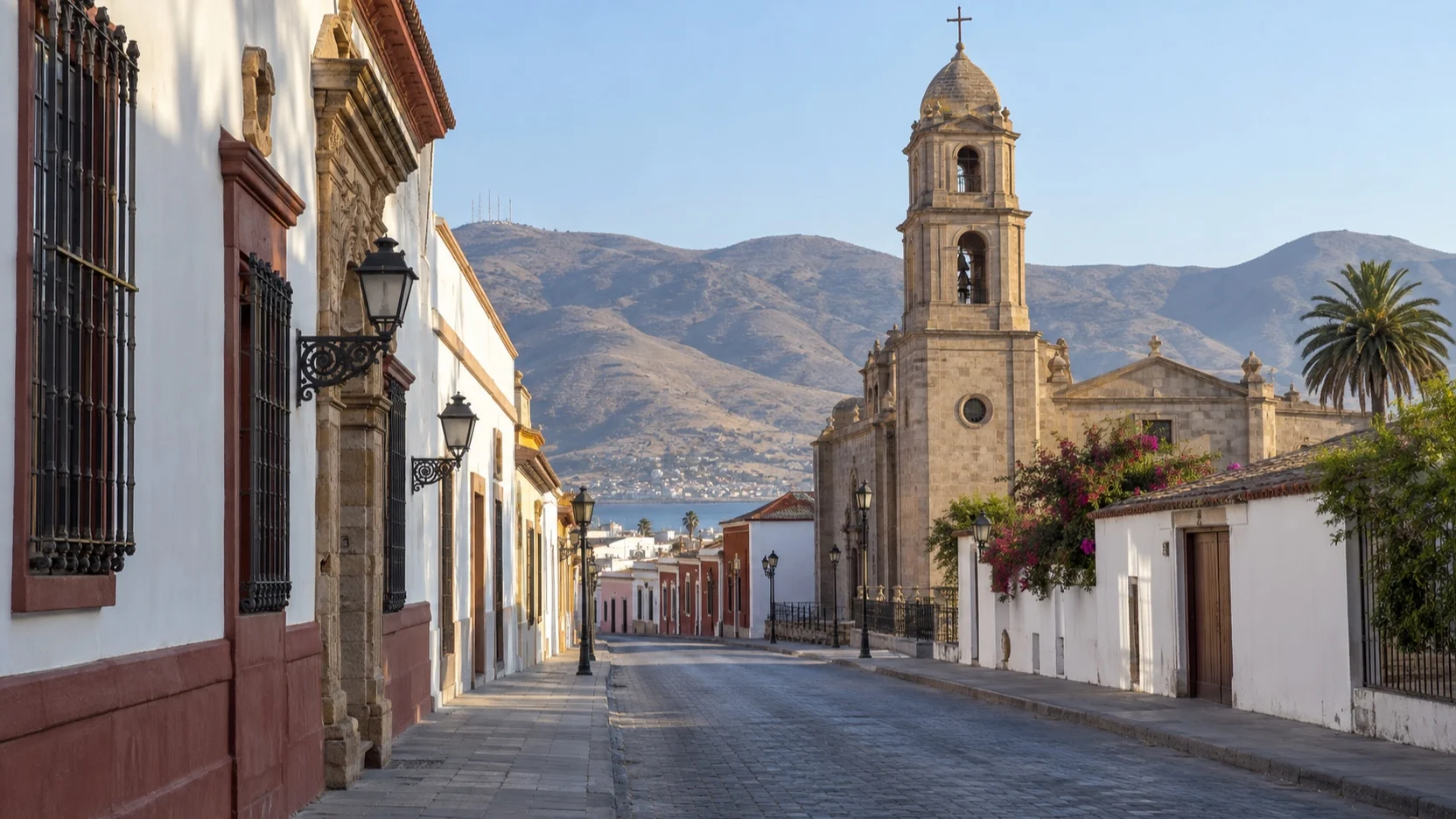
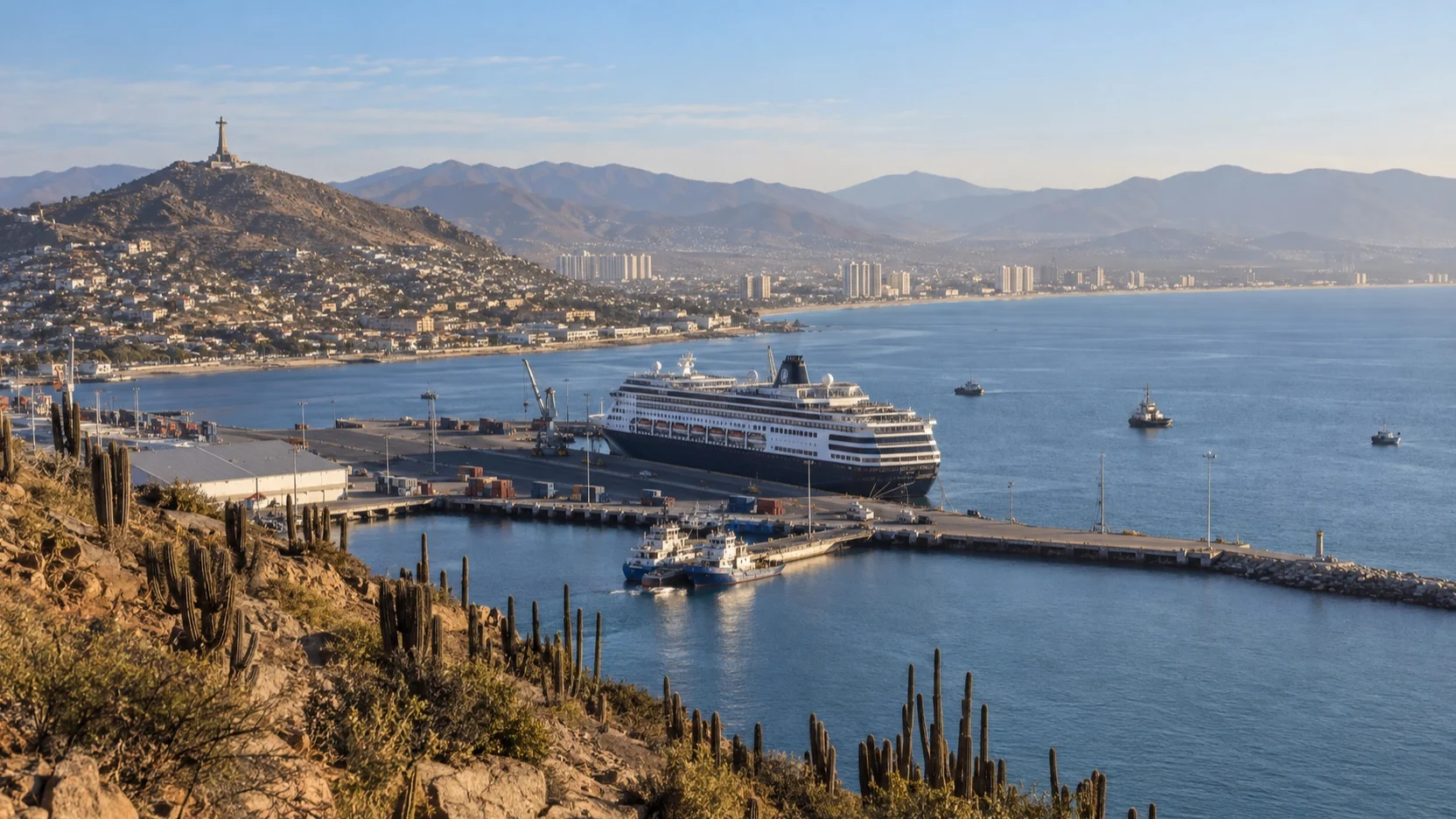
Coquimbo opens the door to an unexpectedly varied Chilean day. The port has maritime character, La Serena adds architecture and beaches, and the Elqui Valley shifts from desert hills to green vineyards with almost theatrical speed.
For me, the valley was the essential experience. Pisco, papaya, mountain light, and a night sky with visible depth turned this call into far more than a coastal city tour.
Coquimbo Cruise Port at a Glance
Best for: Elqui Valley scenery, pisco, La Serena, coastal views, and astronomy
My priority: A small-group or private Elqui Valley route with Vicuña
Main planning issue: Valley driving time and whether a night observatory fits the ship schedule
Pack: Sun protection, water, a warm evening layer, and comfortable walking shoes
Start with the Chile cruise ports overview if Coquimbo is one piece of a longer coastal itinerary. Northern and southern Chile feel dramatically different, and this stop belongs to the country’s dry, luminous side.
Quick Facts
- Port: Puerto Coquimbo serves the city of Coquimbo, with La Serena nearby along the same urban coast.
- Ship access: Coquimbo receives cruise ships at its commercial port, but berth, gangway, gate, shuttle, and pickup arrangements should be confirmed for the sailing.
- Best easy plan: Coquimbo’s waterfront or La Serena keeps the day closer to the ship than an inland valley itinerary.
- Best full-day plan: Vicuña and the Elqui Valley can work when port hours allow a generous road and return buffer.
- Currency and language: The Chilean peso and Spanish are standard, though tourism operators may offer English.
- Time: Mainland Chile changes clocks on government-set dates, so use the ship’s announced time rather than a saved phone setting.
Arriving at Coquimbo Cruise Port
Cruise berthing and terminal procedures can change by ship, so follow the current instructions for walking routes, shuttles, and tour pickup. The official Puerto Coquimbo website is a useful starting point for port information.
Coquimbo and neighboring La Serena form a connected urban area, but the Elqui Valley extends well inland. A city-focused day is easier to improvise than a valley trip, which should be organized around the ship’s hours.
Confirm whether an operator meets inside the port, at a gate, or at a shuttle stop. That small detail can decide whether the day begins smoothly or with twenty minutes of frantic messaging.
The region is bright and dry, and distances can feel shorter from a bus window than they are. Keep your return deadline conservative even when roads look open.
How to plan the Elqui Valley
Vicuña, a pisco producer, and one scenic stop make a realistic daytime valley route when the call is long enough. Ask for the driving time in each direction and a fixed departure from the farthest point, because the valley should not be the final stop before all-aboard.
Distillery tours require reservations at some facilities, and tasting is for adults who meet current age rules. Choose a driver who will not drink, hydrate in the dry climate, and confirm whether English interpretation and admission are included.
Most astronomical observatories operate after dark and can cancel for cloud, wind, or technical reasons. A standard daytime call is better matched to a planetarium, museum, solar program, or scenic viewpoint than to a rushed night tour.
La Serena is the sensible alternative for a short call or limited mobility because it cuts the inland drive. Historic sidewalks and churches can still include curbs, steps, and service closures, so arrange a close drop-off if walking is difficult.
Best Things to Do from Coquimbo
Explore the Elqui Valley
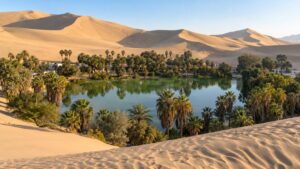
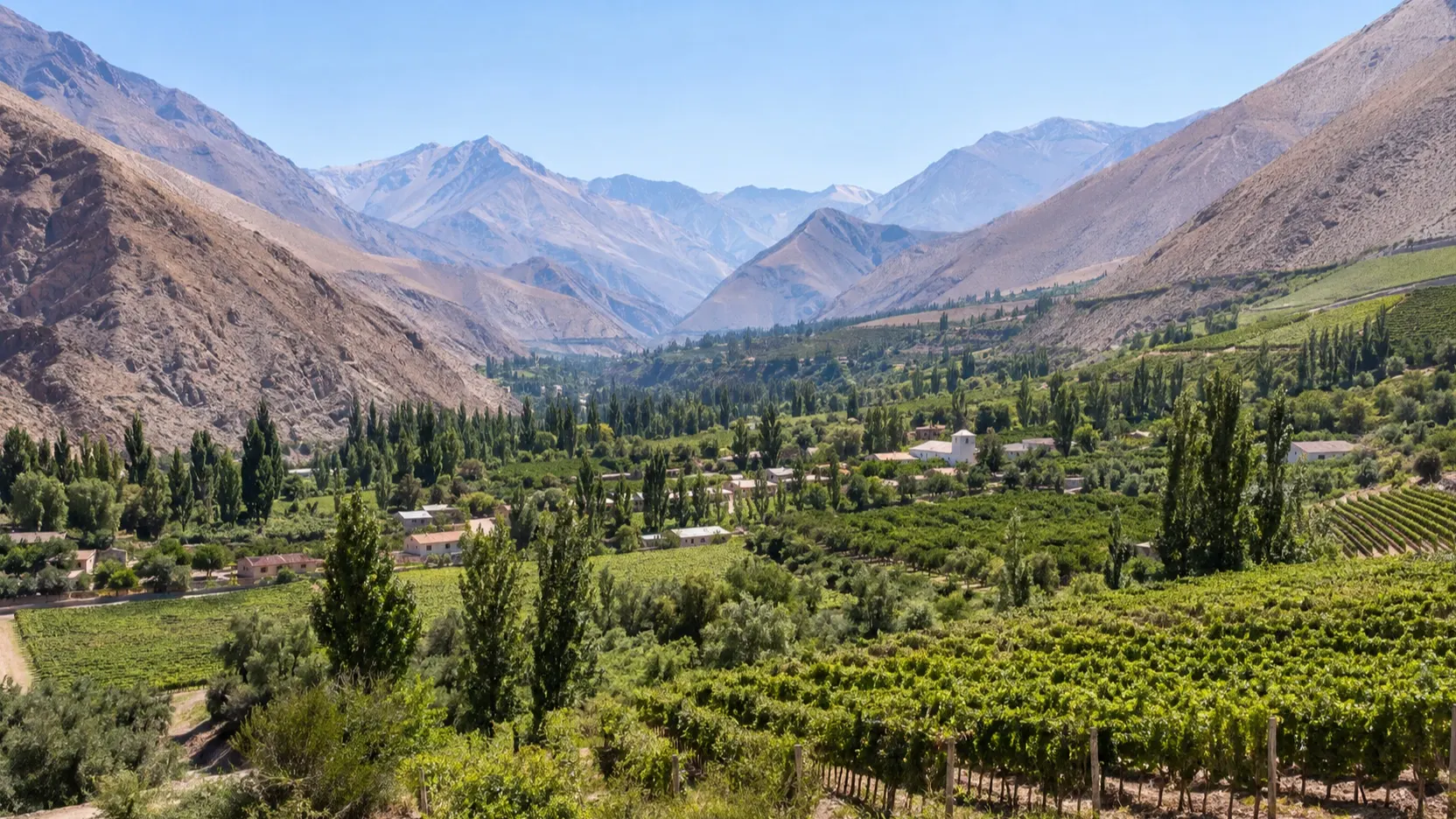
The valley is the headline choice for scenery, small towns, agriculture, pisco, and astronomy. It suits travelers willing to spend meaningful time driving in exchange for a landscape that changes constantly.
A good guide connects irrigation, grape growing, local livelihoods, and the unusual climate. Without context, the valley is beautiful, but the contrast between desert and cultivation deserves explanation.
Visit Vicuña
Vicuña makes a natural valley anchor with a plaza, regional culture, food, and access to nearby attractions. Chile’s official tourism site offers an introduction to Vicuña and its place in the Elqui Valley.
Leave time for a fruit stand, bakery, or small shop rather than treating the town as a restroom stop. Those ordinary encounters make an inland excursion feel less packaged.
Tour a Pisco Distillery
Distillery visits range from polished facilities to smaller traditional operations. Ask what the tour covers, how many samples are included, whether English guidance is available, and whether purchases can be packed securely.
Taste responsibly and remember that Chilean sun can make alcohol feel stronger. If you are prone to motion sickness on winding roads, a full tasting may not be the wisest choice.
Discover La Serena
La Serena offers churches, plazas, markets, beaches, and a distinctive historic center. The official tourism overview for La Serena and Coquimbo helps frame the connected destination.
A city day can combine architecture, a relaxed lunch, and coastal time with less driving than the valley. It is a sensible alternative for shorter calls or travelers who want fewer hours in a vehicle.
See Coquimbo’s Waterfront and Viewpoints
Coquimbo has its own identity through fishing activity, maritime history, markets, and hillside views. Do not let the neighboring city’s name erase the port city where the day begins.
The terrain can be steep, and attractions may be spread apart. A short taxi or organized city loop can conserve energy while preserving time for the waterfront.
Plan an Astronomy Experience Carefully
The valley’s clear skies are famous, but many cruise calls leave before darkness. Check the all-aboard time first, then investigate whether a solar observation, planetarium, or daytime science visit is available.
If the ship stays late, book with a cruise-aware operator and demand a realistic return schedule. A brilliant sky is not worth watching the ship sail without you.
My Ideal Coquimbo Cruise Day
I would leave the port promptly for the Elqui Valley with a guide who limits commercial stops. The route should include scenic viewpoints, Vicuña, one well-explained pisco visit, and an unhurried local lunch.
Regional papaya products are an easy food souvenir, but fresh fruit may be restricted by ship or customs rules. Packaged preserves are usually simpler, and the label should remain sealed for inspection.
If the call extends after dark, I would add a carefully scheduled observatory program and carry a warm layer. Desert temperatures can fall quickly even after an intensely bright afternoon.
If the ship departs earlier, I would return through La Serena for a walk and a completo. That version still delivers valley scenery, local flavor, and a comfortable buffer.
Travelers embarking nearby can use the San Antonio cruise port guide. Farther north, the Arica cruise port guide reveals an even more emphatic desert landscape.
Southbound travelers will find a striking contrast in the Puerto Montt cruise port guide. Coquimbo’s dryness and light make the lakes and greenery of southern Chile feel like another country.
There is more on this in Cape Horn Scenic Cruising.
Getting Around
Independent city travel between Coquimbo and La Serena is possible, but the valley is better with a prearranged driver or tour. Confirm the vehicle size, air conditioning, pickup location, and whether the guide remains with the group.
Ask for a written sequence with estimated driving times and a firm departure from the farthest point. A list of attractions without time estimates is not yet a cruise-safe itinerary.
Ship excursions provide the simplest logistics and may include port-side assembly. Compare group size, actual time at each stop, tasting details, and how much of the advertised duration is driving.
Save offline maps and the operator’s number. Mobile coverage may vary as the route moves deeper between hills.
Timing and Weather
The coast and inland valley can feel different on the same day. Bring layers that work for morning haze, hot sun, and a cooler evening rather than trusting one forecast icon.
Sun protection is essential because dry air can disguise exposure. Reapply sunscreen, drink water, and use a hat that will remain secure at open viewpoints.
Astronomy programs depend on darkness and visibility, while distillery and town visits are more predictable. Build the day around fixed ship hours, then let the sky be a bonus rather than a promise.
December gave me long light and a dry landscape, but individual conditions vary. Verify current weather, road notices, and operating schedules shortly before arrival.

Food and Drink
Try regional papaya as fruit, juice, preserve, or dessert. Use a clean, busy vendor and ask the driver to keep the stop on the planned route.
Pisco deserves thoughtful sampling rather than rapid consumption. Ask about grape varieties and production, then decide which style you actually enjoy before buying a bottle.
A completo makes an ideal casual finish, particularly with avocado, tomato, and mayonnaise piled high. Eat it near a table, because confidence does not make the toppings structurally sound.
Seafood is another natural coastal choice in Coquimbo and La Serena. Choose a reputable, busy restaurant and keep service time aligned with the return schedule.
Accessibility and Comfort
Historic streets, viewpoints, distilleries, and observatory sites can include steps, gravel, slopes, and uneven surfaces. Ask the operator about the exact route rather than relying on a general easy or moderate label.
Travelers sensitive to winding roads should discuss seating and stops in advance. The valley is rewarding, but the drive should not become the only memory.
Restrooms and shade are easier to find in towns and established facilities than at remote viewpoints. Use opportunities strategically and carry water even when the vehicle provides some.
Evening stargazing can involve standing still in cold air. A warm layer and stable shoes matter more than dressing for the temperature at the port.
Is Coquimbo Worth Visiting on a Cruise?
Yes, especially if you want a Chilean port day shaped by landscape and regional flavor. The Elqui Valley combines vineyards, dry mountains, pisco traditions, and astronomy, while La Serena offers a lower-driving alternative.
The destination works at several speeds. You can commit to a valley expedition, create a gentler La Serena day, or combine coastal culture with one inland focus.
Current operating checks
Chile changes between standard and daylight time on government-set dates, and the transition does not align neatly with the entire cruise season. Keep your phone on ship time until the daily program confirms local time, especially near the spring or fall clock change.
Observatories, distilleries, churches, and the Cruz del Tercer Milenio can have reservation windows, maintenance closures, or limited accessible routes. Verify the one attraction that anchors your day, then use La Serena’s plazas or Coquimbo’s waterfront as the flexible fallback.
Use a licensed, cruise-aware driver for the Elqui Valley and check current road or wildfire notices before departure. Keep alcohol modest at tastings and leave the farthest valley stop early enough to absorb a traffic delay.
Coquimbo Cruise Port FAQ
Can I visit the Elqui Valley during one port day?
Usually, if ship hours and transportation align. Book a cruise-aware route, confirm the farthest stop, and preserve a substantial return margin.
Can cruise visitors stargaze in the Elqui Valley?
Only when the ship remains late enough for darkness and the return journey. Daytime calls may offer astronomy museums, solar observation, or scenic alternatives instead.
Is La Serena the same as Coquimbo?
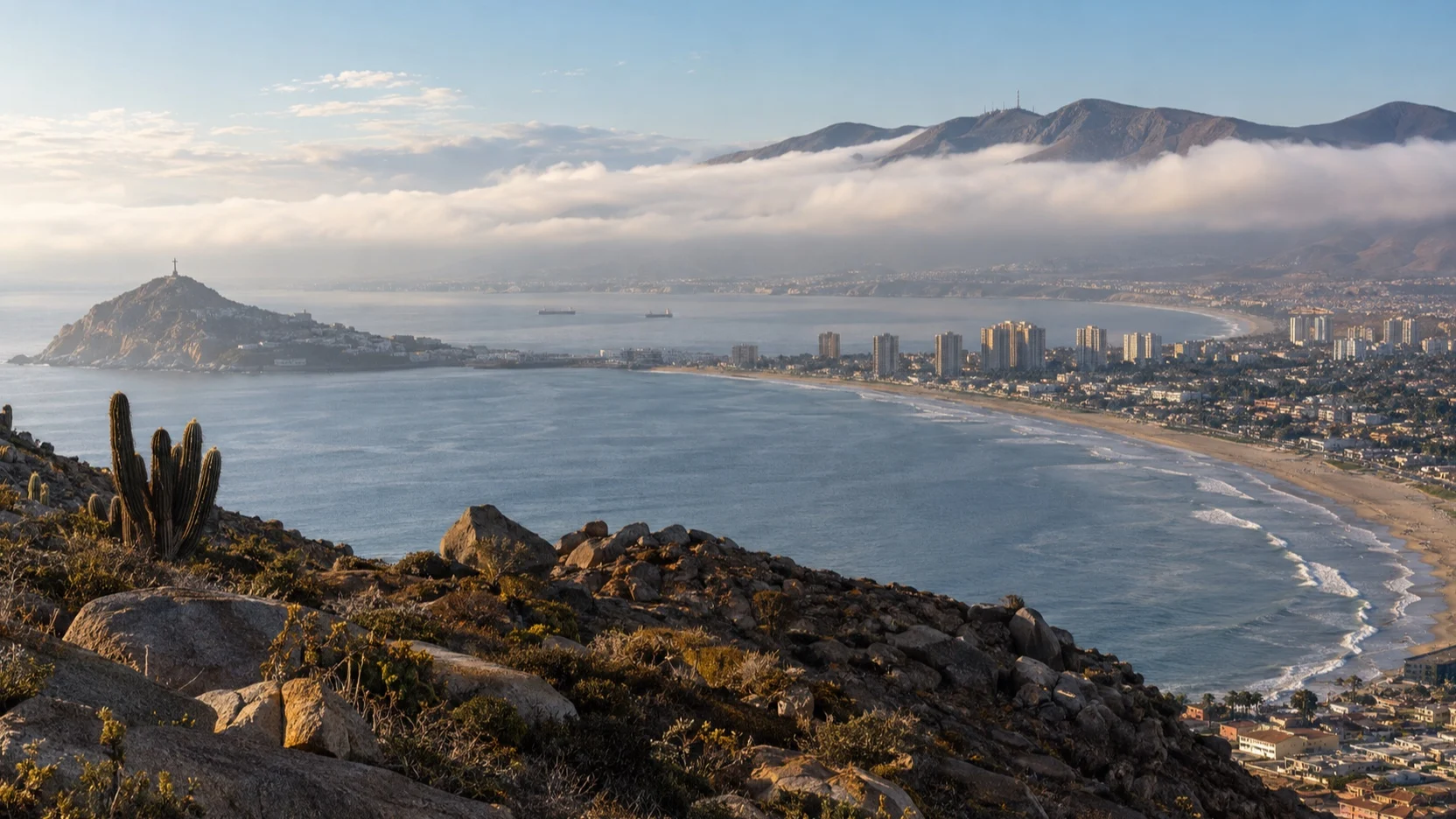
They are neighboring cities within the same urban area, but each has its own character. Coquimbo is the port city, while La Serena is known for its historic center and beach corridor.
What should I buy?
Regional papaya products and responsibly packed pisco are popular choices. Confirm customs and cruise-line rules before purchasing alcohol or fresh agricultural items.
How this guide was researched: This guide was checked on September 11, 2026 against current official destination information from Chile’s national tourism authority, including its La Serena, Coquimbo, and Vicuña guidance. Berth access, local transport, attraction hours, road conditions, observatory operations, and ship time can change, so reconfirm the sailing-specific details onboard and with booked operators; see our Editorial Policy.