Nuuk Cruise Port: Quays, Tenders and Town Time
Nuuk is the kind of capital that makes ordinary categories feel silly. It has government offices, apartment blocks, design shops, museums, buses, and serious coffee, yet mountains and one of the world’s great fjord systems begin almost at the edge of town.
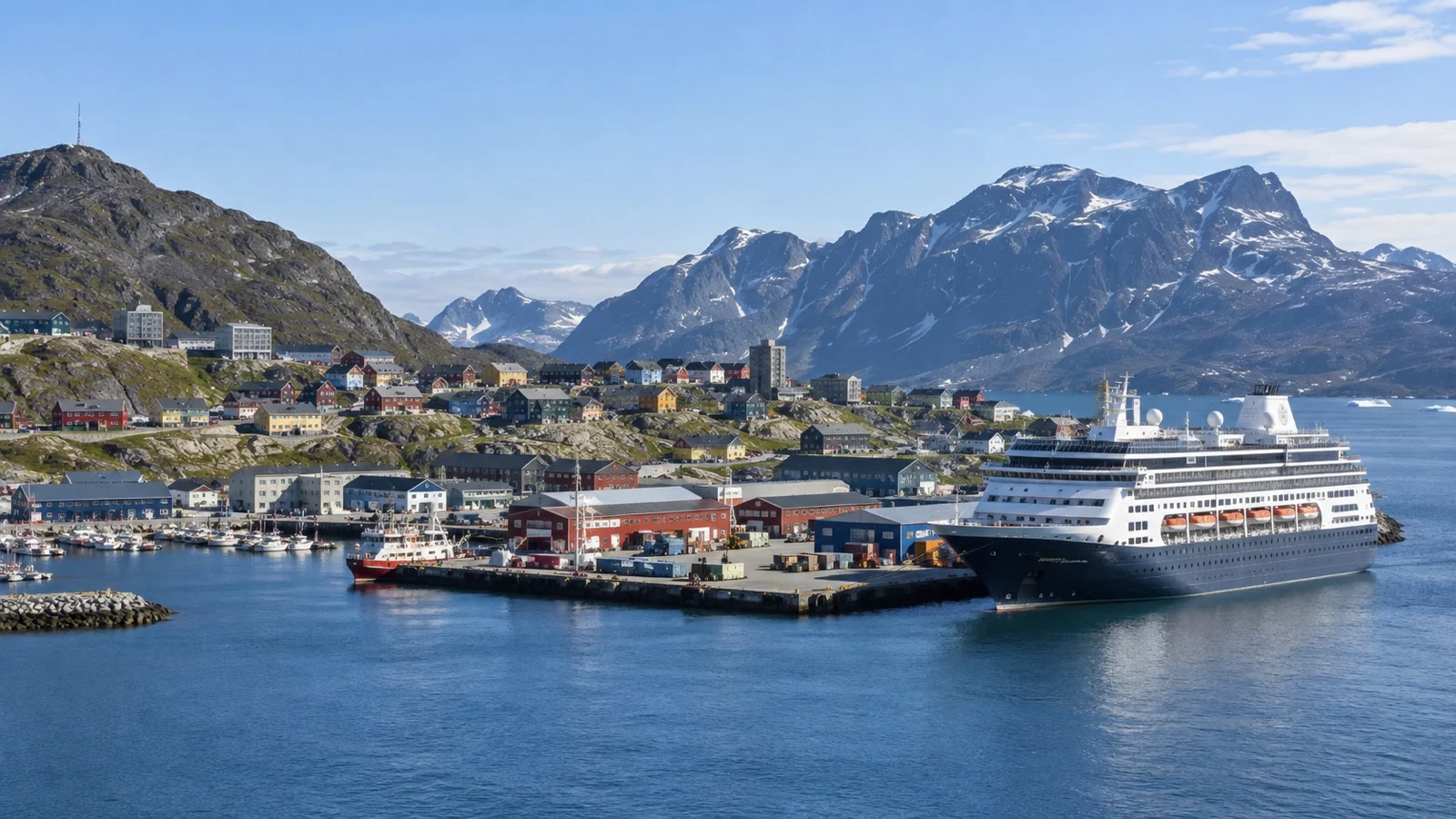
For cruise passengers, the day hinges on where the ship stops. An alongside berth gives you a straightforward start, while an anchorage adds tender tickets, weather, and a shorter clock, so confirm the operation before you book anything with a hard departure time.
My quick take
Come to Nuuk for contemporary Greenland as much as Arctic scenery. The Colonial Harbour and National Museum tell long histories, while Katuaq, public art, shops, and daily city life show a culture that is alive and changing.
I would explore the center first and add a fjord boat only when the weather and ship schedule cooperate. That order protects the part of the day you can control and makes a canceled small-boat trip disappointing rather than disastrous.
Quick Facts
- Destination: Nuuk, capital of Greenland
- Port operation: Alongside berth or anchorage with tender service
- Best first check: Confirm the day’s berth and tender plan onboard
- Currency: Danish krone
- Languages: Greenlandic and Danish, with English common in visitor settings
- Best easy sights: Greenland National Museum, Colonial Harbour, Katuaq, and central Nuuk
- Signature excursion: A weather-dependent boat trip into Nuuk Fjord
- Main challenge: Wind can alter berthing, tendering, and small-boat tours
- Essential clothing: Warm layers and a waterproof, wind-resistant outer shell
Where cruise ships arrive in Nuuk
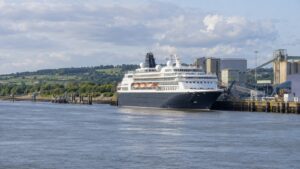
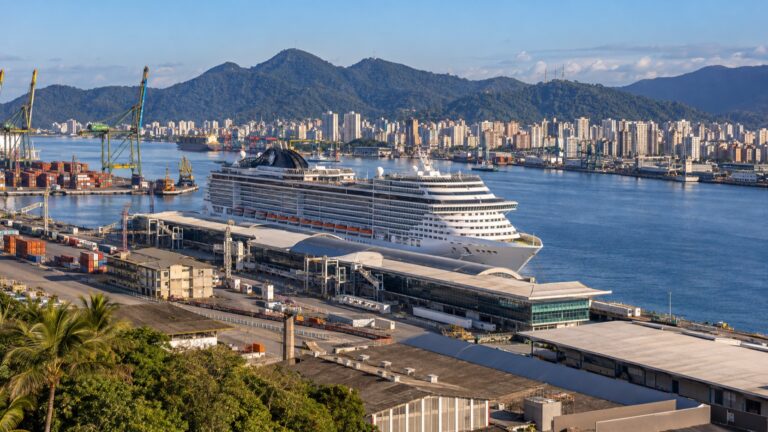
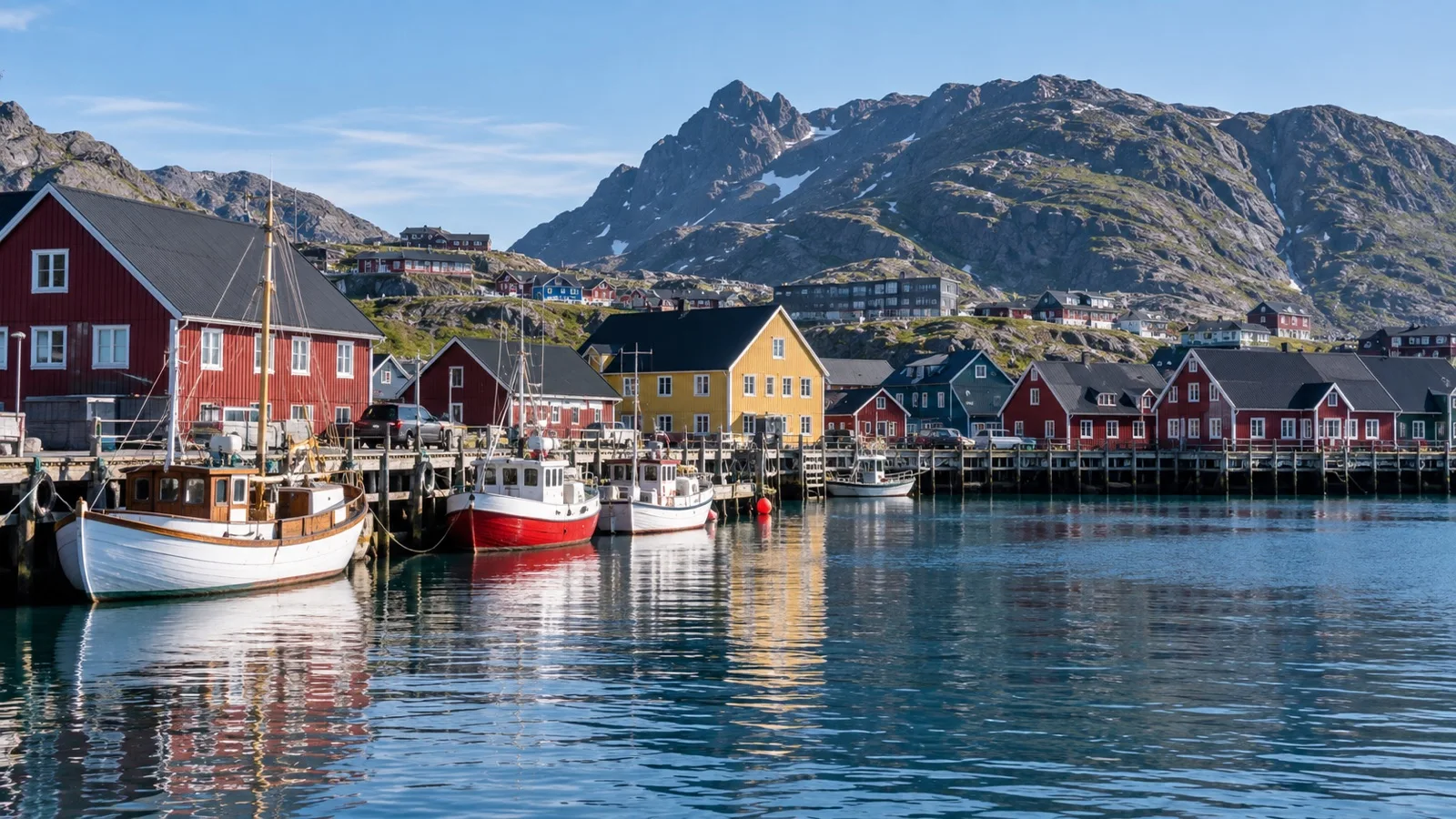
Nuuk’s harbor is a working supply and commercial port rather than a cruise-only facility. Port operations, ship dimensions, cargo needs, traffic, and weather all influence whether a vessel receives an alongside berth or remains at anchor.
Smaller ships may fit at one of the available quays, while larger vessels are more likely to use an anchorage and tender passengers ashore. Even a planned berth can change, so the ship’s announcement on arrival matters more than a map saved months earlier.
The difference affects far more than the first ten minutes. An anchored call can involve ticket groups, queues, a boat transfer, pauses in rough conditions, and an earlier final tender.
At an alongside working quay, follow the marked pedestrian route and any port shuttle instructions. Containers, forklifts, mooring lines, and service vehicles have priority, and an apparently direct shortcut may cross a restricted area.
What to do before leaving the ship
Check the berth or anchorage, first and last tender, all-aboard time, and whether ship time matches local time. Then confirm the meeting point for any private tour, because Nuuk harbor, the Colonial Harbour, and a tender landing are not interchangeable pickup descriptions.
If tenders are operating, take an early boat when possible and keep both hands free for the transfer. Do not build a tight schedule around the published docking time, since clearance and loading can delay the first passengers ashore.
Save a screenshot of the port agent’s number, the ship’s contact, and the return point. A paper version in a pocket is even better when cold weather drains a battery or damp fingers refuse to operate a screen.
Walking into central Nuuk
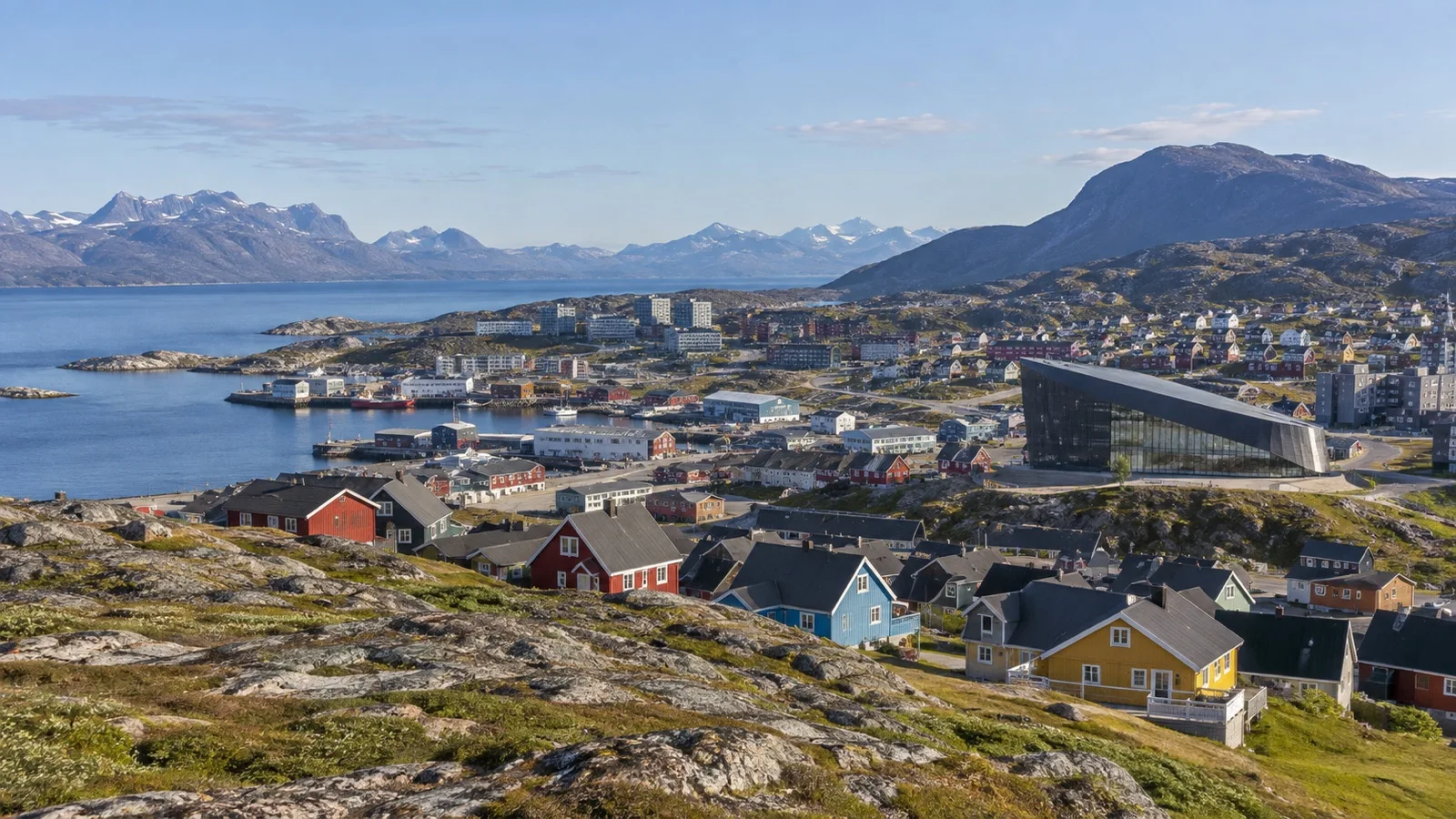
Visit Greenland describes central Nuuk as compact and easy to explore on foot. The practical route and distance still depend on where the ship berths or tenders, so ask crew for the approved exit rather than plotting a line across the port.
The center mixes paved pedestrian areas with slopes, steps, gravel, and exposed waterfront paths. Nuuk is built on rock, and the map rarely conveys how much effort a short uphill segment can require in a strong wind.
Street names and signs may appear in Greenlandic, and older references sometimes use Danish names. Save the current local name of your destination so you can ask for help without relying on a colonial-era label.
Getting around by bus and taxi
Nuup Bussii operates the city bus network, while taxis cover the airport, suburbs, and trail access points. Current routes and fares should be checked directly because a cruise guide ages faster than a timetable.
Visit Greenland advises preordering a taxi when timing matters, particularly around busy periods. Arrange the return at the same time if you are heading to a trail or neighborhood where empty cars may not be waiting.
Carry some Danish kroner even when you expect to pay by card. Payment methods can differ between buses, taxis, shops, and small operators, and a foreign phone wallet is not a substitute for a backup.
There are no roads connecting Nuuk with other Greenlandic towns. Anything marketed as a trip beyond the local road system will involve a boat, aircraft, or serious backcountry travel rather than a scenic drive to the next community.
The Greenland National Museum and Archives
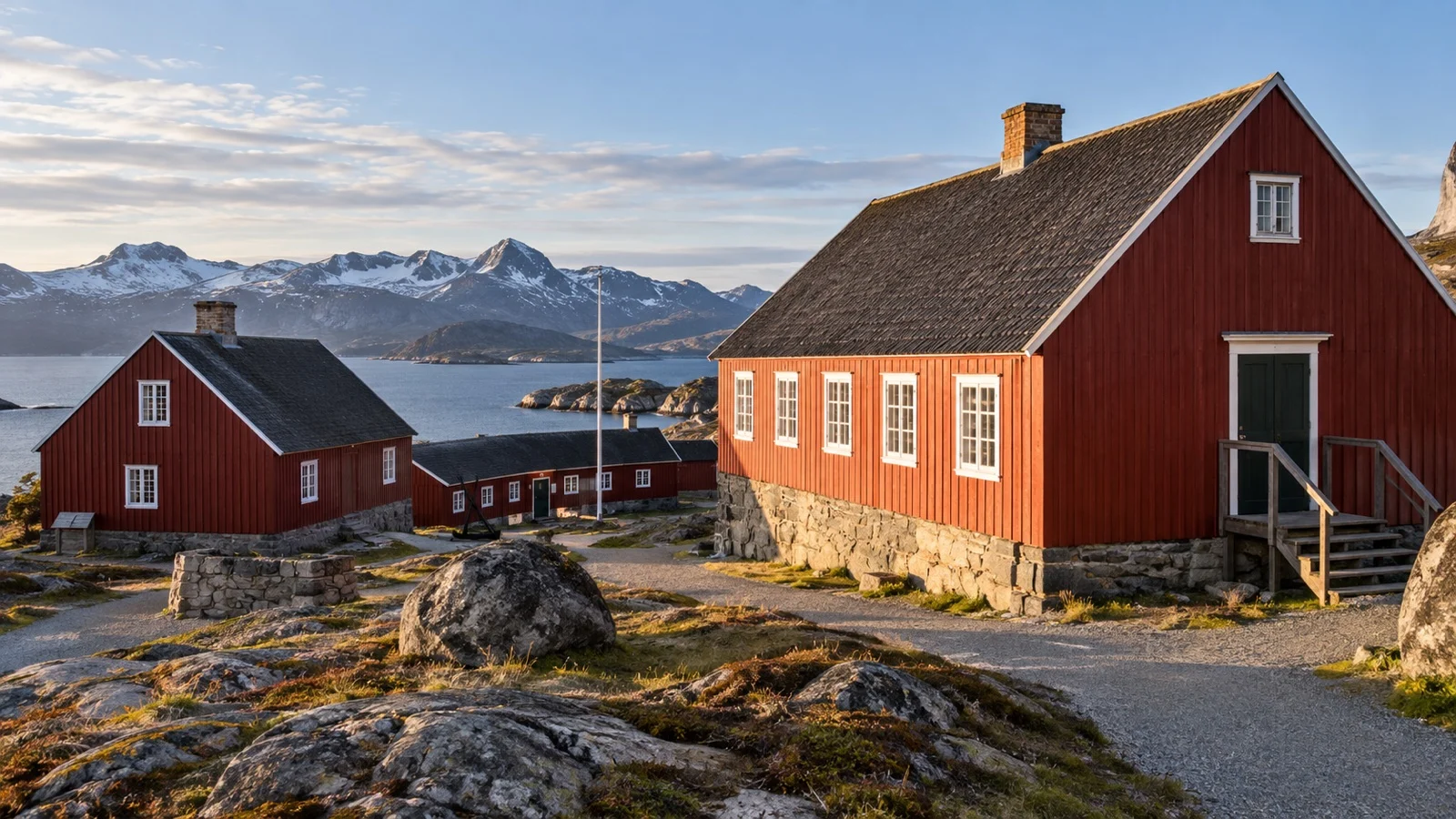
The Greenland National Museum and Archives is the best first stop for understanding what you are seeing elsewhere in Nuuk. Its collections connect archaeology, Inuit cultures, colonial encounters, clothing, boats, art, and the changes that shaped modern Greenland.
The museum’s official 2026 information lists daily summer opening from April 15 through September 15, from 10:00 to 17:00. Winter opening from September 16 through April 14 is listed from 12:00 to 16:00, with specific holiday closures.
Hours, admission, and gallery access can change, so check the museum on the morning of your call if it anchors the day. Cruise groups can make a small room feel crowded, and returning later may produce a calmer visit.
Read labels with enough time to absorb them and avoid treating sacred or human remains as spectacle. Follow every photography restriction, especially where the museum asks visitors to protect culturally sensitive material.
The Colonial Harbour
Nuuk’s Colonial Harbour gathers historic wooden buildings, waterfront views, the cathedral area, and the oldest visible layers of the city into a compact walk. It is often called a living museum because people still use the district rather than encountering it behind one gate.
The beauty of the red and ocher buildings should not flatten the history into a postcard. Greenlandic life long predates the Danish-Norwegian colony established here, and the colonial period carried religious, political, and cultural consequences that deserve more than a romantic caption.
Walk slowly, respect private and working buildings, and photograph people only with permission. The shoreline boardwalk and viewpoints can be slippery or exposed in rain and wind.
Katuaq Cultural Centre
Katuaq is Nuuk’s striking cultural center, with a facade inspired by the movement of northern light. Exhibitions, concerts, film, performance, and a cafe make it a useful window into contemporary creative life and a welcome shelter when the weather turns.
The public building may be open when a particular gallery or event is not. Check the daily program instead of assuming a cruise call will coincide with a performance.
I like pairing Katuaq with the museum because they prevent Nuuk from being reduced to one historical period. One holds deep collections, while the other shows artists and audiences using Greenlandic culture in the present tense.
Nuuk Art Museum and the art walk
Nuuk Art Museum presents historic and contemporary work connected to Greenland, and the city’s art walk extends that conversation into public space. Visit Greenland describes an audio-supported route through important works in the central area.
Confirm the museum’s opening hours and download any audio material before leaving the ship. Public wireless access and mobile data are not guaranteed to cooperate at the exact corner where an explanation matters.
Look closely at artist names, dates, and materials rather than treating every object as generic Inuit art. Greenland has distinct communities, generations, and individual artists whose work deserves accurate attribution.
Nuuk Cathedral and the Mother of the Sea
Nuuk Cathedral is a modest red landmark near the historic waterfront and an active church rather than a staged attraction. Enter only when open, keep voices low, and step aside during services or ceremonies.
The Mother of the Sea sculpture sits on the shoreline and can be partly covered as the tide rises. Its relationship to an important Inuit story gives the work more meaning than a quick photo, so read the local interpretation and view it from a safe surface.
Wet rock and tidal edges are not places to chase a better angle. Use the established path and let the water decide how much of the sculpture you see.
A boat trip into Nuuk Fjord
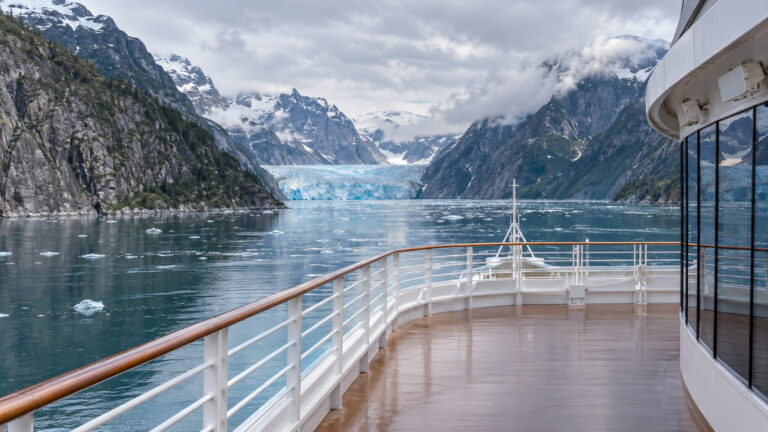
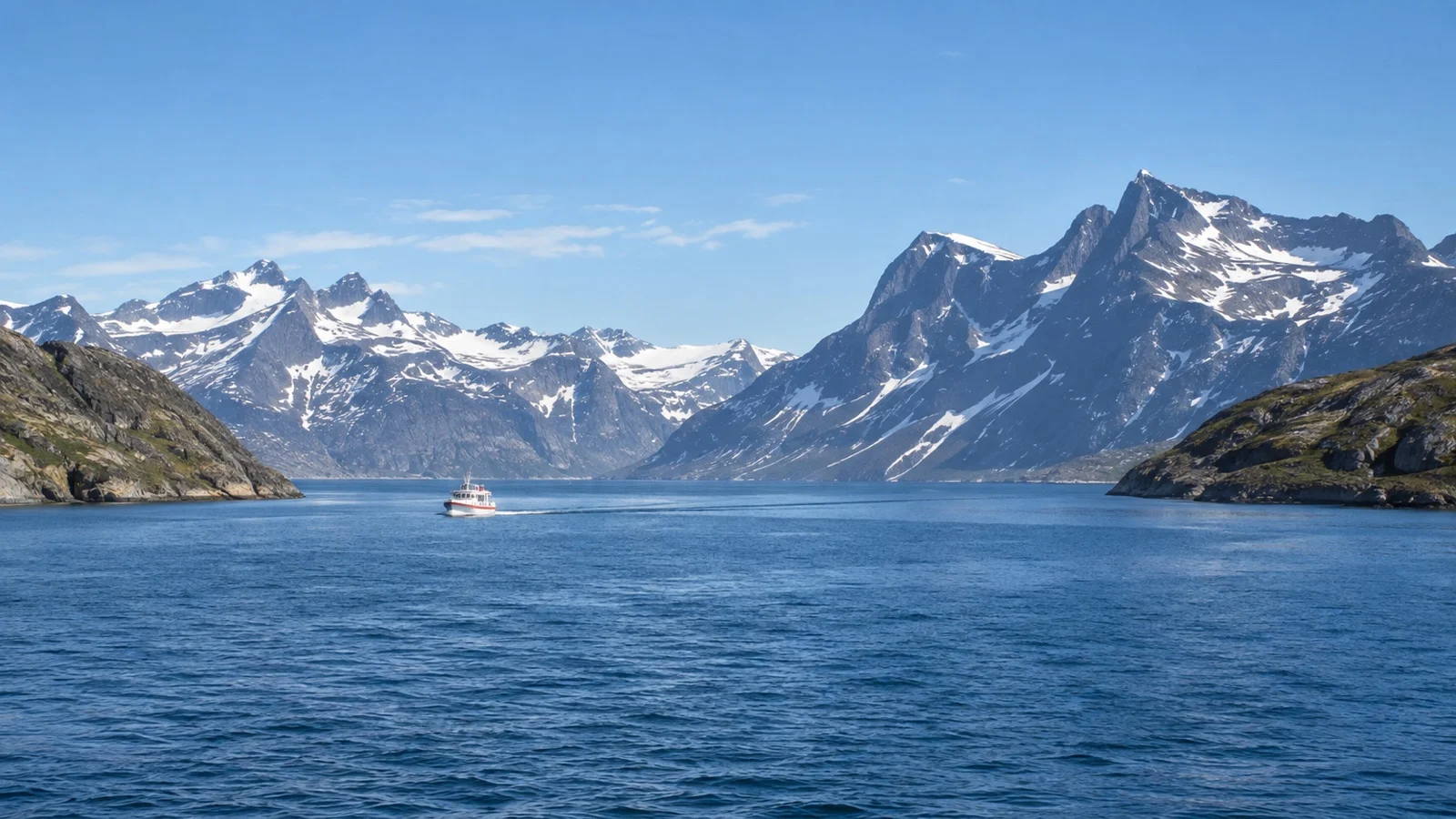
Nuuk Fjord is an immense system of waterways, mountains, islands, and settlements, and a boat tour can be the day’s unforgettable experience. Options range from a general scenic trip to wildlife watching, fishing, and longer visits deeper into the fjord.
Choose an operator that clearly understands cruise timing and gives a firm return well before all aboard. A private boat is not protected merely because its dock looks close to the ship.
Wind, visibility, waves, and mechanical realities can shorten or cancel a tour. Keep the operator’s live contact details offline, understand the refund policy, and have a town plan ready before the cancellation message arrives.
Whales, ice, and wildlife are never guaranteed. Nuuk Fjord offers powerful mountain and water scenery without needing to imitate the iceberg-filled views associated with Ilulissat.
Wear the flotation or survival gear supplied, remain seated when instructed, and keep cameras attached. The air on the water can feel much colder than the same temperature in a sheltered street.
Do not expect Ilulissat in Nuuk
Nuuk lies south of the Arctic Circle and does not sit beside the calving icefjord that defines Ilulissat. You may see floating ice depending on conditions and route, but a harbor packed with giant icebergs is not a promise of this port.
That is not a weakness, just a different landscape. Nuuk’s strengths are fjord scale, mountain profiles, culture, food, architecture, and the rare chance to see Greenland’s capital functioning as a real city.
Travelers who arrive searching only for a familiar brochure image miss the best part. Let Nuuk be Nuuk rather than grading it against a town hundreds of miles away.
Hiking on a port day
Mountains rise directly behind the city, and Visit Greenland highlights Ukkusissaq and Quassussuaq among the local outdoor options. A summit route is a genuine backcountry outing, not a casual extension of the shopping street.
Weather can change fast, trails can be wet or poorly marked, and a fall may occur far from immediate help. Attempt a serious hike only with appropriate experience, equipment, route information, and enough time to turn around early.
For most cruise calls, a lower coastal walk gives you views without committing the whole day to a summit. Tell someone your route, carry offline navigation, and do not rely on a cellular signal as a rescue plan.
If the ship is tendering, add the final boat deadline to the turnaround calculation. Reaching the waterfront after the last tender is not the same as reaching an alongside gangway.
Food and shopping
Nuuk has cafes, bakeries, supermarkets, and restaurants that make a city day easy to pace. Local menus may feature Greenlandic seafood and meat, but ingredients and preparations vary, so ask rather than making assumptions from a translated name.
Reservations are wise for a specific restaurant, especially when a ship adds hundreds of visitors to a compact center. Keep a casual cafe or supermarket lunch as a backup if an excursion runs late.
Greenlandic art, clothing, and craft can be meaningful purchases when the maker and material are clearly identified. Ask whether an item uses animal products and check the import rules of every country on your route before buying it.
Bargaining is not the default in established shops. Pay the stated price, request documentation for regulated materials, and avoid mass-produced objects presented vaguely as locally handmade.
Entry rules for Greenland
Greenland is not part of the Schengen Area, and a visa valid for Denmark or another Schengen country is not automatically valid for Greenland. The Danish Immigration Service states that travelers from visa-required countries need permission specifically valid for Greenland.
Visa-exempt travelers may have different rules, while residence permits and special passports introduce other conditions. Check the official New to Denmark guidance for the passport you will use and compare it with the cruise line’s written instructions.
Do not wait until embarkation to discover that a visa sticker lacks the required territorial validity. The cruise line can collect documents, but it cannot rewrite immigration rules at the gangway.
Weather and clothing
Nuuk’s cruise season brings long daylight, but not guaranteed warmth. Wind, damp air, rain, low cloud, and rapid shifts between sun and cold are more important than a single forecast temperature.
Wear a moisture-managing base, a warm midlayer, and a waterproof wind-resistant shell. Add a hat and light gloves, then carry a small pack so you can adjust rather than sweating through every layer on an uphill street.
Shoes need traction on wet pavement, gravel, boardwalks, and boat decks. A folding umbrella is less useful than a hood when the wind starts pushing sideways.
Check the Danish Meteorological Institute’s Greenland forecast close to arrival and listen to the ship. A calm morning can still produce an altered tender or fjord-tour plan by afternoon.
Accessibility and mobility
An alongside berth can make Nuuk reasonably manageable, while a tender call can remove access entirely for some travelers. Ask the cruise line whether your mobility device can be transferred and what physical steps are required under normal conditions.
Tender permission remains a day-of-operation safety decision. A calm forecast does not obligate the crew to transfer a passenger if the boat movement, equipment, or landing creates unacceptable risk.
Central pedestrian areas and modern public buildings can be accessible, but slopes, gravel, thresholds, and older waterfront surfaces create gaps. Request exact entrance and elevator information from the attraction rather than relying on a general city label.
Prearrange an accessible taxi if walking distance or gradients are a concern. Confirm the vehicle’s ramp, lift, space, and securement directly, because saying wheelchair friendly can mean different things to different operators.
Three realistic Nuuk days
A short or tender-delayed call
Concentrate on the National Museum, Colonial Harbour, cathedral area, and Katuaq. This compact plan can shrink gracefully if the first tender is late or the final tender moves forward.
A balanced city day
Begin at the museum and historic harbor, walk through the center for Katuaq and public art, then have lunch and shop from identified local makers. Add a waterfront stroll only after confirming the return route.
A fjord-focused day
Take a ship excursion or well-vetted local boat with a conservative return, then use any remaining time in central Nuuk. Do not schedule a serious mountain hike after the boat or assume a weather cancellation will happen early enough to rebook the museum smoothly.
Quick answers
Does Nuuk dock or tender?
Both are possible, depending on berth availability, ship needs, port traffic, and weather. Use the ship’s arrival information to plan the version of Nuuk you actually have.
Is central Nuuk walkable?
Yes, the center is compact, but the approved port exit, slopes, gravel, and wind affect the effort. Passengers arriving at a different quay or tender landing may have a different first walk.
Can I see icebergs?
Perhaps, but Nuuk does not offer the reliable calving-icefjord scene associated with Ilulissat. Book a fjord tour for mountains and Arctic water, not a guaranteed iceberg photograph.
What currency should I carry?
The Danish krone is the local currency, and cards are common in Nuuk. Carry some cash as a backup for buses, small purchases, or a payment failure.
Do I need a special visa?
Travelers from visa-required countries generally need a visa explicitly valid for Greenland, because an ordinary Schengen visa is not automatically sufficient. Verify the rule for your nationality with the Danish Immigration Service.
My last word
Nuuk works beautifully when you stop demanding that an Arctic capital behave like an iceberg excursion. Give its museum, harbor, artists, cafes, and modern neighborhoods the same attention you would give the mountains behind them.
Confirm the berth, protect the return margin, and let a fjord boat be a weather-dependent bonus. The most satisfying day here is the one that understands Greenland is a living country, not empty scenery between photographs.
This guide was desk-researched on September 12, 2026 using current official information from Sermersooq Cruise, the Greenland National Museum and Archives, Visit Greenland, and the Danish Immigration Service. It does not claim a personal sailing, berth inspection, museum visit, or fjord trip.
Berths, tender operations, museum access, tours, entry rules, fares, and weather can change, so confirm every time-sensitive detail for your sailing before leaving the ship.