Martha’s Vineyard Cruise Port: Oak Bluffs, Vineyard Haven and Island Plans
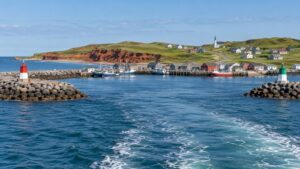
Martha’s Vineyard is one island but not one port plan. A tender landing in Oak Bluffs gives you colorful cottages and a lively seaside town, while Vineyard Haven begins with a working harbor, year-round community, and a different set of bus connections.
The island’s six towns invite ambitious loops, but the best cruise days usually choose one landing town and one meaningful extension. Everything becomes easier when you stop planning from the words Martha’s Vineyard and start planning from the exact tender pier.
Your itinerary needs to name a town
Cruise ships generally anchor offshore and use tenders, with Oak Bluffs and Vineyard Haven serving as possible shore gateways according to the sailing and conditions. The ship’s daily program is the authority for the actual landing, tender tickets, and final boat.
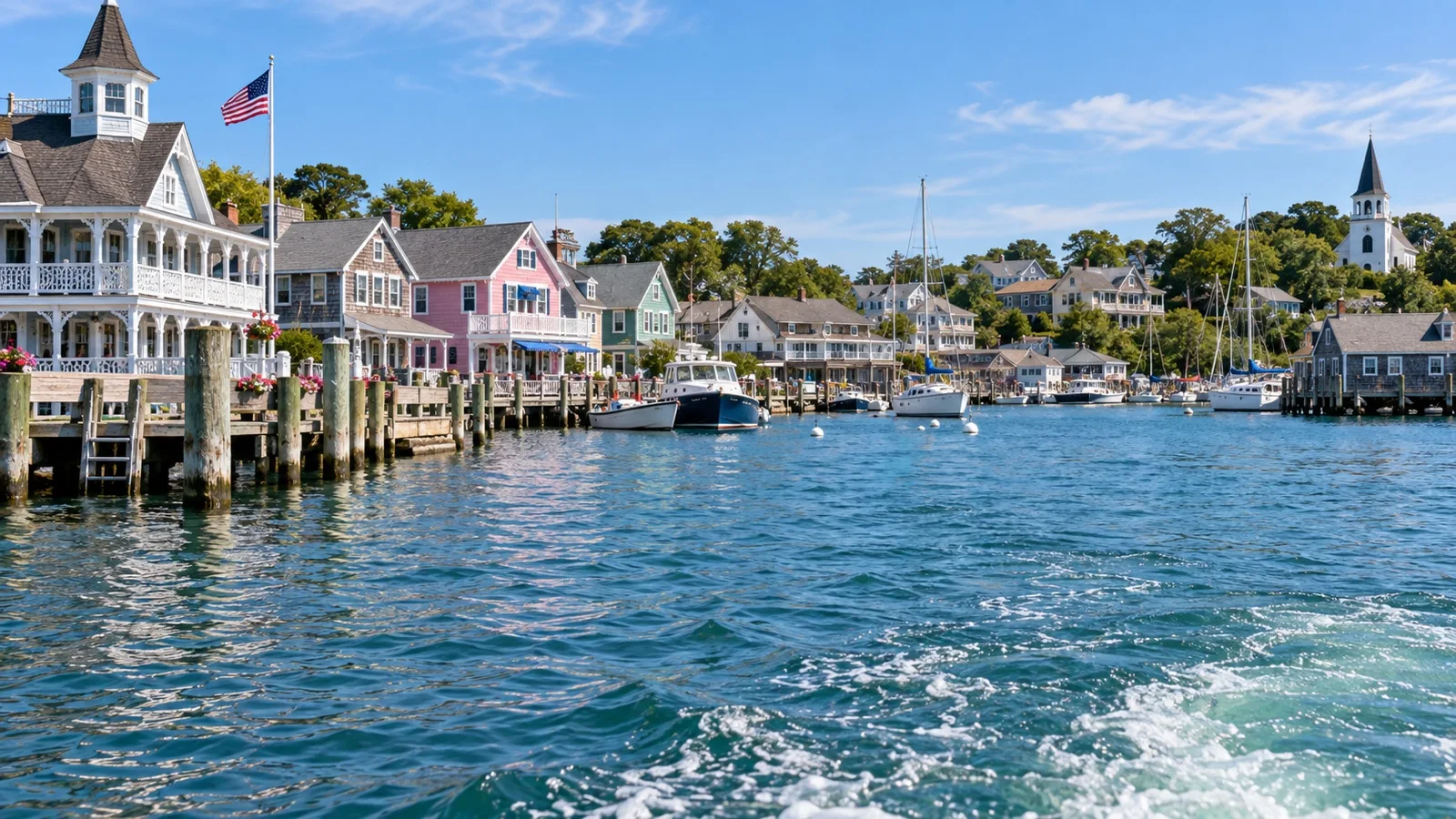
Do not assume a map saved for Oak Bluffs will work in Vineyard Haven. The towns have different harbors, streets, attractions, and connections, so a change in landing requires a new calculation.
Take a photograph of the tender point and posted return instructions when you arrive. Public ferries, private boats, and harbor activity can make the waterfront look deceptively interchangeable later.
Quick facts
- Arrival: Cruise ships anchor and tender, commonly toward Oak Bluffs or Vineyard Haven according to the sailing
- Currency: US dollar
- Language: English
- Best easy Oak Bluffs day: Campground cottages, Ocean Park, harbor, lunch, and town beach
- Best easy Vineyard Haven day: Working harbor, Main Street, Martha’s Vineyard Museum, and a waterfront meal
- Best island connection: VTA bus service checked against the live seasonal schedule
- Most ambitious public-transit outing: Aquinnah, only with a long call and a protected return
- Main risks: Fog, wind, tender queues, seasonal bus gaps, traffic, and using the wrong landing town
Oak Bluffs starts with color
Oak Bluffs is the more immediately playful gateway, with a compact center, harbor, Ocean Park, beaches, and the remarkable cottages of the Camp Meeting grounds. It can fill a port day without a bus, which is a major advantage when tenders or fog create uncertainty.
Martha’s Vineyard Camp Meeting Association
The Campground is a living historic community known for small, highly decorated cottages arranged around the Tabernacle. Walk respectfully, stay on public routes, keep voices down, and remember that the homes are not a theme park.

The Martha’s Vineyard Camp Meeting Association provides current visitor and program information. Events, interior access, tours, and seasonal activities should be confirmed for your date rather than assumed.
Details reward slow looking here. Porches, trim, color, scale, and the relationship between cottages make the neighborhood more interesting than racing toward a single famous facade.
Flying Horses Carousel
The Flying Horses Carousel is an Oak Bluffs landmark with a long history, but operation is seasonal and hours change. Check the current schedule before promising children or nostalgic adults a ride.
Even when closed, the town still works beautifully as a walking day. Build the carousel as a bonus rather than the only reason to leave the ship.
Ocean Park and town beach
Ocean Park creates an open green pause between the cottages, streets, and sea. It is a useful place to orient the group, rest, and decide whether beach time fits the weather.
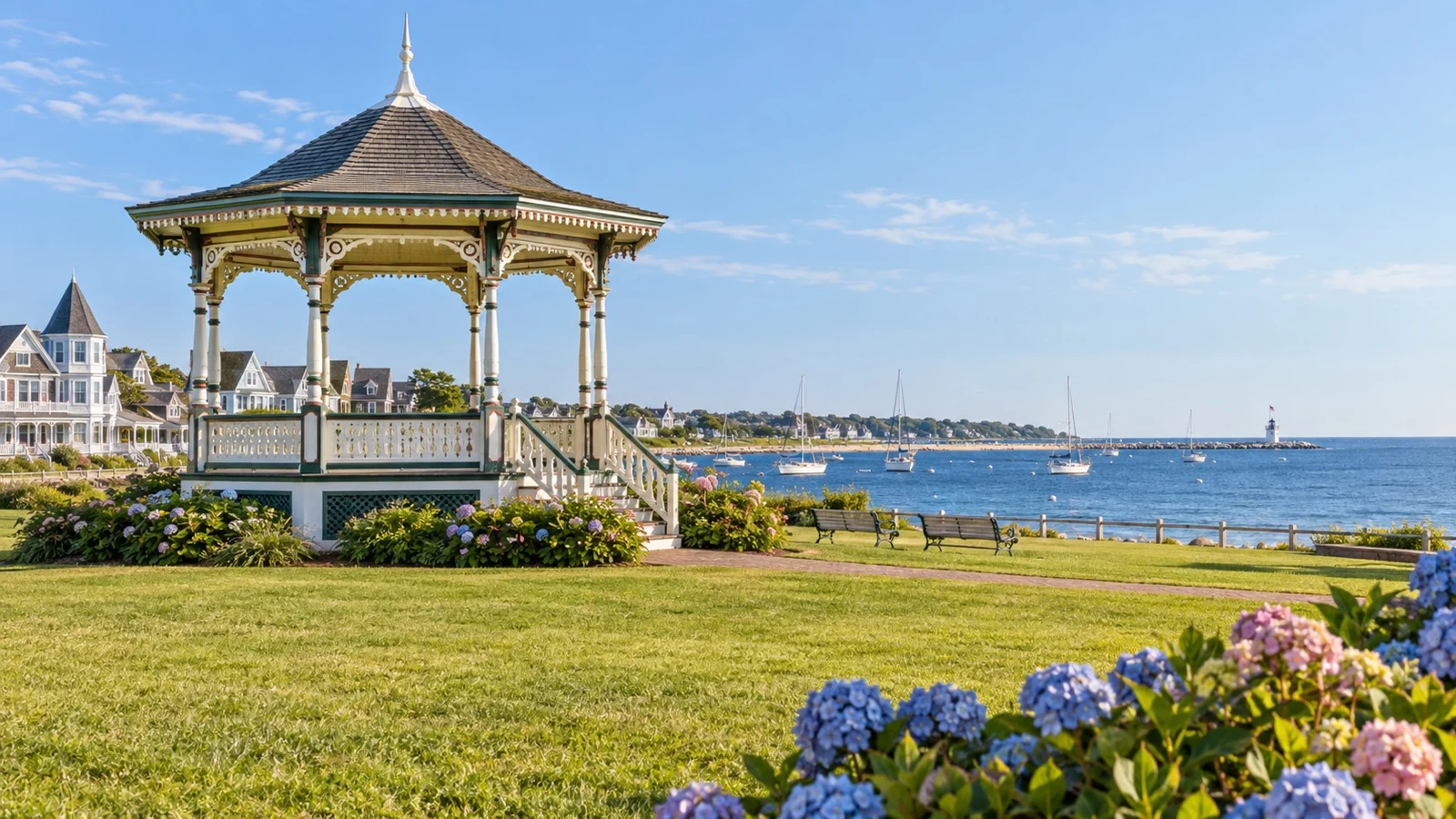
Public beach access, lifeguard service, restrooms, and water conditions vary by season. Follow town signs and do not enter rough or cold water simply because the ship is visible offshore.
East Chop
East Chop offers residential scenery and a lighthouse landscape beyond central Oak Bluffs. Access to the lighthouse grounds or interior can be limited, so check official preservation information before making it the day’s fixed goal.
The walk or bicycle ride adds distance and road exposure. A taxi or bus can be more sensible when time, heat, or mobility matters.
Vineyard Haven is a working harbor town
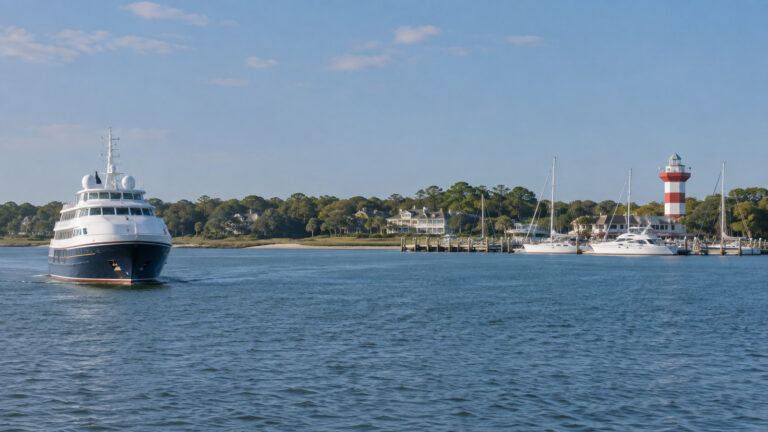
Vineyard Haven is the year-round ferry gateway in the town of Tisbury, with a harbor shaped by everyday island transport. Its Main Street, galleries, shops, cafes, and maritime atmosphere create a quieter start than Oak Bluffs.
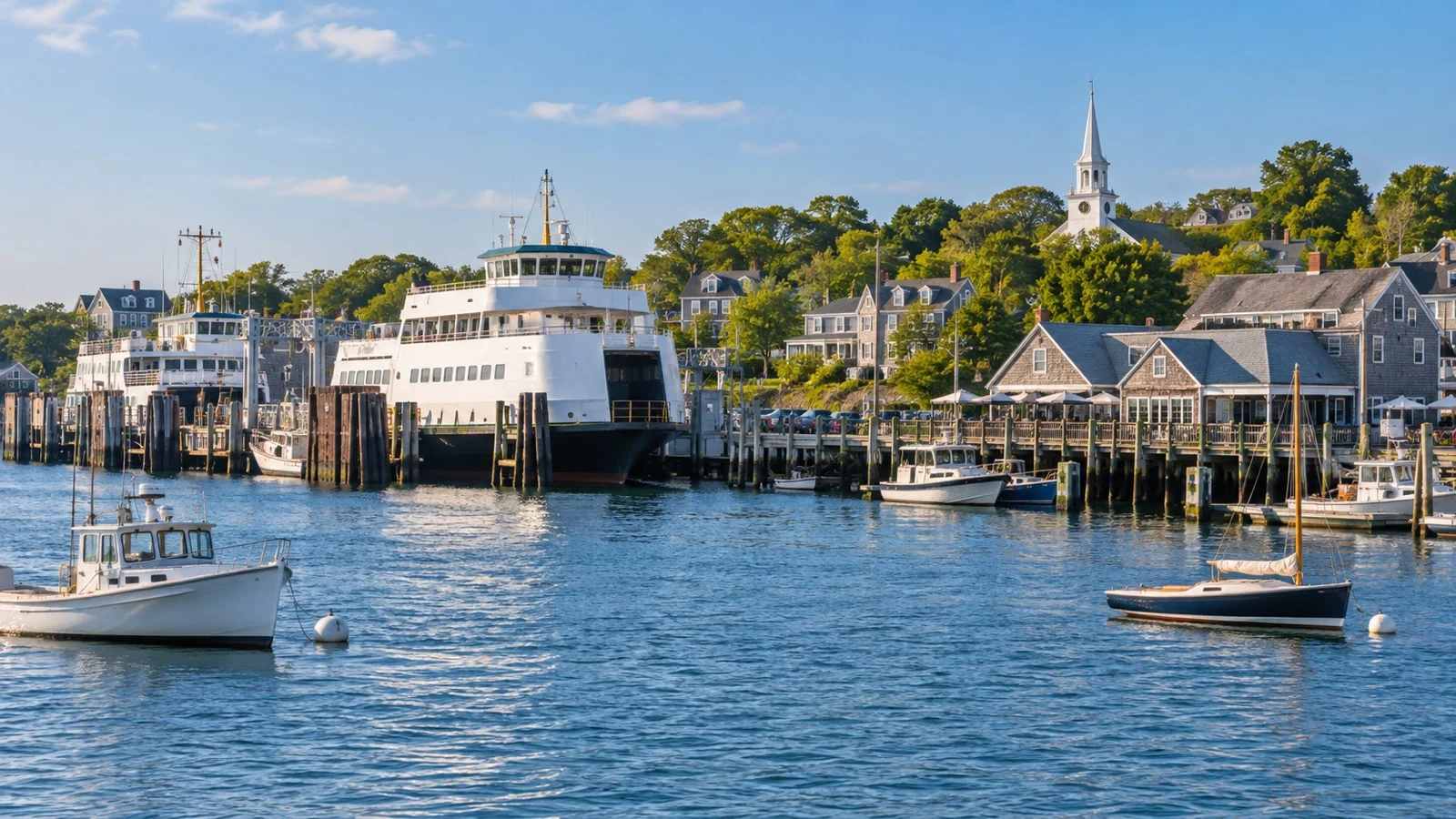
A tender landing here should not feel like an inferior substitute. It simply favors a harbor walk, museum time, local shopping, and VTA connections built from Vineyard Haven rather than Oak Bluffs.
Main Street and harbor
Begin by looking back at the tender landing and identifying the easiest return route. Then explore the harbor edge and Main Street without letting shopping bags or lunch reservations pull you too far from the water.
Business hours vary sharply between summer and shoulder season. Check what is open on your date and enjoy the town as a community, not a retail checklist.
Martha’s Vineyard Museum
The Martha’s Vineyard Museum in Vineyard Haven interprets island history, communities, maritime life, and changing culture. Check its official visitor page for current hours, exhibitions, admission, and accessibility.
A museum visit is particularly useful before a bus loop because it turns place names into stories. It is also a strong weatherproof anchor when fog or rain makes an island tour less appealing.
West Chop and nearby scenery
West Chop offers a quieter residential and coastal direction from town, but lighthouse access and road conditions should be confirmed. Do not assume that a landmark visible on a map is open to interior visits.
A short taxi ride or focused bicycle route can work, though shoulder width and traffic comfort matter. Keep residential driveways and private shore access clear.
VTA buses turn six towns into choices
The Martha’s Vineyard Transit Authority connects island towns through a network that changes with season and service period. Use the official VTA site or app for the exact date, stops, fares, alerts, and last return.
A route that runs frequently in peak summer may be sparse or absent in spring or fall. Never build a tender return around a schedule copied from a different month.
How to use the bus safely
Identify your boarding stop, transfer point, route number, direction, and backup before leaving the landing town. Take screenshots because mobile service and real-time displays are helpful but not guaranteed.
Choose a preferred return bus with enough time for a later backup and the tender queue. If a route requires two connections, allow delay at both.
Fares and payment
Check the VTA’s current fare and payment guidance rather than relying on an old dollar amount. A day pass may make sense for multiple rides, but convenience matters less than a schedule that protects the ship.
Carry a backup payment method and do not assume every stop has a ticket machine. Ask the driver politely when uncertain, then move clear so local passengers can board.
Edgartown earns half a day
Edgartown offers white-painted historic houses, a handsome harbor, shops, restaurants, and a strong sense of the island’s maritime prosperity. It pairs naturally with either Oak Bluffs or Vineyard Haven when VTA service and call length align.
Choose a walk through the historic center, harbor, one museum or preservation site, and lunch. Adding South Beach, Chappaquiddick, and Katama to the same short visit makes the day more about connections than Edgartown.
Harbor and historic streets
The harbor is active with ferries, private boats, and local traffic. Stay aware near docks and crossings, and do not step onto restricted marine areas for a cleaner photograph.
Historic streets are also residential. Keep doorways clear and avoid photographing into homes simply because the architecture is beautiful.
Edgartown Lighthouse
The lighthouse stands near the harbor and can be reached by a walk that may include sand and changing shoreline conditions. Interior access is seasonal, so use current preservation information before planning a climb.
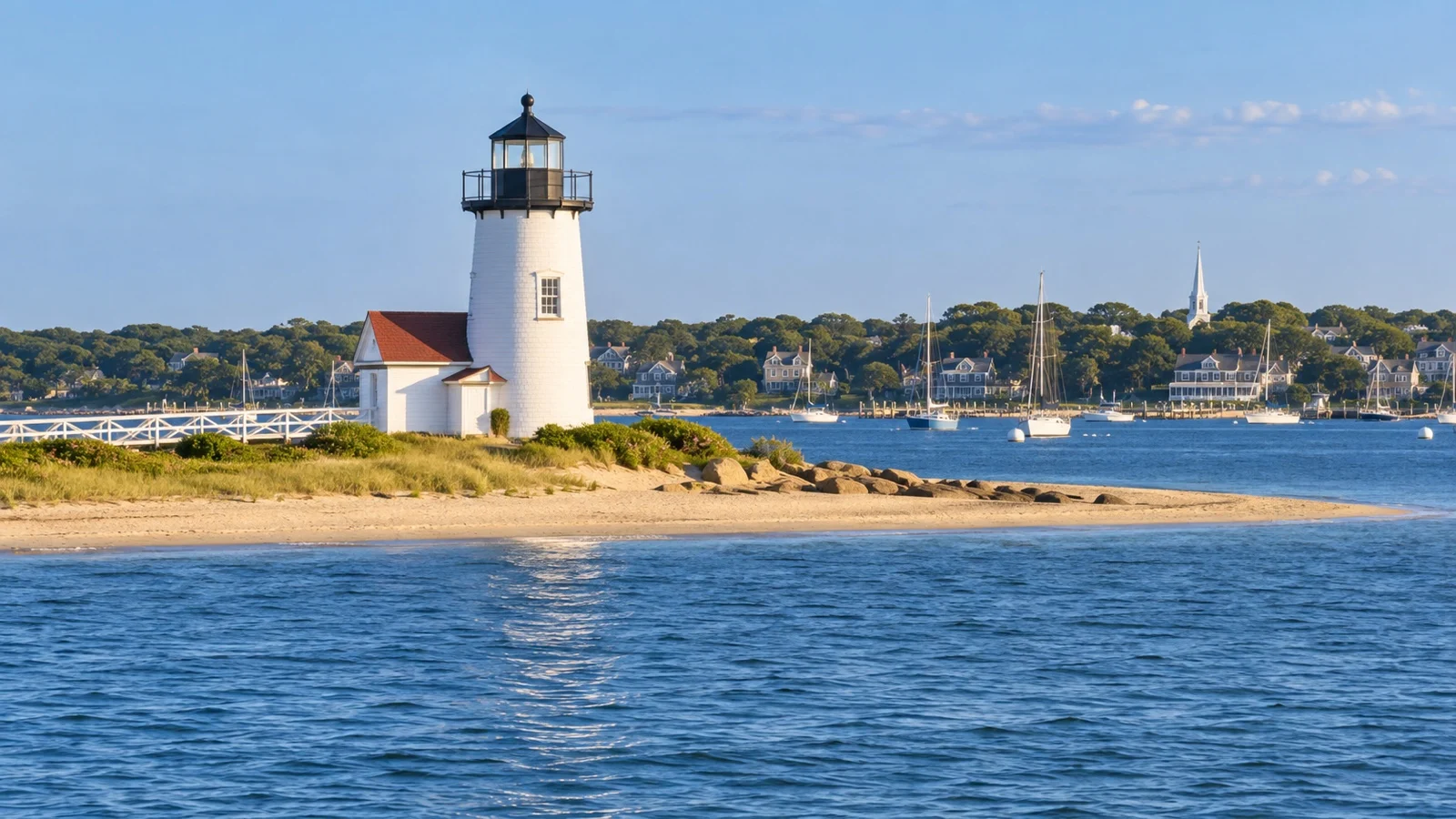
The exterior setting can still be worthwhile when the tower is closed. Allow extra time for the walk back because beach surfaces are slower than pavement.
Chappaquiddick temptation
The small ferry to Chappaquiddick is charming, but it introduces another marine connection and a different transport problem on the far side. It is best for a long call with a deliberately simple plan.
Do not cross just to say you did and then immediately worry about the line back. Edgartown itself has enough texture for the available hours.
Aquinnah is beautiful and time hungry
Aquinnah sits at the island’s western end with dramatic clay cliffs, ocean views, Gay Head Light, and the living presence of the Wampanoag Tribe of Gay Head Aquinnah. It deserves more than a rushed bus turnaround.
The Aquinnah Cultural Center offers important Indigenous interpretation when open. Check its official schedule and approach the landscape as a cultural homeland, not merely a scenic backdrop.
Cliff protection
Climbing the clay cliffs or removing clay is prohibited and damages a fragile landscape. Remain on authorized overlooks and paths, follow tribal and town signs, and keep children away from unstable edges.
A beautiful photograph does not justify trespass or erosion. The overlook exists to let visitors appreciate the cliffs without harming them.
Public-transit math
Aquinnah by VTA can require substantial travel and may involve transfers depending on the schedule. Work backward from the last safe bus that gets you to the correct tender town with a full marine buffer.
If one missed connection would make the final tender uncertain, choose an organized tour or stay closer. The western landscape is not improved by watching the clock in panic.
Private or ship tour
A ship excursion simplifies transport and can combine Aquinnah with selected island towns. Read how much time is spent at each stop because some island overviews prioritize driving rather than walking.
A private driver can tailor the day, but availability is limited during busy periods. Reserve early, agree on the return, and let one secondary stop remain optional.
Menemsha and up-island routes
Menemsha is a working fishing village in Chilmark with harbor character, seafood, and western-island scenery. It can pair with Aquinnah on an organized route, though road and parking conditions affect timing.
A cruise day is not the moment for an unplanned sunset pilgrimage if the ship leaves first. Visit only when the schedule gives you a calm return to the correct harbor.
West Tisbury adds rural roads, a village center, farms, and a different rhythm from the down-island towns. Use a bus or driver plan that respects private land and does not treat every farm entrance as public.
Bicycles are useful but not automatically easy
Martha’s Vineyard is popular for cycling, but summer traffic, narrow shoulders, wind, distance, and mixed surfaces matter. Choose a route matched to real experience rather than an island-wide fantasy.
Rent from a reputable shop, take a helmet and lock, ask about roadside support, and set a turnaround alarm. An electric bicycle helps with effort but does not remove traffic judgment or battery limits.
The route between Oak Bluffs and Edgartown can be appealing for confident riders, while up-island travel demands much more time. Return the bicycle early enough to handle paperwork and tender boarding.
Four plans that respect the landing
Oak Bluffs short call
Walk the Campground and Ocean Park, check the carousel if operating, then have lunch or beach time near town. Return to the tender area before the final rush.
This plan stays close and still feels distinctly Vineyard. It is the best response to a late tender or uncertain fog.
Vineyard Haven short call
Explore the working harbor and Main Street, then visit the Martha’s Vineyard Museum if open. Finish with coffee or lunch near the landing and return early.
Do not spend the short call trying to recreate an Oak Bluffs itinerary. Vineyard Haven has its own maritime character and a calmer pace.
Six useful hours
Use a checked VTA bus or prearranged driver to reach Edgartown from your landing town. Walk the harbor and historic streets, eat, then return with enough time for a brief local loop.
Keep South Beach or a lighthouse interior optional. One missed bus should not threaten the ship.
A long call
Choose a protected island tour to Aquinnah and one other town, or build a careful VTA plan with backups. Let the western island be the main commitment and enjoy the landing town only after returning.
Do not add every lighthouse, Jaws location, and beach. The island’s charm depends on having enough time to notice it.
Accessibility depends on the first transfer
Tender boarding is the first and largest accessibility question. Steps, vessel movement, narrow entrances, and crew safety rules can determine whether a passenger is allowed to transfer.
Ask the cruise line before sailing and the onboard team after the landing and conditions are confirmed. The operational decision can change during the day.
Oak Bluffs and Vineyard Haven have paved town routes, though curbs, crowds, harbor surfaces, beach access, and historic buildings introduce barriers. Ask the town or venue for current accessible entrances and restroom information.
VTA publishes accessibility information, but confirm the specific vehicle, stop, and mobility-equipment policy. A route can be accessible while the path between the tender and bus stop remains difficult.
Aquinnah overlooks, beaches, lighthouses, and historic properties each have different surfaces and access limits. A private accessible vehicle may reduce distance, but the operator must confirm securement and drop-off details.
Fog writes its own schedule
Fog, wind, rain, and changing sea conditions can affect tenders even when island buses continue to run. Keep listening for ship announcements and do not assume an earlier plan remains valid.
Bring a light waterproof layer, sun protection, and shoes suited to wet docks and sandy paths. Summer days can shift between cool marine air and strong sun.
Ticks are present in island vegetation, so stay on paths, use appropriate repellent, and check clothing after grassy or brushy areas. Official public-health guidance should shape prevention rather than rumor.
Food, money, and reservations
The island uses the US dollar, and cards are widely accepted. Carry a backup payment method because a single phone wallet or card can fail.
Summer restaurants and popular counters can have long waits. Eat slightly early, place takeout orders carefully, and do not let a famous meal borrow from the tender buffer.
Seafood is part of the island experience, but ask about source, preparation, and allergies rather than assuming every menu item is local. Respect posted beach alcohol and carry-out rules.
Public restrooms, seasonal businesses, and visitor services vary by town and month. Use current town or chamber information before depending on a facility.
Make the return route boring
Start with the final tender time and set an earlier personal deadline. Add more margin for every bus transfer, bicycle return, beach walk, and distant town.
Know whether you are returning to Oak Bluffs or Vineyard Haven, because reaching the wrong harbor is not a minor error. Save the exact tender point, ship contact, and port-agent information offline.
Choose a preferred VTA return with at least one realistic backup. If traffic or service disruption develops, act early enough to arrange a taxi rather than joining a last-minute scramble.
Carry your cruise card, required identification, and funds for alternate transport. Contact the operator or port agent early if a delay develops.
Frequently asked questions
Where do cruise passengers arrive?
Cruise ships anchor and tender, commonly toward Oak Bluffs or Vineyard Haven according to the sailing. The daily program names the actual landing and final boat.
Can I see the island without a tour?
Yes, especially with the official VTA schedule and a modest plan. One landing town plus Edgartown is easier than an island-wide loop.
Is Oak Bluffs walkable?
Yes, the central harbor, Campground, Ocean Park, shops, and beaches are close enough for many visitors. Confirm surfaces and distances for your mobility.
Is Vineyard Haven worth staying in?
Yes, for its working harbor, Main Street, museum, shops, and year-round island character. It is not simply a transit point.
Should I visit Aquinnah?
Choose Aquinnah on a long call with a protected tour or a carefully checked VTA plan. Respect tribal land, remain at authorized overlooks, and never remove clay.
Can I bike to Edgartown?
Confident riders may enjoy the route from Oak Bluffs when weather and traffic are suitable. Wear a helmet, use a reputable rental, and return well before tender time.
What happens if fog delays tenders?
Follow the ship’s revised instructions and shorten the island plan immediately. Stay in the landing town if the new schedule removes a safe bus or road buffer.
Sources and update note
This guide was checked against the Martha’s Vineyard Transit Authority, the Martha’s Vineyard Chamber and visitor center, the Martha’s Vineyard Camp Meeting Association, the Martha’s Vineyard Museum, the Aquinnah Cultural Center, and current ship operating guidance. Tender locations, VTA routes, attraction hours, seasonal services, beach rules, and marine conditions can change, so verify them for your call.
Martha’s Vineyard becomes wonderfully manageable when you plan from the named tender town and allow one other part of the island to be enough. Protect the marine return, use the live VTA schedule, and the day will feel like an island visit rather than a transportation exercise.