Manta Cruise Port: Terminal Shuttle, Beach and Montecristi
Manta is a working Pacific port with an easygoing beach personality, serious tuna industry, and some of coastal Ecuador’s most interesting day trips. The smart cruise plan begins with the mandatory port transfer, then chooses between Manta itself, the toquilla-straw traditions of Montecristi, or the wildlife of Pacoche.
I would not try to squeeze all three into one call. Pick one headline experience, leave room for fresh seafood or the waterfront, and protect enough time for the shuttle journey back through the secure port.
Manta cruise port quick facts
- Arrival: Cruise ships normally berth inside Manta’s commercial port rather than tendering.
- Port transfer: Passengers use controlled transport between the ship and the landside cruise terminal because walking through the operational port is not permitted.
- Best city choice: El Murciélago beach and the waterfront offer the simplest independent day.
- Best cultural trip: Montecristi is known for Ecuadorian toquilla-straw hats and artisan traditions.
- Best nature trip: Pacoche combines coastal forest, guided trails, and possible wildlife sightings.
- Currency: Ecuador uses the United States dollar, with small notes useful for modest purchases.
- Key caution: Your return includes both reaching the passenger terminal and taking secure transport back to the ship.
Where cruise ships dock in Manta
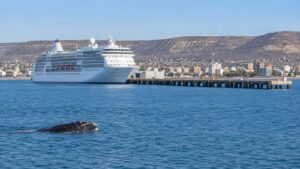
Large cruise ships generally berth alongside at Manta’s international port facilities, so this is usually not a tender call. The gangway opens into an active commercial environment where port rules, security, and vehicle movements control how passengers reach the public side.
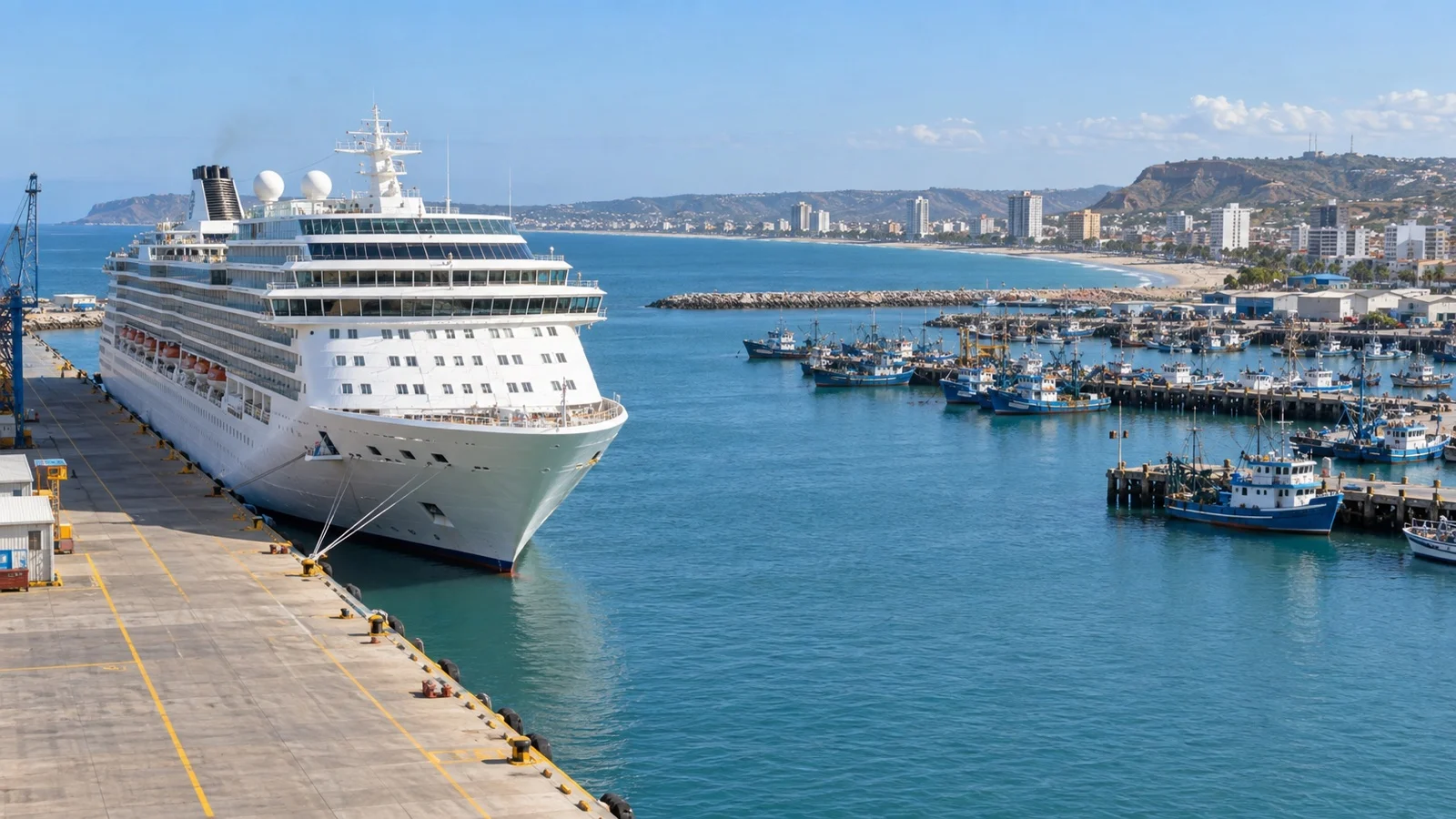
Terminal Portuario de Manta operates the port, while official port and municipal pages describe Manta as both a major working harbor and a cruise destination. Your cruise line’s daily instructions remain the final authority for the exact berth, gangway hours, transportation, and all-aboard time.
The passenger facility is landside rather than immediately beside every ship position. Controlled shuttle buses normally carry guests between the vessel and terminal, and independent walking through cargo or fishing areas is not a shortcut.
The terminal was developed for cruise passengers and has been described by the operator as providing tourism services, security processing, commercial areas, vehicle access, and transfers. Facilities and vendor availability can vary by call, so do not assume every desk or shop will be open for every ship.
The transfer has two stages
Think of arrival as ship to shuttle, then shuttle to passenger terminal. Some calls may also organize onward transport toward a civic or visitor pickup point, but that extra service is operational and should be confirmed on board.
Photograph the building, shuttle stop, and any signs showing the return sequence. When you come back, asking for the cruise terminal is not always the same as asking to be driven directly to the ship, because the secure shuttle usually handles the final port segment.
Listen closely for the last public-side shuttle as well as the ship’s final boarding time. A taxi that reaches the terminal after the transfer system closes does not solve the problem.
Can you explore Manta independently?
Yes, a city and beach day is realistic once the port shuttle releases passengers landside. Authorized taxis and prearranged drivers are normally the most practical tools, while the municipal tourism page says Manta has extensive local taxi and visitor transport services.
Agree on the destination and payment method before moving, and use an official pickup area. If hiring a driver for several hours, confirm whether the quote includes waiting, parking, tolls, and the return to the correct cruise terminal.
Walking is best treated as a neighborhood activity rather than the entire transportation plan. Heat, traffic, uneven sidewalks, and the distance between the passenger terminal, beach, museums, and commercial areas can make a route feel longer than it appears online.
El Murciélago beach and the waterfront
Playa El Murciélago is Manta’s best-known urban beach and the easiest choice for a relaxed port day. The municipal tourism office lists it among the canton’s many beaches, and the surrounding waterfront has restaurants, services, and broad Pacific views.
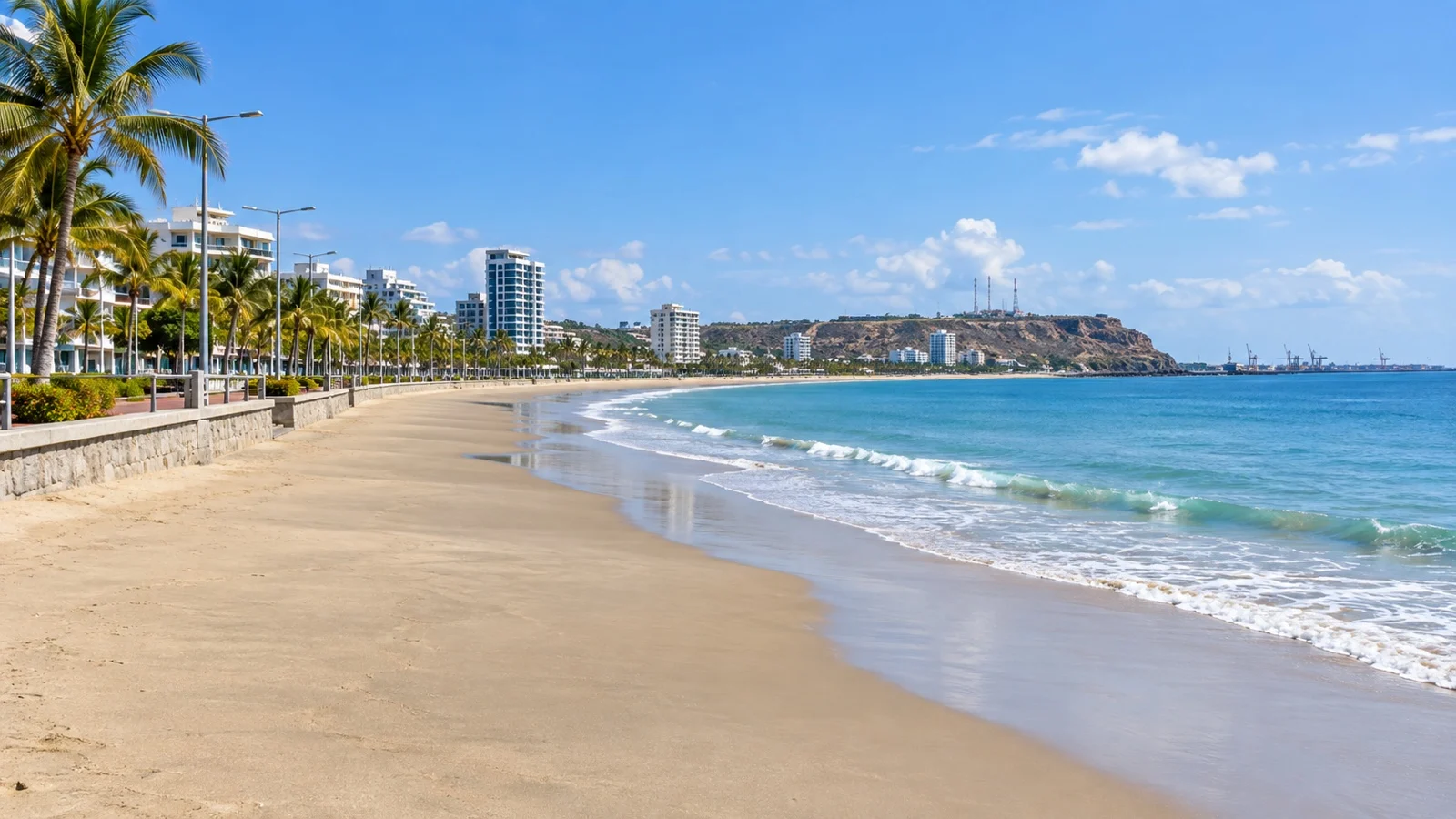
Beach conditions can change with currents, surf, weather, and local events. Read the flags, swim only where current guidance allows, and ask a lifeguard or local authority when you are unsure.
Do not leave your cruise card, phone, or cash unattended while swimming. A water-resistant pouch and a light layer for the air-conditioned shuttle solve two very different but common cruise-day annoyances.
Lunch by the sea
Manta’s identity is tied to fishing and tuna processing, so seafood is more than a visitor theme. Look for ceviche, grilled fish, shrimp, octopus, plantain dishes, or encebollado at a busy, reputable restaurant with transparent menus.
Ask before ordering if the price is not printed, and check whether tax or service is included. Save enough time for a leisurely kitchen because fresh seafood is not improved by watching the clock every thirty seconds.
City culture beyond the beach
Manta is an active Ecuadorian city rather than a preserved colonial stage set. Markets, fishing businesses, public art, modern commercial districts, and coastal neighborhoods reveal more of local life than a single souvenir stop.
Museo Cancebí is often mentioned for regional heritage and Manabí culture, but smaller museum hours can shift. Verify same-day opening before crossing town and keep a waterfront alternative ready.
A local guide can connect present-day Manta with the Manteño culture, maritime trade, ceramics, and spondylus shell traditions. Choose guides who distinguish documented history from folklore and who do not treat a living city as scenery.
Montecristi and the hat with the wrong name
Montecristi is the classic cultural excursion from Manta and is commonly reached by road in roughly half an hour, depending on traffic and your pickup point. The town is internationally associated with fine sombreros de paja toquilla, often called Panama hats in English even though the craft is Ecuadorian.
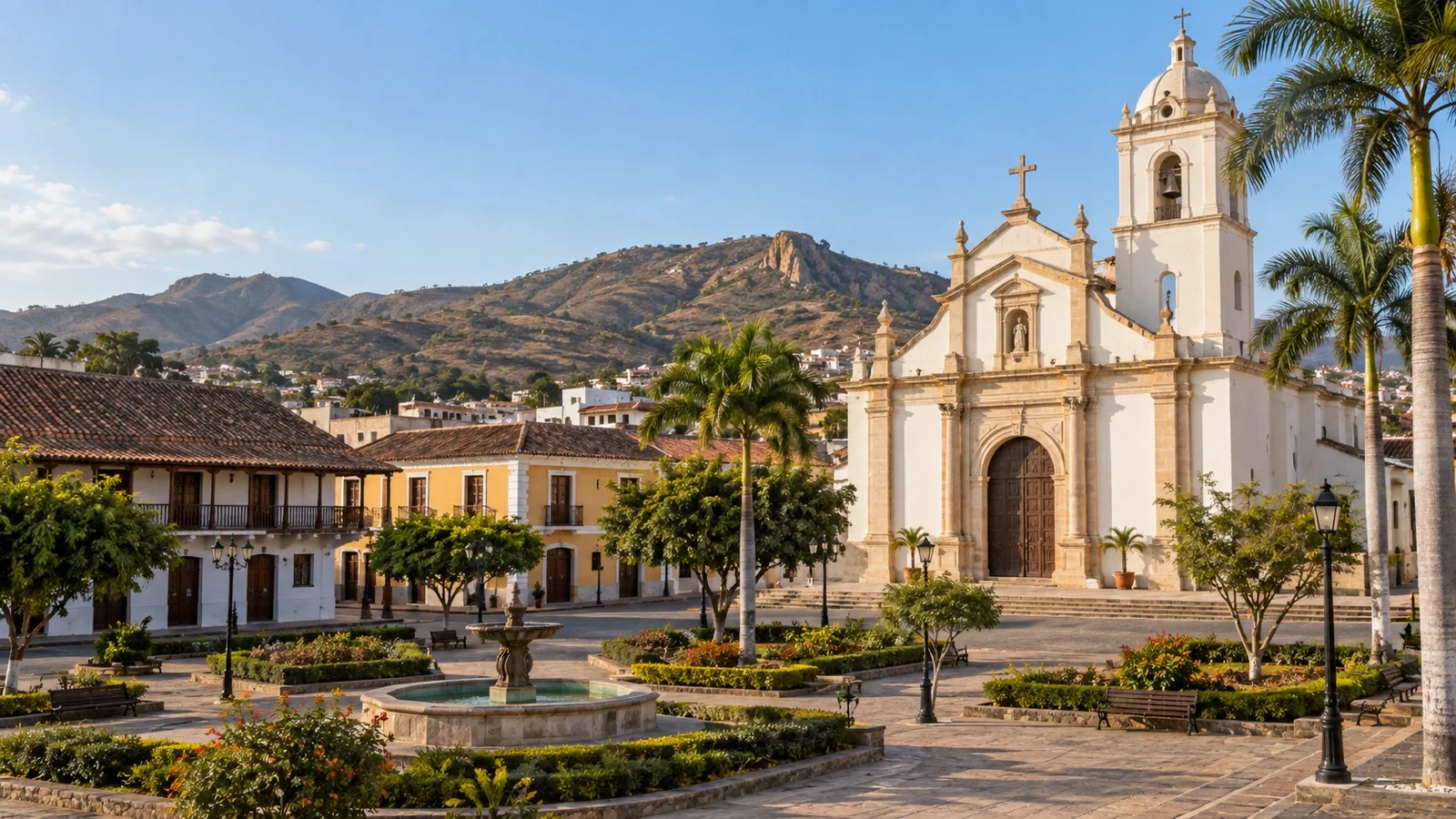
UNESCO inscribed the traditional weaving of the Ecuadorian toquilla-straw hat on its Representative List of the Intangible Cultural Heritage of Humanity. The recognition covers knowledge passed through families and communities, not a commercial brand or one souvenir shop.
A worthwhile demonstration explains how the plant fiber is prepared, divided, woven, shaped, and finished. The finest pieces can require extraordinary time, and weave quality is better understood through patient observation than through dramatic sales labels.
Buying a toquilla-straw hat responsibly
Buy from an established artisan, cooperative, or reputable gallery and ask who made the piece. A seller should be willing to discuss fiber, weave, finishing, origin, and care without promising that every hat is a rare superfino.
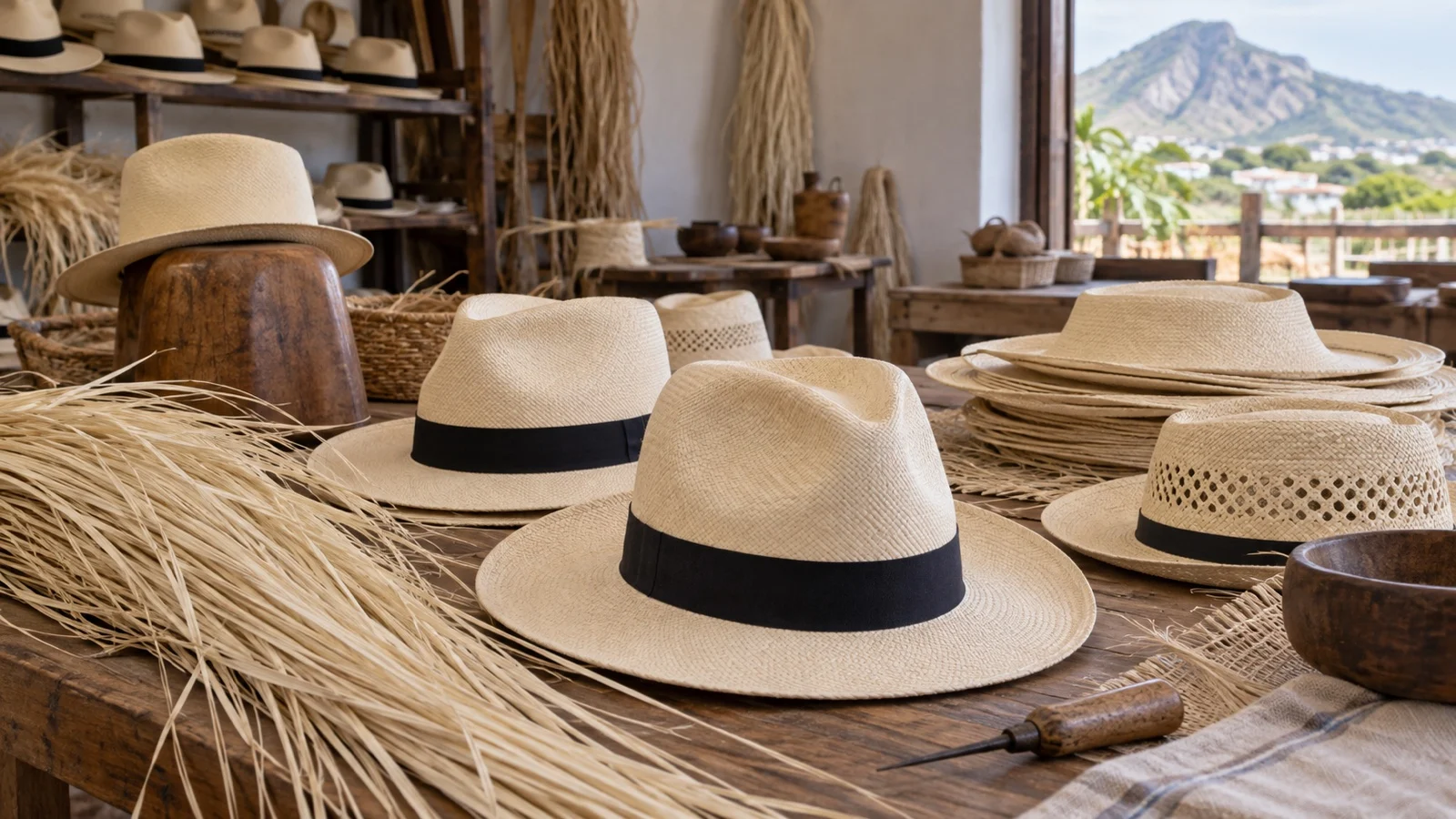
Do not judge quality only by whether the hat can be rolled. Tightness, evenness, shape, finishing, and the maker’s labor all matter, while rough handling can damage a beautifully woven piece.
Keep the receipt and ask the seller how to pack the hat for humidity, aircraft cabins, and the rest of your cruise. Protected wildlife materials and archaeological objects should never be purchased, even when offered with an entertaining story.
What else is in Montecristi?
The town’s central streets, workshops, basilica, and civic sites add context to an artisan visit. Montecristi is also associated with Ecuadorian political leader Eloy Alfaro, and local museums or memorial spaces may interpret that history when open.
Confirm opening hours before relying on a specific interior visit. A guided half-day usually works better than combining multiple shopping venues, because repeated sales stops can quietly consume the time you wanted for Manta’s coast.
Pacoche wildlife refuge
The Pacoche coastal marine wildlife refuge protects a striking transition between drier coast and greener forest south of Manta. Manta’s municipal tourism information highlights the area for biodiversity and howler monkeys, while recent city programs have used guided forest walks to teach conservation.
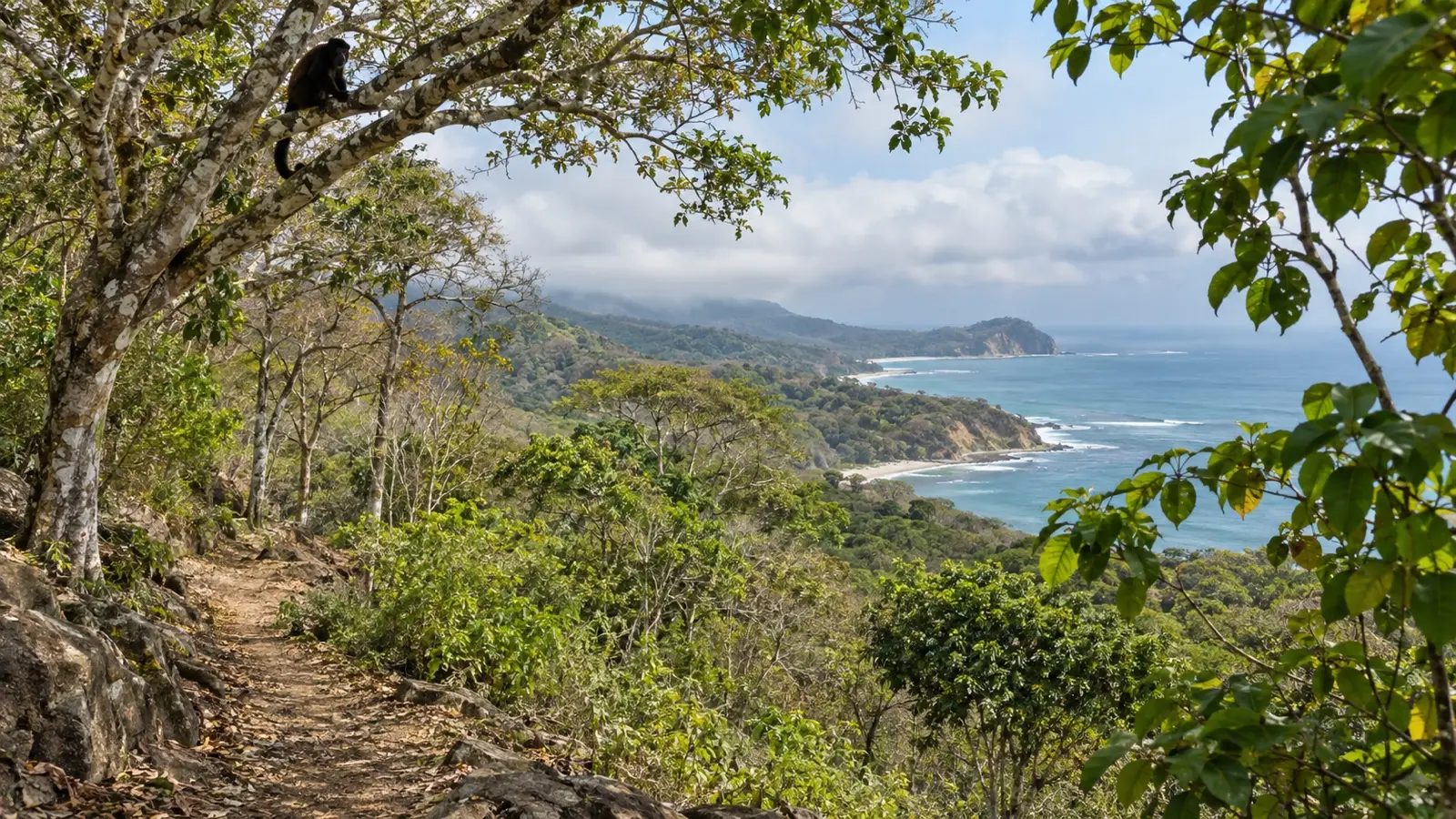
Wildlife remains wild, so monkeys, birds, frogs, squirrels, or other animals are never guaranteed. The forest sounds, vegetation, and ecological contrast are the experience even when the most famous residents stay out of sight.
Use an authorized local guide and remain on approved trails. Trail conditions, access, mud, insects, heat, and closures can change, making same-day professional guidance more valuable than a downloaded route.
What to bring for Pacoche
Wear closed shoes with traction, lightweight long clothing, and insect protection suited to your health needs. Carry drinking water, sun protection, and a small dry bag, because coast and forest conditions can feel completely different on the same outing.
Do not feed, call, touch, or crowd wildlife. Keep voices low, follow the guide’s instructions, and take every piece of waste back out.
Travel time makes Pacoche a proper excursion rather than an add-on after Montecristi. Check the exact pickup, road plan, walking difficulty, restroom access, and return buffer before booking.
More ambitious coastal trips
Manta’s canton includes beaches such as San Lorenzo, Santa Marianita, San Mateo, Liguiqui, and Tarqui, but each requires a different road plan and local check. The municipal tourism office describes 47 kilometers of coastline and 15 beaches, which is an invitation to choose carefully rather than collect names.
Humpback whales may be present off this coast seasonally, commonly discussed from June through September, but sightings and departures are never guaranteed. Book only with an established operator that follows current marine safety and wildlife rules.
A distant beach or boat trip should end early enough to absorb traffic and port processing. If the operator cannot explain how it handles weather cancellation and the cruise terminal return, choose a simpler day.
Accessibility and mobility
Manta avoids the small-boat transfer of a tender port, but the shuttle system still matters for accessibility. Ask the cruise line whether the gangway, bus, terminal, and any onward shuttle can accommodate your wheelchair or scooter on the specific call.
Do not assume a vehicle described as accessible provides a lift, securement system, step-free entry, or space for a large mobility device. Request details in writing from the cruise line and tour provider before departure.
El Murciélago can be an easier choice than a forest trail or uneven artisan workshop, yet curb cuts, sand access, restrooms, and traffic crossings still require checking. A private vehicle with a clear mobility specification can preserve both energy and time.
Weather and what to wear
Manta is warm, bright, and strongly influenced by the Pacific, but gray coastal cloud can soften the morning without eliminating ultraviolet exposure. Light layers, a breathable hat, sunscreen, and water belong in the bag even when the sky looks muted.
The coast can be breezy while Pacoche feels humid and still. Pack for the outing you booked, not simply for the temperature visible from the ship.
Rainfall and heat can vary by season and wider ocean patterns. Check a current local forecast close to arrival, then follow official warnings about surf, storms, flooding, landslides, or trail closures.
Safety in the city and on excursions
Use the same alert habits you would bring to any busy port city. Carry only what you need, keep phones discreet near traffic, avoid displaying cash, and use transport arranged through the ship, terminal, hotel, or a known provider.
Ask the cruise line about any current neighborhood guidance because conditions can change faster than evergreen travel articles. If port staff redirect passengers or recommend avoiding an area, adjust without arguing that an old map says otherwise.
At the beach, currents and surf deserve as much attention as belongings. In the forest, footing, insects, heat, and distance from immediate help become the more important risks.
Earthquakes and tsunami awareness
Ecuador is seismically active, and coastal visitors should know the basic response. If strong or prolonged shaking occurs, follow official instructions and move away from the shoreline toward signed higher ground when directed.
Do not return to the water or port until authorities give the all-clear. Your cruise line and local emergency officials will coordinate operational changes, so keep communication channels open.
Money, language, and connectivity
Ecuador uses the United States dollar, which simplifies payment for many North American visitors. Carry small clean notes for modest purchases because drivers or small vendors may not have change for large bills.
Cards are accepted at many established businesses, but connectivity can fail and foreign bank controls can block a transaction. Keep a backup payment method and tell your bank about travel if required.
Spanish is the everyday language, and a few courteous phrases help with drivers and artisans. Save the terminal name, ship name, and return instructions offline in both English and Spanish.
Entry rules and responsible purchases
Immigration and identification requirements depend on nationality, itinerary, and cruise line procedures. Consult the cruise line and Ecuador’s official diplomatic or immigration guidance for your exact voyage rather than assuming a ship card is always sufficient.
Carry the identification specified in the daily program while ashore. Keep a copy separate from the original and protect both from water at the beach.
Do not buy coral, shells restricted by law, wildlife products, or objects represented as archaeological artifacts. For artisan goods, retain receipts and declare purchases when the rules of your destination country require it.
The return journey and timing
Your return clock has two stages: reach the landside passenger terminal, then board secure transport through the port to the ship. Leave a larger margin than a map estimate suggests because traffic, security, bus loading, and gangway lines can overlap.
I would aim to be back at the terminal 60 to 90 minutes before the ship’s stated final boarding time, with more space after a long independent excursion. This is a planning preference, and the cruise line’s published cutoff and shuttle instructions always control.
Show your driver the correct terminal details before starting back and watch the route offline. If the driver appears uncertain, call the authorized operator or port contact while there is still time to correct course.
Three realistic Manta cruise-day plans
Easy Manta day
Take the port shuttle, arrange authorized transport to El Murciélago, enjoy the beach or waterfront, and choose a reputable seafood lunch. Add a museum only after confirming it is open, then return to the terminal with a wide margin.
Montecristi culture day
Book direct transport or a guided excursion to an established artisan workshop and central Montecristi. Learn how toquilla straw is prepared and woven, make one thoughtful purchase, and finish with a short waterfront stop in Manta if traffic remains comfortable.
Pacoche nature day
Choose an authorized guided excursion with clear trail difficulty and transport timing. Wear proper shoes, focus on the forest rather than promised wildlife, and return directly to the passenger terminal instead of adding a distant beach.
Common planning mistakes
The first mistake is walking away from the ship through the commercial port. Use the controlled transfer and learn exactly where it departs for the return.
The second is trying to combine Montecristi, Pacoche, and a beach into one rushed day. Road time and shopping stops make that plan fragile even before traffic changes.
The third is buying a hat solely because a salesperson uses the word superfino. Ask about the maker and construction, compare workmanship, and pay for quality you can understand.
The fourth is assuming gray skies mean weak sun or calm water. Use sun protection and follow current beach flags regardless of cloud cover.
Manta cruise port FAQ
Do cruise ships tender in Manta?
Cruise ships normally berth alongside within the commercial port, so routine tendering is not expected. Passengers still use controlled shuttle transportation between the ship and landside terminal.
Can I walk from the ship to Manta?
No independent walk through the operational port should be expected. Follow the ship’s instructions and use the mandatory port transfer.
Is El Murciélago beach close to the port?
It is Manta’s main urban visitor beach and is relatively close by road from the port area. Use authorized transport and confirm the correct terminal return point rather than relying on a walking estimate.
Are Panama hats really made in Ecuador?
Yes, the traditional toquilla-straw hat is an Ecuadorian craft recognized by UNESCO. Montecristi is especially famous for fine examples, though quality and origin should be discussed with a reputable maker or seller.
Can I visit Pacoche without a guide?
A guided visit is the responsible cruise-day choice because access, trails, wildlife behavior, and conditions can change. An authorized local guide also improves safety and interpretation.
What is best on a short port call?
Stay in Manta for El Murciélago, a good meal, and one cultural stop. A short city plan protects you from road delays and keeps the terminal return simple.
My bottom line on Manta
Manta works best when you embrace its real identity as a fishing port, beach city, and gateway to Manabí traditions. One well-chosen experience will tell you more than a bus window tour that races through three unrelated stops.
Choose Manta for ease, Montecristi for craft, or Pacoche for nature, then keep the return transfer firmly in the plan. That combination gives the day texture without gambling with the ship’s schedule.
Keep planning your Pacific coast cruise
Continue with our guides to Callao cruise port, Salaverry cruise port, and South America cruise ports. Recheck the ship’s daily program after arrival because shuttle stops and final boarding instructions can change.