Valparaiso Cruise Port: A Practical Guide for Cruisers
Valparaiso rewards a full day in its UNESCO-listed hills, but the secure working port means you do not simply wander from the gangway into town. It is also a gateway for Santiago, so the first decision is which city you actually have time to enjoy.
This guide covers the transfer, realistic timing, and the best choice for different call lengths.
My quick take
Skip the long haul to Santiago and spend the day climbing Valparaiso’s painted hills instead. It is one of the most rewarding walking ports on any South America cruise itinerary.
If this is your first time in the region, my first-timer cruise port guide and the wider Chile cruise ports overview are worth a look before you sail. If your voyage continues south, my Punta Arenas guide covers the Patagonia leg.
The quick facts
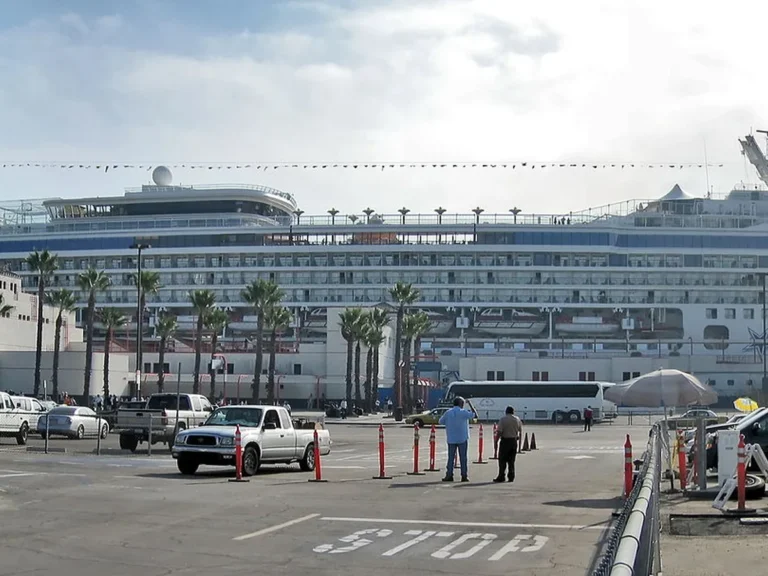
- Where you land: Puerto Valparaiso, where passengers are processed through the VTP passenger facility at Avenida Errázuriz 25. Your ship’s berth and the public terminal entrance are separate parts of the secure-port process.
- Dock or tender: Large ships come alongside the pier here, so you walk off rather than tender in most cases.
- Into town: Because this is an active commercial port, follow the ship or port shuttle between the berth and passenger facility. Do not assume walking is permitted inside the secure area.
- Currency and language: The Chilean peso (CLP) and Spanish, with patchy English outside tour operators.
- Time zone: Chile Summer Time (CLST, UTC−3) during the November to March cruise season, CLT (UTC−4) in winter.
- How often the call is missed: Low (roughly 1 to 2%): swell or rough seas can make access unsafe.
Santiago, or stay in Valparaiso?
This is the big decision. Santiago sits about 1.5 to 2 hours away by road, so a round trip plus sightseeing can swallow six or seven hours.
On a single port day I would stay in Valparaiso and save Santiago for a pre- or post-cruise stay. If you must go, a ship excursion offers the strongest late-return protection, while a private transfer may be faster but usually leaves the risk with you.
If you are flying in the night before, our guide to hotels near Valparaiso cruise port compares the options by distance from the terminal.
Heads up: some links below are affiliate links. If you book through one, I may earn a commission at no extra cost to you. It never changes which hotels or tours I recommend. Full disclosure.
Getting around Valparaiso
Valparaiso is a city best walked, and the hills are the whole point. The catch is that they are steep, so use the historic funiculars to gain height and save your knees.
- On foot: The core sights on Cerro Alegre and Cerro Concepcion are a compact, walkable cluster once you are up top.
- Ascensores (funiculars): The city’s 19th-century hillside elevators are a UNESCO-noted feature and the easiest way up. Fares are small and cash is handy.
- Taxis and ride-hailing: Both operate in the city and are the simplest way back to the port if you have climbed too far.
A quick safety note: petty theft and pickpocketing are common in the busy tourist areas like Cerro Alegre and Concepcion, the funiculars, and around the port, so keep your phone, camera, and cash discreet and give the quieter hillside alleys a miss. Check the current US State Department travel advisory for Chile before you sail; with a bit of everyday street sense, Valparaiso is straightforward to explore.
The stops I’d actually spend time on
Valparaiso rewards wandering, but these are the named places I would prioritize on a port day.
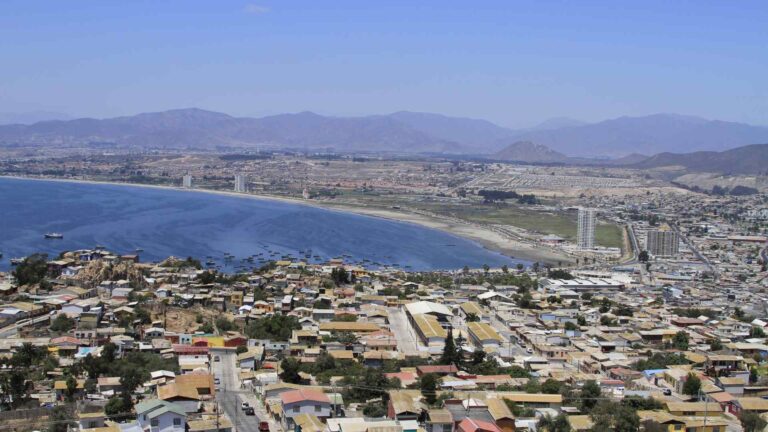
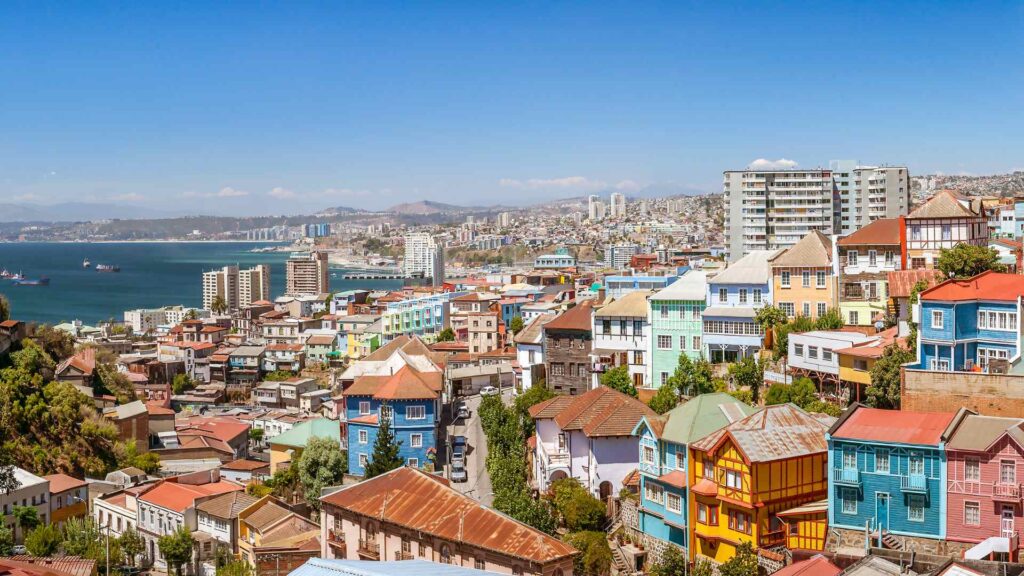
- Historic Quarter (UNESCO World Heritage): The Historic Quarter of the Seaport City of Valparaiso was inscribed in 2003 for its amphitheatre of hillside houses and early industrial “elevators.” This is the heart of the visit.
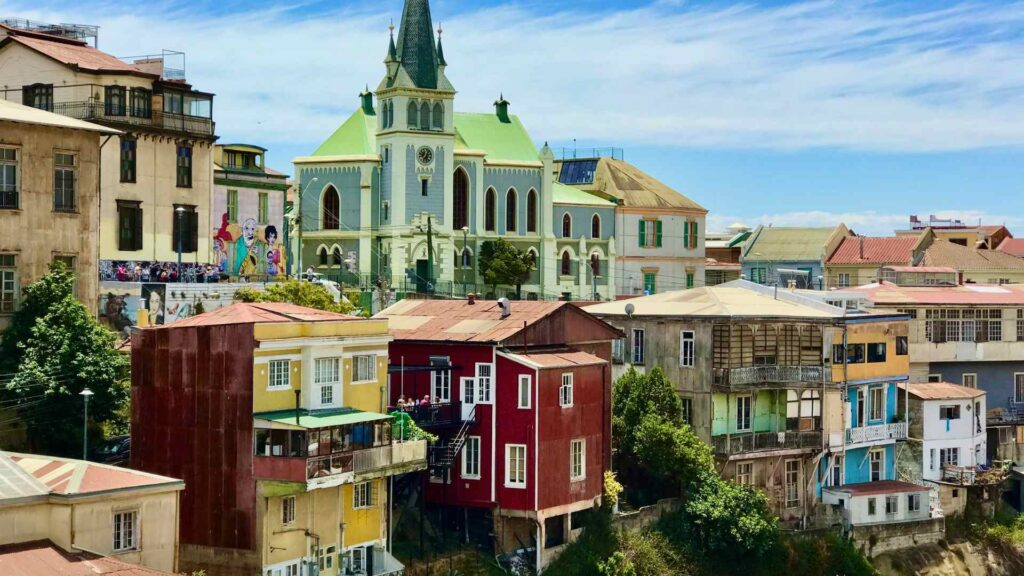
- Cerro Alegre and Cerro Concepcion: These twin hills hold the finest heritage streets, driven by 19th-century European immigration, per Chile Travel. Expect murals, cafes, and boutique shops around every corner.
- Ascensor Reina Victoria: Chile Travel lists this funicular as the classic way up to Cerro Alegre. It is a short, atmospheric ride with a view.
- Ascensor El Peral: Rising from Plaza Sotomayor to Cerro Concepcion, this is the neighbor funicular and an easy pairing with Reina Victoria.
- Paseo Gervasoni and Paseo Yugoslavo: Chile Travel calls these promenades the ideal urban balconies for admiring the bay. They are my go-to photo stops up top.
- Plaza Sotomayor: The grand square where the port meets the city, and the natural starting point for a walk uphill.
- La Sebastiana: Pablo Neruda’s Valparaiso house, now a Fundacion Neruda museum, perched high with sweeping harbor views. Fun fact: Neruda chose the spot so he could watch ships come and go from his study.
- Iglesia Luterana and the German Club: Two of the landmark buildings Chile Travel flags on Cerro Concepcion, a reminder of the port’s immigrant heritage.
- Vina del Mar: A quick hop north, this seaside resort town is known for its beaches and gardens, as Chile Travel describes. A good half-day if you want sand over cobblestones.

How I’d plan the day
- Have 3 hours: Walk from the gate to Plaza Sotomayor, ride Ascensor El Peral or Reina Victoria up, and loop Cerro Concepcion and Cerro Alegre on foot.
- Have 5 hours: Add La Sebastiana and a long stop at Paseo Gervasoni for the bay views before heading back down.
- Have 8 hours: Add a run up to Vina del Mar for the beach and gardens, then aim to be back at the ship at least 60 to 90 minutes before all-aboard.
A realistic word on accessibility
Valparaiso is hilly, and the historic quarter is built on steep, cobbled slopes with plenty of stairs. That terrain is the honest reason to plan around the funiculars rather than long climbs.
If steps are a concern, Plaza Sotomayor and the flat waterfront are the most manageable areas, and a taxi can carry you to a hilltop viewpoint. Confirm gangway and shuttle details with your ship on the day.
When to go, and the weather
Valparaiso has a mild Mediterranean climate. The Chilean summer, roughly November to March, brings warm, dry days that suit hill walking.
That summer window is also the busiest cruise season here, so expect company on the popular paseos.
Quick answers
Can you walk into town from the ship?
Not through the secure port; follow the authorized transfer, then continue from its public drop-off.
Is it worth going to Santiago on a port day?
Only if you accept roughly 3 to 4 hours of driving; otherwise, stay in Valparaiso and save Santiago for an overnight.
What is Valparaiso most famous for?
Its UNESCO-listed historic quarter, a hillside maze of colorful houses, street art, and antique funicular elevators.
First confirm Valparaiso, not San Antonio
Check the city printed on your cruise documents before booking flights or a hotel. San Antonio also serves Santiago-region cruises and is roughly 60 miles from Valparaiso, so the two ports are not interchangeable.
For a turnaround, fly into Santiago at least one day early and prebook the full airport-to-port transfer. Allow extra time for weekday traffic, terminal processing, and the possibility that your line uses an off-site meeting point.
Build the hills without backtracking
Start with the authorized port transfer, then take a working ascensor or taxi uphill and walk mostly downhill through Cerro Alegre and Cerro Concepcion. Check the city’s live funicular status because individual ascensores can close for maintenance.
Keep your phone away when you are not using it and stay on busy routes in daylight. Valparaiso is rewarding independently, but a small guided walk is worth the cost if street navigation or security concerns would otherwise keep you from the hills.
Timing, weather, and access
For a six-hour call, stay in Valparaiso and begin returning toward the passenger terminal 90 minutes before all-aboard. For Santiago, allow roughly two hours each way in the plan and choose the ship excursion unless the call is unusually long.
The waterfront is flatter, while the heritage hills have steep grades, stairs, cobbles, and uneven sidewalks. Travelers with limited mobility will get more from a vehicle tour with confirmed step-free stops than from a funicular-and-walking loop.

How this guide was researched: Unless a first-hand visit is explicitly identified above, this guide is based on independent research using official port, tourism, transit, government, and attraction sources where available. Logistics and time-sensitive details were reviewed in September 2026; see our Editorial Policy.