Pond Inlet Cruise Port: Baffin Island Narwhal Guide
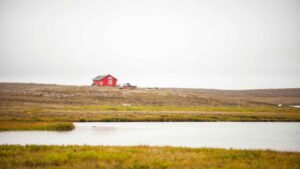
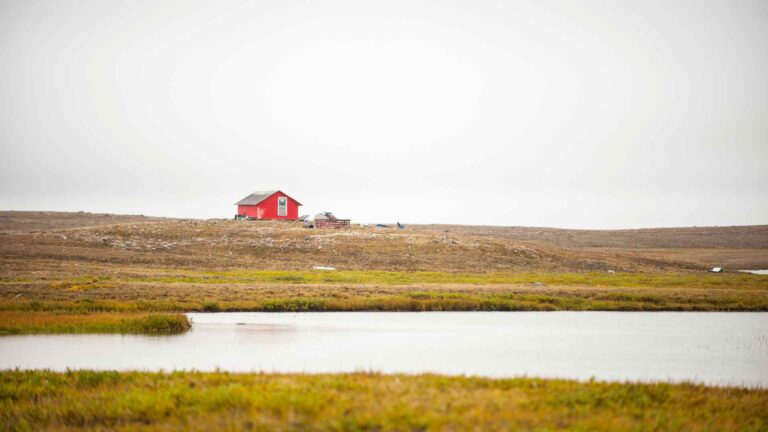
Pond Inlet sits at the top of Baffin Island, where icebergs drift through Eclipse Sound and the landscape does most of the talking. It is a small Arctic community framed by some of Nunavut’s most dramatic water, ice, and mountain scenery.
This is a working Inuit hamlet, not a resort town, and that is exactly what makes it one of the most memorable stops on an Arctic itinerary. There is no cruise terminal, no souvenir strip, and no crowd management here.
Pond Inlet is a small Inuit community facing Eclipse Sound and Bylot Island, with narwhals present in the wider region. A late-summer cruise call is not the same as a spring floe-edge wildlife trip, so treat every sighting as luck rather than part of the ticket.
My quick take
Pond Inlet is not a port you plan a whole cruise around by itself. It is one of the payoffs of a longer Northwest Passage cruise ports itinerary, and it earns its place.
I would rank it above most of the bigger-name Arctic stops for sheer scenery. If you have a landing scheduled here, clear the whole day, because weather can cut it short and you do not want to waste the time you get.
Quick Facts
- Where you land: Ships anchor in Eclipse Sound and use expedition boats to a locally approved gravel or beach landing below Pond Inlet. Any community program, fee, group limit, and landing point are confirmed for the individual call.
- Dock or tender: This is an expedition-boat call with no cruise pier. Wind, fog, ice, or polar-bear activity can delay, relocate, or cancel the landing.
- Into town: The approved landing is normally near the hamlet, but the exact walk and footing vary. Expect gravel, mud, or wet shoreline rather than a fixed two-minute path.
- Currency and language: Canadian dollars (CAD); Inuktitut is the everyday language, with English widely spoken.
- Time zone: Eastern Daylight Time (EDT, UTC−4) through the late July to early September season, Eastern Standard Time (EST, UTC−5) in winter.
- Call reliability: Highly weather dependent, with fog, wind, surf, ice, and local landing conditions all able to change the plan.
Why this is an expedition-boat stop
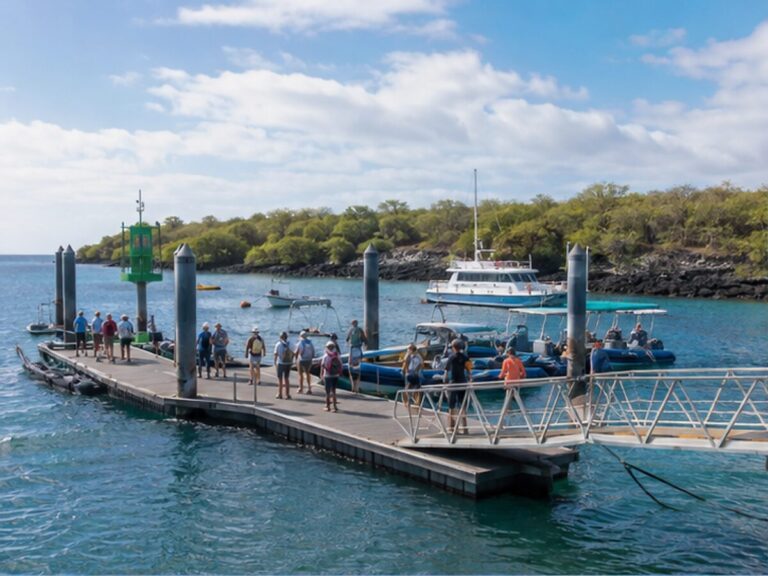
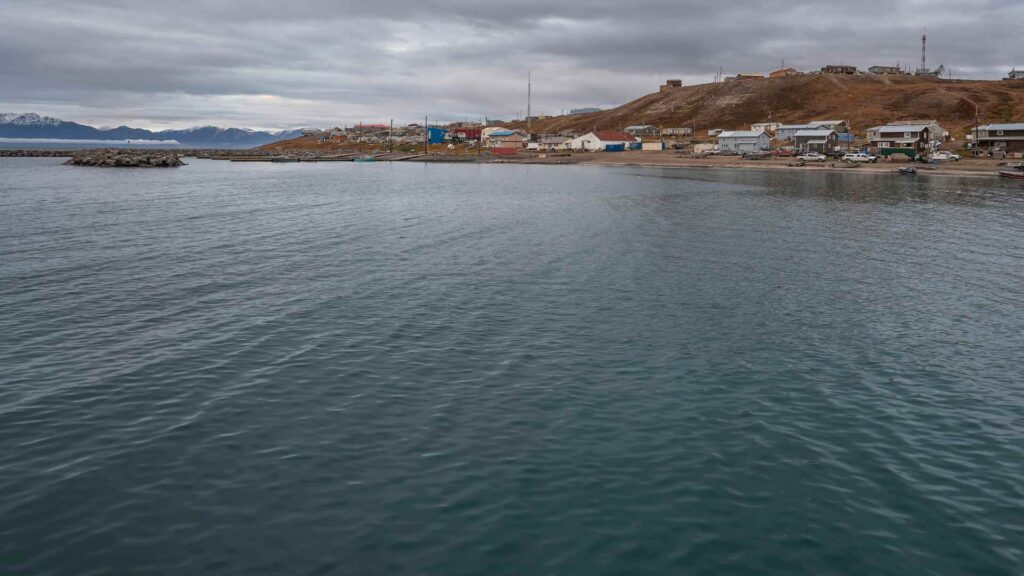
Pond Inlet has no cruise pier, so expedition ships anchor and use Zodiacs or other small boats when weather and ice permit. Landing location, group size, and time ashore are coordinated locally and may change after the day begins.
The hamlet coordinates landings directly with each ship, capping how many visitors come ashore at once. It also charges a per-passenger community fee that supports local services.
If wind, fog, or sea ice make the landing unsafe, plans change fast. Zodiac excursions get swapped for a slow cruise along the coastline instead, spotting icebergs from the water rather than the beach.
Getting around
This is about as walkable as a cruise port gets, because there simply is not much of it. Pond Inlet’s hamlet is a cluster of gravel roads you can cross on foot in twenty minutes.
The approved landing is normally close to the community area and any ship-arranged Nattinnak program, but the point can move. There is no visitor transit network, so stay with the expedition group and expect gravel or wet footing.
The challenge here is not distance, it is footing. The roads are unpaved and can turn muddy or icy depending on conditions.
For anything beyond the hamlet itself, such as a closer look at Sirmilik National Park or the surrounding fjords, you are relying entirely on your ship’s organized excursions. The park has no road access at all.
Visitors reach it only by boat or snowmobile, and only with local outfitters. That is worth knowing before you set your expectations for the day.
The stops I would actually spend time on
Sirmilik National Park viewpoints. You will not set foot deep inside the park on a typical port call, but the coastline gives you views straight into it, taking in the Byam Martin Mountains, glacier-carved fjords, and the year-round ice of the Kaparoqtalik Glacier.
Fun fact: “Sirmilik” translates to “place of glaciers” in Inuktitut, and the park more than lives up to the name.
The Nattinnak Visitor Centre can be a useful cultural stop when it opens for the call, but hours, demonstrations, and artists present are not guaranteed. Follow the community program and buy artwork only through the arrangements offered that day.
Fun fact: Pond Inlet’s carvers have built an international reputation, with pieces shown in galleries well beyond Nunavut.
Eclipse Sound and Navy Board Inlet support narwhals, belugas, bowhead whales, seals, and polar bears at different times. Most cruise calls arrive after the prime spring floe-edge period, so binoculars and several hours of patient deck watching matter more than a promised Zodiac sighting.
No wildlife sighting is guaranteed, and expedition boats must keep safe distances around animals and ice. A narwhal tusk is an elongated tooth, but seeing one clearly from a late-summer cruise is a bonus.
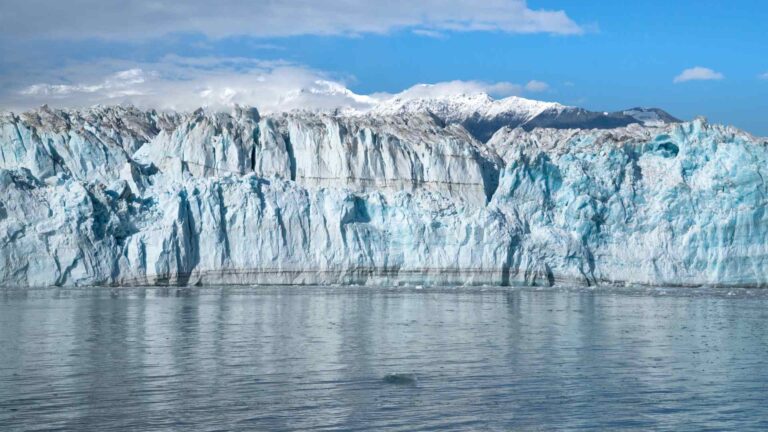
Bylot Island and its glaciers. Directly across the water from the hamlet, Bylot Island anchors the northern half of Sirmilik National Park and holds a migratory bird sanctuary that has been studied for decades.
Even from the ship, the glacier and iceberg scenery framing the island ranks among the most dramatic in the Arctic. Fun fact: Bylot Island hosts one of the largest greater snow goose colonies in the Arctic, and researchers have tracked it for more than 30 years.
A bit of history and culture
Pond Inlet’s Inuktitut name is Mittimatalik, and Inuit gathered here long before any ship charted the coast. The English name came from explorer John Ross, who mapped the inlet in 1818 and named it for an astronomer back in London.
Locals sometimes call it the “Jewel of the North,” and once you have seen it framed by Bylot Island you understand why. Hunting, fishing, and carving still shape daily life here in ways a short visit only begins to reveal.
If you want to read up before you sail, the territory’s official tourism board at Destination Nunavut is a good starting point for the wider Baffin region. It gives you a feel for the culture you are stepping into, not just the logistics.
Wildlife safety and community etiquette
Polar bears can occur in the region, so do not walk beyond the community boundary or leave an organized group without explicit local guidance. Keep your distance from all wildlife and let the expedition team decide whether a landing, hike, or boat route remains safe.
Ask before photographing residents, hunters, artists, or children, and do not treat working community spaces as exhibits. Antler, bone, ivory, and other wildlife materials can face export and home-country import rules, so ask for documentation and check customs requirements before buying.
Bringing something home
The carvings you find at the Nattinnak Visitor Centre are the real souvenir here, and buying directly from the artist keeps your money in the community. Soapstone, antler, and bone pieces are common, and each one tends to carry a small story if you ask.
Bring cash in Canadian dollars, because card facilities are limited and unreliable on a cruise day. Prices reflect genuine handwork, so treat them as fair rather than something to haggle down.
How I would plan the day
I would get ashore with one of the first Zodiac groups if the option exists. Landings can be paused or reshuffled if conditions shift, and I would rather not lose my window.
Once ashore, I would head straight for the Nattinnak Visitor Centre to see the carvers at work before the crowd from the ship builds up. After that I would spend the rest of my time walking the hamlet’s edges for open views across the sound toward Bylot Island.
If the expedition team offers a coastal boat operation, choose it only when the wildlife and ice briefing fits your comfort and mobility. It can improve viewing angles, but it does not guarantee narwhals and may be canceled when wind or drifting ice changes.
Back on board, I would keep half an eye on the water through the afternoon. Wildlife here does not wait for a scheduled excursion.
A realistic word on accessibility
I want to be straightforward about this one: Pond Inlet is a difficult port for anyone with limited mobility. There is no dock, so getting ashore means a Zodiac transfer that typically involves stepping down from the ship and climbing out onto a beach or rocky shoreline.
Once ashore, the hamlet’s roads are gravel and can be uneven, muddy, or icy depending on the day, with no paved sidewalks anywhere. If mobility is a concern, talk to your cruise line well before the voyage about what the landing actually involves at this specific stop, and do not assume conditions will be forgiving.
When to go, and the weather
There is really only one window: cruise ships call at Pond Inlet from roughly late July through early September. Outside that stretch, sea ice makes the surrounding waters impassable for anything but a specialized icebreaker.
Even within the season, expect daytime temperatures hovering just above freezing, biting wind off the water, and near-constant daylight thanks to the midnight sun. Earlier in the year the floe edge, where solid ice meets open water, is prime narwhal habitat, though most cruise itineraries arrive after it has broken up.
I would pack for genuine cold no matter what the calendar says. Bring layers, a windproof outer shell, and warm, waterproof footwear for the Zodiac landing.
Quick answers
Is there a dock at Pond Inlet? No, every ship anchors offshore and passengers go ashore by Zodiac.
Will I definitely see narwhals?
No. The region supports narwhals, but most cruise calls come after the prime spring floe-edge period and sightings depend on wildlife movement, visibility, ice, and distance.
What currency should I bring? Canadian dollars, and cash is genuinely useful for buying carvings straight from local artists.
Can I visit Sirmilik National Park?
Only on an authorized ship or locally guided program that follows Parks Canada requirements. The park has no road access, licensed guides are required for commercial trips, and a typical town landing mainly gives you views toward Bylot Island.
How long do ships usually stay? Most expedition ships spend a single day here, often just a morning or an afternoon ashore, and some add a separate Zodiac cruise or a second attempt if the first landing is weather-blocked.
Do I need insect repellent? In the height of summer yes, because mosquitoes can be fierce on calm, sunny days ashore, though a breezy day out on the water usually keeps them off you.
If I am comparing it to other Arctic stops, Pond Inlet has more dramatic scenery than Cambridge Bay, which sits further west along the same route and leans more into its role as a regional hub than a landscape showstopper. Both are worth the stop for different reasons.
If I only had room for one Nunavut hamlet on a broader Northwest Passage itinerary, Pond Inlet is the one I would choose. The glaciers, the narwhals, and that first look at Sirmilik make the choice easy.
How this guide was researched: Unless a first-hand visit is explicitly identified above, this guide uses official port, tourism, transit, government, and attraction sources where available. Logistics and time-sensitive details were reviewed on September 11, 2026; see our Editorial Policy.