Cambridge Bay Cruise Port: Nunavut Northwest Passage
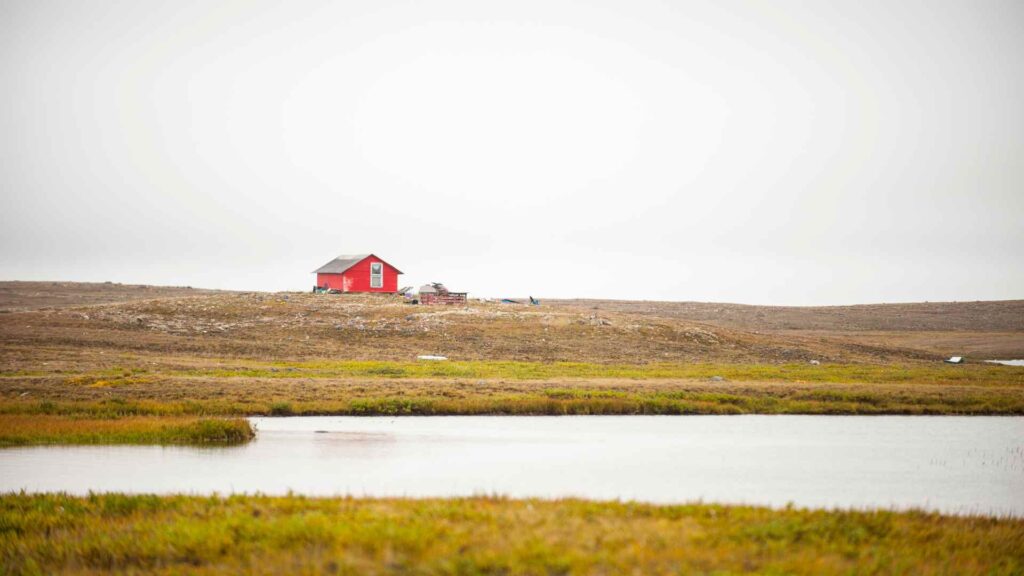
Cambridge Bay is one of the easiest Northwest Passage stops to underestimate. There is no cruise dock or terminal, just a working Inuit hamlet on a gravel spit above Dease Strait, and that small scale is exactly what makes the call memorable.
My quick take
Cambridge Bay (Iqaluktuuttiaq to locals, which roughly translates to “good fishing place”) is a working Inuit hamlet of under 2,000 people, not a tourist town. That shows in a good way, because there’s no gauntlet of souvenir stalls waiting at the shore.
What you get is a rare, ship-arranged community visit with Inuit culture, Arctic research, and tundra close together. Cambridge Bay also has year-round scheduled air service, so it is not accessible only during the short cruise season.
Cambridge Bay Cruise Port Quick Facts
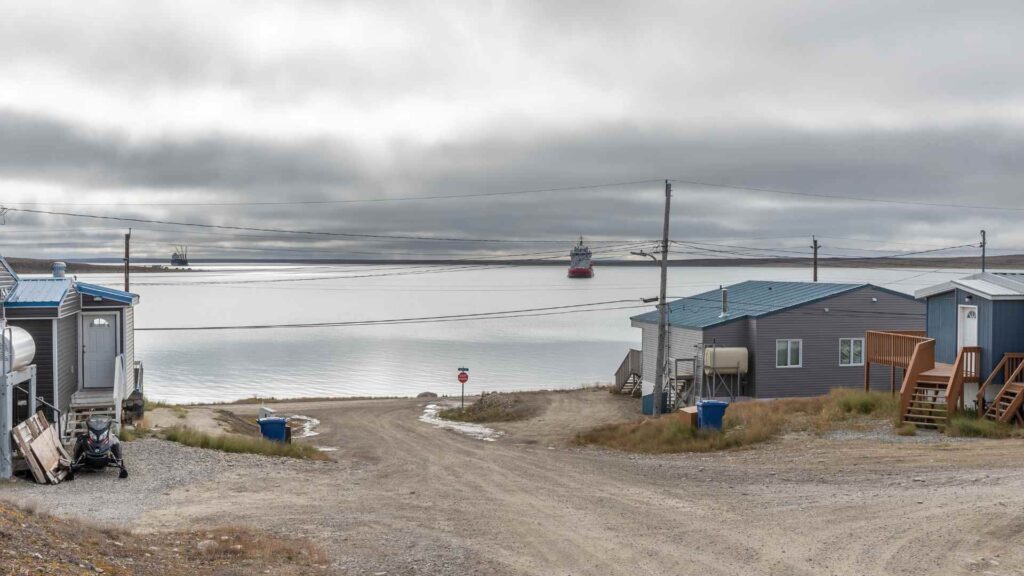
- Where you land: Ships anchor off Cambridge Bay in Dease Strait and use expedition boats to a locally approved beach or small-boat landing. The point and walking distance can change with conditions.
- Dock or tender: Ships anchor offshore and tender ashore; the expedition team may switch to a coastal zodiac cruise instead if conditions turn.
- Into town: The landing is normally close to the hamlet, but there is no guaranteed five-minute route. Follow the expedition team across the approved gravel or beach approach.
- Currency and language: Canadian dollars (CAD); English and Inuinnaqtun are both spoken, and written Inuinnaqtun in this region commonly uses the Roman alphabet.
- Time zone: Mountain Daylight Time (MDT, UTC−6) through the late July to early September season, Mountain Standard Time (MST, UTC−7) in winter.
- Weather watch: Sea ice, wind, visibility, and surf at the landing can shorten, relocate, or cancel shore operations, so treat the expedition team’s final plan as decisive.
Getting ashore: expedition boats, weather permitting
This is expedition-ship territory, and vessels normally anchor in Dease Strait before using Zodiacs or other small boats. The expedition team controls group timing, landing location, and whether ice or wind requires a scenic boat operation instead.
There’s no pier to walk down, so expect a proper Arctic small-boat landing: a life jacket, a hand off the zodiac onto a beach or rocky landing point, and then a short walk up into town. Landings get shuffled or canceled outright if the wind picks up or the water turns choppy, which isn’t rare this far north, so I’d treat any shore time here as a bonus rather than a guarantee.
Expedition teams are usually good about offering a backup zodiac cruise along the coastline if a proper landing isn’t possible.
Getting around
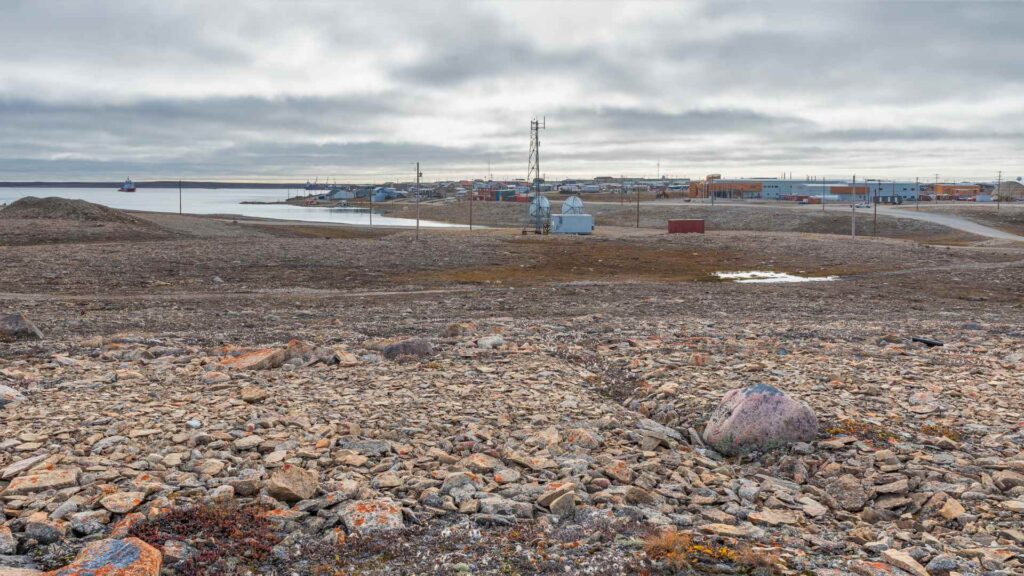
You won’t need a taxi. Cambridge Bay is a tiny hamlet, and everything a visitor cares about sits within about a fifteen-minute walk of the landing point, on a mix of gravel roads and dirt paths.
Pick a direction and start walking; the hamlet is compact enough that you are rarely more than a few minutes from the main sights. The Destination Nunavut community page is useful for orienting yourself, and the Government of Nunavut’s community profile fills in the practical background.
The stops I would actually spend time on
May Hakongak Community Library and Cultural Centre: the heart of Cambridge Bay’s cultural life, part museum, part public library, part art gallery, and part regional archive, all under one roof. Exhibits cover Inuinnait (Copper Inuit) history, tools, clothing, and artwork, and it’s a good place to see traditional and contemporary Inuit art side by side.
Fun fact: the center also houses the Kitikmeot regional archives, meaning a huge share of the area’s written and photographic history lives inside this one small building.
The Canadian High Arctic Research Station is an active federal research campus, not a walk-in museum. Visit only through a ship-arranged or locally confirmed program, because public access, security, guide availability, and working areas can change.
Fun fact: Polar Knowledge Canada says community perspectives, expertise, and participation are woven into the research supported at CHARS.
Muskoxen live on the surrounding tundra, and Arctic char remains important to the community. Sightings are never assured, so stay with a guide outside the built-up area and never walk toward wildlife for a closer photograph.
Fun fact: the hamlet’s Inuinnaqtun name, Iqaluktuuttiaq, translates to roughly “good fishing place,” a nod to the char runs that have fed the community for generations.
The Maud, Amundsen’s ghost ship
For most of the last century, the wreck of the Maud sat half-submerged just off Cambridge Bay, and for a long time it was the hamlet’s most famous landmark. Roald Amundsen built the ship in Norway and sailed it into the Arctic in 1918, hoping to drift with the pack ice across the polar cap.
The Maud never made that crossing, and after Amundsen’s finances collapsed the Hudson’s Bay Company bought it, renamed it Baymaud, and used it as a floating supply and radio station. It sank at its moorings here in 1930 and stayed put for decades, its ribs rising out of the water at low tide.
In 2016 a Norwegian team raised the hull and, over the following two years, floated it home to Norway on a barge. The wreck itself is gone now, but the story is still very much part of Cambridge Bay, and the expedition crew will almost certainly point out where it lay as you sail in.
A little context on the people and the place
The people here are Inuinnait, sometimes called Copper Inuit for the native copper their ancestors worked into tools long before European contact. Inuinnaqtun is still spoken alongside English, and you’ll see it on signs, in the cultural center, and woven through daily life.
Cambridge Bay only became a permanent settlement in the twentieth century, growing up around a Hudson’s Bay Company post, a mission, and later a Cold War radar site. Today it’s the largest community in the Kitikmeot region and the administrative hub for this stretch of the central Arctic.
Hunting, fishing, and sewing are living traditions here rather than heritage displays, so if you’re offered a look at sealskin or muskox-wool work, take it. A quiet, respectful curiosity goes a long way in a community this small, and asking before photographing people is simply good manners.
Community etiquette and expedition limits
Cruise access is coordinated with a small community whose daily life continues around the visit. Follow local hosts, ask before photographing people or artwork, buy directly without aggressive bargaining, and do not assume every public building will open for the ship.
Bring waterproof boots, layers, gloves, a dry bag, and any essential medication because the landing and gravel roads can be wet. Medical care and evacuation options are limited, so carry the expedition operator’s required insurance and follow its shore briefing.
How I would plan the day
Use the landing window your expedition team assigns, then choose the May Hakongak Centre or a confirmed CHARS program before adding a short community walk. Do not enter homes, photograph people closely, or wander beyond town without permission and polar-bear guidance.
A realistic word on accessibility
I want to be straightforward about this one: Cambridge Bay is a genuinely difficult port for anyone with mobility challenges. Getting ashore means climbing into and out of a zodiac, often over a wet or uneven beach, with no ramp or dock to soften the transfer.
Once in town, paths are gravel and dirt, with no consistent paved sidewalks, and the terrain is flat but rutted in places. If mobility is a concern, I’d talk to your expedition team well before the landing about what alternatives they offer, because this isn’t a stop where accommodations can be improvised on the spot.
When to go, and the weather
There isn’t really a “shoulder season” here. Cruise ships can only reach Cambridge Bay during a narrow window from late July through early September, once the sea ice has cleared enough for safe passage, and that window shifts year to year.
Even in high summer, I’d pack for cold, changeable conditions, with wind that cuts through anything less than a proper shell layer. Bring waterproof, sturdy footwear no matter what the forecast says, because between the zodiac landing and the gravel paths, dry feet are not guaranteed.
Quick answers
Do cruise ships dock in Cambridge Bay?
No, there’s no cruise dock or pier, so every ship anchors offshore and passengers come ashore by zodiac or tender.
Can I visit Cambridge Bay without a cruise?
Yes, by scheduled flight, though there’s no road or ferry access, so it’s fly-in or sail-in only.
Is Cambridge Bay walkable from the landing point?
Yes, it’s a small hamlet, and everything of interest is within about a fifteen-minute walk of the shore landing.
What currency should I bring?
Bring a modest amount of Canadian cash and a card, while expecting connectivity or opening hours to interrupt either option. Do not count on an ATM during a short landing.
What is the cruise season for Cambridge Bay?
Late July to early September, the short stretch when Northwest Passage sea ice clears enough for expedition ships to reach the hamlet.
Can you still see the Maud shipwreck?
No, the hull was raised and returned to Norway between 2016 and 2018, so only the story and the site remain.
Will I see muskoxen or polar bears?
Either is possible, but neither is guaranteed and polar bears require serious distance and guide control. Follow the expedition team’s wildlife rules and never leave the community edge alone.
If Cambridge Bay whets your appetite for the Northwest Passage, Pond Inlet is the stop I’d compare it to most, another Inuit hamlet on the same route but trading Cambridge Bay’s rolling tundra for icebergs and Baffin Island scenery. For the full picture of how these Arctic ports fit together, my Northwest Passage cruise ports guide lays out the whole route stop by stop.
And if you’re pairing this voyage with more of the country, my Canada cruise ports guide covers the southern classics like Halifax, Quebec, and Vancouver.
How this guide was researched: Unless a first-hand visit is explicitly identified above, this guide uses official port, tourism, transit, government, and attraction sources where available. Logistics and time-sensitive details were reviewed on September 11, 2026; see our Editorial Policy.