Santos Cruise Port: Gateway to Sao Paulo & Beach Garden
Santos is far more than the cruise gateway to São Paulo. Brazil’s largest port city has a vast beachfront garden, a handsome coffee trading hall, soccer history tied to Pelé, historic streetcars, and enough easy local experiences to fill a rewarding day without gambling on metropolitan traffic.
São Paulo remains an exciting option for a long call, but the drive crosses the Serra do Mar and can be unpredictable. My first choice for a normal port day is Santos itself, where the sights are closer and the schedule leaves room to breathe.
Santos cruise port quick facts
- Cruise terminal: Concais operates the passenger terminal within the large commercial Port of Santos.
- Top local sight: The beachfront garden stretching along Santos’s urban beaches.
- Best history stop: Coffee Museum in the former coffee exchange building.
- Best soccer stop: Pelé Museum or the Santos Football Club memorial and stadium tour when open.
- Currency: Brazilian real, with cards common at established businesses.
- São Paulo day trip: Consider it only on a long call with organized transportation and a large traffic buffer.
- Planning rule: Confirm visa requirements before sailing and use registered transportation.
Where cruise ships dock in Santos
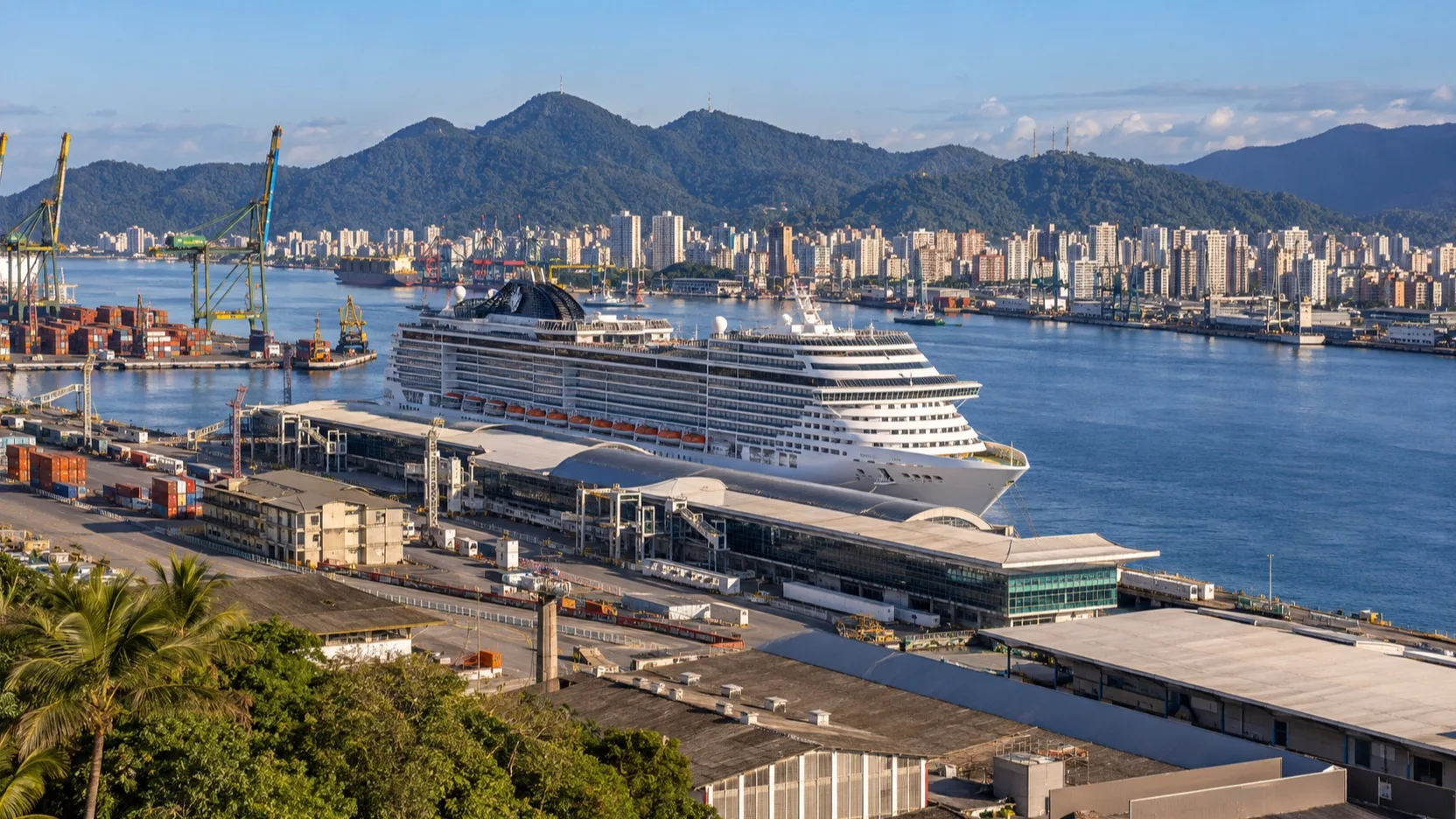
Cruise ships berth within the Port of Santos, a sprawling commercial operation handling cargo as well as passengers. The Concais terminal manages cruise processing, but your ship’s berth can require an internal transfer through secured port areas.
Follow the ship’s instructions for baggage, immigration, shuttle buses, and taxi pickup. Do not assume you can walk directly from the gangway to a public street simply because the terminal appears close on a map.
The terminal is not beside the beachfront hotels or the main beach garden. A taxi, cruise excursion, or arranged vehicle is the practical start for most sightseeing plans.
Brazil visa and entry rules
Brazilian entry rules depend on nationality and can change between booking and sailing. United States citizens currently need a visa before travel, and travelers should verify their own requirements through Brazil’s official government channels and the cruise line.
Do not assume a same day cruise call creates an automatic exemption. Confirm whether the ship will hold passports, which document must be carried ashore, and whether any electronic authorization must be approved before embarkation.
Families traveling with minors should pay special attention to consent and documentation rules, especially when a child is Brazilian or a dual national. Individual circumstances deserve advice from the responsible Brazilian consulate rather than a generic cruise forum.
Santos beach garden
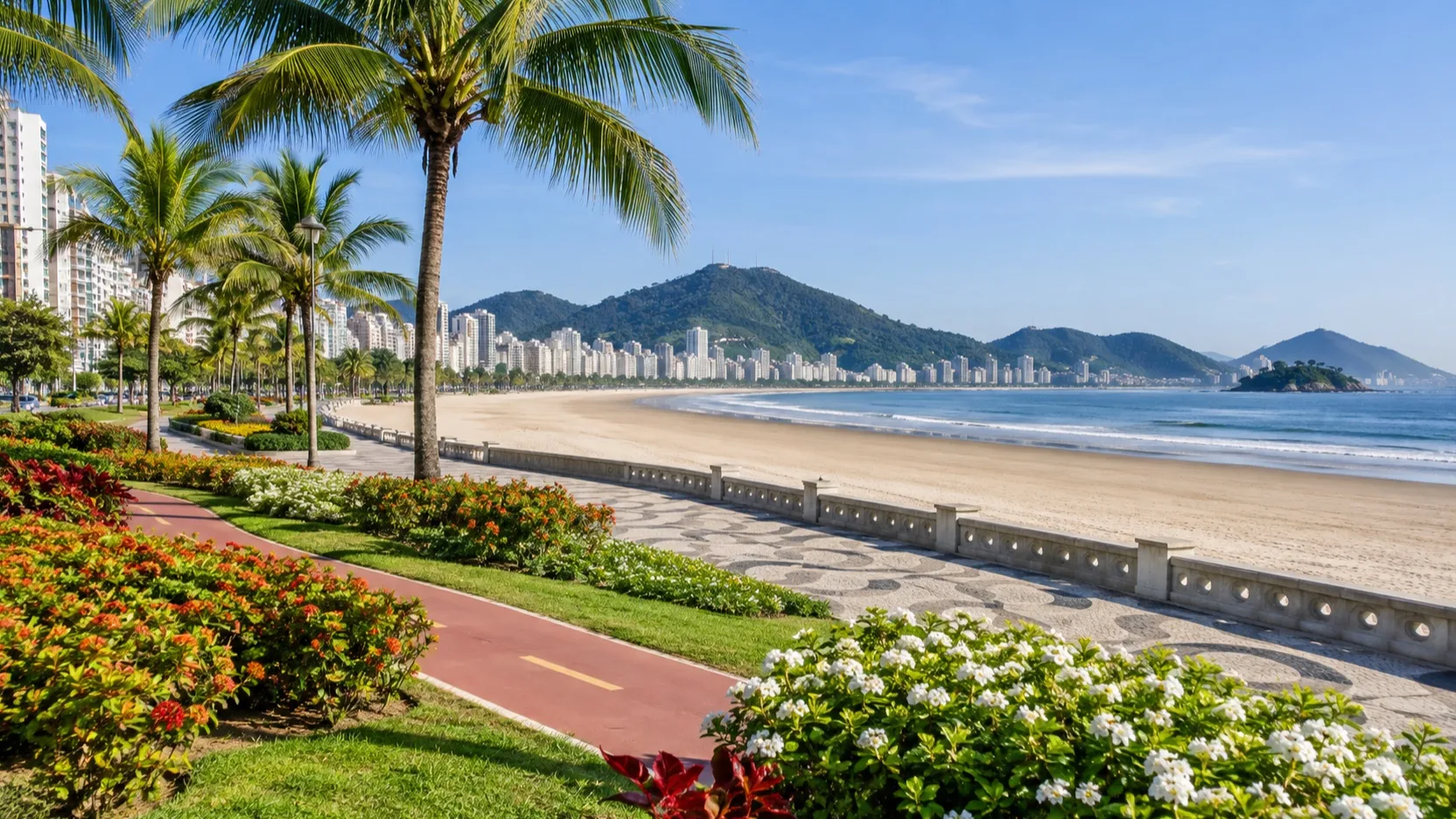
Santos’s long beachfront garden is the city’s most relaxed attraction. Palms, lawns, flowers, cycling space, promenades, kiosks, and broad views of the urban shoreline create an easy contrast with the busy port.
The named beach districts flow along the same coast, including Gonzaga, Boqueirão, and Embaré. Choose a specific meeting point because telling a driver to go to the beach can leave you far from the restaurant, garden section, or return pickup you intended.
Swimming conditions vary with weather, water quality, and local advisories. Check the current flags and municipal information before entering, and never leave valuables unattended on the sand.
A beach and garden drive works well for limited mobility when the vehicle can stop near accessible sections. Confirm curb cuts, promenade surfaces, restroom access, and the distance from drop off to seating.
Coffee Museum
The Coffee Museum occupies the former coffee exchange in Santos’s historic center. Its grand trading room, architecture, and exhibitions explain how coffee transformed the port, connected plantations with global markets, and shaped Brazil’s economy.
Check the official Coffee Museum site for current opening hours, tickets, and temporary exhibitions. The museum cafe is a natural place to taste Brazilian coffee, though service time should be part of your return plan.
This is the strongest local choice on a rainy day and one of the easiest sights to combine with a historic center tour. A guide adds valuable context about labor, migration, trade, and the difference between celebrating coffee culture and romanticizing its economic history.
Historic center and streetcar
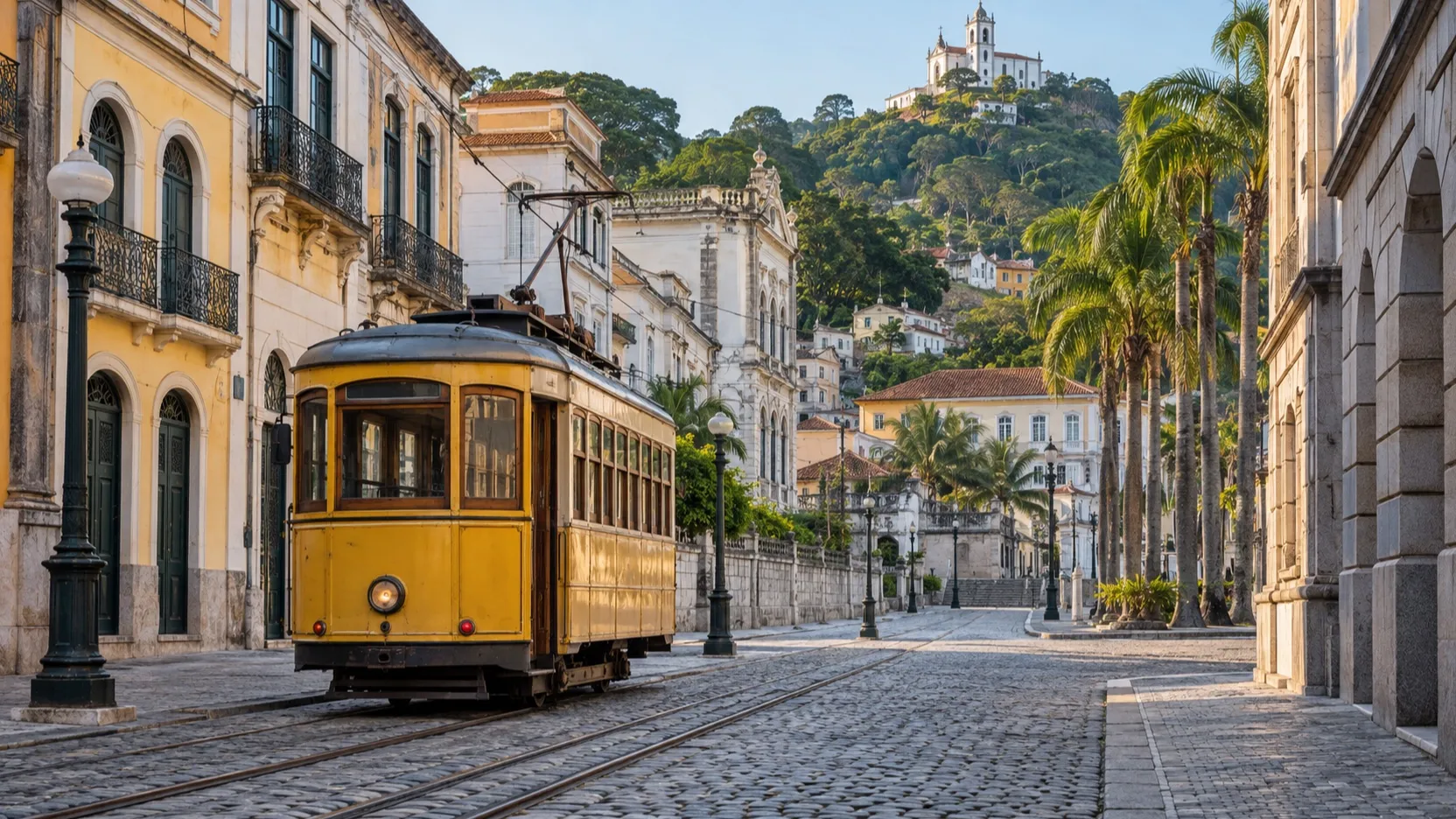
Santos’s historic center preserves churches, trading buildings, warehouses, squares, and streets connected to the port’s development. Restoration is uneven, so a guided route helps you find the highlights without wandering into quiet blocks while watching a ship deadline.
The tourist streetcar is a charming way to see part of this district when it is operating. Schedules, boarding points, tickets, and routes can change, so confirm the day’s service before designing the entire visit around it.
Monte Serrat rises behind the center and offers broad city and port views, traditionally reached by a funicular system. Verify current operation, weather, queues, and accessibility before going because the visit depends on more than the distance from the terminal.
Pelé and Santos soccer history
Pelé’s career is inseparable from Santos, where he became a global icon with Santos Football Club. The Pelé Museum in the restored Valongo buildings explores that legacy through photographs, objects, and multimedia exhibits when open.
Soccer fans may also look for the club museum and tour at Vila Belmiro stadium. Match schedules, events, maintenance, and tour language can alter access, so buy only through official channels and confirm the current program.
Trying to visit both soccer sites plus the Coffee Museum can feel rushed if each includes a guided component. Choose the one that matters most and let a city tour connect the rest from outside.
Should you visit São Paulo?
São Paulo is a huge, exciting metropolis with outstanding art, architecture, food, museums, and neighborhoods. It also sits beyond a steep highway crossing through the Serra do Mar, where congestion or weather can turn the transfer into the dominant event of your day.
I would consider São Paulo only when the ship has a long call and the excursion is designed around cruise timing. An organized tour cannot eliminate traffic, but it can coordinate the route, monitor conditions, and maintain communication with the ship.
A practical São Paulo tour should focus on a small number of central highlights rather than promising the entire city. Museum opening days, event traffic, security, and the return descent to Santos all need time.
If the call is short or ends in the afternoon rush, stay in Santos. The Coffee Museum, beach garden, and soccer history create a complete Brazilian port day without the stress of watching brake lights on the highway.
A realistic Santos itinerary
Begin in the historic center with the Coffee Museum and a guided look at the old trading district. Add the tourist streetcar if its schedule fits, then travel to the beach garden for lunch and a waterfront walk.
Soccer fans can replace the streetcar with the Pelé Museum or a confirmed Vila Belmiro visit. View seekers can choose Monte Serrat instead, provided the funicular and weather are cooperating.
Keep the final hour flexible rather than adding another distant attraction. Port security and internal terminal transfers can consume time after your vehicle reaches the harbor entrance.
Getting around Santos
A cruise line excursion is the easiest option when you want guaranteed coordination and an English speaking guide. Independent travelers should use a registered taxi, reputable app based ride, or vetted private operator from an authorized pickup point.
Confirm the fare or app match before entering a vehicle and check the license details. Share the trip with a companion when possible, sit in the rear, and avoid displaying a phone beside an open window.
Municipal buses cover the city, but they are not the best tool for a first time visitor on a ship schedule. Current United States guidance advises caution on public transportation and recommends avoiding public buses, particularly because of robbery risk.
Walking is pleasant along active beachfront sections during daylight, while the historic center deserves a planned route. The cruise terminal, beach, and old city are separate zones, so build the day around short vehicle transfers.
Safety in Santos
The current United States Department of State advisory places Brazil at Level 2 and recommends increased caution due to crime and kidnapping. It advises travelers to avoid informal housing developments, stay alert, avoid displaying wealth, and use care with transportation and cash machines.
The United Kingdom travel advice for Brazil provides another current overview of crime, health, entry, and local law issues. Read your own government’s advice close to sailing because conditions and insurance implications can change.
Carry only the cards and cash needed for the day, keep jewelry discreet, and do not hold a phone loosely near traffic. Use cash machines inside a bank, shopping center, or other controlled location rather than on an empty street.
Avoid beaches after dark, isolated streets, demonstrations, and any neighborhood you did not deliberately choose. If confronted in a robbery, prioritize personal safety and do not physically resist.
Money and language
The Brazilian real is the local currency, and major cards are accepted at many established museums, restaurants, and shops. Pay in reais when a card terminal offers a choice, since automatic conversion into your home currency can use an unfavorable rate.
Portuguese is the language of Brazil, and English cannot be assumed outside cruise focused services. Save destination names and the port return address in writing, and download an offline translation tool before leaving the ship.
Tipping customs vary by service, and restaurants may include a service charge. Read the bill before adding more and ask when anything is unclear.
Food to try
Santos is a good place for grilled fish, shrimp, rice and beans, pastries, fresh juice, and Brazilian coffee. A kilo restaurant, where diners choose food and pay by weight, can be efficient when you understand the process and have limited time.
Tell staff clearly about allergies and remember that sauces or fried foods may contain hidden ingredients. Choose a busy established restaurant, drink sealed water if preferred, and protect your phone and bag while dining outdoors.
Weather and what to wear
Santos can be hot, humid, and rainy, with strong sun even when clouds build over the coastal hills. Lightweight clothing, sun protection, water, and a compact waterproof layer cover most port days.
Wear comfortable closed toe shoes for historic streets and slick surfaces. Bring insect repellent if a garden or shaded outdoor area is part of the plan.
Heavy rain can slow both city traffic and the São Paulo highway. Keep the itinerary flexible and return earlier when the forecast deteriorates.
Accessibility
Port accessibility depends on the berth, gangway, internal shuttle, and terminal route assigned to the ship. Give the cruise line your mobility device dimensions and weight, then confirm lift equipped transportation and assistance before sailing.
The beach promenade and selected museum areas may offer easier surfaces than older streets, but curb cuts, traffic, and historic thresholds still vary. Ask each attraction about step free entry, elevators, accessible restrooms, and the route between exhibits.
A panoramic vehicle tour can conserve energy while showing the beach, city, and port. Confirm vehicle steps and securement rather than relying on a generic accessible label.
The best Santos cruise strategy
Santos rewards a local day more than its gateway label suggests. Pair coffee history with the beachfront garden, add soccer or a panoramic viewpoint if time permits, and save São Paulo for a call long enough to absorb real traffic risk.
Confirm your visa, registered transportation, and exact terminal return point before leaving the ship. With those details settled, Santos becomes an engaging mix of port history, Brazilian culture, green shoreline, and easygoing coastal life.