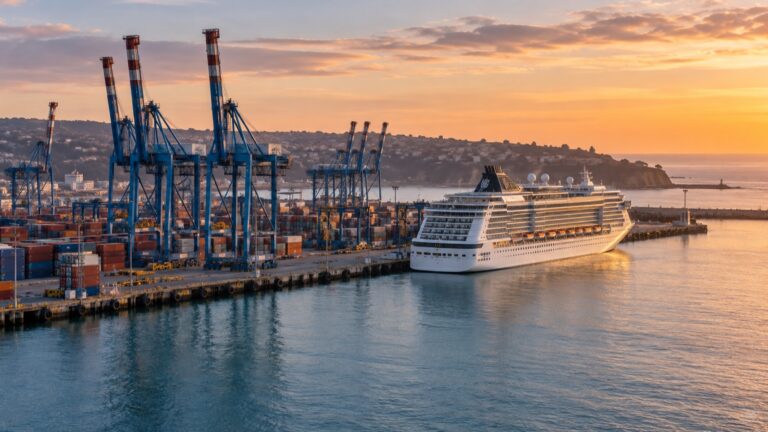
Brazil Cruise Ports: Salvador, the Amazon and Rio’s Coast
Brazil’s cruise ports vary dramatically, from Salvador’s old town to the deep Amazon. This guide compares nine major stops, including Rio de Janeiro, so you can choose the right day plan for each.
My quick take on Brazil’s cruise ports
For history, start with Salvador; for famous city scenery, choose Rio; and for beaches, compare Maceió, Búzios, and Ilha Grande. Manaus and Belém show two very different sides of the Amazon region.
A handful of these ports berth alongside a walkable center, while others mean a tender ride or a longer transfer inland. This page is a companion to our wider guide to South America cruise ports.
Quick Facts
Here is the short version before the detail below. Each Brazilian port has its own rhythm, and knowing the layout helps you decide between a self-guided walk and a booked excursion.
- Recife: normally berth alongside at the cruise terminal in the commercial port, then use port transport or a short ride to Recife Antigo; Boa Viagem is farther south.
- Maceió: berth at the Port of Jaraguá, then use a taxi, ride-hail, or tour for the roughly 2 to 4 mile trip to the main urban beaches.
- Salvador de Bahia: berth alongside the pier, a short elevator or taxi ride up to the Pelourinho old town.
- Rio de Janeiro: berth at Pier Mauá in the central port district, then use reserved transport for Corcovado, Sugarloaf, or the beaches.
- Santos: berth in a secure commercial port, then ride roughly 15 to 25 minutes to the beach garden or 1.5 to more than 2 hours to São Paulo.
- Manaus: use a floating or assigned river berth roughly 1,000 miles inland, close to the historic center and boat trips for the Meeting of the Waters.
- Buzios: tender ashore to the Orla Bardot promenade, steps from Rua das Pedras and 20-plus beaches.
- Ilha Grande: tender or boat ashore to car-free Vila do Abraao, gateway to Lopes Mendes beach.
- Belém: berth centrally, use Icoaraci or Outeiro, or anchor depending on the vessel; only a central assignment is close to Ver-o-Peso.
Recife Cruise Port
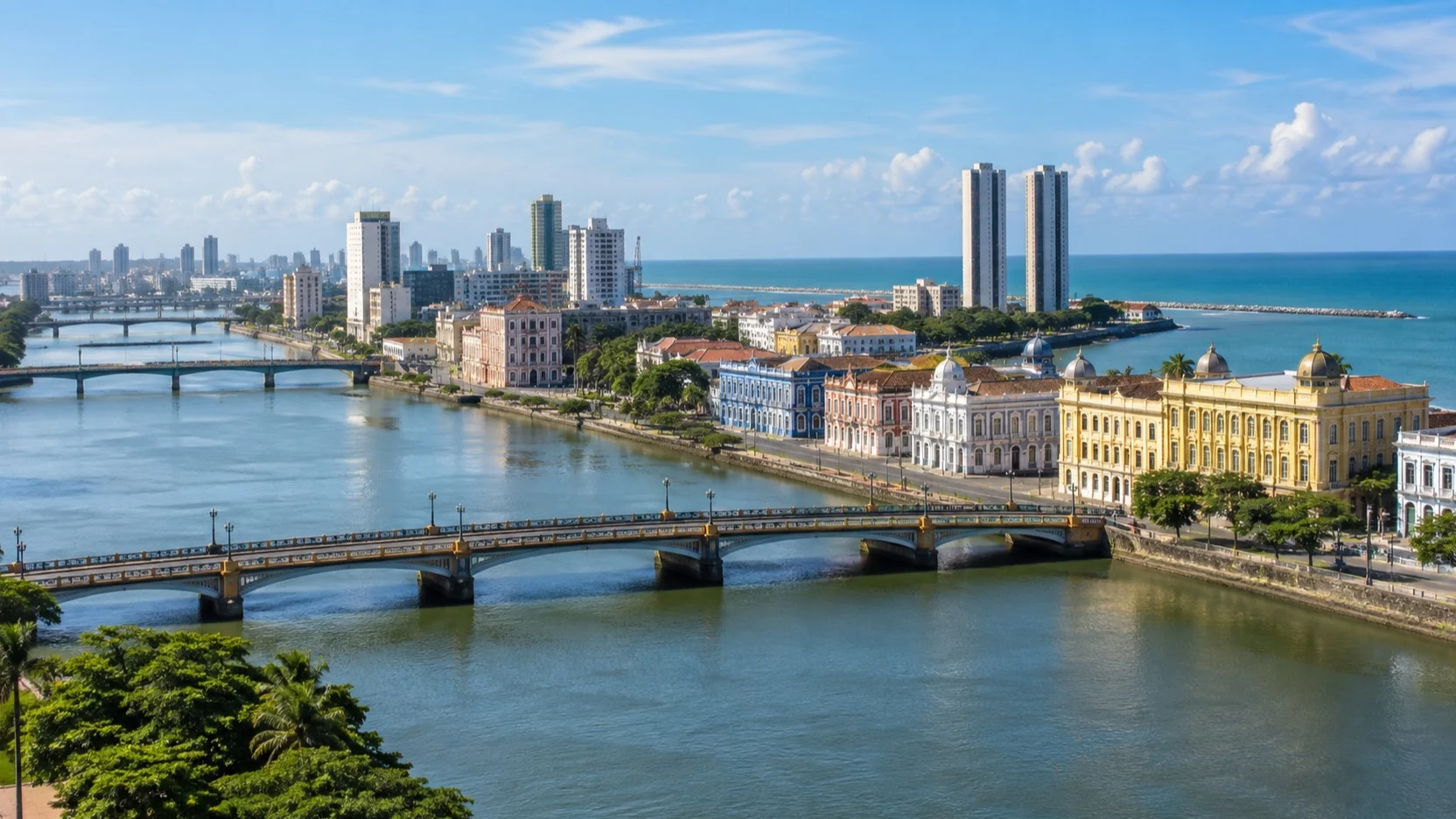
Recife cruise ships normally berth alongside at the commercial port’s passenger terminal rather than tender. Follow the controlled port transfer and allow a short ride or shuttle to Recife Antigo.
Once ashore, Recife Antigo’s canals and colonial facades give the city its “Venice of Brazil” nickname, and colorful Olinda is a short drive away for anyone who wants more UNESCO-listed streets.
Marco Zero square marks the point where the city was founded and fills with frevo dancers in the run-up to Carnival. The Ricardo Brennand Institute, a mock-medieval castle housing one of the world’s largest arms collections, is a popular ship excursion a short drive out.
We cover the shuttle logistics, Olinda day trips, and Boa Viagem beach in our full Recife cruise port guide. Start there if Recife is your main call.
Maceio Cruise Port
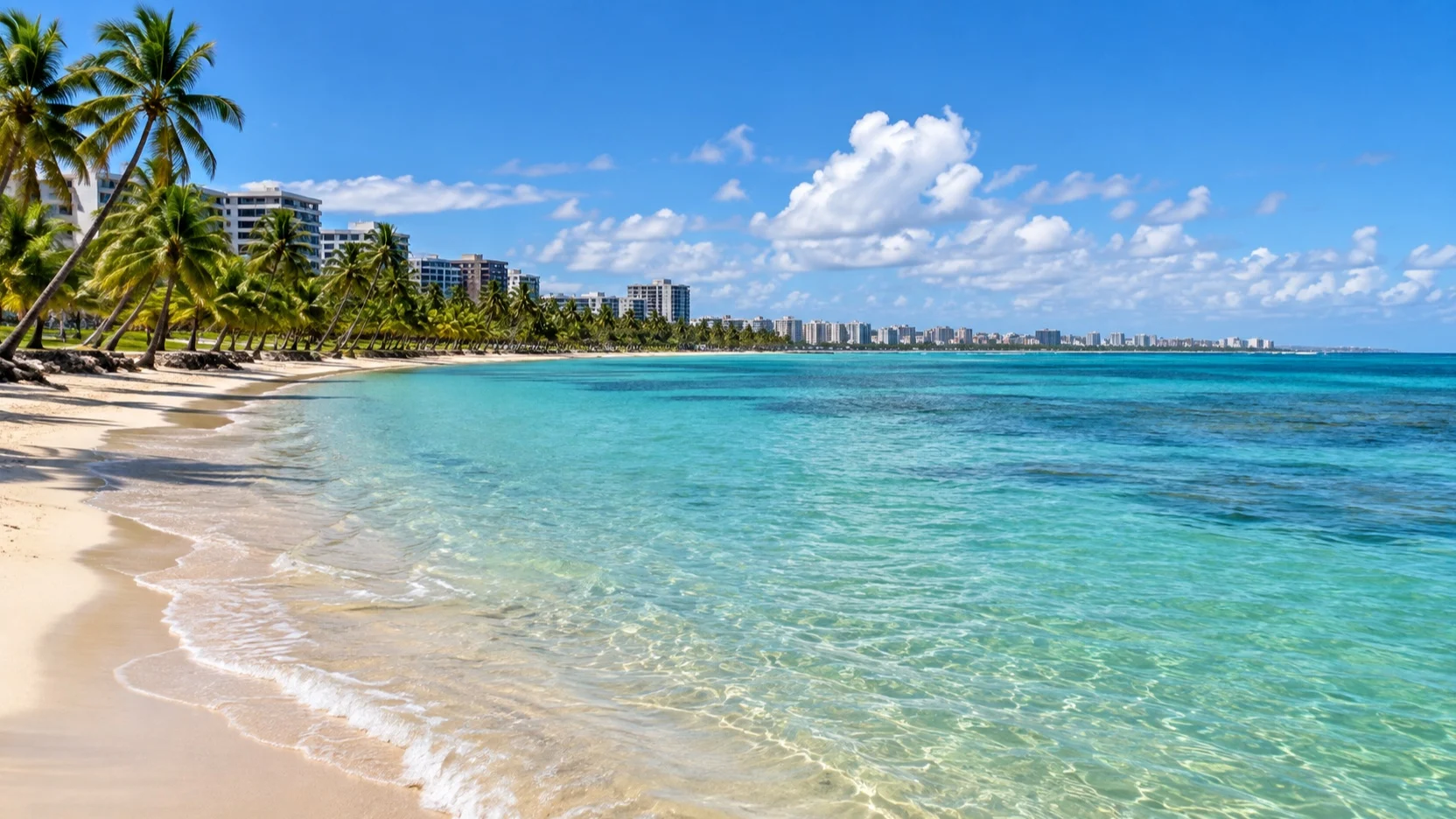
Maceió berths at the Port of Jaraguá, but the passenger route and gate are not a beach promenade. Use an authorized taxi, ride-hail, shuttle, or tour for the roughly 2 to 4 mile transfer to Pajuçara, Ponta Verde, or Jatiúca.
The draw here is water: Ponta Verde and Jatiuca beaches sit a few miles from the port, and boats from Pajucara run out to natural reef pools where the water turns a startling turquoise at low tide, similar to the calm, clear coves around Praia do Frances farther south.
For berth details, beach picks, and how to reach the reef pools, see our full Maceio cruise port guide.
Salvador de Bahia Cruise Port
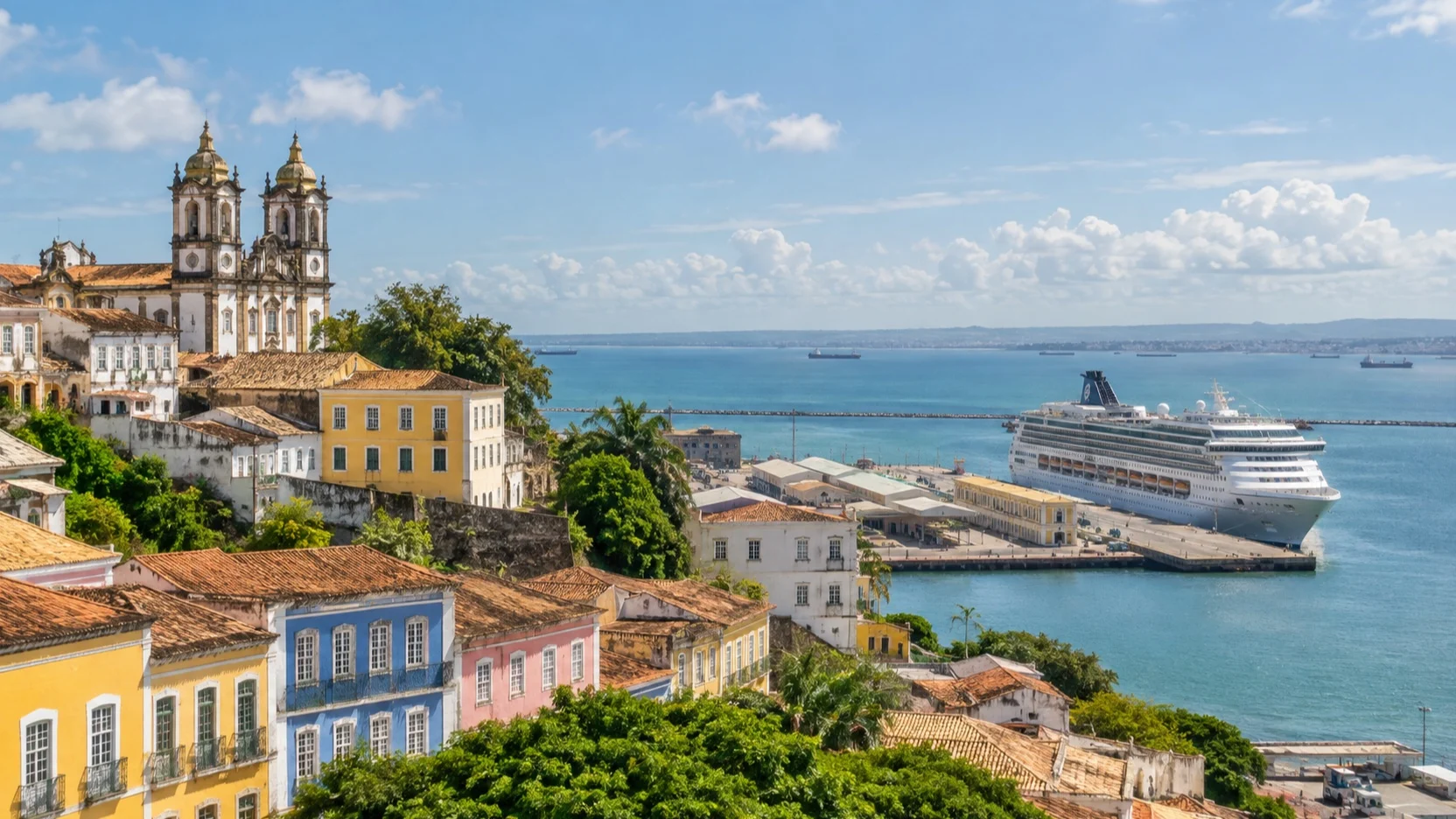
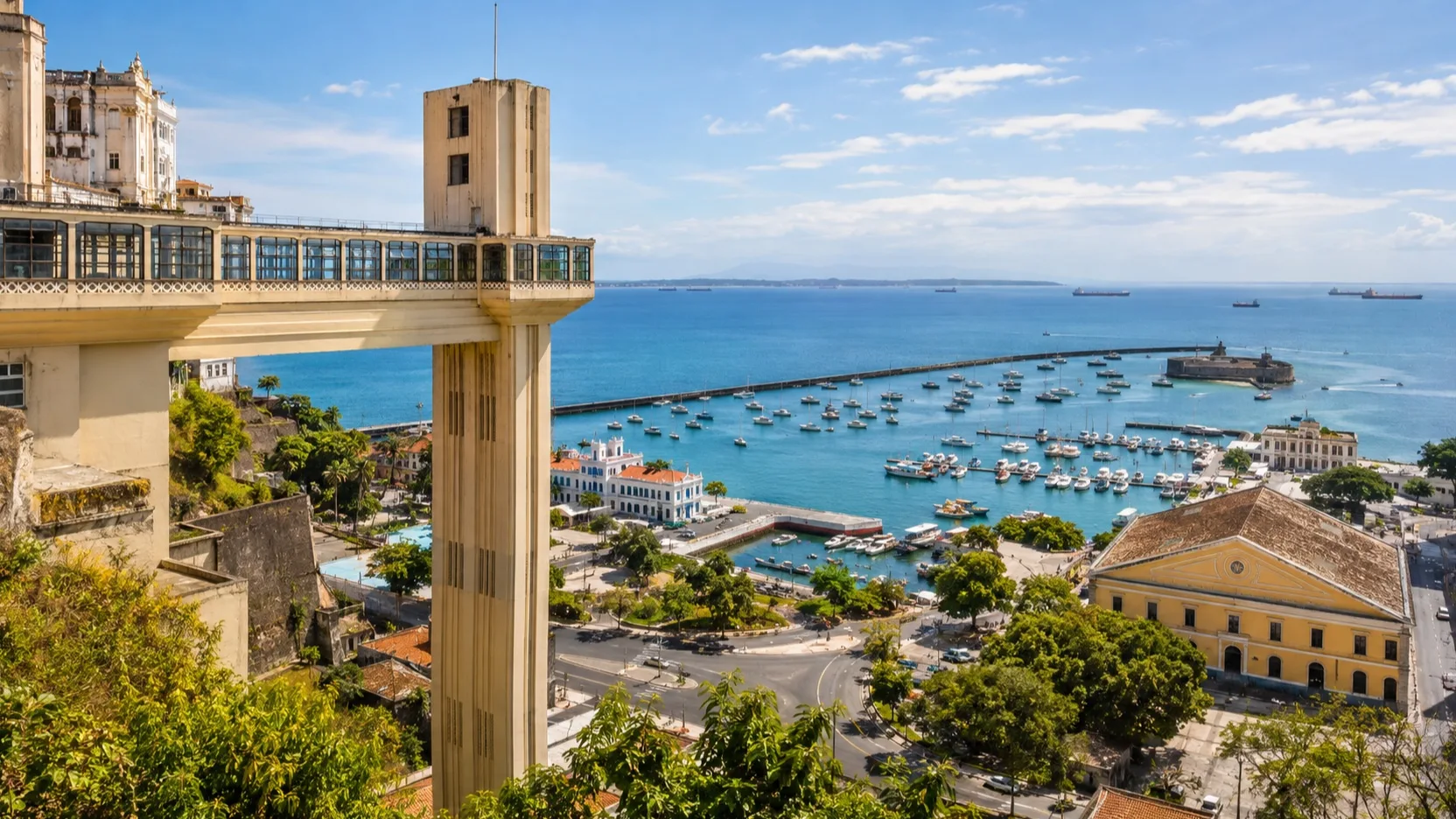
Salvador is the cultural heavyweight of Brazil’s cruise coast. Ships dock directly alongside the pier, so there is no tender, and the upper city is reached by the Elevador Lacerda or a short taxi ride up the steep incline from the lower city.
At the top waits Pelourinho, the cobblestone, pastel-colored old town that UNESCO added to its World Heritage list in 1985. Capoeira circles and samba spill through the squares, and the 18th-century Igreja de Sao Francisco glitters with gold leaf inside.
We go deeper on the old town, the food, and getting between the lower and upper city in our full Salvador de Bahia cruise port guide.
Santos Cruise Port
Santos berths inside Brazil’s largest commercial port and passengers follow secure terminal-transfer instructions rather than walking into town. São Paulo is roughly 50 to 60 miles away and commonly needs 1.5 to more than 2 hours each way in traffic.
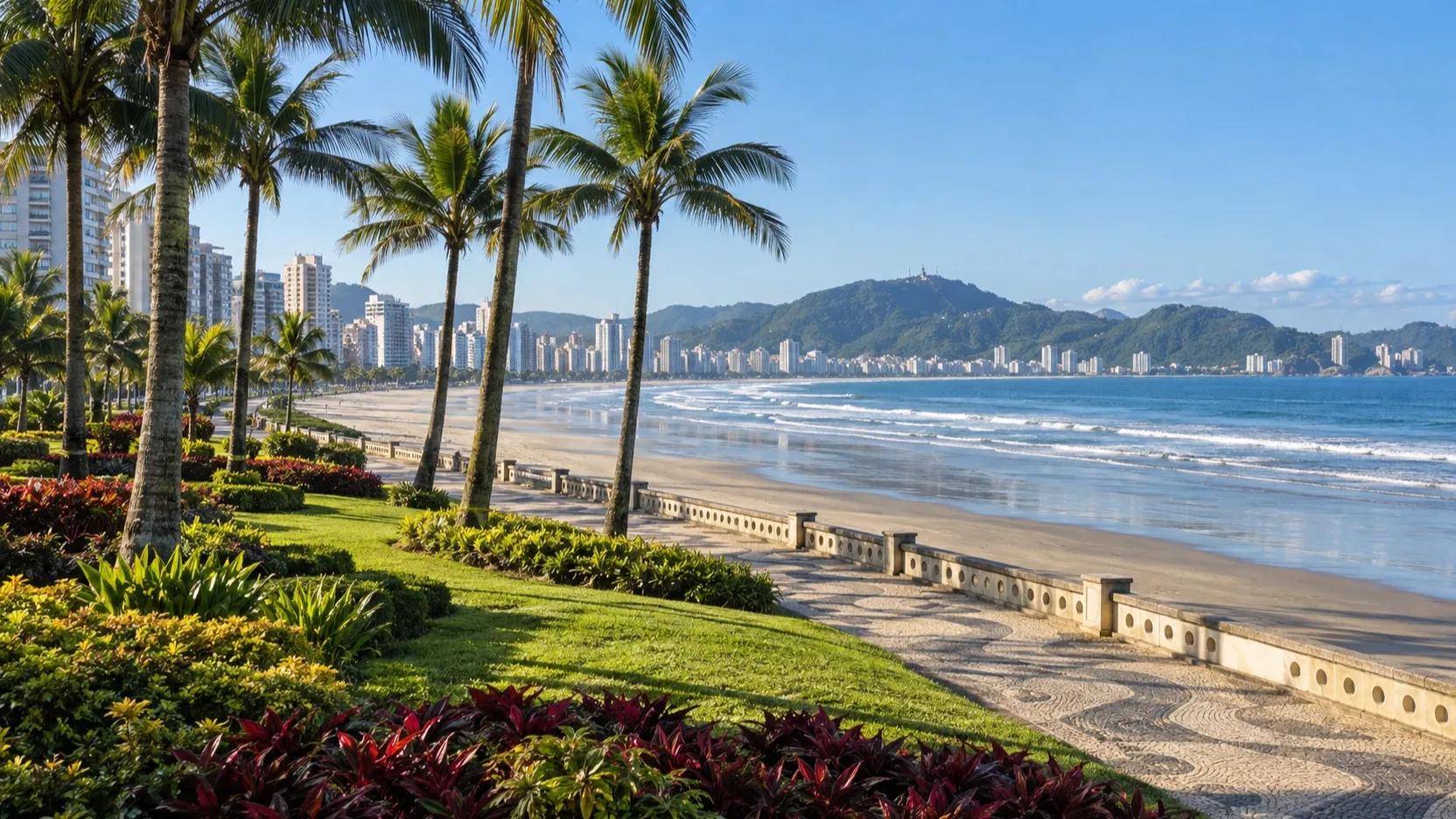
The city’s own claim to fame runs along its waterfront: a 3.3-mile beachfront garden that holds the Guinness World Record as the longest in the world, backing onto Gonzaga beach’s palm-lined promenade. Football fans can also visit the museum at Vila Belmiro, home of Santos FC and Pele.
Santos also anchors Brazil’s coffee history, and the ornate Museu do Cafe fills the old Coffee Exchange where beans were once graded and auctioned. It sits in the historic center, a short taxi ride from the terminal.
For the full rundown on the garden, the Sao Paulo day trip, and the Coffee Exchange museum, read our Santos cruise port guide.
Manaus Cruise Port
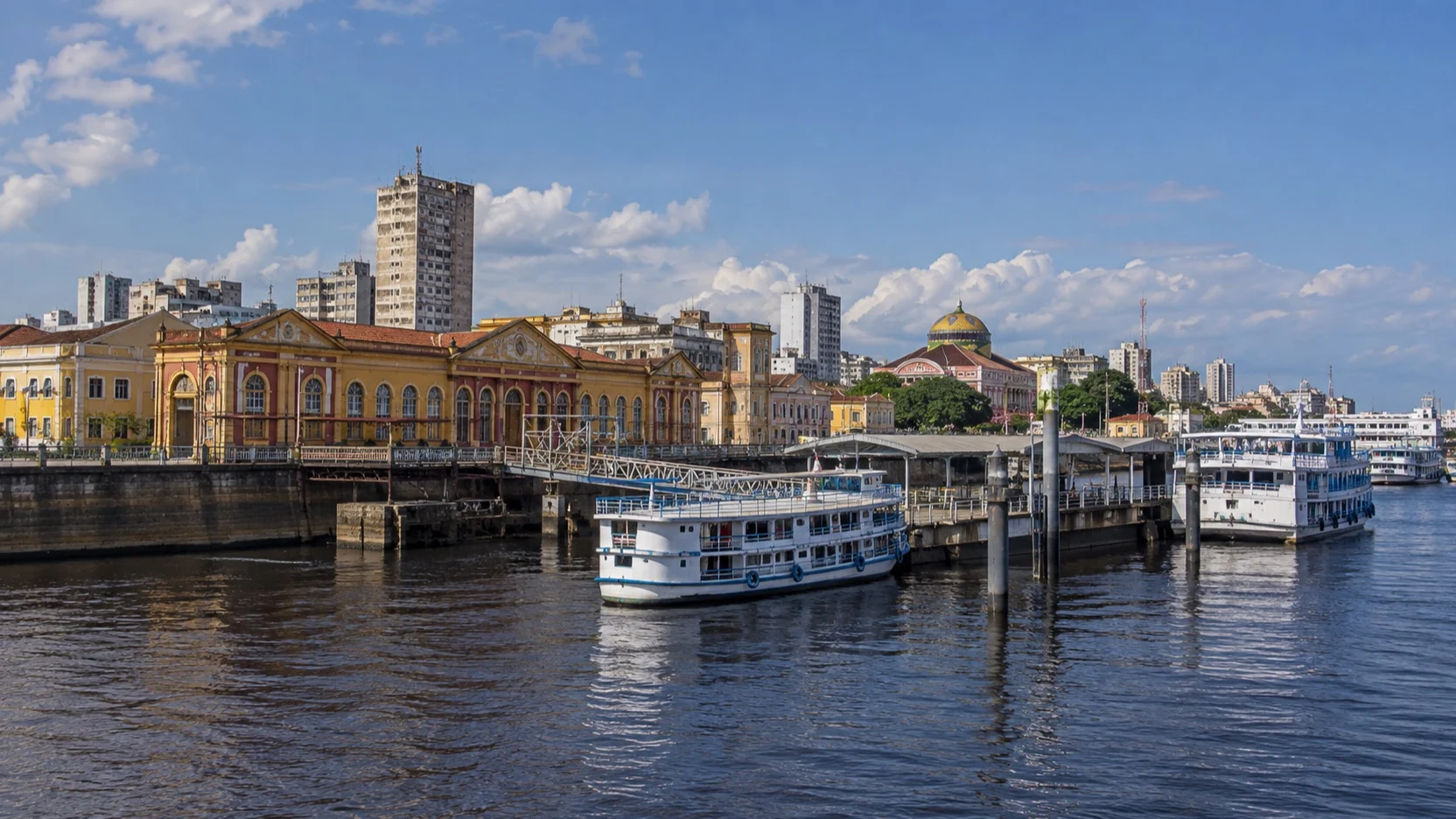
Manaus is the outlier on this list: a major river port roughly 1,000 miles inland in the Amazon basin. Ships dock at the Porto Flutuante, a floating pier engineered to rise and fall with the river’s dramatic seasonal swings.
In the city itself, the pink-domed Teatro Amazonas opera house is the rubber-boom landmark everyone photographs, while boat tours from the port reach the Meeting of the Waters, where the dark Rio Negro and the sandy-colored Solimoes run side by side for miles without blending.
Right by the waterfront, the Mercado Adolpho Lisboa was modeled on the old Les Halles market in Paris and stocks Amazonian fish, fruit, and craft. It is an easy stroll from the floating dock if you would rather stay in town.
We cover the floating dock, the opera house, and jungle excursions in our full Manaus cruise port guide.
Rio de Janeiro Cruise Port
Rio is the missing anchor for a coast-focused Brazil itinerary. Ships normally use Pier Mauá in the central port district, close to the Museum of Tomorrow and Olympic Boulevard, but Christ the Redeemer, Sugarloaf, Copacabana, and Ipanema all need transport and should not be squeezed into one rushed loop.
For a first visit, choose Christ the Redeemer plus one neighborhood or Sugarloaf plus the beaches, and reserve the timed attraction and transfer before sailing. Traffic, queues, and weather can hide the mountain views, so keep a waterfront or museum backup and start back at least 90 minutes before all aboard.
The Corcovado train and Sugarloaf cable car are easier to plan than an improvised taxi chain, but step-free access still depends on the exact vehicle and station route. Ask the operator and cruise line about ramps, lifts, and mobility-device limits before buying a fixed-time ticket.
Buzios Cruise Port
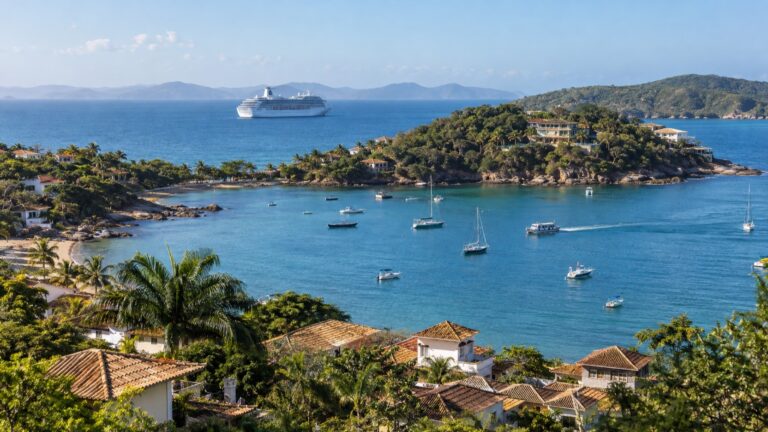
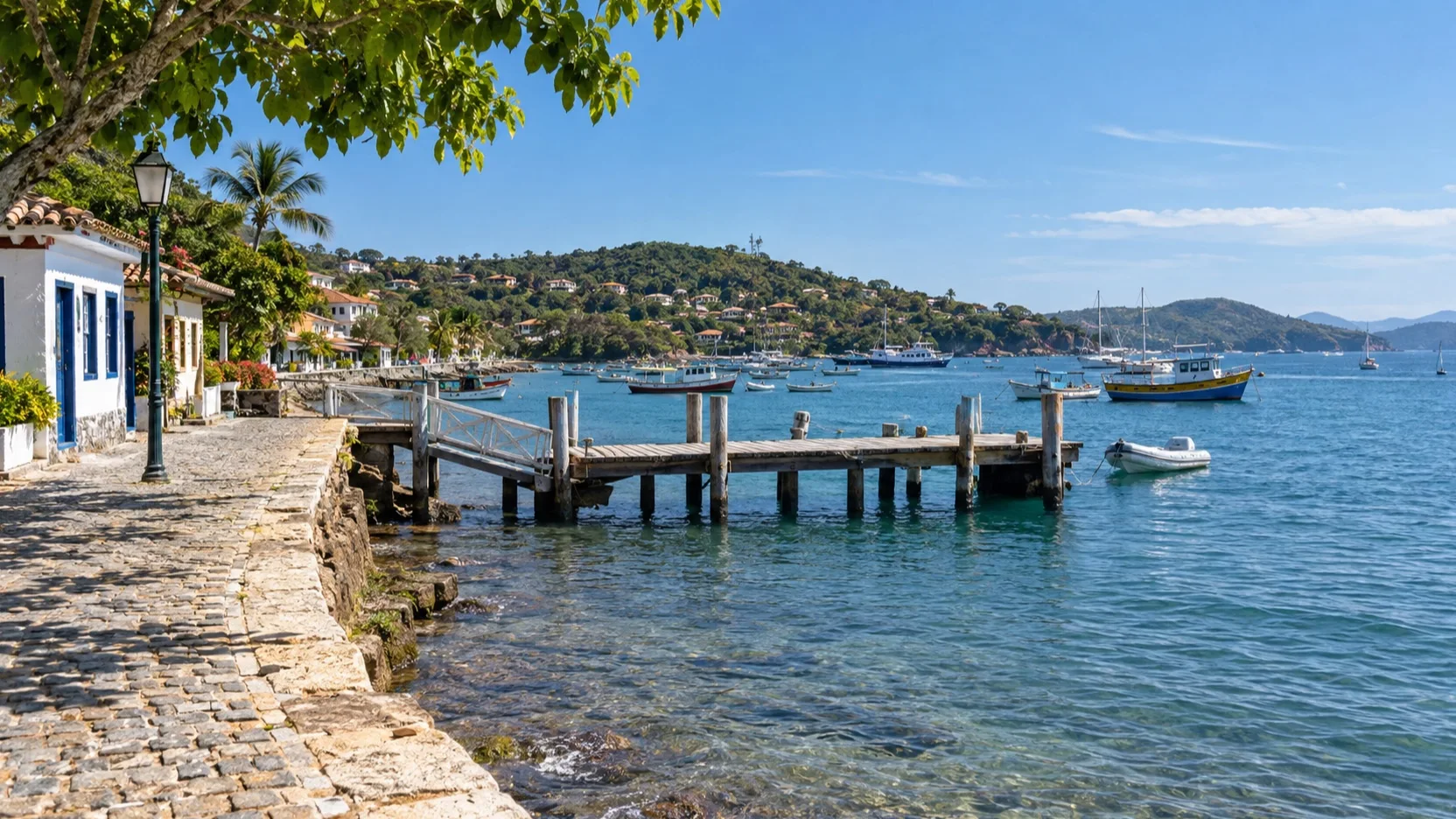
Buzios is a tender call. Ships anchor offshore and small boats bring passengers straight to the Orla Bardot promenade, named for Brigitte Bardot, whose 1960s visits turned this fishing village into a resort town.
From the tender landing it is an easy walk to Rua das Pedras for shopping and seafood, and to more than 20 coves scattered around the peninsula, from the calm, family-friendly Ferradura to the clear snorkeling waters of Joao Fernandes.
A bronze Brigitte Bardot lounges on a bench along the waterfront and draws a steady line of photos, with the three bronze fishermen wading from the shallows nearby. In the evening, Rua das Pedras lights up with bars, galleries, and boutiques.
For beach-by-beach picks and tender tips, see our full Buzios cruise port guide.
Ilha Grande Cruise Port
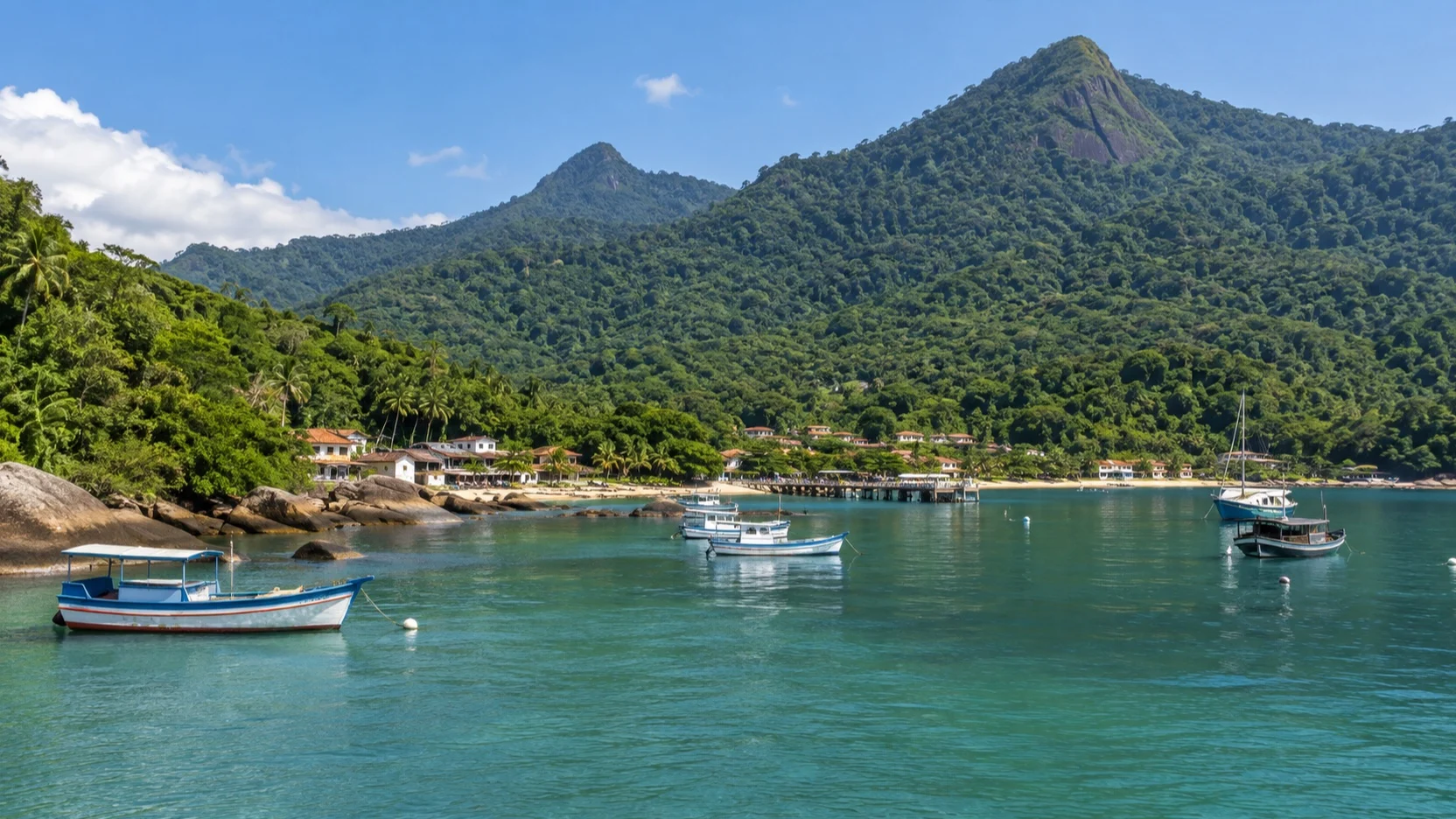
Ilha Grande cruise passengers tender into Vila do Abraão. Private-car road travel is not a visitor option, so travelers use footpaths and licensed local boats, with limited service vehicles on the island.
The island’s biggest draw is Lopes Mendes, regularly ranked among the world’s best beaches and reached by a roughly two-and-a-half hour hike or a short boat ride. History-minded travelers can also reach the ruins of Cândido Mendes prison at Dois Rios, which closed in 1994, but the long trail makes it unsuitable for most port calls.
We map the trails, the boat options, and the prison ruins in our full Ilha Grande cruise port guide.
Belem Cruise Port
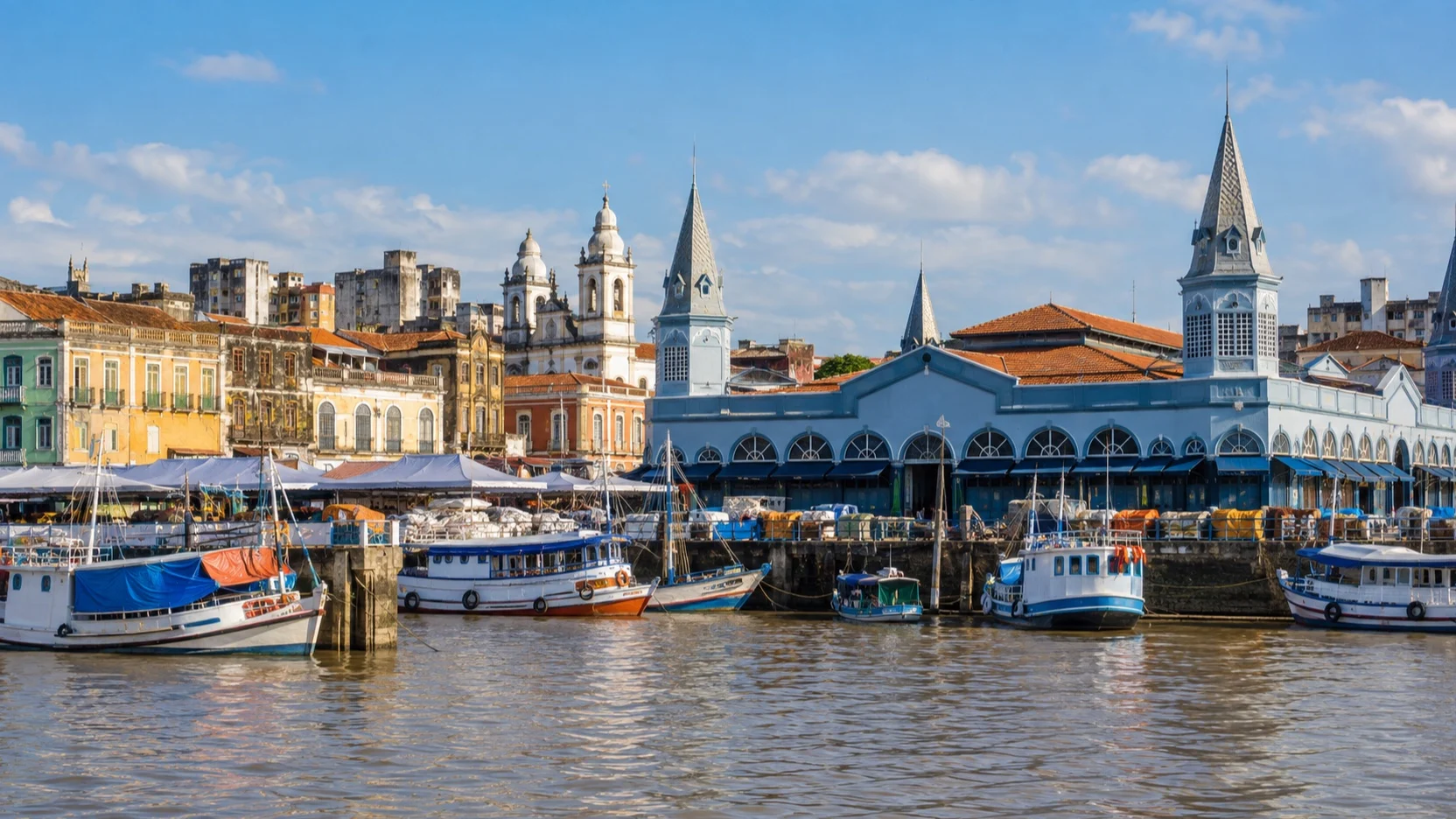
Belém sits in the Amazon delta region, and the landing depends on the vessel: possible assignments include a central quay, Icoaraci, Outeiro, or an anchorage. Confirm whether the cruise line provides a shuttle because an outer-port transfer can take 45 to 60 minutes in traffic.
Ver-o-Peso is on the central waterfront, close only when the ship or shuttle reaches that district. The huge working market and nearby Cidade Velha pair Amazonian food stalls with colonial churches and mansions.
We cover the tender logistics, the market, and river excursions in our full Belem cruise port guide.
How to choose the right Brazil port day
For a classic old-town walk, choose Salvador. For a straightforward beach and city stroll with no tender involved, Santos and Maceio are your easiest days.
For beach-hopping and nightlife, Buzios delivers, while Ilha Grande is the pick if you want rainforest trails and a car-free island. Recife and Belem reward travelers who like a mix of colonial streets and local markets, and Manaus is the one to choose if the Amazon itself is the whole point of your trip.
All nine sit within Brazil’s wider Atlantic and Amazon cruise season, and the official Visit Brasil tourism site is handy for planning beyond the coast. You can see how they fit the bigger picture in our South America cruise ports hub.
Entry documents and safety
Brazil currently requires visitor visas from citizens of the United States, Canada, and Australia, with an electronic application route available. Rules depend on nationality and can change, so verify them through the Brazilian Ministry of Foreign Affairs and your cruise line well before departure.
Use Brazilian reais for small purchases and authorized taxis or app-based rides for independent trips. Keep phones and jewelry discreet, avoid empty streets and beaches after dark, and do not enter a favela on your own even when a map suggests a shortcut.
Quick answers
Which Brazil cruise ports need a tender?
Búzios and Ilha Grande are regular tender calls. Recife, Salvador, Santos, and Maceió normally berth, Manaus uses an assigned river berth, and Belém can involve a central or outer berth or an anchorage.
Always confirm with your cruise line, since arrangements can change by ship and season.
When is the best time to cruise Brazil?
Most coastal Brazil cruises sail between December and March, the Southern Hemisphere summer, when the beaches are at their warmest. Amazon calls at Manaus and Belem often appear on longer or repositioning voyages, so read the full itinerary before you book.
Which port is best for first-time visitors?
Rio or Salvador gives a first-time visitor the clearest sense of Brazil, but both require a focused plan and city precautions. Santos is easier for a lower-stress local day, although its beach and historic center are a ride from the terminal.
Do I need an excursion, or can I explore on my own?
In Salvador, Santos, Maceio, and Buzios you can happily explore the center independently. Manaus, Belem, and Ilha Grande are where a boat tour or guided hike pays off, since the highlights are spread along the river or across the island.
How this guide was researched: Unless a first-hand visit is explicitly identified above, this guide is based on independent research using official port, tourism, transit, government, and attraction sources where available. Logistics and time-sensitive details were reviewed on September 11, 2026; see our Editorial Policy.